Artwork
Mother and Child with Two Dogs
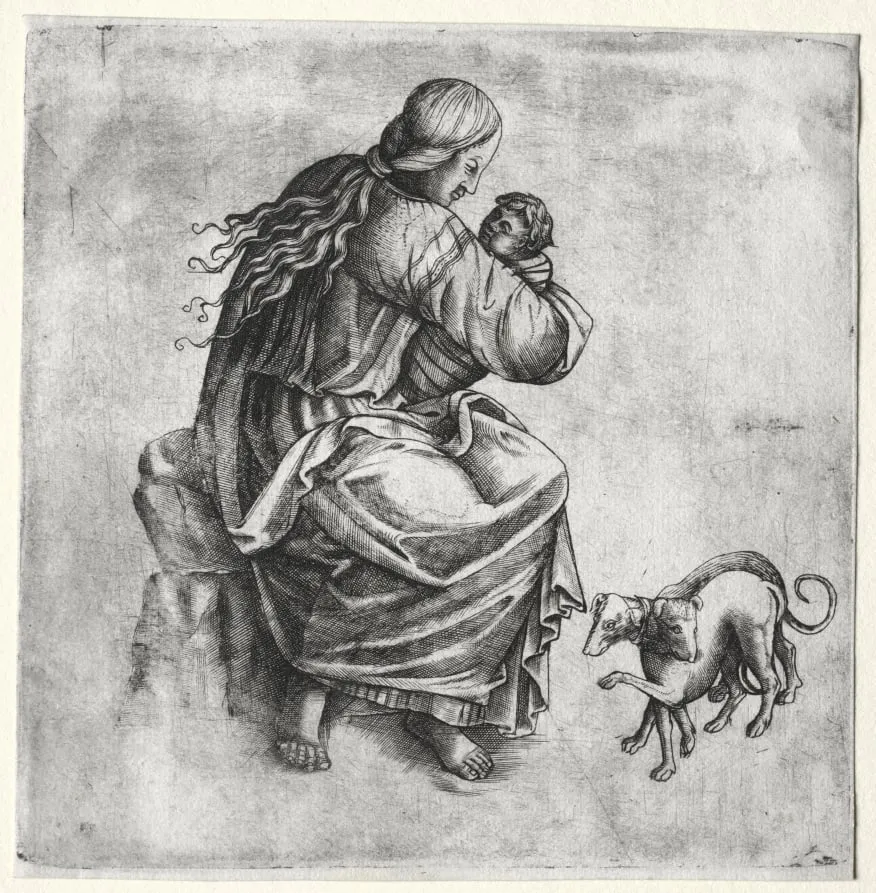
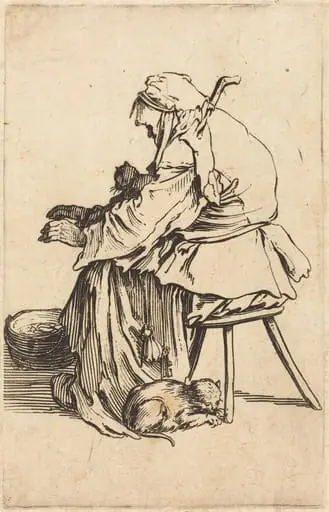
Mother and Child with Two Dogs is a print by the Renaissance artist Unknown. It dates from 1404 and is held in the collection of the Cleveland Museum of Art. This ink drawing depicts a seated woman cradling a young child on her lap, accompanied by a small dog at her feet.
- Accession no.
- 1937.566
- Credit line
- Dudley P. Allen Fund
About this work
Overview
The scene avoids dramatic detail, favoring a serene, contemplative mood characteristic of early Renaissance sensibilities.
This ink drawing depicts a seated woman cradling a young child on her lap, accompanied by a small dog at her feet. Rendered with delicate, flowing lines, the composition emphasizes quiet intimacy. The figures are simplified yet expressive, with attention to the texture of fabric and fur. The scene avoids dramatic detail, favoring a serene, contemplative mood characteristic of early Renaissance sensibilities.
Subject & Meaning
The image centers on maternal tenderness, portraying a private, unguarded moment between mother and child. The presence of the dog, gazing upward, reinforces themes of loyalty and domestic harmony. No symbolic attributes or elaborate settings are present, suggesting the artist valued emotional authenticity over narrative complexity. The simplicity invites quiet reflection rather than storytelling.
Technique & Style
The artist employs fine, continuous lines to suggest form and texture, folds in the robe, the curl of the dog’s tail, the flow of hair. Shading is minimal, relying on line weight and spacing to imply volume. The style is restrained, avoiding heavy contrast or modeling, aligning with early Renaissance draftsmanship that prioritized clarity and grace over illusionistic depth.
History & Provenance
The work’s origin is undocumented, but its stylistic traits suggest it was created in late 15th-century Italy, possibly as a preparatory sketch or independent study. No known collector records or exhibition histories exist prior to modern archival interest. Its survival as a standalone sheet implies it was valued for its compositional harmony rather than as part of a larger project.
Context
Created during a period when artists increasingly turned to intimate, human-centered subjects, this drawing reflects a broader shift away from purely religious iconography. Similar themes appear in the works of Florentine draftsmen who studied naturalism and domestic life. The focus on maternal affection aligns with emerging humanist ideals that elevated everyday emotional experience.
Legacy
Though unsigned and unattributed, the drawing contributes to the understanding of how Renaissance artists explored personal, non-narrative moments in drawing. Its quiet dignity influenced later studies of familial bonds in graphic art. It remains a quiet example of how simplicity in line could convey enduring emotional resonance without ornamentation.
Artist & collection









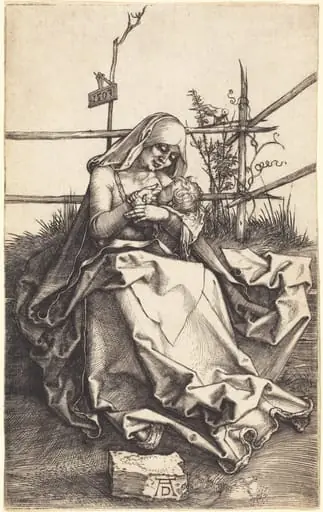
- The Virgin and Child on a Grassy Bench
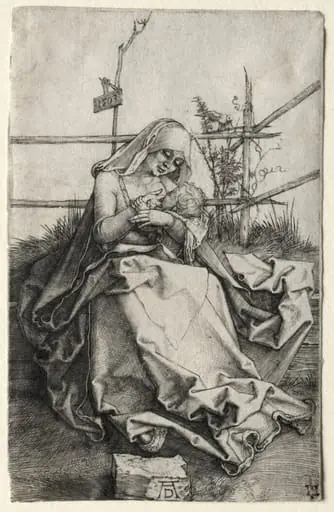 The Virgin and Child on a Grassy Bench
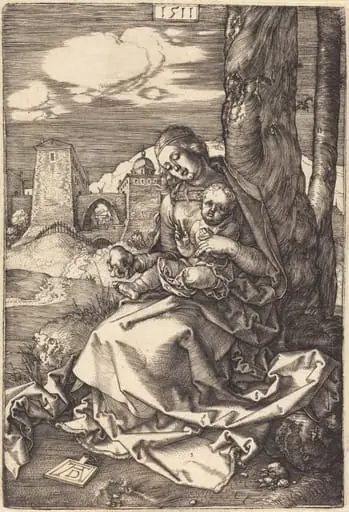 The Virgin and Child with the Pear
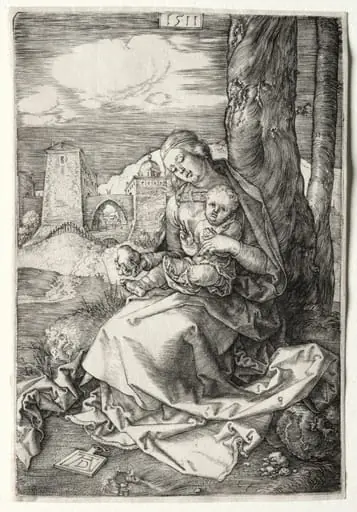 The Virgin and Child with the Pear
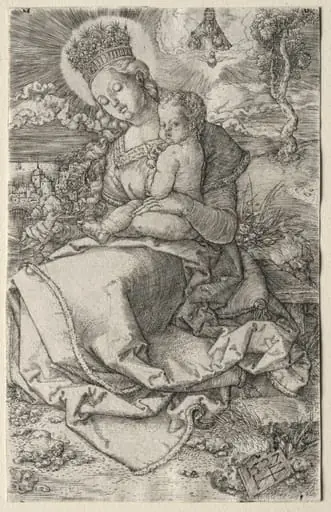 Virgin with a Crown of Stars
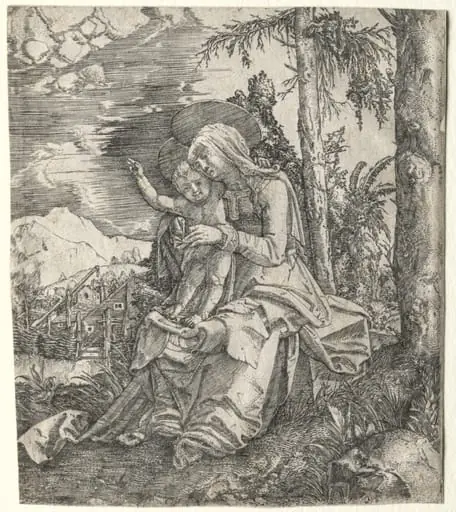 The Virgin in a Landscape
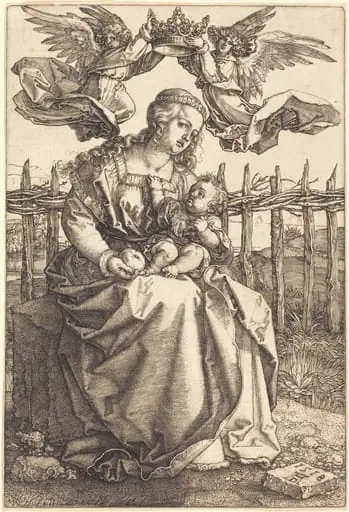 The Virgin and Child Crowned by Two Angels
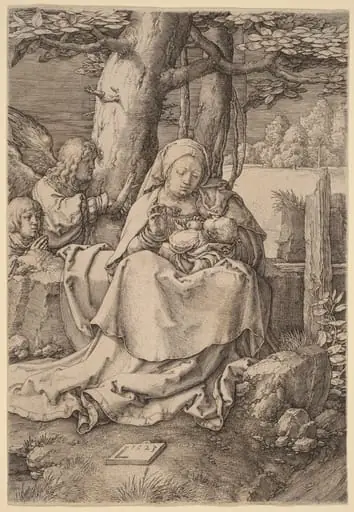 The Virgin and Child with Two Angels
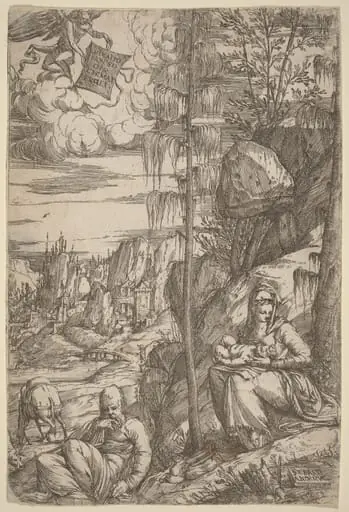 Landscape with the Rest on the Flight into Egypt
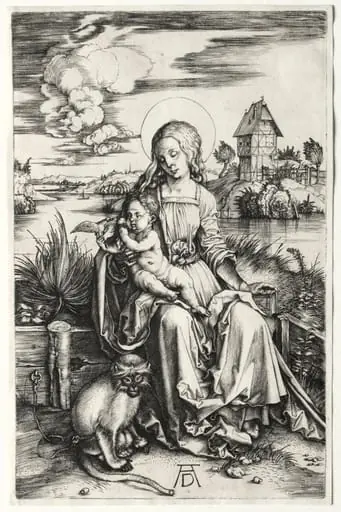 The Virgin and Child with a Monkey
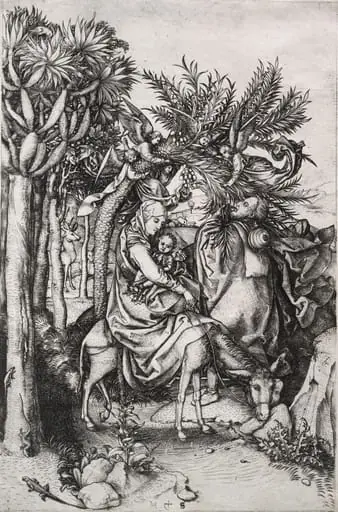 The Flight into Egypt
 Old Woman with Cats