Artwork
Nancy Parsons
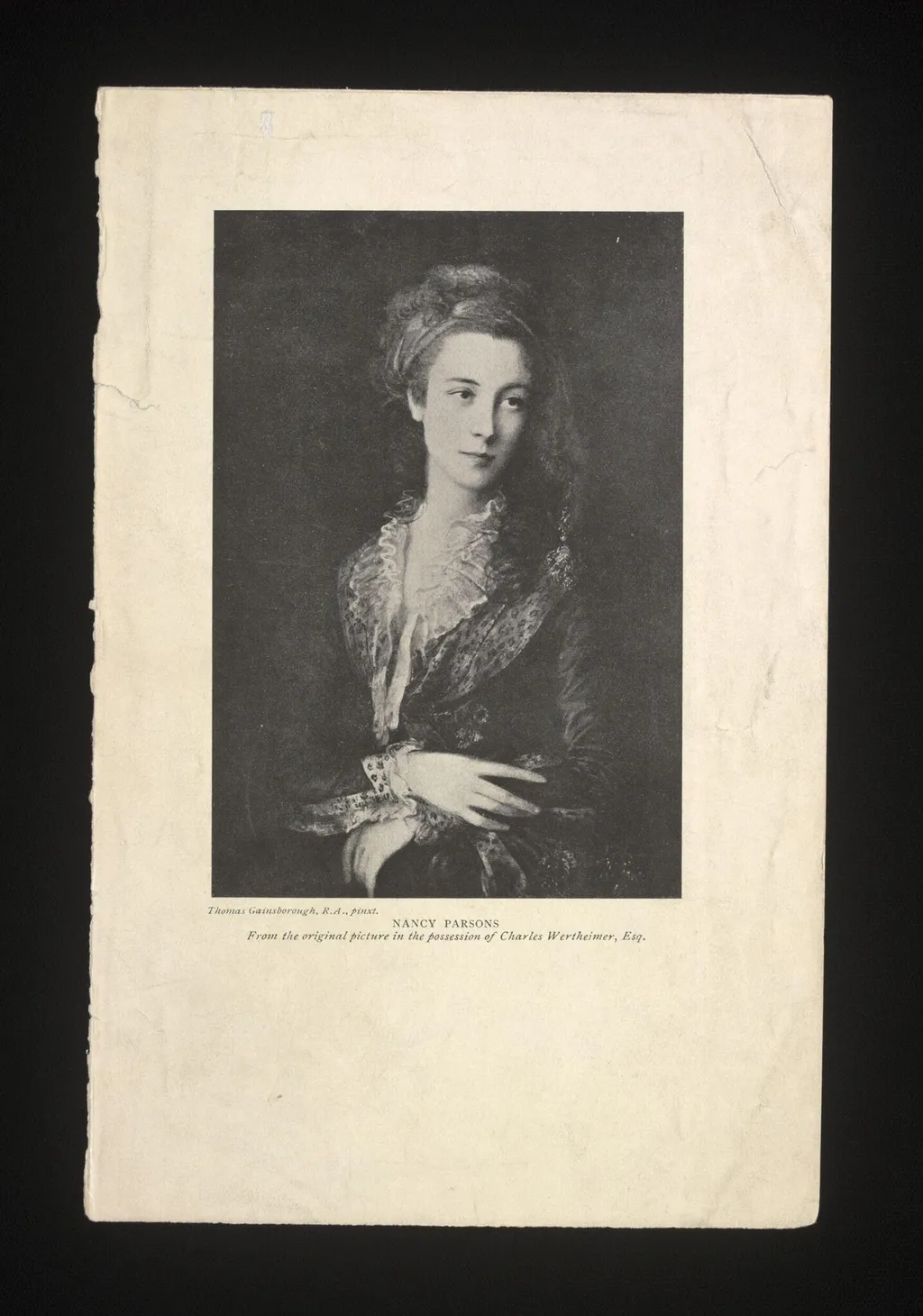
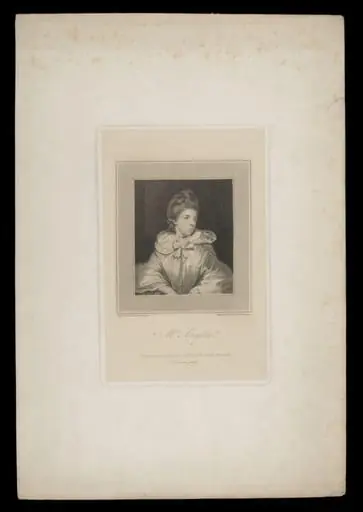
Nancy Parsons is a print by Unknown. It dates from 1850 and is held in the collection of the Victoria and Albert Museum.
About this work
The details of her life are not well-known, but the print gives us a glimpse of what she might have looked like.
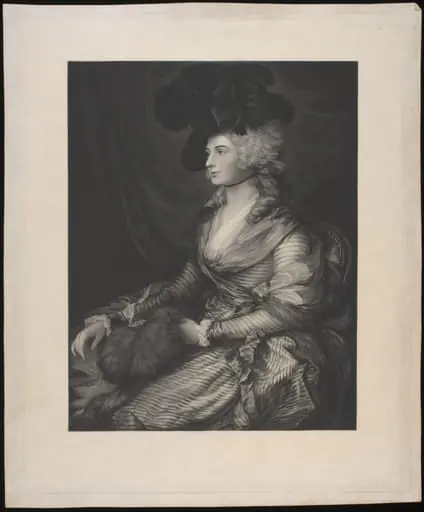
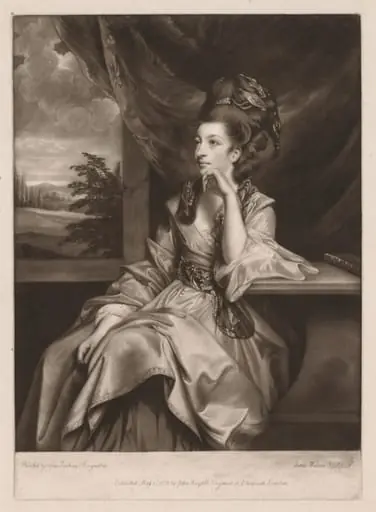
This print shows a woman named Nancy Parsons. She's the main figure in the image. The details of her life are not well-known, but the print gives us a glimpse of what she might have looked like.
The print was published in the 19th century, which helps us understand the time period. It's interesting because it's a simple portrait, but it tells us about the person.
You can learn more about this kind of printmaking by looking into the technique: chiaroscuro.
Overview
This 19th-century print presents a portrait of Nancy Parsons, a woman whose personal history remains largely undocumented. Created as a standalone image rather than part of a larger publication, it functions as a private or modestly circulated likeness. The work reflects the era’s interest in capturing individual faces through reproductive printmaking, offering a tangible connection to someone otherwise absent from historical records.
Subject & Meaning
Nancy Parsons is depicted alone, facing the viewer with quiet composure. No contextual clues, such as clothing details, objects, or setting, suggest her social role or achievements. The portrait’s simplicity implies an emphasis on presence over narrative, possibly intended as a personal keepsake or a specimen of ordinary life. Her identity, though preserved in image, resists broader interpretation due to the lack of accompanying documentation.
Technique & Style
The print employs tonal contrasts to model form, suggesting the use of chiaroscuro techniques common in engraved or etched portraiture of the period. Lines are controlled and subtle, with shading used to define facial structure and hair rather than elaborate detail. The restrained palette and flat background focus attention on the sitter’s expression, aligning with 19th-century print conventions that prioritized clarity over ornamentation.
History & Provenance
The print’s origin and publisher are unrecorded, and its circulation path is unknown. It likely emerged from a small print shop or private commission, common for non-elite subjects in the 1800s. Without inscriptions or marks, its initial purpose, whether familial, commercial, or archival, remains speculative.
Its survival suggests it was preserved by someone who valued the image, though no ownership trail has been established.
Context
In the 19th century, printed portraits of non-public figures were increasingly accessible through advances in engraving and lithography. While celebrities and politicians were routinely depicted, images of ordinary individuals like Parsons reflect a growing cultural interest in personal identity. This print belongs to a quiet category of visual records that document everyday lives beyond the historical spotlight.
Legacy
Though not widely known, the print contributes to a broader archive of anonymous portraiture from the 1800s. It serves as a material trace of a woman who left no written legacy, offering a visual counterpoint to dominant historical narratives. Its endurance in collections today underscores the value placed on preserving marginal figures, however fragmentary their stories may be.
Artist & collection