Artwork
Page from Tales of a Parrot (Tuti-nama): text page
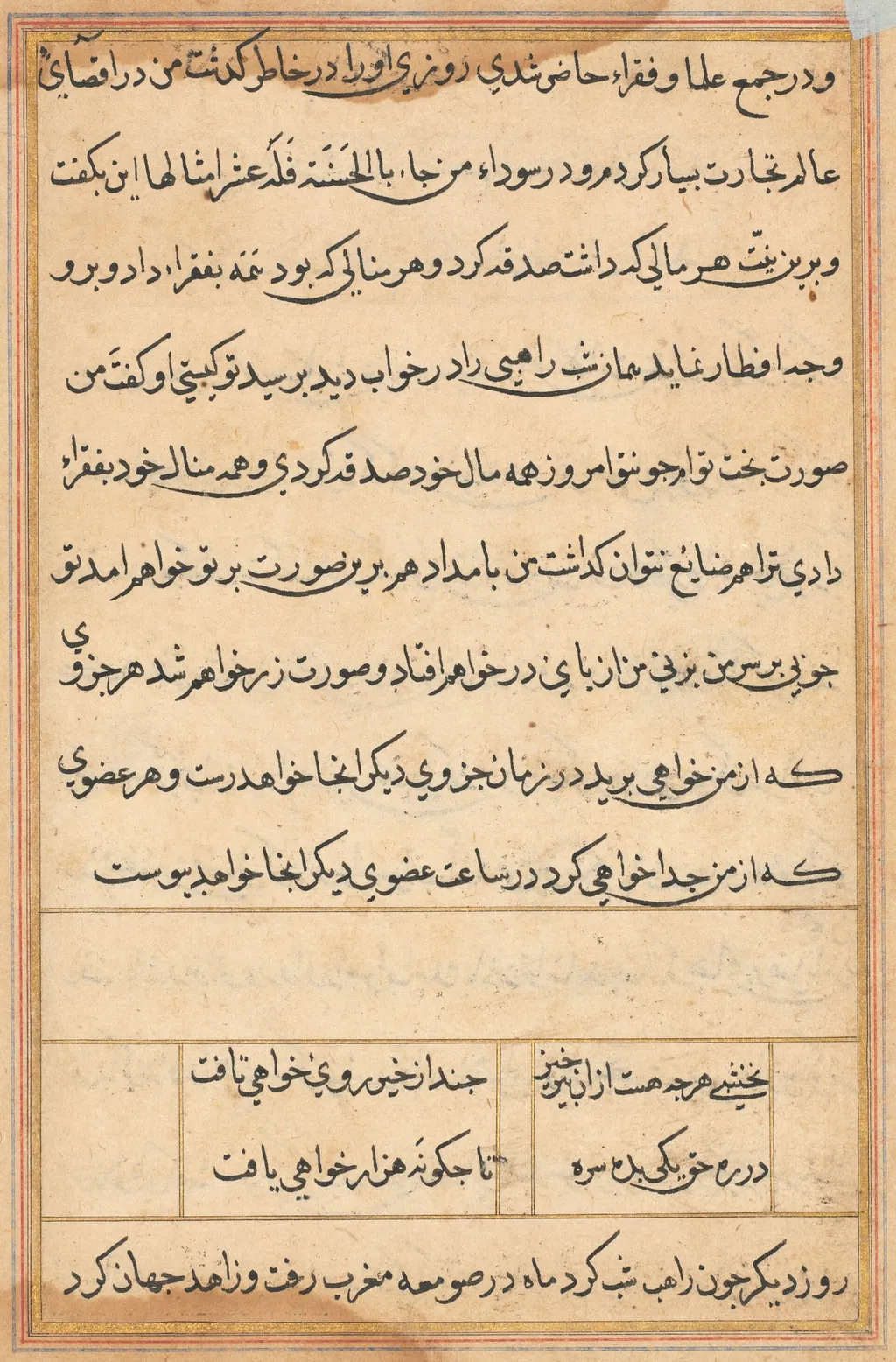
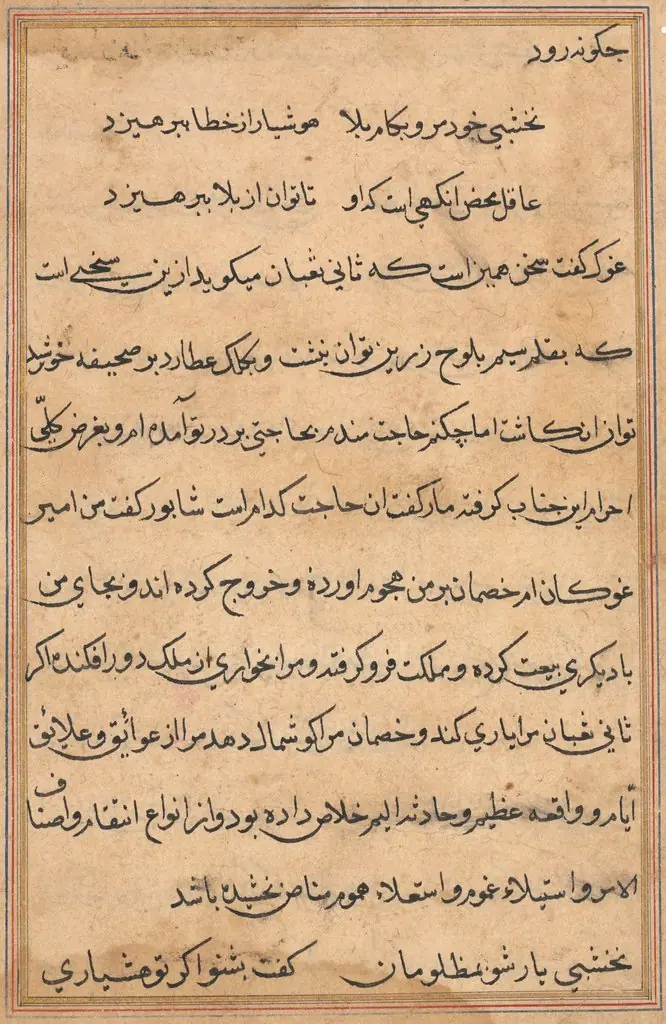
Page from Tales of a Parrot (Tuti-nama): text page is an unspecified painting. It dates from 1560 and is held in the collection of the Cleveland Museum of Art. This object is a single sheet from the illustrated manuscript known as Tales of a Parrot (Tuti‑nama).
About this work
Technique & Style
The composition features a parrot perched among stylized foliage, rendered with fine brushstrokes that emphasize intricate patterning and a muted palette.
The page originates from a 1560 manuscript painting executed in the Mughal imperial workshop. It is created with ink and pigments on paper, functioning as a miniature illustration that combines delicate line work with flat areas of color. The composition features a parrot perched among stylized foliage, rendered with fine brushstrokes that emphasize intricate patterning and a muted palette.
The handling of space reflects a flattened perspective typical of Persianate manuscript traditions, while the formal treatment of figures demonstrates a balance between narrative clarity and ornamental detail. The work is housed at the Cleveland Museum of Art, where it is catalogued under the accession number 1962.279.288.b.
History & Provenance
This text page from the Tales of a Parrot (Tuti-nama) was created in 1560 within the Mughal Empire. The work is attributed to an unknown artist and is classified as a painting. It is currently held in the collection of the Cleveland Museum of Art, where it is cataloged under the accession number 1962.279.288.b. The specific circumstances regarding the original commission, the identity of the patron, and the detailed chain of ownership prior to its acquisition by the museum are not detailed in the provided records.
Context
A text page from the Tuti-nama, a 16th-century Persian illustrated manuscript, reflects the Mughal court's patronage of Persian literary and artistic traditions. The work, housed in the Cleveland Museum of Art, exemplifies the cross-cultural transmission of Persian narrative painting into Indian artistic circles during the mid-1500s, aligning with broader trends in manuscript production under imperial patronage. Its stylistic and thematic elements contribute to scholarly discussions on the adaptation of Persian literary themes within Mughal visual culture, situating it within the larger context of cross-continental artistic exchange in early modern Asia.
Overview
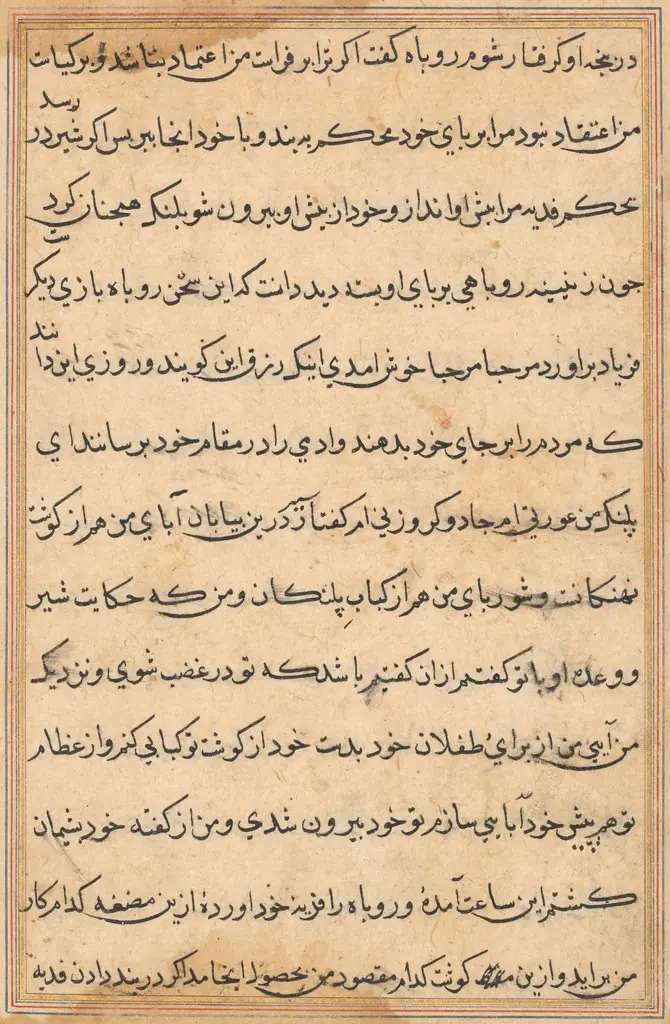
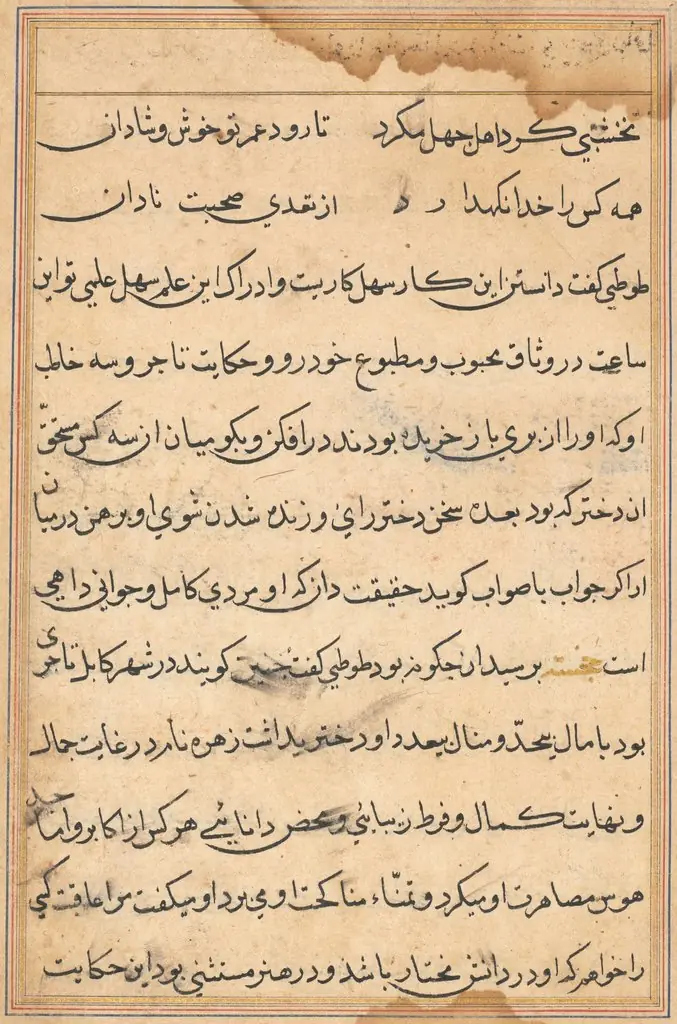
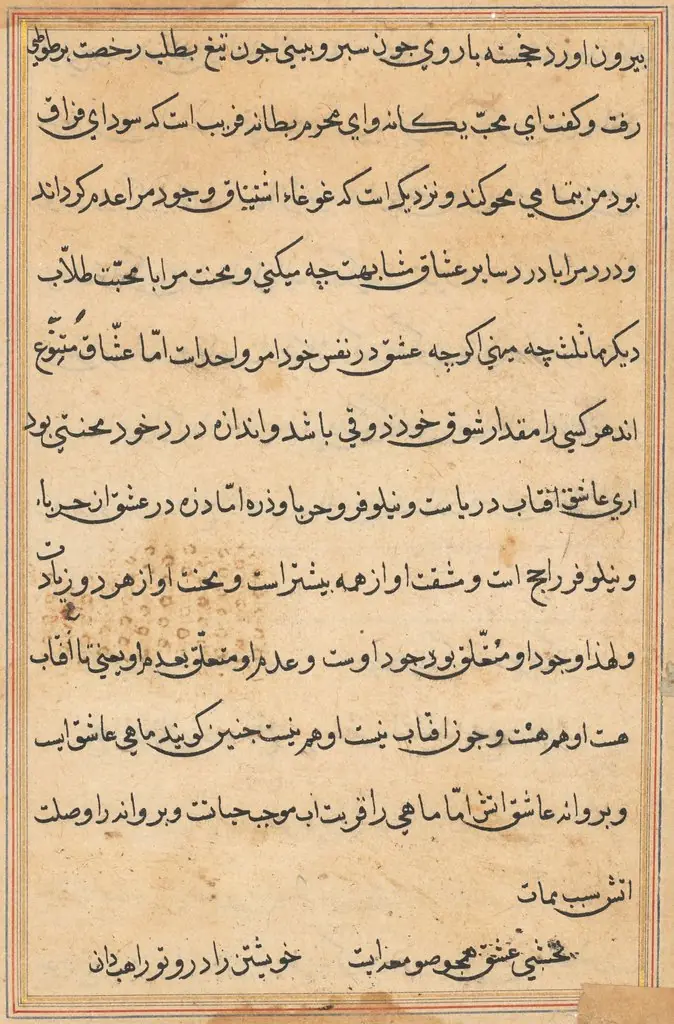
This object is a single sheet from the illustrated manuscript known as Tales of a Parrot (Tuti‑nama). Rendered in black ink on a light, slightly yellowed paper, the page features a continuous line of flowing script that occupies most of the surface. Small marginal boxes, outlined in a thin red line, contain supplemental headings or annotations, giving the sheet a structured appearance.
Subject & Meaning
The text appears to be a narrative excerpt, likely drawn from a courtly storybook intended for an elite audience, possibly a princely patron. The careful, rhythmic hand suggests a purpose beyond mere record‑keeping; it was meant to be read aloud and appreciated for its literary and aesthetic qualities, reflecting the cultural value placed on storytelling in its original context.
Artist & collection

- Page from Tales of a Parrot (Tuti-nama): text page
 Page from Tales of a Parrot (Tuti-nama): text page
 Page from Tales of a Parrot (Tuti-nama): text page
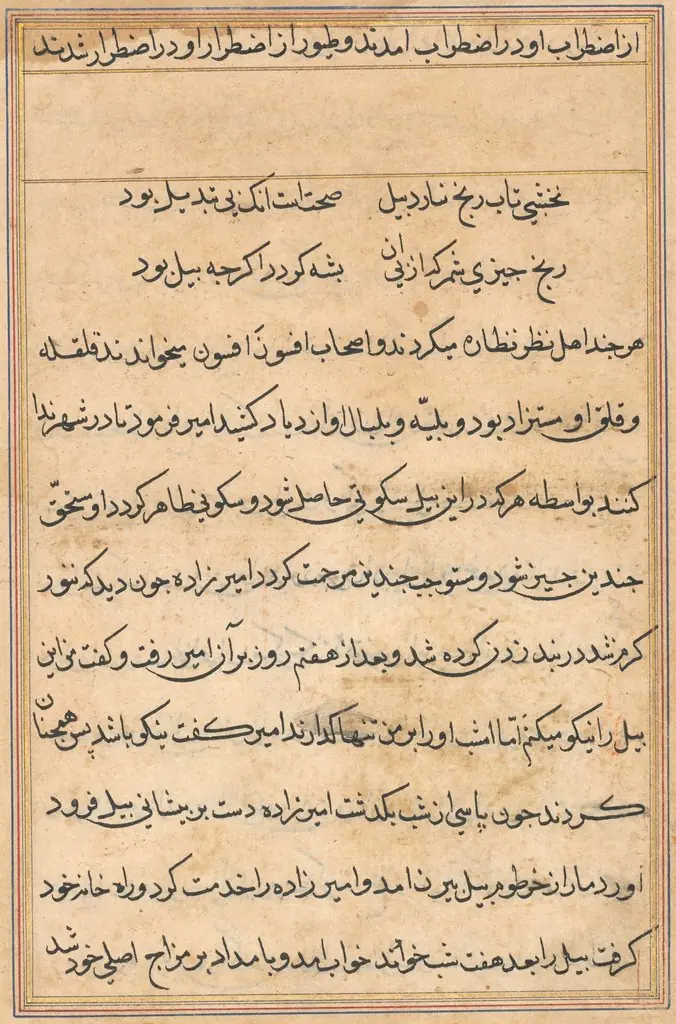 Page from Tales of a Parrot (Tuti-nama): text page
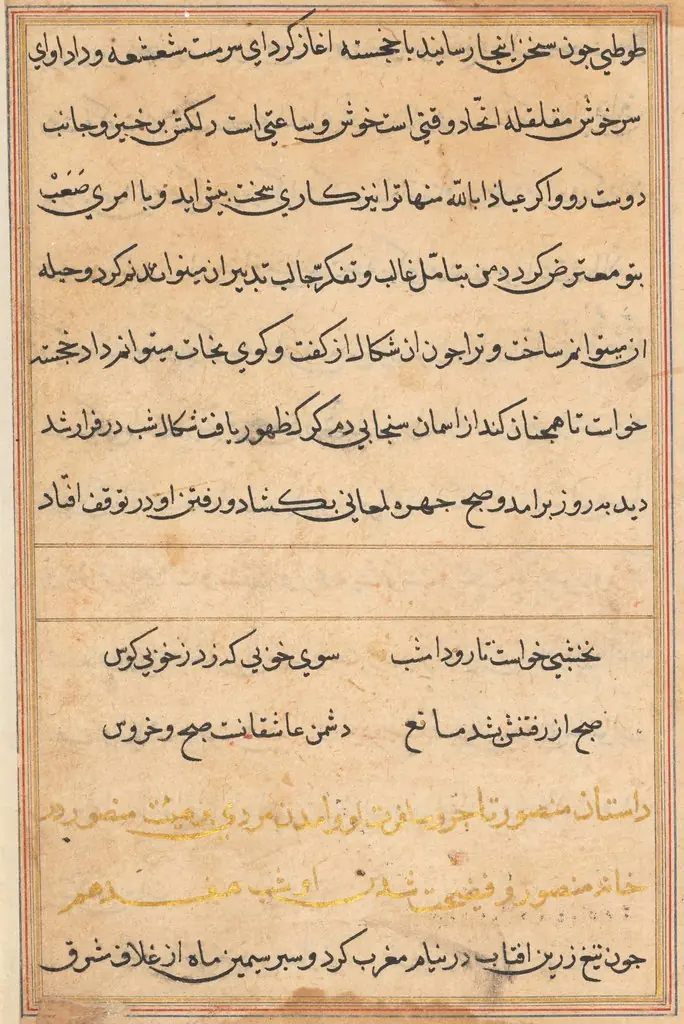 Page from Tales of a Parrot (Tuti-nama): text page
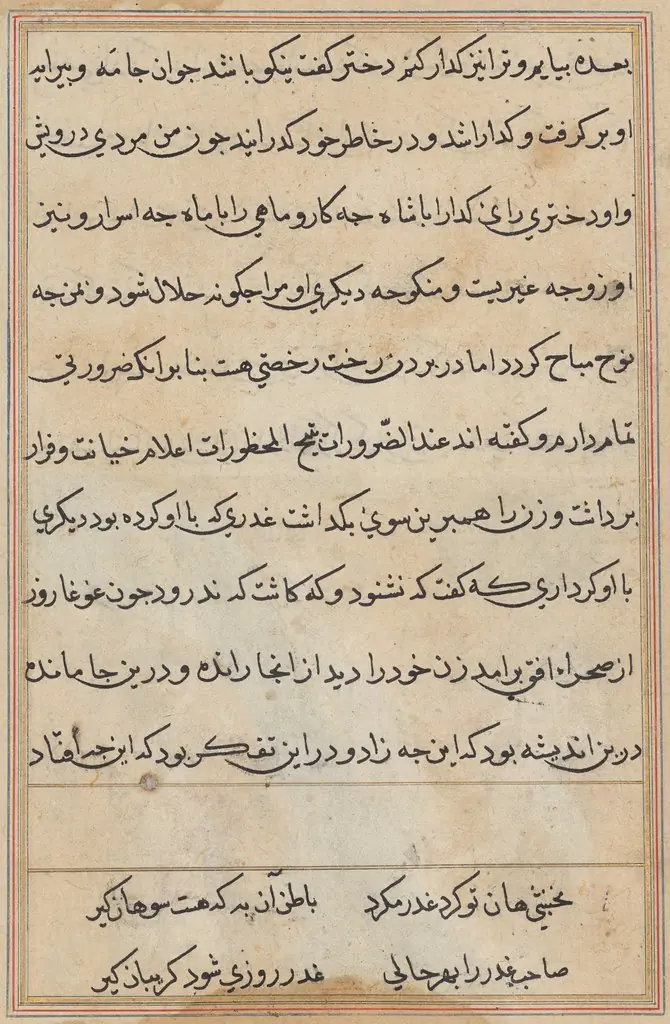 Page from Tales of a Parrot (Tuti-nama): text page
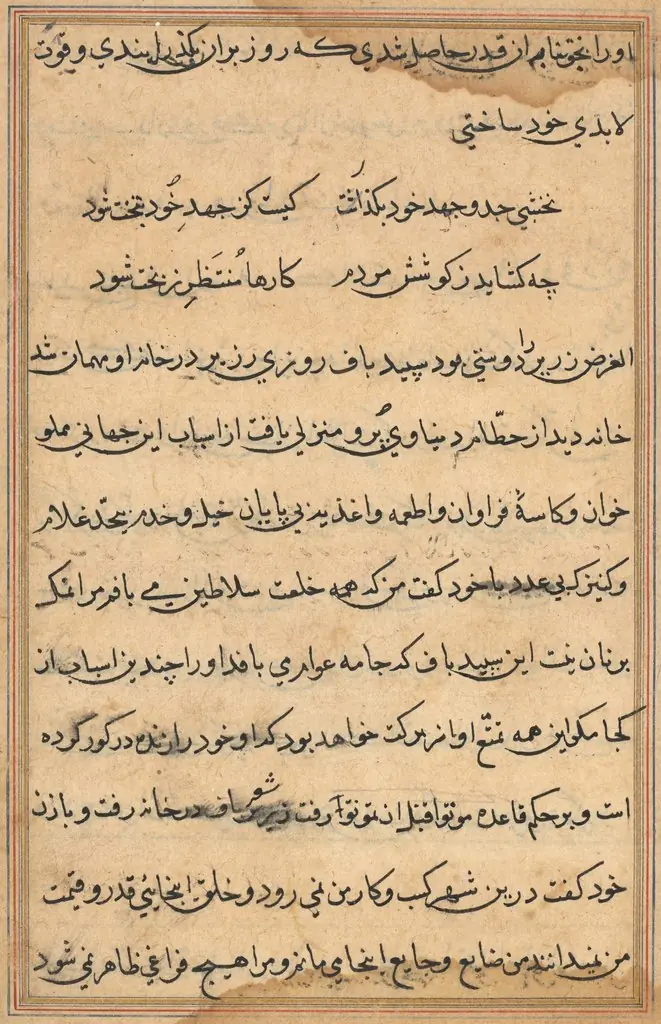 Page from Tales of a Parrot (Tuti-nama): text page
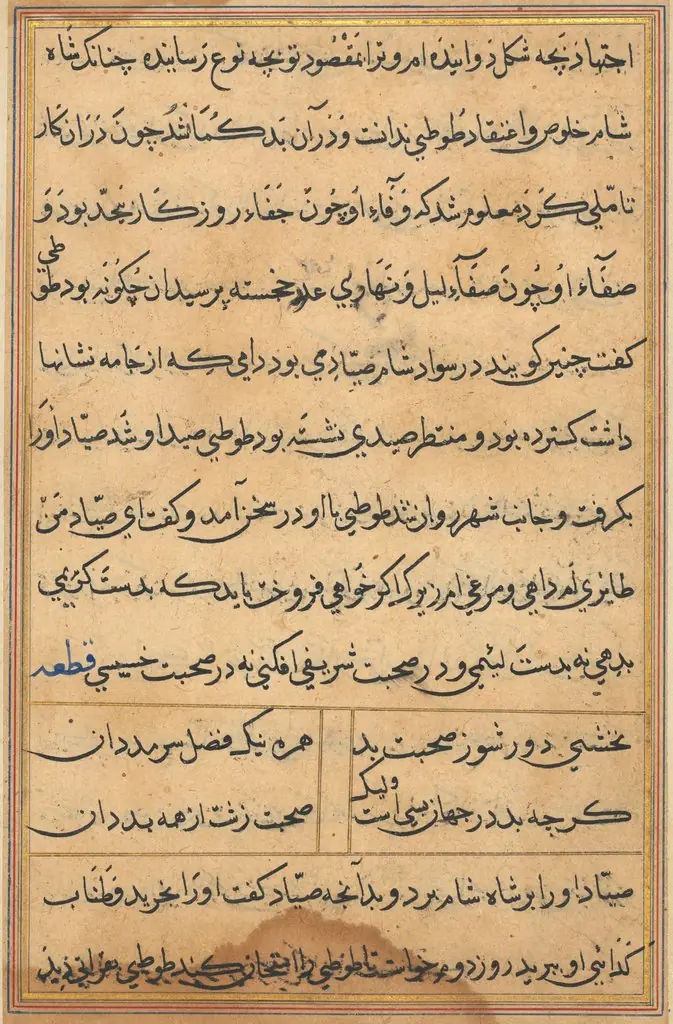 Page from Tales of a Parrot (Tuti-nama): text page
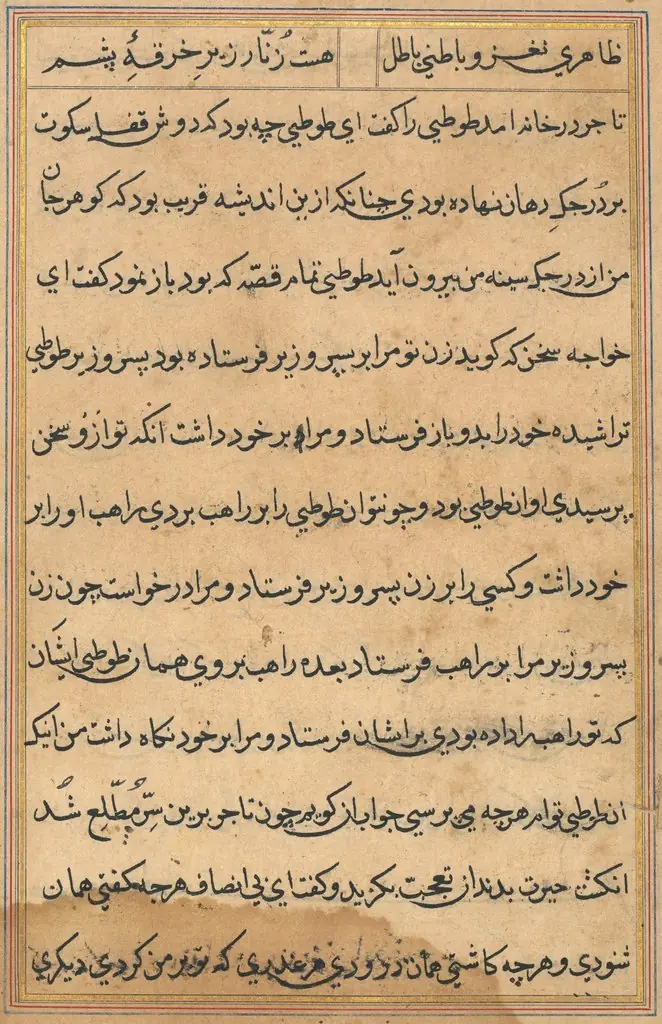 Page from Tales of a Parrot (Tuti-nama): text page
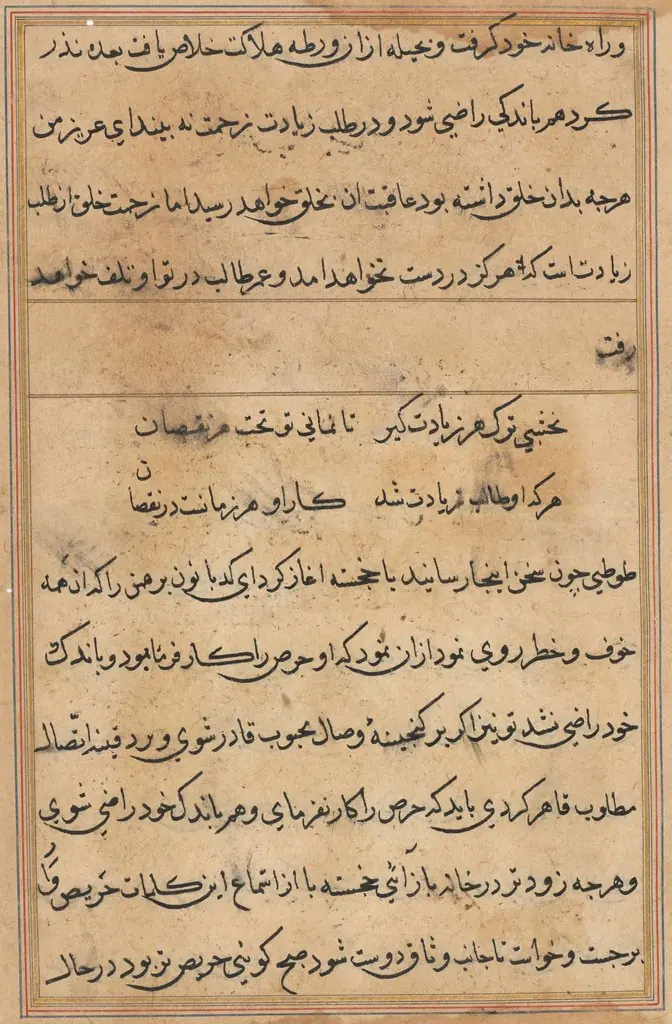 Page from Tales of a Parrot (Tuti-nama): text page
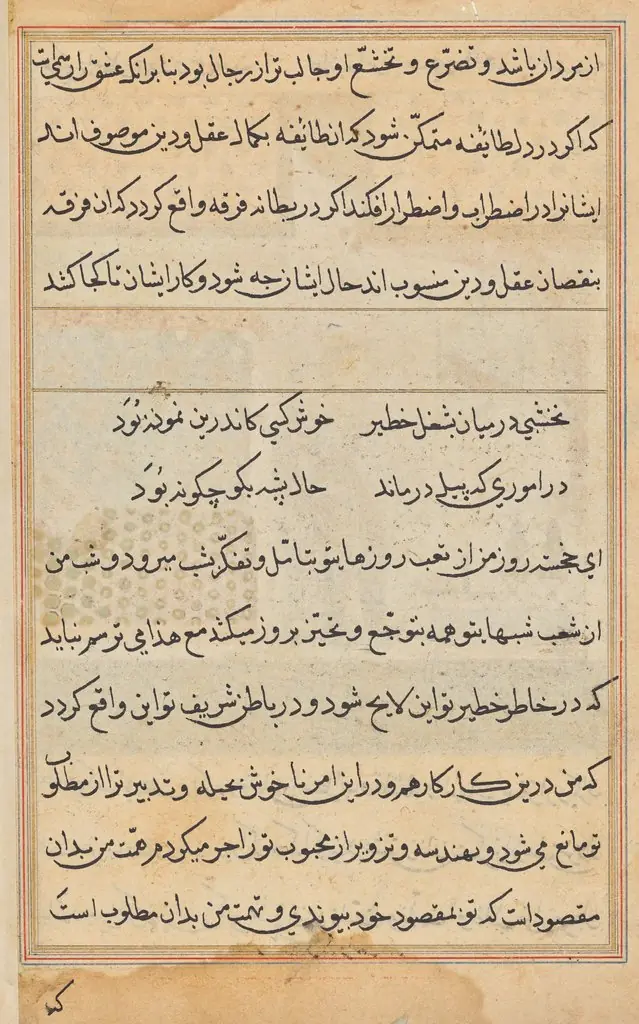 Page from Tales of a Parrot (Tuti-nama): text page
 Page from Tales of a Parrot (Tuti-nama): text page