Artwork
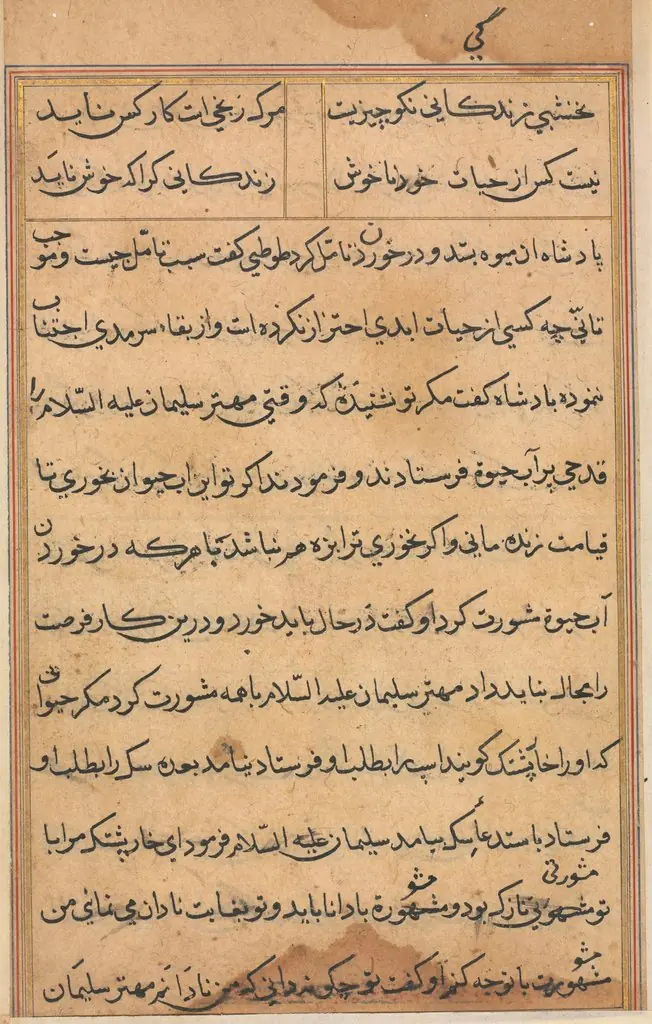
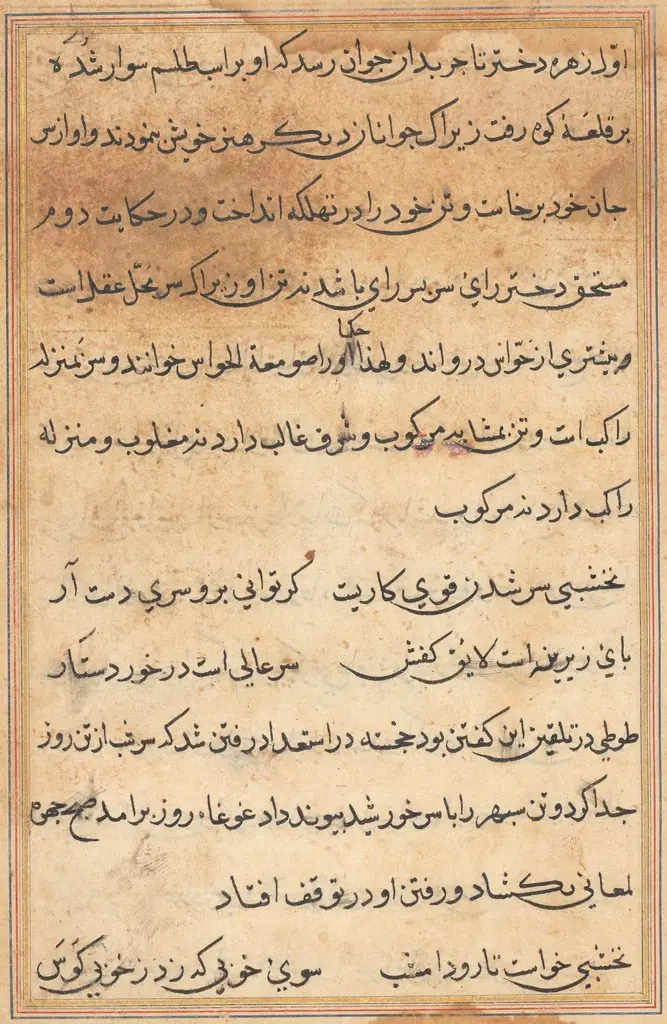
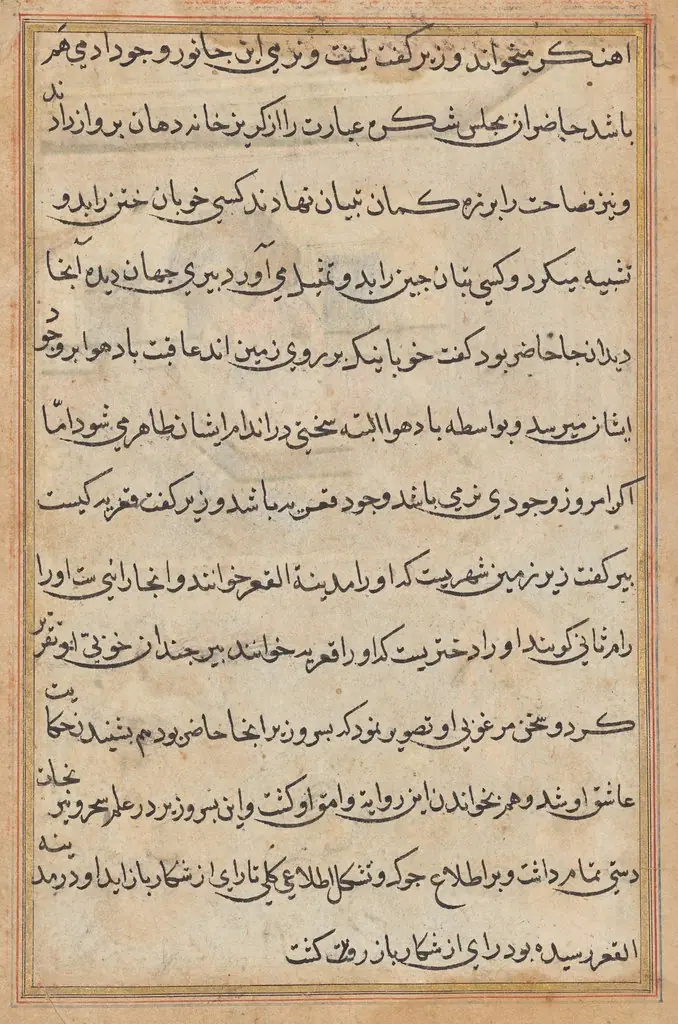
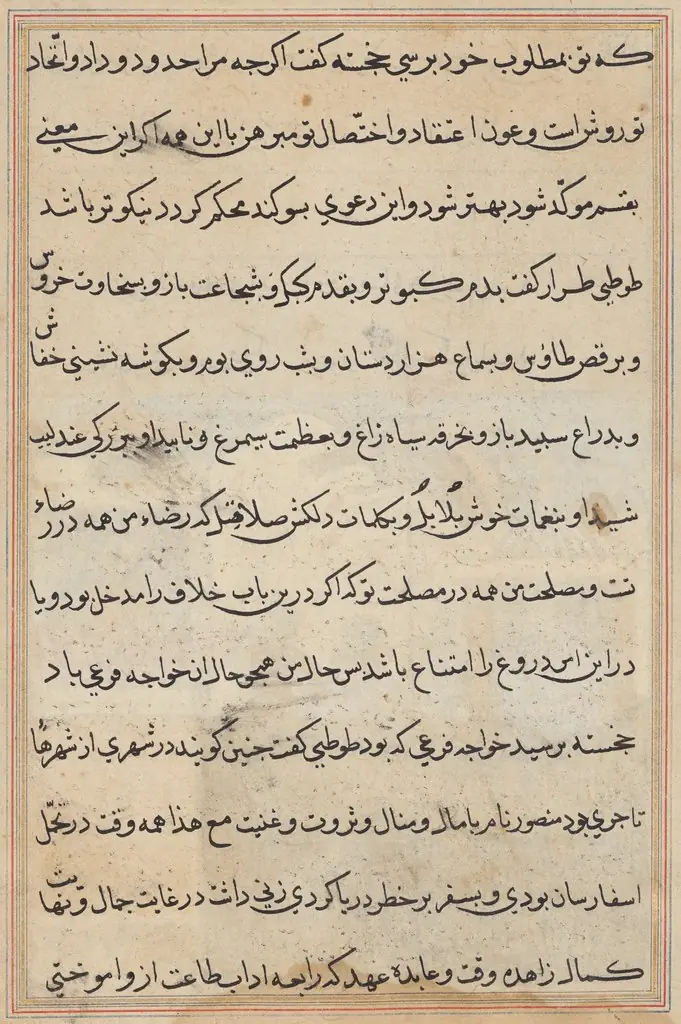
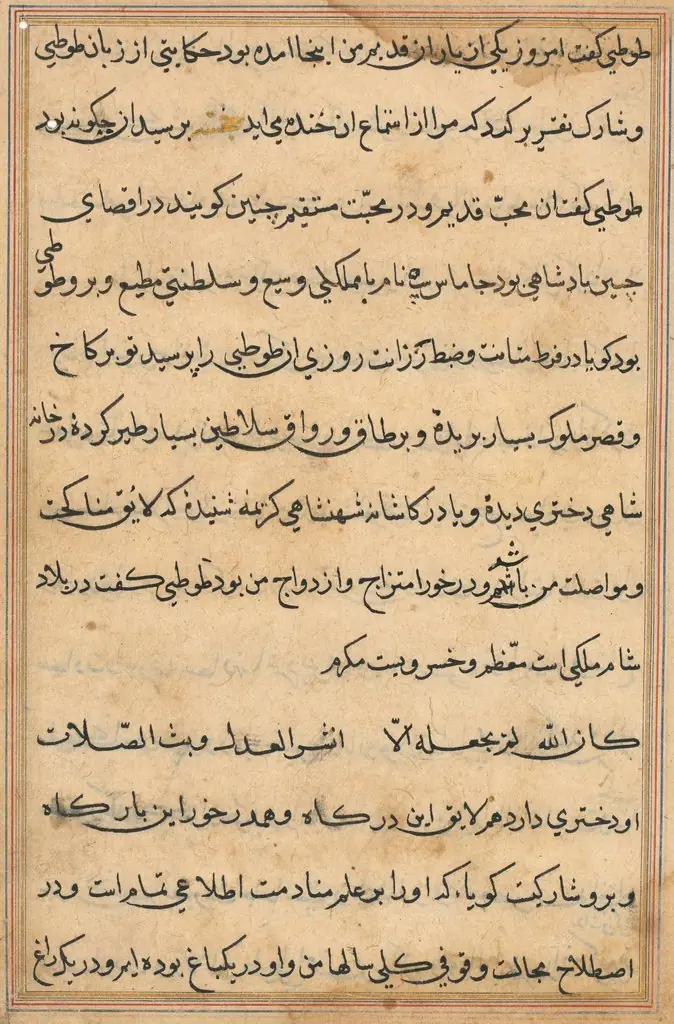
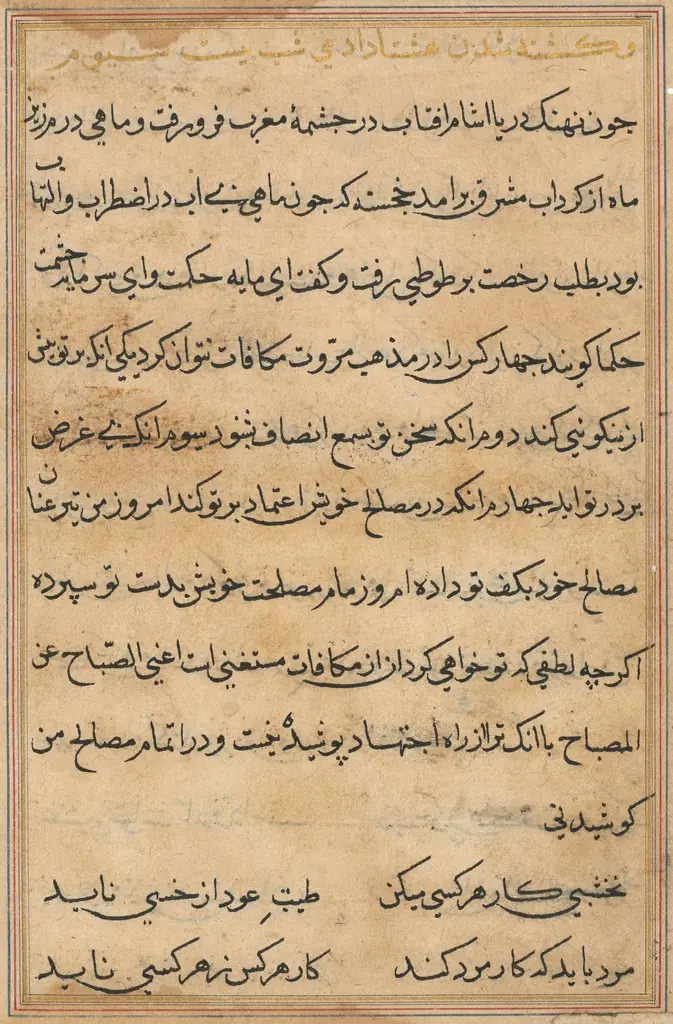
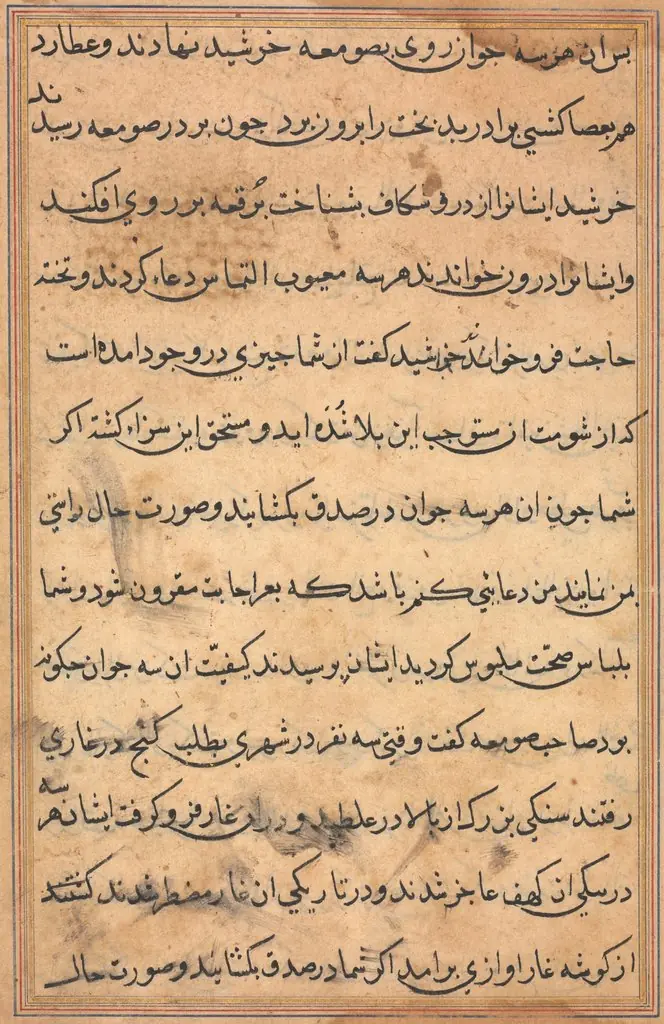
Page from Tales of a Parrot (Tuti-nama): text page
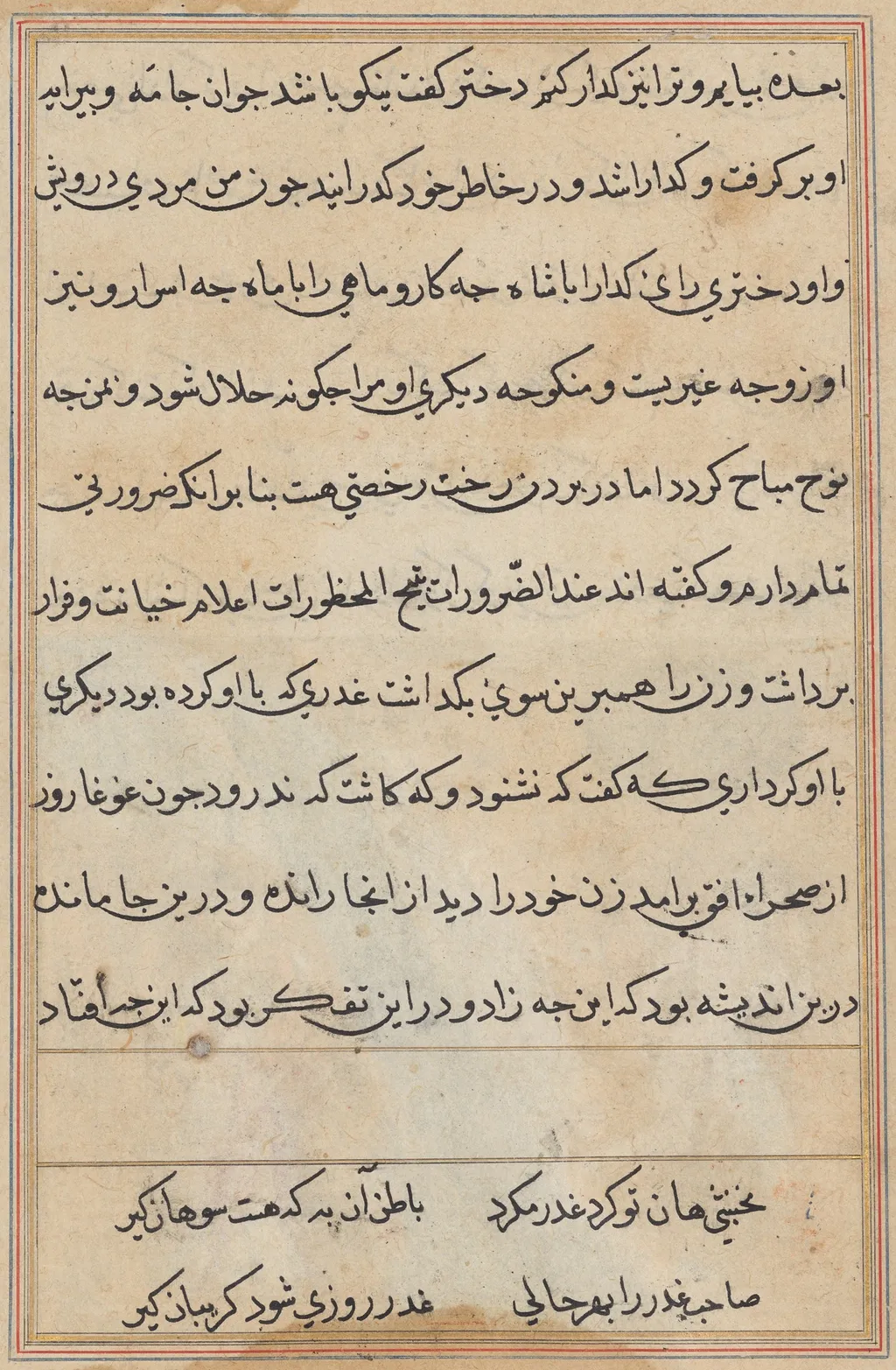
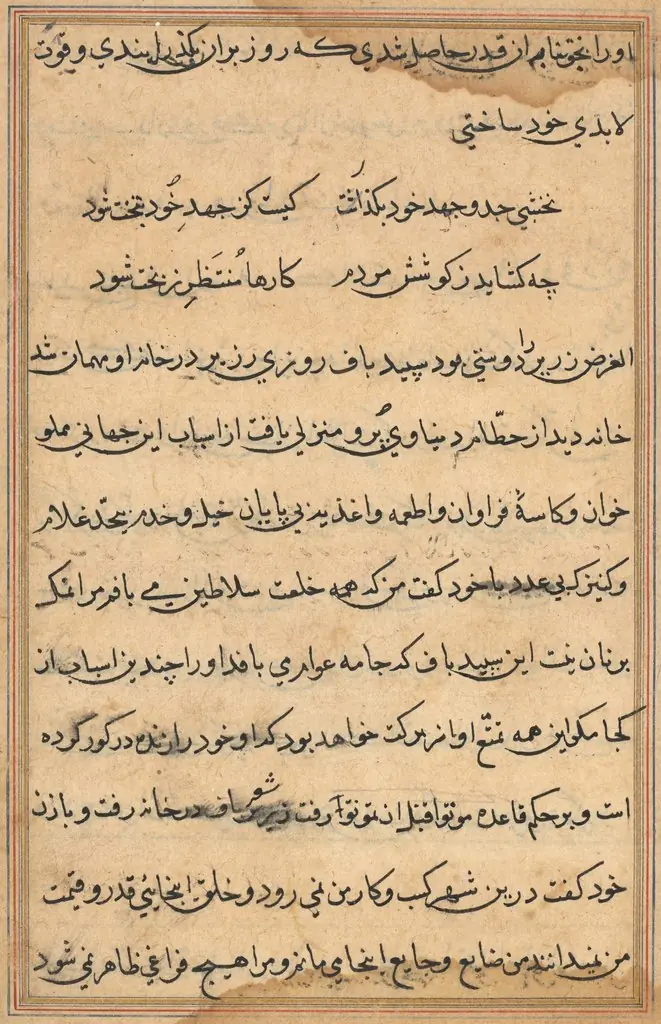
Page from Tales of a Parrot (Tuti-nama): text page is an unspecified painting. It dates from 1560 and is held in the collection of the Cleveland Museum of Art. The object is a painted page from the Persian manuscript Tales of a Parrot (Tuti‑nama).
About this work
History & Provenance
The Cleveland Museum of Art’s text page from the Tales of a Parrot (Tuti-nama) is dated to circa 1560, aligning with its creation during the Mughal Empire.
The Cleveland Museum of Art’s text page from the Tales of a Parrot (Tuti-nama) is dated to circa 1560, aligning with its creation during the Mughal Empire. The work’s origin traces to the imperial ateliers of Akbar, where the manuscript was likely commissioned as part of a broader literary and artistic project in the mid-16th century. The Cleveland Museum of Art acquired the page in 1962 as part of the museum’s collection, where it has been housed since then.
The text page from the Tales of a Parrot (Tuti-nama) is held in the collection of the Cleveland Museum of Art, located in Cleveland. The work is cataloged under the accession number 1962.279.120.b. Created in 1560 within the Mughal Empire, this painting is attributed to an unknown artist. The available records confirm its institutional location and inventory designation but do not provide specific details regarding its exhibition history.
Overview
The object is a painted page from the Persian manuscript Tales of a Parrot (Tuti‑nama). Executed on a light‑beige surface, the page is filled with black calligraphic script arranged in a regular, flowing composition and surrounded by a thin red border set within a broader blue frame.
Subject & Meaning
The text presents a narrative intended for Prince Salim, a member of the Safavid royal household. The story, centered on a talking parrot, functions as an instructive tale, reflecting courtly values and moral instruction common in Persian literary commissions for aristocratic patrons.
Technique & Style
The calligraphy is hand‑drawn, each letter carefully shaped, with occasional emphasis achieved by slightly larger or bolder strokes. The decorative borders employ a restrained palette of red and blue, framing the script without overwhelming the textual content, characteristic of early modern Persian manuscript aesthetics.
Context
Manuscript production in Safavid Iran combined literary patronage with sophisticated visual design. Tales of a Parrot belongs to a genre of didactic storytelling that circulated among elite circles, illustrating the interplay between text and ornamental calligraphy in courtly culture.
Artist & collection

- Page from Tales of a Parrot (Tuti-nama): text page
 Page from Tales of a Parrot (Tuti-nama): text page
 Page from Tales of a Parrot (Tuti-nama): text page
 Page from Tales of a Parrot (Tuti-nama): text page
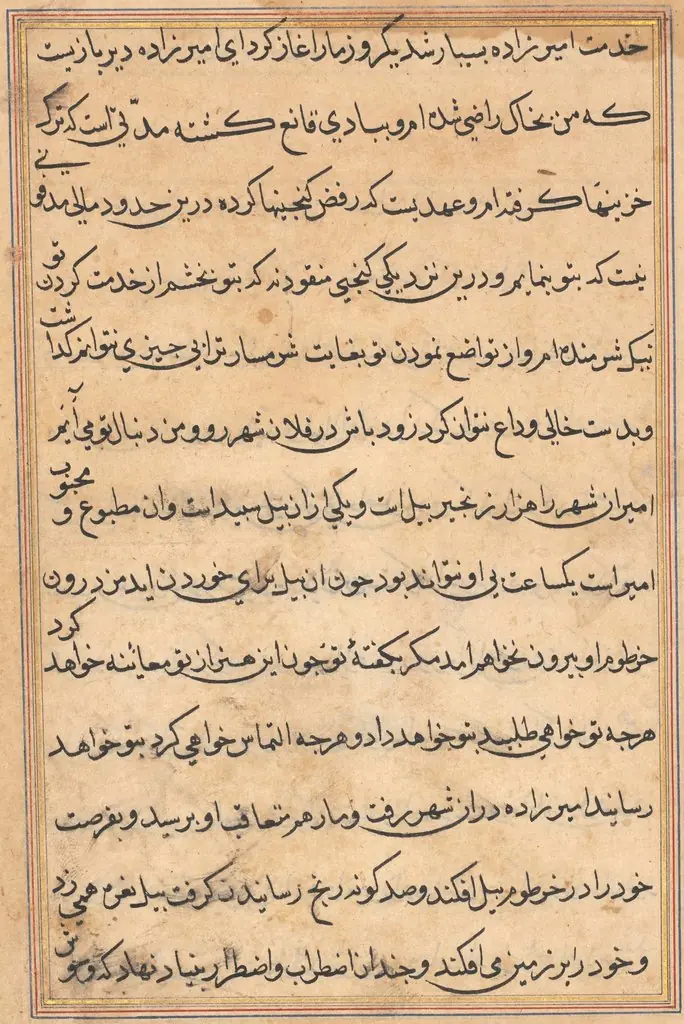 Page from Tales of a Parrot (Tuti-nama): text page
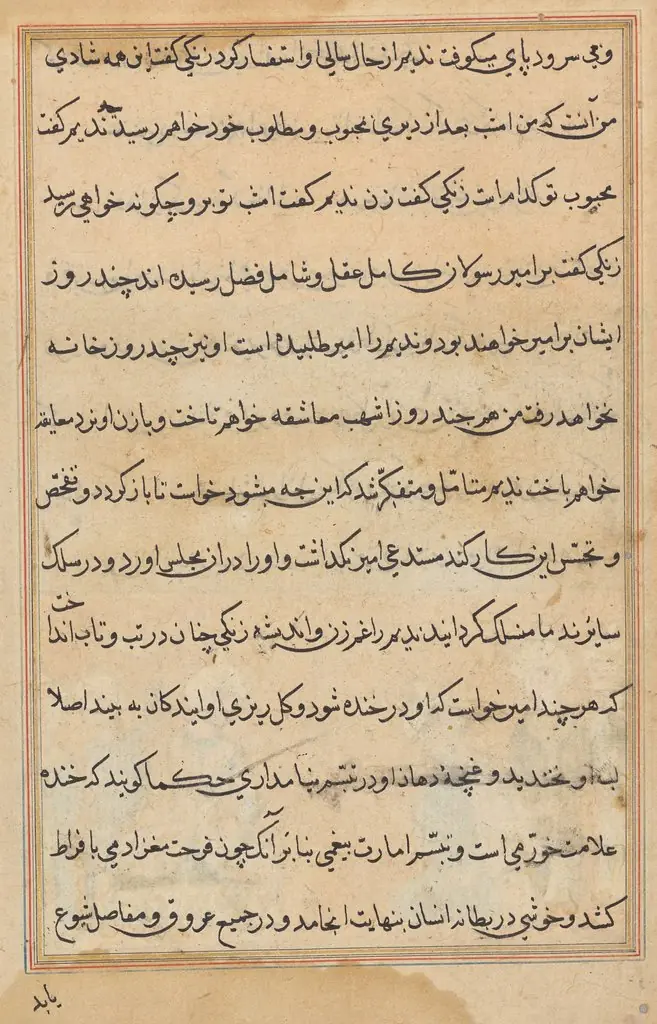 Page from Tales of a Parrot (Tuti-nama): text page
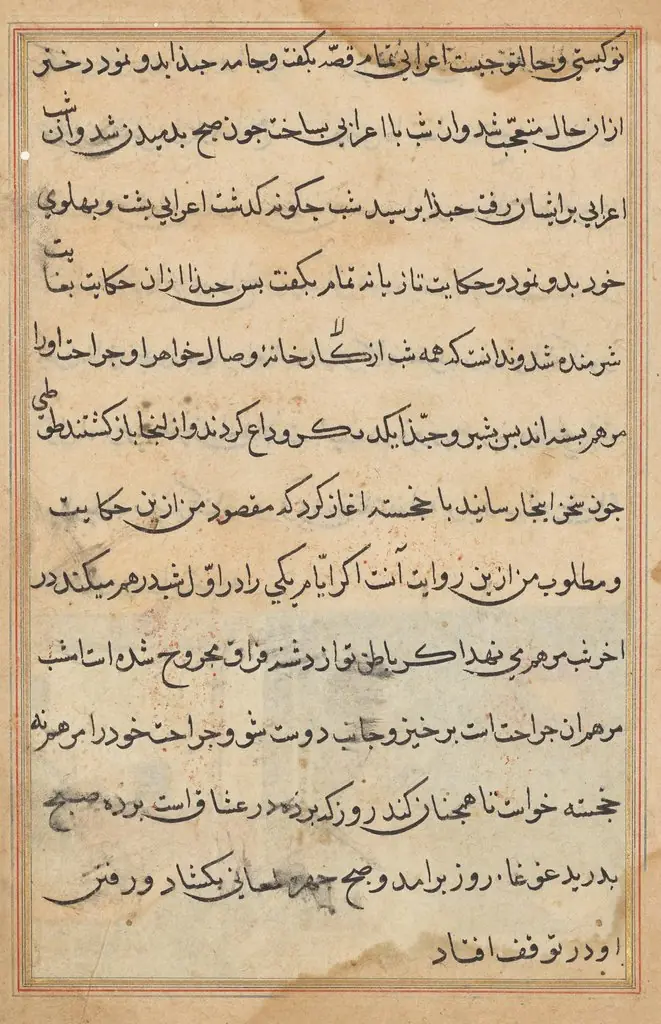 Page from Tales of a Parrot (Tuti-nama): text page
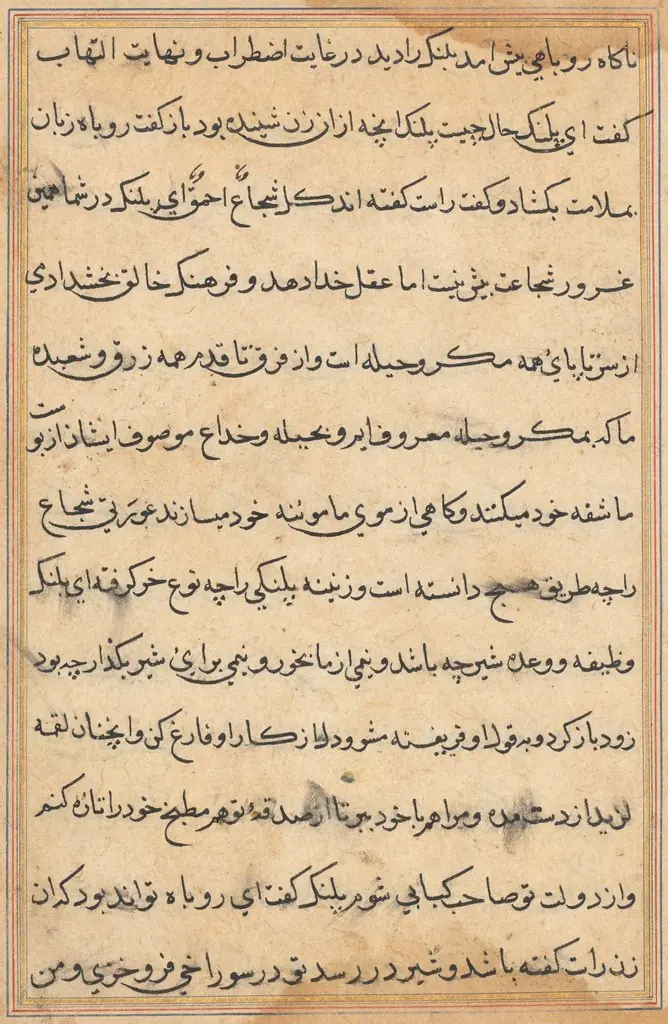 Page from Tales of a Parrot (Tuti-nama): text page
 Page from Tales of a Parrot (Tuti-nama): text page