Artwork
Page from Tales of a Parrot (Tuti-nama): text page
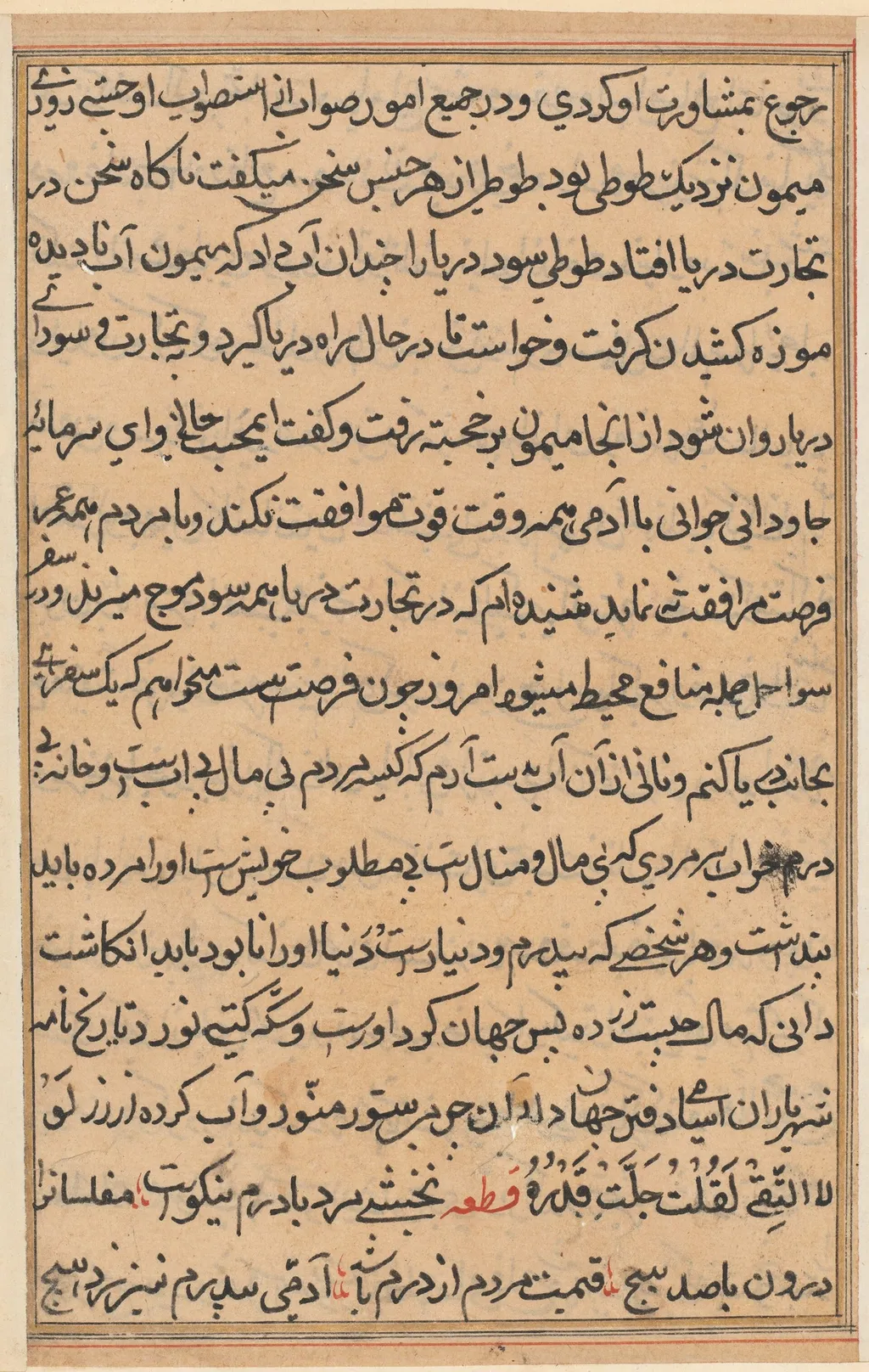
Page from Tales of a Parrot (Tuti-nama): text page is an unspecified painting. It dates from 1560 and is held in the collection of the Cleveland Museum of Art. This object is a painted page from the Persian manuscript known as the Tales of a Parrot, or Tuti‑nama.
About this work
Subject & Meaning
The folio is a text page from the Tuti-nama (Tales of a Parrot), a collection of fables of Persian origin translated and illustrated under Mughal patronage.
The folio is a text page from the Tuti-nama (Tales of a Parrot), a collection of fables of Persian origin translated and illustrated under Mughal patronage. The Tuti-nama frames its moral tales through a parrot that recounts stories night after night, a narrative device symbolizing wisdom and moral instruction within the Persian literary tradition. As a text leaf, the page carries the written portion of one such tale and reflects the cultural exchange between Persian literary forms and Mughal artistic practice in the mid-sixteenth century.
Technique & Style
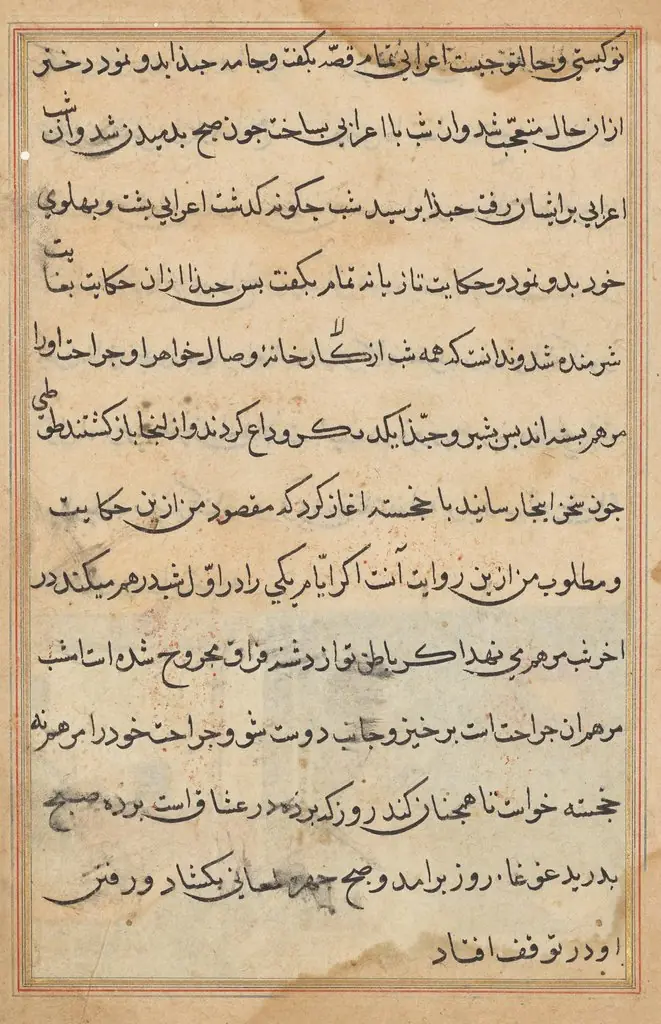
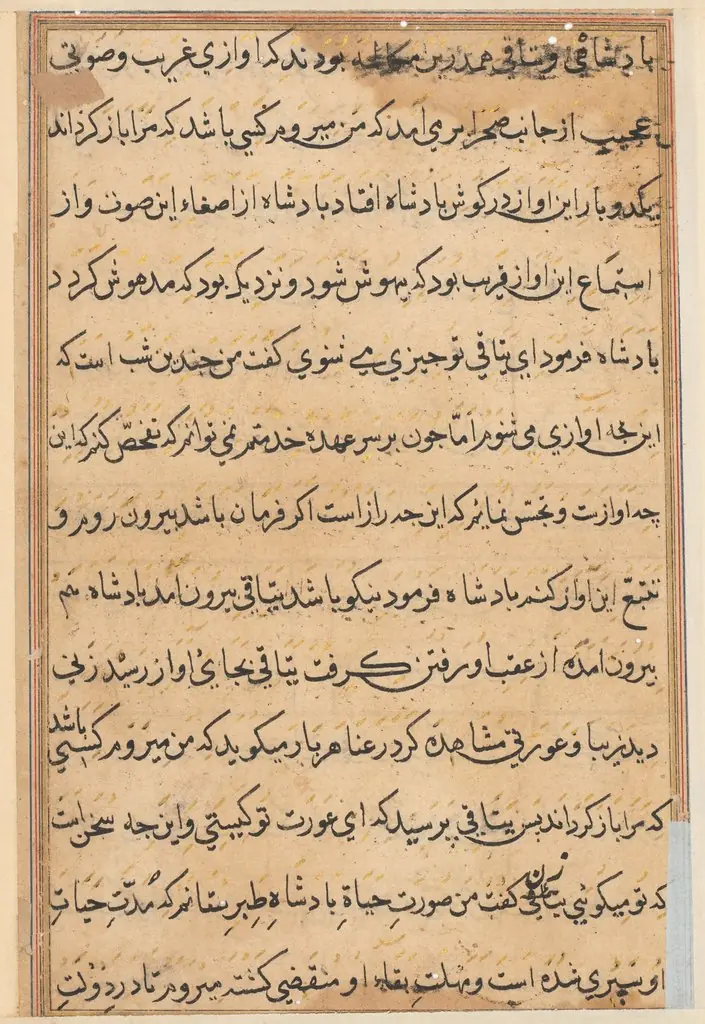
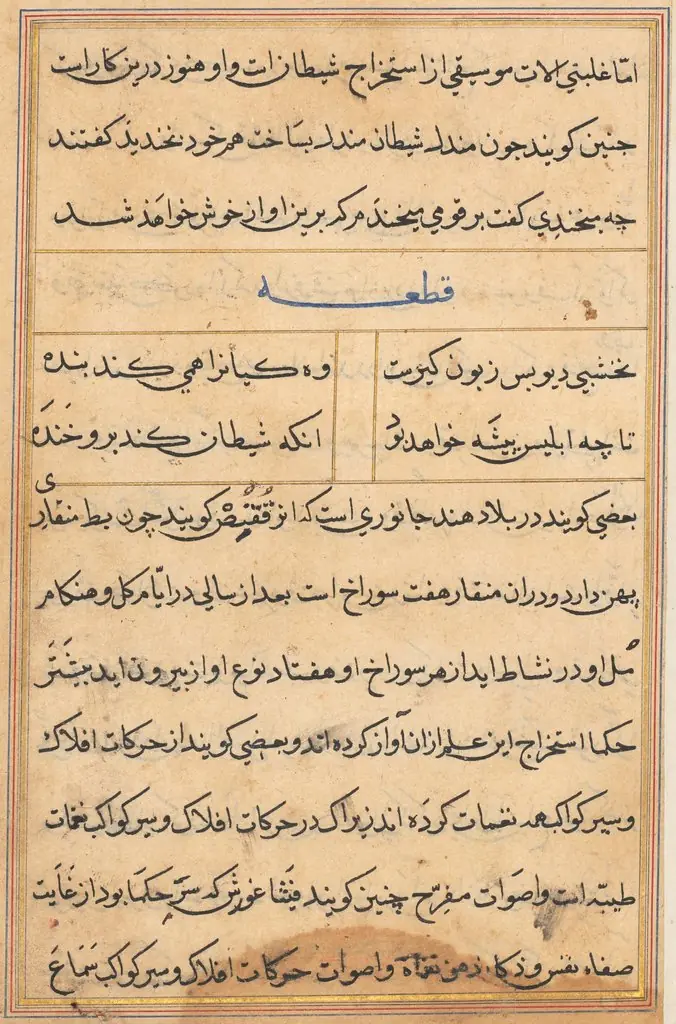
The work is a text folio on paper from the Mughal Tuti-nama manuscript, executed around 1560. The page is given over to script, framed by ruled margins in the manner of sixteenth-century Mughal and Persian book production. The support is paper, handled as a manuscript leaf, and the folio is preserved within the Cleveland Museum of Art collection.
History & Provenance
The page from the Tales of a Parrot (Tuti-nama) is dated to 1560, consistent with production in the Mughal Empire during the early years of the imperial court. The work is held in the collection of the Cleveland Museum of Art, where it is catalogued under accession number 1962.279.6.a. The sources do not record a specific commissioner, patron, or earlier ownership history prior to the museum's acquisition, nor do they document the circumstances of its entry into the Cleveland collection.
Overview
This object is a painted page from the Persian manuscript known as the Tales of a Parrot, or Tuti‑nama. The work consists entirely of black ink calligraphy that fills the surface from margin to margin, punctuated by occasional red dots. The dense script and decorative marks indicate a purpose as a literary or poetic text rather than a purely illustrative page.
Artist & collection

- Page from Tales of a Parrot (Tuti-nama): text page
 Page from Tales of a Parrot (Tuti-nama): text page
 Page from Tales of a Parrot (Tuti-nama): text page
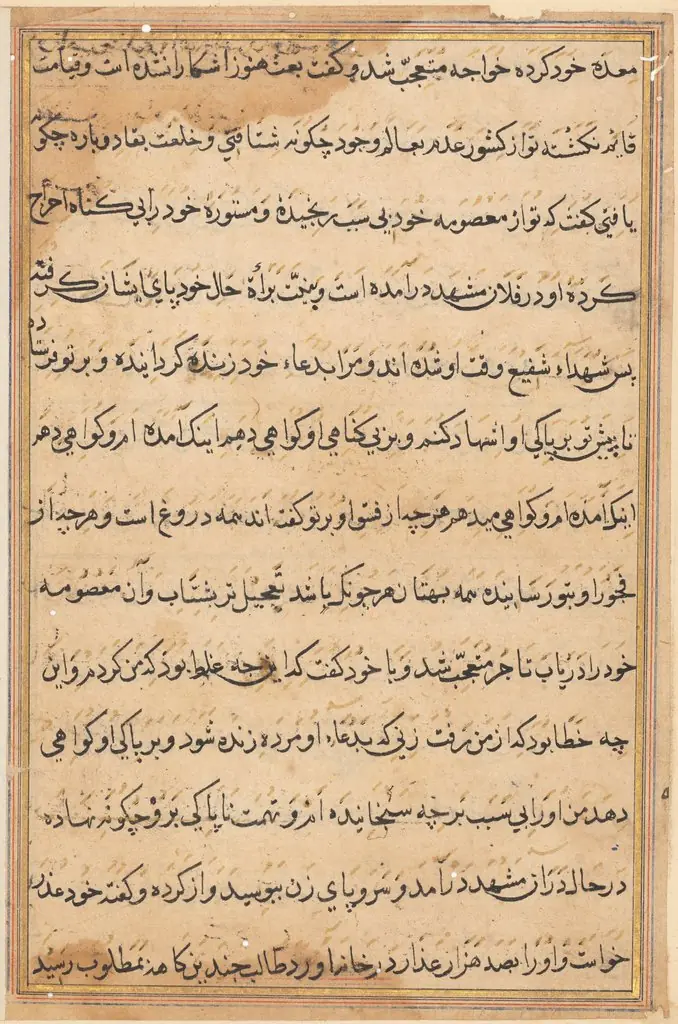 Page from Tales of a Parrot (Tuti-nama): text page
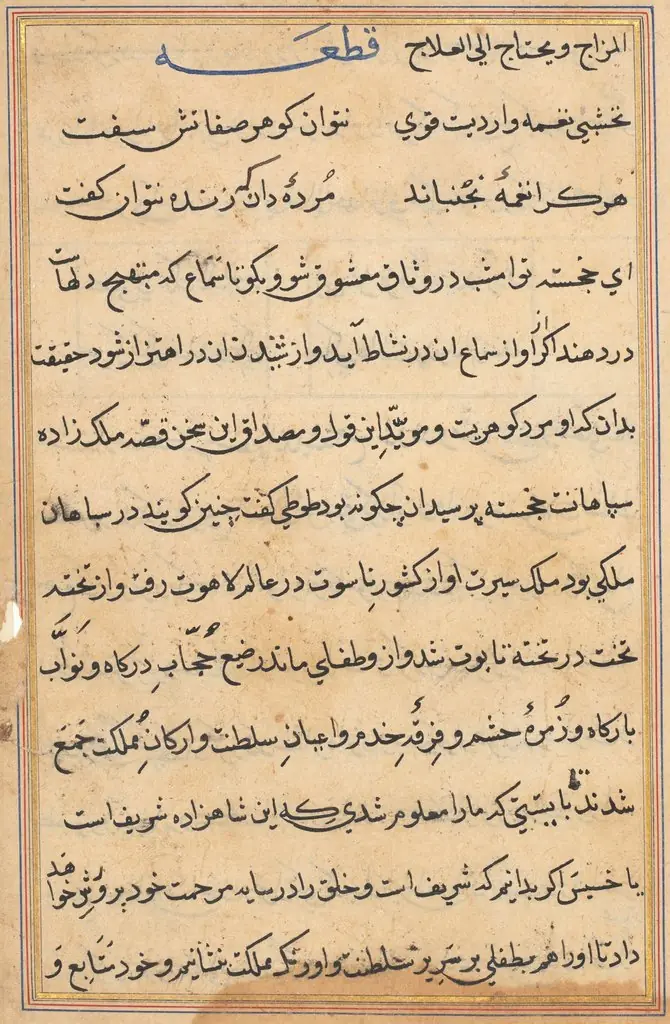 Page from Tales of a Parrot (Tuti-nama): text page
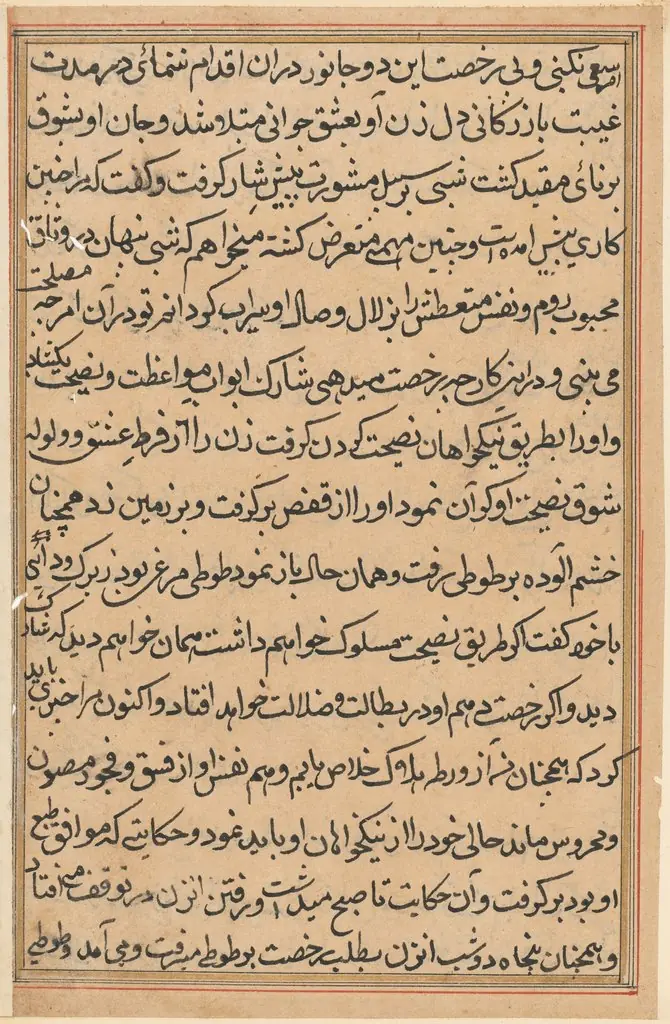 Page from Tales of a Parrot (Tuti-nama): text page
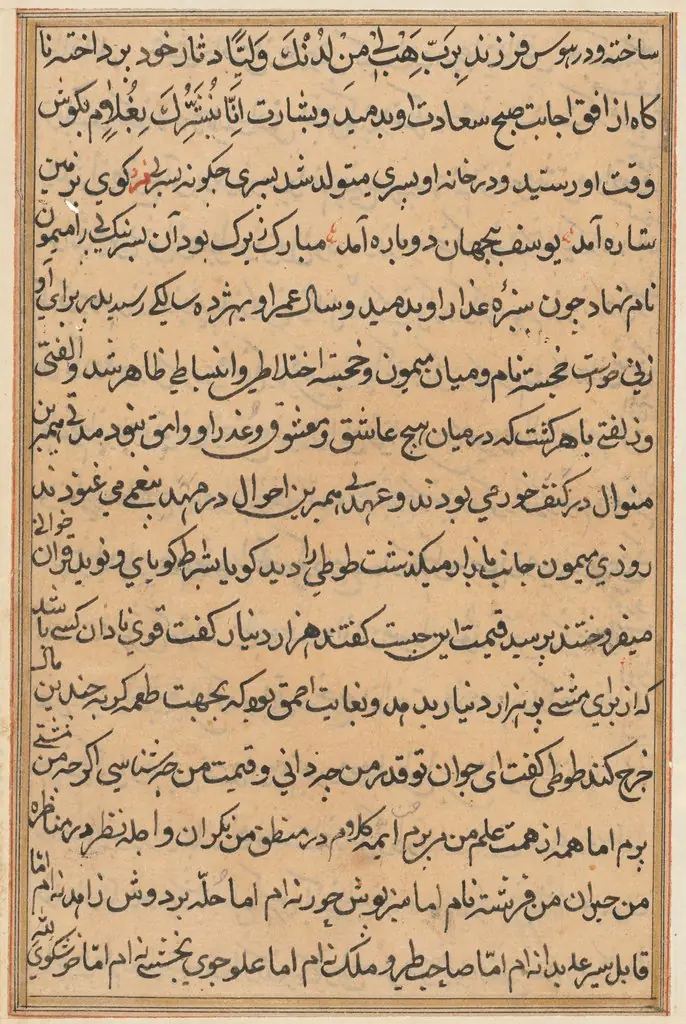 Page from Tales of a Parrot (Tuti-nama): text page
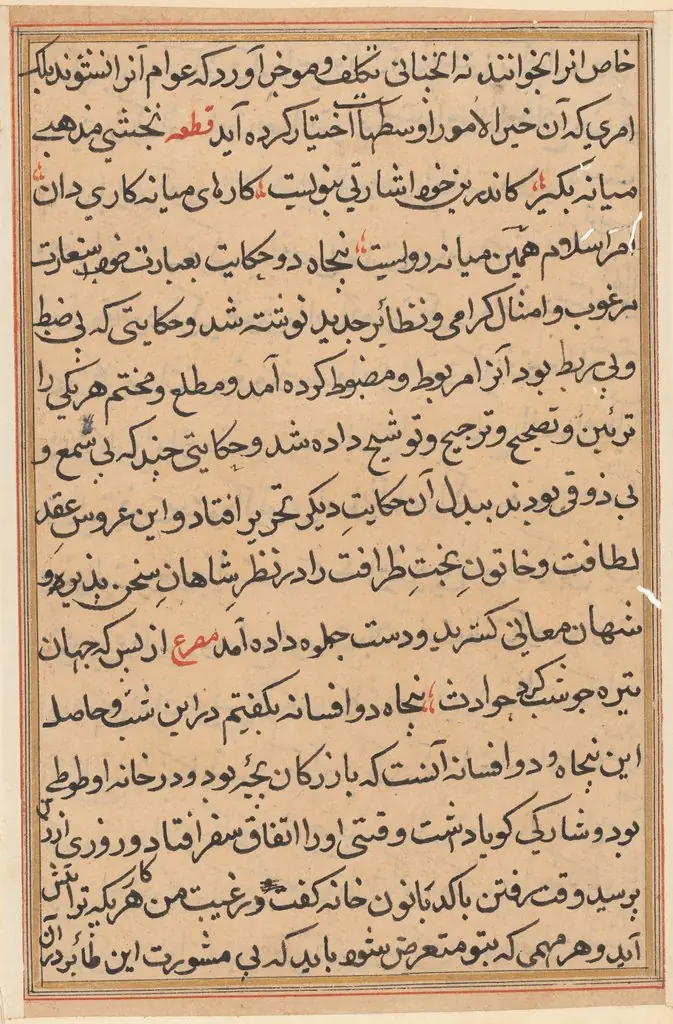 Page from Tales of a Parrot (Tuti-nama): text page
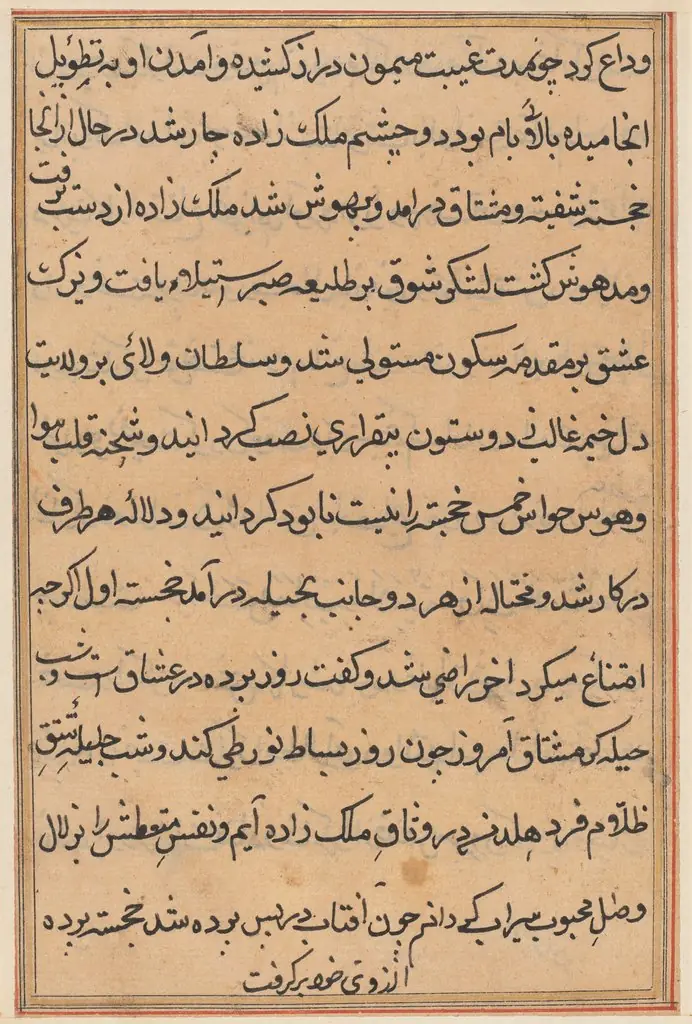 Page from Tales of a Parrot (Tuti-nama): text page
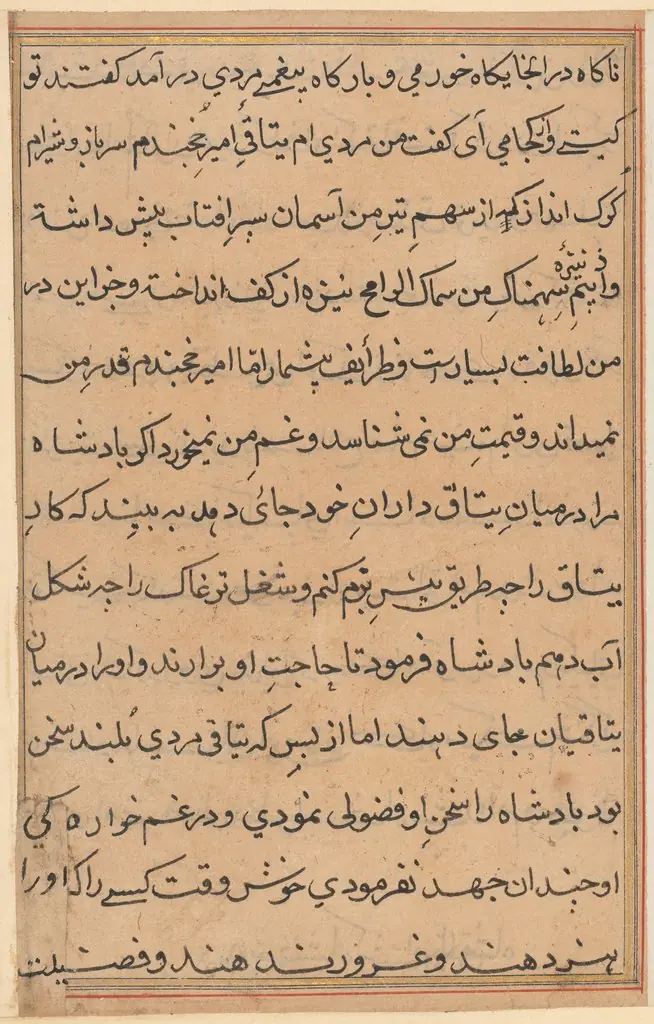 Page from Tales of a Parrot (Tuti-nama): text page