Artwork
Painting of Lady Tjepu
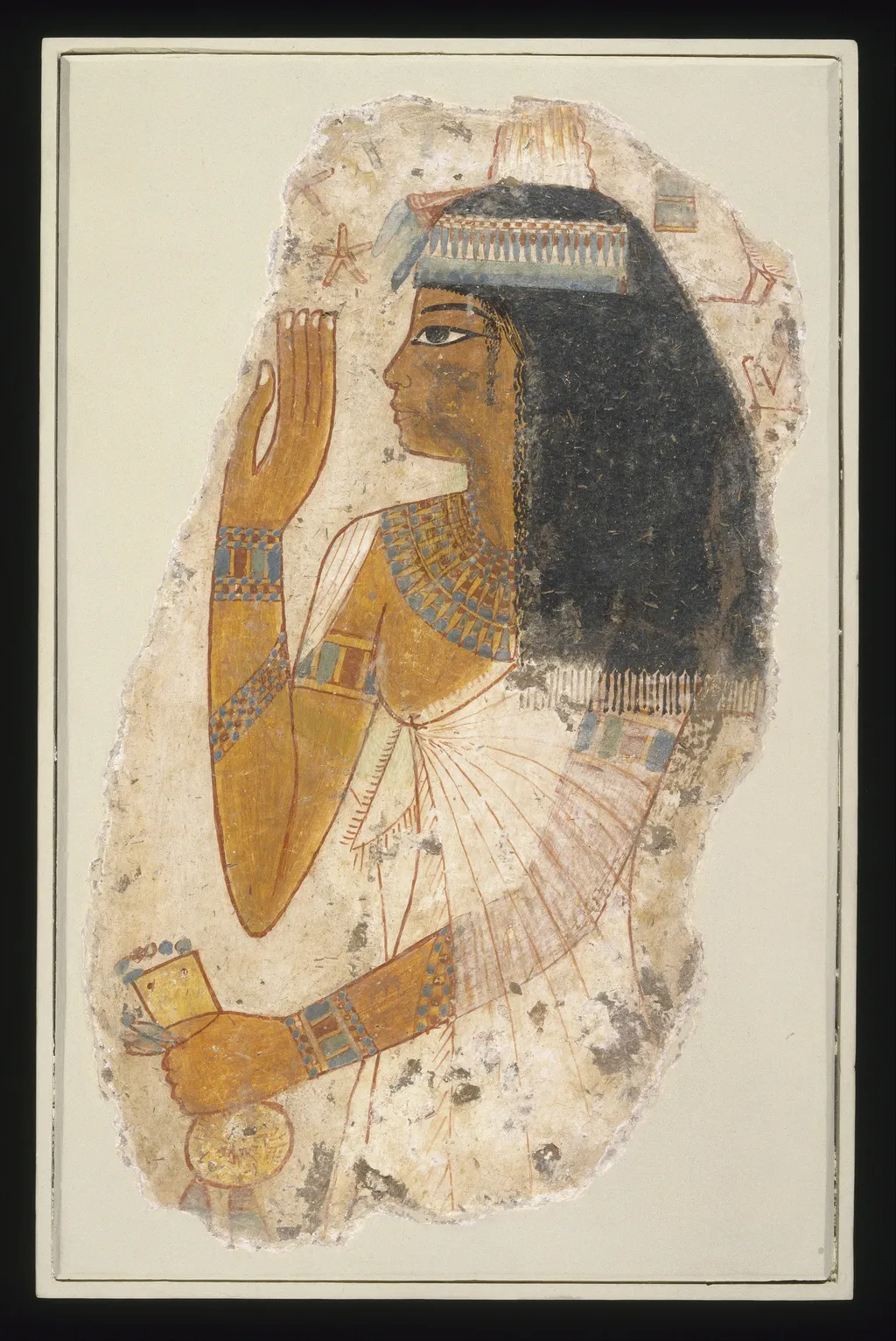
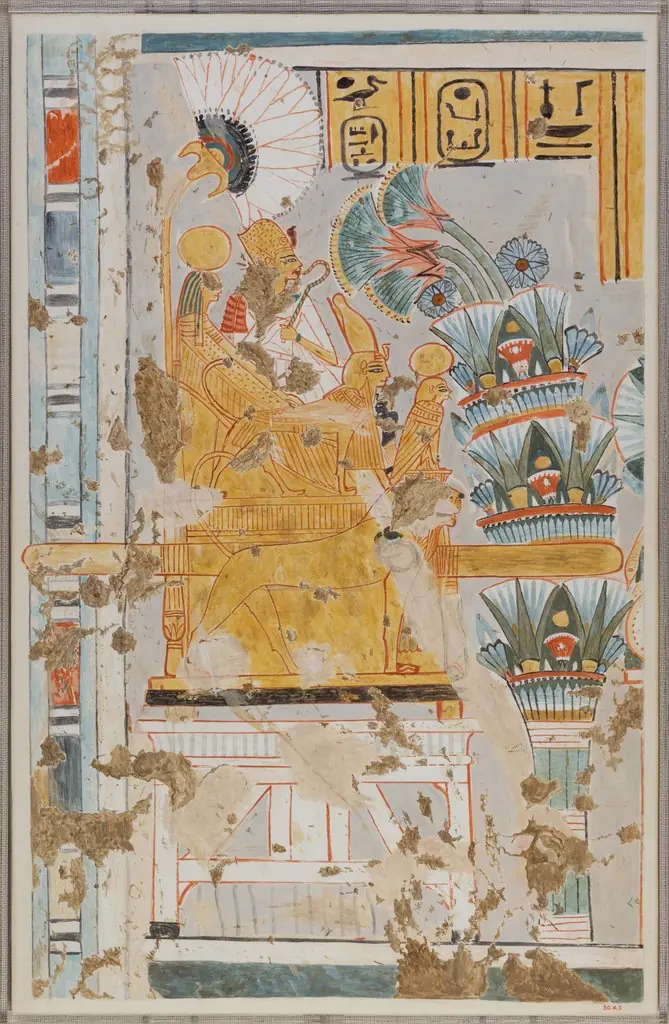
Painting of Lady Tjepu is an unspecified painting by the Byzantine icon painting artist Unknown. It dates from 1396 and is held in the collection of the Brooklyn Museum. The fragment originates from a large fresco that once adorned Tomb 181 in Thebes, dating to the reign of Amenhotep III in the 18th Dynasty.
About this work
Subject & Meaning
The fragment shows a woman identified as Tjepu, mother of Nebamun, depicted in an unusual maternal position within her son's tomb.
The fragment shows a woman identified as Tjepu, mother of Nebamun, depicted in an unusual maternal position within her son's tomb. She is portrayed with elaborate jewelry, a translucent white garment revealing parts of her body, a floral crown, and a grease cone on her head, symbols indicating her high social status and role as 'Lady of the House'. The scene likely represents her participation in the Beautiful Festival of the Valley with offerings to Amun, possibly reflecting a special bond between mother and son, potentially linked to Nebamun marrying the widow of another sculptor. The work dates to the late 18th Dynasty during Amenhotep III's reign (around 1390 BC) and entered the Brooklyn Museum's collection in 1916 via Charles Edwin Wilbour's collection (inventory 65.197).
Technique & Style
The fragmentary painting is executed in earth pigments on a plaster ground applied to limestone, consistent with New Kingdom tomb decoration practices. The medium is tempera-like, with pigments bound in a non-oil medium and applied to the smoothed plaster surface of the tomb wall. Handling shows a refined, linear approach, with careful delineation of jewelry and costume details, especially the translucent linen garment and the finely modeled wig crowned with a floral diadem. The depicted menat and head cone, rendered in simplified volumetric forms, underscore the figure’s elite status and adherence to Theban tomb iconography of Amenhotep III’s reign.
History & Provenance
The Painting of Lady Tjepu originated as a fragment of a large fresco located in Tomb 181 (TT181) in el-Chochah, Thebes. Created during the late 18th Dynasty, specifically within the reign of Pharaoh Amenhotep III (c. 1390-1353 BC), the work was painted directly onto the plaster walls of the tomb. The original composition depicted the subject standing behind her son, the sculptor Nebamun, a placement that deviated from standard funerary conventions where a wife typically occupied this position. The painting entered the collection of the Brooklyn Museum in 1916 as part of the bequest of Charles Edwin Wilbour, acquiring the inventory number 65.197. It has remained a central piece of the museum's ancient Egyptian holdings since that acquisition. The Painting of Lady Tjepu is held by the Brooklyn Museum in New York, where it serves as a key piece of the ancient Egyptian collection. Acquired in 1916 as part of the Charles Edwin Wilbour collection, the work carries the museum's inventory number 65.197. The fragment was originally part of a larger fresco from Tomb 181 in Thebes. Regarding its exhibition history, the painting appeared on the title page of the catalogue for a 1976 traveling exhibition of Brooklyn Museum pieces held in Berlin. Additionally, since 1999, the image has been featured as the title image for catalogues of the museum's collection, including the volume "Art for Eternity: Masterworks from Ancient Egypt."
Context
The Painting of Lady Tjepu serves as a significant fragment from the tomb of Nebamun and Ipuki in Thebes, illustrating the artistic conventions of the late 18th Dynasty under Amenhotep III. Scholars note the unusual iconography of the work, which depicts the artist's mother rather than his wife, suggesting a unique familial bond or the specific circumstances of Nebamun inheriting Ipuki's tomb. The piece is frequently cited in major catalogues, such as the 1999 volume *Art for Eternity*, and has been featured on the title pages of exhibition catalogues, including a 1976 traveling show in Berlin. Its inclusion in these publications underscores its status as a key representative of the period's funerary art and the high social standing of the depicted figure.
Legacy
Since entering the Brooklyn Museum in 1916 as part of the Charles Edwin Wilbour collection, the Painting of Lady Tjepu has become a cornerstone of the institution's ancient Egyptian holdings. The work is widely recognized as a key piece of the collection, consistently serving as the title image for major catalogues, including the 1999 volume *Art for Eternity*. Its prominence was further established when it appeared on the cover of the catalogue for the 1976 traveling exhibition of Brooklyn Museum artifacts held in Berlin. The painting's reputation rests on its exceptional preservation and its depiction of elite 18th Dynasty fashion and iconography, making it a standard reference for understanding the artistic conventions of the reign of Amenhotep III.
Artist & collection









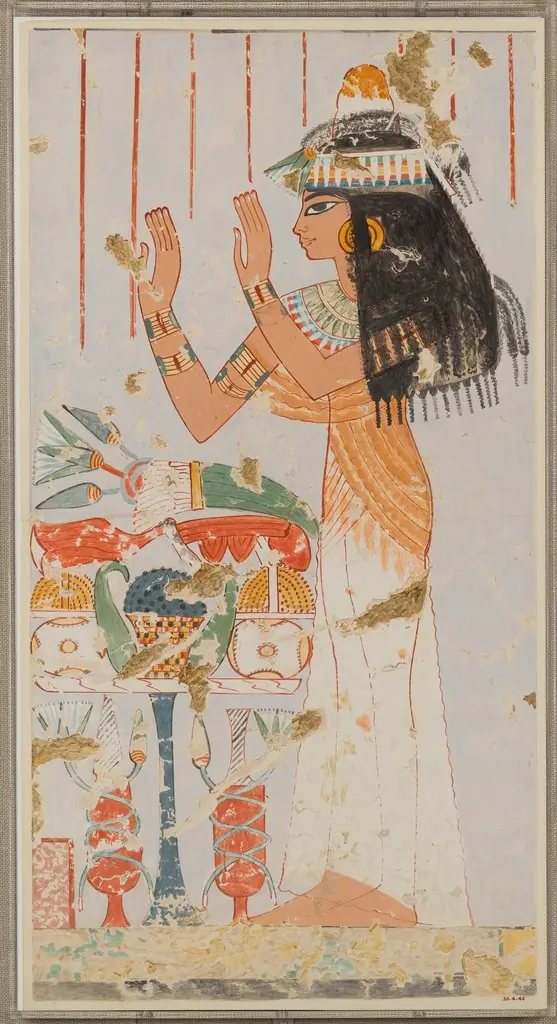
- Menna's Daughter Offering to her Parents, Tomb of Menna
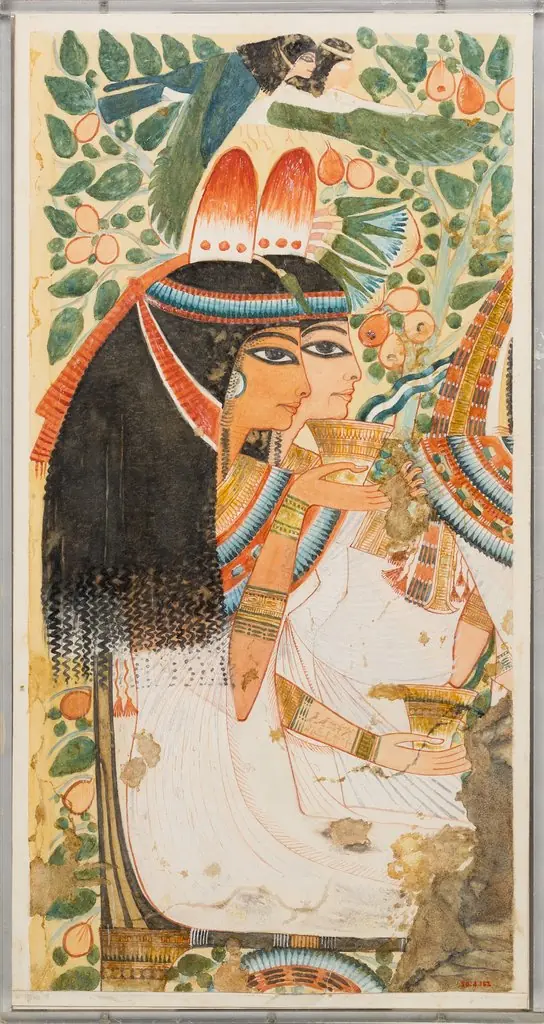 The Mother and Wife of Userhat, Tomb of Userhat
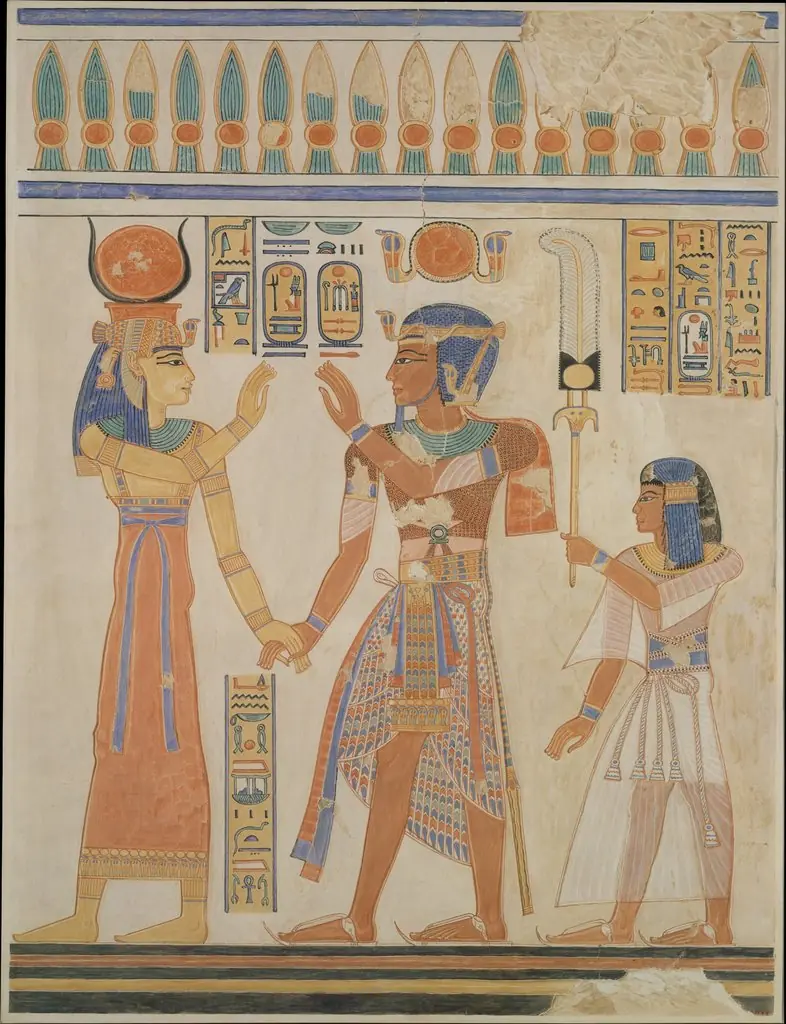 Ramesses III and Prince Amenherkhepeshef before Hathor
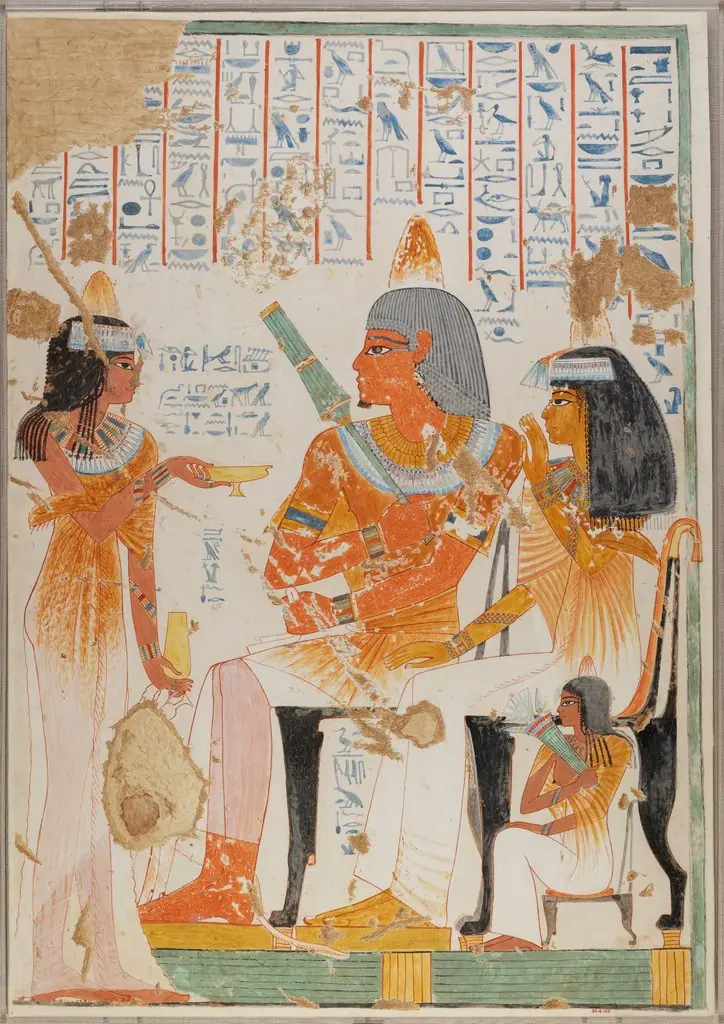 Nebamun Receiving Wine
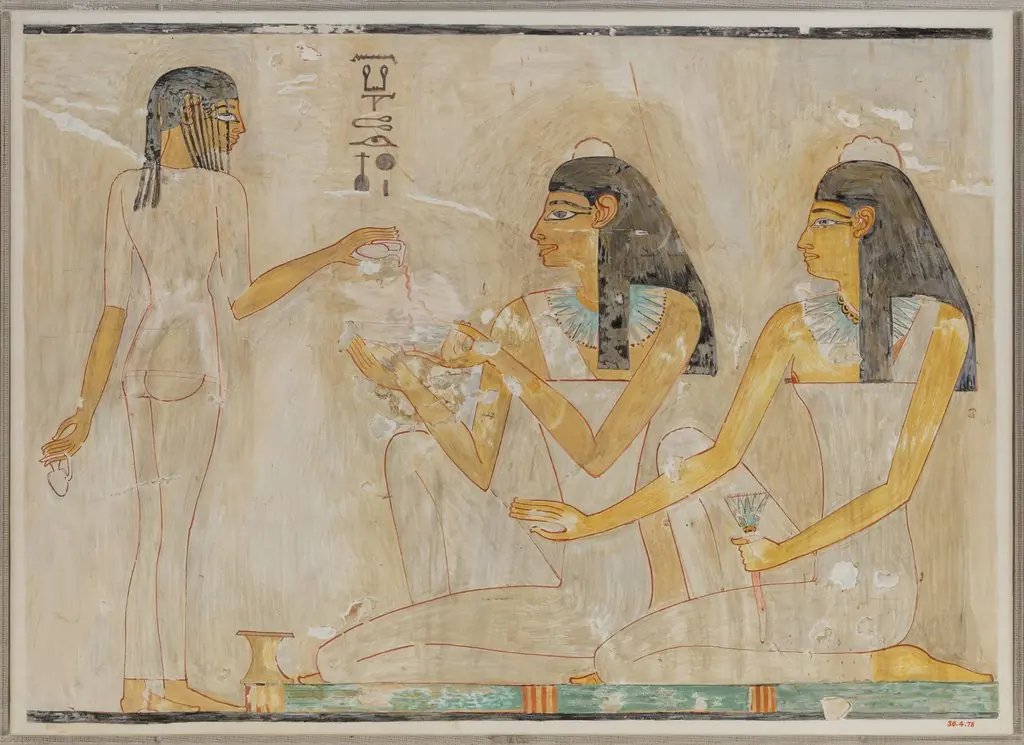 Women at a Banquet
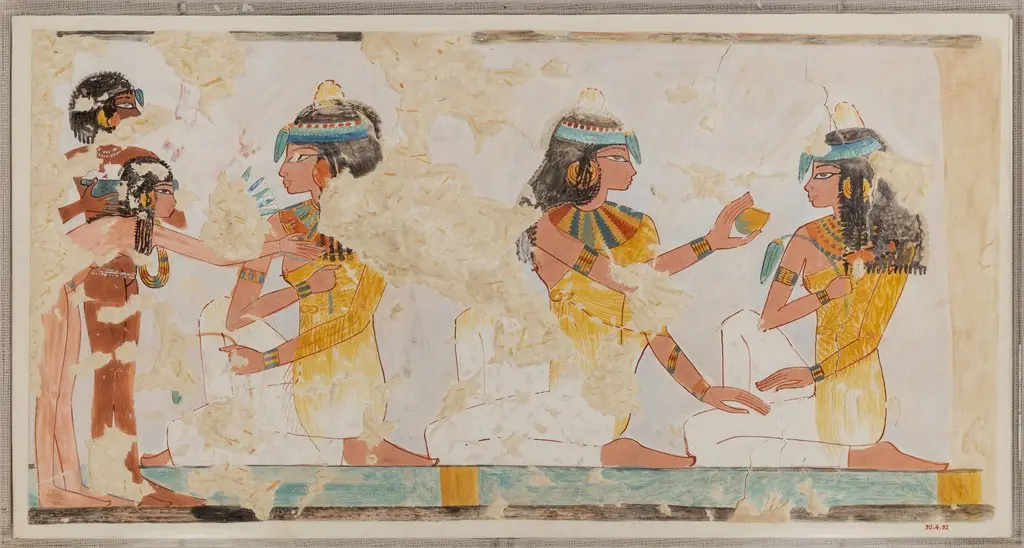 Women at a Banquet
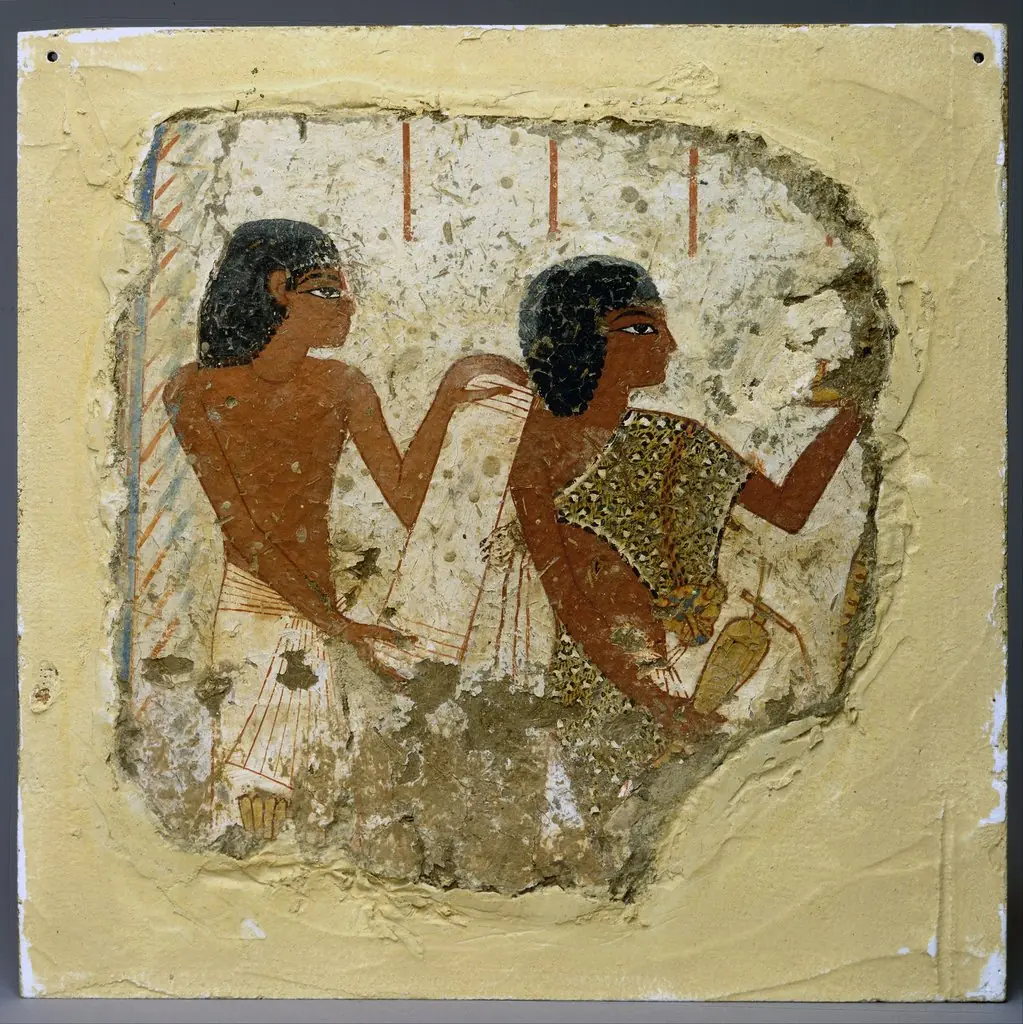 Tomb painting depicting two priests, one holding a papyrus roll and the other a vase for libations (...
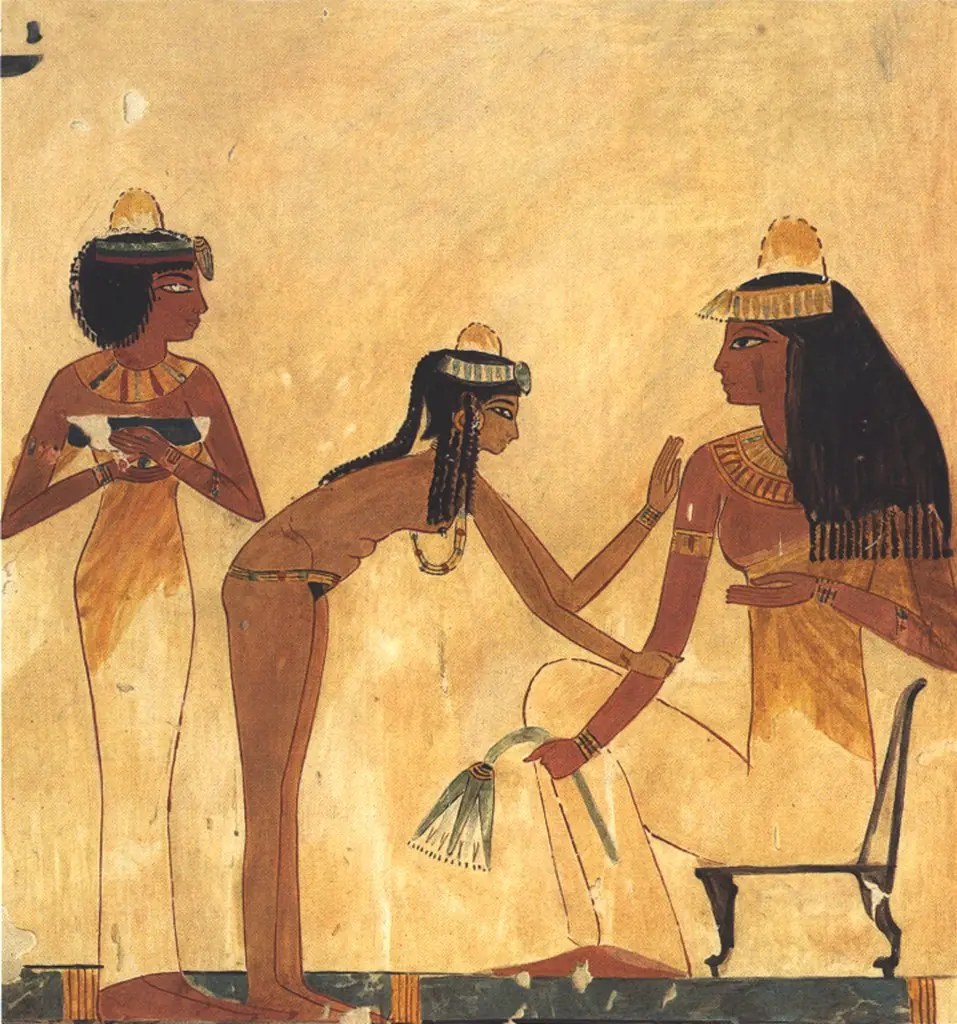 Seated woman with Two Female Servants
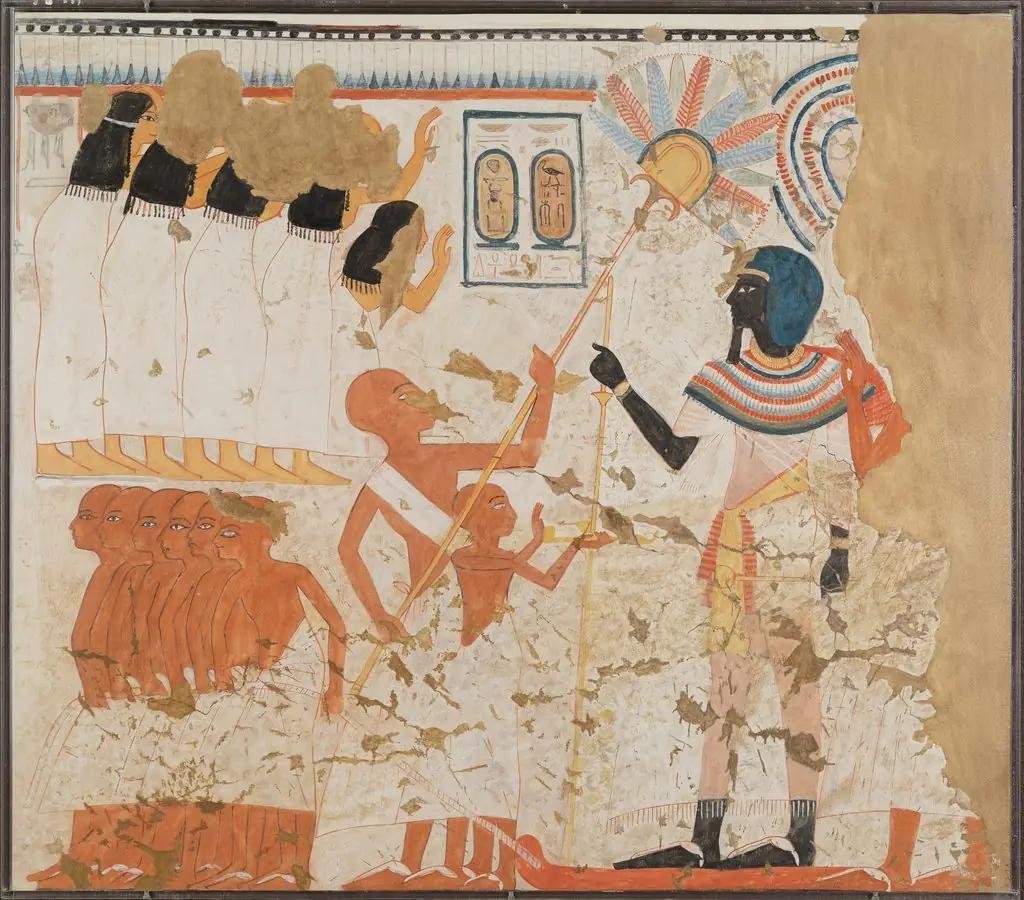 Dragging a Statue of Thutmose I
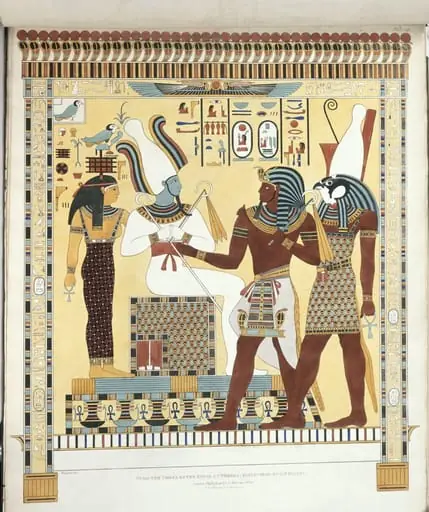 Plates Illustrative Of The Researches And Operations Of G. Belzoni In Egypt And Nubia
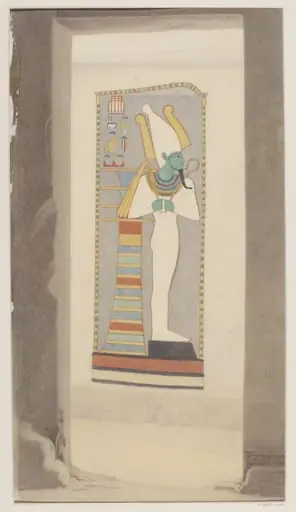 Osiris carrying a flail and crook
 Statue of Deified Amenhotep I