Artwork
Tomb painting depicting two priests, one holding a papyrus roll and the other a vase for libations (...
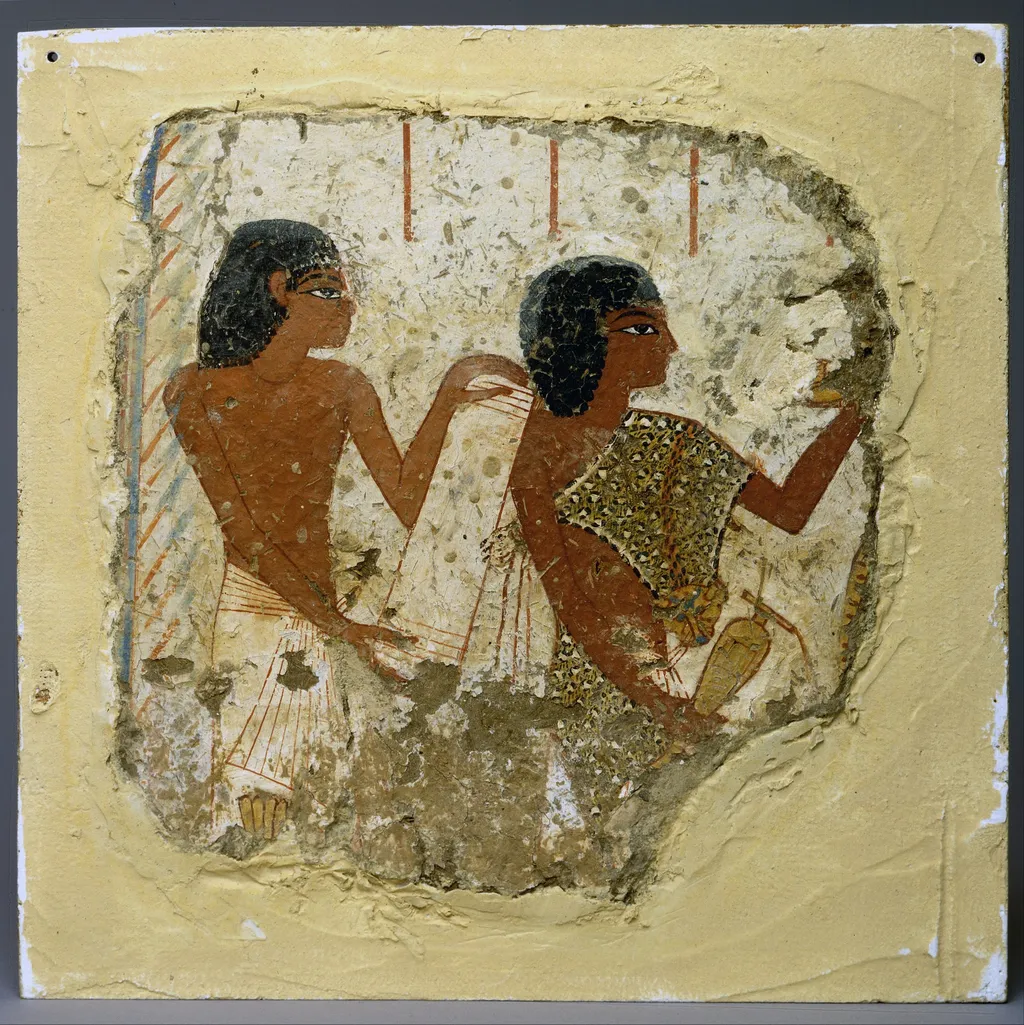
Tomb painting depicting two priests, one holding a papyrus roll and the other a vase for libations (... is an unspecified painting by the Byzantine icon painting artist Unknown. It dates from -1400 and is held in the collection of the Israel Museum. The work is a wall painting from an ancient Egyptian tomb, executed in the conventional profile style of the period.
About this work
Overview
The work is a wall painting from an ancient Egyptian tomb, executed in the conventional profile style of the period. It shows two male figures identified as priests, positioned side by side and oriented toward the right edge of the composition. The scene is set against a muted yellow background that retains traces of red and blue pigment, typical of the palette used in funerary decoration.
Subject & Meaning
Both wear simple white loincloths, and the second priest is additionally draped in a leopard‑skin mantle, a garment associated with higher religious office.
The left-hand figure clutches a rolled papyrus, a symbol of written ritual or liturgical texts, while the right-hand figure bears a libation vase, indicating the performance of offering rites. Both wear simple white loincloths, and the second priest is additionally draped in a leopard‑skin mantle, a garment associated with higher religious office. Together the attributes convey a ceremonial function, likely related to funerary prayers or offerings to the deceased.
Technique & Style
Rendered with bold, clean outlines and flat areas of color, the painting follows the canonical Egyptian artistic conventions that prioritize symbolic clarity over naturalistic perspective. The pigments, applied in a tempera‑like medium, retain a faded yellow ground with residual red and blue accents, suggesting an original palette of ochre, vermilion, and Egyptian blue. The figures are depicted in strict profile, with the eyes, shoulders, and feet rendered in the same orientation.
Context
Such priestly scenes are common in New Kingdom tombs, where they serve to illustrate the rituals intended to sustain the dead in the afterlife. The inclusion of a papyrus roll and libation vessel aligns the deceased with the protective and nourishing actions of the priesthood. While the specific tomb and owner are not identified in the available data, the composition reflects the broader funerary program that linked the living clergy with the eternal well‑being of the departed.
Artist & collection









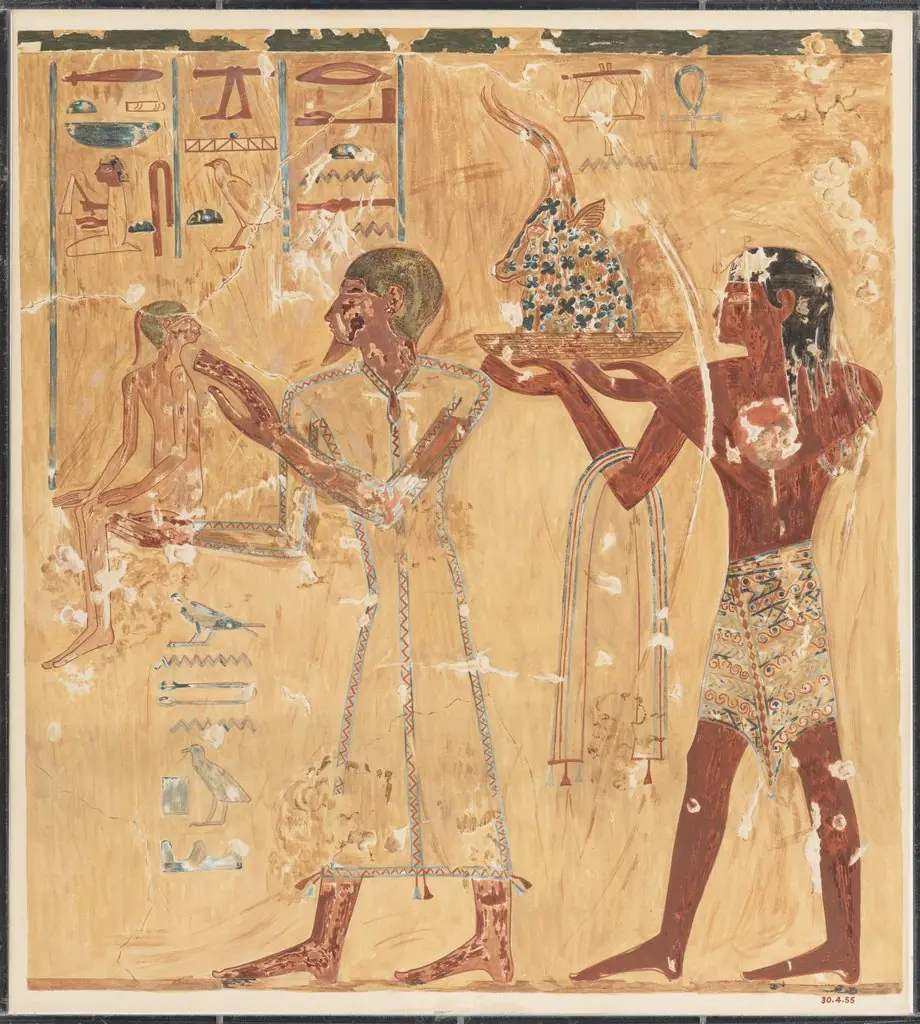
- Foreigners, Tomb of Menkheperraseneb
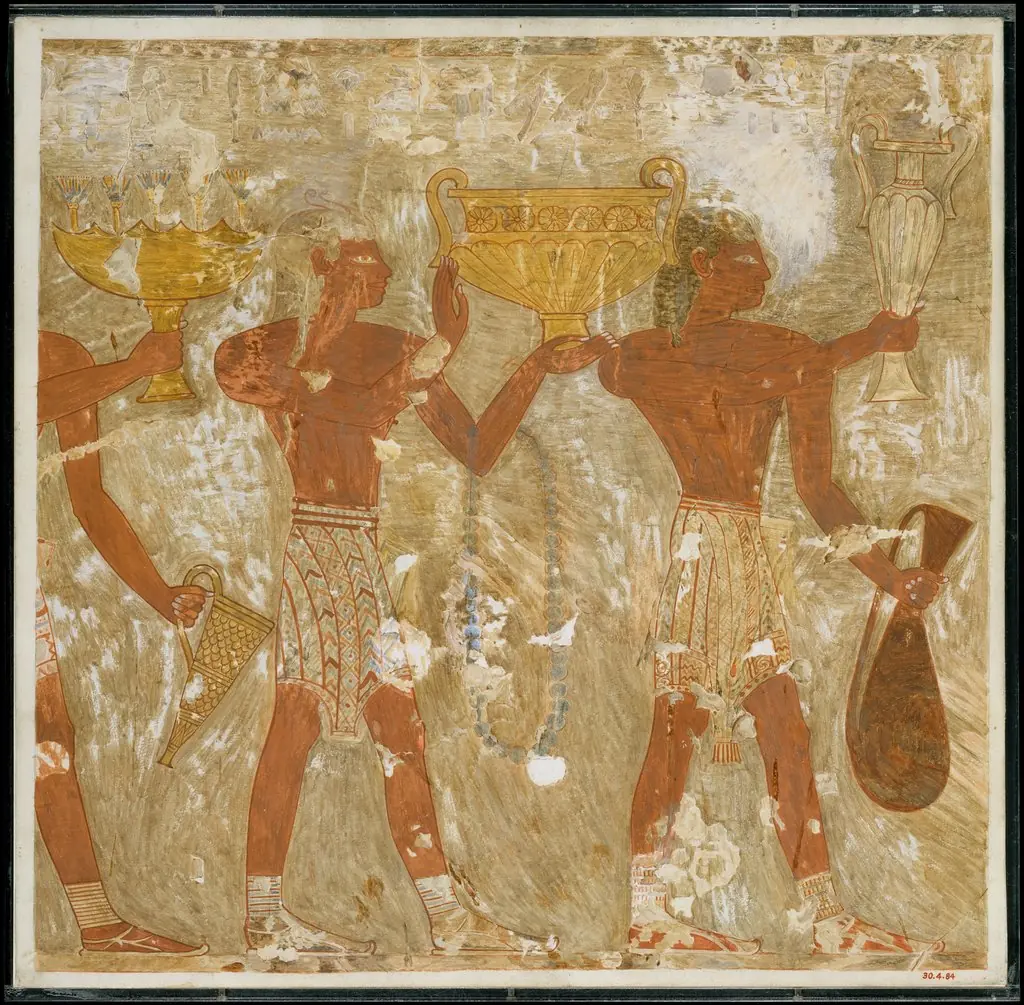 Cretans Bringing Gifts, Tomb of Rekhmire
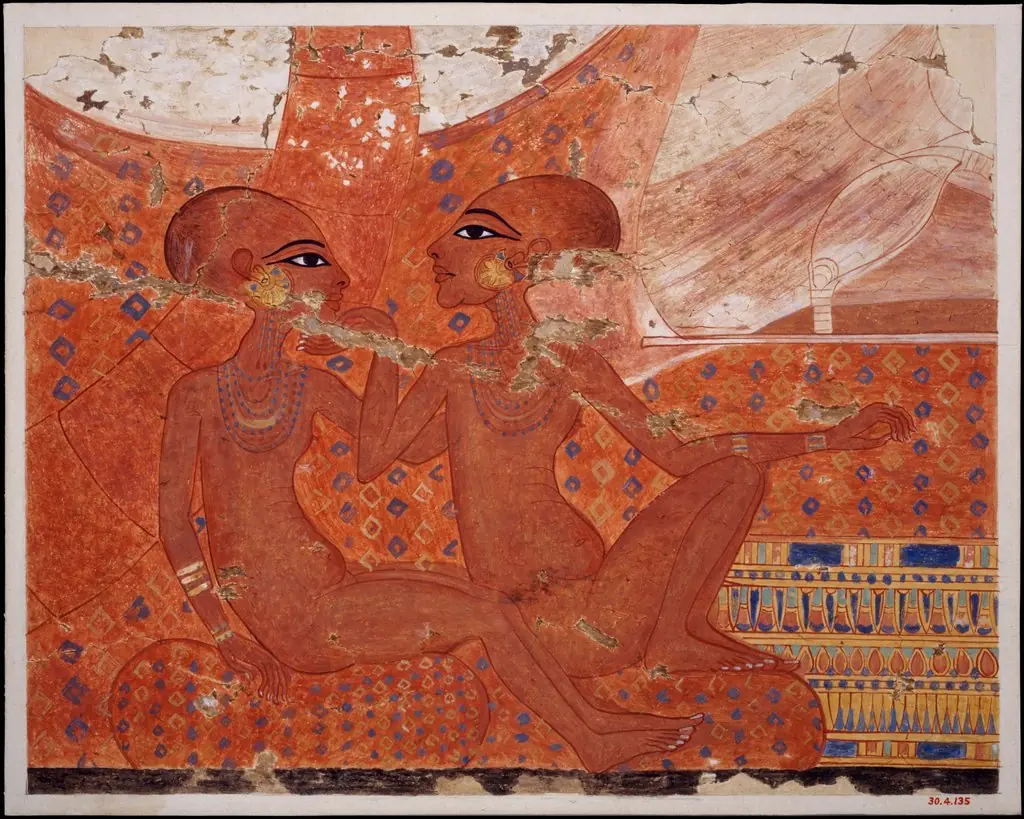 Two Princesses
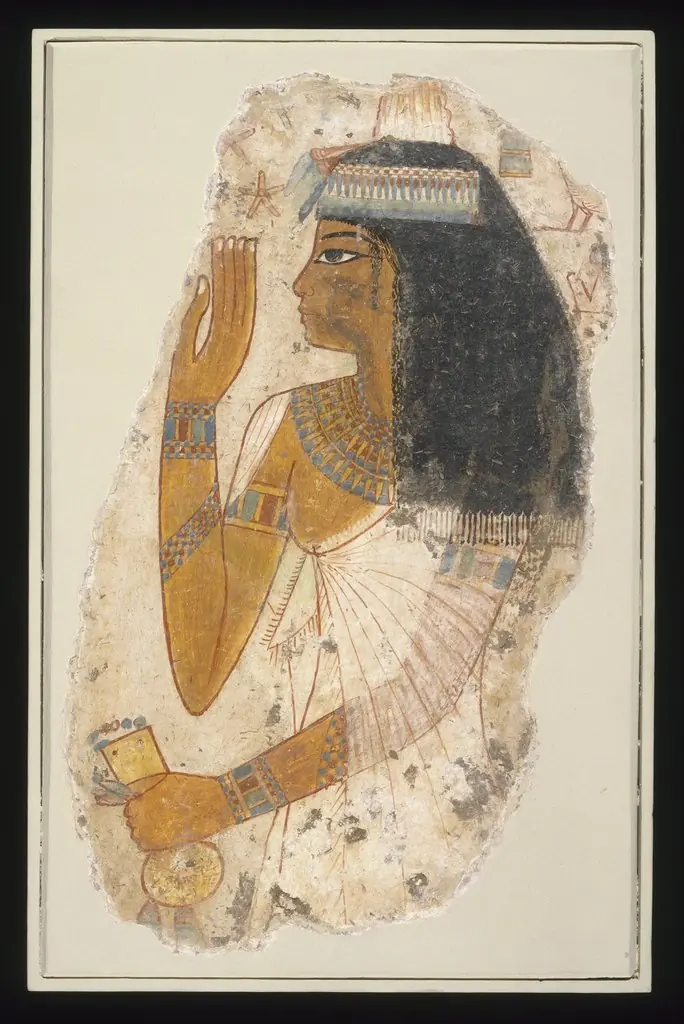 Painting of Lady Tjepu
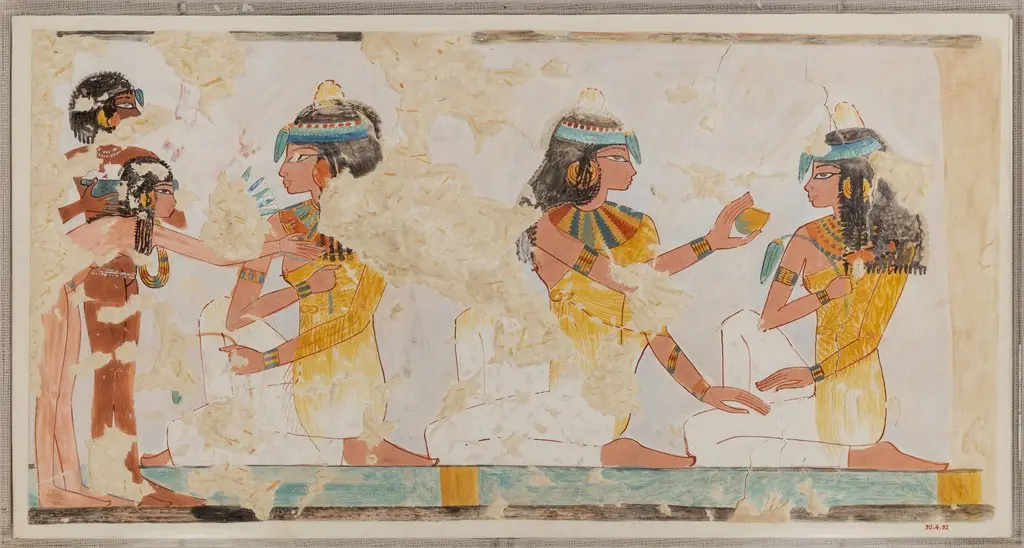 Women at a Banquet
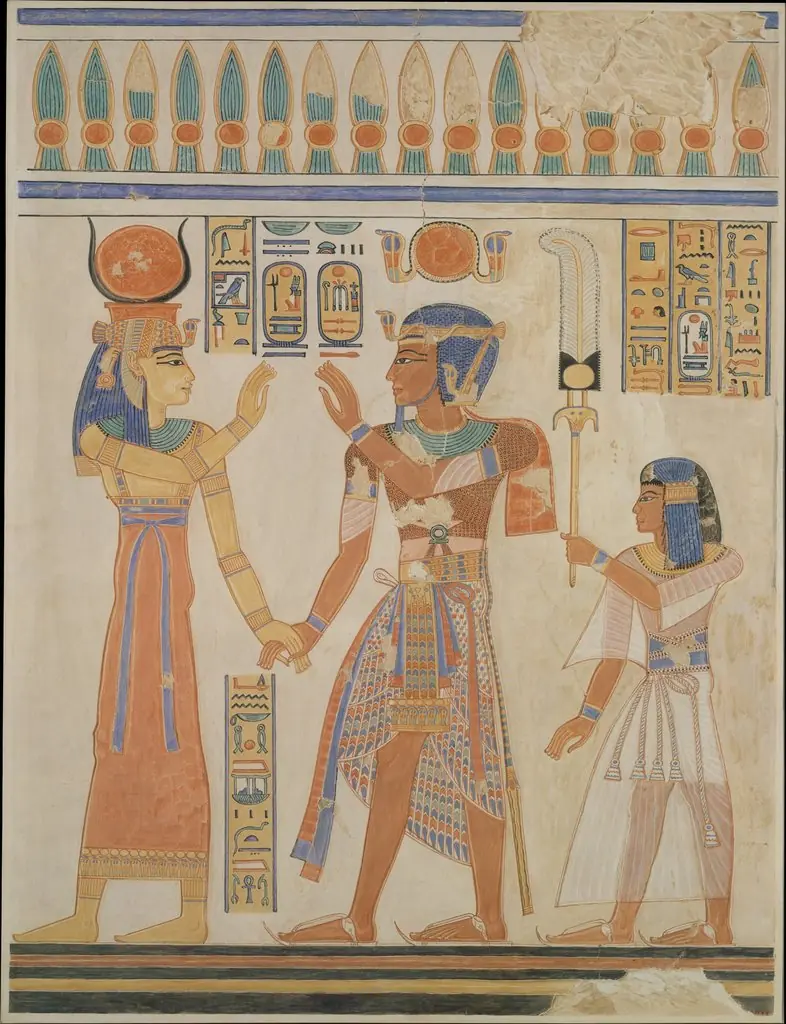 Ramesses III and Prince Amenherkhepeshef before Hathor
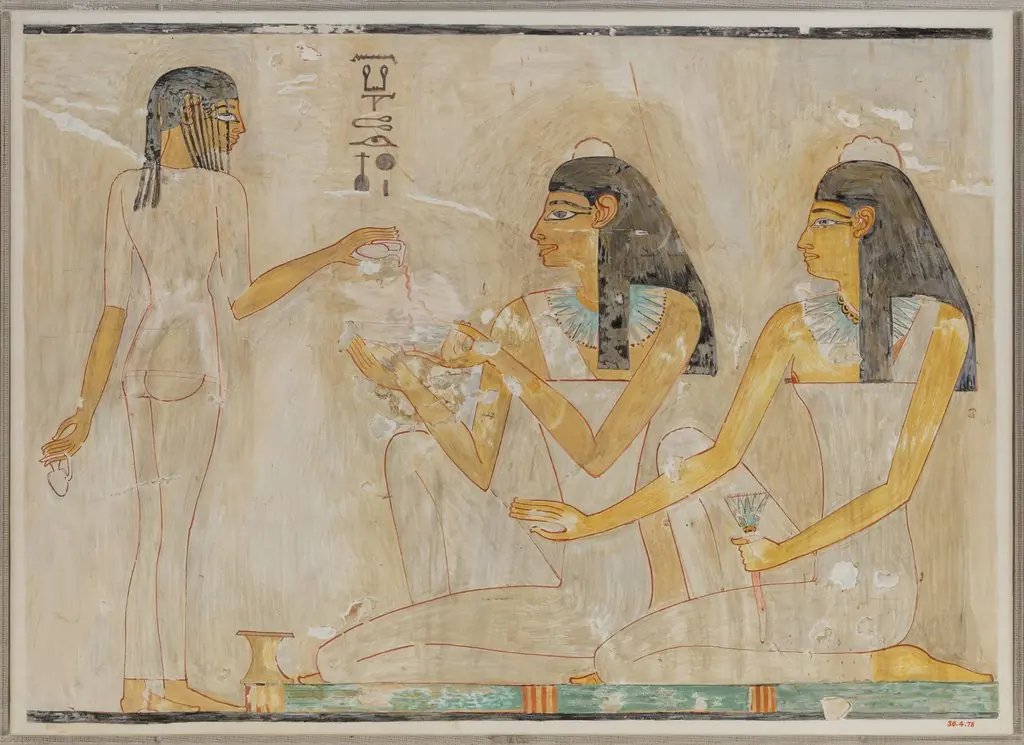 Women at a Banquet
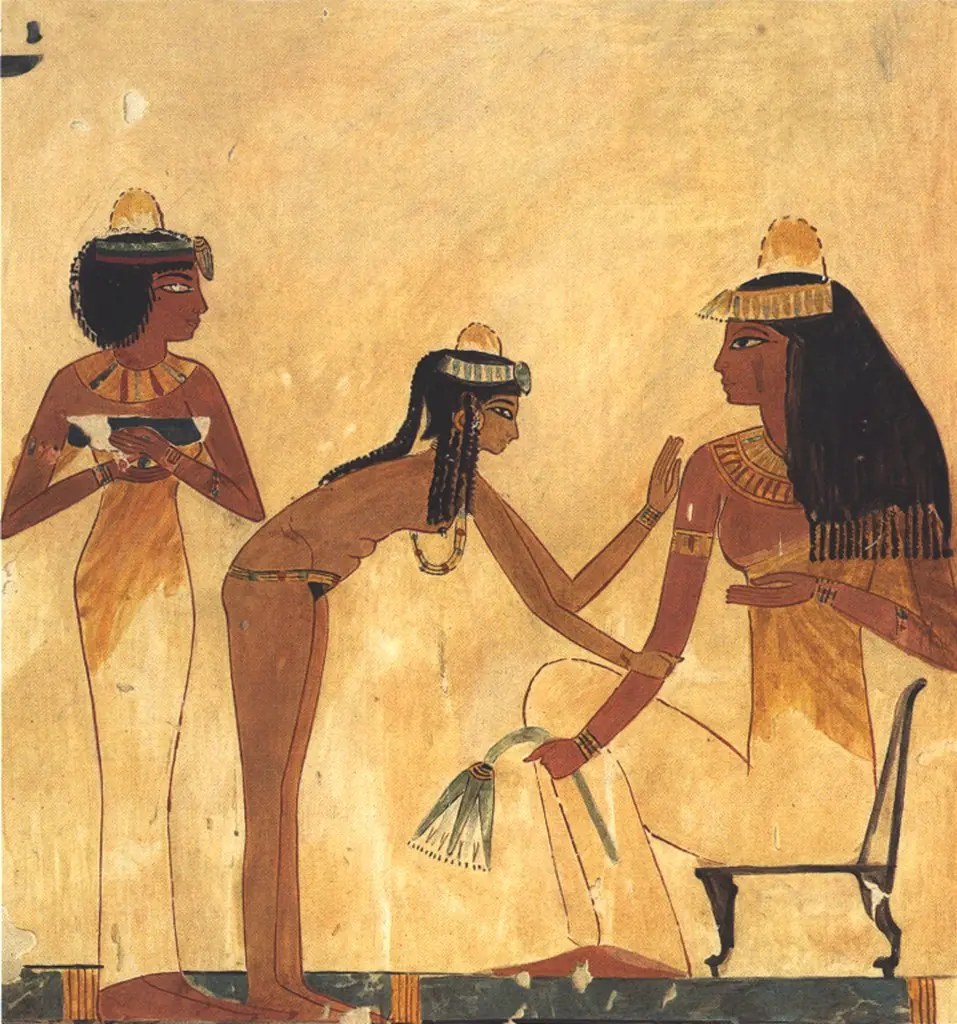 Seated woman with Two Female Servants
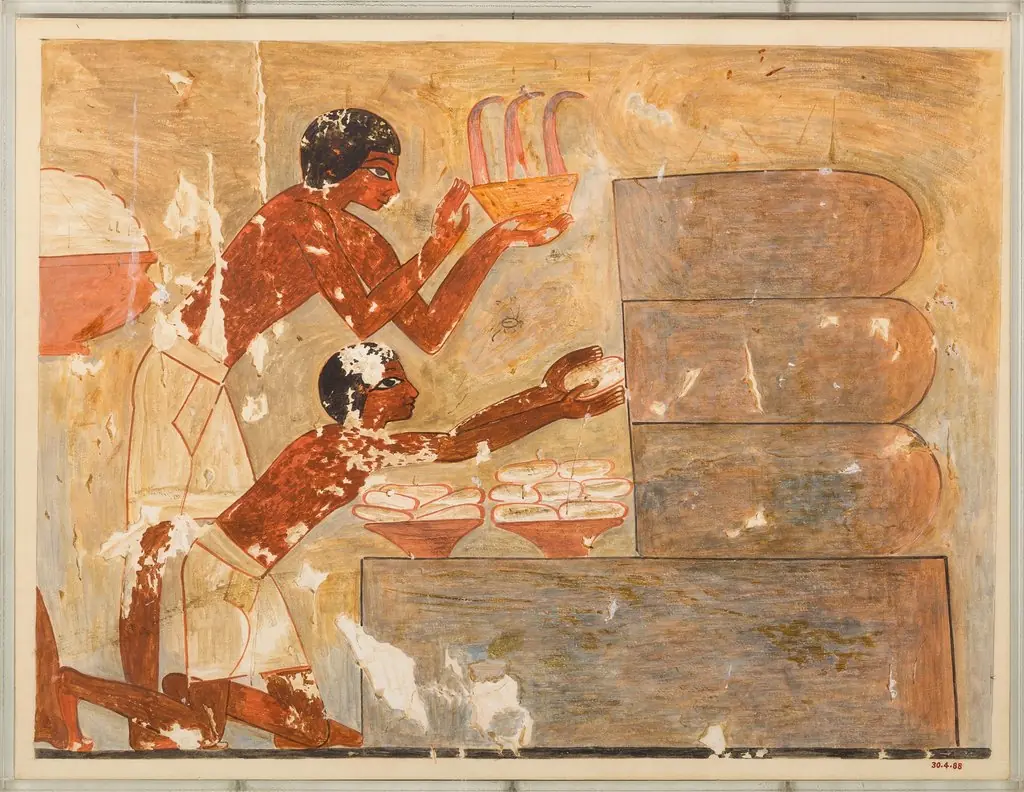 Gathering Honey, Tomb of Rekhmire
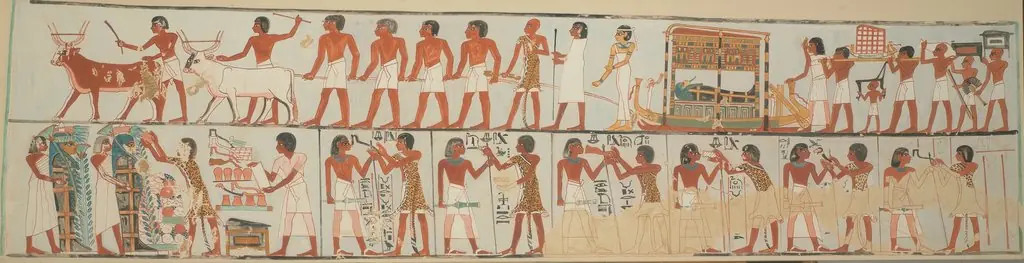 Funeral Procession, Tomb of Pairy
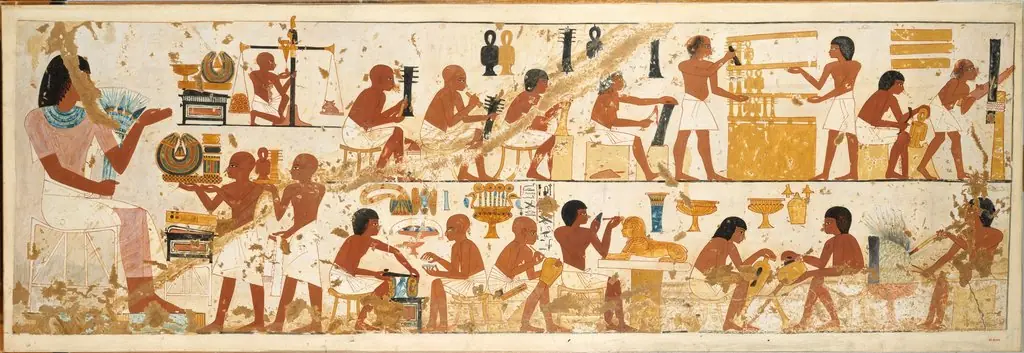 Craftsmen, Tomb of Nebamun and Ipuky
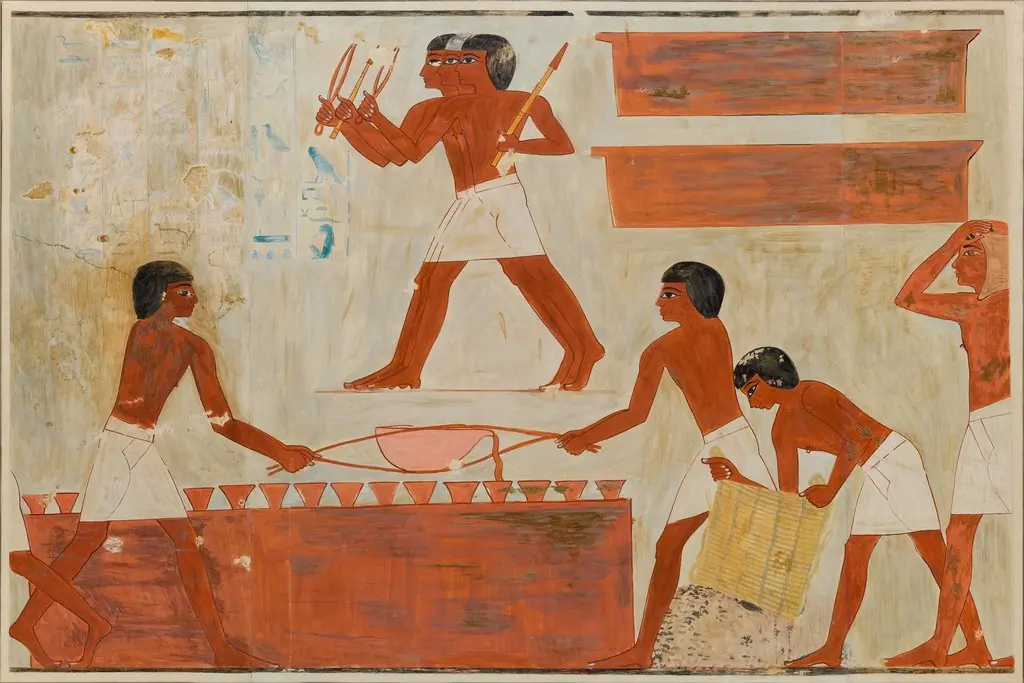 Casting Metal, Tomb of Rekhmire