Artwork
Philipp II of Spain
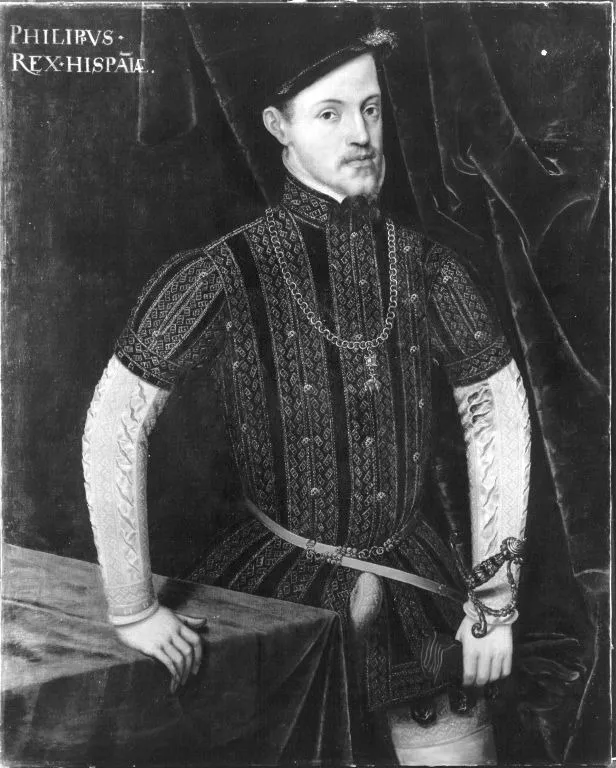
Philipp II of Spain is an unspecified painting by the Mannerist artist Unknown. It dates from 1590 and is held in the collection of the Bavarian State Painting Collections.
About this work
Subject & Meaning
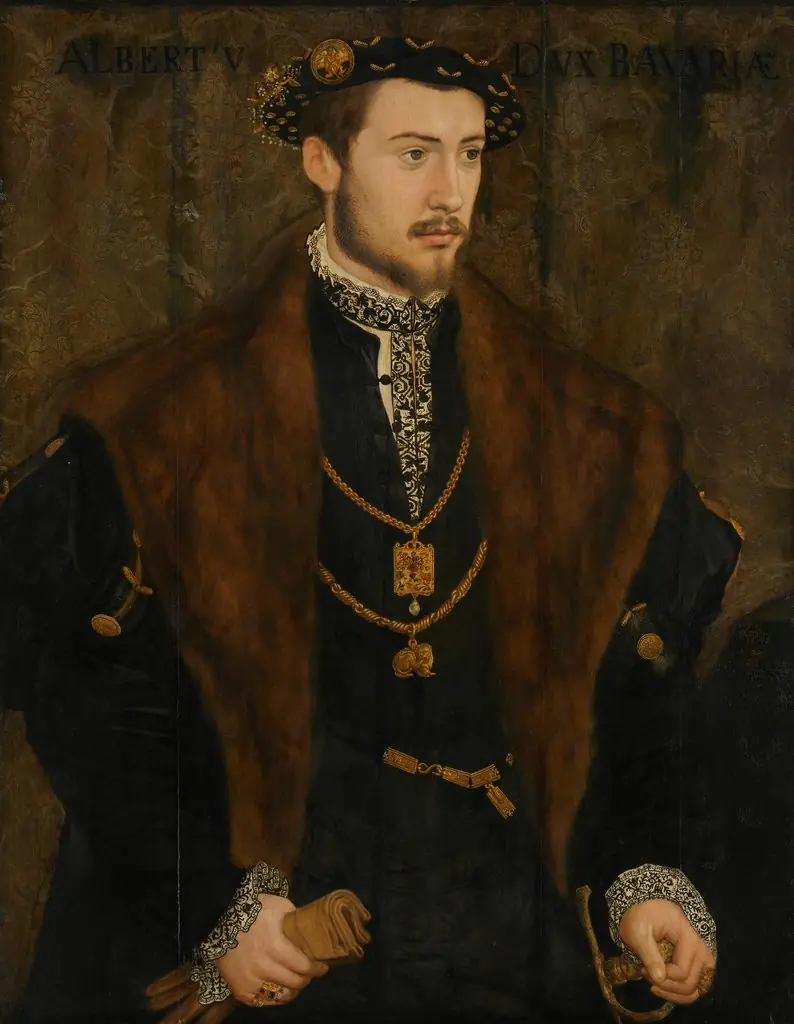
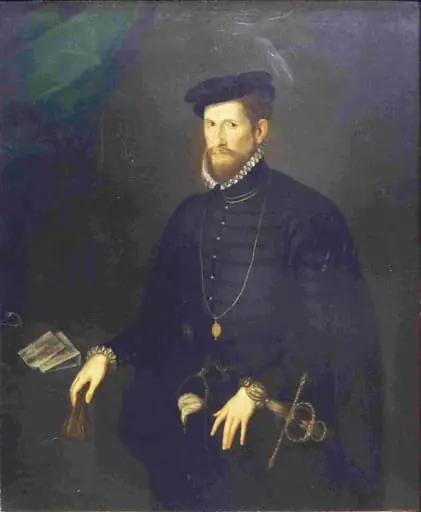
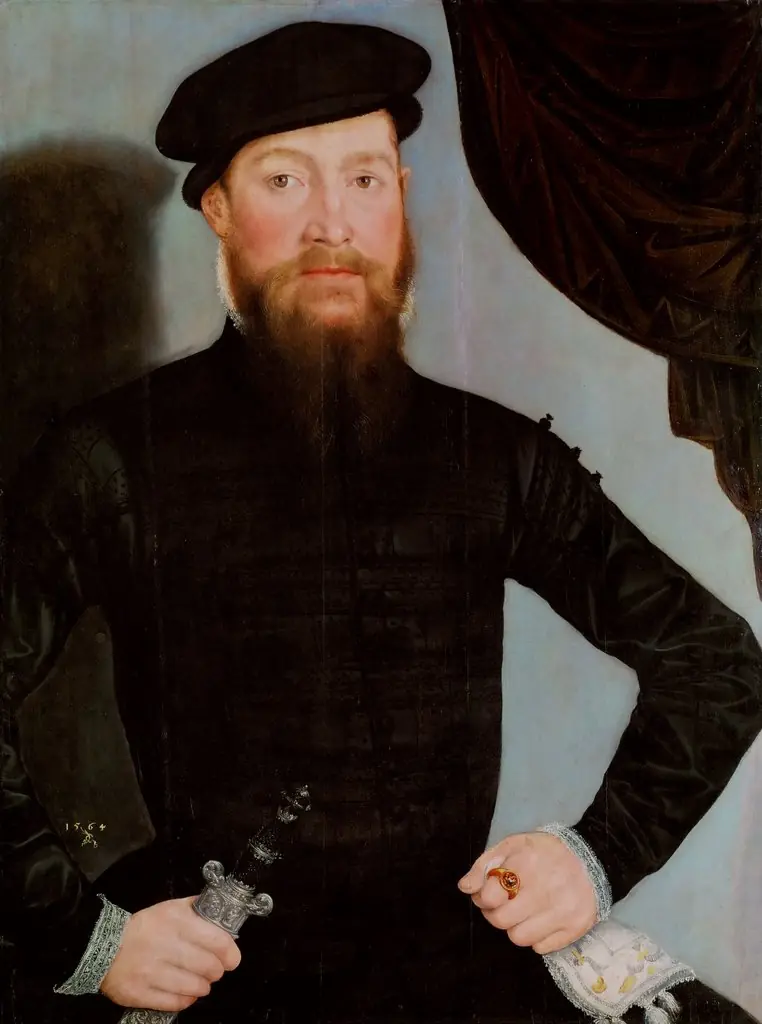
The work is a portrait whose sole subject is Philip II of Spain (1527–1598), king of the Iberian peninsula and the Spanish overseas empire.
The work is a portrait whose sole subject is Philip II of Spain (1527–1598), king of the Iberian peninsula and the Spanish overseas empire. Devised within the workshop of Juan Pantoja de la Cruz, the painting belongs to a tradition of formal state portraiture developed at the Habsburg court to project royal authority, dynastic continuity, and Catholic piety. As a portrait of Philip II, the image participates in an established iconographic type used to disseminate the king's likeness across his domains and to European allies, serving both as a personal record and as an instrument of political representation.
The composition is based on an earlier Portrait of Philip II of Spain, indicating that the work functions within a recognizable visual lineage of royal imagery rather than as an independent invention.
History & Provenance
The portrait of Philip II of Spain was painted in 1580 by the workshop of Juan Pantoja de la Cruz, as documented in the artwork's creation history. It was commissioned as a representation of the Spanish monarch and has remained in the collection of the Bavarian State Painting Collections since its inception. The work is housed in the Alte Pinakothek at Dachau Palace, where it has been displayed as part of the institution's holdings.
Its dimensions measure 100 cm in height and 77 cm in width, reflecting the original scale of the commissioned portrait.
The painting's provenance traces its ownership through the Bavarian State Painting Collections, indicating a continuous institutional custody from its creation to the present. This provenance underscores its significance within the collection's portfolio of Spanish royal portraiture.
The creation history is anchored in its 1580 inception, aligning with historical records of the subject's depiction during that period. The artwork's classification as a portrait within the genre reinforces its role as a key example of royal iconography from the era.
The painting is part of the Bavarian State Painting Collections and is housed in the Alte Pinakothek at Dachau Palace. It entered the collection as an accession item under the Bavarian State Painting Collections' holdings. The work has been exhibited at the Alte Pinakothek as part of its permanent display of European portraiture.
The painting measures 100 cm in height and 77 cm in width, dating from 1580. It was created by the workshop of Juan Pantoja de la Cruz and depicts Philip II of Spain. The piece has been included in exhibitions at the Alte Pinakothek focusing on Renaissance and Baroque portraiture, including a 2019 exhibition on Spanish Habsburg portraiture.
The provenance traces back to the Bavarian court, where it was acquired as part of the state's effort to preserve significant European artworks. The painting remains on permanent view at the Alte Pinakothek, cataloged under the collection identifier of the Bavarian State Painting Collections.
Legacy
The portrait attributed to Juan Pantoja de la Cruz's workshop has been reproduced in numerous art history surveys, establishing a recognizable visual model for Spanish Habsburg authority. Its presence in the Bavarian State Painting Collections at the Alte Pinakothek has made it a frequent reference point in exhibitions on Counter-Reformation portraiture, influencing both scholarly interpretations of Philip II's image and public displays of early modern European rulers.
Overview
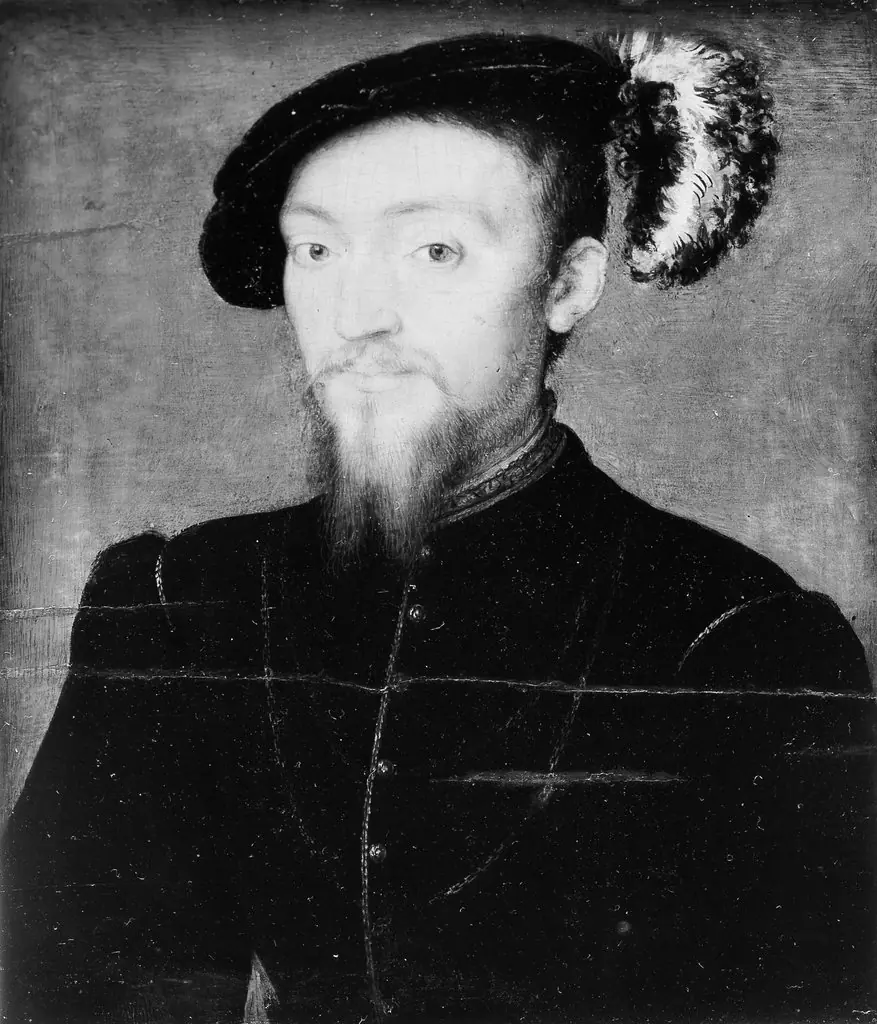
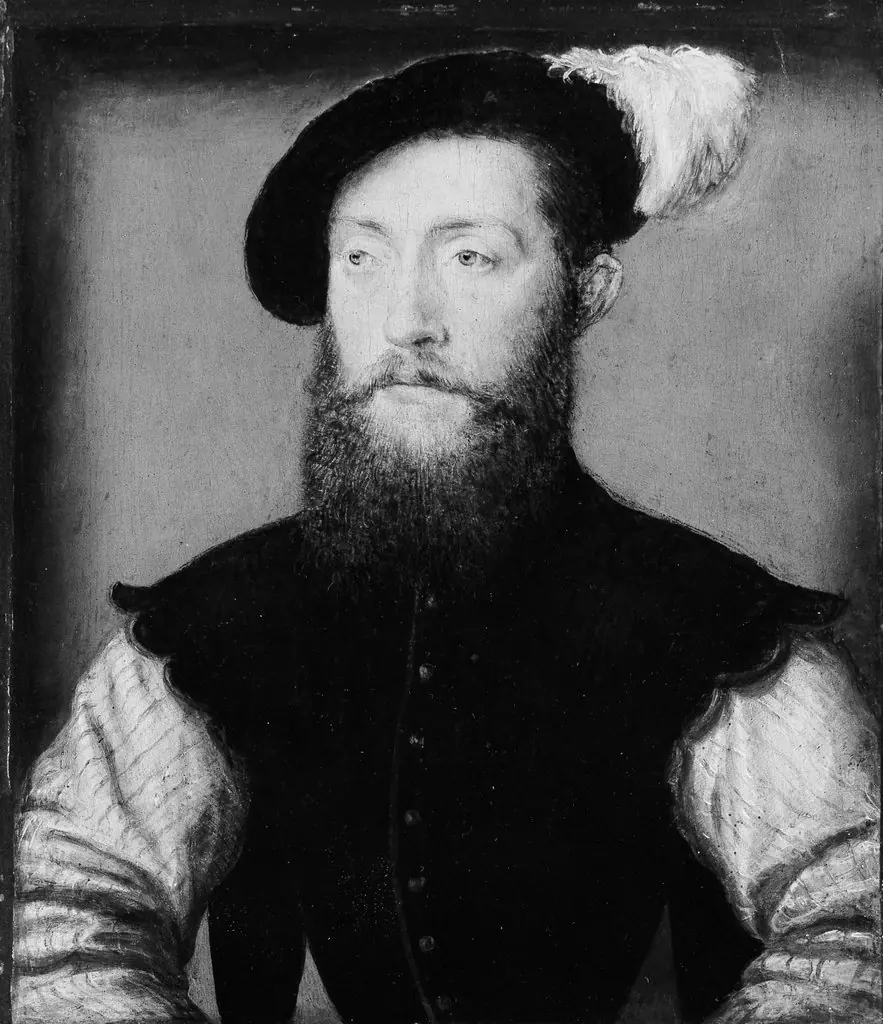
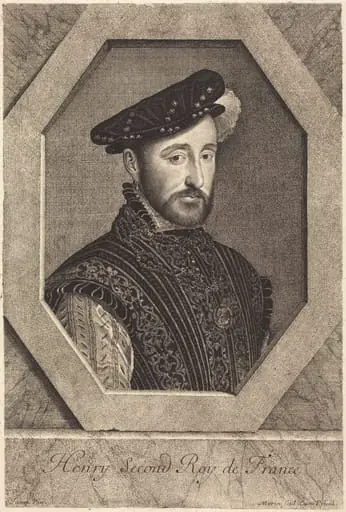
This black-and-white portrait depicts a 16th-century nobleman, identified by the inscription 'PHILIPVS REX HISPANIÆ' as Philip II, King of Spain.
Technique & Style
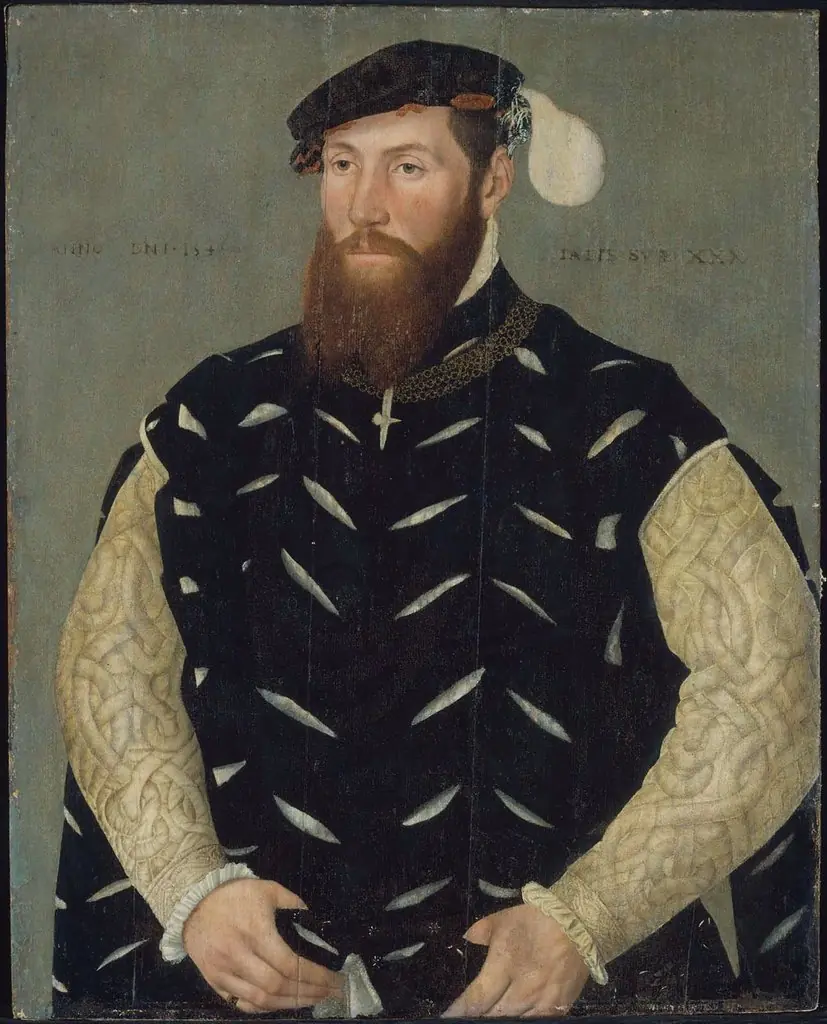
The portrait features intricate details, such as the slashed sleeves and layered clothing, showcasing the artist's skill in capturing texture and complexity.
Context
Philip II ruled Spain during the 16th century, a period of significant cultural and political change.
Artist & collection