Artwork
Portrait of a Gentleman
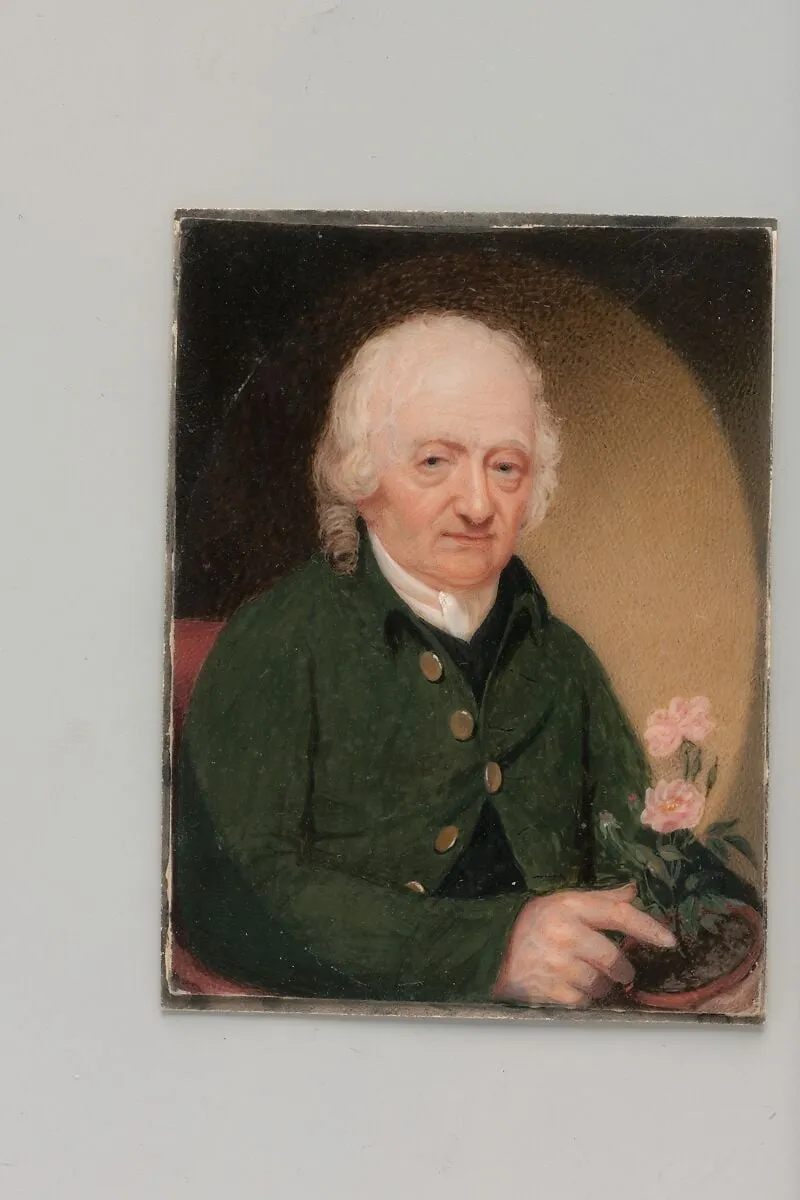
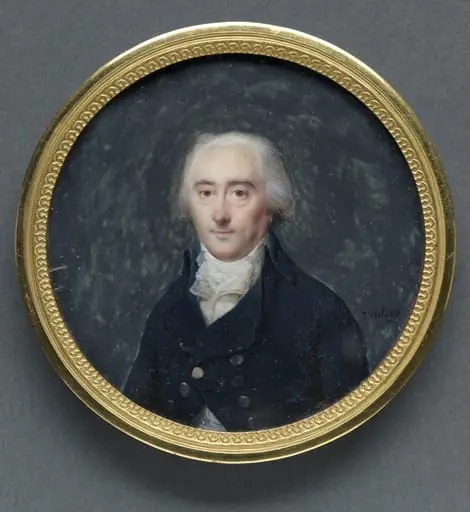
Portrait of a Gentleman is a watercolor painting. It dates from 1812 and is held in the collection of the Metropolitan Museum of Art. This small-scale watercolor on ivory depicts an unidentified man, characteristic of portraits found in the American Wing collection.
About this work
Overview
This small-scale watercolor on ivory depicts an unidentified man, characteristic of portraits found in the American Wing collection.
This small-scale watercolor on ivory depicts an unidentified man, characteristic of portraits found in the American Wing collection. The subject, a gentleman, is shown from the chest up, dressed in a dark coat and a crisp white cravat, with his hair neatly styled. His gaze is directed forward, engaging the viewer directly.
The miniature format, with the face smaller than a credit card, was a common intimate art form of the period.
Technique & Style
The delicate medium of watercolor on ivory was employed to create this miniature. Artists applied multiple translucent layers of paint, a technique known as glazing. This method allowed light to penetrate the thin washes of color and reflect off the ivory surface beneath.
The subtle interplay of light and pigment resulted in a distinctive luminosity, particularly evident in the depiction of the sitter's skin, giving it a soft, glowing quality.
Context
Before the widespread availability of photography, miniature portraits served as a primary means for individuals to keep images of their loved ones close. Affluent Americans commissioned these small, portable artworks, often carried in pockets or worn as jewelry, as personal mementos. They offered an intimate connection to family members or romantic partners, functioning as cherished, private keepsakes in an era without instant visual reproduction.
Artist & collection

- Self-Portrait
 Washington Allston
 Portrait of a Man
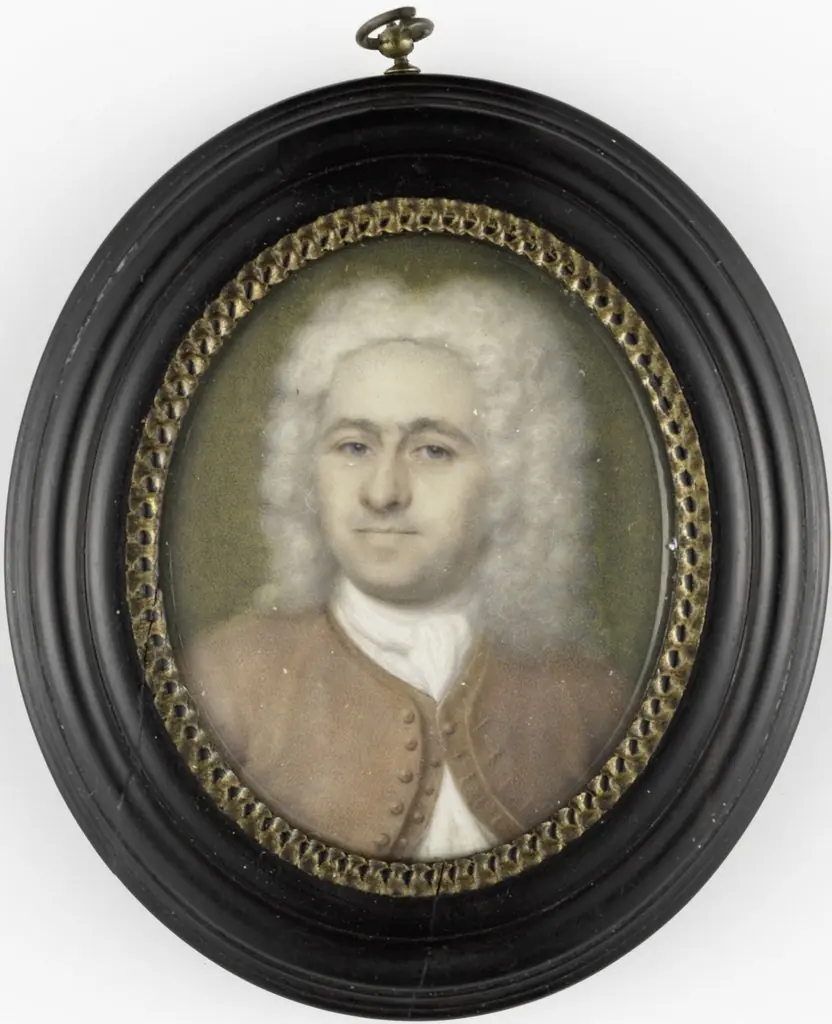 Herman Wolters (1682-1756). husband of the painter
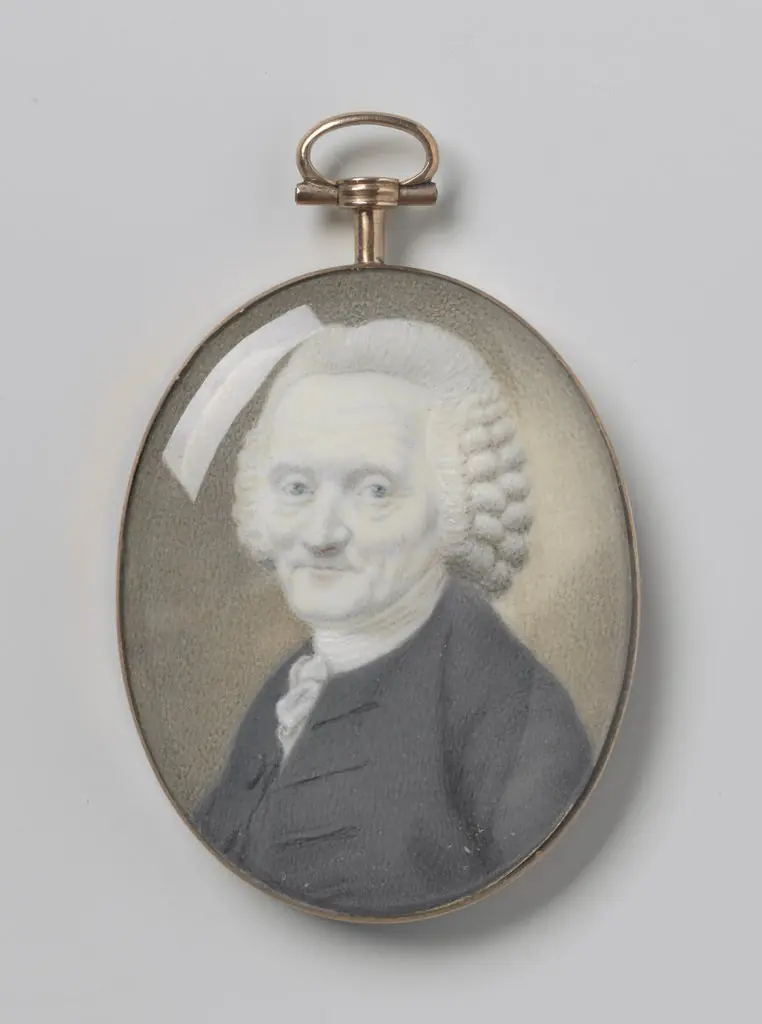 Portret van een 73-jarige man
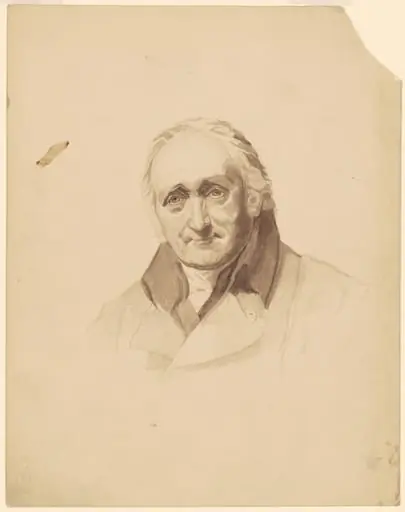 Portrait of a Man
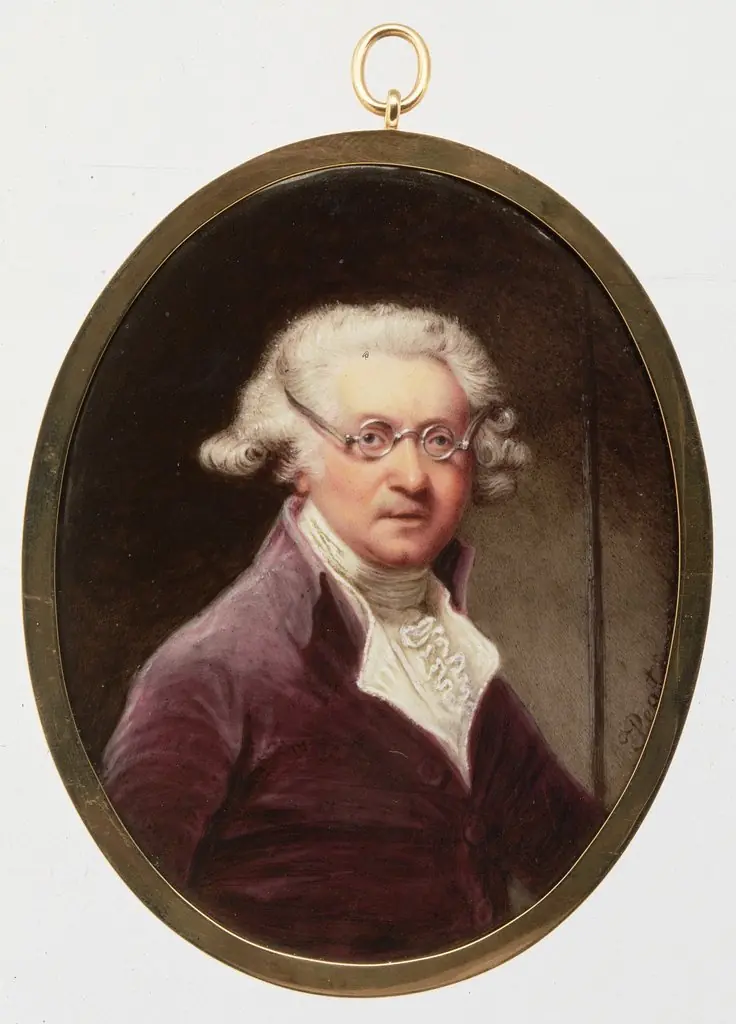 Sir Joshua Reynolds (1723–1792)
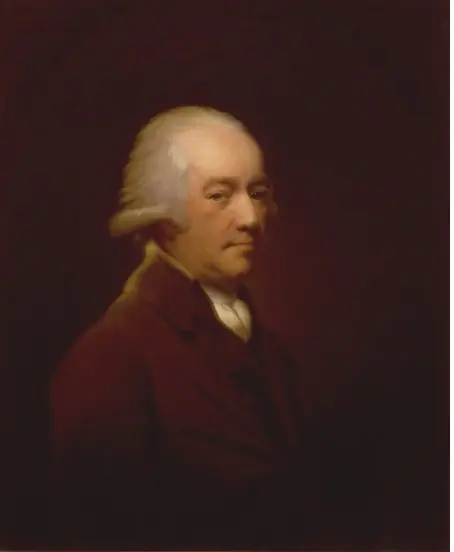 Portrait of Samuel Ward
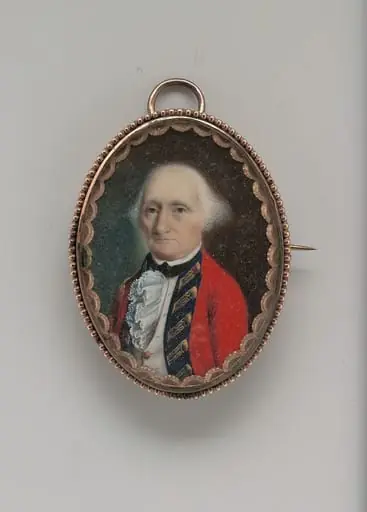 John Maunsell
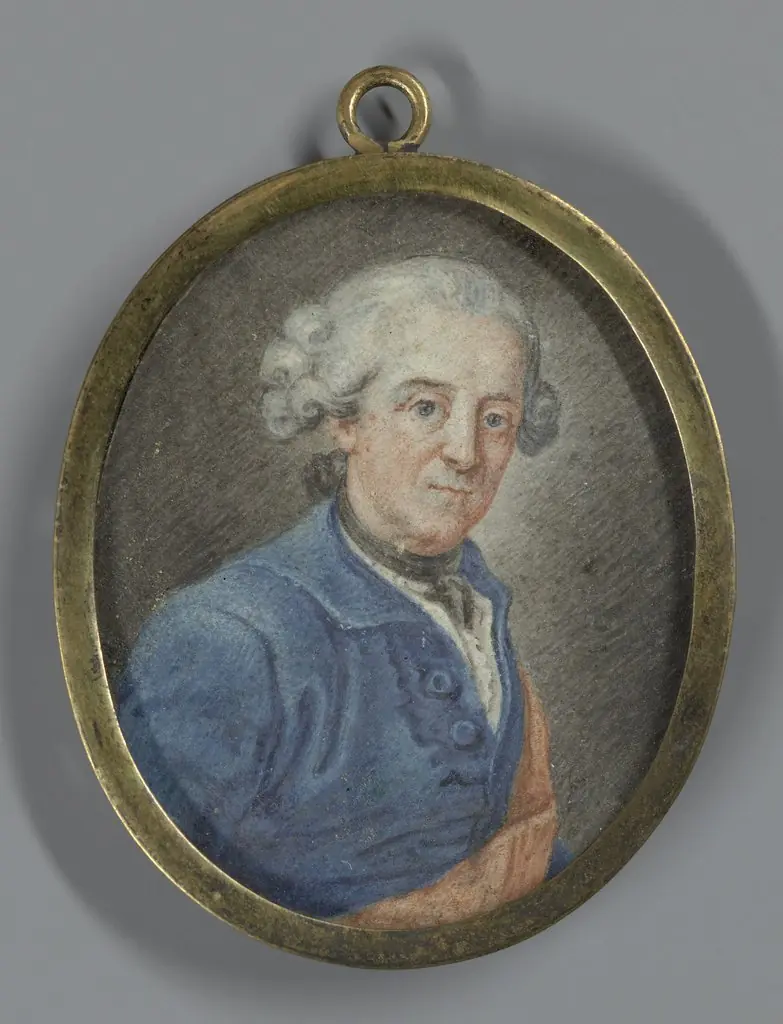 Portret van een man, vermoedelijk Frederik II (1712-86) de Grote, koning van Pruisen
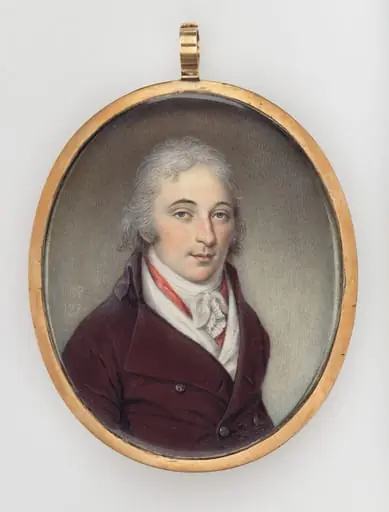 A. T. Kerr, Esquire
 Portrait of a Man