Artwork
Portrait of a Man with a Rosary
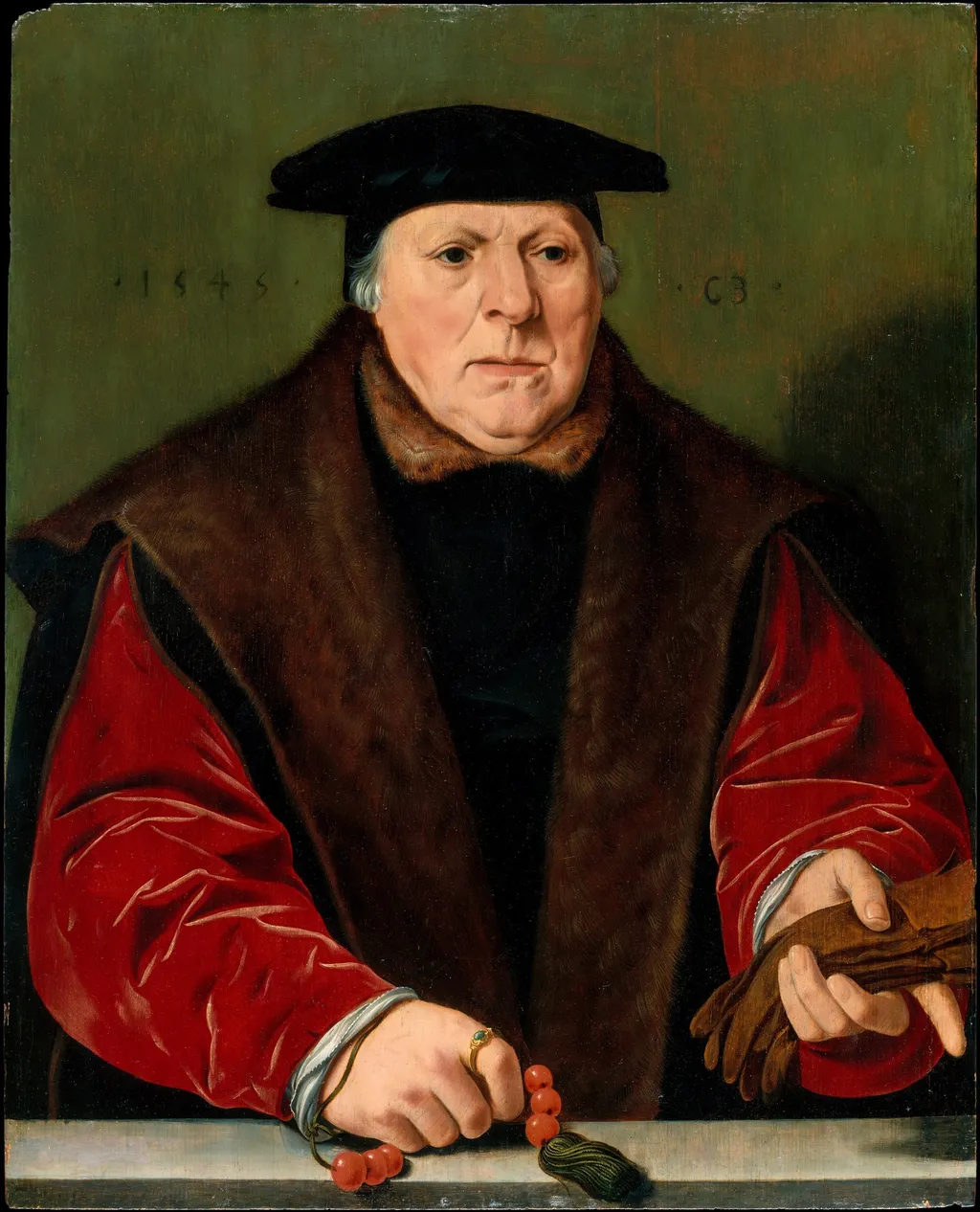
Portrait of a Man with a Rosary is an oil painting. It dates from 1545 and is held in the collection of the Metropolitan Museum of Art.
About this work
Subject & Meaning
The inclusion of the rosary signals a religious context typical of mid‑sixteenth‑century portraiture, where such objects conveyed personal piety.
The painting presents a male sitter clutching a rosary, identifying the subject as a man engaged in a devotional gesture. Executed in oil on panel in 1545, the work measures 50.8 × 41.3 cm and is classified as a portrait. The inclusion of the rosary signals a religious context typical of mid‑sixteenth‑century portraiture, where such objects conveyed personal piety.
The piece is part of the Metropolitan Museum of Art collection and is attributed to a copy after Jan Cornelisz Vermeyen.
Technique & Style
Created in 1545, this portrait is executed in oil paint on a wooden panel support. The work, attributed as a copy after Jan Cornelisz Vermeyen, measures 50.8 cm in height and 41.3 cm in width. As a formal portrait, the composition focuses on the depiction of a man holding a rosary.
The medium of oil on panel is characteristic of the period's portraiture, allowing for detailed rendering of the sitter's features and the religious object. The piece is held in the collection of the Metropolitan Museum of Art, reflecting the stylistic conventions of mid-sixteenth-century Netherlandish art.
History & Provenance
The painting Portrait of a Man with a Rosary is dated to 1545 and executed in oil on panel. Art historical attribution identifies the piece as a copy after the original by Jan Cornelisz Vermeyen. The work is currently held in the collection of the Metropolitan Museum of Art, New York, measuring 50.8 cm in height by 41.3 cm in width.
The available documentation confirms its creation date and present location but does not list a specific accession number or exhibition history.
Overview
This oil painting, titled "Portrait of a Man with a Rosary," presents a solemn male figure. Dressed in luxurious attire, he is depicted against a simple, dark background, which directs attention to his features and the symbolic objects he holds. The work exemplifies a common portraiture style of its era, focusing on individual character and status through detailed observation and specific attributes.
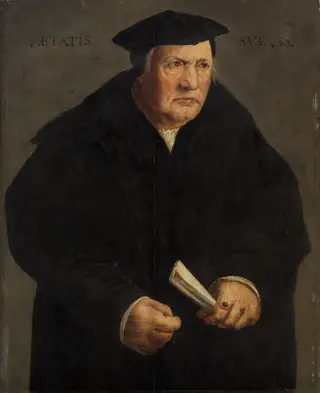
Artist & collection

- Männliches Bildnis
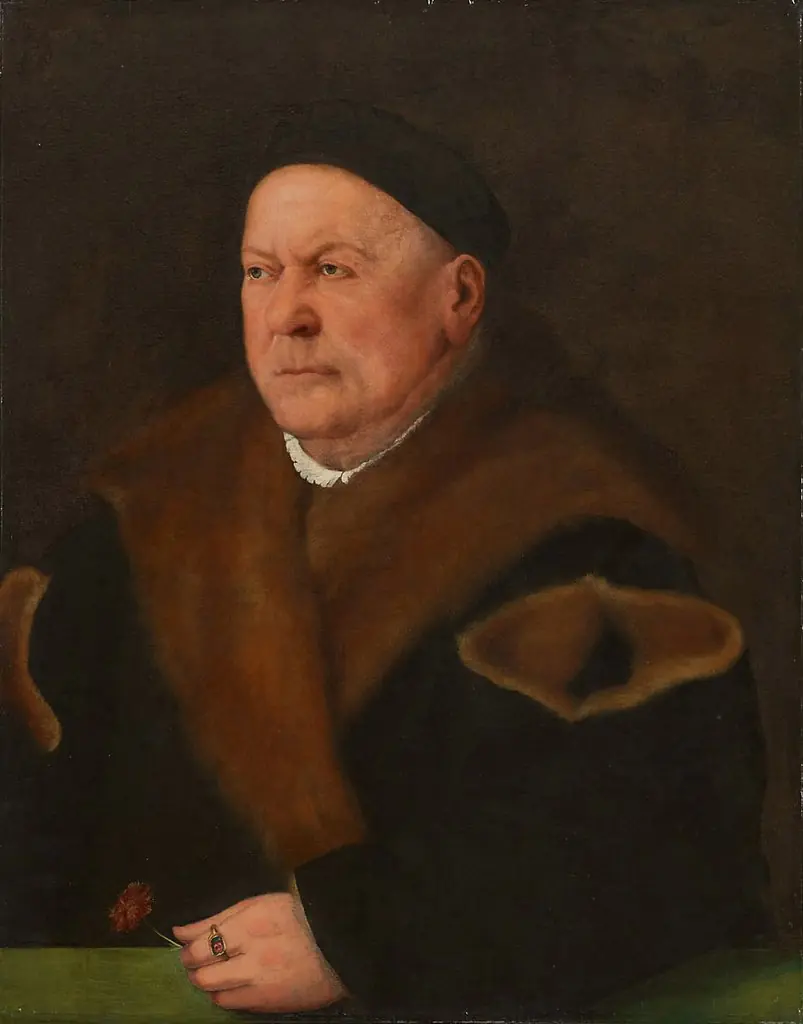 Der Augsburger Patrizier Ulrich Sulzer (1463-1545)
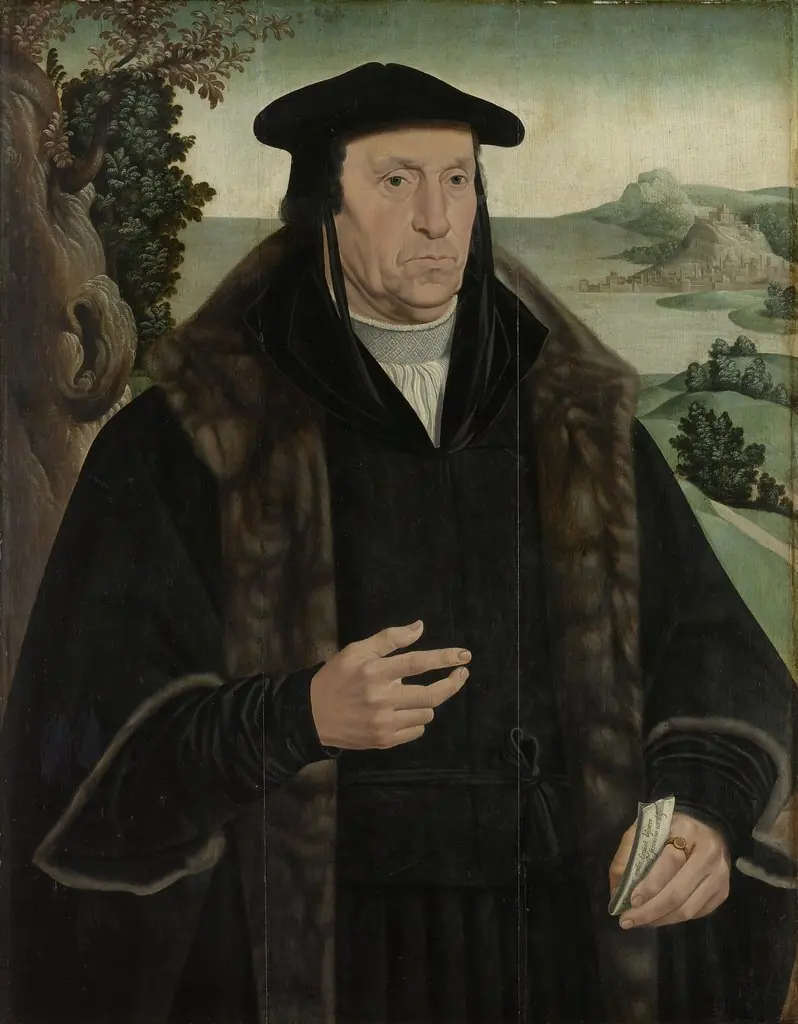 Portrait of Cornelis Aerentsz van der Dussen (1481-1556)
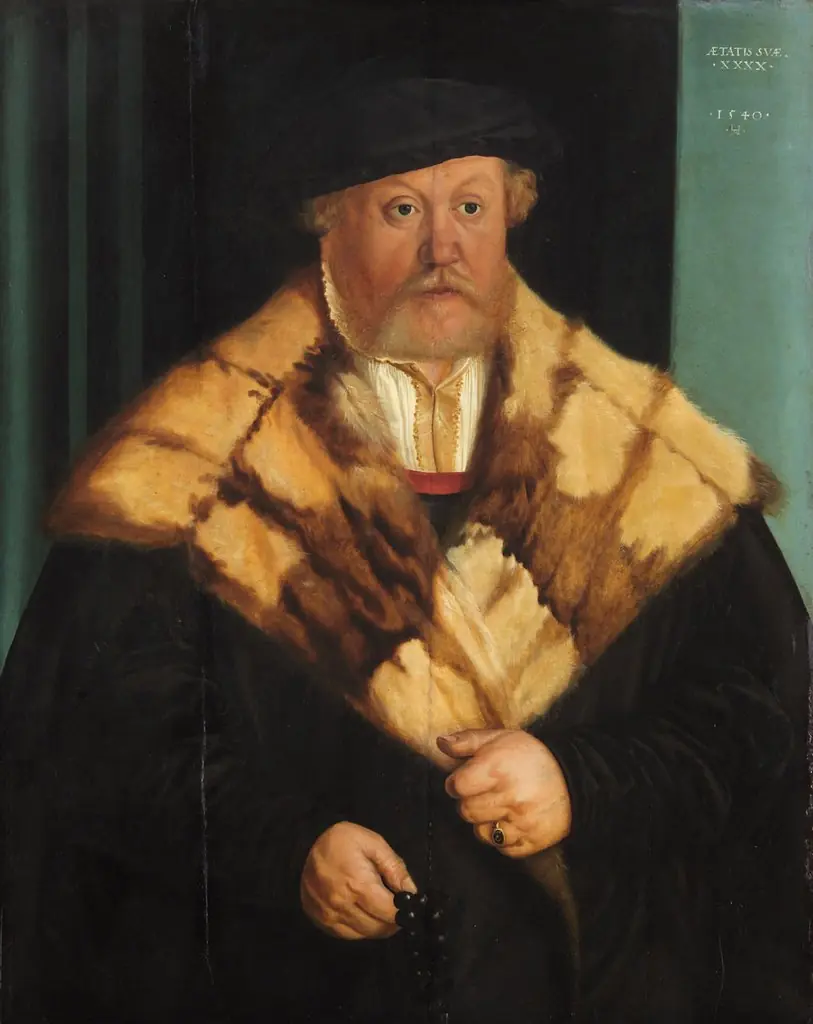 Hanns Mädl
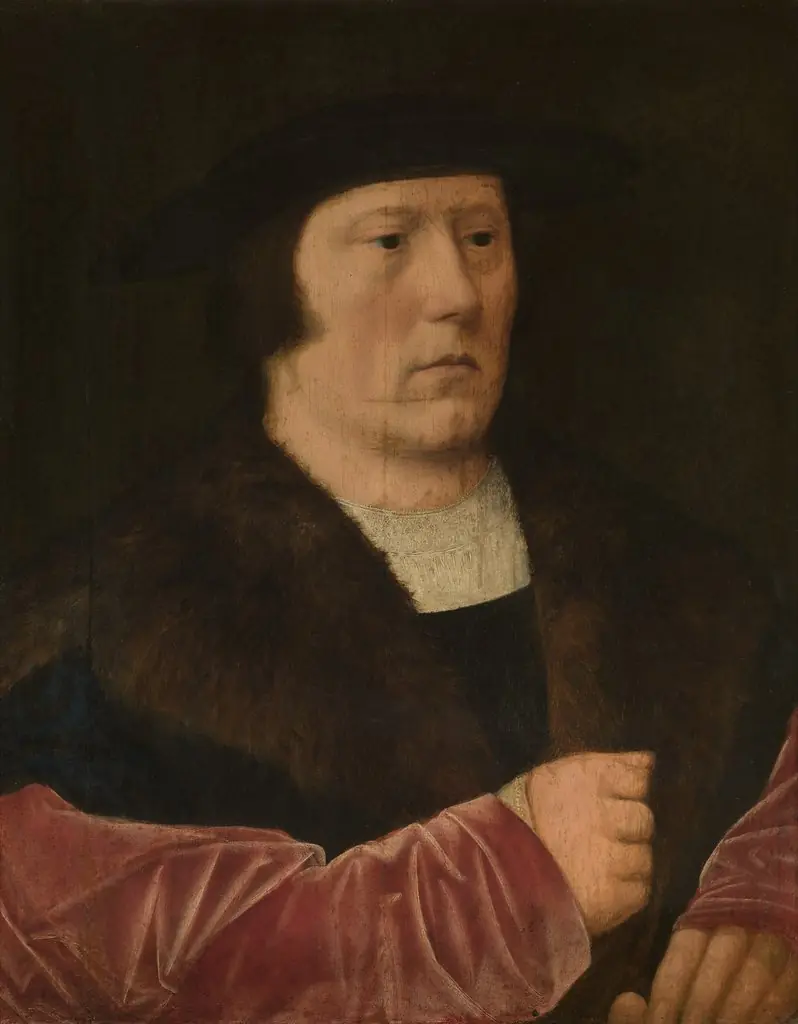 Portrait of a Man
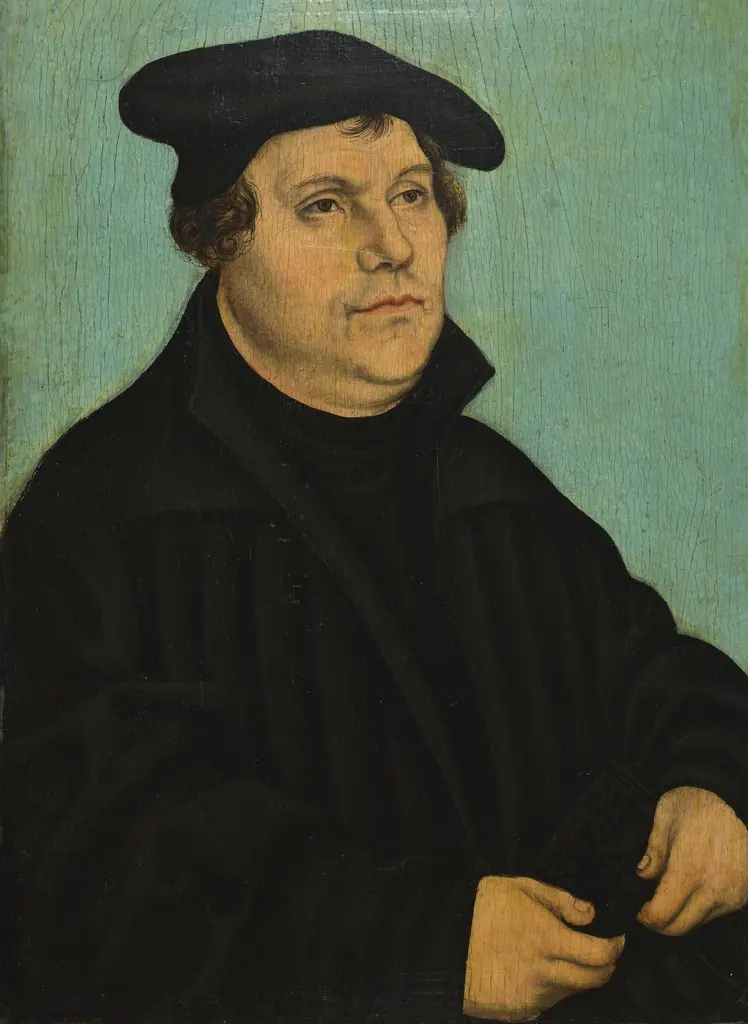 Portrait of Martin Luther
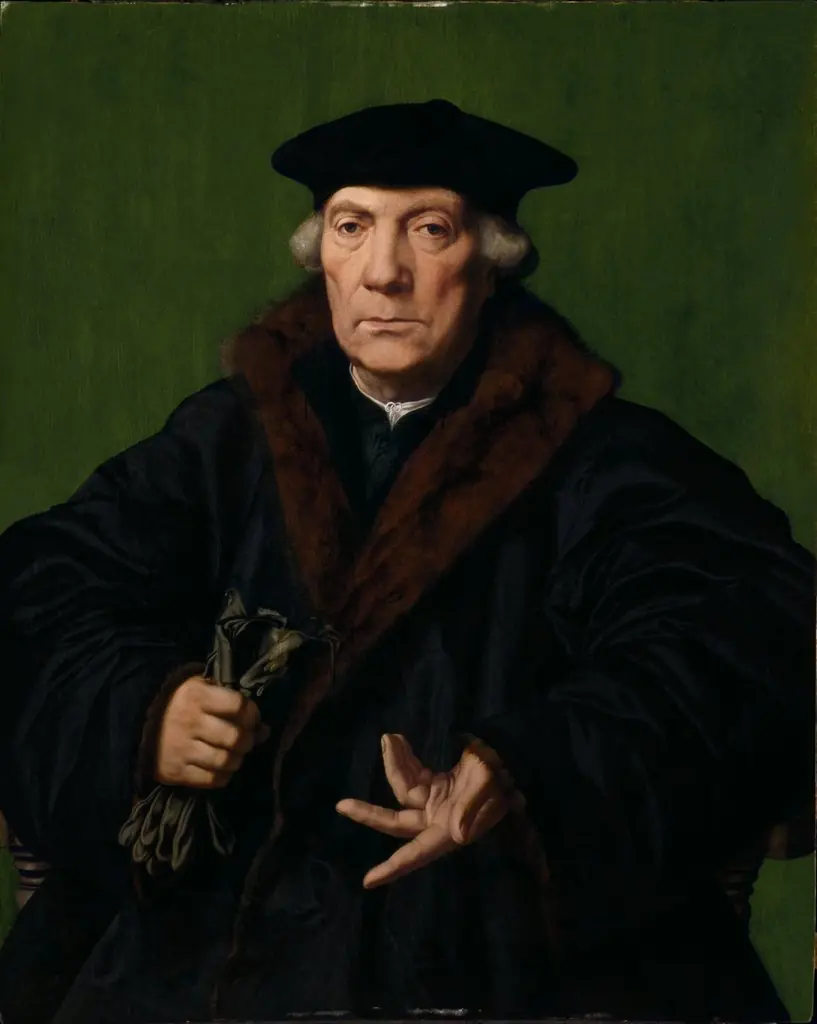 Portrait of Jean de Carondelet
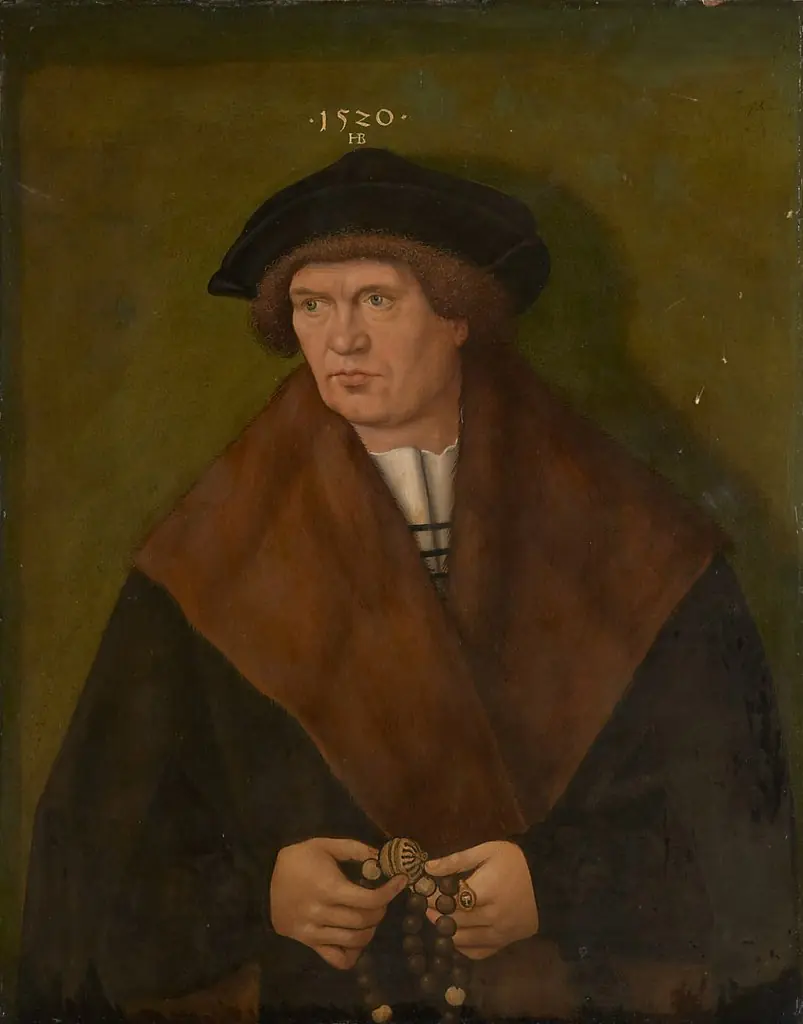 The Nuremberg dressmaker Hans Pirkel the Younger
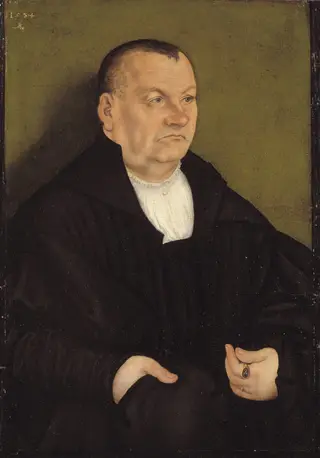 Portrait of a Man
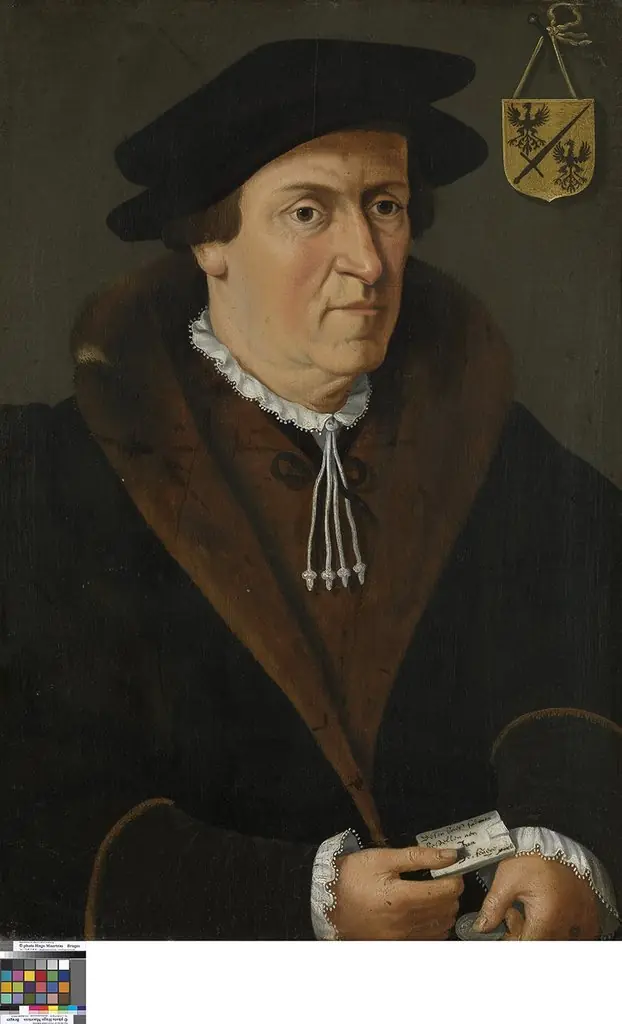 Portrait of Jan de Fevere
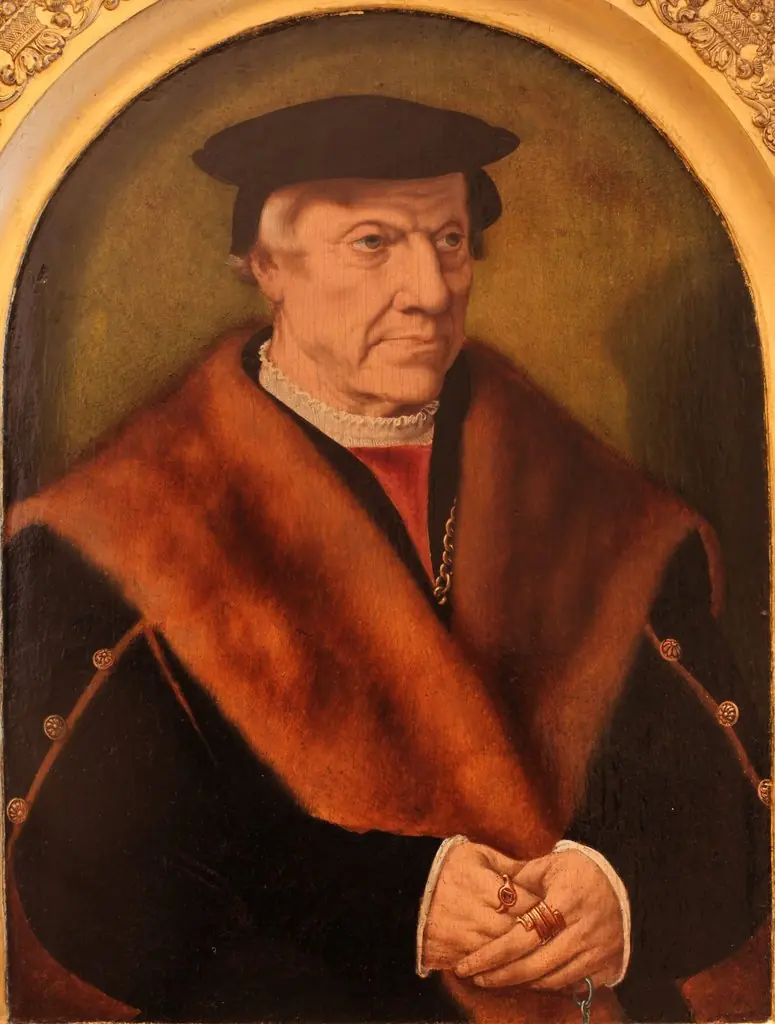 Portrait of a man
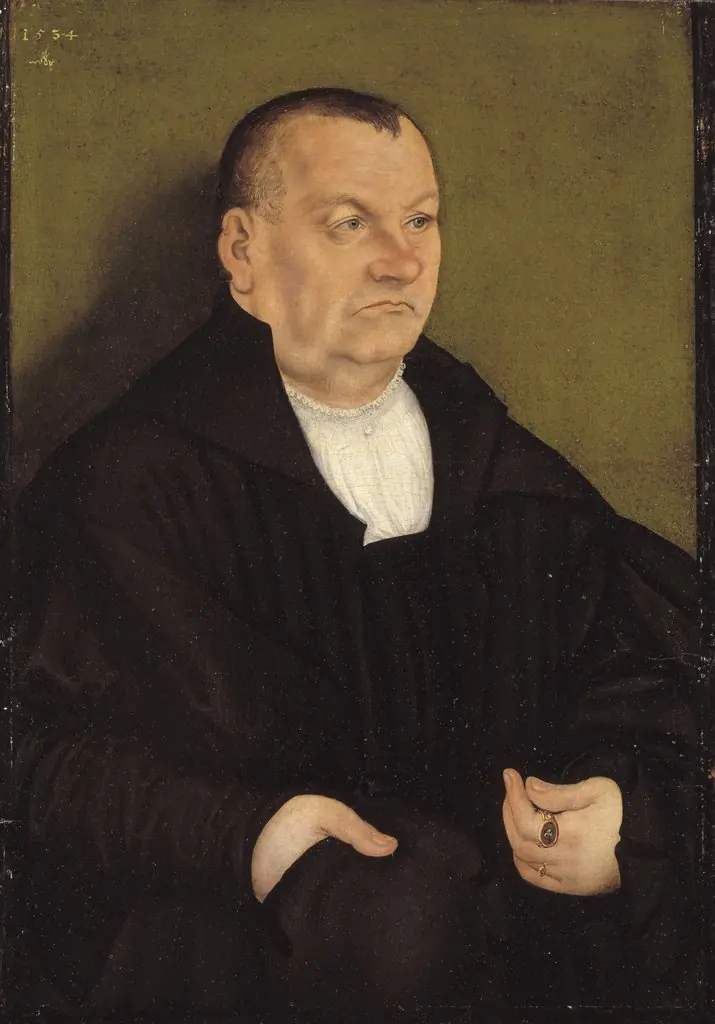 Portrait of a Man