Artwork
Portrait of A.P. Briullov
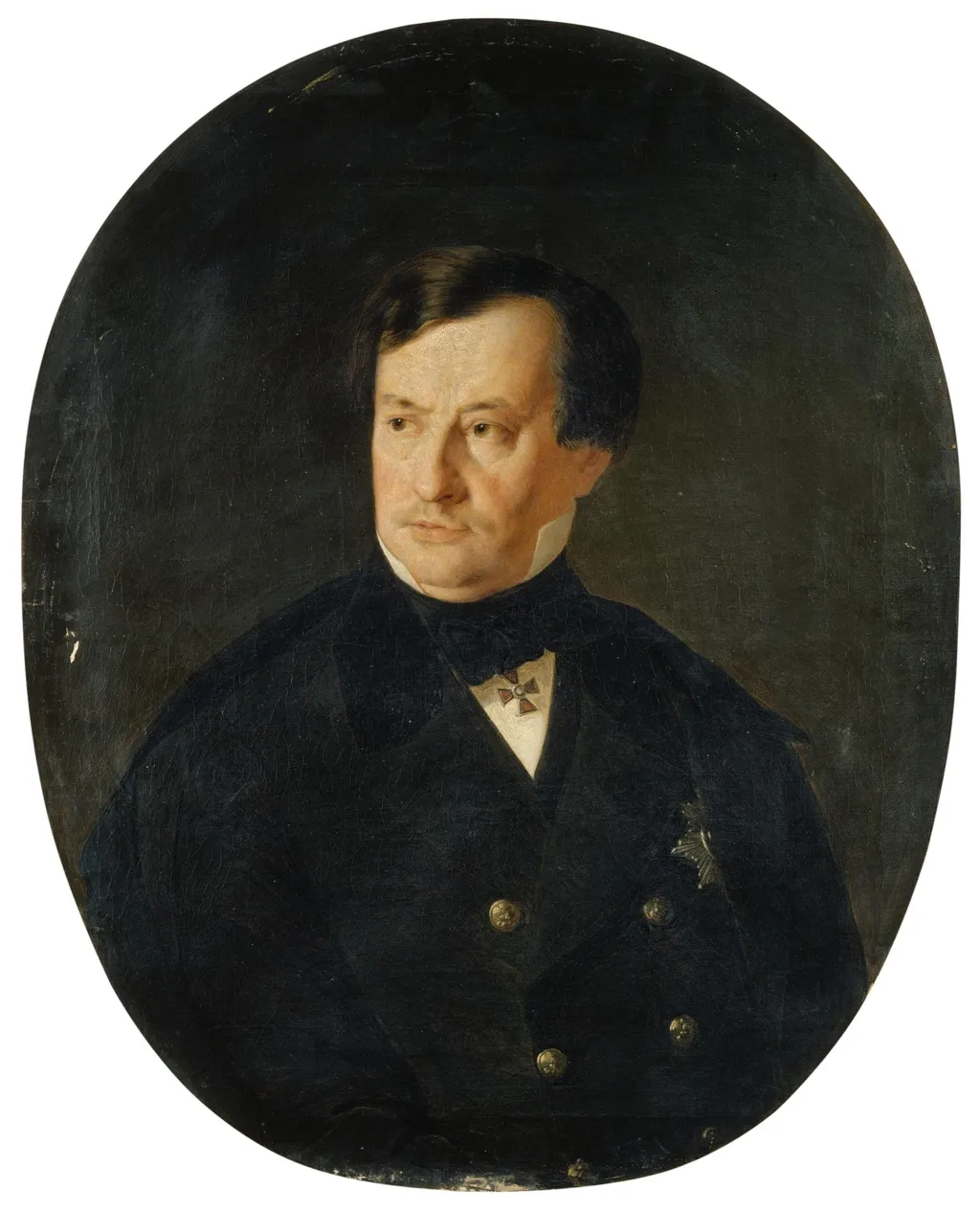
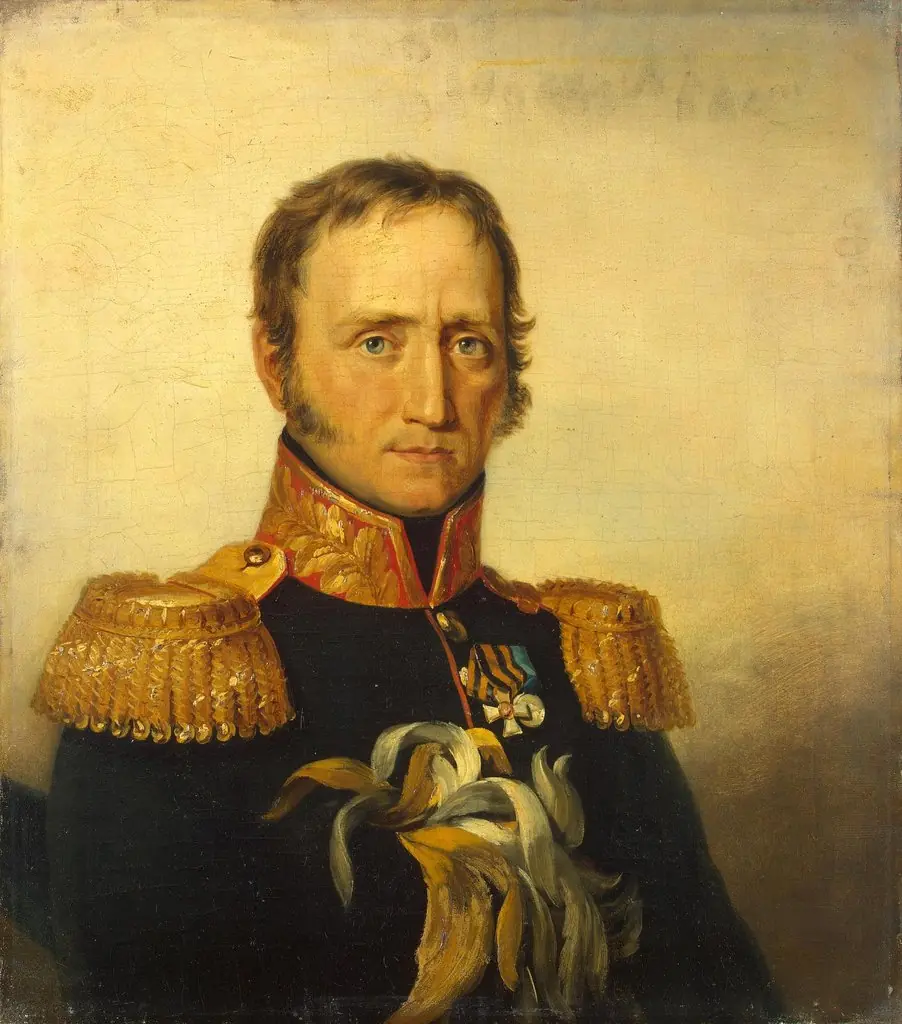
Portrait of A.P. Briullov is an oil painting by the Realist artist Unknown. It dates from 1863 and is held in the collection of the Hermitage Museum. The work is an oil painting titled Portrait of A.
About this work
Overview
Briullov is an oil-on-canvas painting dated 1863, measuring 81 by 65 centimeters, depicting the Russian architect and artist Alexander Pavlovich Briullov.
The Portrait of A.P. Briullov is an oil-on-canvas painting dated 1863, measuring 81 by 65 centimeters, depicting the Russian architect and artist Alexander Pavlovich Briullov. The work is held in the collection of the Hermitage Museum in Saint Petersburg. Its attribution remains contested: while the internal museum database lists the artist as unknown, some sources have attributed it to Karl Pavlovich Briullov, Alexander's younger brother and one of Russia's most celebrated painters. The portrait occupies a significant place in nineteenth-century Russian portraiture as a likeness of a major architect, though scholarly consensus on its authorship has not been established.
Subject & Meaning
The sitter, Alexander Pavlovich Briullov (1793-1869), was a prominent architect, portrait painter, and watercolorist. Born into a family of artists, he was the elder brother of Karl Pavlovich Briullov and the son of the sculptor P.I. Briullov. After studying with his father and at the Imperial Academy of Arts, he worked mainly in Italy before returning to Russia in 1829. He received the title of academician and designed significant Saint Petersburg buildings including the Mikhailovsky Theater, the Lutheran Church of Saint Peter and Paul, the Pulkovo Observatory, and the Headquarters of the Guards Corps. He also participated in the 1837 reconstruction of the Winter Palace interiors after a fire. In the portrait, he appears as a middle-aged man wearing a dark double-breasted coat with brass buttons over a white shirt and dark cravat, with a small cross-shaped medal at his throat and a star-shaped badge pinned to his left breast. These decorations indicate his professional standing and honors received. His gaze meets the viewer directly, suggesting confidence and stature appropriate to his accomplishments.
Technique & Style
The painting is executed in oil on canvas with an extremely restrained palette dominated by blacks, deep blues, and warm ivory tones, with metallic gold accents provided by the buttons and insignia. Light falls from the upper left, illuminating the left side of the face and white shirt front while the right side recedes into shadow. The modeling of the face is smooth and gradual, with particular attention to flesh tones around the eyes and cheeks. The brushwork is tight and controlled in the facial area, with more visible texture in the dark background and coat. The surface shows age cracking throughout, especially noticeable in darker passages, and the finish is polished with a glossy varnish that has developed fine crack networks over time. The oval format and formal presentation are typical of academic portraiture. The flat, dark brown-black void of the background, devoid of setting or features, focuses attention entirely on the sitter's presence and social identity.
History & Provenance
The painting is dated 1863 and was made in Russia. It entered the collection of the Hermitage Museum, where it remains today. No specific commission history, exhibition record, or prior ownership chain is documented in the available sources. The work's accession details and provenance before its arrival at the Hermitage have not been established from the provided materials.
Context
The attribution of this portrait touches upon broader questions in Russian art history. Karl Pavlovich Briullov, if he were the artist, would have been painting his elder brother, with whom he had traveled to Italy in 1822 on an Academy scholarship. Karl's portrait style combined neoclassical simplicity with romantic tendency, achieving psychological penetration that satisfied his realist inclinations. He created over 120 portraits in diverse techniques during his Italian decade alone. However, the 1863 date of this painting complicates a Karl Briullov attribution, as he died in 1852. The internal museum record's listing of the artist as unknown suggests that no definitive attribution has been accepted. The work's identification as depicting Alexander Briullov himself, rather than another subject, appears secure based on the established corpus. The portrait thus exemplifies the challenges of attribution in nineteenth-century Russian portraiture, where family connections, stylistic similarities, and incomplete documentation create ongoing scholarly debate.
Legacy
The Portrait of A.P. Briullov remains significant as a visual record of an important Russian architect whose buildings defined the Saint Petersburg cityscape. Alexander Briullov's own work as a watercolor portraitist and his mastery of architectural views, particularly lithographed depictions of Saint Petersburg, contributed to the documentary culture of the imperial capital. The painting's residence in the Hermitage Museum ensures its continued visibility to scholars and the public. Its contested attribution reflects the larger patterns of uncertainty in cataloging nineteenth-century Russian portraiture, where works by related artists, particularly within the Briullov family itself, can be difficult to distinguish. The portrait thus serves as a case study in attribution methodology as well as a monument to a significant figure in Russian architectural history.
Artist & collection









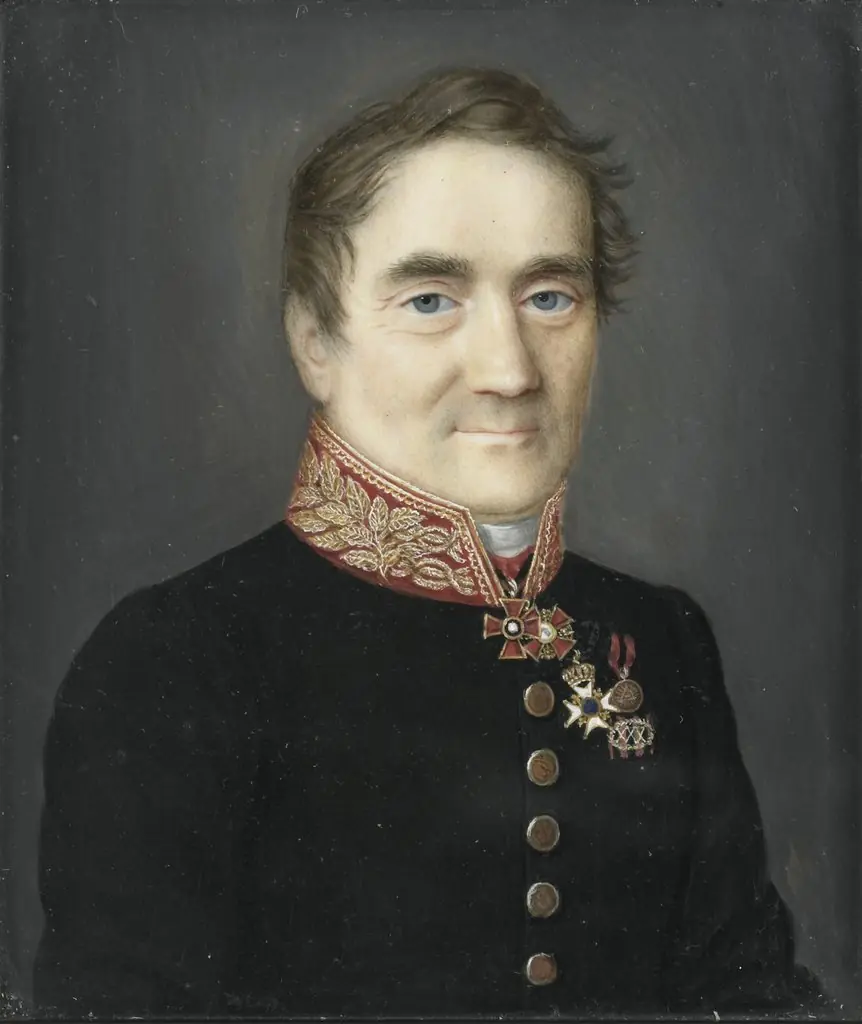 Portrait of Jean Casimir de Brunet ( -1861)
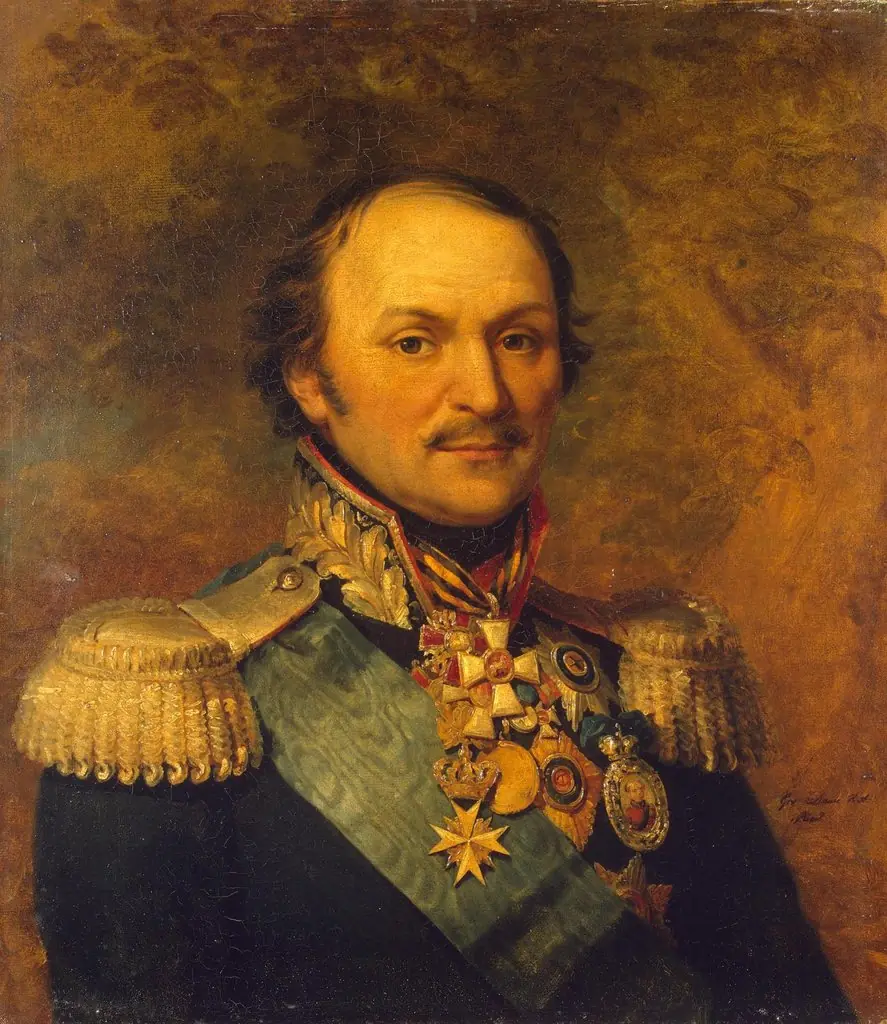 Portrait of Matvey I. Platov (1753-1818) (copy after the 1814 original made in Britain ?)
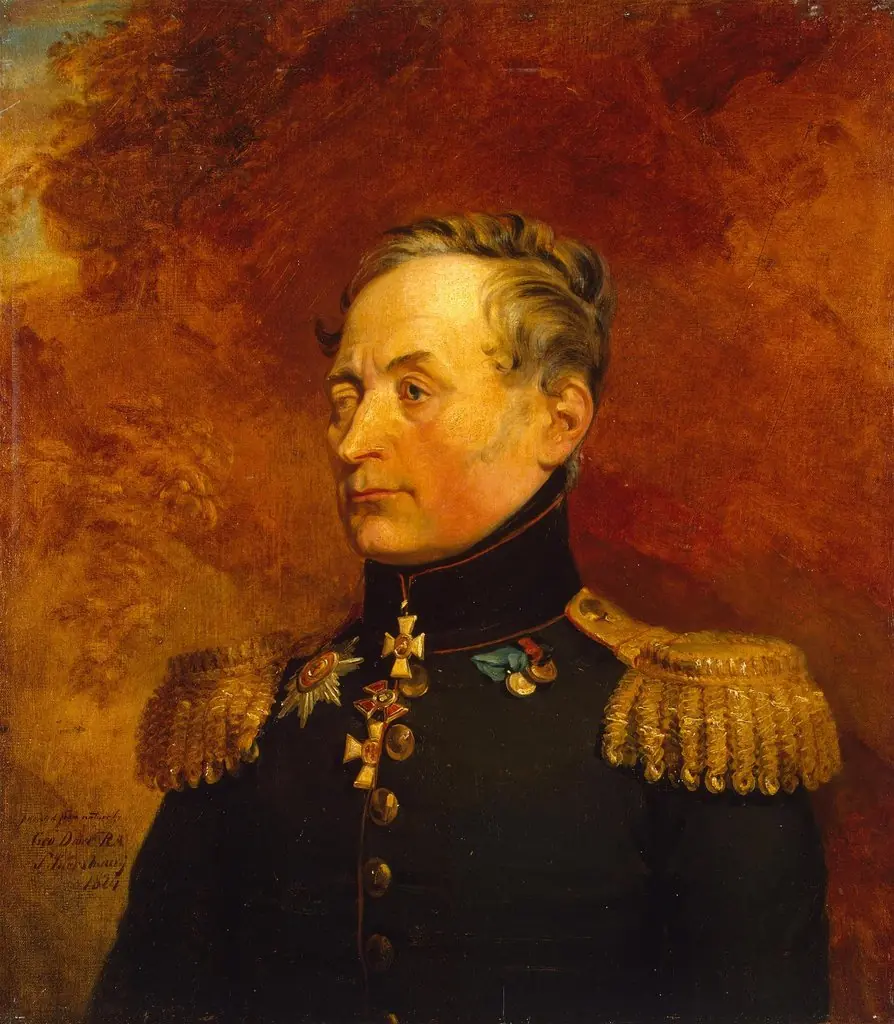 Portrait of Pavel I. Merlin (1769-1841/42)
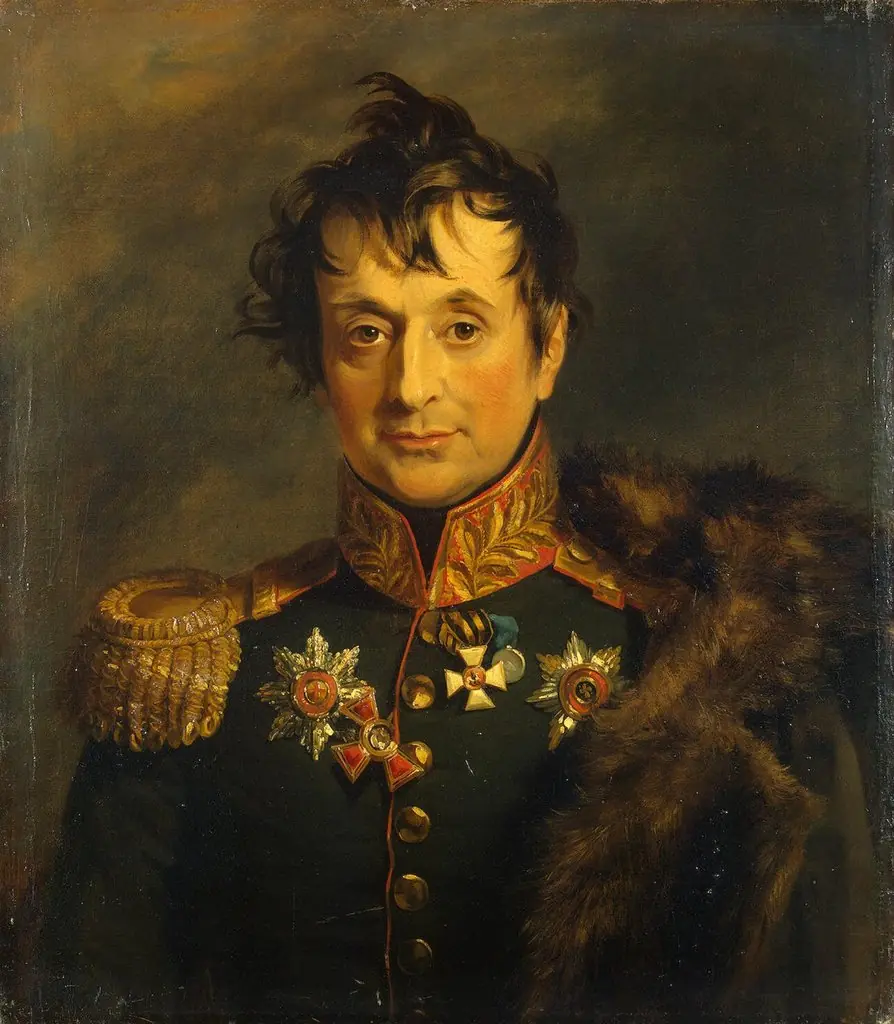 Portrait of Alexander Ya. Knyazhnin (1771-1829) (1st)
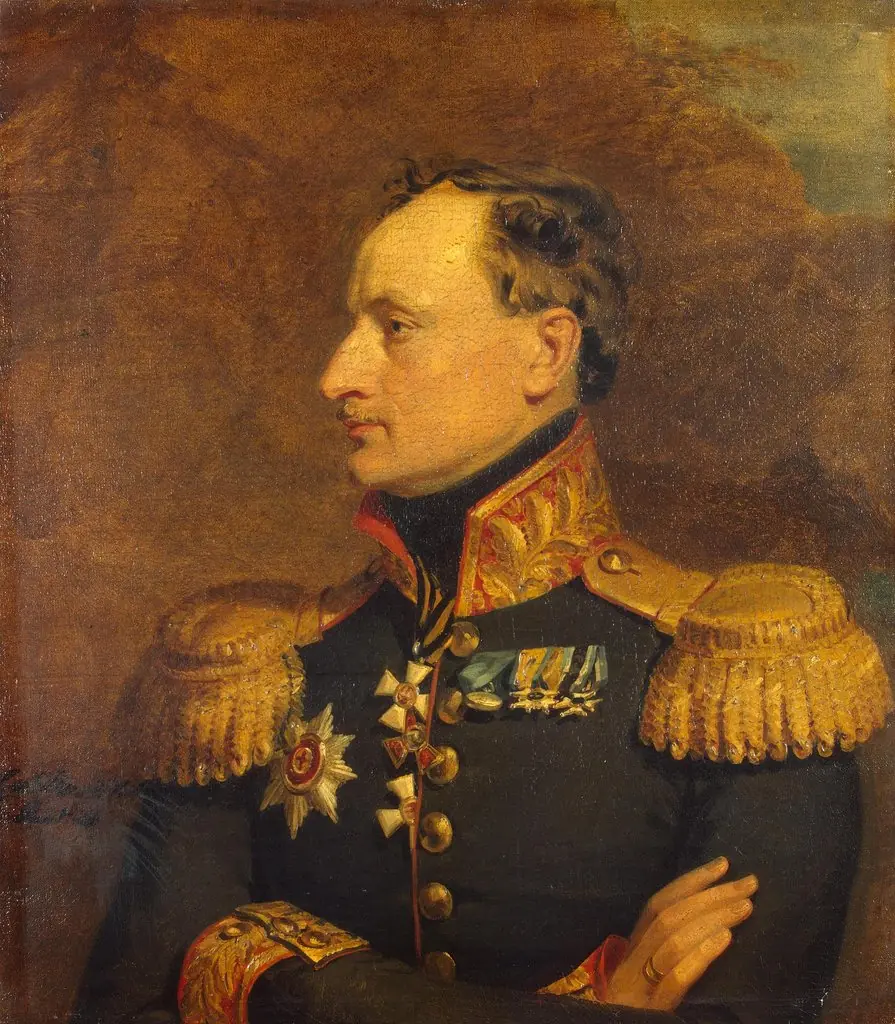 Portrait of Konstantin Kh. von Benckendorf (1785-1828) (2nd)
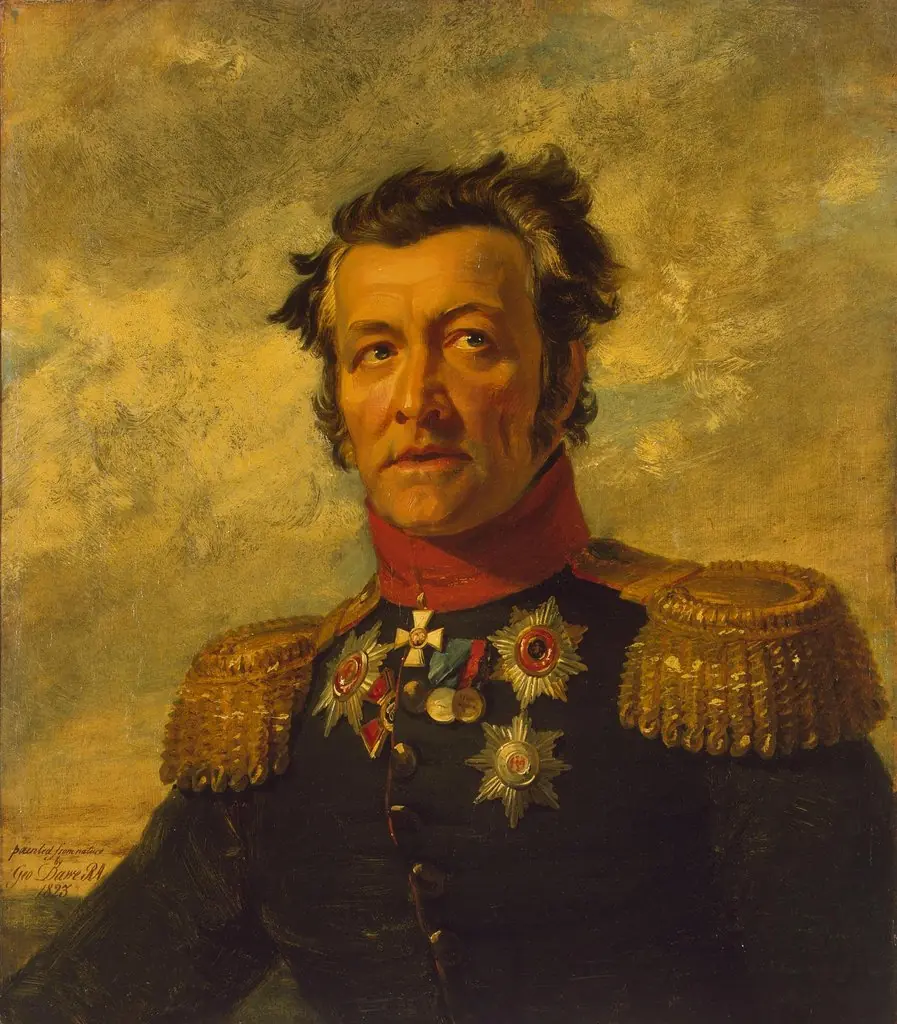 Portrait of Grigory M. Berg (1765-1833 or 1838) (1st)
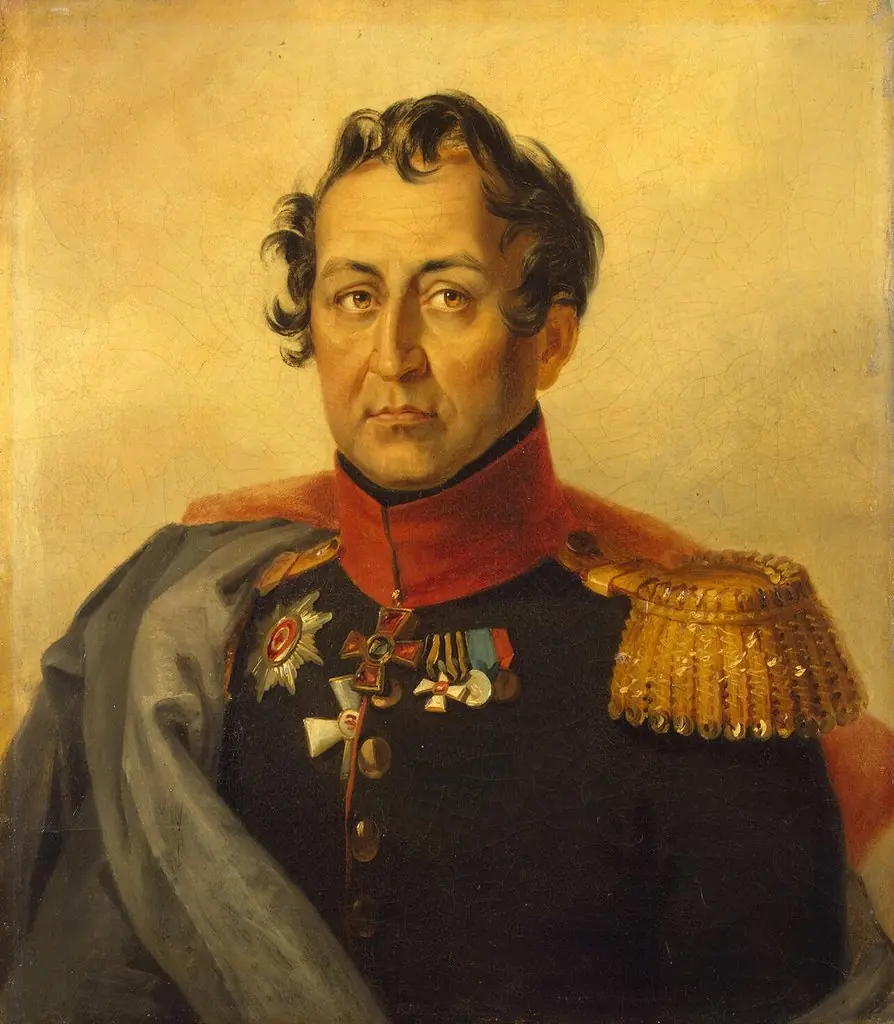 Portrait of Alexander I. Talyzin (1777-1849) (2nd)
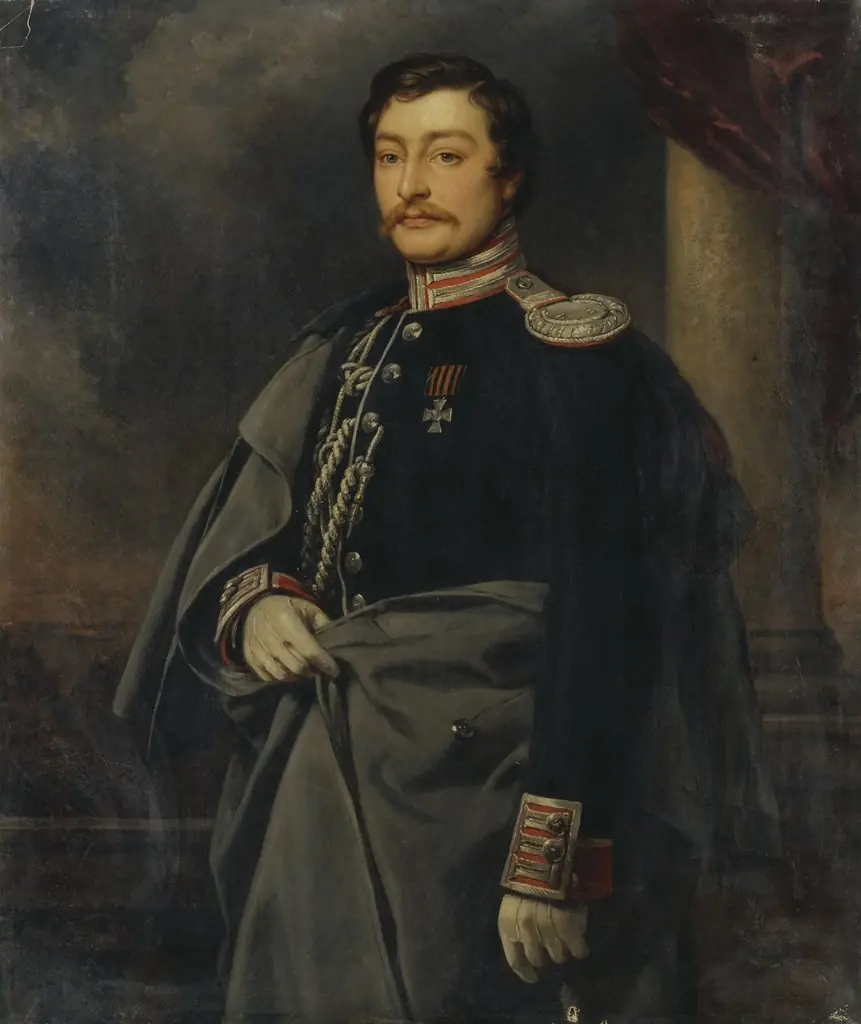 Portrait of Alexander P. von Benckendorff (1819 – 1851)
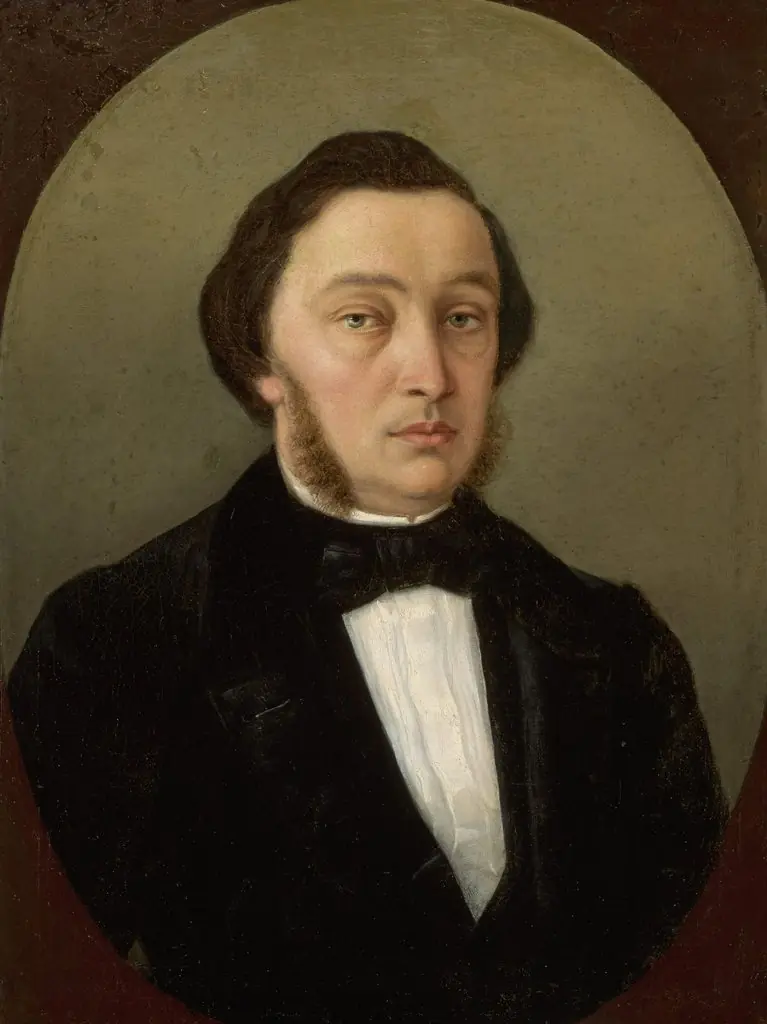 Portrait of a man with side-whiskers
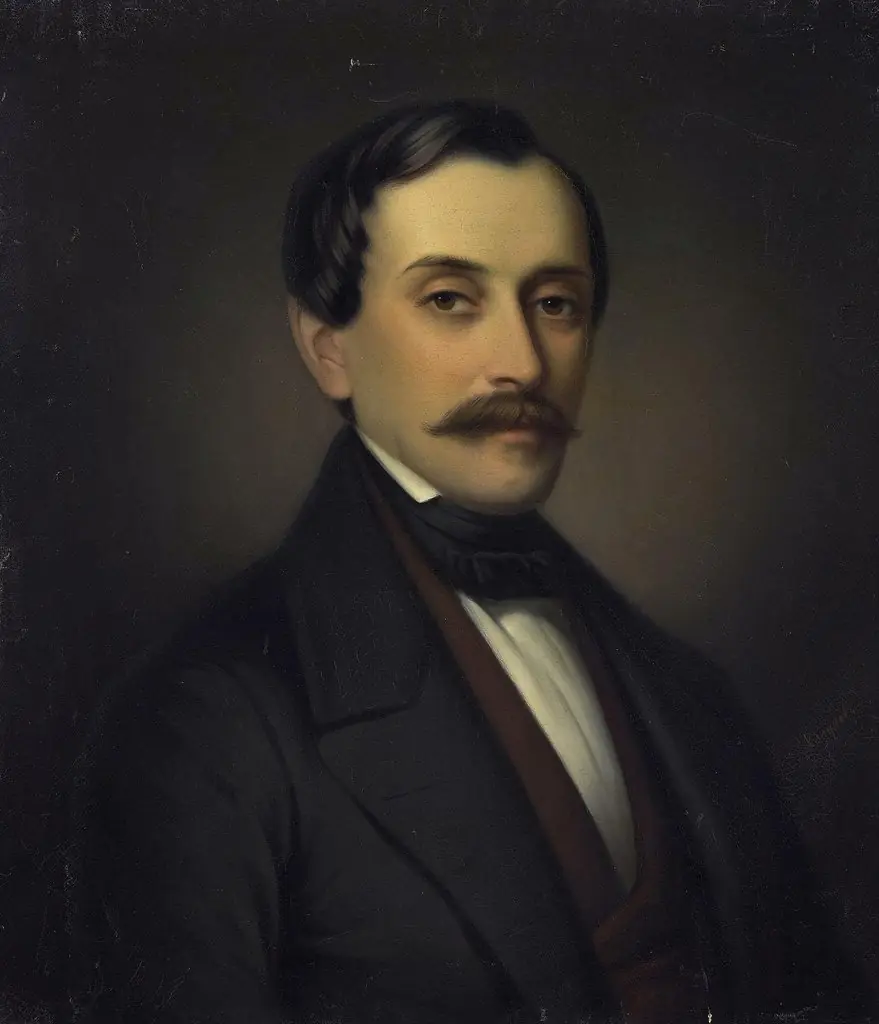 Portrait of Prince Nikolai Yusupov
 Portrait of Mikhail I. (Francois Michel) Poncet (1778-1829)
- Portrait of Senator Ivan Aprelev