Artwork
Portrait of Cornelis Haga (1578-1654)
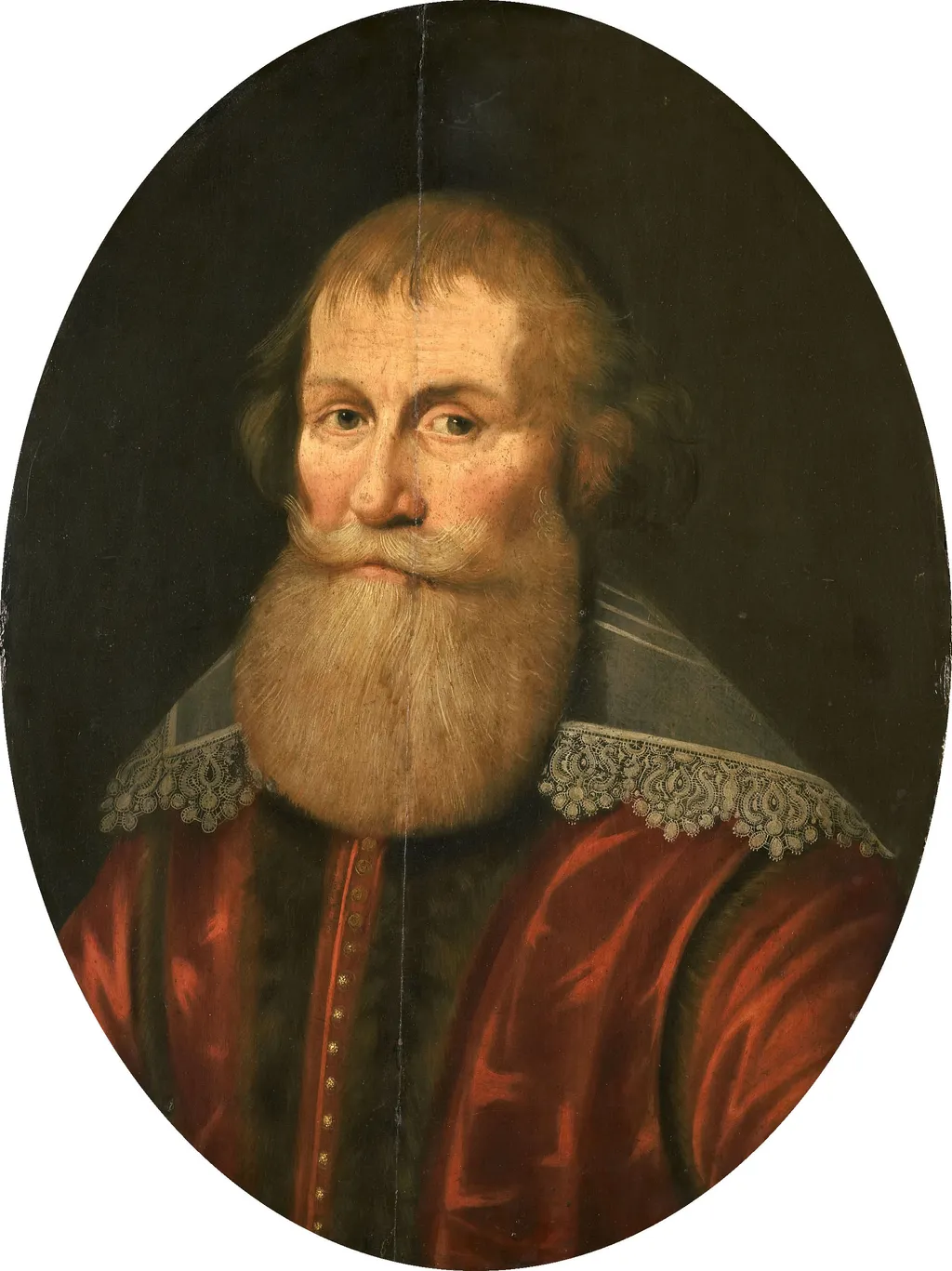
Portrait of Cornelis Haga (1578-1654) is an oil painting. It dates from 1645 and is held in the collection of the Rijksmuseum. The oil painting portrays Cornelis Haga, a 17th‑century Dutch diplomat, rendered in a formal portrait style.
About this work
Subject & Meaning
Rendered in oil on panel around 1645, the portrait captures Haga in three-quarter view, dressed in the sober attire of a statesman of the period.
The painting portrays Cornelis Haga (1578–1654), a Dutch diplomat who served as the Republic’s first ambassador to the Ottoman Empire. Rendered in oil on panel around 1645, the portrait captures Haga in three-quarter view, dressed in the sober attire of a statesman of the period. The restrained palette and direct gaze convey authority and measured presence, aligning with the conventions of elite portraiture in the Northern Netherlands during the mid-seventeenth century.
As a diplomatic envoy, Haga’s depiction likely functioned to assert the Republic’s diplomatic standing and the gravitas of its representatives. The work’s composition and technique emphasize individual identity and social status rather than overt allegory, reflecting the portrait’s role in commemorating a public figure of civic importance.
Technique & Style
The portrait was painted in oil on a wooden panel in 1645 in the Northern Low Countries. It depicts Cornelius Haga, a Dutch diplomat active during the mid-17th century. The work measures 62 cm in height and 46.5 cm in width, reflecting the modest scale typical of formal portraiture of the period.
The painter employed a naturalistic rendering of facial features and attire, characteristic of Dutch portraiture in the 1640s, with careful attention to fabric texture and lighting to convey status and presence.
The surface retains its original oil-based varnish with minimal later overpaint, and the wooden support shows no signs of structural distress, suggesting stable handling and preservation over centuries.
History & Provenance
Portrait of Cornelis Haga is held in the Rijksmuseum and the Mauritshuis, both institutions listed as its collection locations. The work bears the inventory numbers SK-C-468 and 1965-0-0-16 respectively. It was created in 1645 in the Northern Low Countries using oil paint on panel.
The painting has been exhibited at the Rijksmuseum, though specific exhibition dates are not provided in the sources.
Context
The 1645 oil on panel portrait of Cornelius Haga, a Dutch diplomat and influential figure in the Dutch Republic, exemplifies the formalized portraiture of the mid-17th century Northern Low Countries. Its restrained composition and precise rendering reflect contemporary aesthetic standards for representing civic and diplomatic elites, situating it within the broader trajectory of Dutch Golden Age portraiture. The work is held in the collections of the Rijksmuseum and Mauritshuis, underscoring its recognized significance in institutional art histories of the period.
Scholarly attention has focused on its provenance and material authenticity, with technical analysis confirming its creation in the Northern Low Countries using period-appropriate techniques. Art historians interpret the painting as both a diplomatic record and a statement of status, contributing to understanding of portraiture as a vehicle for political and social positioning in 17th-century Netherlands.
Legacy
The portrait contributed to the posthumous reputation of the Dutch diplomat Cornelius Haga, who served as an important representative of the Dutch Republic in England and Sweden. Contemporary accounts and later biographical sketches reference the work as evidence of Haga’s distinguished status, and the painting’s inclusion in prominent collections such as the Rijksmuseum and Mauritshuis has reinforced his standing in art-historical narratives of 17th‑century portraiture. Its continued display and scholarly discussion highlight its role in shaping perceptions of Dutch Golden Age diplomats.
Overview
The oil painting portrays Cornelis Haga, a 17th‑century Dutch diplomat, rendered in a formal portrait style. He is shown seated against a dark backdrop, his attire and direct gaze emphasizing his status. The work measures the sitter’s presence through restrained expression and careful composition, typical of early‑modern portraiture.
Artist & collection

 Portrait of a man
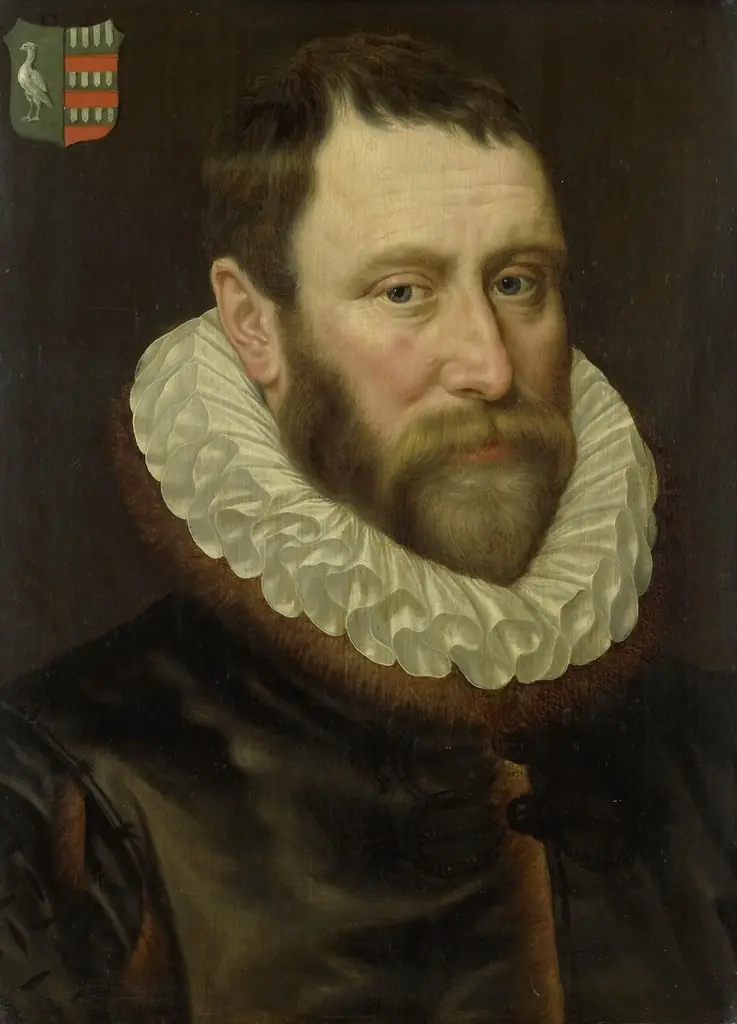 Portrait of Jacob Bas Claesz (1536-89), mayor of Amsterdam
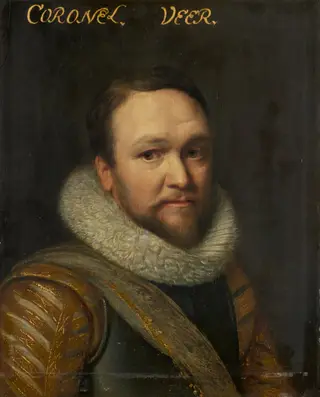 Untitled
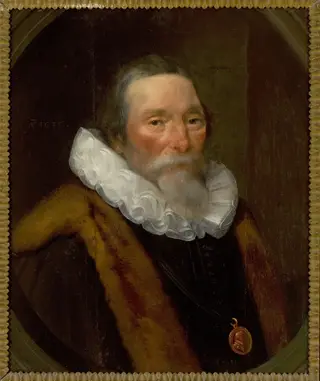 Portrait of a man in a frill with a fur collar
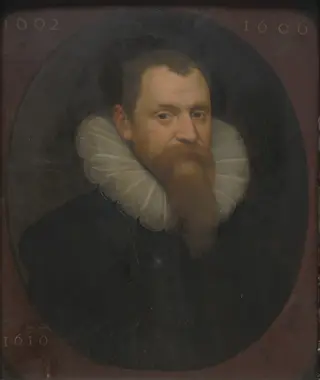 Portrait of a Man
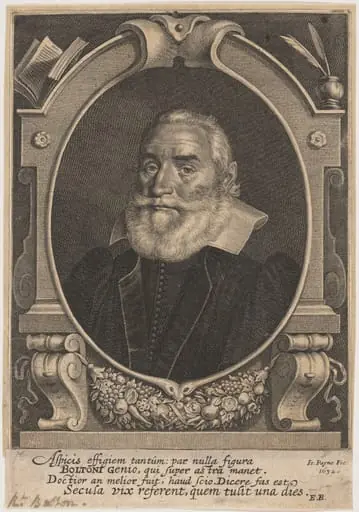 Rev. Robert Bolton
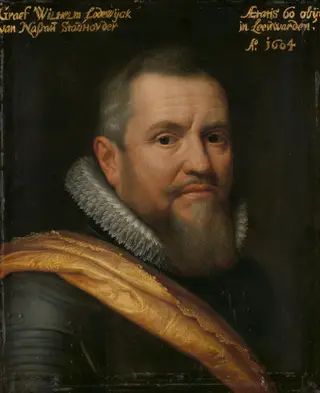 Untitled
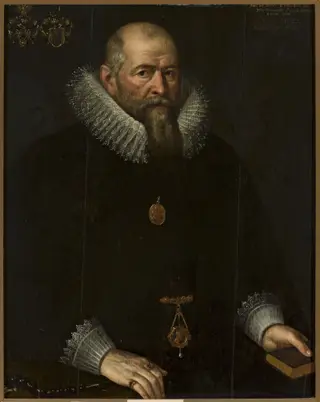 Portrait of Johan von Megen
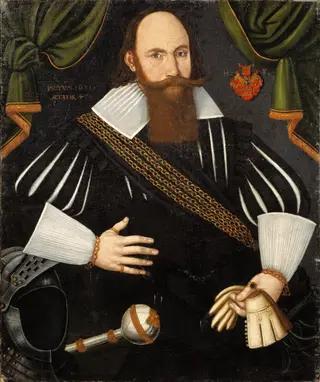 Henry Fleming (1584-1650) baron, Admiral, governor, married to 1. Ebba Eriksdotter Bååt, 2. Sigrid Kurtzel
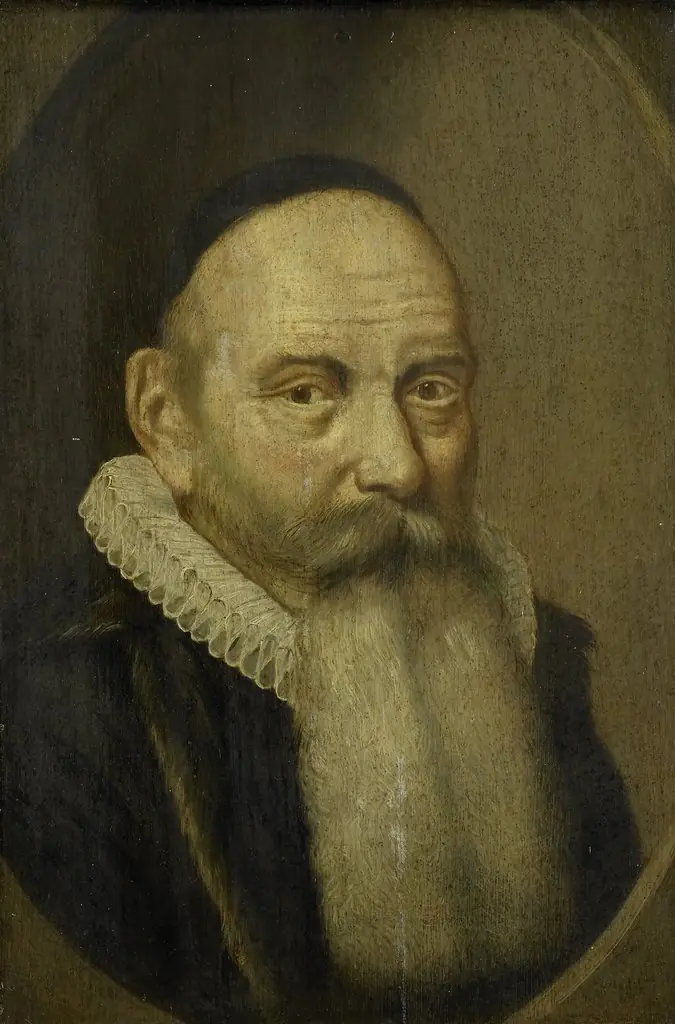 Portrait of Jacobus Rolandus (1562-1632)
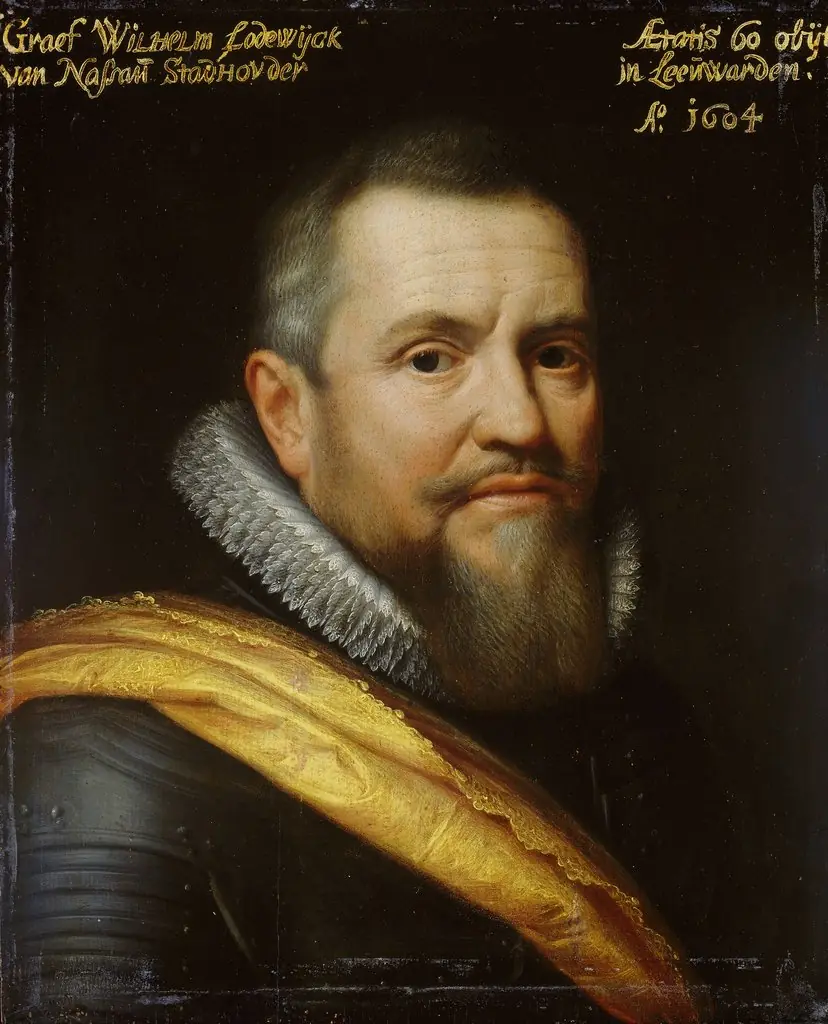 Portrait of Willem Lodewijk (1560-1620), Count of Nassau, nicknamed in Frisian 'us heit' (our father)
- Portrait of Theodorus Schrevelius (1572-1653)