Artwork
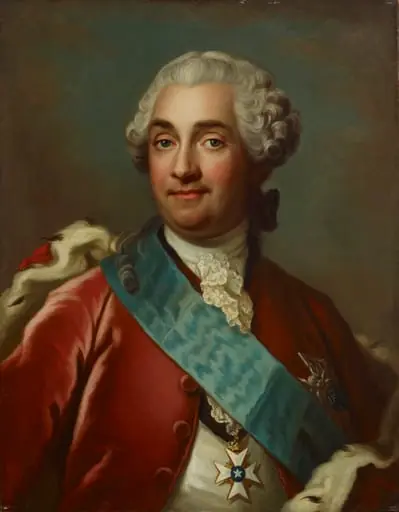
Portrait of Fyodor Apraxin
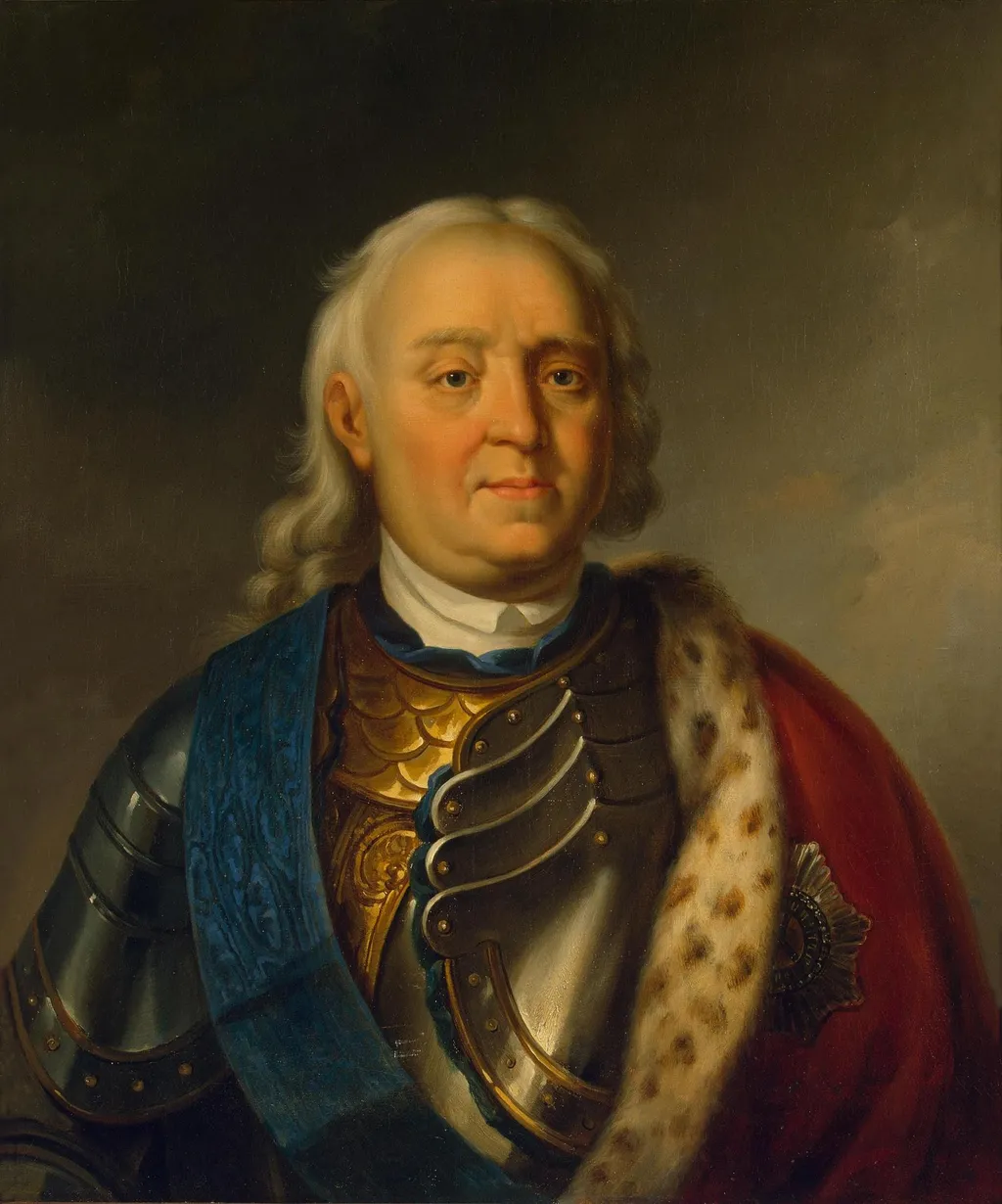
Portrait of Fyodor Apraxin is an oil painting by Unknown. It dates from 1848 and is held in the collection of the Hermitage Museum.
About this work
Overview
This oil painting presents a formal portrait of Fyodor Apraxin, a Russian naval commander and statesman. Rendered with careful attention to detail, the composition emphasizes his status through elaborate attire and a composed demeanor. The warm tones of red and gold dominate the palette, creating a sense of gravitas and visual weight that anchors the figure against a neutral background.
Subject & Meaning
Apraxin is depicted in full ceremonial dress, combining military armor with aristocratic elements: a red coat, blue sash, and fur-trimmed collar. The armor, though ornamental, signals his role in state and military affairs. His serious expression and direct gaze convey authority and introspection, reflecting the dignity expected of high-ranking officials in early 18th-century Russia.
Technique & Style
Brushwork is precise yet restrained, avoiding theatricality.
The artist employs layered oil glazes to achieve rich textures in fabric and metal, particularly in the gold detailing of the armor and the soft sheen of the fur collar. Brushwork is precise yet restrained, avoiding theatricality. Light falls evenly across the figure, enhancing three-dimensionality without dramatic contrast, aligning with the restrained realism common in court portraiture of the period.
History & Provenance
Commissioned during Apraxin’s tenure as head of the Russian Admiralty, the portrait likely served to affirm his public role and loyalty to the crown. It remained within Russian imperial collections until the 20th century, later entering a state museum. Its preservation reflects its significance as a record of elite identity during Peter the Great’s modernization era.
Context
Created in the early 1700s, the portrait aligns with Peter the Great’s efforts to align Russian nobility with European courtly norms. Apraxin’s hybrid attire, military armor paired with Western-style coat and sash, mirrors the blending of traditional Russian symbols with imported aesthetics. Such portraits functioned as political statements, reinforcing the new imperial order.
Legacy
The portrait endures as a documented representation of a key figure in Russia’s naval development. It contributes to historical understanding of how power was visually constructed during the transition from Muscovite to imperial Russia. Its stylistic restraint and symbolic detail continue to inform studies of early modern Russian elite culture.
Artist & collection









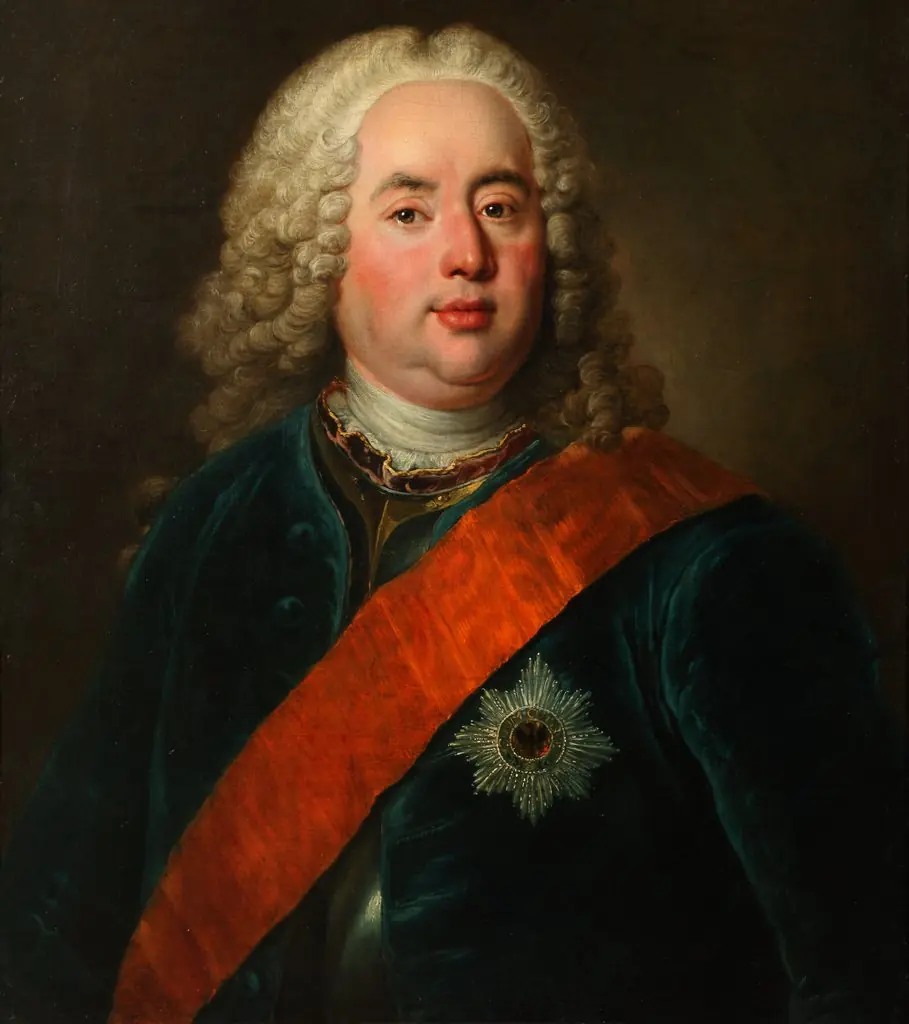
- Count Gustav Adolph Gotter
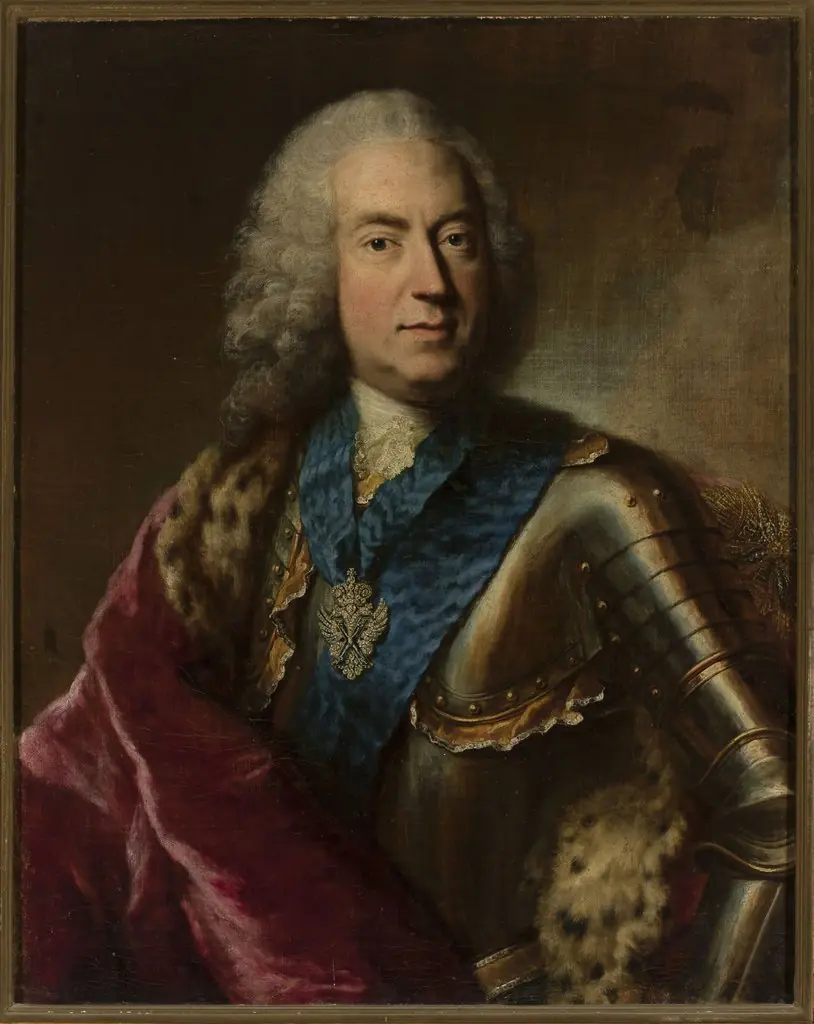 Portrait of Karl August Rex, Saxon minister
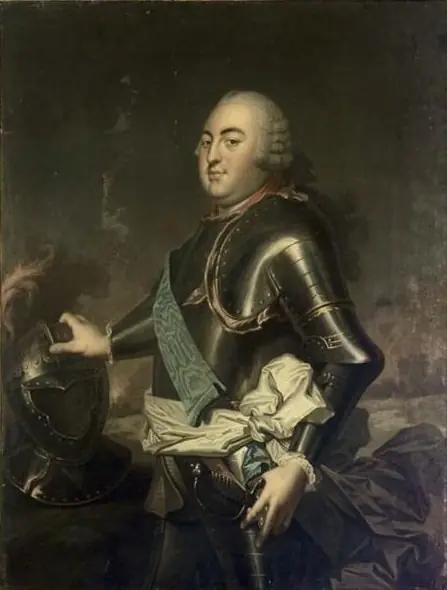 Portrait of Louis Philippe I, Duke of Orléans
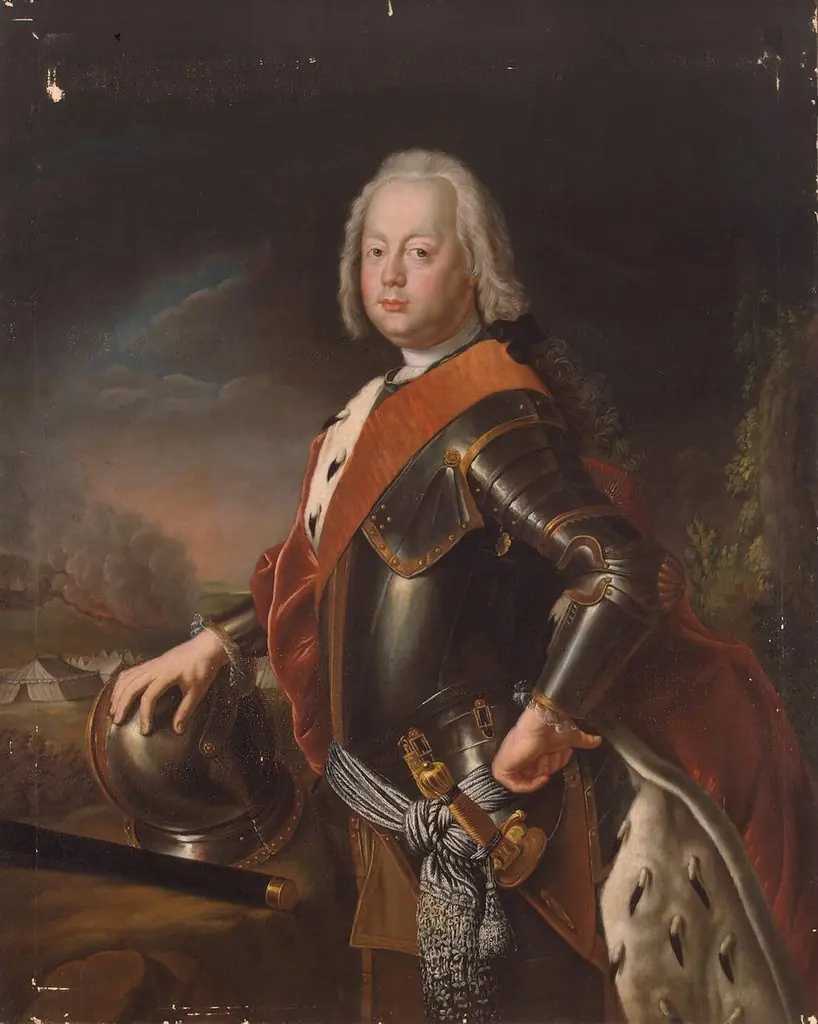 Portrait of Christian Augustus of Anhalt-Zerbst
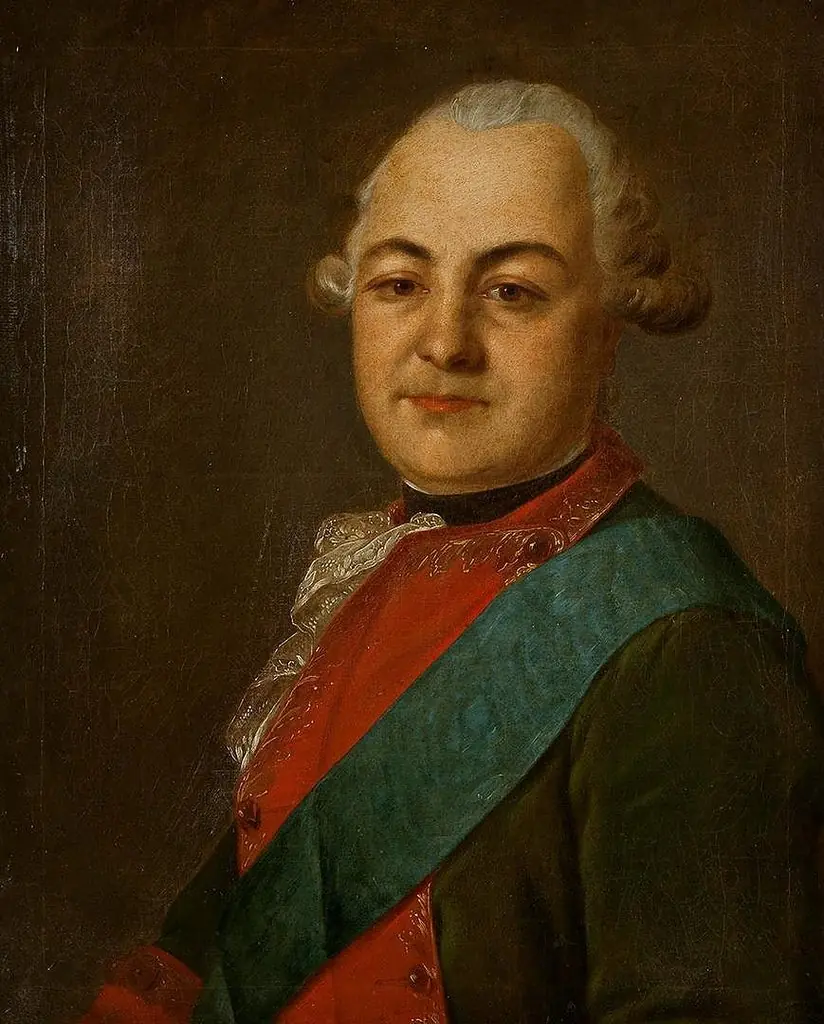 Portrait of Alexander Ilyich Bibikov
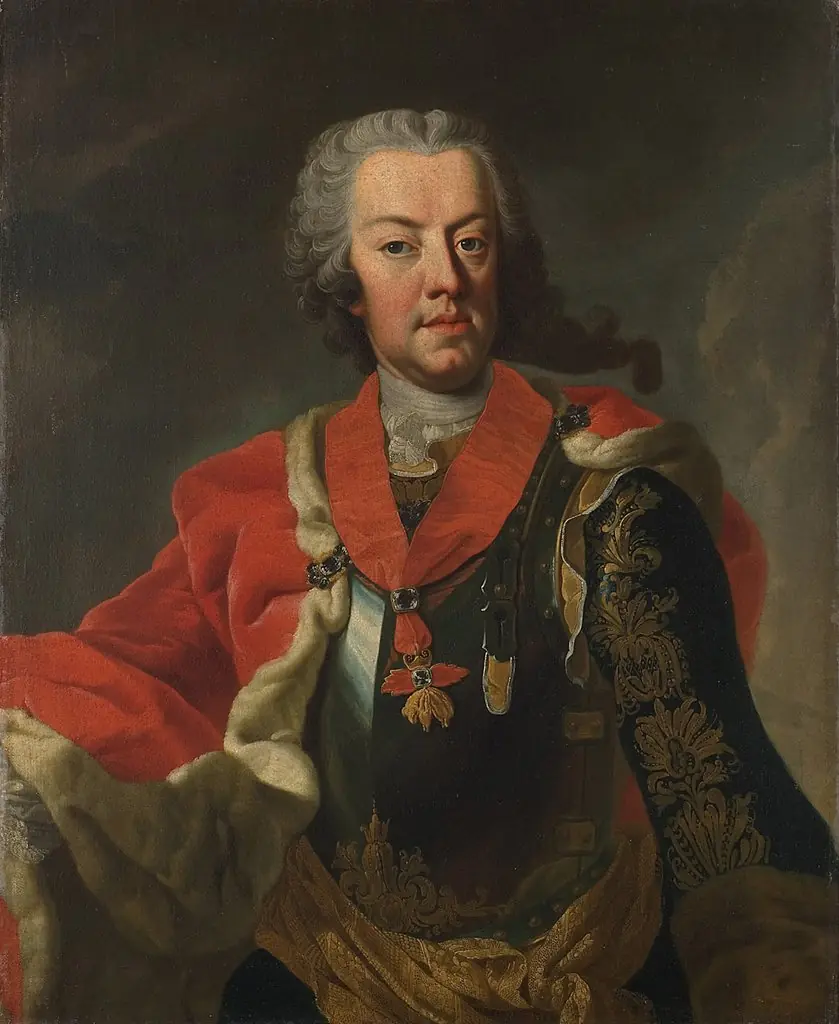 Herzog Karl Alexander von Lothringen (1712-1780), Brustbild
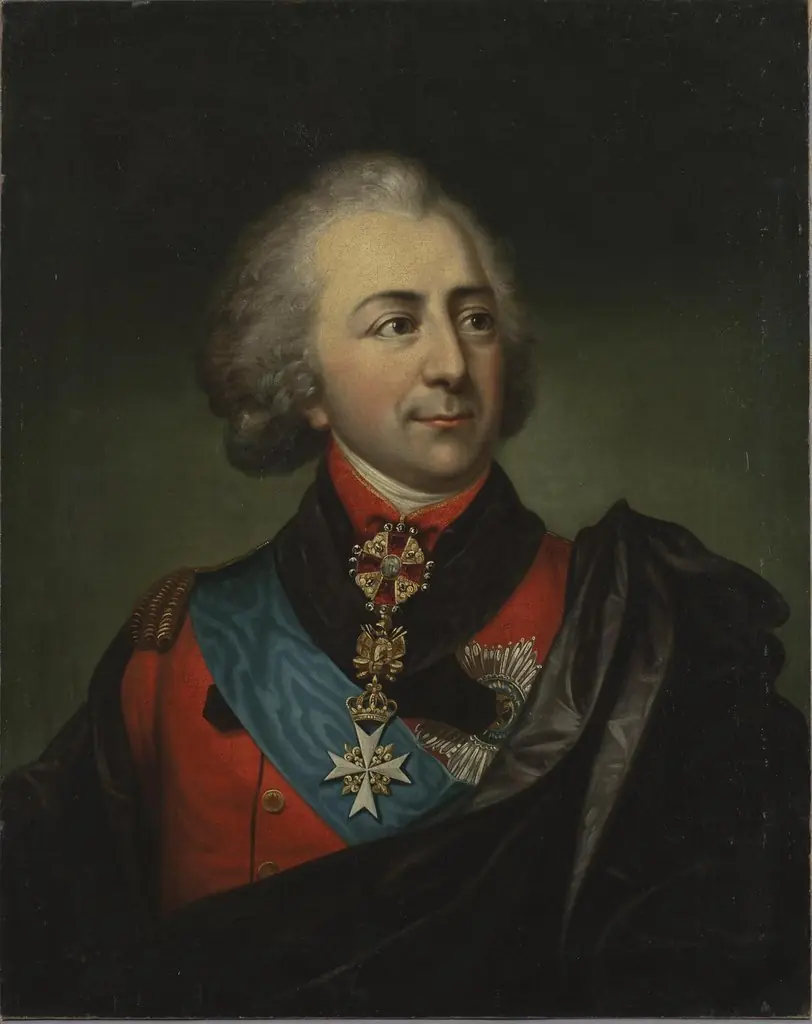 Portrait of Count Ivan Kutaisov
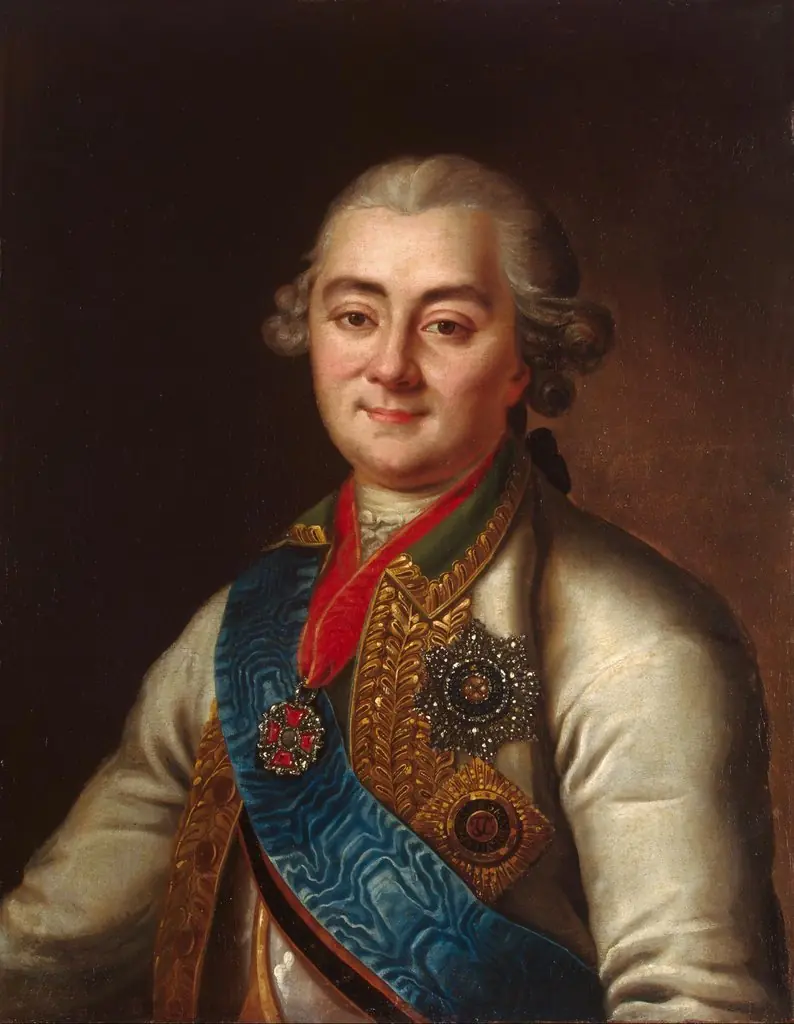 Portrait of Count Alexei Orlov of Chesme
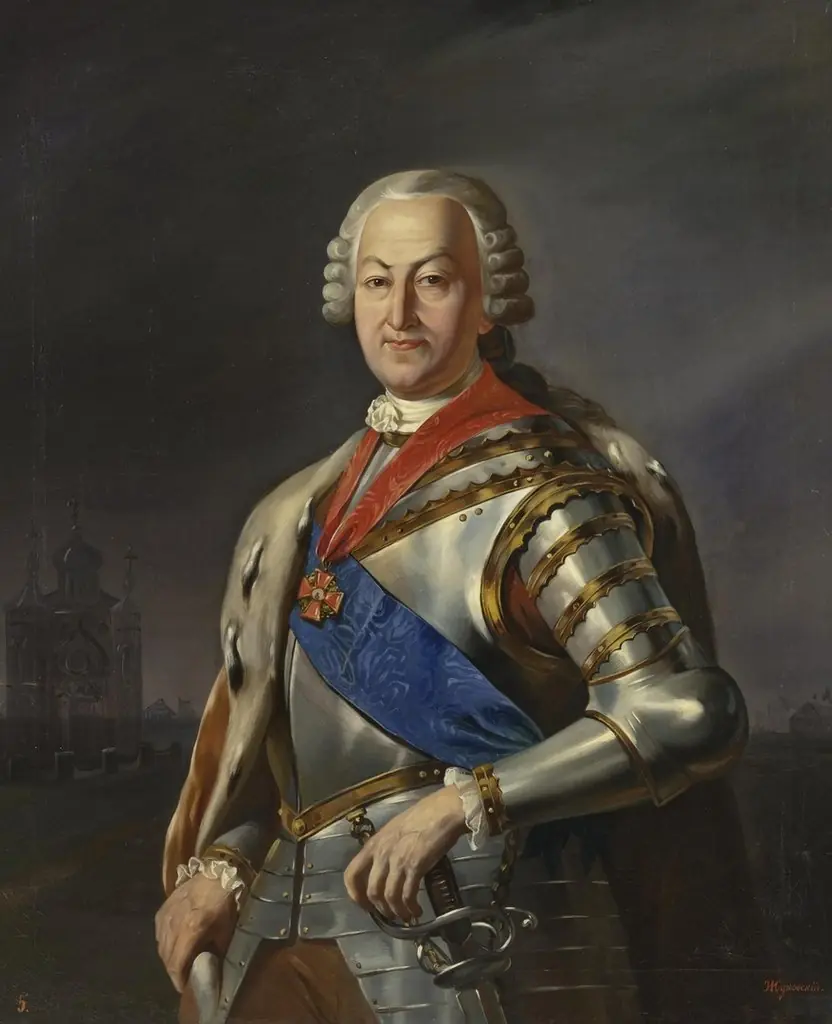 Portrait of Mikhail Golitsyn
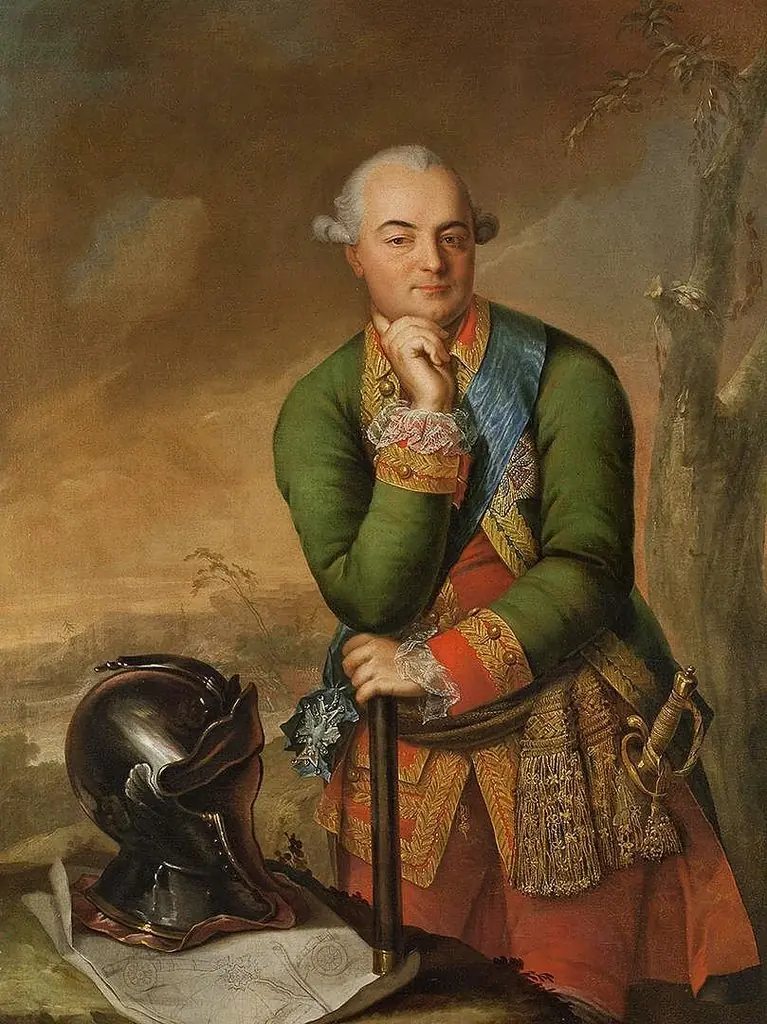 Portrait of Alliksandr I. Bibikov
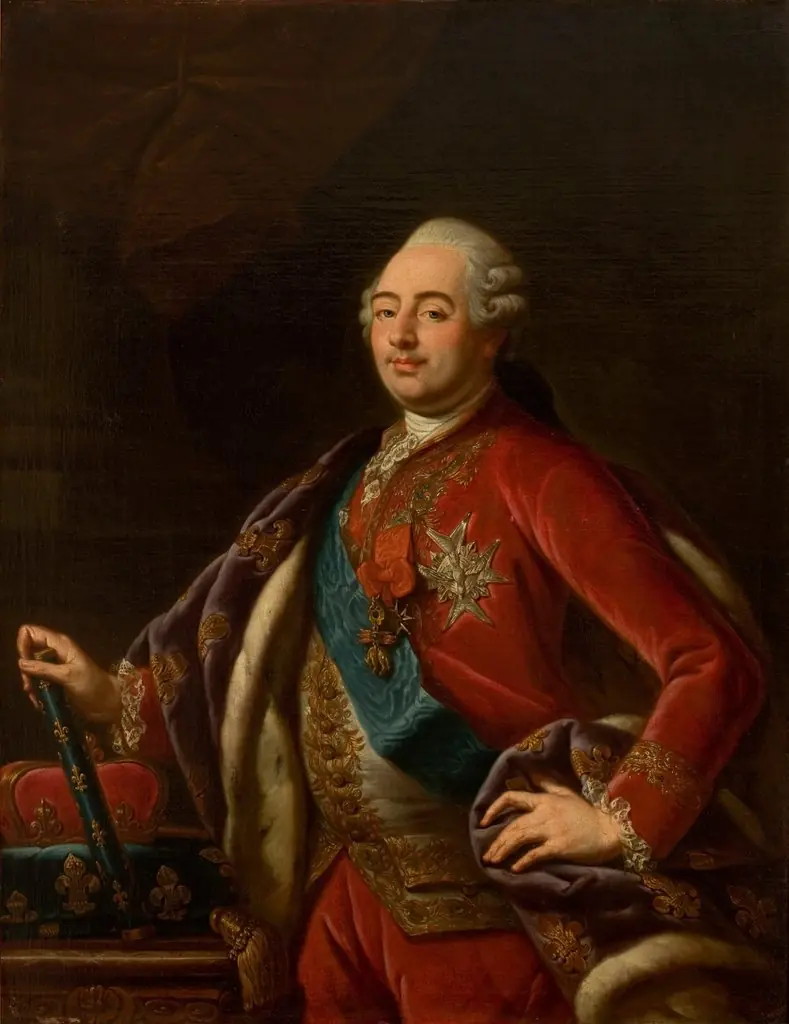 Retrato de Luís XVI
 Valtakunnanneuvos Ulrik Scheffer