Artwork
Returning Birds and Old Cypress
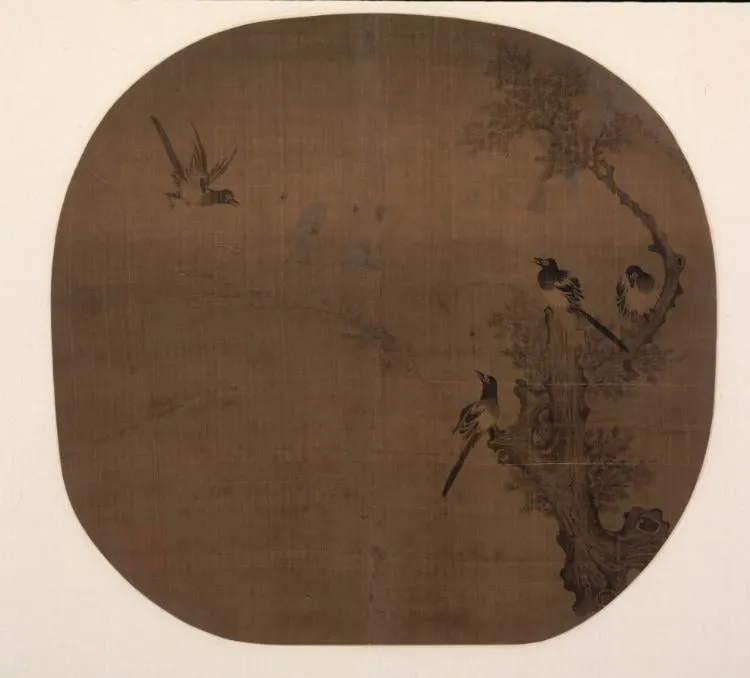
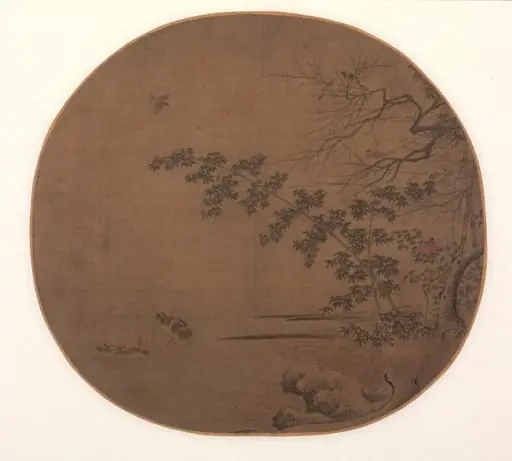
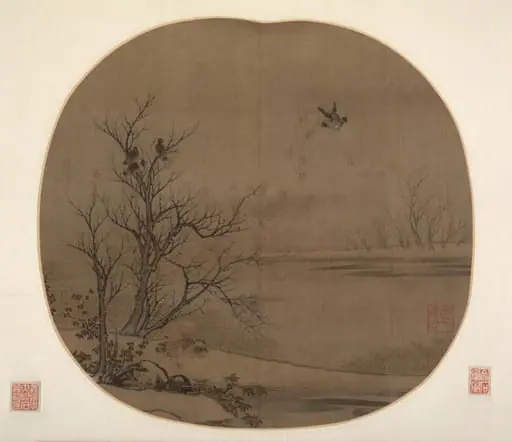
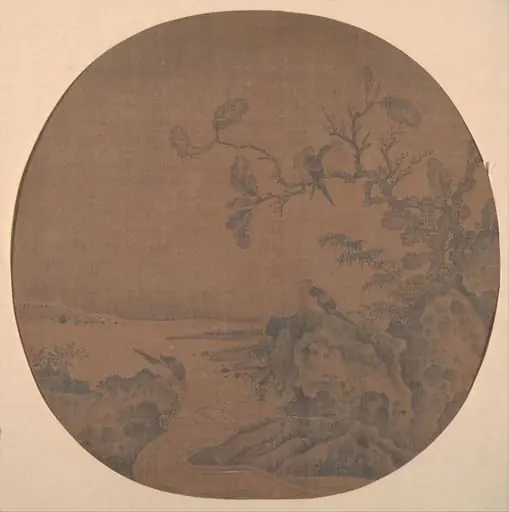
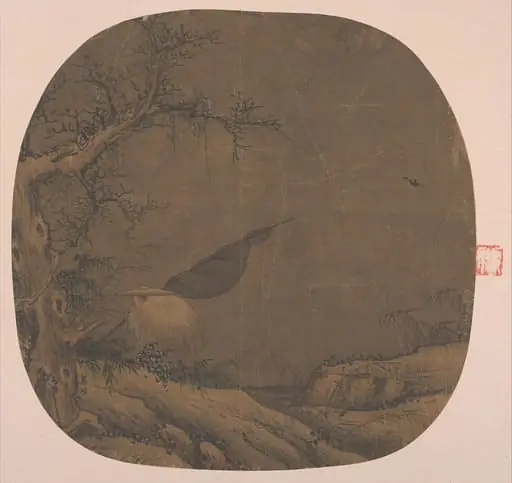
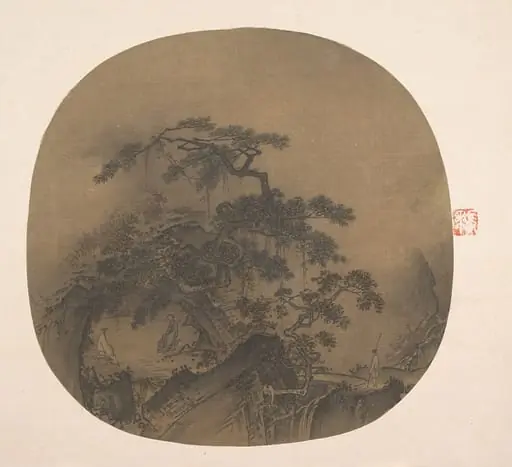
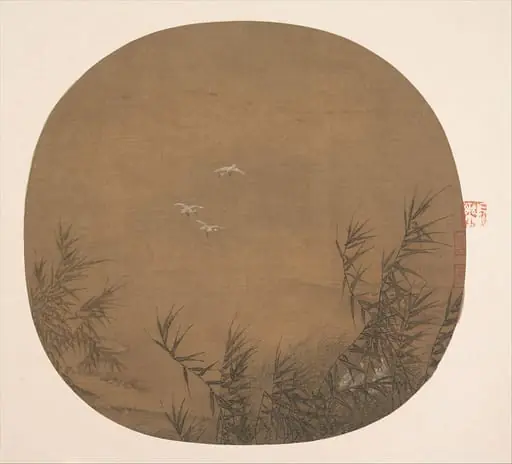
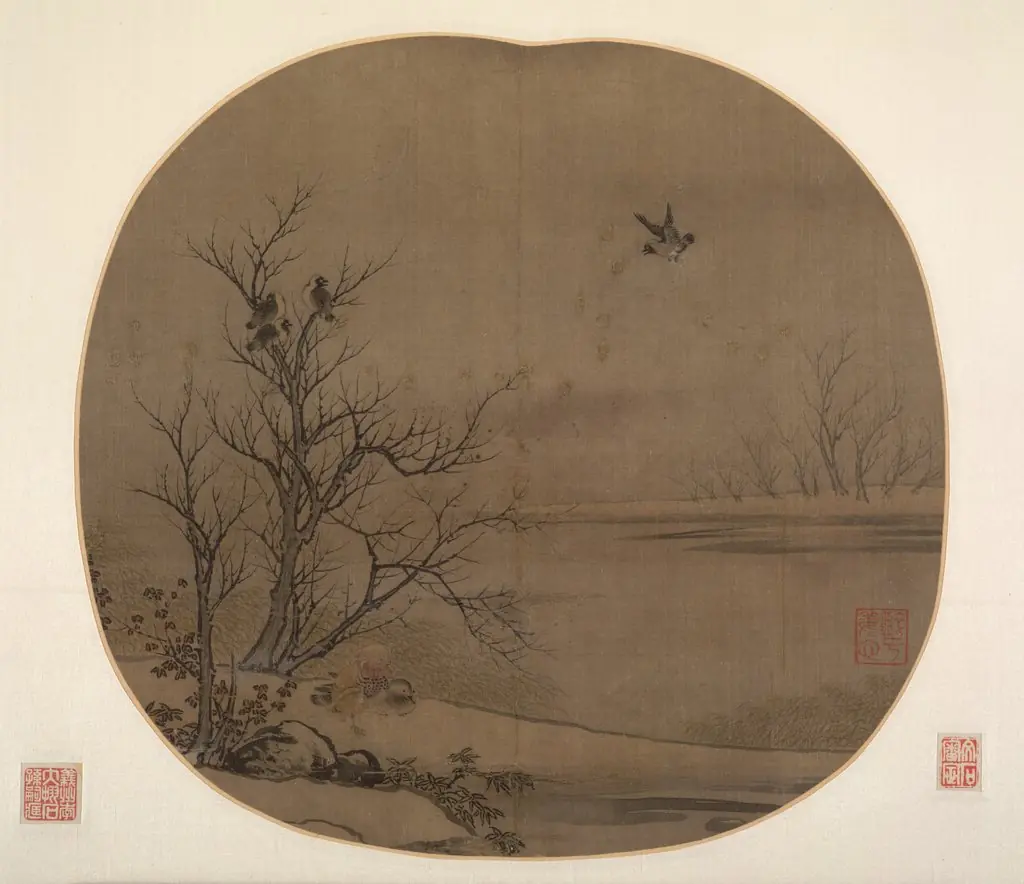
Returning Birds and Old Cypress is an unspecified painting by the Song dynasty landscape artist Unknown. It dates from 1200 and is held in the collection of the Cleveland Museum of Art. This painting depicts a solitary tree branch with four birds in varying states of rest and flight.
- Accession no.
- 1969.305
- Credit line
- Gift of Dr. and Mrs. Sherman E. Lee
About this work
Overview
This painting depicts a solitary tree branch with four birds in varying states of rest and flight. The composition is minimal, centered on the branch and its avian inhabitants, set against a muted, earth-toned background that evokes aged paper. The absence of foliage and the subdued palette emphasize stillness, suggesting a quiet moment suspended in time rather than a dynamic natural scene.
Subject & Meaning
Their positioning may reflect natural behaviors, but their stillness and deliberate arrangement invite contemplation beyond literal representation.
The birds, two clustered, one isolated, and one in flight, suggest themes of companionship, solitude, and transition. Their positioning may reflect natural behaviors, but their stillness and deliberate arrangement invite contemplation beyond literal representation. The bare, gnarled cypress branch reinforces a sense of endurance, subtly linking the birds’ presence to cycles of life, rest, and departure.
Technique & Style
Rendered with fine, ink-like lines, the birds and branches exhibit a restrained precision reminiscent of East Asian brushwork. The lack of shading and the flat, faded brown background reduce visual complexity, focusing attention on form and placement. The tree’s twisted limbs and sparse buds are suggested rather than detailed, aligning with an aesthetic that values suggestion over realism.
History & Provenance
The painting is held in the collection of the Cleveland Museum of Art, where it is cataloged as part of a broader tradition of East Asian ink paintings. Its origins are not fully documented, but its stylistic features align with late imperial Chinese or Japanese works from the 17th to 19th centuries, likely created by an artist trained in literati traditions.
Context
This work emerges from a cultural context where nature was often used to express philosophical ideas, such as impermanence, harmony, and quiet resilience. The sparse composition reflects literati ideals, favoring restraint and emotional resonance over ornate detail. Similar subjects appear in scrolls and album leaves from the same period, often intended for private contemplation.
Legacy
Though unsigned and undated, the painting continues to be studied for its quiet economy of form. It exemplifies how minimalism in East Asian art can convey depth without embellishment. Its presence in a major Western museum underscores its role in cross-cultural appreciation of understated aesthetic traditions that prioritize atmosphere over narrative.
Artist & collection