Artwork
Angel
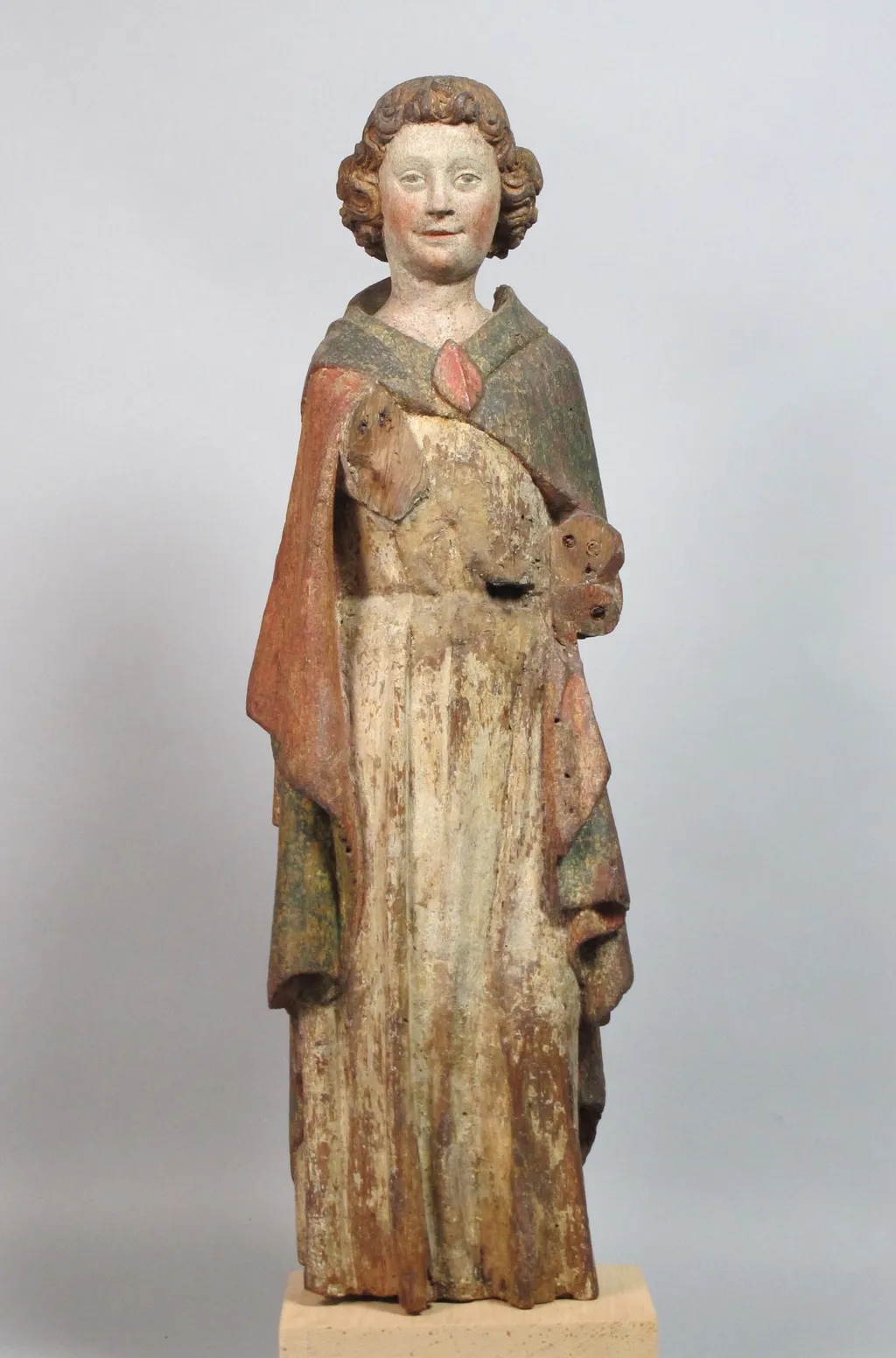
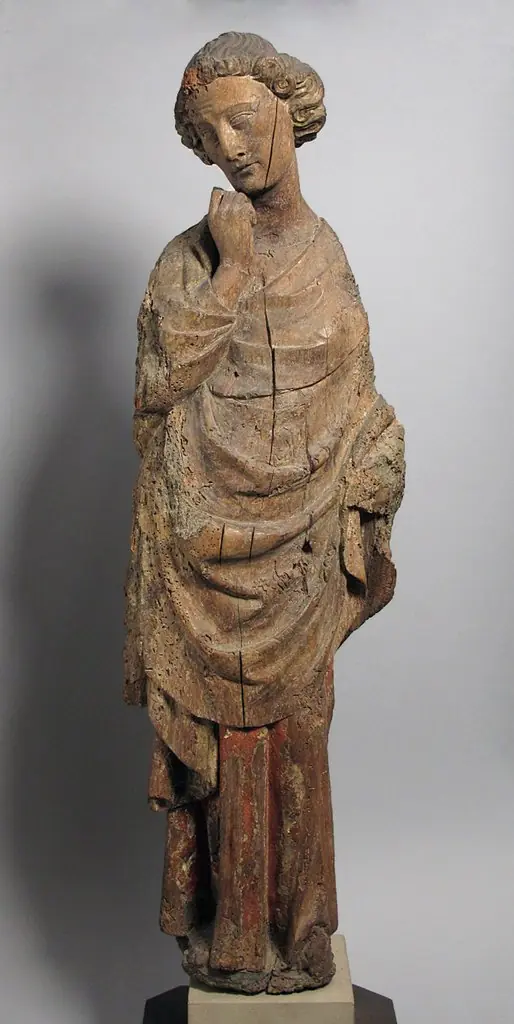
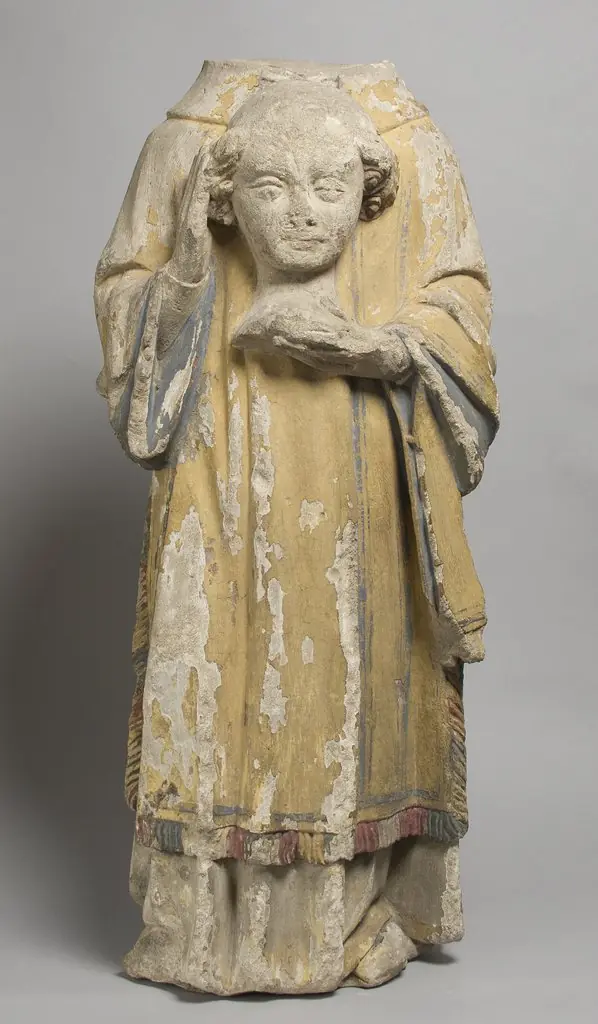
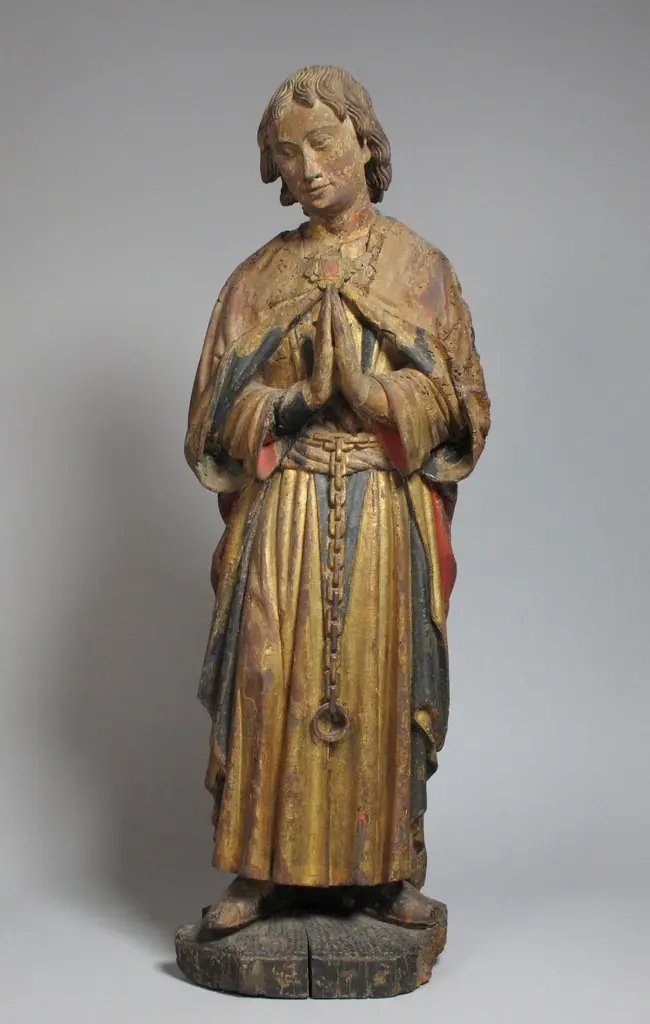
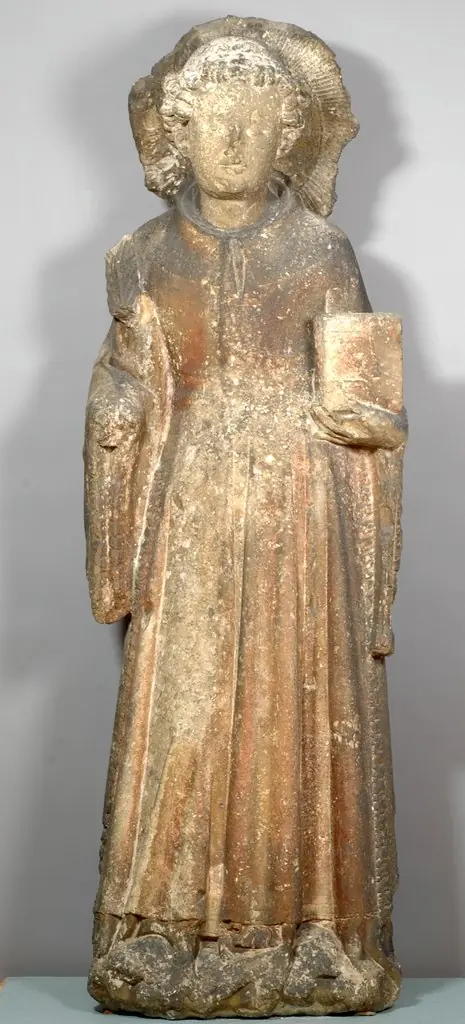
Angel is an unspecified painting. It dates from 1250 and is held in the collection of the Metropolitan Museum of Art.
About this work
Subject & Meaning
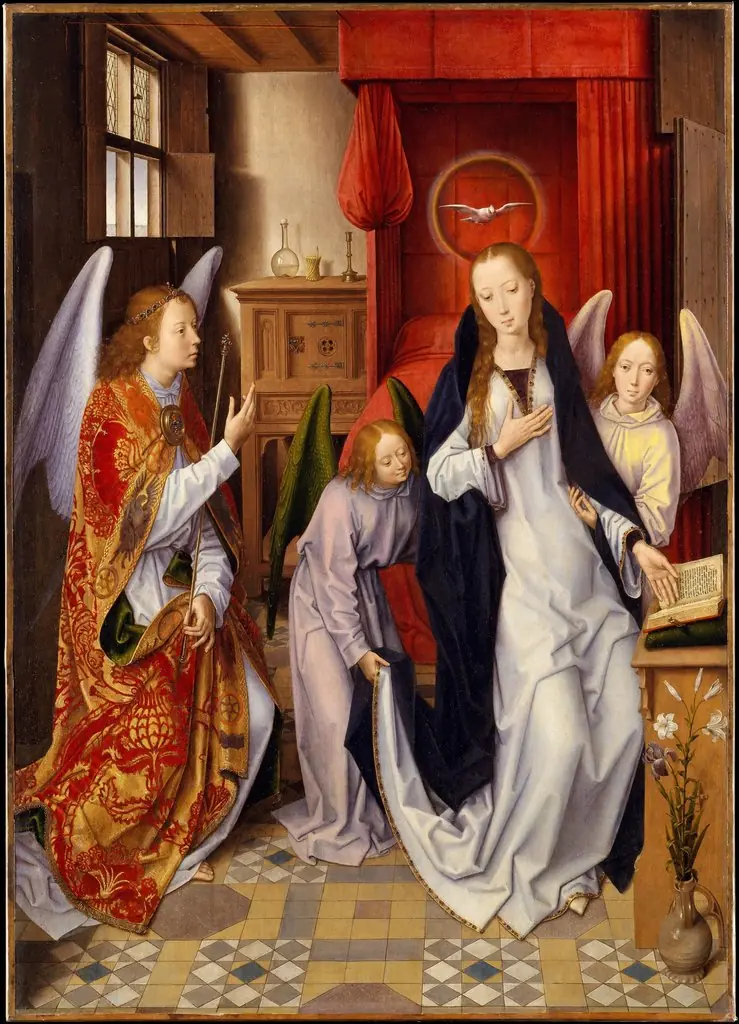
The painting depicts an angel as its sole subject, fitting squarely within the tradition of medieval religious art.
The painting depicts an angel as its sole subject, fitting squarely within the tradition of medieval religious art. As a devotional image from 1250, it would have served to convey the celestial and intermediary role of angels in Christian theology, beings who bridge the earthly and divine realms. The work's direct, uncluttered focus on a single angelic figure suggests it may have functioned as an object of private contemplation or formed part of a larger altarpiece ensemble.
The angel likely carries attributes of the divine messenger, embodying qualities of protection, revelation, and praise common to thirteenth-century European sacred imagery.
History & Provenance
The painting titled Angel, classified as a religious work, was created around 1250 by an anonymous artist. This panel painting currently resides in the collection of the Metropolitan Museum of Art, where it is identified by the accession number 25.120.230. The work measures 67 cm in height and depicts an angel as its main subject. No specific commission details or earlier ownership records are provided in the available documentation.
Legacy
The painting Angel, created around 1250, is an early example of medieval religious art held in the collection of the Metropolitan Museum of Art. Its anonymous authorship is characteristic of the period's devotional production, and the work is referenced in discussions of thirteenth-century sacred imagery and the transmission of angelic iconography in European painting.
Overview
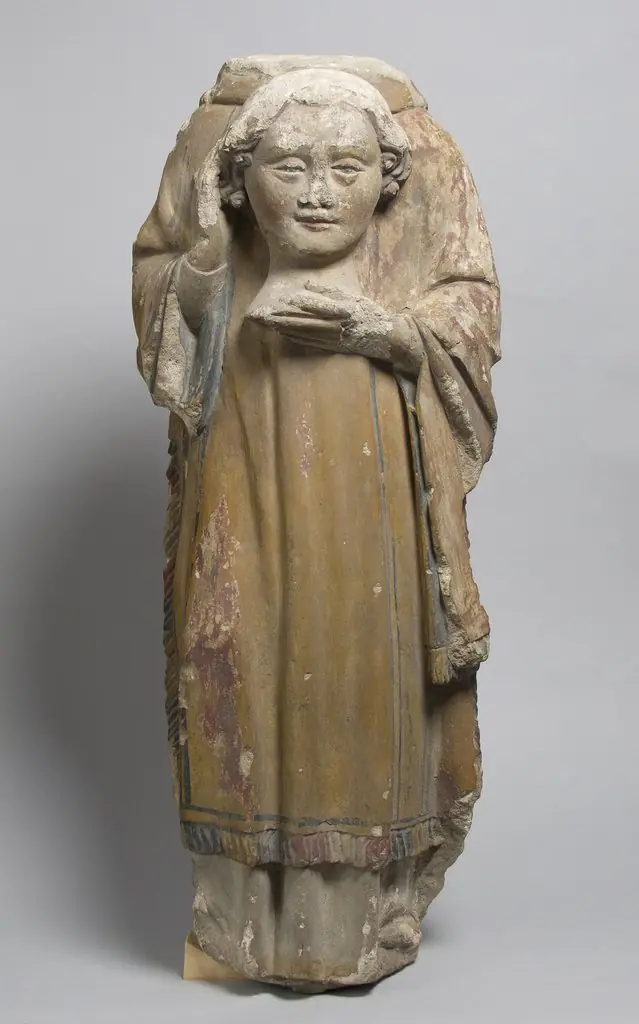
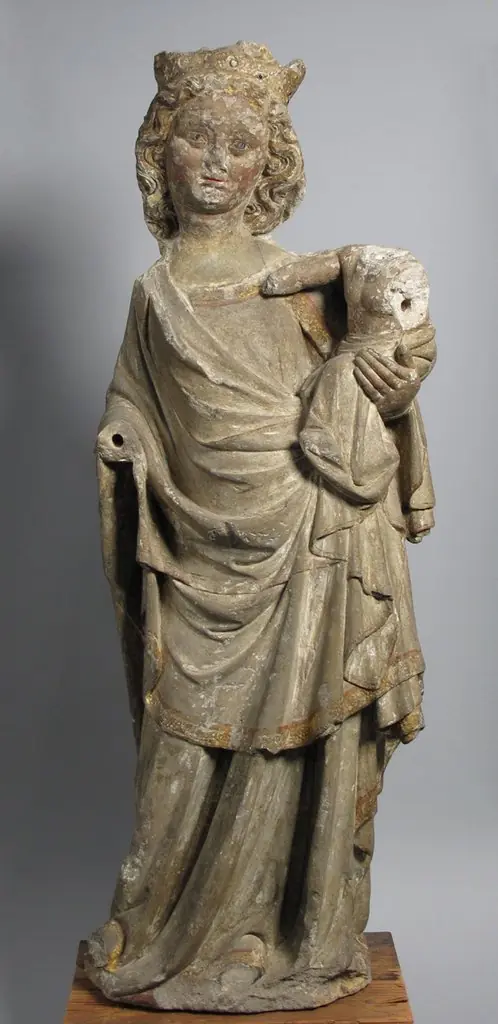
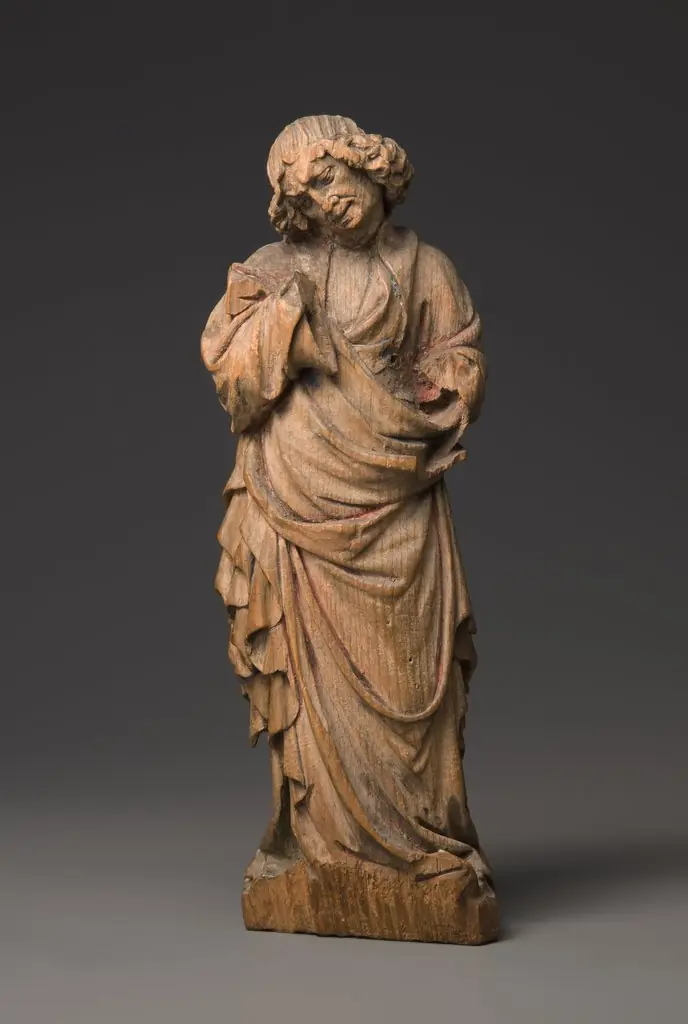
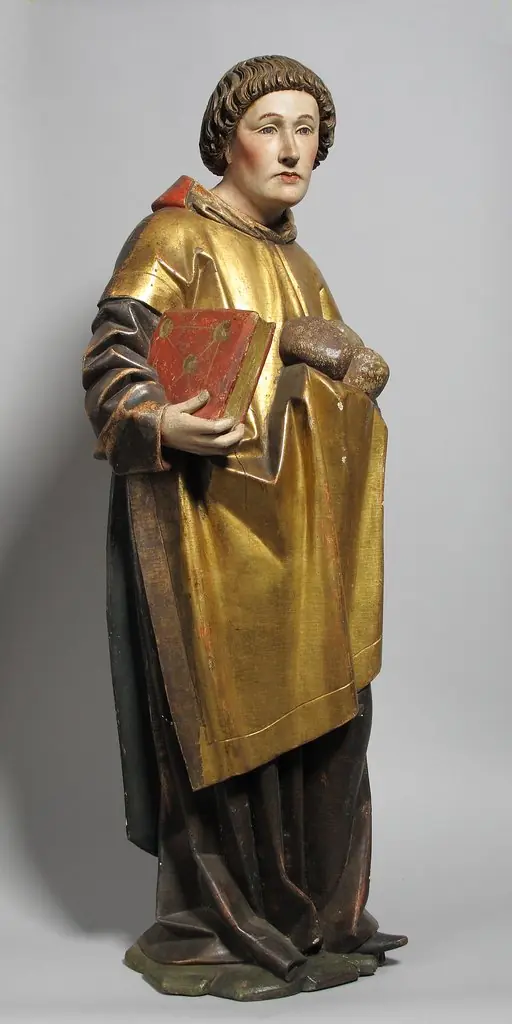
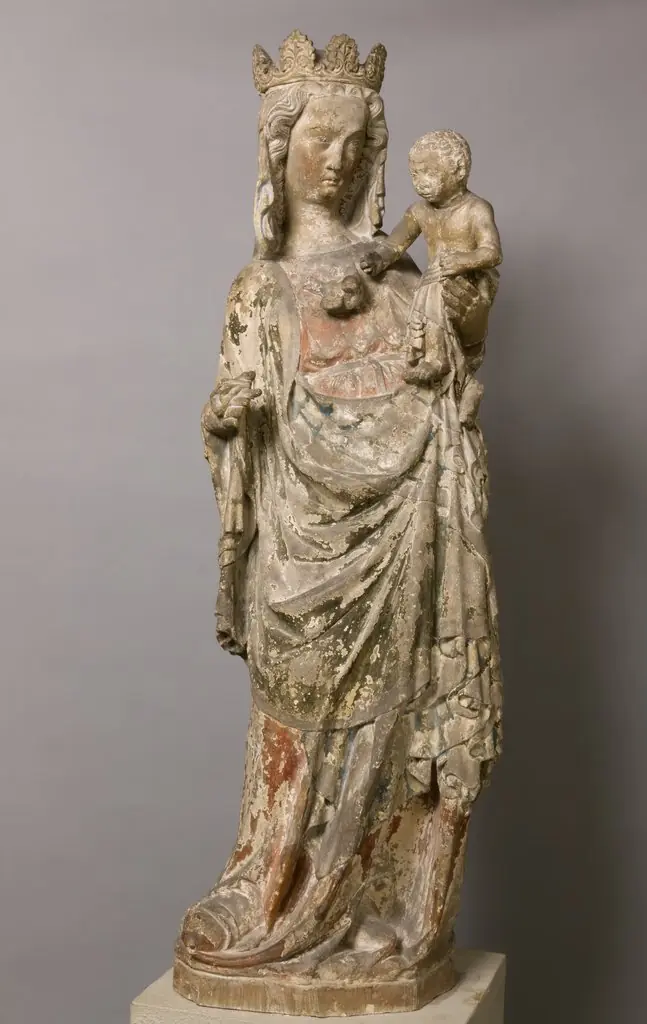
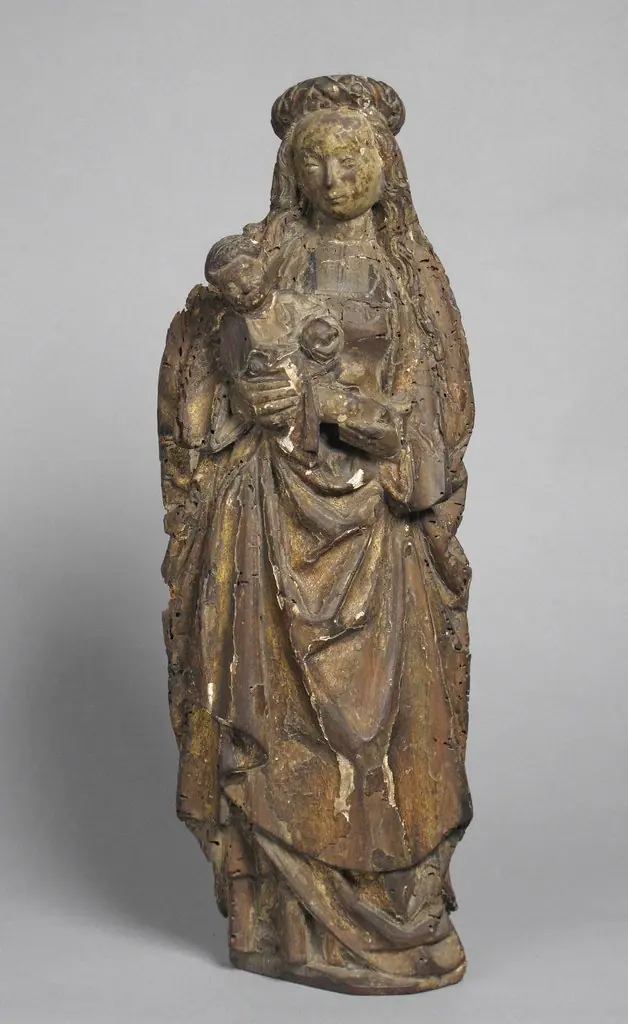
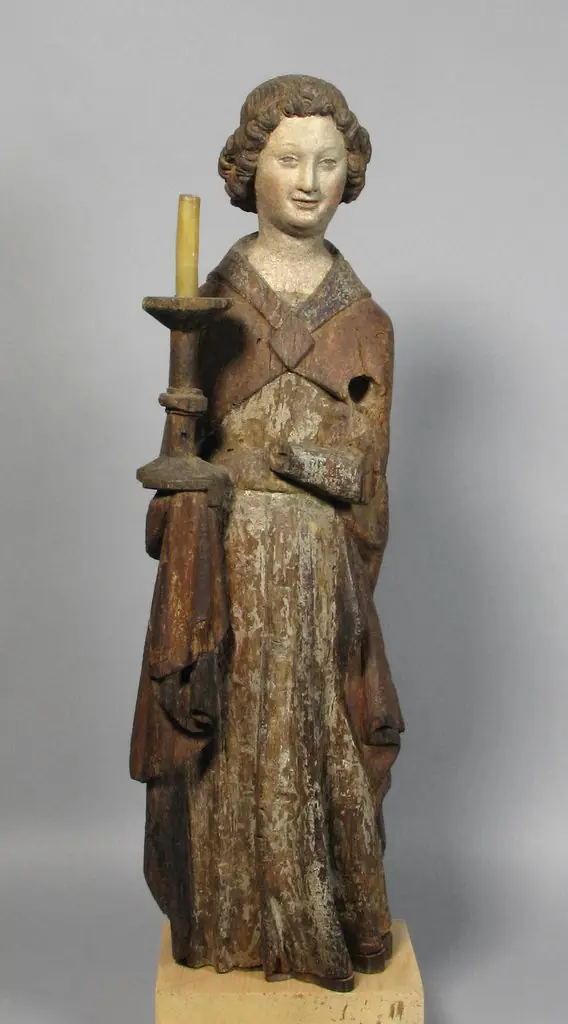
The work titled “Angel” is a painted wooden panel that resembles a carved figure. It depicts an adult figure with curly hair and a pale complexion, dressed in a simple robe marked by faded red and green patches, holding a small child whose garment bears a red heart motif. The surface shows age‑related wear, including chipped paint and softened edges, giving the piece a weathered appearance.
Technique & Style
Executed in tempera or oil on a wooden support, the figure is rendered with a modest level of detail, emphasizing contour over realism. The limited palette of muted reds, greens, and flesh tones, together with the visible wear, points to a folk‑art aesthetic rather than a formal academic style.
Context
Works of this type, wooden figures painted to resemble sculptural forms, were common in devotional contexts and domestic settings in various cultures, serving as visual reminders of protection and spiritual guardianship.
Artist & collection