Artwork
Saint Martin Brings a Dead Man to Life
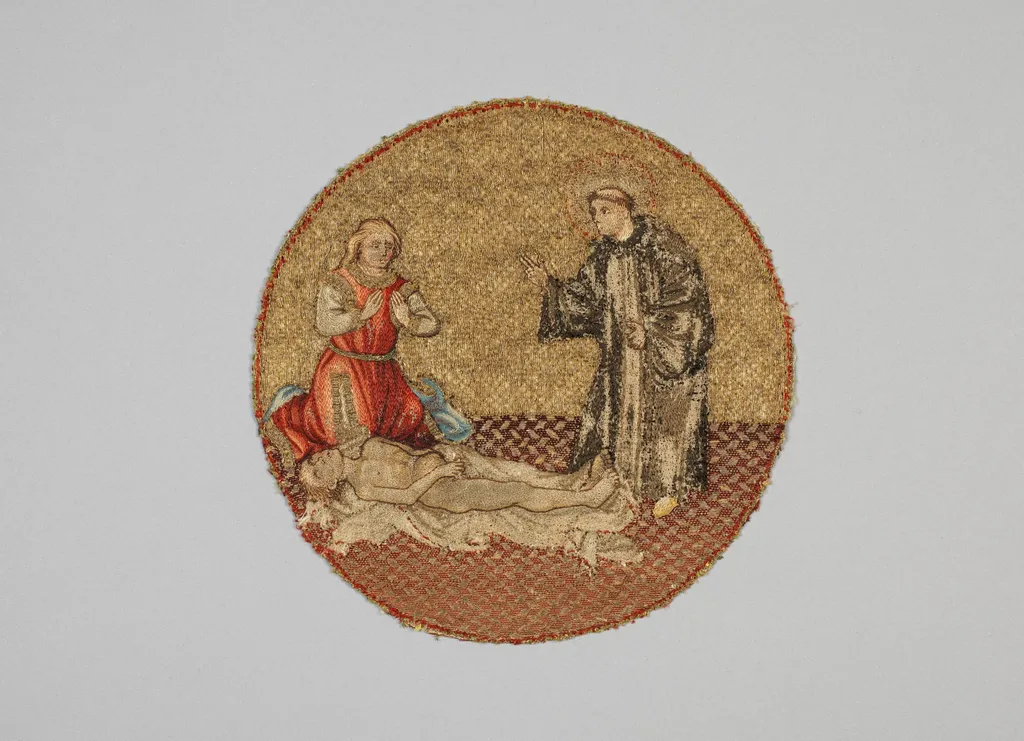
Saint Martin Brings a Dead Man to Life is an unspecified painting. It dates from 1430 and is held in the collection of the Metropolitan Museum of Art.
About this work
History & Provenance
No exhibition record is noted in the sources consulted, indicating that its public display history has not been documented in the provided references.
Created in 1430, this anonymous religious painting depicts the miracle of Saint Martin bringing a dead man to life. The work was once owned by Robert Lehman before entering the collection of the Metropolitan Museum of Art, where it is currently held. No specific details regarding the original commission or the intermediate ownership history between its creation and Lehman's possession are provided in the available records.
The painting Saint Martin Brings a Dead Man to Life is housed in the Metropolitan Museum of Art in New York. It belongs to the Robert Lehman Collection, though the specific accession or inventory number is not disclosed in the available documentation. The work is catalogued as an anonymous religious painting dating to 1430, classified as a religious artwork within the museum's holdings.
No exhibition record is noted in the sources consulted, indicating that its public display history has not been documented in the provided references.
Overview
"Saint Martin Brings a Dead Man to Life" is a painting that illustrates a miracle attributed to Saint Martin of Tours. The composition features three figures central to the narrative: the saint, the deceased individual, and an observer. This work captures a moment of profound spiritual intervention, emphasizing themes of faith and resurrection through its solemn depiction.
Subject & Meaning
The painting depicts Saint Martin, identifiable by his red vestments, kneeling in prayer beside a recumbent, unclothed figure, representing the resurrected man. To the right, a third individual in dark robes stands, observing the miracle with an expressive gesture, possibly indicating speech or a ritual action. The scene conveys a sense of reverence, highlighting the saint's spiritual power and the miraculous event.
Technique & Style
The artwork employs a palette of warm colors, contributing to its reverent and solemn atmosphere. A distinctive feature is the background, rendered in a textured gold, which serves to elevate the sacred nature of the event. This use of rich color and an embellished, non-naturalistic background is consistent with artistic conventions prevalent during the period of its creation, emphasizing spiritual rather than earthly realism.
Artist & collection

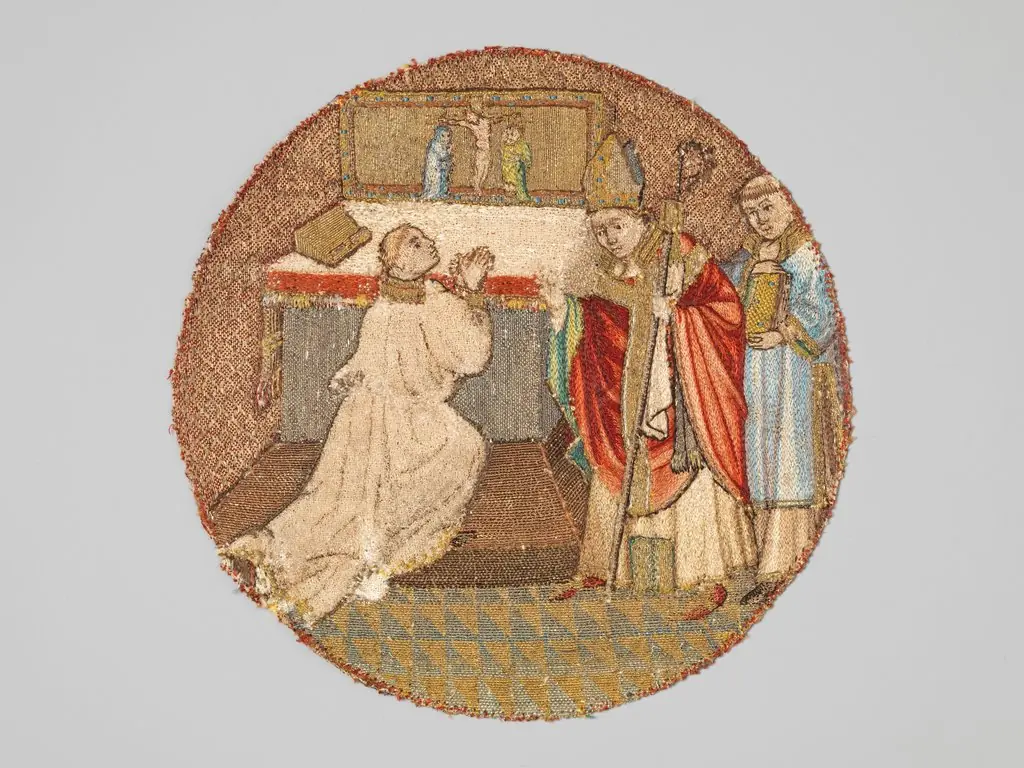 Saint Martin and Saint Hilary
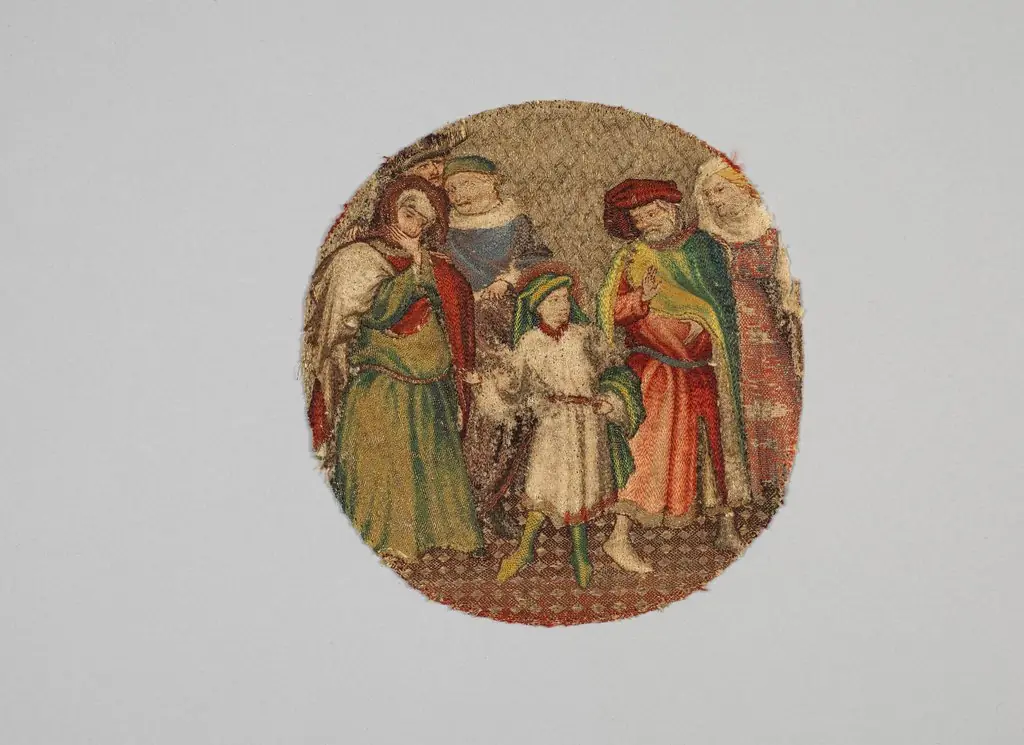 Saint Martin Announcing to His Parents That He Will Become a Christian
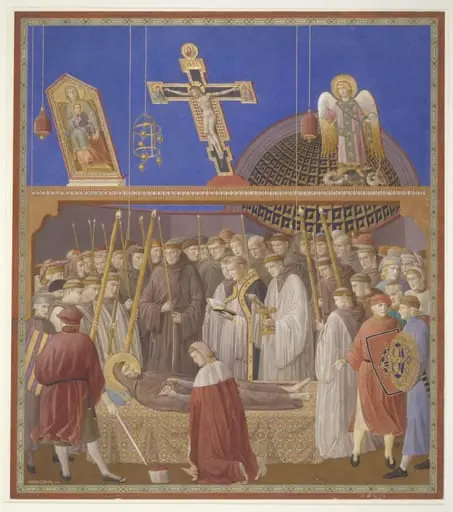 Copy after the painting Death of St Francis by the Master of the St Francis cycle in the Upper Church, San Francesco, Assisi
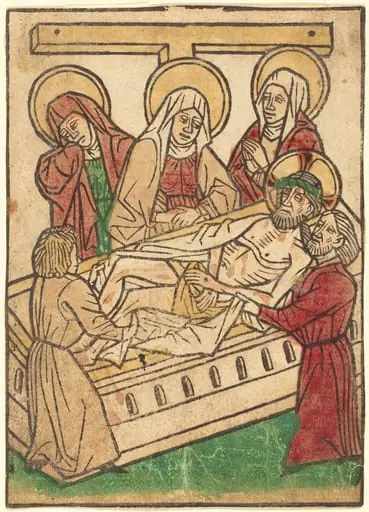 The Entombment
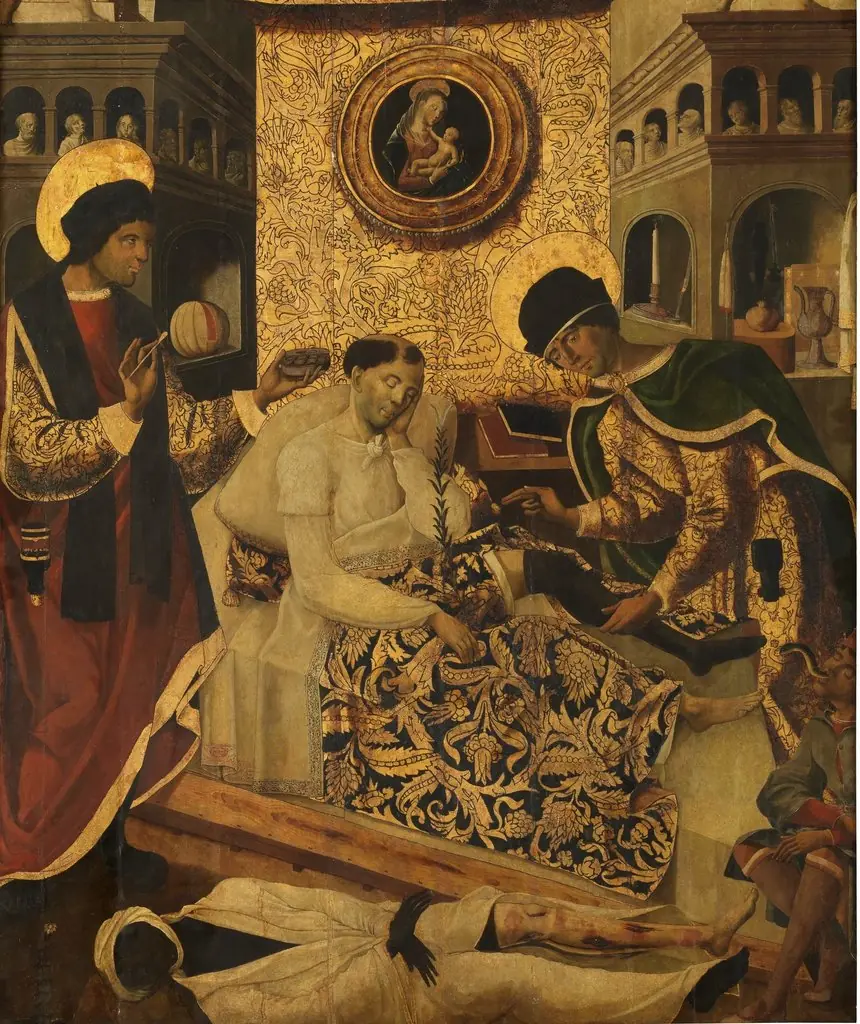 Miracles of the Doctor Saints Cosmas and Damian
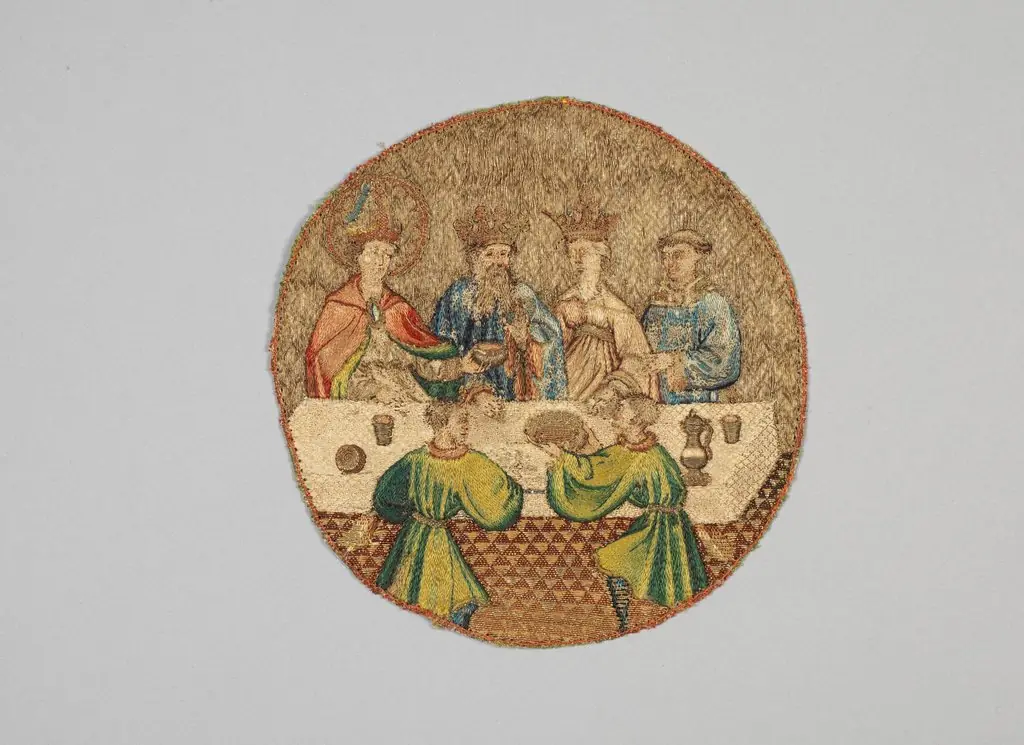 Saint Martin Offering the Wine Cup to the Priest
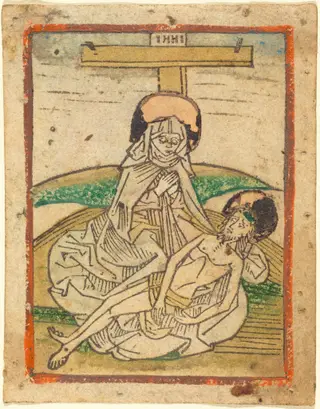 The Pietà
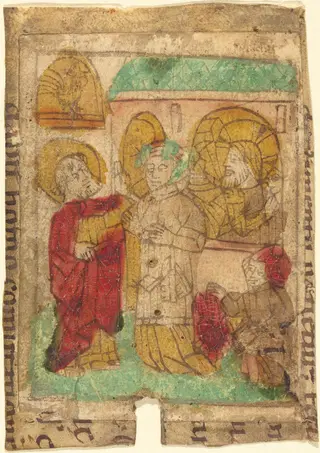 The Denial of Peter
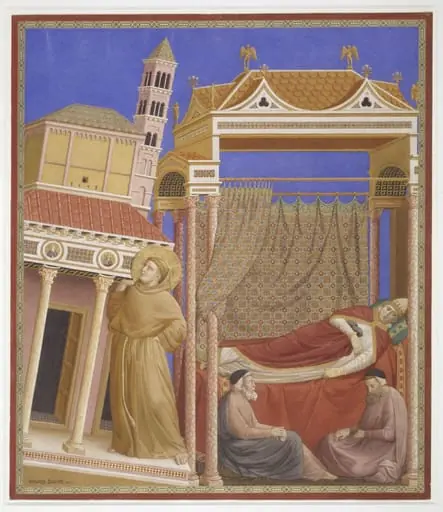 Copy after the painting The Dream of Innocent III by the Master of the St Francis cycle in the Upper Church, San Francesco, Assisi
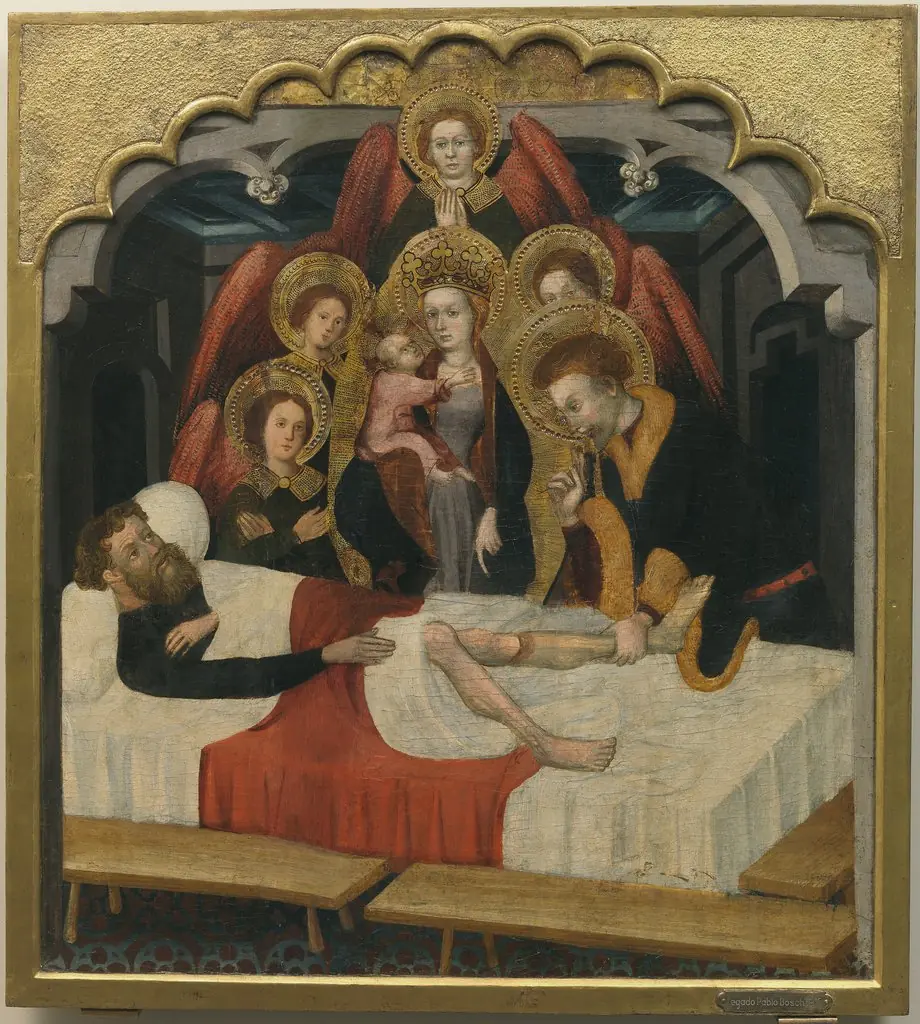 Saint Hippolyte cures the Leg of the Oxherd Peter
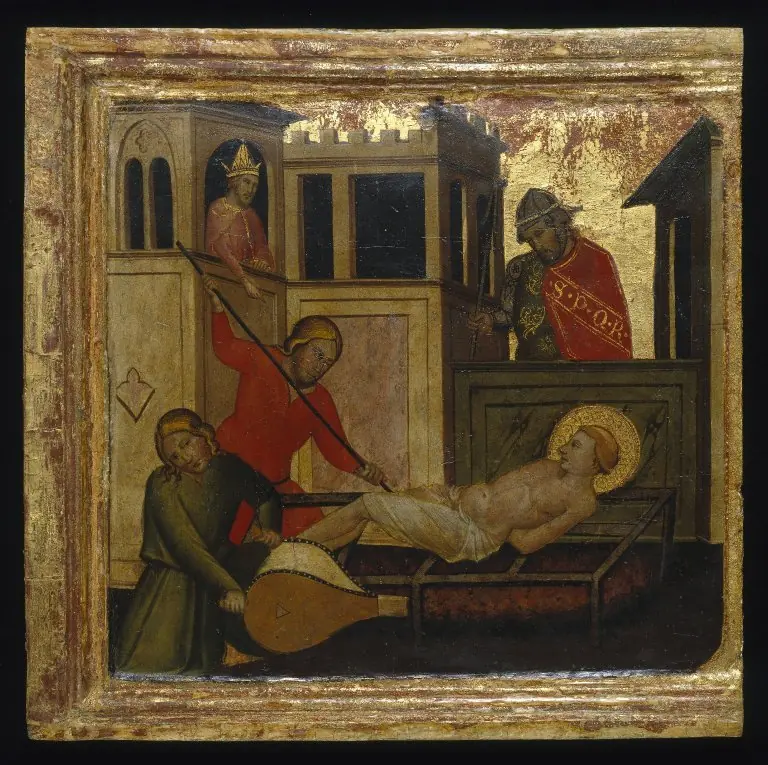 The Martyrdom of Saint Lawrence
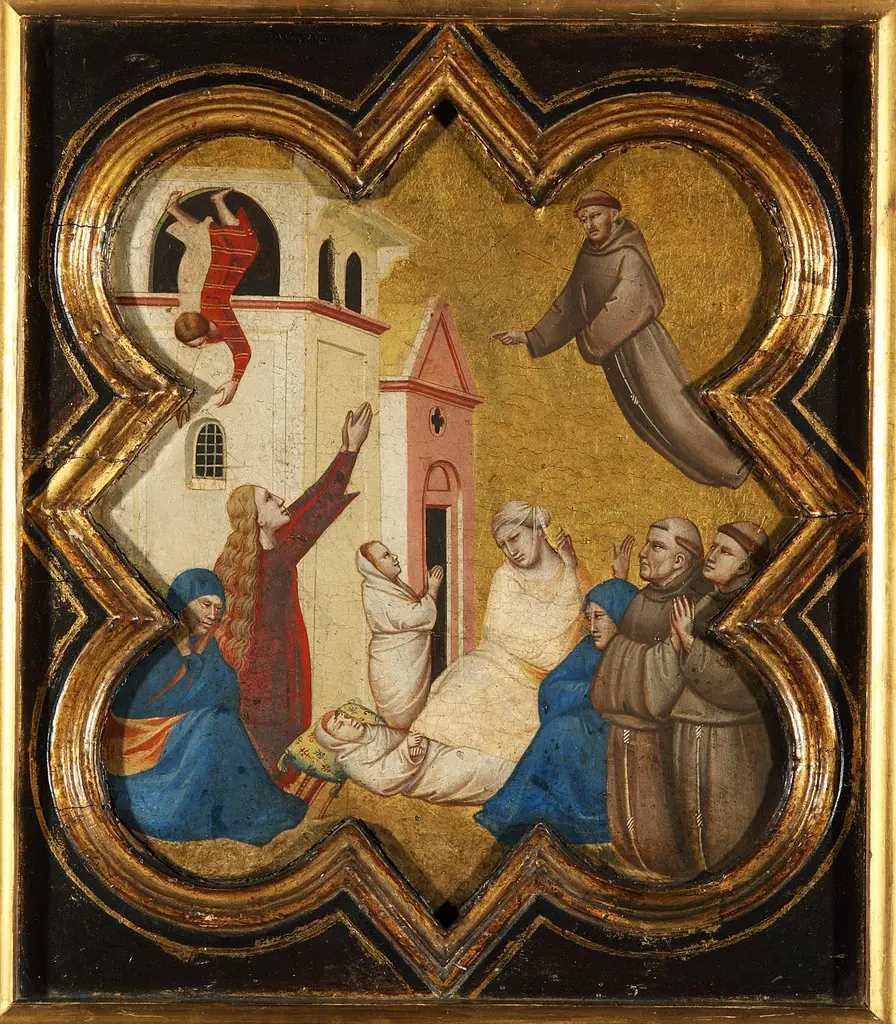
- Saint Francis raises a child from the dead