Artwork
San Juan Bautista
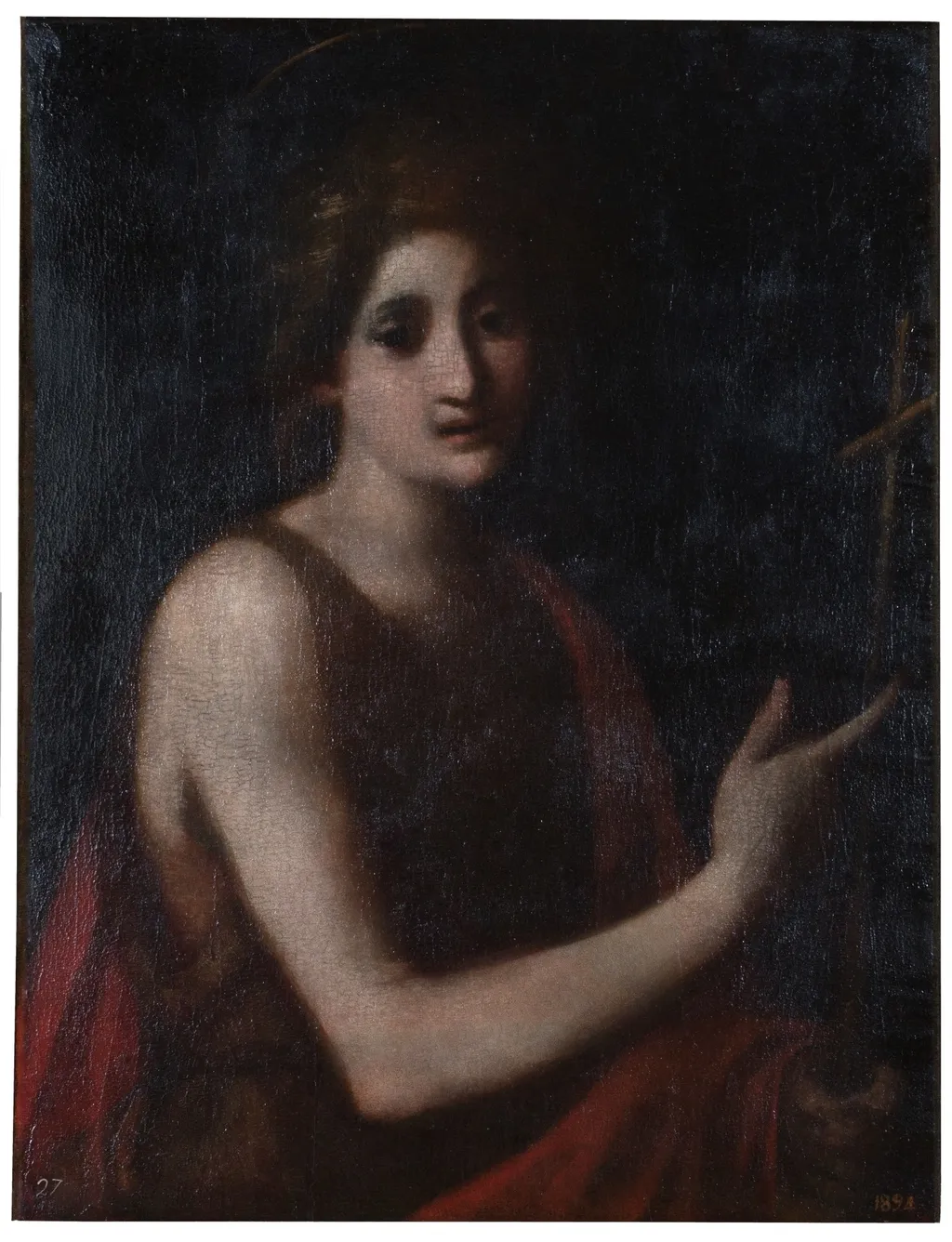
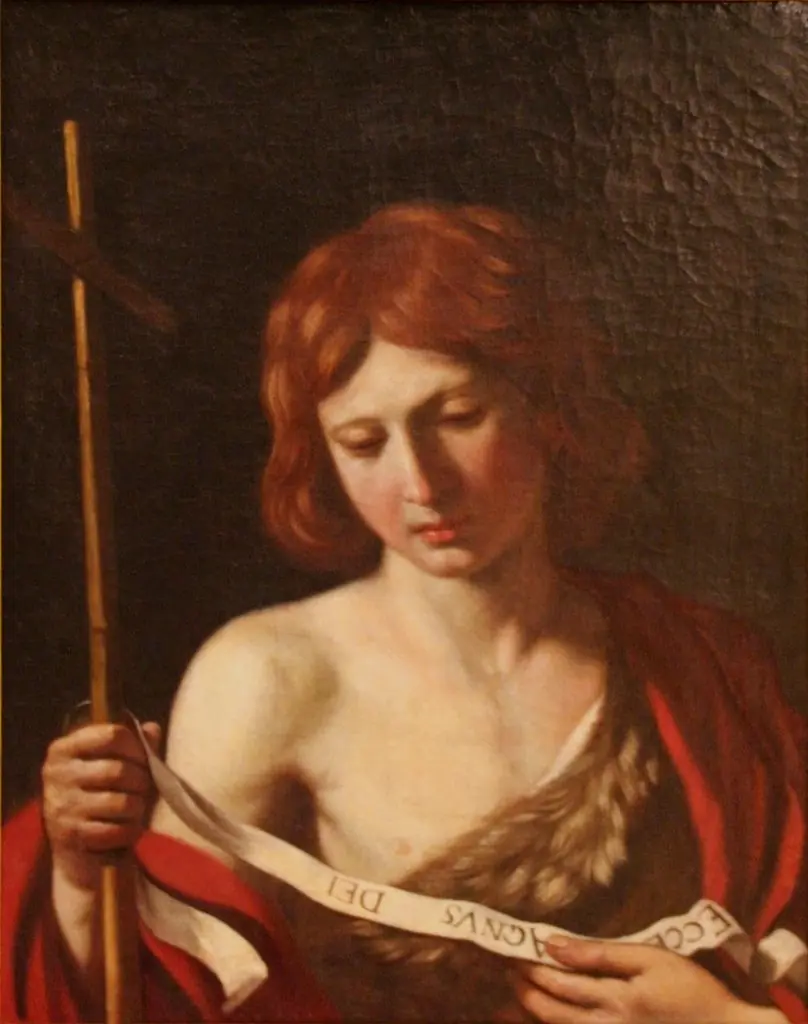
San Juan Bautista is an oil painting by the Northern Renaissance artist Unknown. It dates from 1501 and is held in the collection of the Museo del Prado.
About this work
Subject & Meaning
The subject matter aligns with the devotional practices of the early sixteenth century, presenting the Baptist as a standalone icon for contemplation.
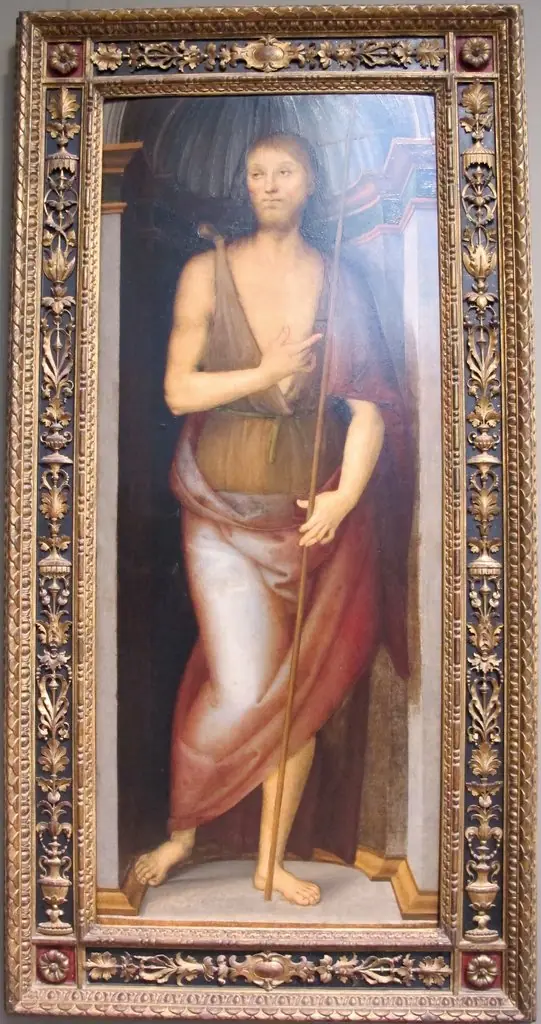
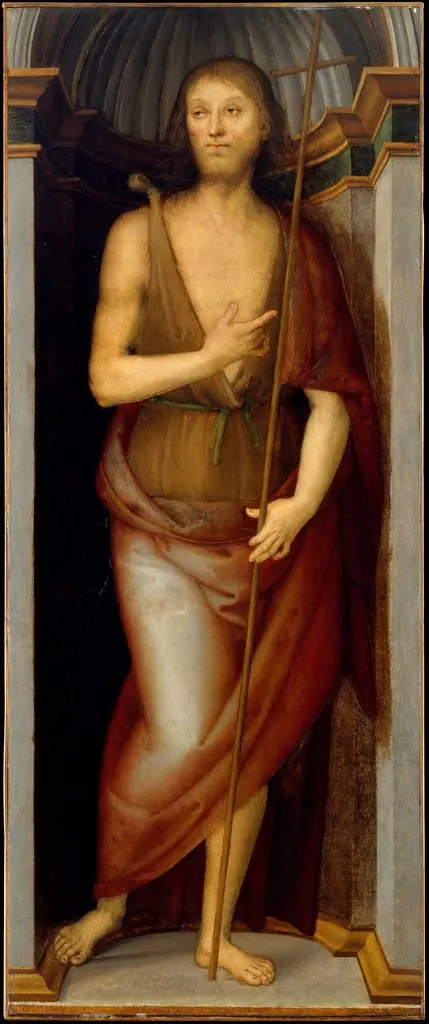
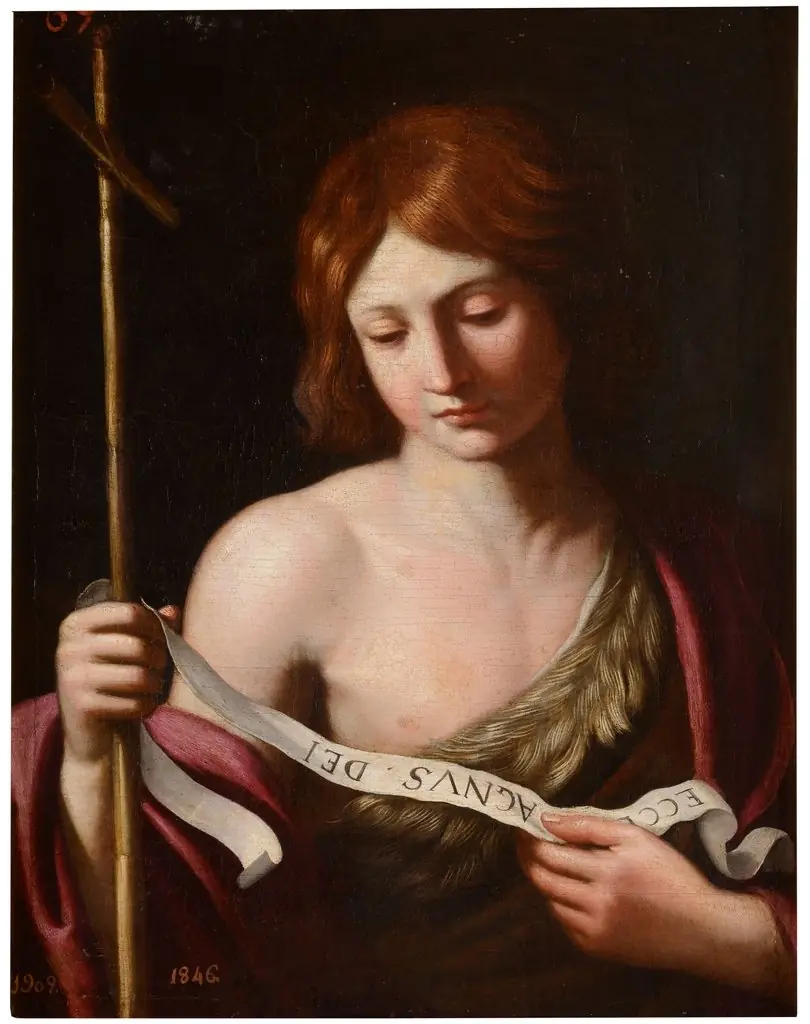
The work depicts John the Baptist as its central figure, adhering to the conventions of religious art. As a representation of the biblical prophet, the painting focuses on the saint's identity without additional narrative context provided in the available records. The subject matter aligns with the devotional practices of the early sixteenth century, presenting the Baptist as a standalone icon for contemplation.
The composition serves as a visual invocation of the saint, emphasizing his role within the Christian tradition through a direct, figural portrayal.
Technique & Style
The work is an oil painting executed on canvas, created circa 1501. It depicts John the Baptist in a religious composition typical of early 16th-century devotional art. The painting measures 75 cm in height by 58 cm in width and is housed in the Museo del Prado, where it remains on public view.
History & Provenance
The painting titled San Juan Bautista was created in 1501 as an oil on canvas work depicting John the Baptist. It is attributed to an anonymous follower of Andrea del Sarto and entered the collection of the Museo del Prado, where it remains on display. The work measures 75 cm in height and 58 cm in width.
The work is held by the Museo del Prado, where it is catalogued under the accession number P009683.
It has been displayed in exhibitions at the Museo del Prado, including the 2015 exhibition on early Spanish religious painting.
The painting was created in 1501 and measures 75 cm in height by 58 cm in width.
Legacy
The painting’s legacy is anchored in its attribution to the workshop of Andrea del Sarto and its presence in the Museo del Prado, where it has been studied as a key example of early 16th-century Spanish religious art. Its composition, depicting John the Baptist in a half-length format, influenced later interpretations of the saint within Spanish devotional painting. The work’s technical execution in oil on canvas, measuring 75 cm by 58 cm, exemplifies the stylistic transition from High Renaissance ideals to Mannerist expression in Iberian art.
Scholars cite its inclusion in major academic surveys of Spanish Renaissance painting as evidence of the spread of Italianate techniques through Iberian workshops, underscoring its role in shaping regional artistic practices.
Overview
San Juan Bautista is an oil painting that presents a half‑length figure against a stark, dark backdrop. The subject occupies the central space, one arm lifted to grasp a slender stem or branch, while the lower drapery is rendered in a deep red hue. The composition relies on contrast between the illuminated flesh tones and the surrounding gloom, creating a focused visual impact.
Context
During the 17th century, depictions of Saint John the Baptist often highlighted his asceticism and prophetic voice. This painting aligns with that tradition, using stark contrast and a minimal setting to focus attention on the saint’s spiritual authority, a common visual strategy among contemporaneous religious works.
Artist & collection