Artwork
Sarra de Peyster
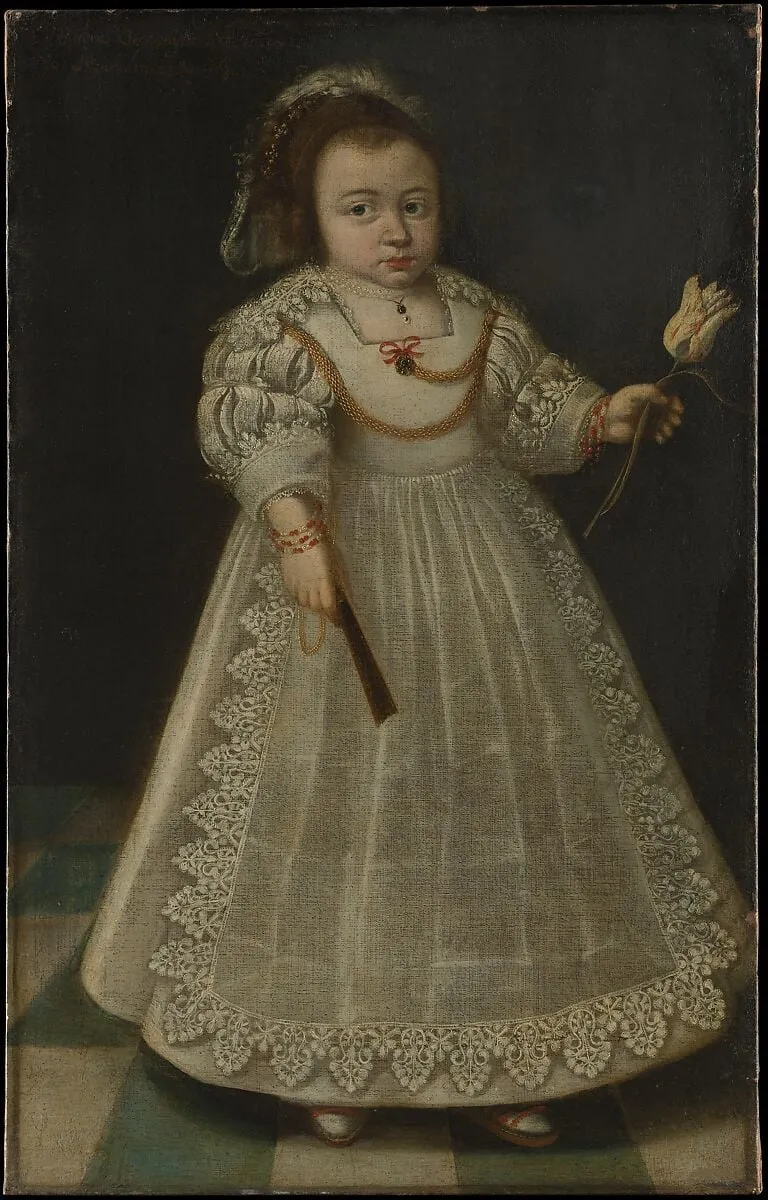
Sarra de Peyster is an oil painting. It dates from 1631 and is held in the collection of the Metropolitan Museum of Art.
- Accession no.
- 61.154
- Credit line
- Gift of Livingston L. Short and Anna Livingston Jones, 1961
About this work
A young girl in a dark dress rests her hand on a table, a simple bracelet at her wrist, the background plain and nearly black. Painted in 1631, it ranks among the earliest known oil paintings made in what is now the United States. The artist is unknown, yet the portrait feels personal.
Subject & Meaning
The 1631 portrait depicts a young girl, Sarra de Peyster, adorned with jewelry, specifically a bracelet.
The 1631 portrait depicts a young girl, Sarra de Peyster, adorned with jewelry, specifically a bracelet. She is also shown holding a tulip. In seventeenth-century portraiture, the inclusion of a tulip frequently carries symbolic weight, often alluding to the transience of youth and the brevity of life, reflecting the era's cultural fascination with vanitas themes.
The jewelry and bracelet serve a dual function: they emphasize the subject's social status and familial wealth while also acting as conventional attributes of portraiture. Together, these elements combine to represent both the specific identity of the girl and broader contemporary moral messages regarding the fleeting nature of beauty and material possessions.
Technique & Style
Executed in 1631, this anonymous portrait utilizes oil paint applied to a canvas support. The work measures approximately 97.2 by 61.3 centimeters. Stylistically, the composition focuses on a young girl, incorporating specific details such as jewelry and a bracelet to denote status or identity.
A tulip is also depicted within the frame, serving as a significant formal element alongside the figure. The piece is classified as a genre portrait and is currently held in the collection of the Metropolitan Museum of Art, specifically within its American Wing. The handling of the medium reflects early seventeenth-century portraiture conventions, emphasizing the subject's attire and accessories through the versatility of oil on canvas.
History & Provenance
The portrait of Sarra de Peyster is an anonymous oil-on‑canvas work dated to 1631. It belongs to the Metropolitan Museum of Art’s American Wing, where it is classified as a portrait. The painting’s provenance prior to its entry into the Met is not recorded in the available sources; the museum lists it as part of its collection without earlier owners.
No documentation of a commission survives, and the artist remains unidentified. The work’s date and medium are established by the object's catalog entry.
Overview
Sarra de Peyster is an oil on canvas portrait dating from 1631. This work holds significance as one of the earliest known examples of oil painting created within the geographical boundaries of the present-day United States. It captures a specific individual from a nascent colonial period, offering a rare visual record from an era predating photographic documentation. The artist remains unidentified.
Context
As an artwork from 1631, "Sarra de Peyster" offers insight into the visual culture of early North American settlements. Its creation highlights the role of painting in documenting individuals and families during an era when such representations were rare and highly valued. It is a foundational piece in the study of early American art, representing a nascent artistic tradition.
Artist & collection

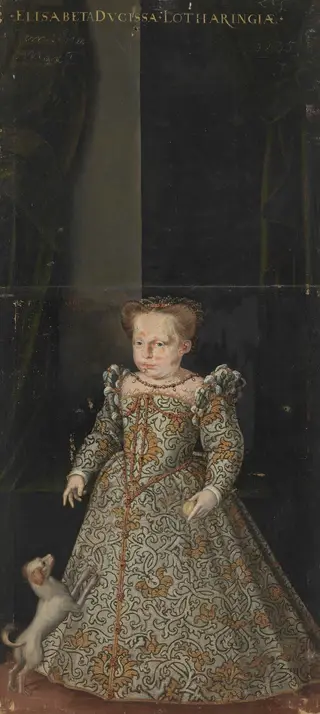
- Elisabeth Renata, Tochter Herzog Karls III. von Lothringen (1574-1635)
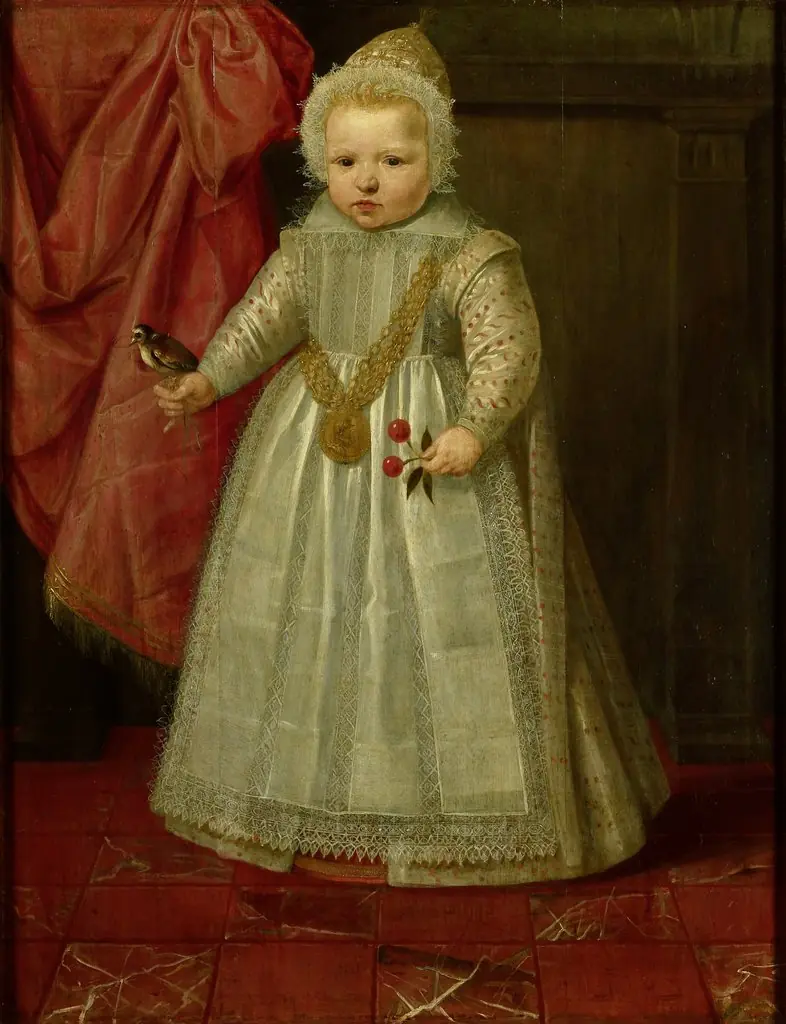 Portrait of a Boy, possibly Louis of Nassau, later Lord of Beverweerd, De Leck, Odijk and Lekkerkerk, Illegitimate Son of Maurice, Prince of Orange, and Margaretha van Mechelen
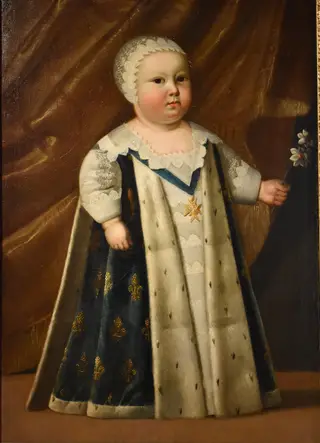 Louis XIV, King of France (1638-1715)
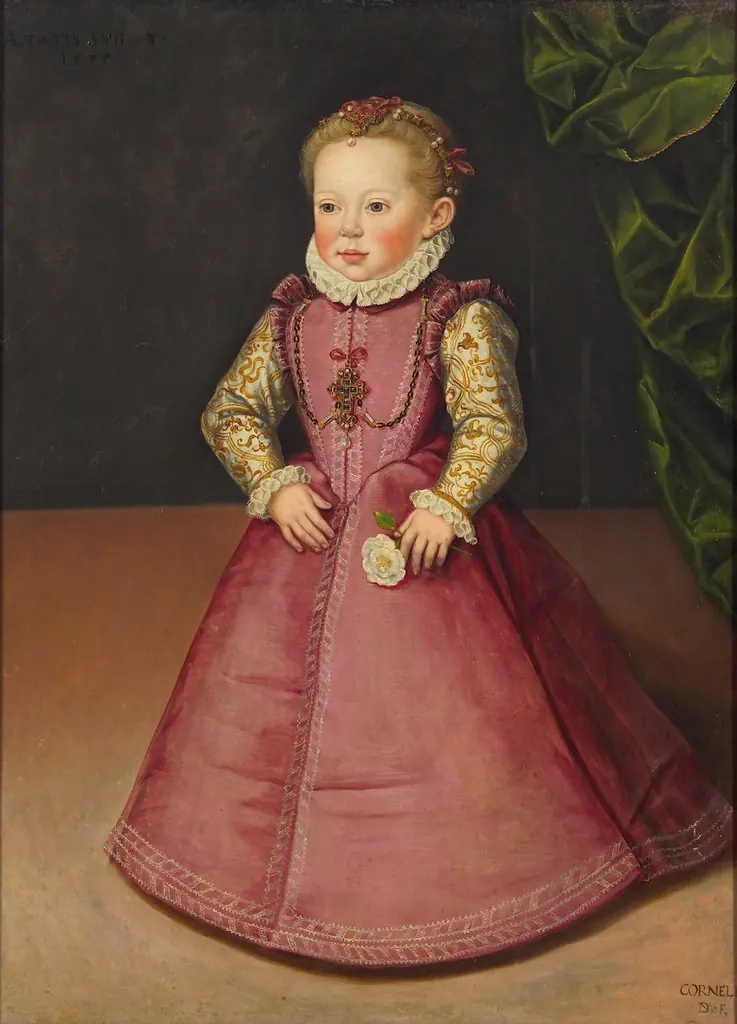 Erzherzogin Maria Christierna (1574-1621) im Alter von drei Jahren, in ganzer Figur
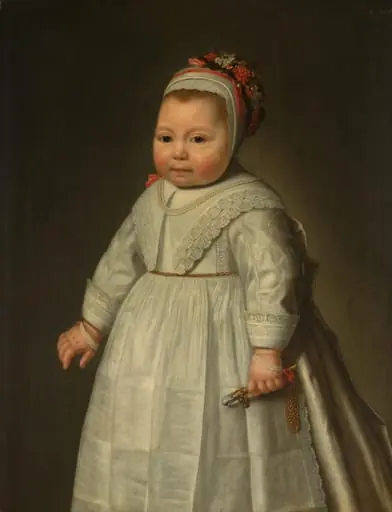 Portrait of Jacoba Bontemantel (1643-?)
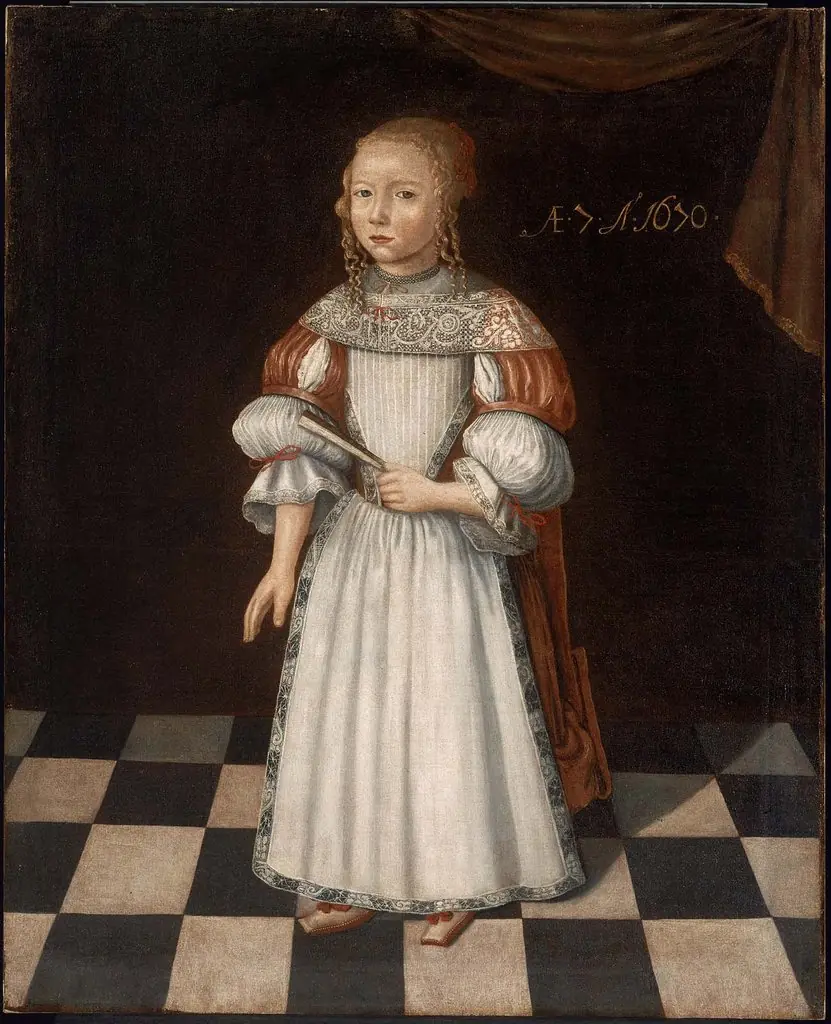 Margaret Gibbs
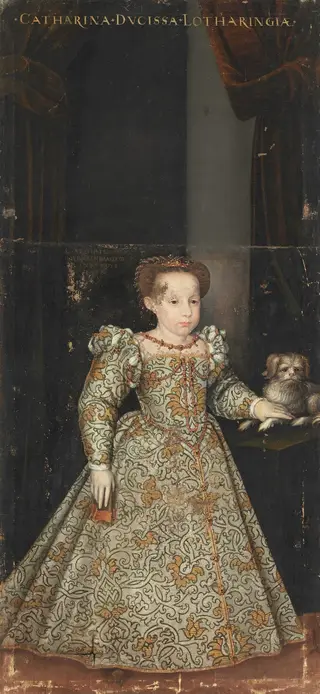 Katharina, Tochter Karls III. von Lothringen (1573-1648)
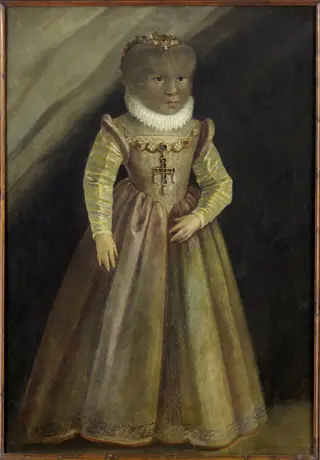 Portret van Madeleine González
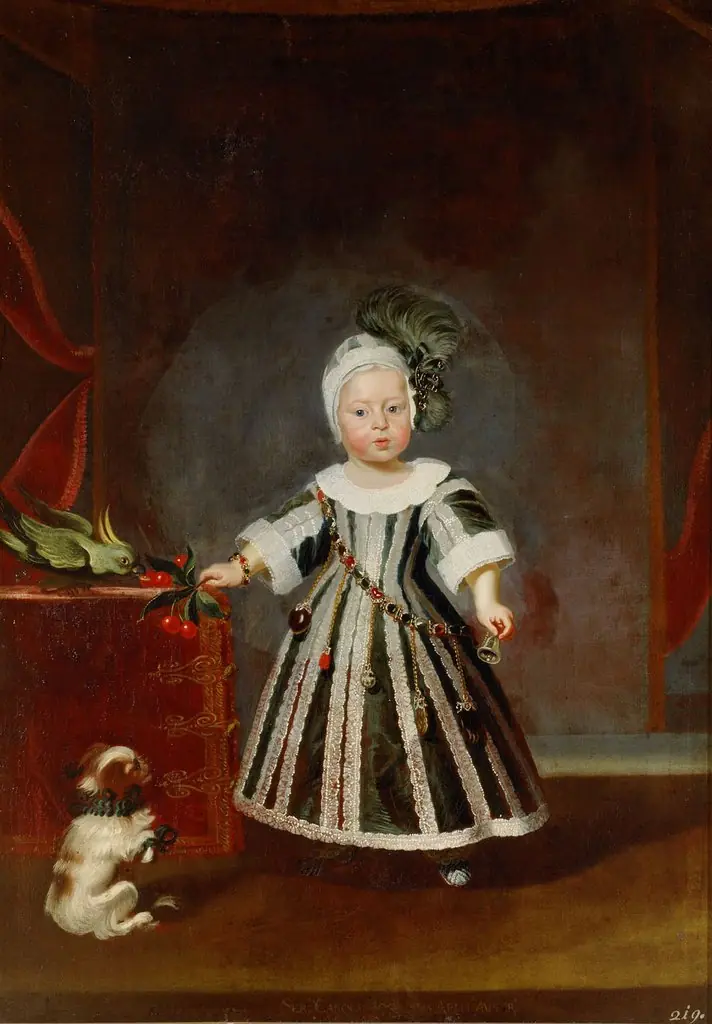 Portrait of Charles Joseph, Archduke of Austria (1745-1761)
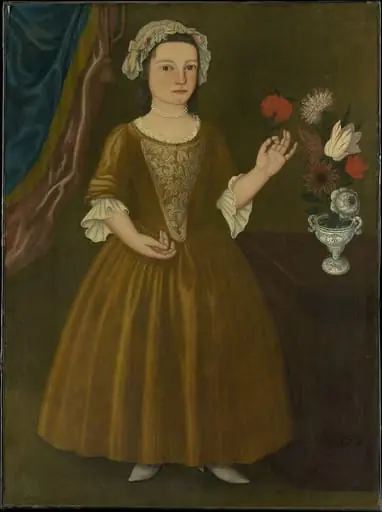 Catherina Elmendorf
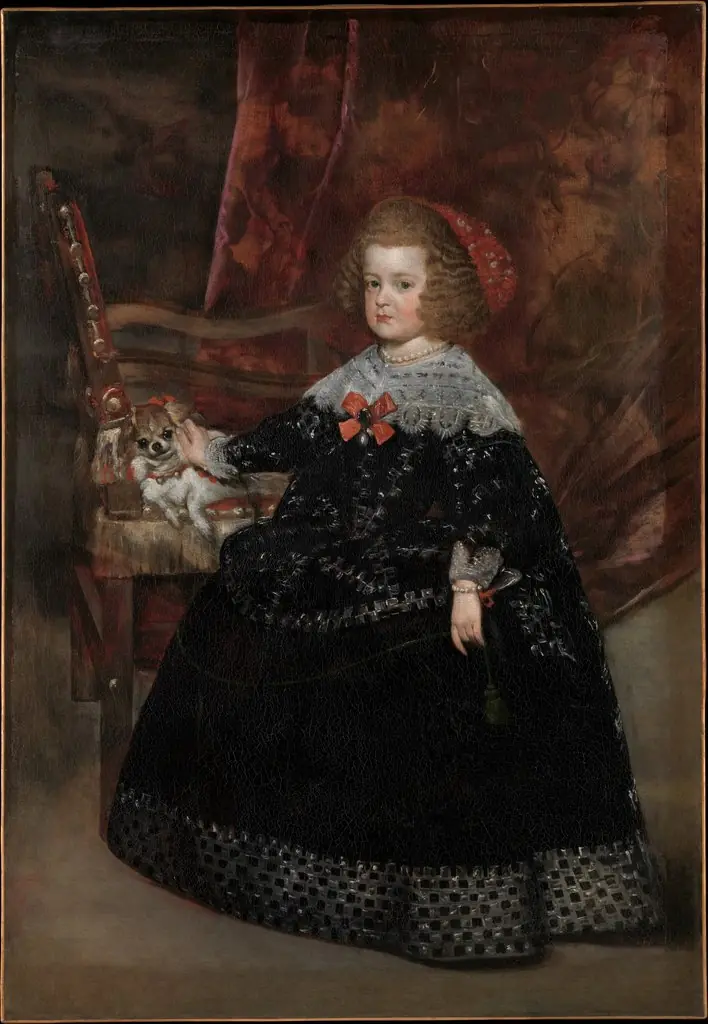 María Teresa (1638–1683), Infanta of Spain
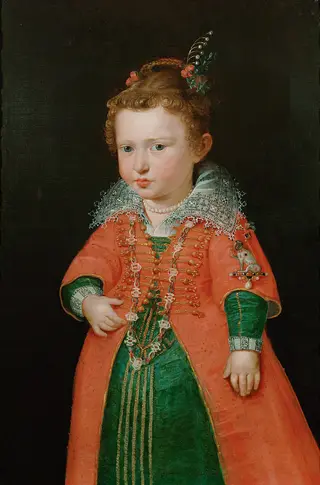 Eleonora Gonzaga (1598-1655), Empress, at the age of two, knee-length portrait