Artwork
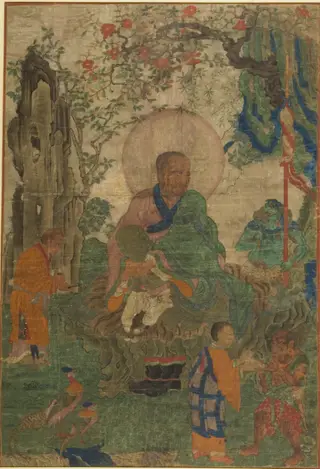
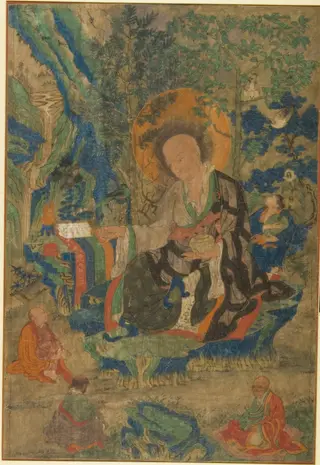
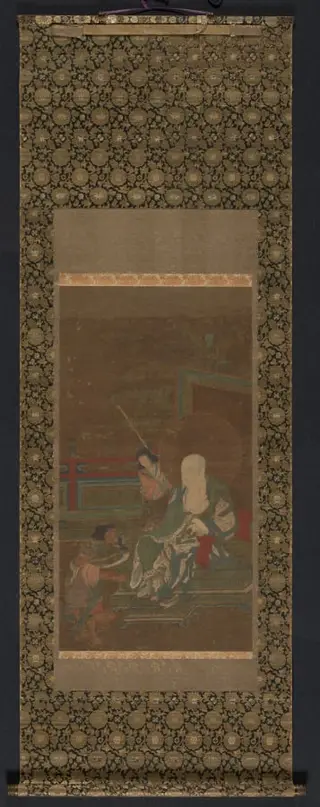
Seated Arhat with Two Attendants
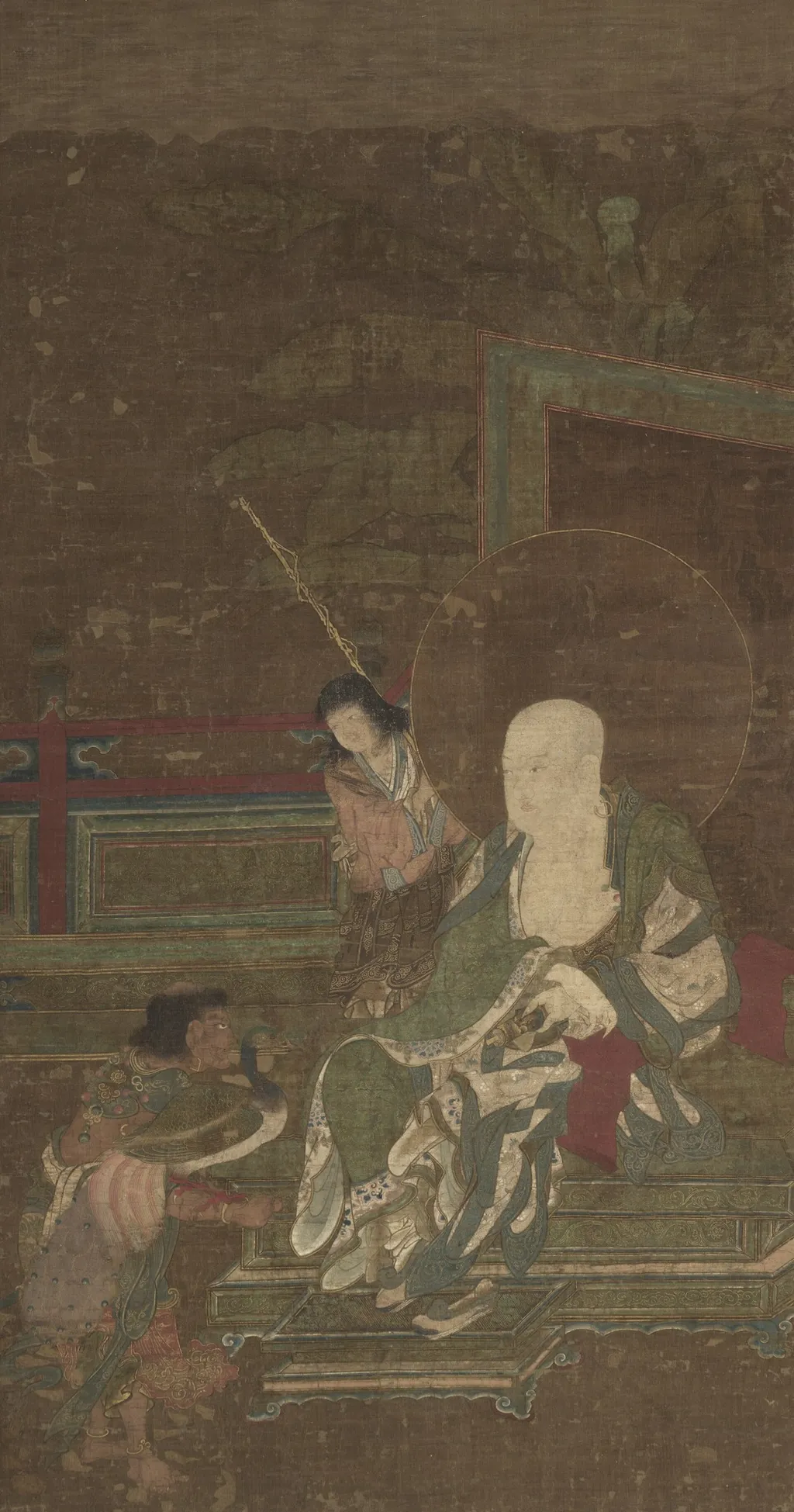
Seated Arhat with Two Attendants is an unspecified painting. It dates from 1294 and is held in the collection of the Cleveland Museum of Art.
About this work
Subject & Meaning
Executed in 1294 in China, the piece was later acquired by the Cleveland Museum of Art.
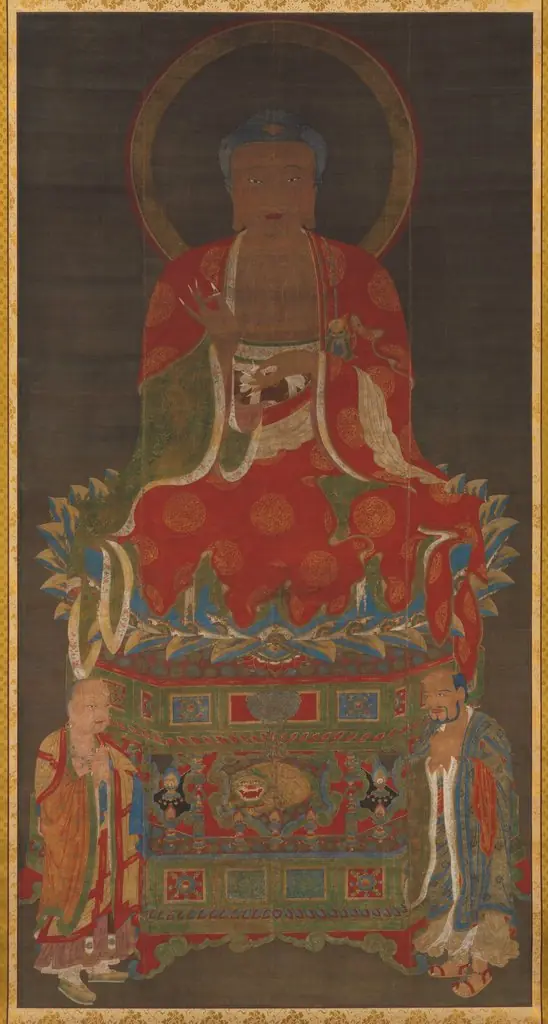
The painting titled "Seated Arhat with Two Attendants" portrays a senior Buddhist monk seated and flanked by two accompanying figures, a composition within the broader tradition of Chinese Buddhist religious art. The work's iconography centers on the arhat, a revered ascetic embodying spiritual attainment, while the presence of attendants underscores a devotional narrative typical of Yuan-era religious paintings. Executed in 1294 in China, the piece was later acquired by the Cleveland Museum of Art.
Its subject matter and stylistic context reflect the devotional emphasis of the period, using the figure of the arhat to convey themes of wisdom and monastic authority.
History & Provenance
Created in China in 1294, this religious painting is attributed to an unknown artist. Titled Seated Arhat with Two Attendants, it entered the collection of the Cleveland Museum of Art, where it is catalogued under accession number 1976.91. No specific details regarding its original commission, earlier ownership history, or the circumstances of its acquisition by the museum are documented in the available records.
The work is classified as a religious painting, and no exhibition history beyond its presence in the museum's holdings is recorded.
Overview
This painting, titled Seated Arhat with Two Attendants, presents a central figure enthroned on a raised platform, flanked by two smaller figures. The composition emphasizes a sense of spiritual calm and reverence. The artwork offers insights into the visual traditions of its period, characterized by a focused depiction of religious or meditative subjects.
Technique & Style
The artist employs a distinct color palette to highlight the figures. The central Arhat and attendants are rendered in vibrant hues, particularly their robes, which stand out against a darker, more subdued background. This contrast enhances the visual prominence of the sacred figures and contributes to the overall tranquil and meditative quality of the painting.
Artist & collection