Subject
Monk
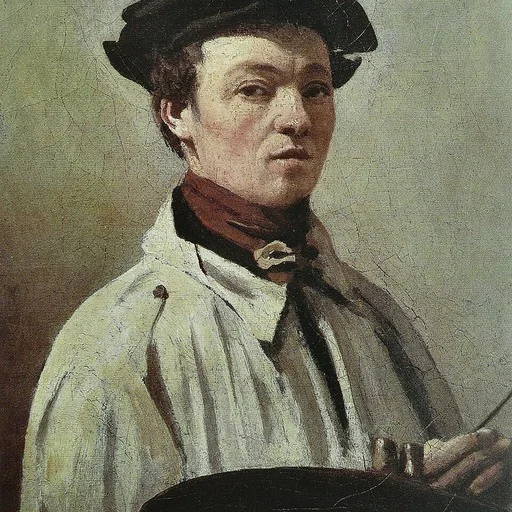
Monk is a subject in art. The gallery holds 77 works in this subject in art, including works by Jean Baptiste Camille Corot, Édouard Manet and Petrus Christus.
In Christian usage a monk is a man who withdraws from ordinary society to live under vows—typically poverty, chastity, and obedience—within a monastery, devoting his days to prayer, labour, and contemplation. The word descends from the Greek monachos, "solitary," by way of the Latin monachus. From the rise of communal monasticism in the late Roman world and its flowering under the Benedictine, Carthusian, Franciscan, Dominican, and Hieronymite orders, monks became both the makers and the subjects of European art. Monasteries were centres of manuscript illumination and patronage, and by the fourteenth century portrait-like images of individual monks and nuns—often paired with coats of arms and patron saints—begin to appear in illuminated service books.
As a pictorial subject the monk took shape largely through the lives of monastic saints. Giotto's fresco cycle in the Upper Church of San Francesco at Assisi (c. 1290s–1300s), traditionally read as twenty-eight scenes from the life of Saint Francis, gave the founder of the friars a vivid, three-dimensional humanity that broke with flat Byzantine convention. A century later the Dominican friar Fra Angelico (born Guido di Piero, c. 1395–1455) frescoed the cells and corridors of the convent of San Marco in Florence (c. 1438–45), images conceived not for display but to nourish the friars' own meditation.
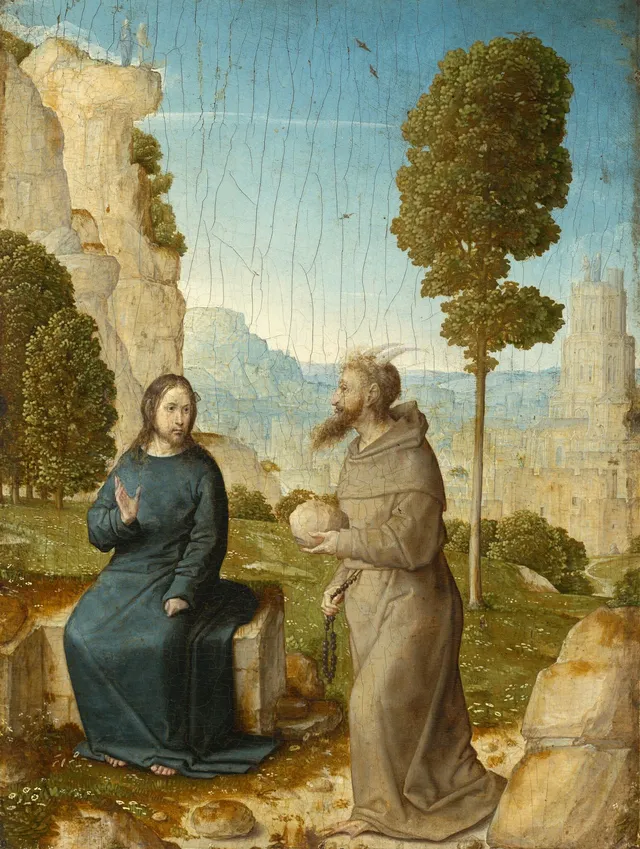
The definitive "painter of monks" is the Spaniard Francisco de Zurbarán (1598–1664). For Carthusian, Mercedarian, and Hieronymite houses he painted friars of unparalleled gravity—luminous white habits modelled against deep shadow in the tenebrist manner, as in St Hugh in the Refectory of the Carthusians. The catalogue's own holdings show the monk in varied roles: the cowled figures in Hieronymus Bosch's satirical Cutting the Stone, the kneeling donor of Sebastiano del Piombo's Madonna and Child with Saints and Donors, and Juan de Flandes's Temptation of Christ.
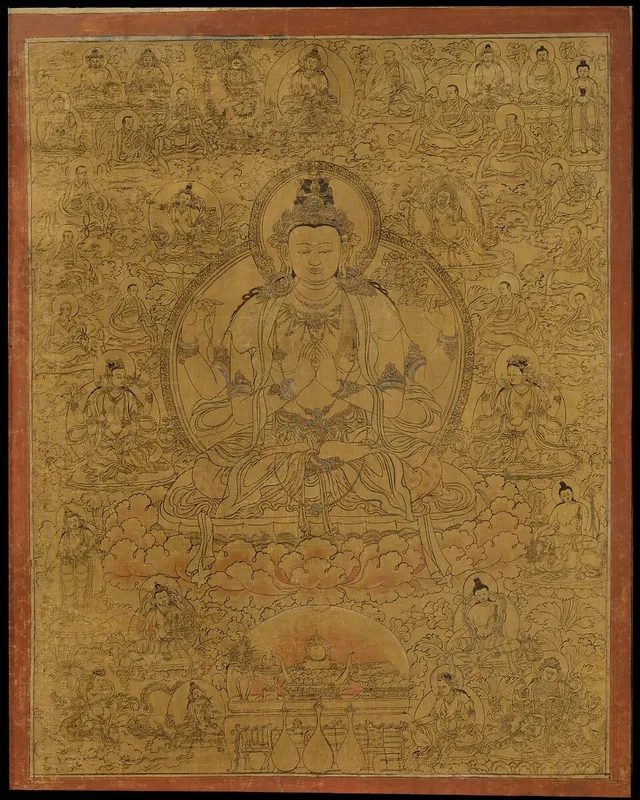
The theme is not exclusively Western. In East Asian Buddhism, painters such as Guanxiu (832–912) established the iconic image of the arhat (Chinese luohan), the Buddha's awakened disciple, while Chan and Zen monasteries developed chinsō, formal seated portraits of masters transmitted to pupils as proof of an unbroken lineage—a tradition reflected in the catalogue's Shaka triad with its sixteen benevolent deities.
Key artists

Overview
A monk is a man who belongs to a religious order and lives in a monastery, devoting his life to prayer and contemplation. The term derives from the Greek monachos, meaning 'single' or 'solitary,' which in turn comes from monos, 'alone.' While the concept is most commonly associated with Christianity, monasticism appears across numerous religions and cultures, including Buddhism, Jainism, Hinduism, and Daoism. The figure of the monk has proven exceptionally durable in visual art, appearing in at least 90 works in the collection under discussion, ranging from medieval stone sculpture to East Asian bronze figures and Renaissance devotional panels. Artists have returned to the monk repeatedly not merely as a record of religious practice, but as a vehicle for exploring themes of withdrawal, spiritual discipline, and the tension between worldly and transcendent existence.
Iconography & meaning
The iconography of the monk varies considerably by religious tradition, though certain visual conventions recur. In Christian art, the monk is typically identified by his habit, a long tunic often accompanied by a scapular or cowl, with specific colors and cuts distinguishing orders, Benedictine black from Cistercian white, for example. Attributes may include a book, rosary, or crucifix, signaling the vita contemplativa, the contemplative life devoted to prayer and study. The contrast between the active and contemplative lives, derived from classical philosophy and given Christian form by figures such as Clement of Alexandria and Origen, provides a fundamental structuring binary in Western depictions. Buddhist monks are identified by their robes, alms bowl, and shaved head, with Chinese monks sometimes shown with incense-burn scars on the scalp or forearm as signs of ordination. In Mahayana and Vajrayana contexts, monks may appear alongside bodhisattvas or protective deities. Across traditions, the monk embodies renunciation, whether of worldly goods, sexual relations, or social status, making the figure a potent symbol of spiritual aspiration and, paradoxically, of institutional power.
In the collection
The collection contains 90 works depicting monks, representing considerable diversity in medium, period, and cultural origin. Notable examples include a 15th-century French stone sculpture of a monk from Burgundy, measuring 65.1 by 35.6 by 20.6 centimeters, acquired by the Metropolitan Museum of Art as a gift from J. Pierpont Morgan in 1917. This work exemplifies the medieval European tradition of sculptural portraiture of monastic figures. From East Asia, an early 7th to early 10th century Chinese bronze monk, 13.5 centimeters in height, entered the Arthur M. Sackler Collection through the bequest of Dr. Paul Singer and was formally accessioned in 2012. The collection also encompasses narrative and devotional works: The Temptation of Christ, in which monks or hermits may appear as attendant figures; a Portrait of an Olivetan Monk; a Portrait of a Carthusian; and the Buddhist devotional image Shaka (Shakyamuni), the Historical Buddha, with Two Attendant Bodhisattvas and Sixteen Benevolent Deities. Other works include Hieronymus Bosch's Cutting the Stone, where monastic or hermit figures may appear in satirical or allegorical guise, and several untitled works. The range suggests that the collection approaches the monk not as a single fixed type but as a motif that adapts to local religious and artistic contexts.
Across movements & periods
The treatment of the monk in art has shifted markedly across periods and cultures. In early Christian Egypt, Saint Anthony (circa 251-356) established the model of the desert hermit, anachoritic withdrawal that inspired both textual and visual hagiography. By the fourth century, monachos had become the standard term for Christian ascetics, and monastic communities began to proliferate in Gaul, with Saint Martin founding the hermitage of Liguge in 360 and later Marmoutier near Tours. The medieval period in Europe saw the monk become a staple of both devotional and donor portraiture, as well as a figure of satire in marginal manuscript illumination. The Renaissance brought renewed naturalism to monastic portraiture, as seen in works such as the Portrait of a Carthusian, while the Reformation temporarily suppressed monastic imagery in Protestant regions, a suppression that began to reverse only in the second half of the twentieth century. In East Asia, Chinese Buddhist monks became associated with martial arts through the Shaolin tradition, an association that entered popular visual culture through film and that has no counterpart in Theravada or Tibetan Buddhist artistic traditions. The 16th-century Automaton of a Friar, possibly made by Juanelo Turriano at the court of Charles V, represents a striking technological engagement with the monastic figure: a key-wound iron clockwork in a wooden body that walks, strikes its chest in mea culpa, and raises a rosary to its lips. This object blurs the boundary between devotional image, courtly entertainment, and mechanical ingenuity.
Notable depictions
Several works in and beyond the collection stand out as particularly significant. The 15th-century French stone Monk from Burgundy, now at the Metropolitan Museum of Art, offers a rare surviving example of late medieval sculptural portraiture of a monastic figure, its naturalistic treatment suggesting both individual identity and typological religious significance. The Chinese bronze Monk of the early 7th to early 10th century, in the Arthur M. Sackler Collection, demonstrates the long continuity of Buddhist monastic imagery in China, its modest scale consistent with personal devotional use. Hieronymus Bosch's Cutting the Stone, known also as The Extraction of the Stone of Madness, includes monastic or hermit figures in a satirical context, using the figure of the monk to comment on folly and credulity. The 16th-century Automaton of a Friar, attributed with uncertainty to Juanelo Turriano, is exceptional as a mechanical rather than purely representational work; its possible identification as a likeness of Saint Diego of Alcala adds hagiographic resonance to its technological achievement. The Portrait of an Olivetan Monk and the Portrait of a Carthusian represent the Northern European tradition of individualized monastic portraiture, in which specific orders and even specific sitters could be identified through habit and attribute.
Legacy
The monk has remained a resilient and adaptable figure in visual culture long after the historical peak of monastic institutions. In Buddhism, the monk continues to occupy a central role in public religious life, particularly in Theravada countries where temporary ordination remains a common rite of passage; in Thailand alone, approximately 200,000 monks live in monastic communities, with numbers swelling to 300,000 during certain seasonal periods. The association of Chinese Buddhist monks with martial arts, centered on the Shaolin Monastery and linked to the legendary figure of Bodhidharma, has proven especially durable in global popular culture, though scholars dispute the historical basis for this connection. In the West, the Protestant rejection of monasticism during the Reformation led to the suppression or destruction of countless images of monks and nuns, yet the figure persisted in art as a symbol of spiritual aspiration, and Protestant denominations have increasingly rediscovered monastic dimensions of Christianity since the mid-twentieth century. The Caribbean monk seal (Monachus tropicalis), declared extinct in 2008 with the last confirmed sighting in 1952, offers a cautionary counterpoint: named for the monk by virtue of its folded skin resembling a cowl, this species has been largely erased from public memory, its museum specimens languishing in storage rather than achieving the iconic status of other extinct animals. The contrast between the cultural afterlife of the human monk and the biological extinction of the animal named in his image suggests how powerfully the figure of the monk has shaped Western imagination, even as actual monastic practice has declined in many regions.
Works
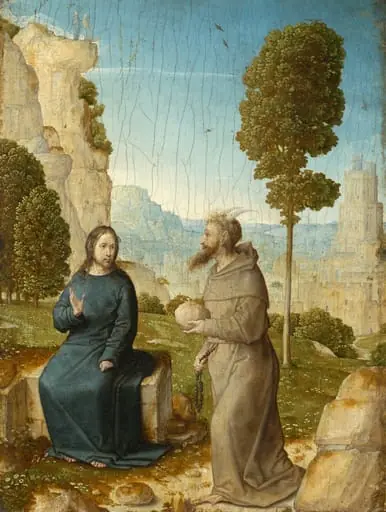 The Temptation of Christ
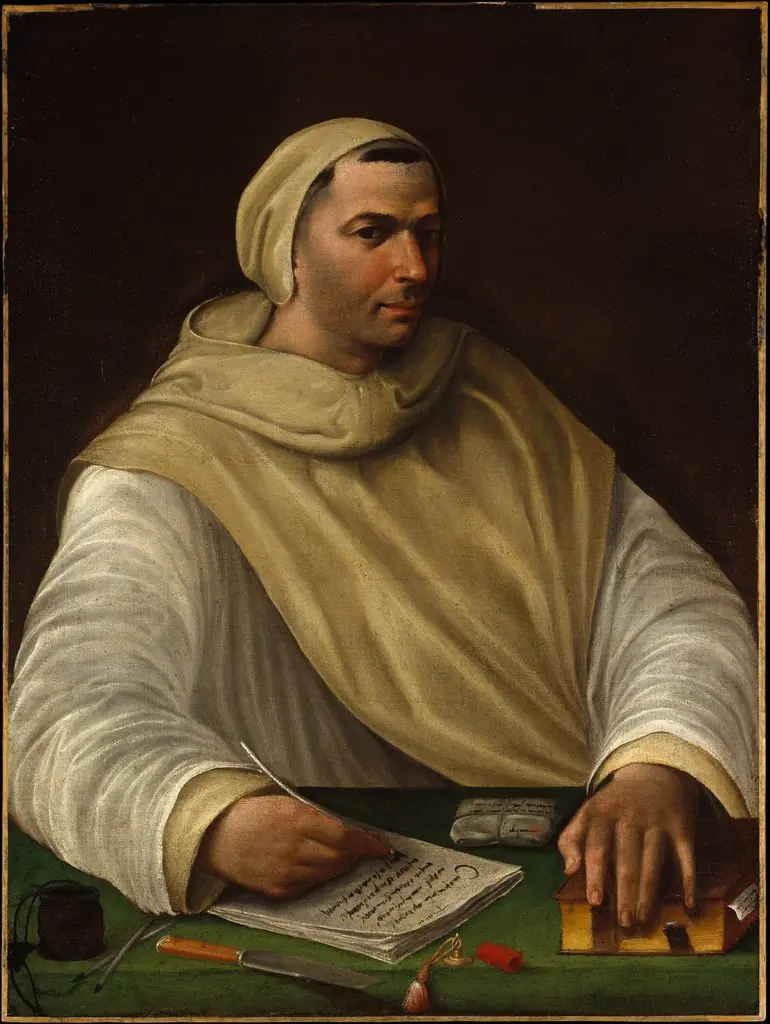 Portrait of an Olivetan Monk
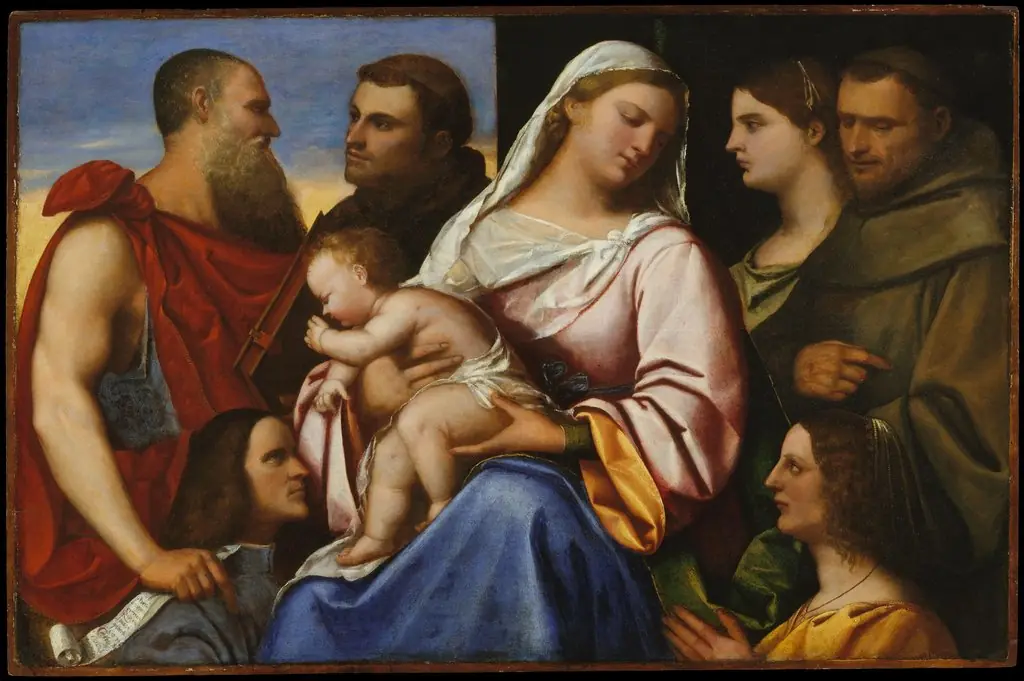 Madonna and Child with Saints and Donors
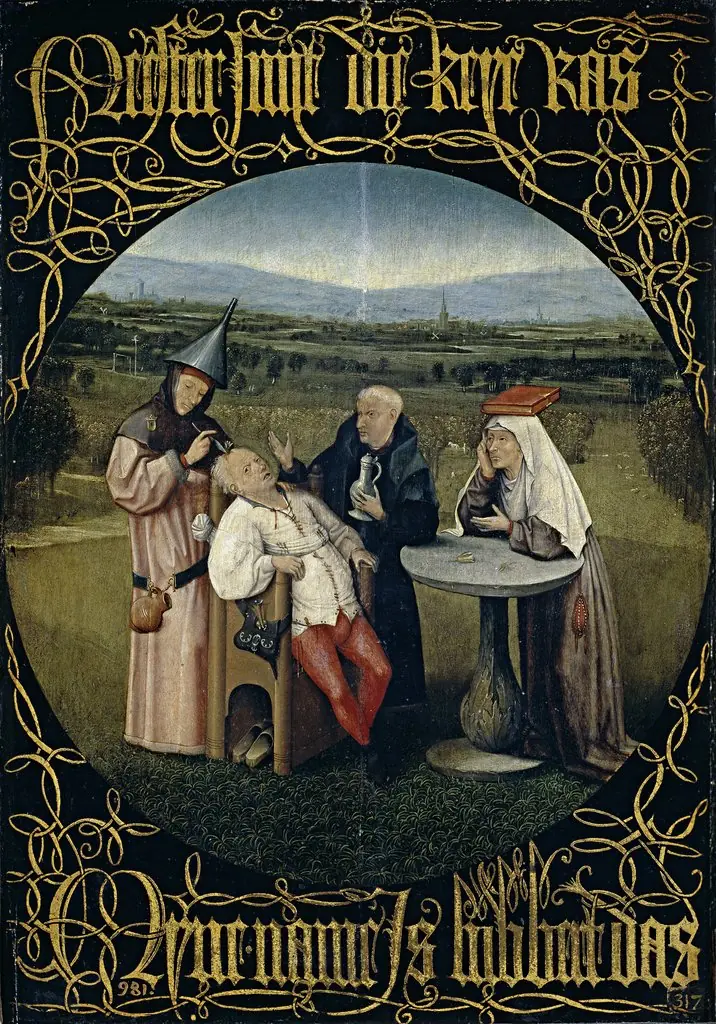 Cutting the Stone
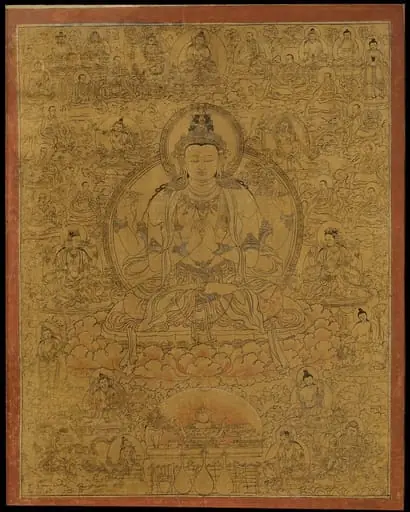 Untitled
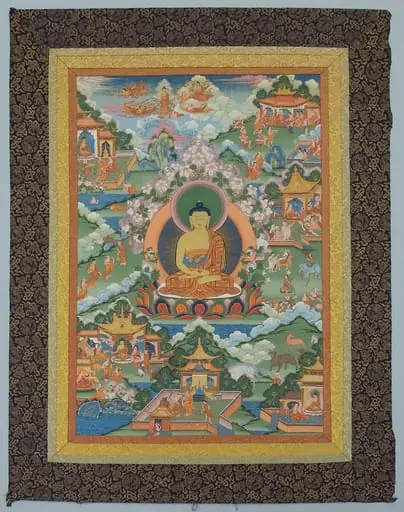
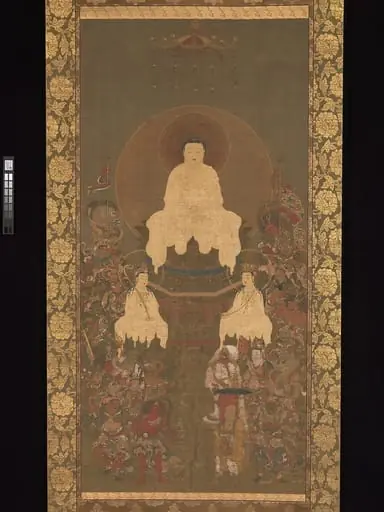 釈迦三尊十六善神像|Shaka (Shakyamuni), the Historical Buddha, with Two Attendant Bodhisattvas and Sixteen Benevolent Deities
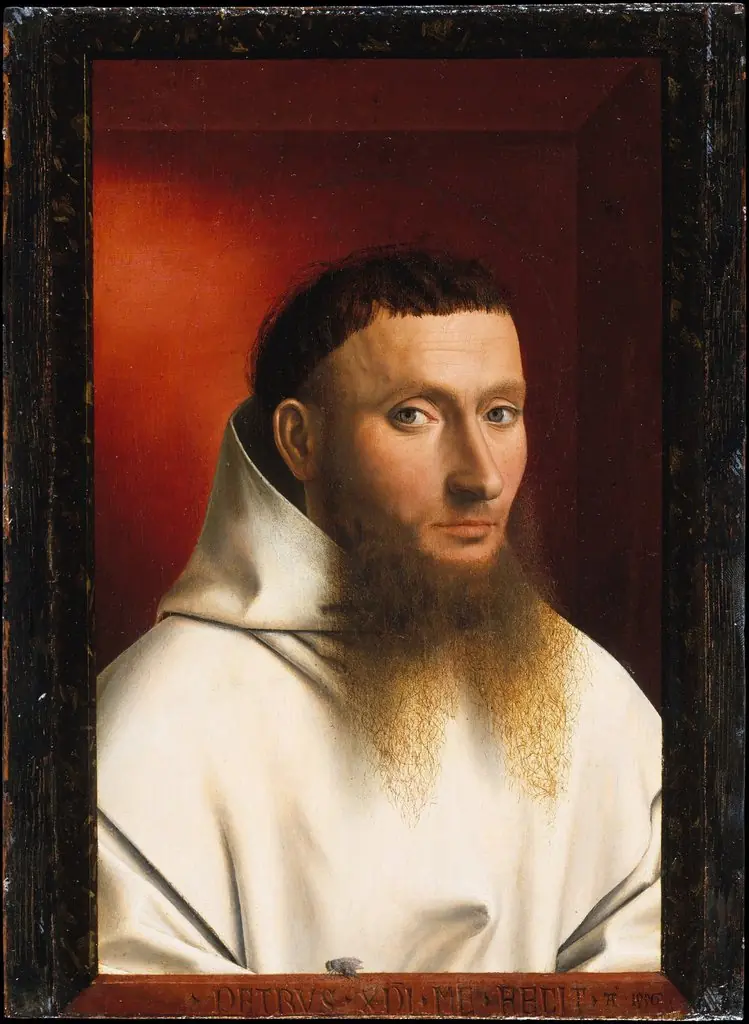 Portrait of a Carthusian
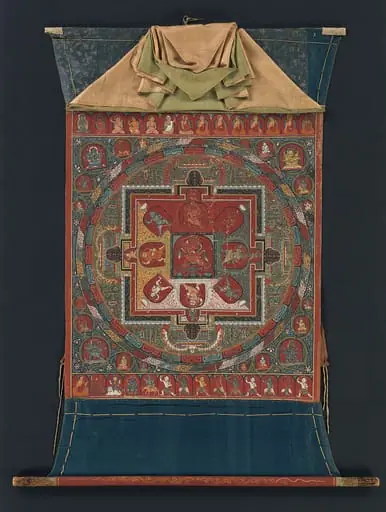 Untitled
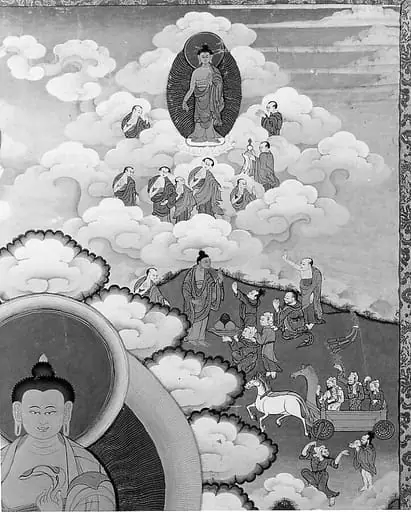 Untitled
 Untitled
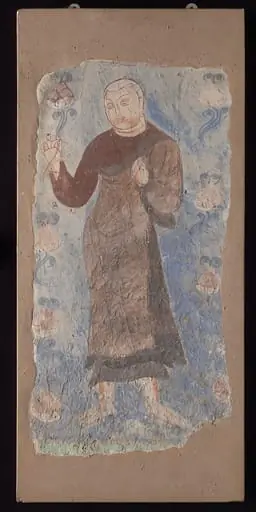 Untitled
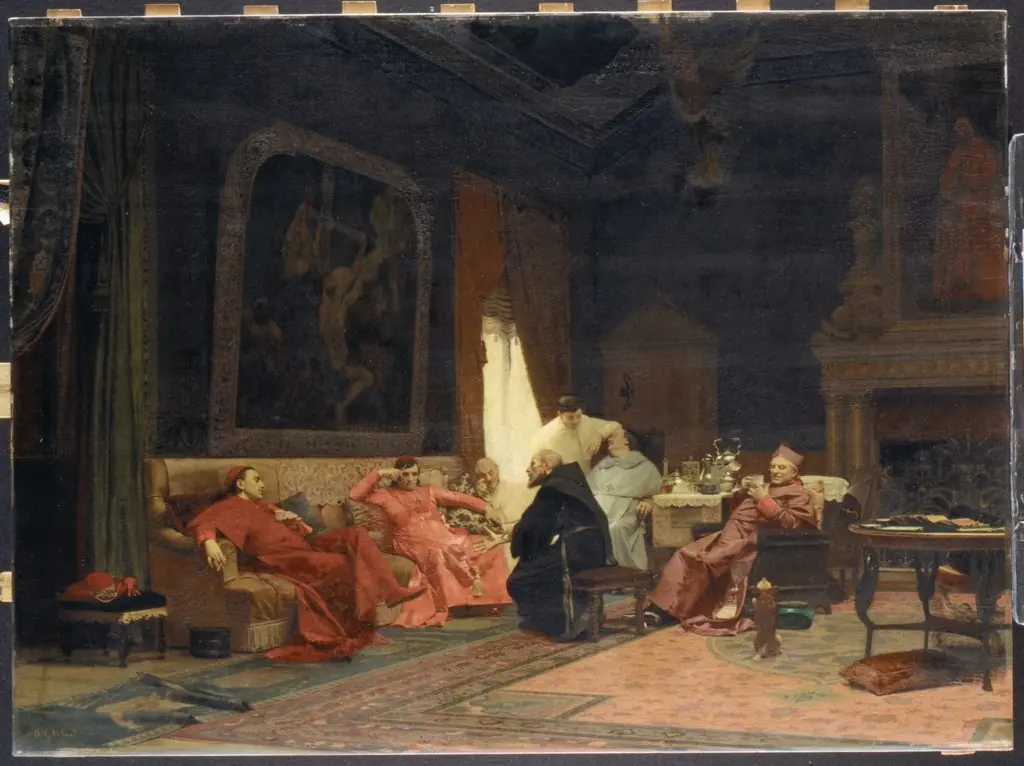 The Missionary's Adventures
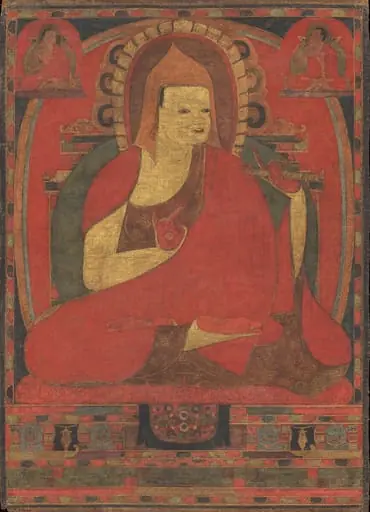 Untitled
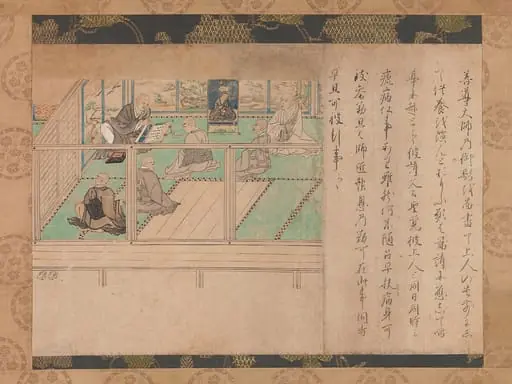 拾遺古徳伝絵断簡|Illustrated Biography of Hōnen (Shūikotokūden-e)
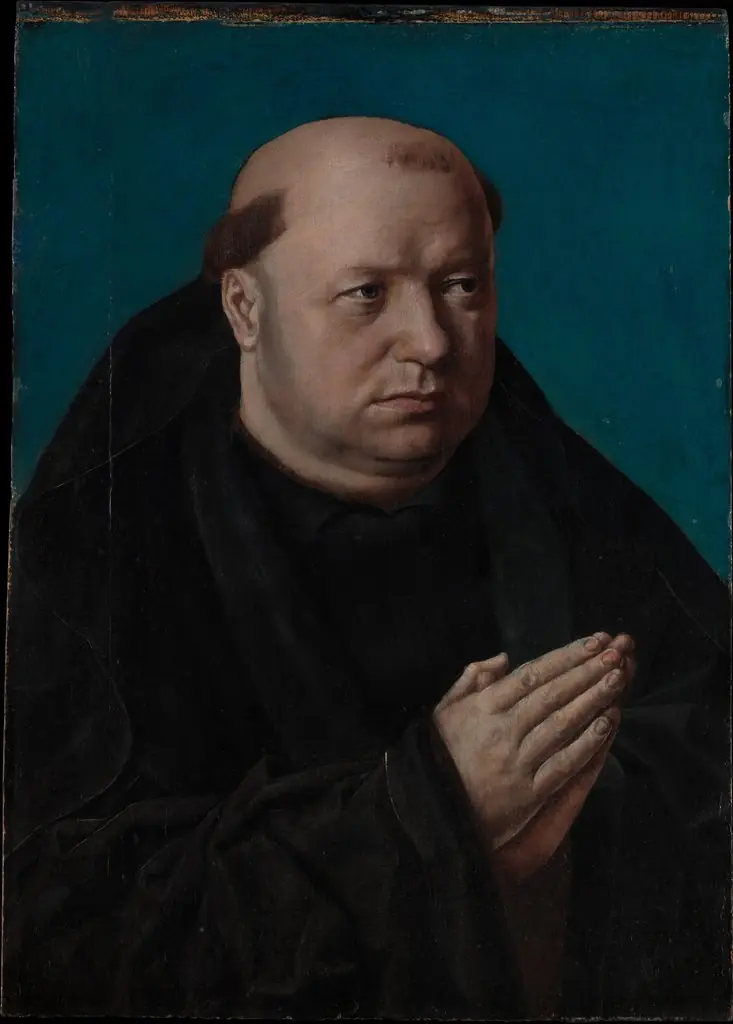 Portrait of a Monk in Prayer
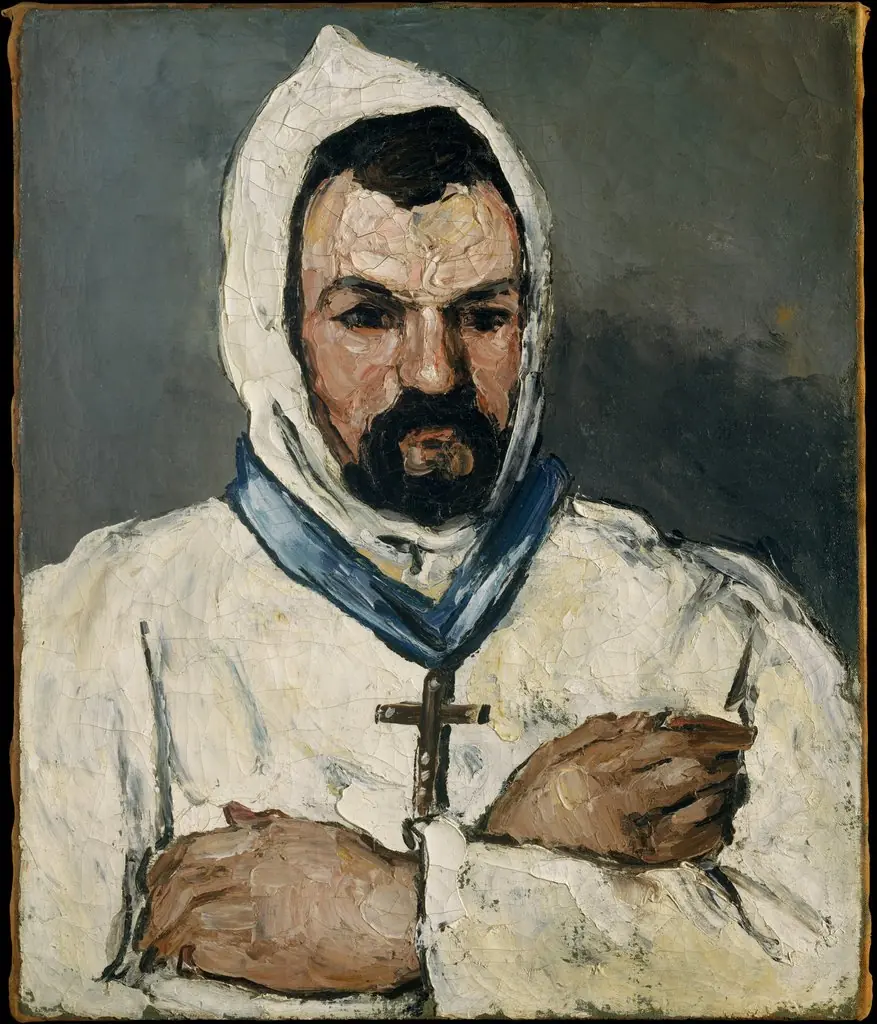 Portrait d'un moine (Monk's Portrait)
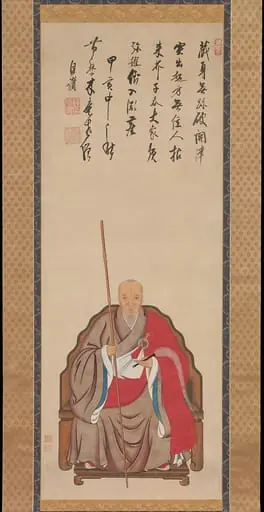 Untitled
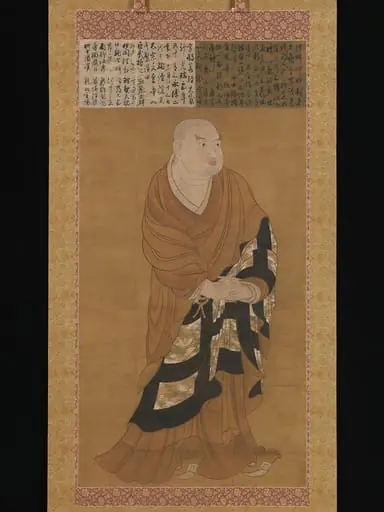 慈恩大師像|Portrait of Jion Daishi (Guiji)
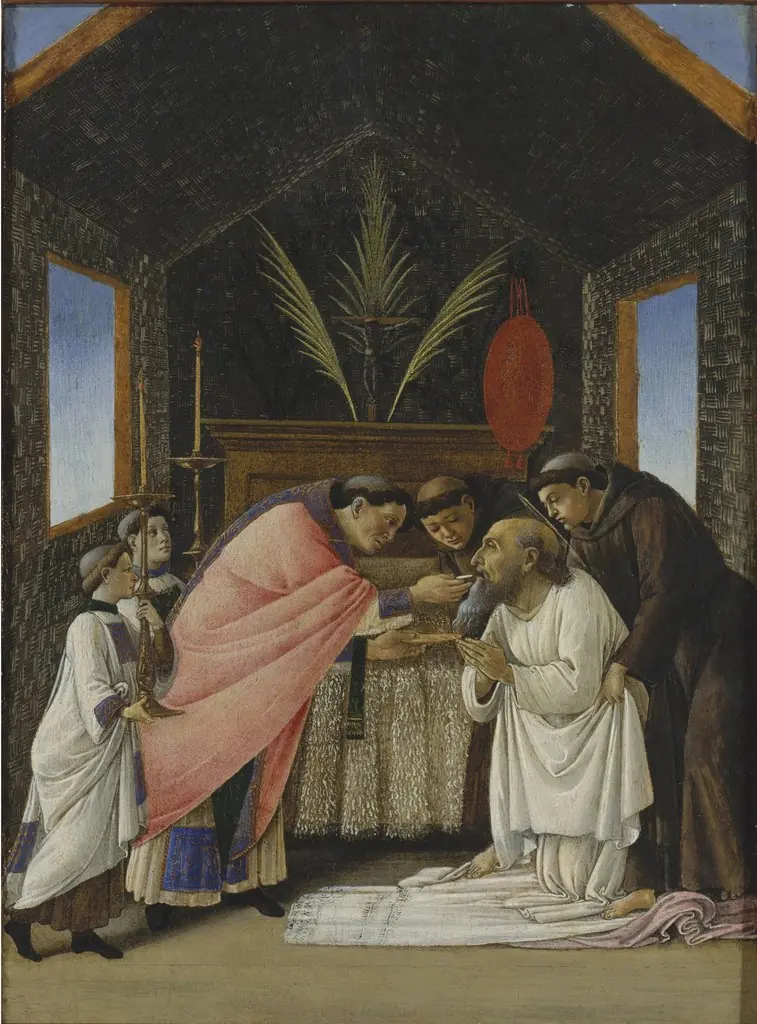 The Last Communion of Saint Jerome
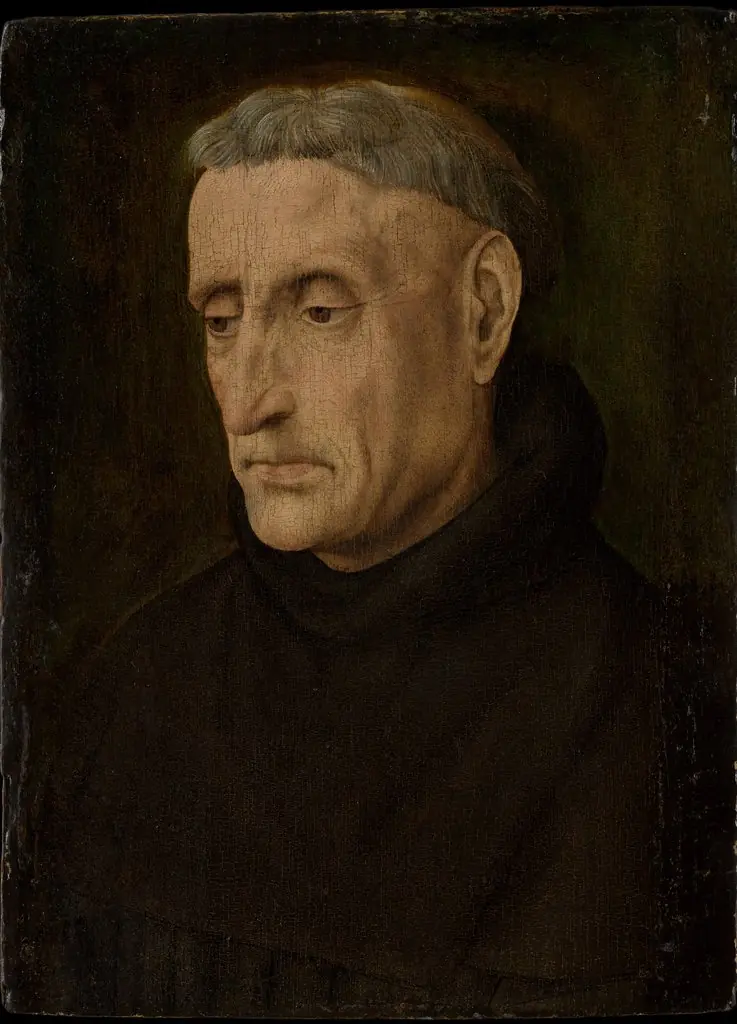 A Benedictine Monk
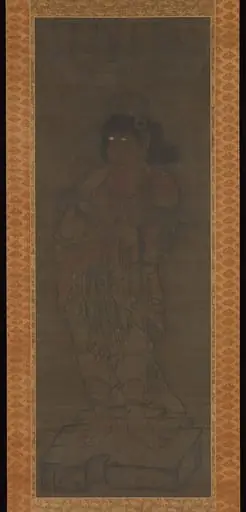 衿羯羅童子像 |Kongara-doji
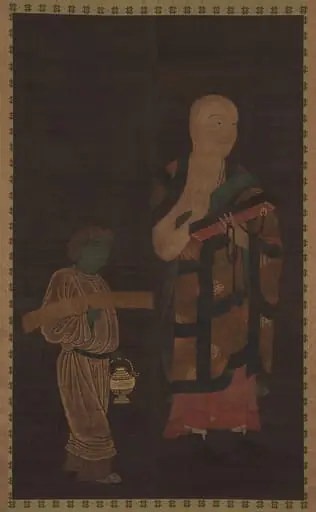 伝春日基光筆 玄奘三蔵像|Portrait of Xuanzang (Genjō) with Attendant
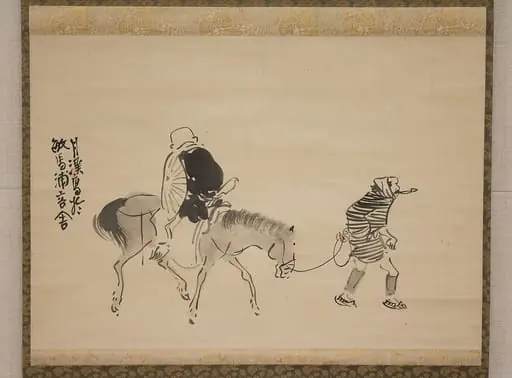 蓮生法師図|Monk Renshō Riding His Horse Backwards
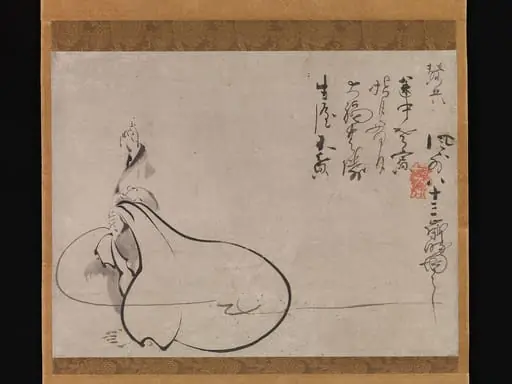 風外慧薫筆 指月布袋図|Hotei Pointing at the Moon
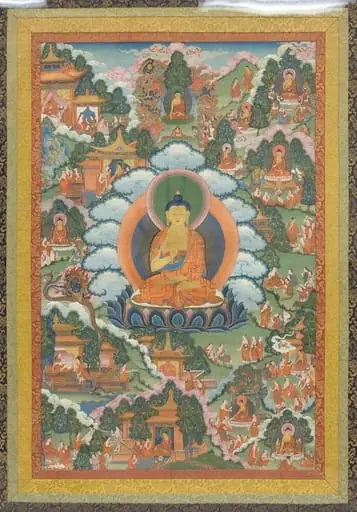 Untitled
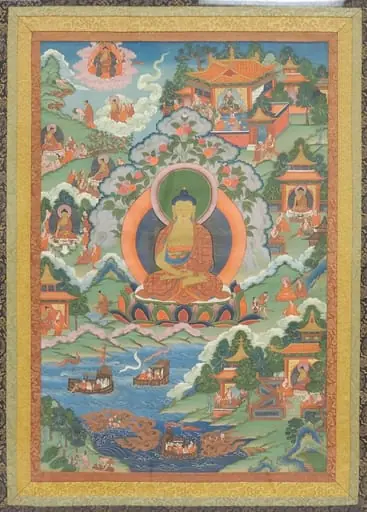 Untitled
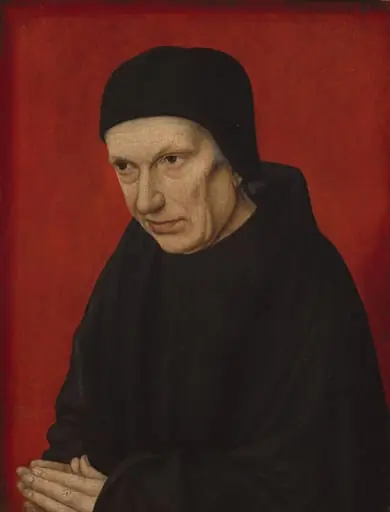 Portrait of an Ecclesiastic
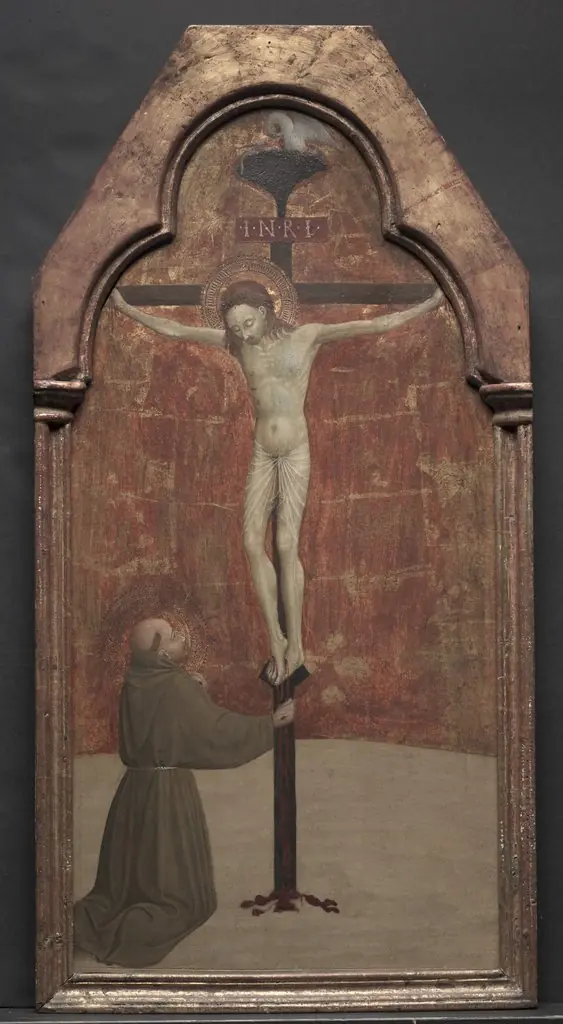 St. Francis Kneeling before Christ on the Cross
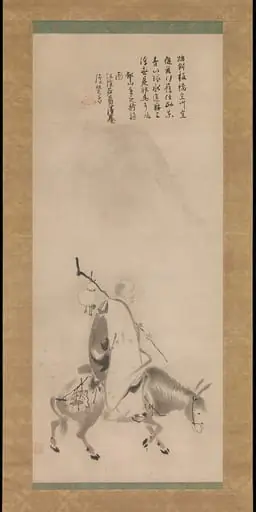 狩野内膳筆 沢庵宗彭賛 政黄牛・郁山主図|Zheng Huangniu and Yushanzhu
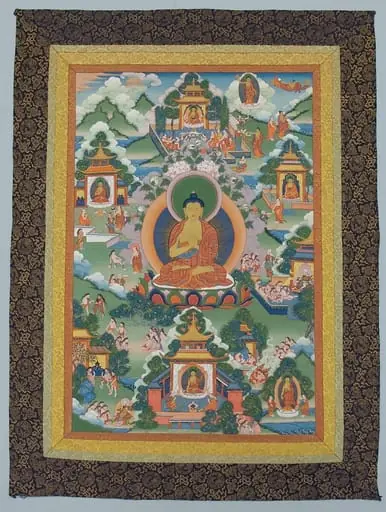 Untitled
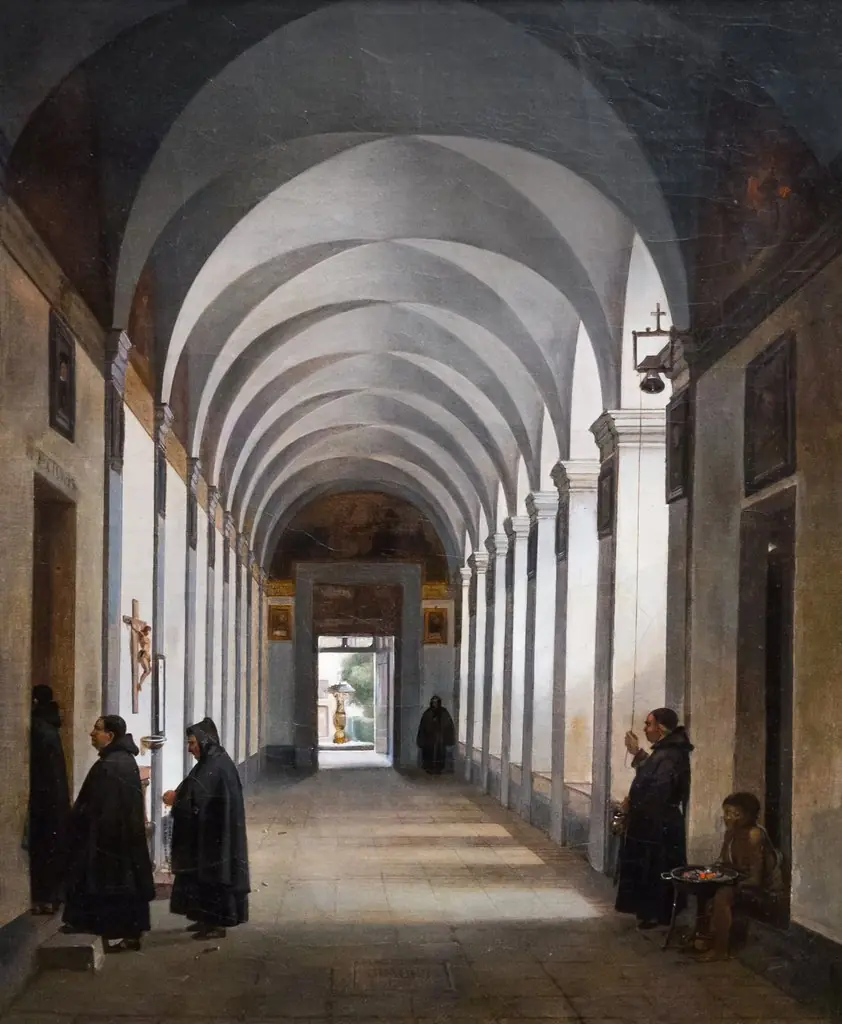 Monks in the Cloister of the Church of Gesù e Maria, Rome
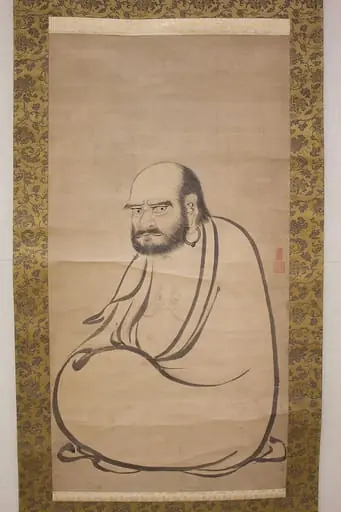 達磨図 (Daruma zu)|Bodhidharma (Daruma)
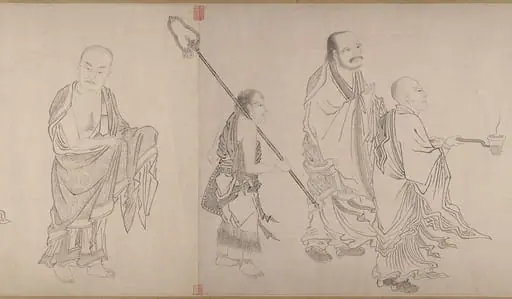 明 傳仇英 十六羅漢圖 卷|The Sixteen Luohans
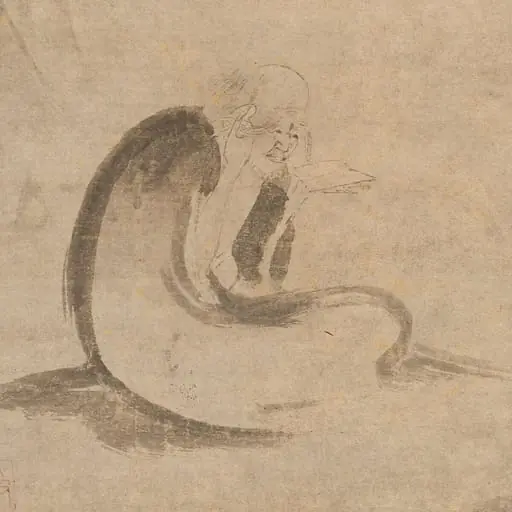 元 佚名 玉谿思珉題贊 對月圖 軸|Reading a Sutra by Moonlight
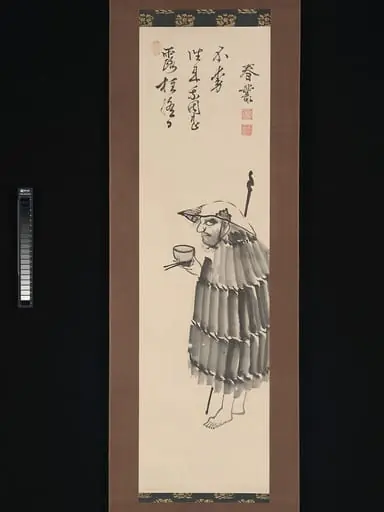 Untitled
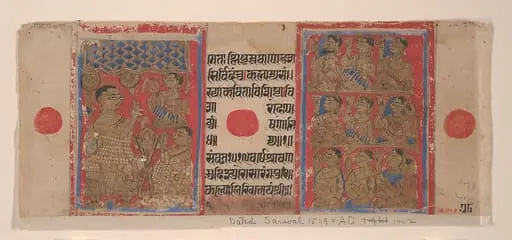 Untitled
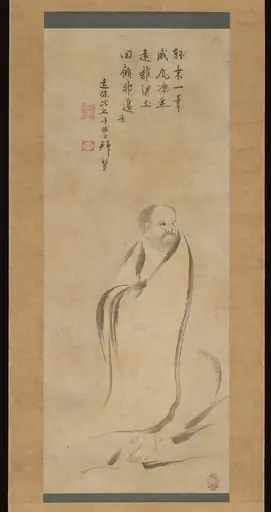 芦葉達磨図 (Royō Daruma zu)|Bodhidharma Crossing the Yangzi River on a Reed
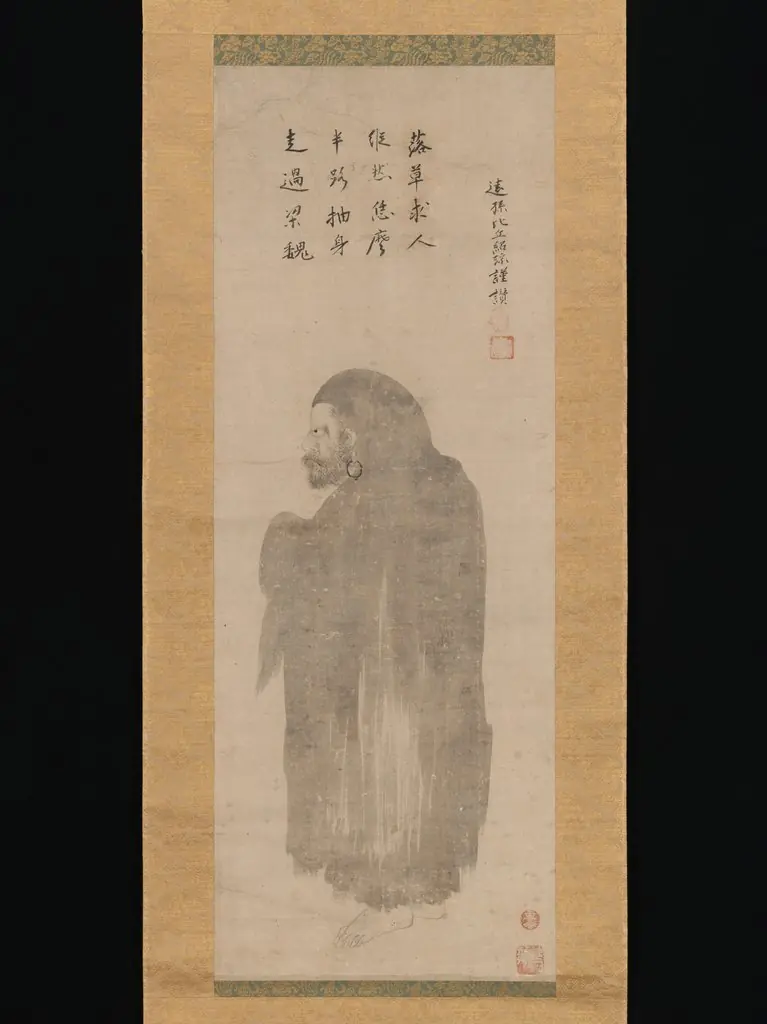 Bodhidharma
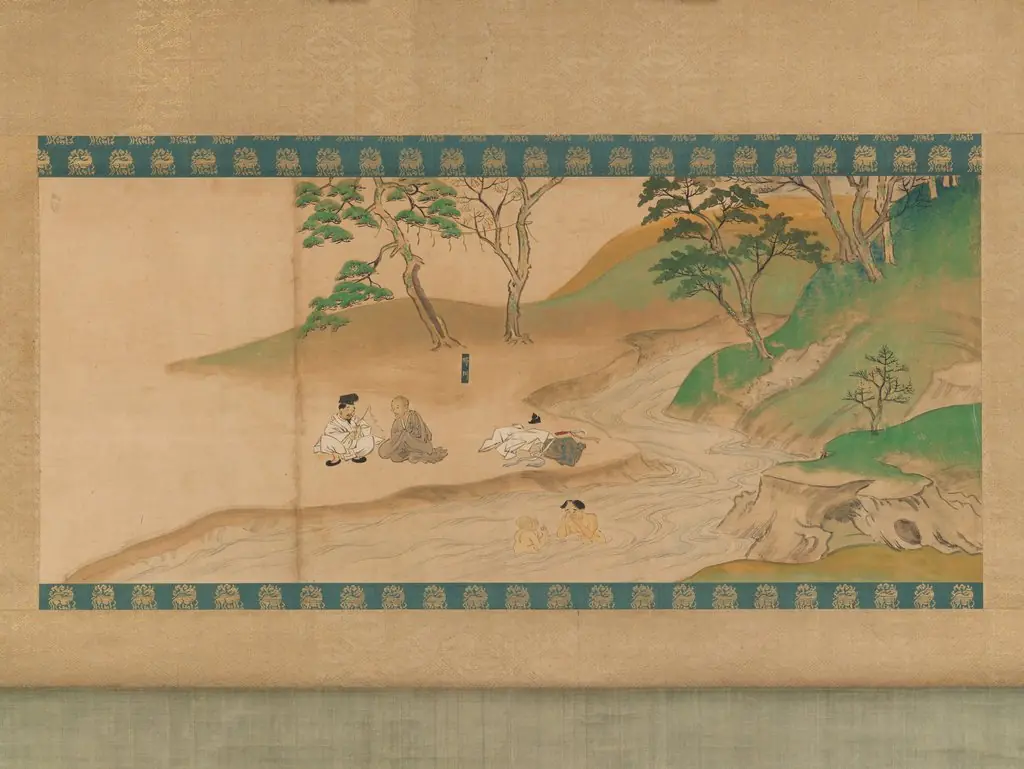 Section of Jin'o-ji Engi Emaki (Konin Shonin E-den)
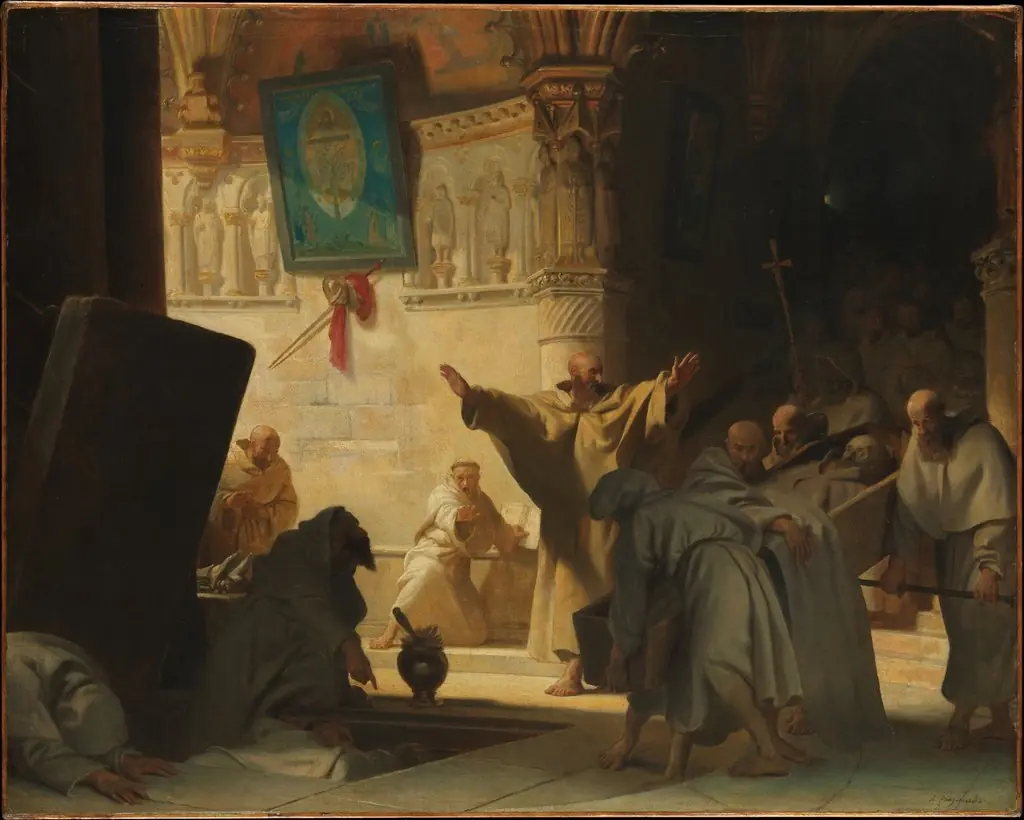 Dramatic Scene with Monks in a Crypt
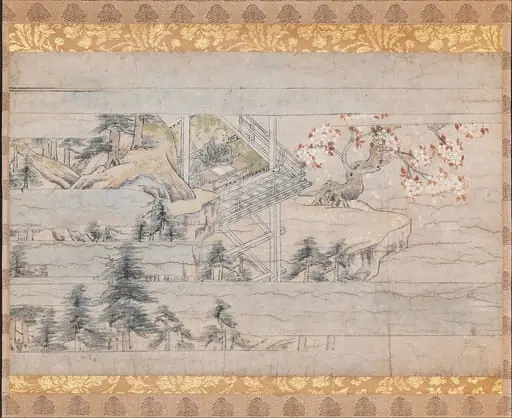 Untitled
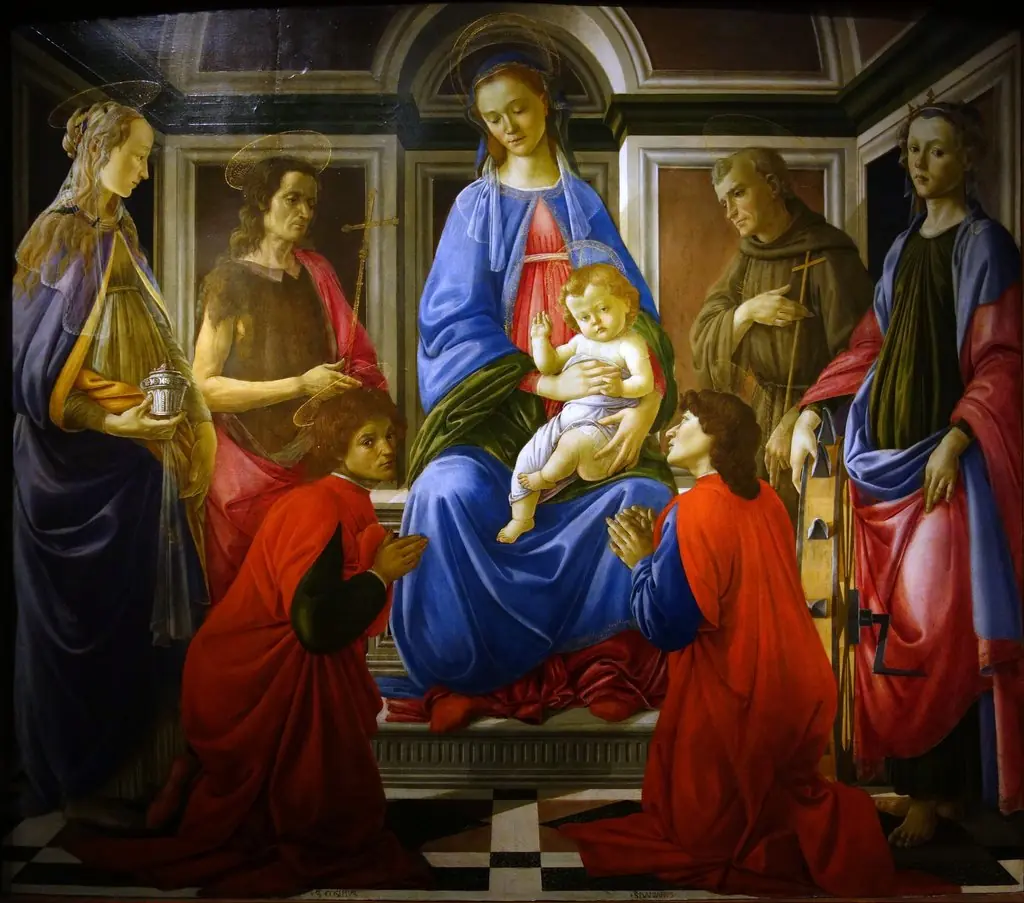 Sant'Ambrogio Altarpiece
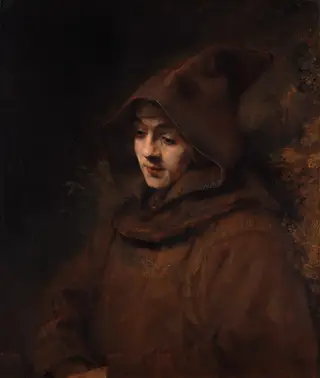 Titus as a Monk
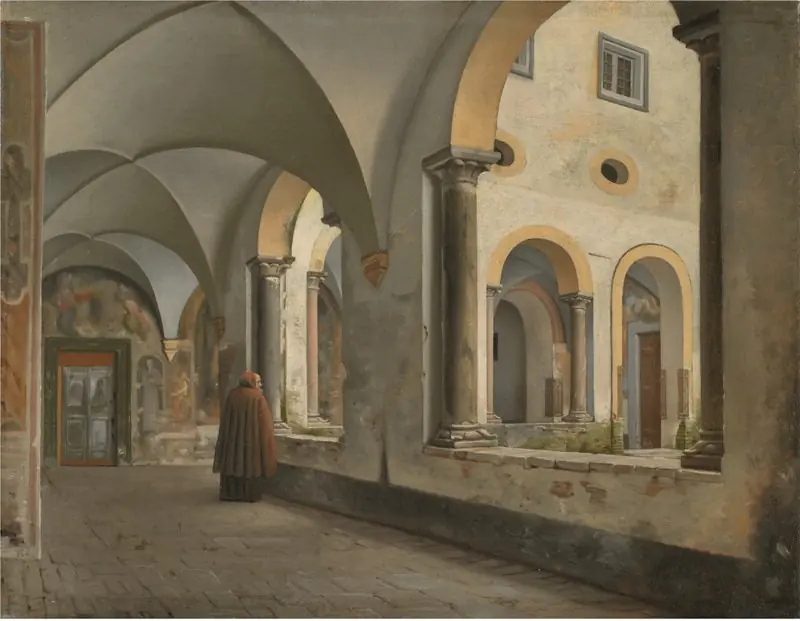 The Cloisters of the Franciscan Monastery Santa Maria in Aracoeli in Rome
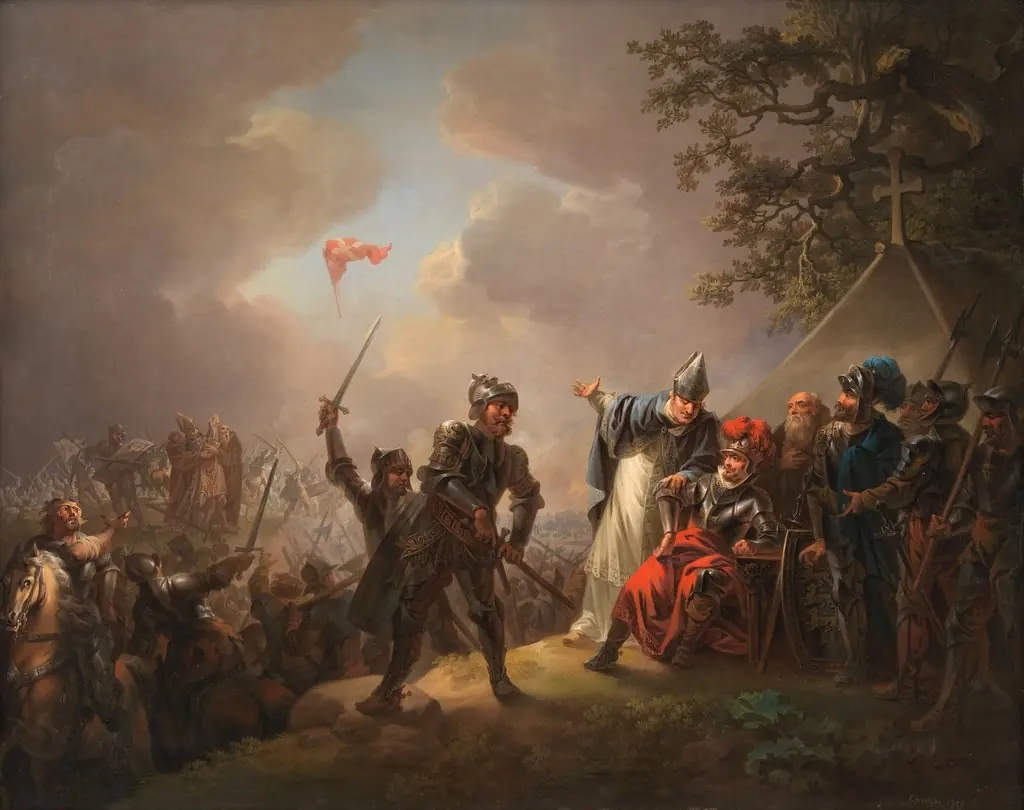 The Legend of the Danish Flag (the Dannebrog) Falling from the Heavens during the Battle of Lyndanise in Estonia in 1219
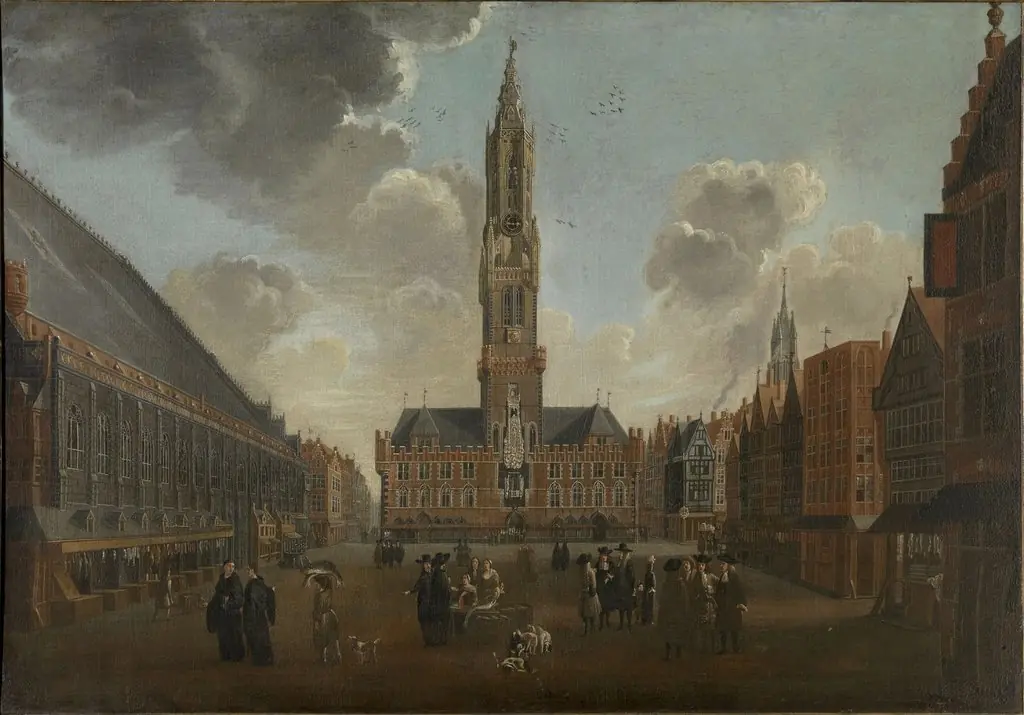 The Market Square in Bruges
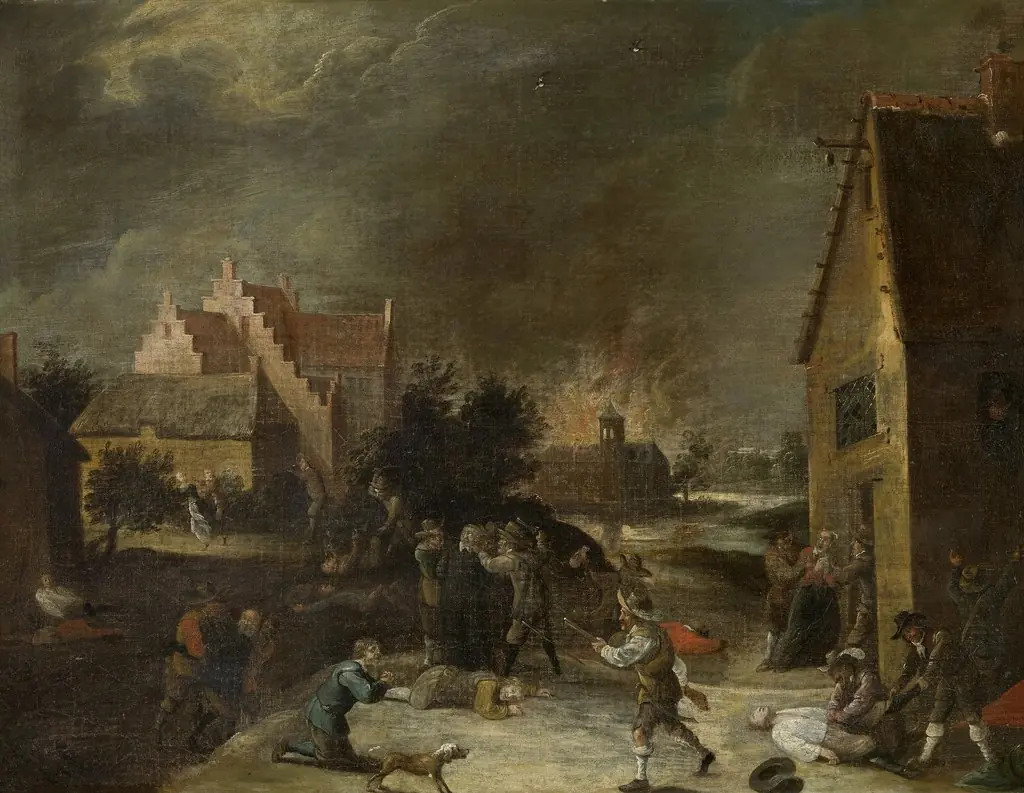 Looting of a village
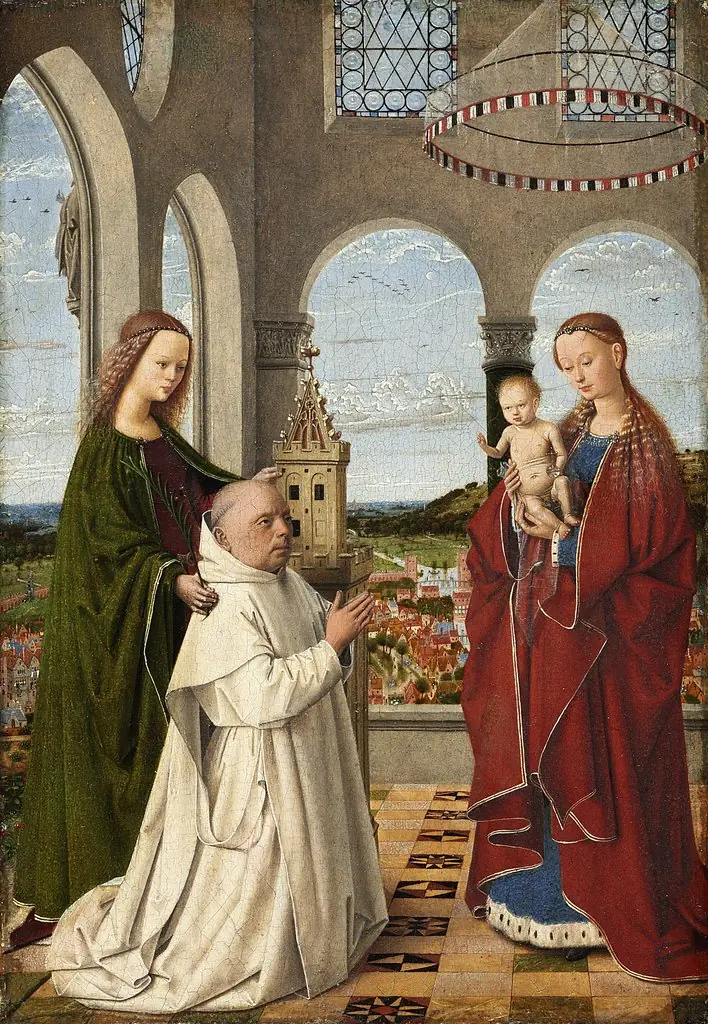 Mary with the Child, St. Barbara and a Carthusian Monk
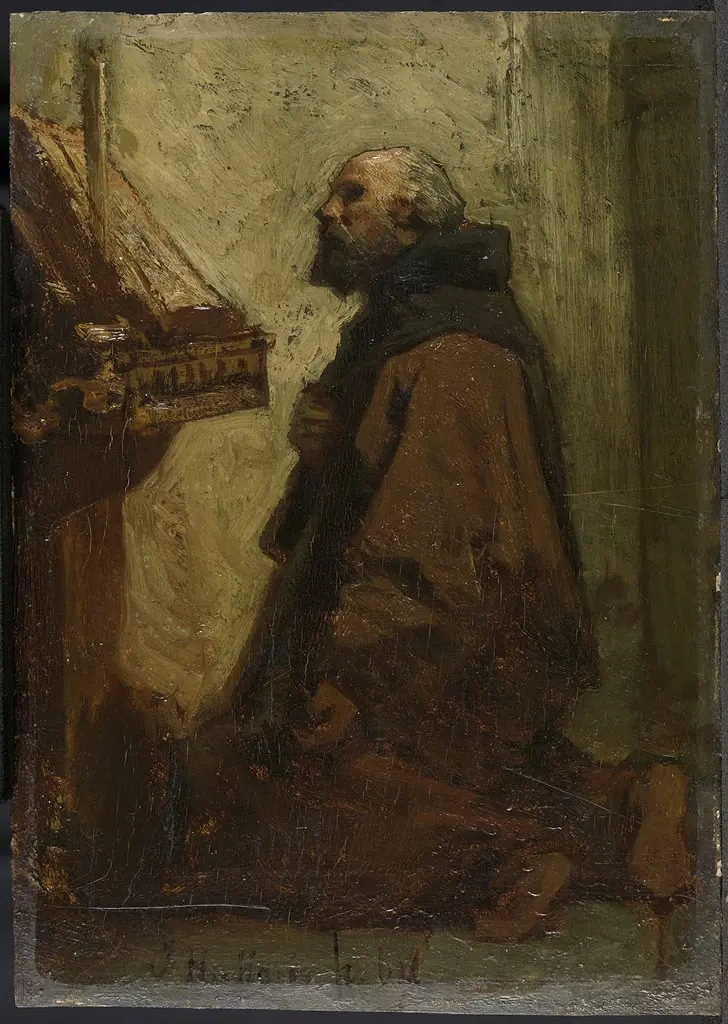 Praying Monk (Monk at his Devotions)
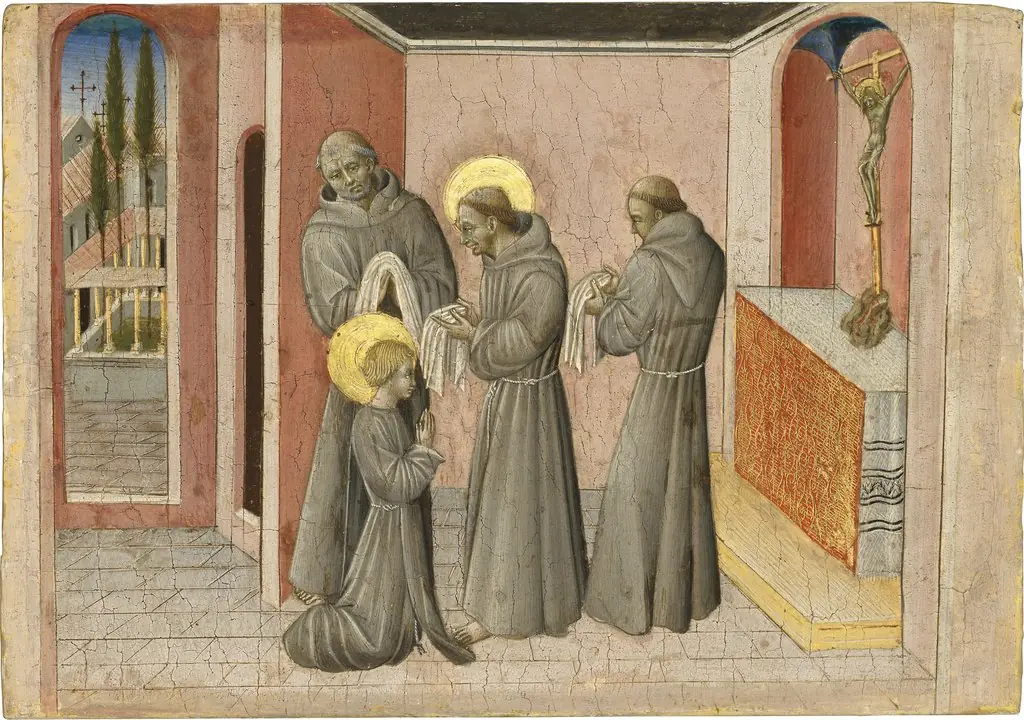 The Investiture of Saint Clare: the Saint receiving the clothes of her Order from Saint Francis
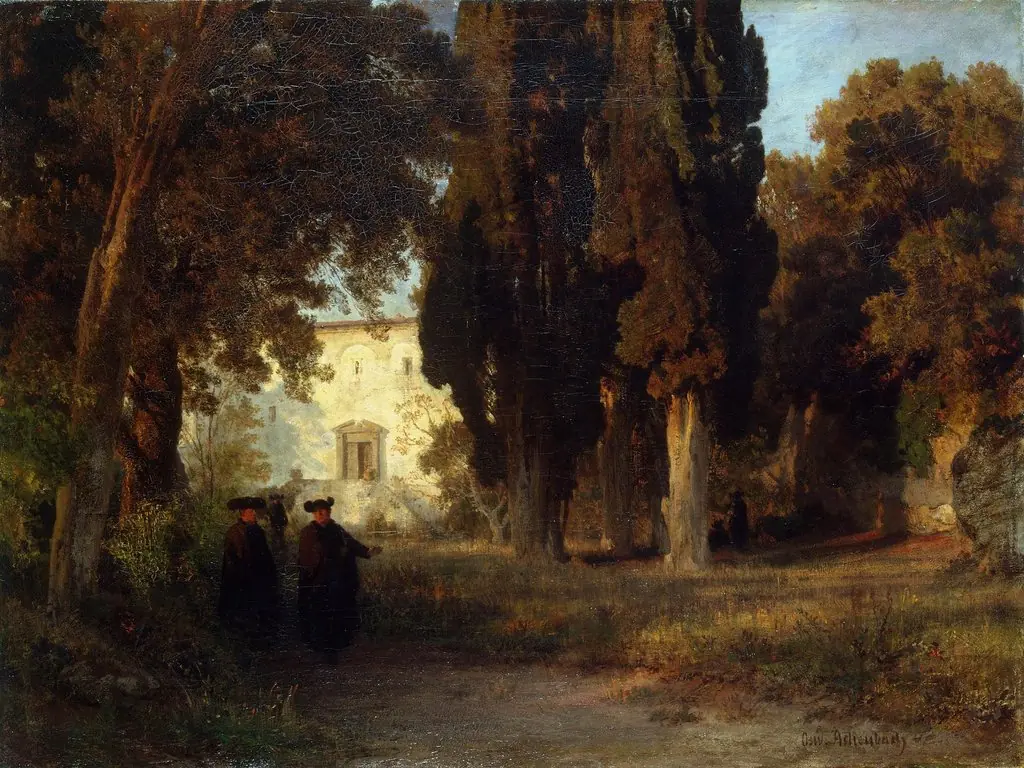 Garden in a Monastery
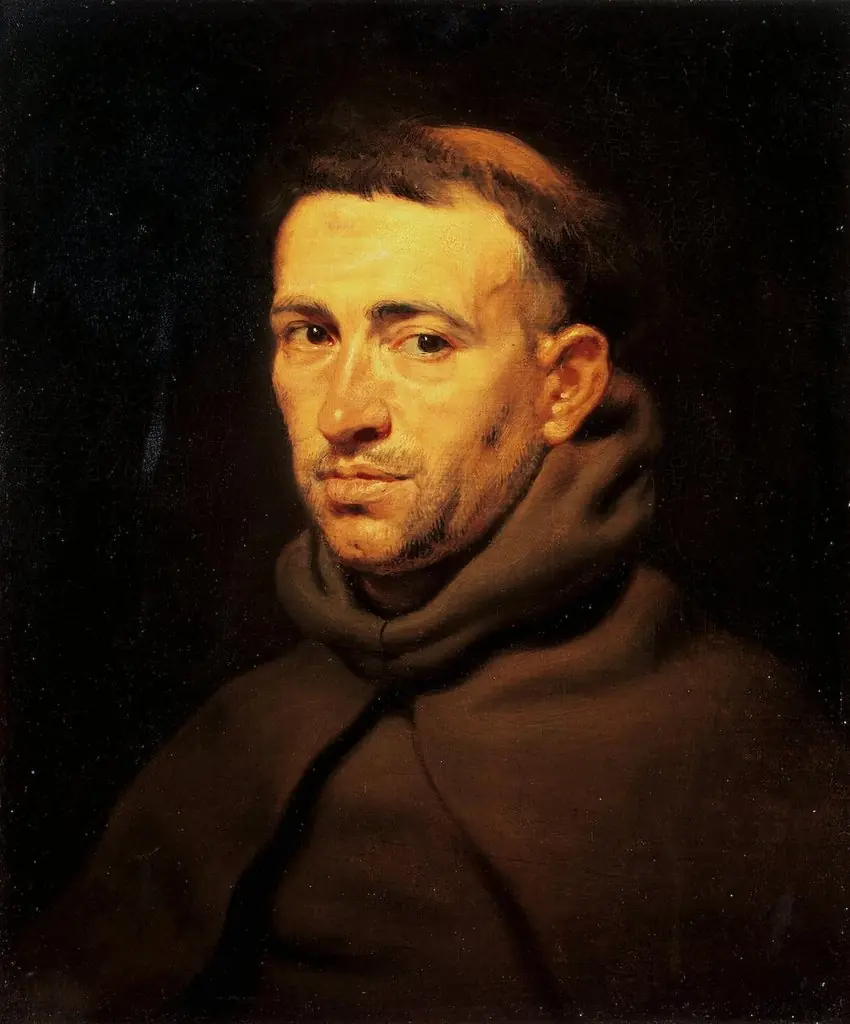 Head of a Franciscan Monk
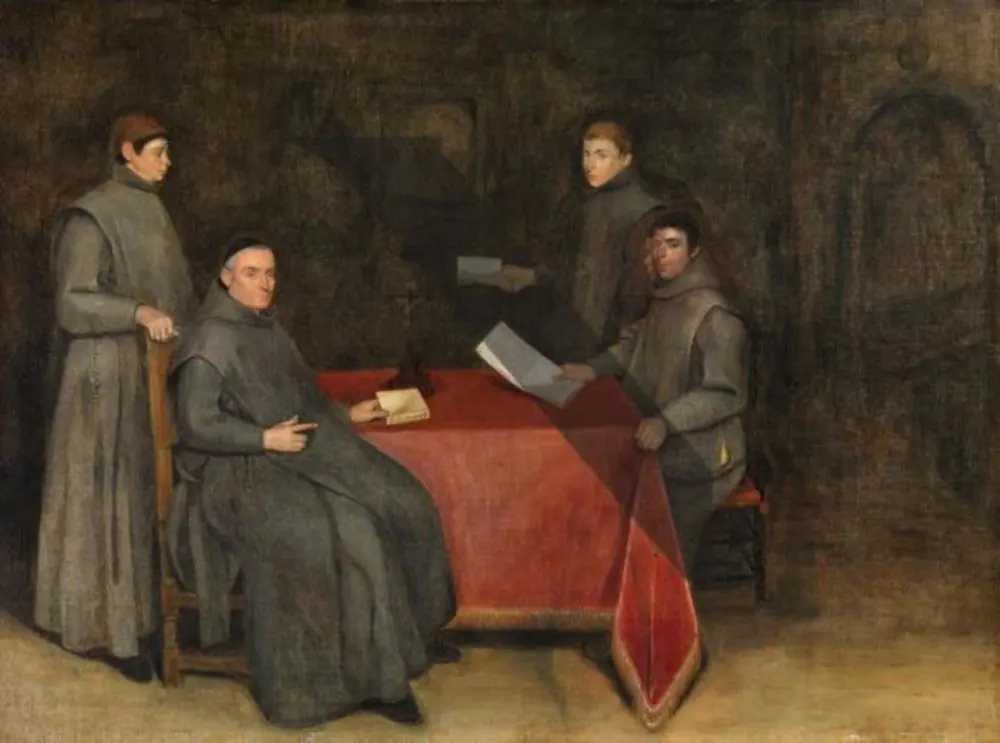 Four Franciscan Monks
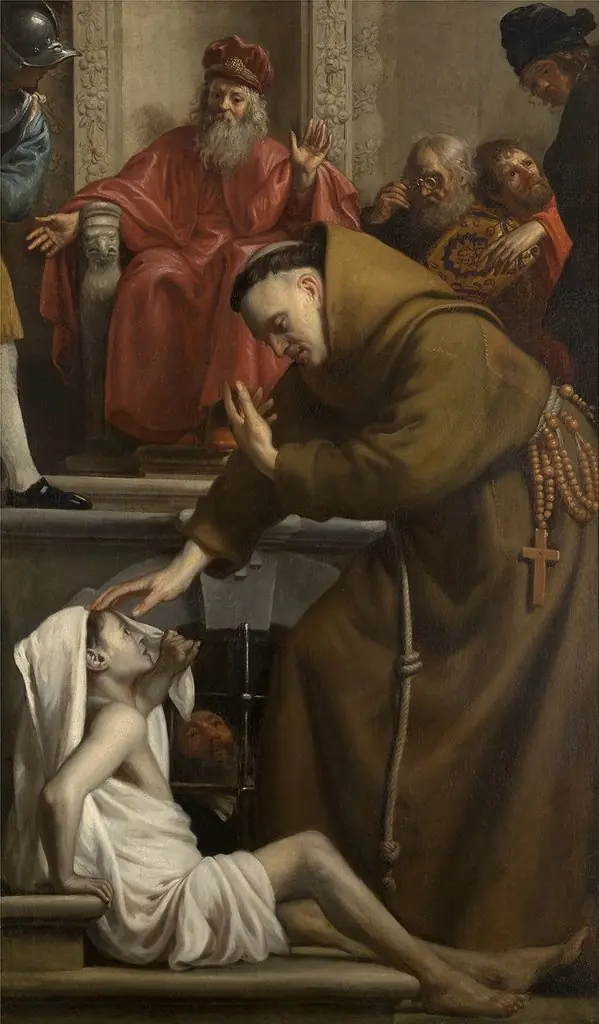 Saint Antony raising a Man from the Dead
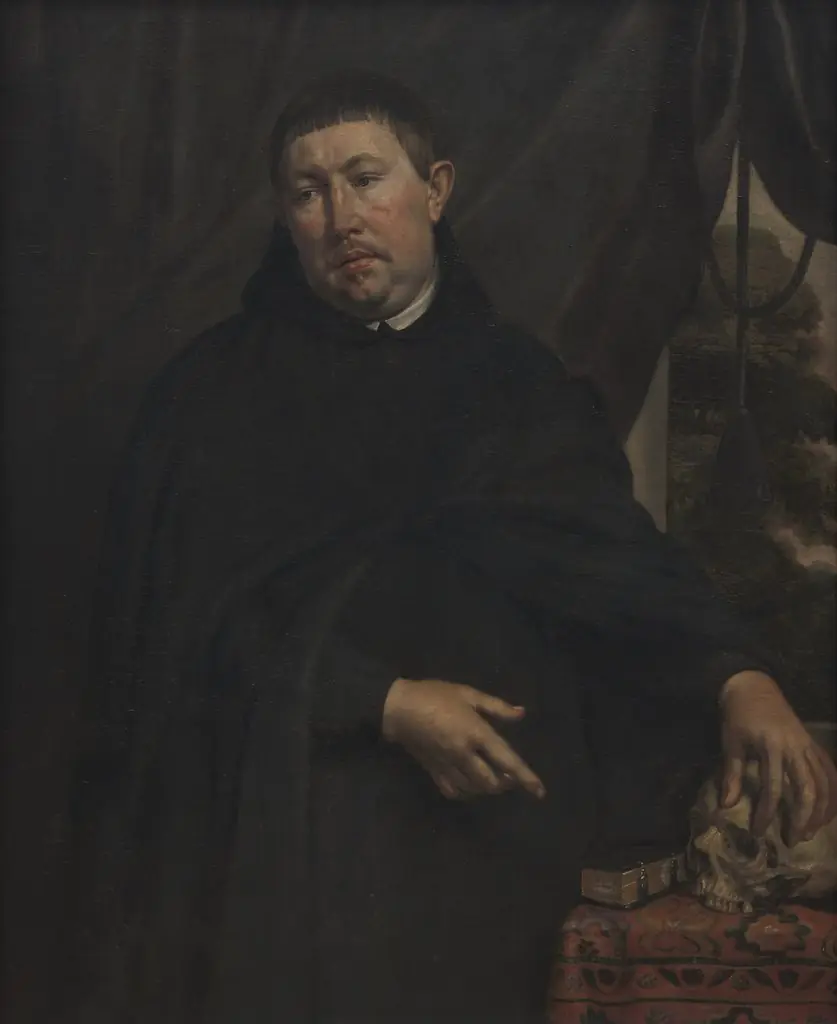 Portrait of an unknown Alexian friar (?-?)
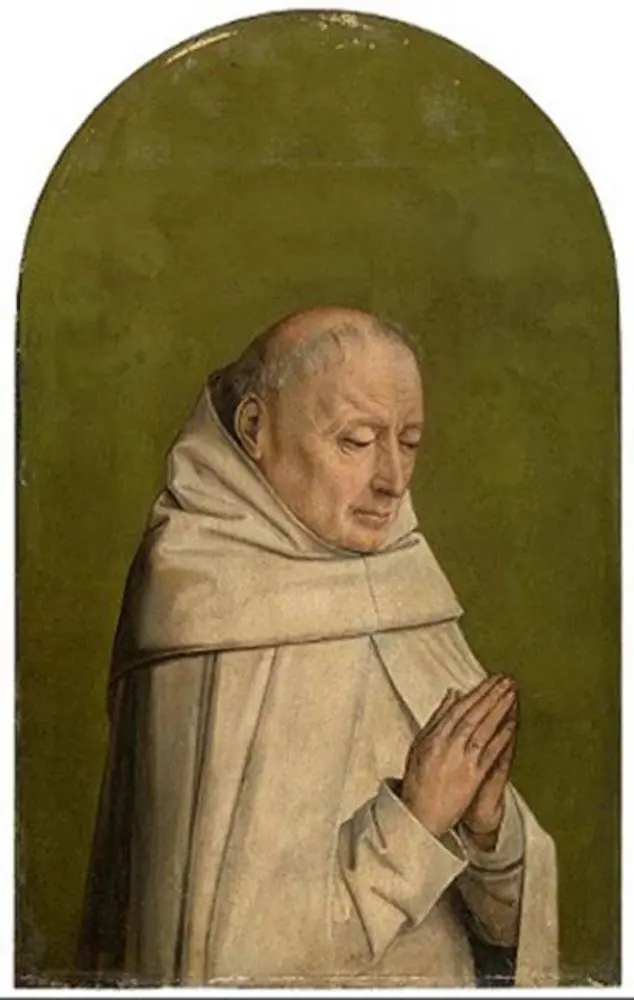 Portrait of a Monk
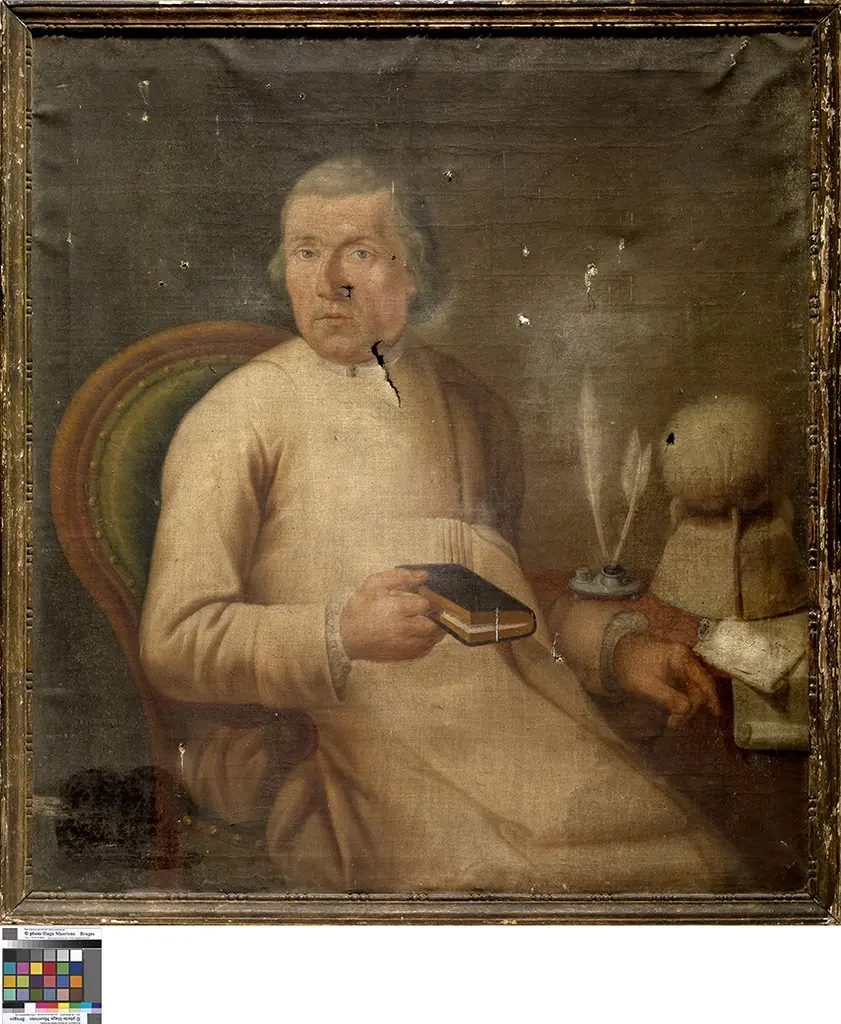 Portret van een monnik
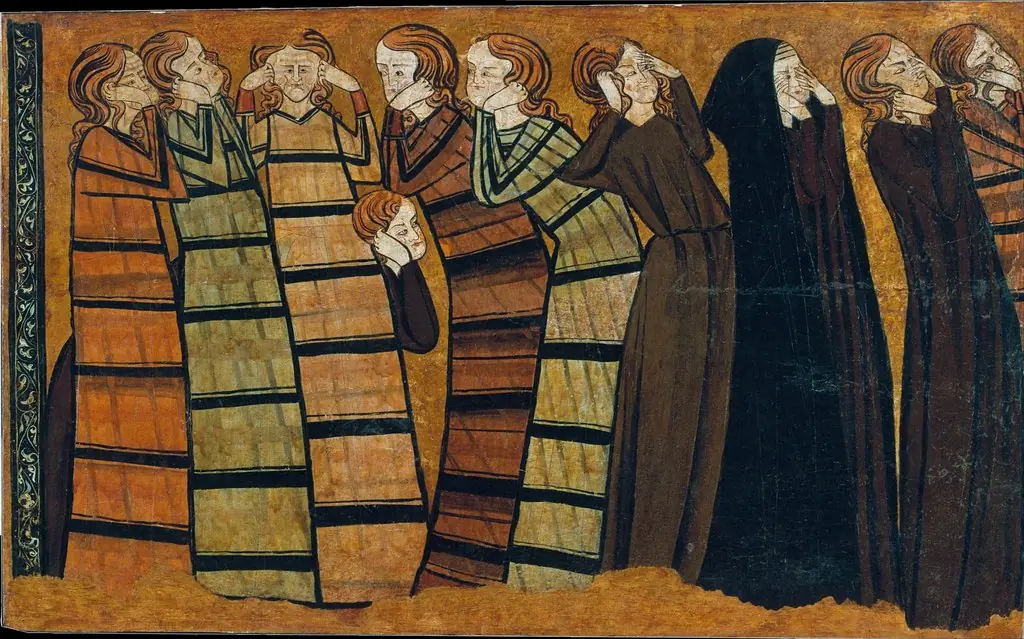 Pleurants
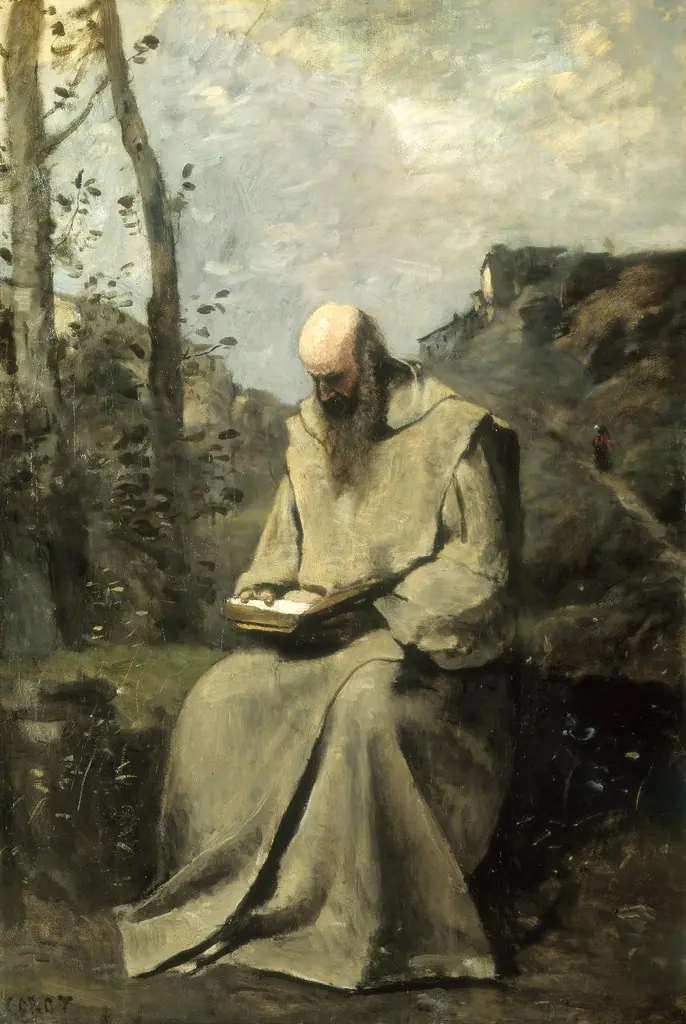 Sitting Monk, Reading
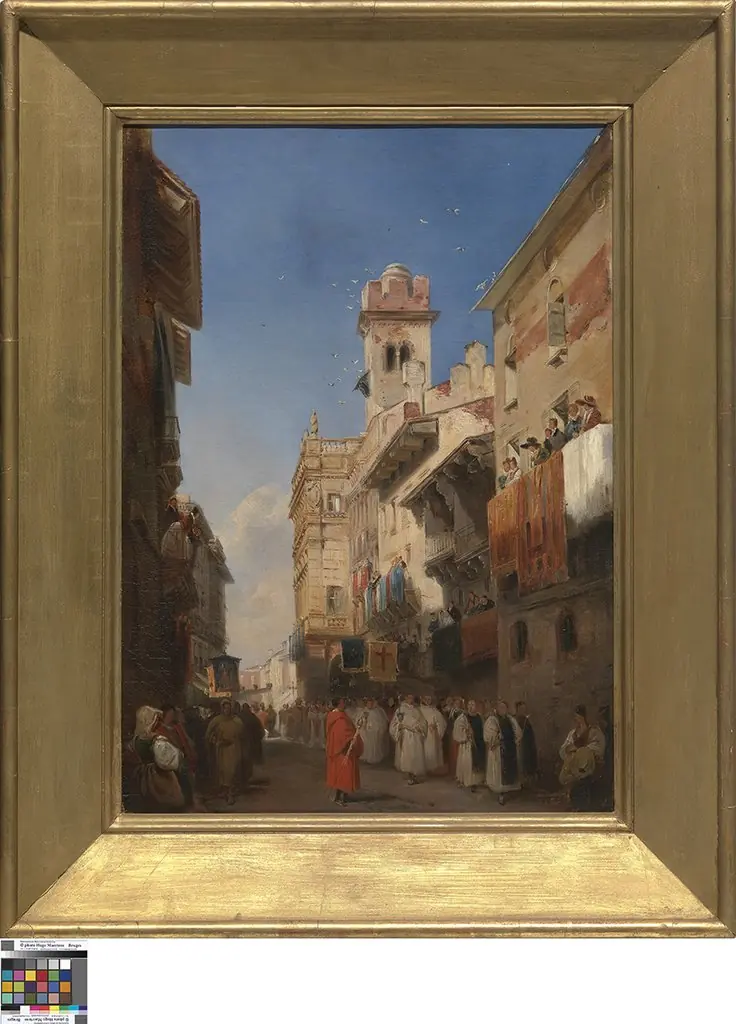 Processie in Verona
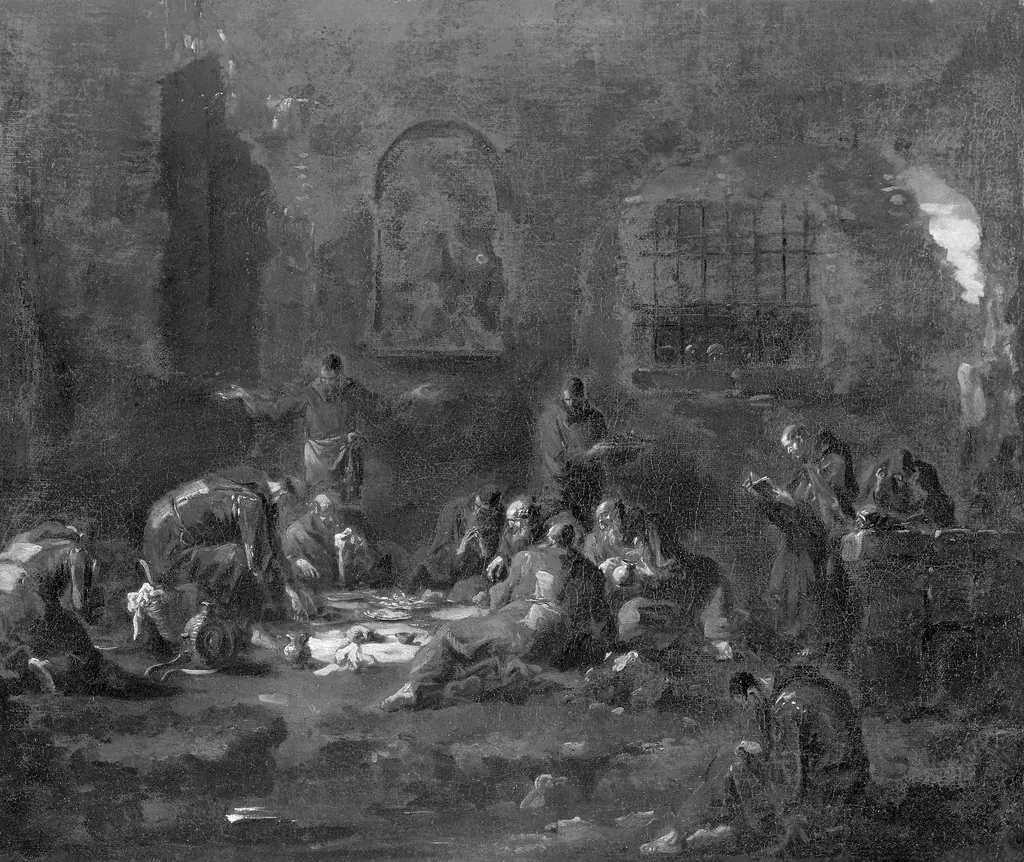 Monks at Supper
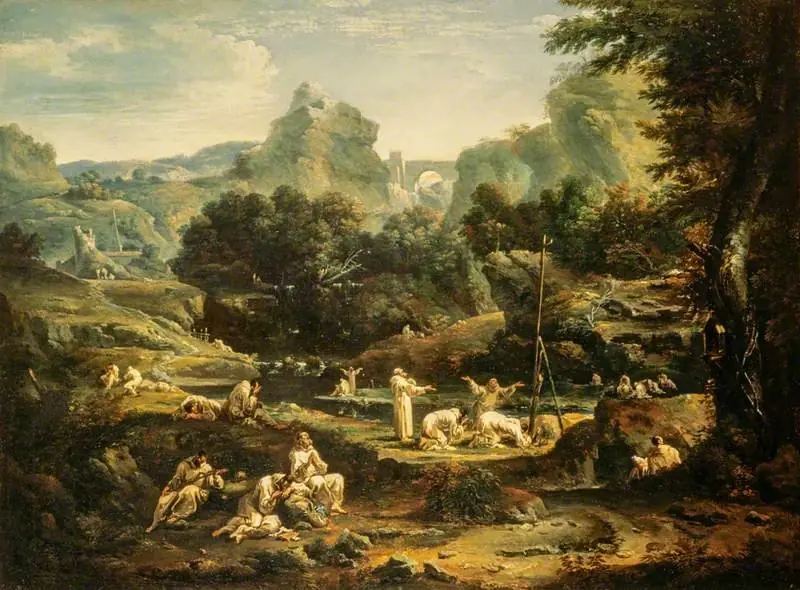 Landscape with Monks
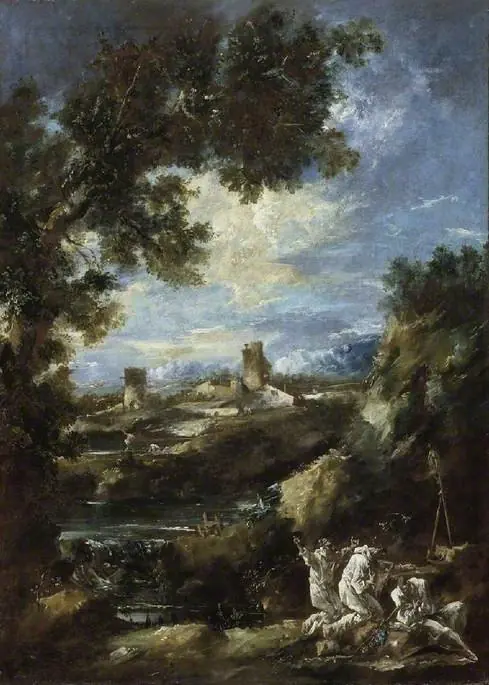 Landscape with Camaldolite monks praying at a road-side shrine
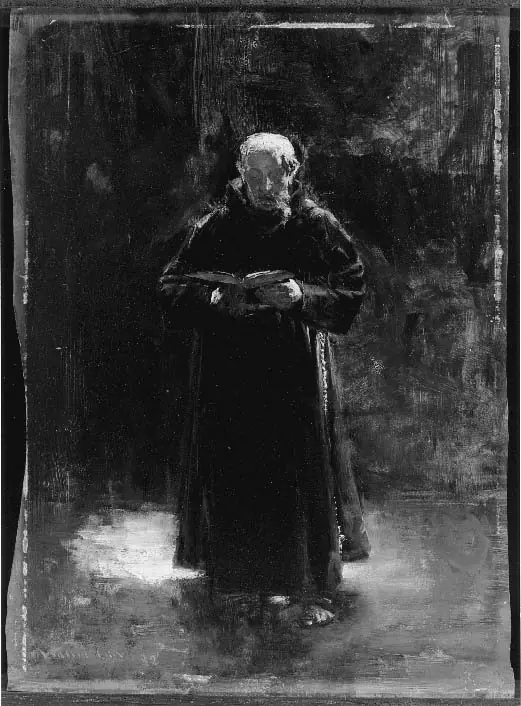 Monk Reading
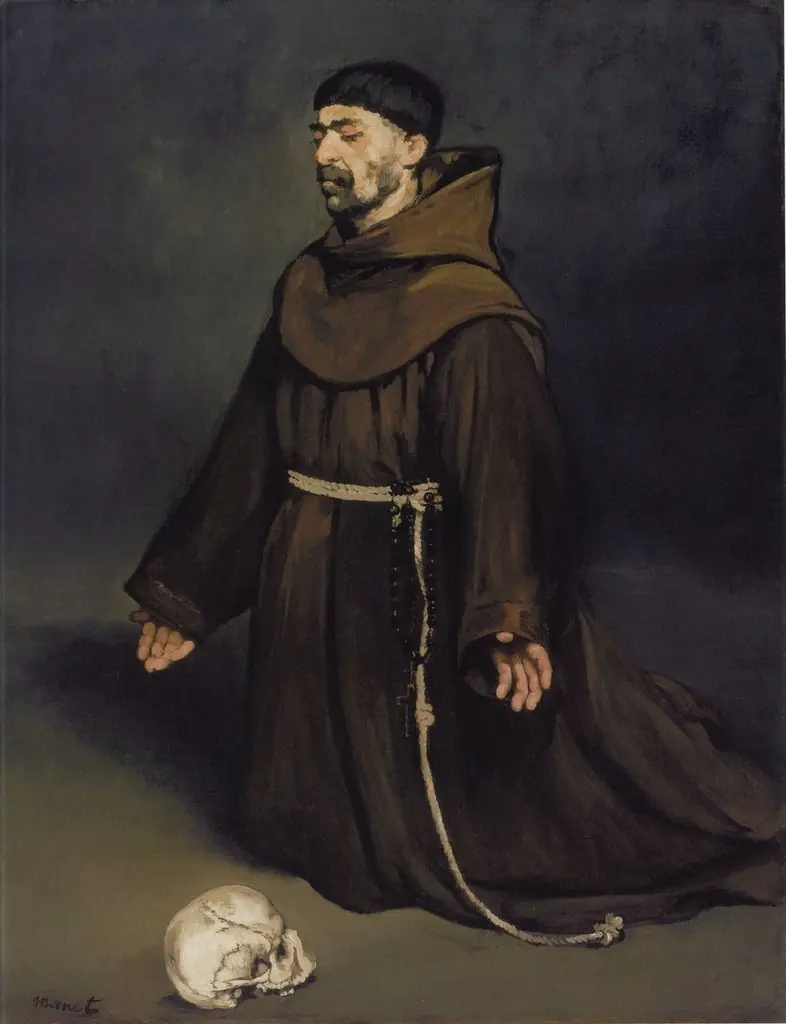 Monk in Prayer
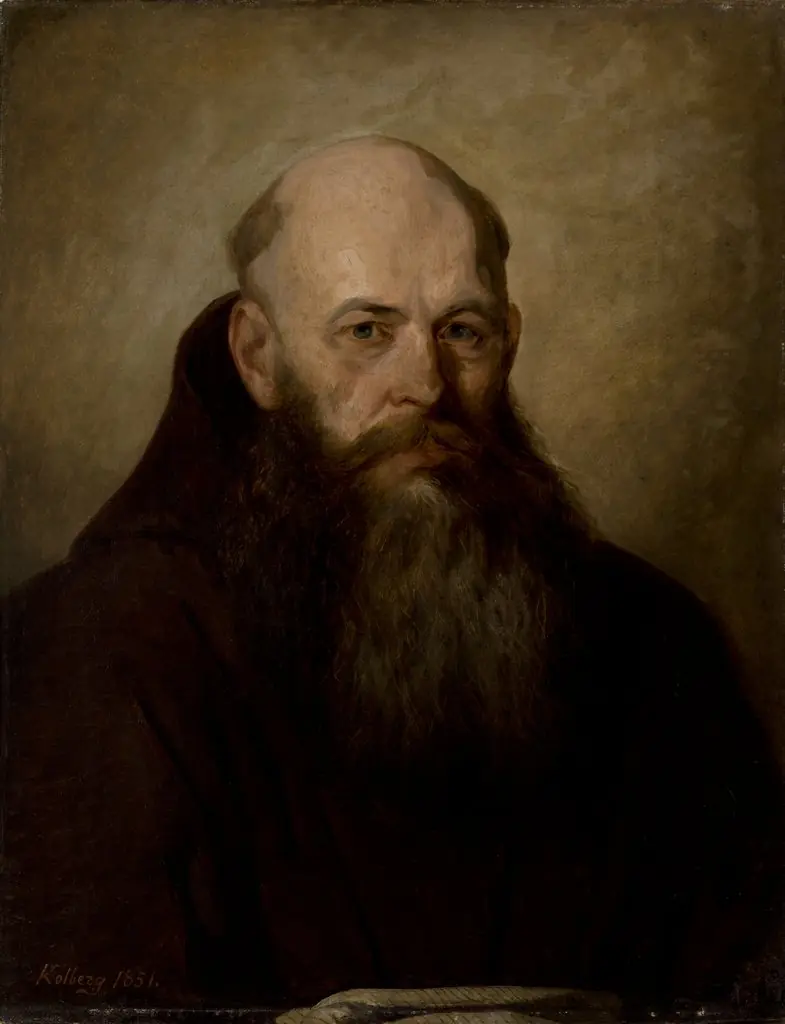 Portrait of Bishop Benjamin Szymański
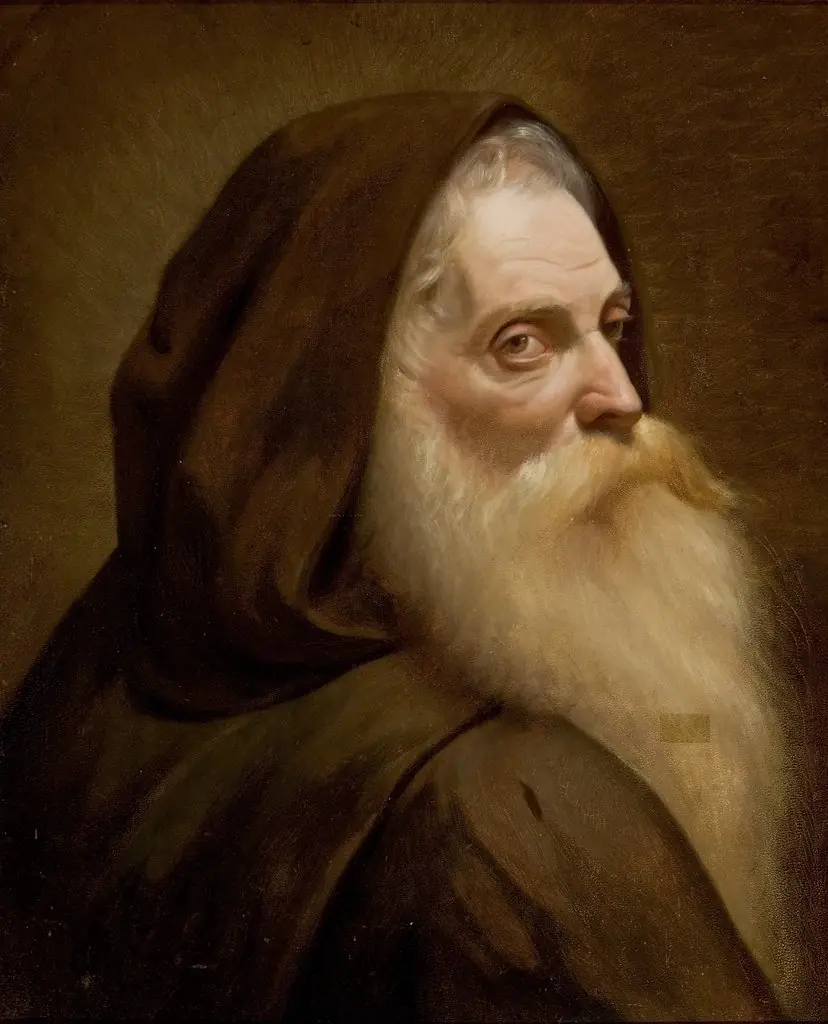 Capuchin Monk
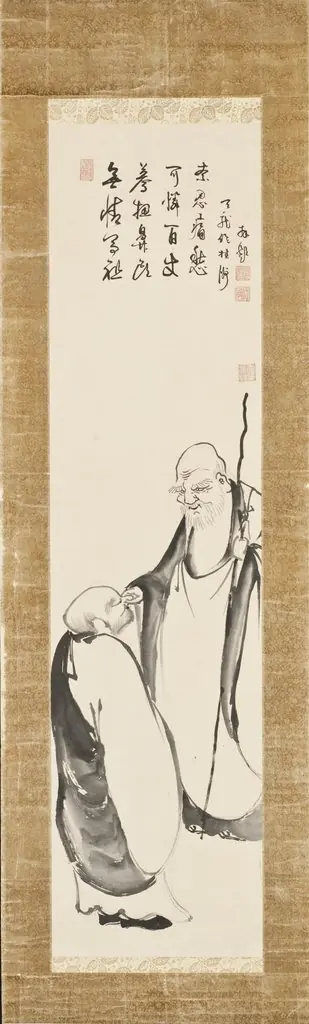 Wild Duck Kōan
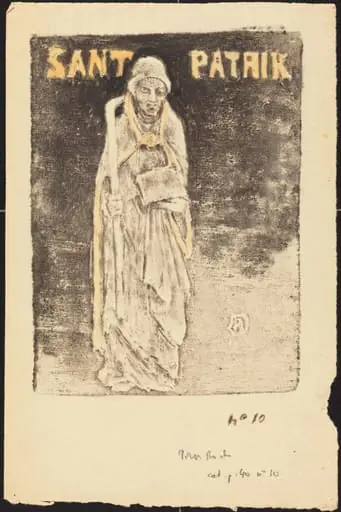 Saint Patrice
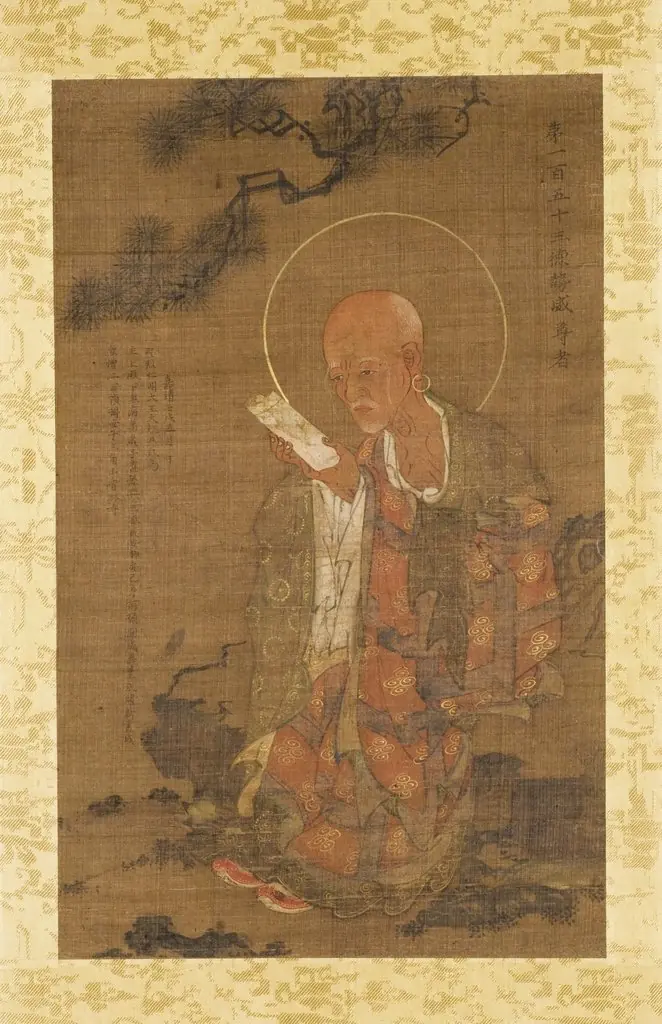 Deoksewi, 153rd of the 500 Nahans (Arhats)
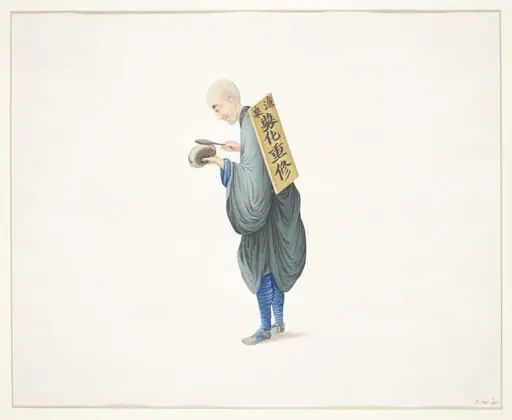 Monk Begging on Behalf of His Monastery
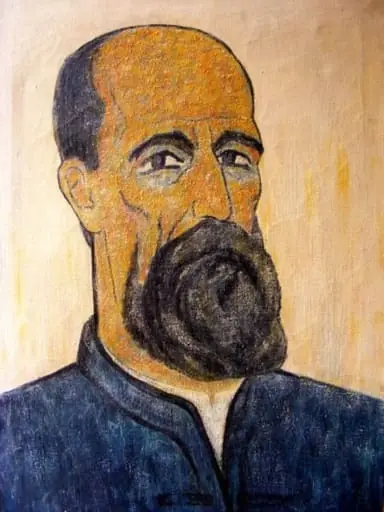 Gheorghe Doja
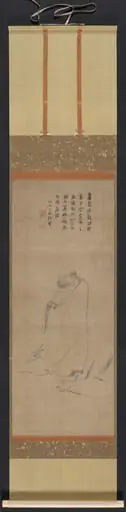 Bodhidharma Crossing the Yangzi on a Reed
 風俗六玉川|A Young Komuso
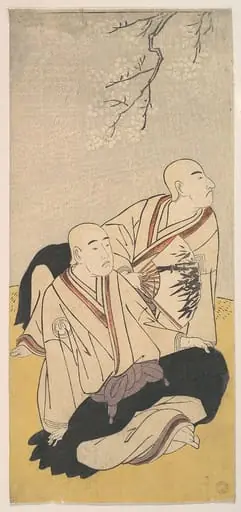 Untitled
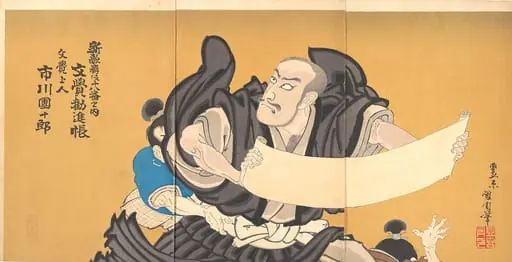 Untitled
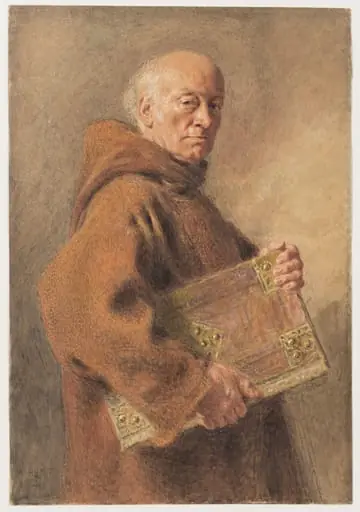 The Monk
Frequently asked questions
What is Monk?
Monk is a subject in art. A monk (; from Greek: μοναχός, monachos, 'single, solitary', via Latin: monachus) is a man who is a member of a religious order and lives in a monastery.
How many Monk works does Artifact World Gallery have?
Artifact World Gallery holds 77 public-domain Monk works, all free to view and download.
Who are the key Monk artists?
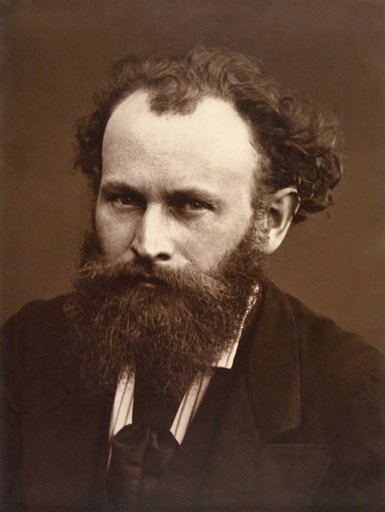
Key Monk artists in the collection include Jean Baptiste Camille Corot, Édouard Manet and Petrus Christus.
Where can I see Monk works?
Monk works in the collection are held by Metropolitan Museum of Art, Groeningemuseum and National Gallery of Art.