
Artist
Subject
Buddha is a subject in art. The gallery holds 95 works in this subject in art, including works by After Zhao Boju, John La Farge and Jiang Jun.
The Buddha—"the awakened one"—is the central devotional subject of Buddhist art, depicting Siddhartha Gautama, the historical sage known as Shakyamuni, who taught in the Ganges plain of northern India and is traditionally dated to roughly 563–483 BCE. For nearly five centuries after his death, however, no one portrayed him in human form. In the earliest, so-called aniconic phase—lasting until about the first century CE—the Buddha was evoked only through symbols: an empty throne, his footprints, a riderless horse, the Bodhi tree under which he attained enlightenment, and the wheel of the Dharma. These signs animate the great stone railings and gateways of Bharhut, Sanchi, Amaravati, and Sarnath, where his presence is implied rather than shown.
The anthropomorphic Buddha emerged independently in two centers under Kushan rule between the first and third centuries CE. In Gandhara (in present-day Pakistan and Afghanistan), sculptors steeped in Greco-Roman naturalism gave him wavy hair, deeply folded toga-like robes covering both shoulders, and idealized classical features. At Mathura, artists adapted the robust, energetic local yaksha tradition, producing fleshier figures in clinging, near-transparent drapery. Both schools codified a fixed iconography drawn from the thirty-two lakshanas, or auspicious marks: the cranial protuberance (ushnisha), the tuft of hair between the brows (urna), elongated earlobes, and golden skin. Hand gestures, or mudras, encode specific moments and meanings—abhaya (reassurance), dhyana (meditation), the earth-touching bhumisparsha that recalls his victory over Mara at Bodh Gaya, and the dharmachakra of his first sermon.
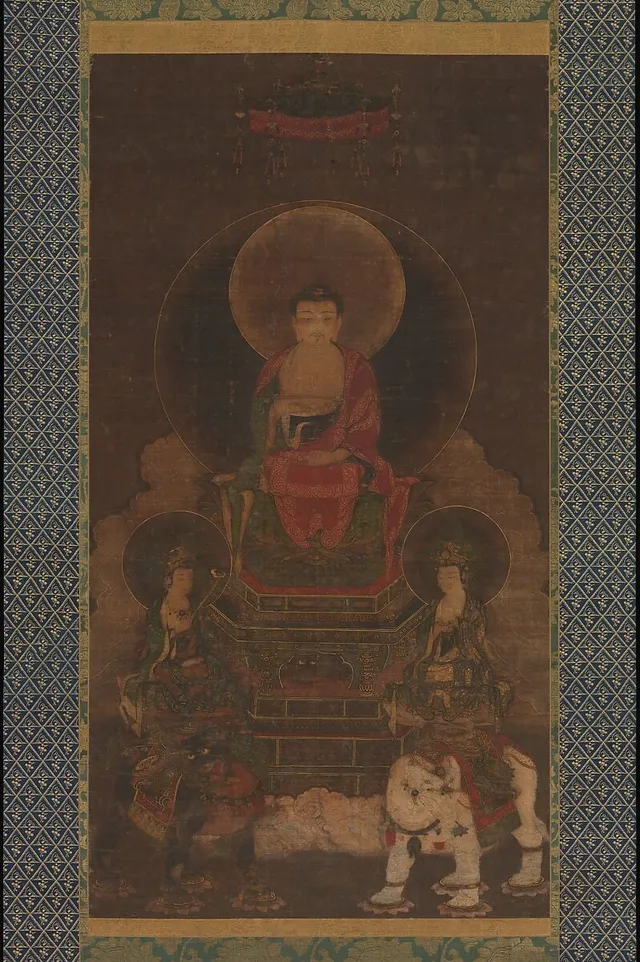
As Buddhism spread along the Silk Road, this image was carried into China, Korea, and Japan, where it was continually reinterpreted. In Japan the historical Buddha is venerated as Shaka Nyorai, typically shown in a preaching mudra and frequently set within a triad flanked by attendant bodhisattvas, as in the Shaka Triad and the Shaka with Sixteen Arhats held in this collection. A distinctively East Asian type is the nehan-zu, the Death of the Historical Buddha, which shows him reclining between paired sala trees encircled by grieving disciples, animals, and deities; such scrolls were unveiled each year on the fifteenth day of the second month to commemorate his passing into nirvana.
The Buddha image is among the most enduring and widely diffused subjects in world art. The Gandharan synthesis of Hellenistic form with Indian spirituality shaped Buddhist sculpture for a millennium, while the serene, inward-looking countenance perfected across Asia remains one of humanity's most recognizable visual ideals of contemplative calm.
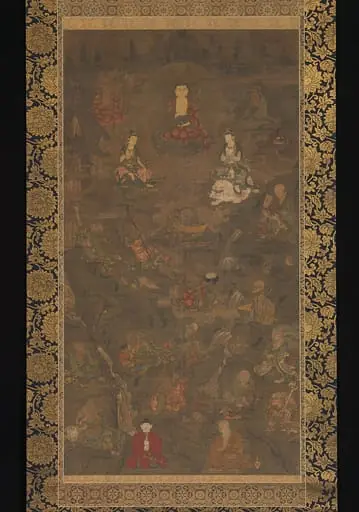 釈迦三尊十六羅漢像|Shaka (Shakyamuni), the Historical Buddha, with Two Attendant Bodhisattvas and Sixteen Arhats
 釈迦三尊像|Shaka (Shakyamuni) Triad
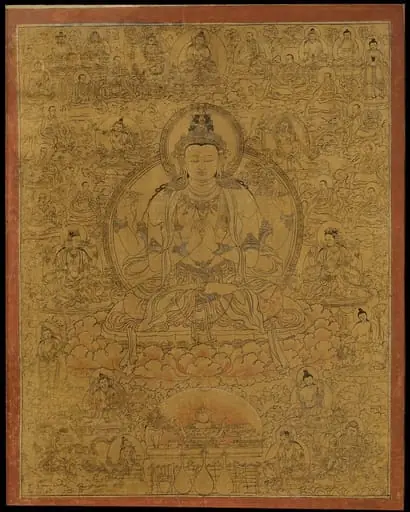 Untitled
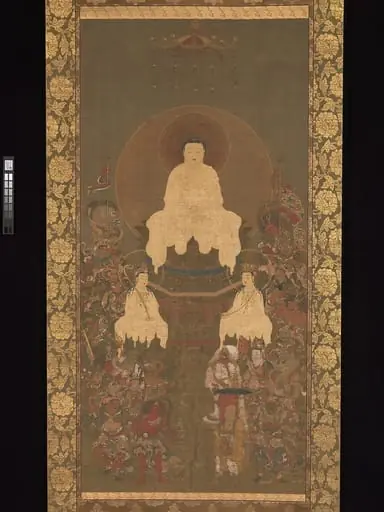 釈迦三尊十六善神像|Shaka (Shakyamuni), the Historical Buddha, with Two Attendant Bodhisattvas and Sixteen Benevolent Deities
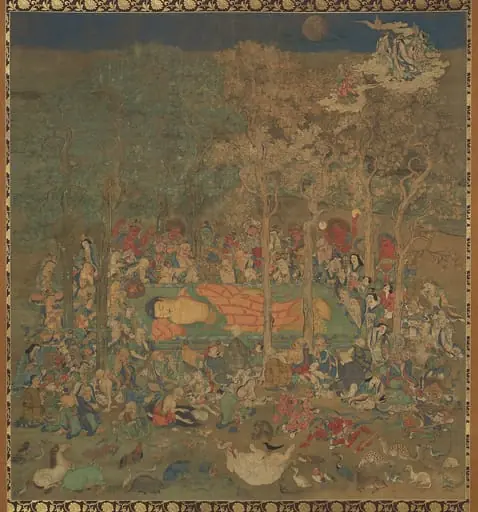 涅槃図|Death of the Historical Buddha (Nehan-zu)
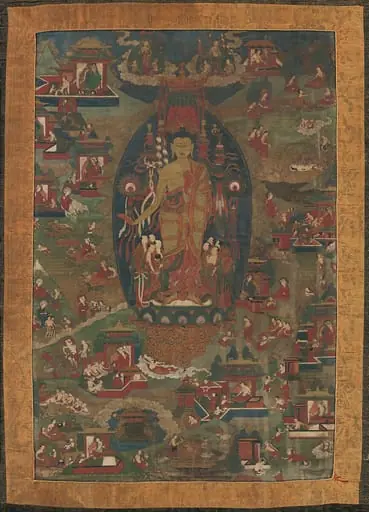 Untitled
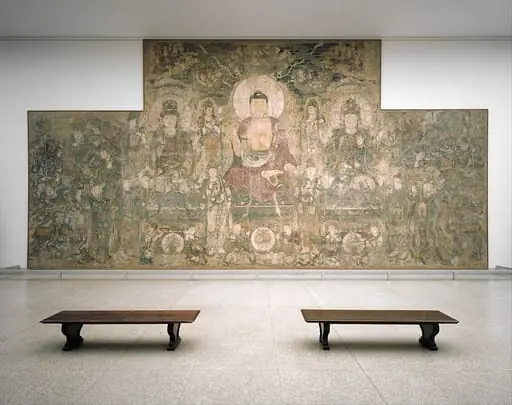 元 廣勝寺 藥師佛法會圖壁畫|Buddha of Medicine Bhaishajyaguru (Yaoshi fo)
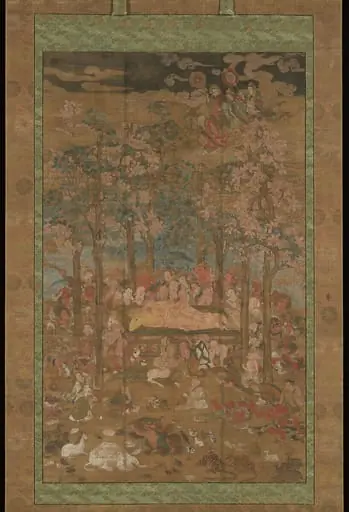 仏涅槃図|Death of the Historical Buddha (Nehan-zu)
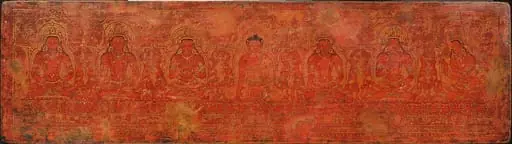 Untitled
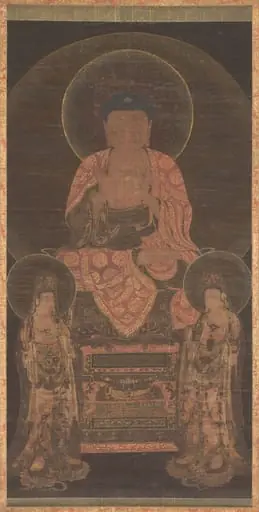 아미타삼존도 고려|阿彌陀三尊圖 高麗|Amitabha triad
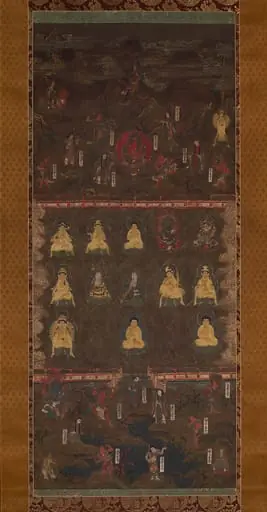 熊野曼茶羅図|Mandala of Kumano Shrine
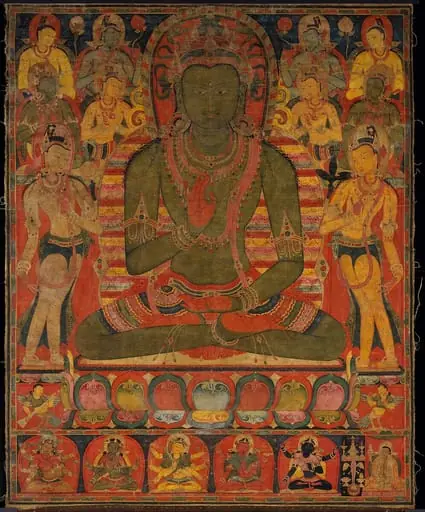 Untitled
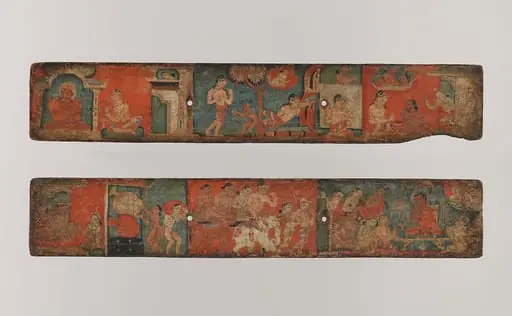 Untitled
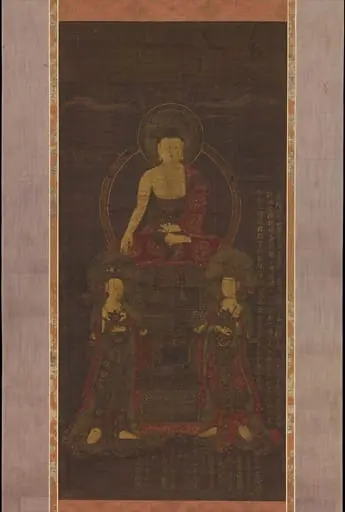 석가삼존도 조선|釋迦三尊圖 朝鮮|Shakyamuni triad
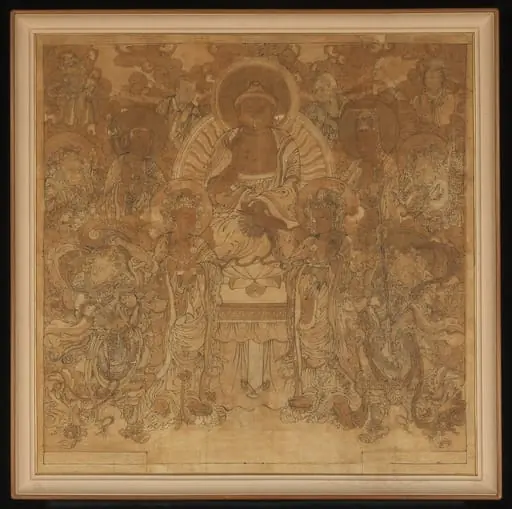 극락에서 설법하는 아미타불 조선|阿彌陀極樂會圖 朝鮮|Amitabha Buddha’s assembly in the Western Paradise
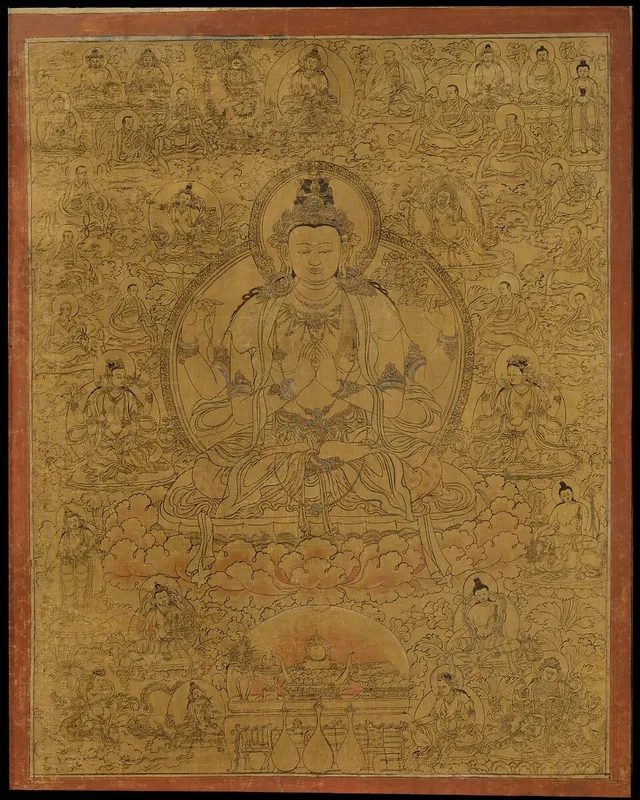
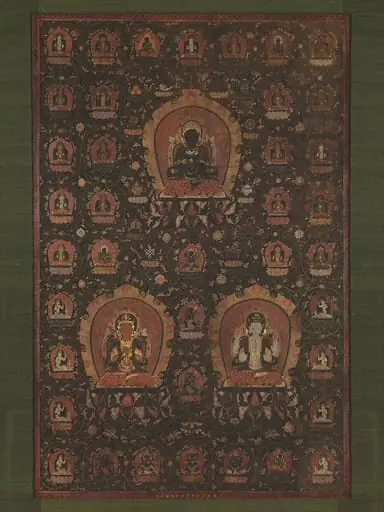 明 佚名 釋教三尊曼陀羅圖 軸|Mandala of Vajradhara, Manjushri and Sadakshari -Lokeshvara
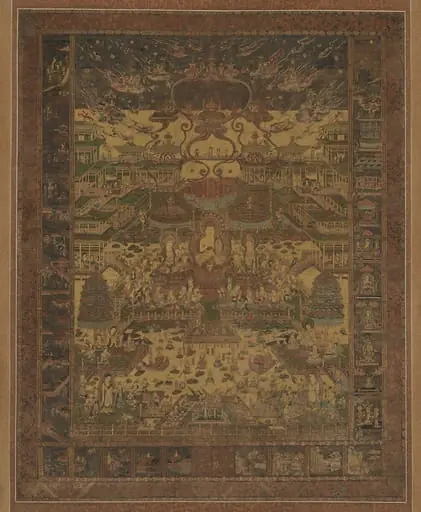 当麻曼荼羅図|Taima Mandala
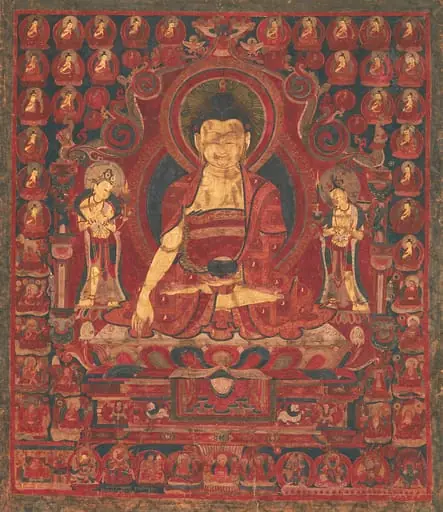 Untitled
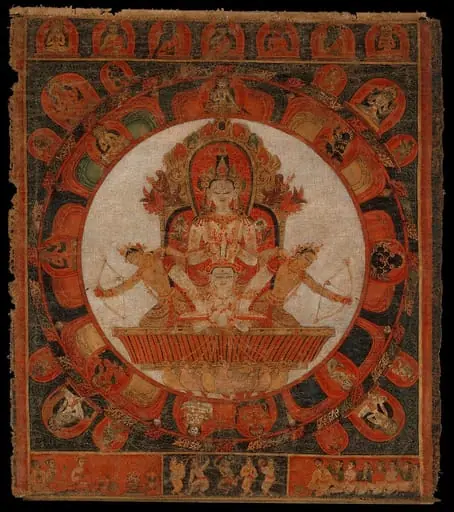 Untitled
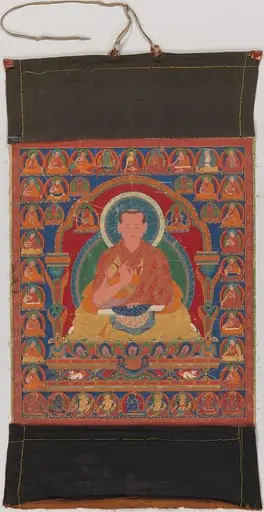 Untitled
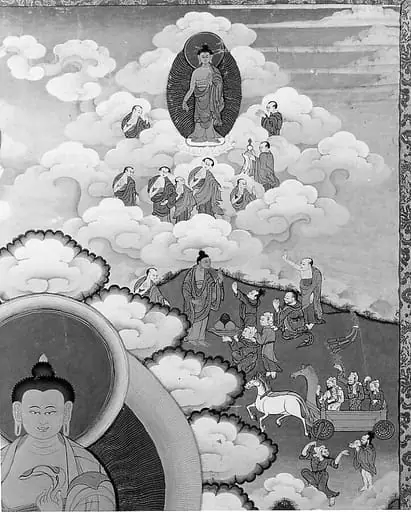 Untitled
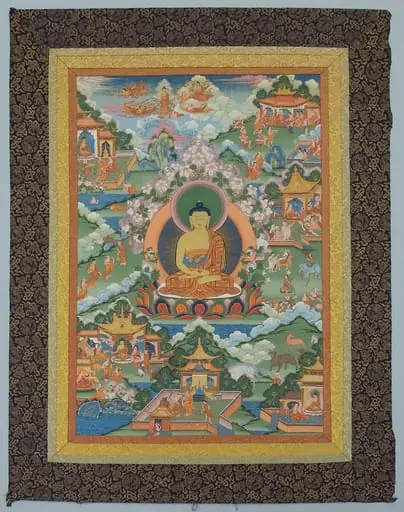 Untitled
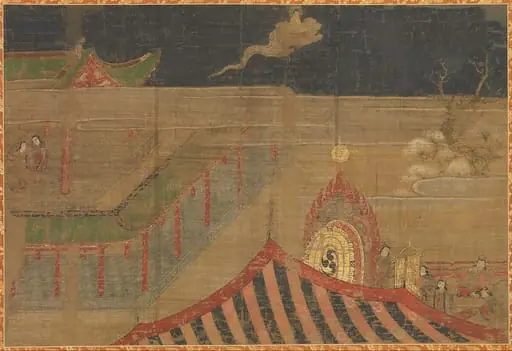 仏伝図|Scene from the Life of the Buddha
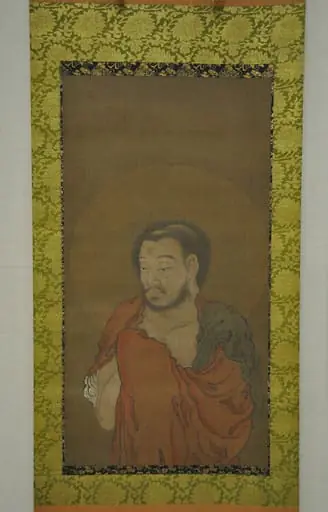 出山釈迦像 (Shussan Shaka zō)|Shaka (Shakyamuni), The Historical Buddha, Descending from the Mountains
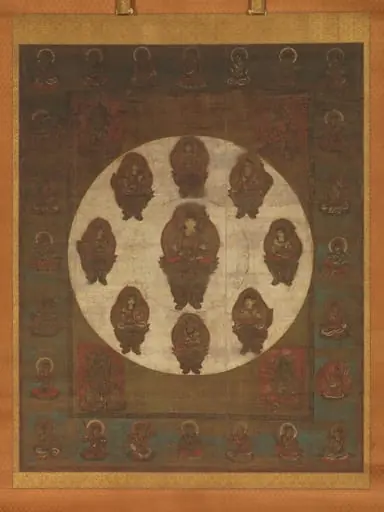 八字文殊曼荼羅図|Mandala of the Bodhisattva Monju (Manjushri) of the Eight Syllables
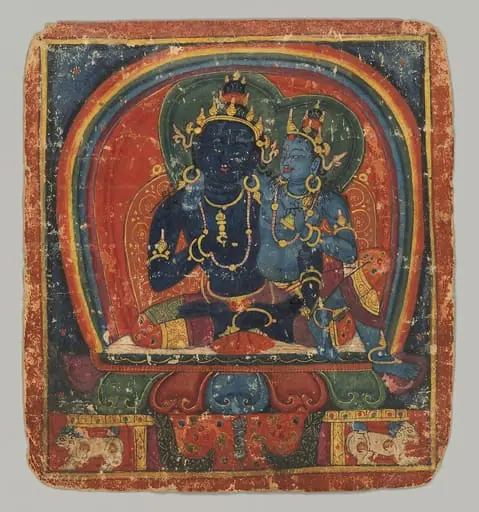 Untitled
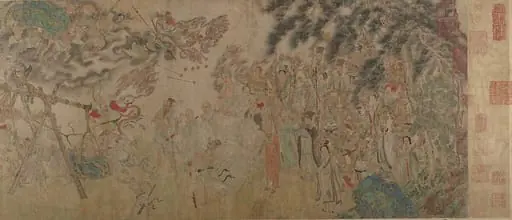 明/清 佚名 揭缽圖 卷|Raising the Alms-Bowl
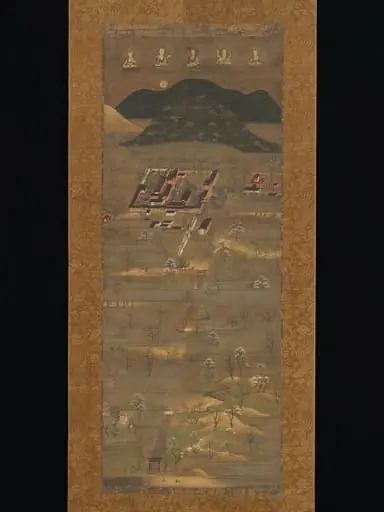 春日宮曼荼羅 (Kasuga miya mandara)|Mandala of Kasuga Shrine
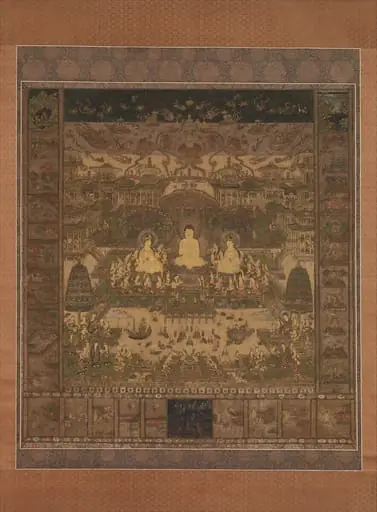 當麻曼荼羅図 |Taima Mandala
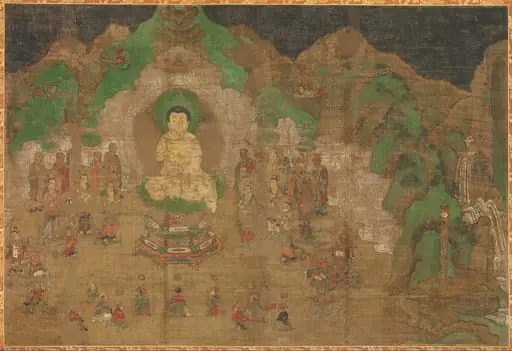 仏伝図|Scene from the Life of the Buddha
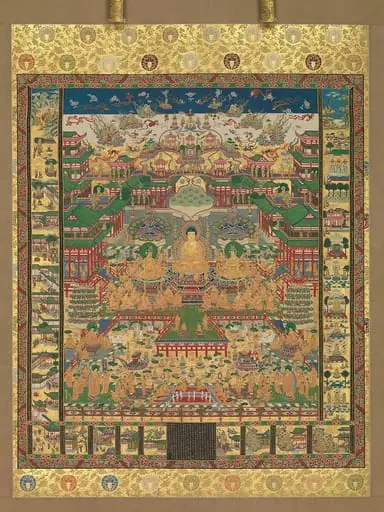 当麻曼荼羅|Taima Mandala
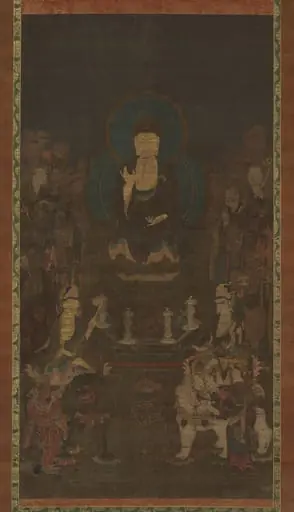 釈迦三尊十大弟子像|Shaka (Shakyamuni), the Historical Buddha, with Two Attendant Bodhisattvas and the Ten Great Disciples
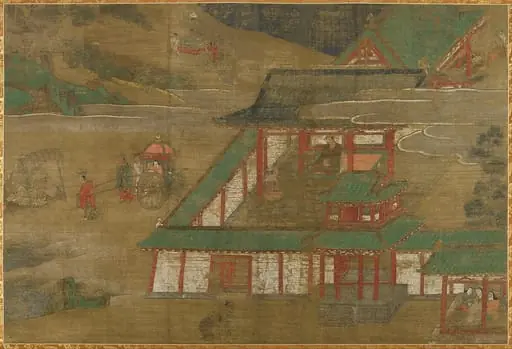 仏伝図|Scene from the Life of the Buddha
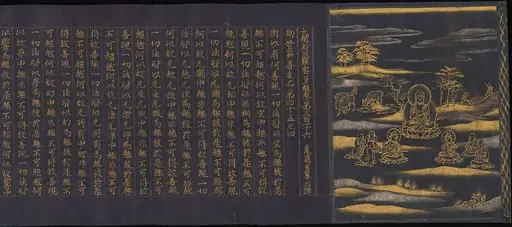 大般若経(中尊寺経)|Great Wisdom Sutra (Daihannya-kyō), from the Chūsonji Temple Sutra Collection (Chūsonji-kyō)
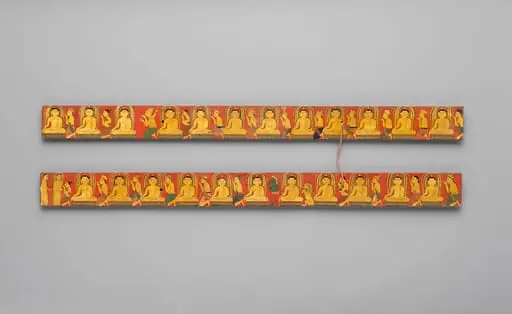 Untitled
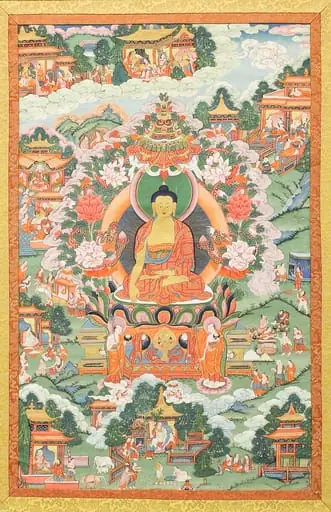 Untitled
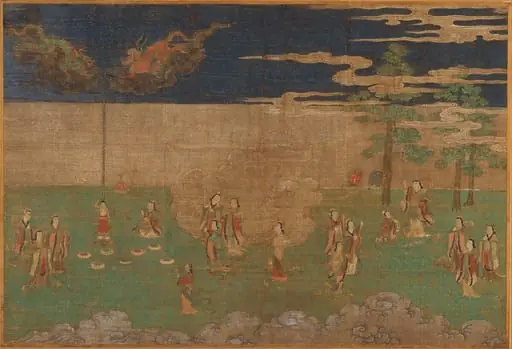 仏伝図|Scene from the Life of the Buddha
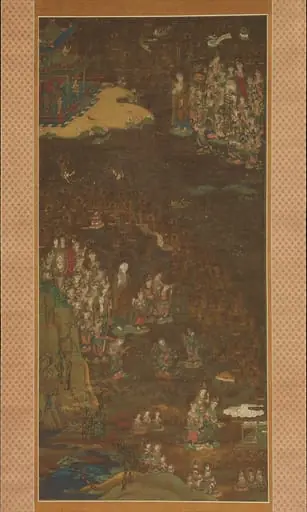 迎接曼荼羅図|Descent and Return of Amida to Western Paradise with a Believer's Soul (Gōshō mandara)
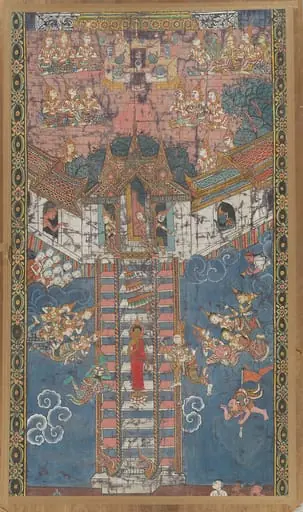 Untitled
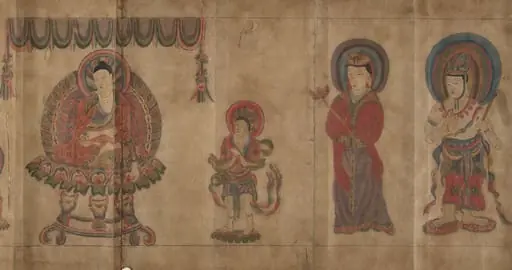 Untitled
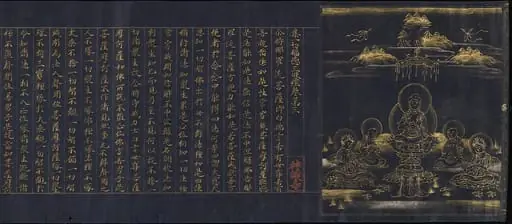 集一切福徳三昧経.|Illustrated Frontispiece to the Sutra of Enlightenment through the Accumulation of Merit and Virtue, the So-called Jingoji Sutra
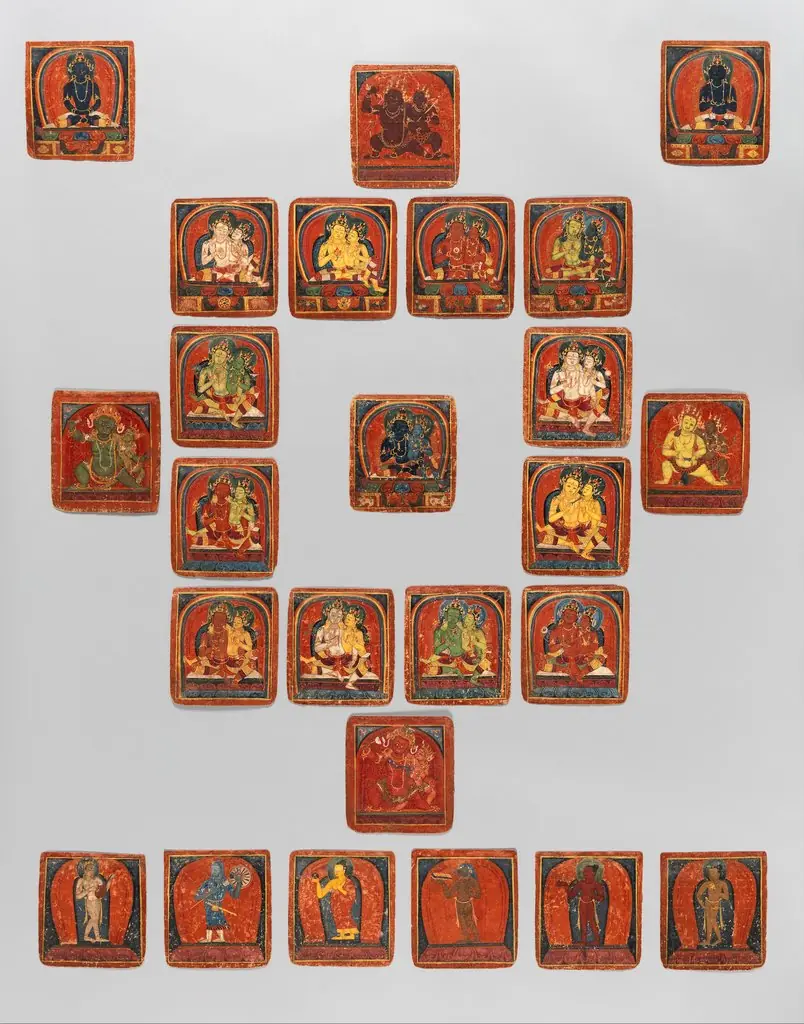 Initiation Cards (Tsakalis)
 Untitled
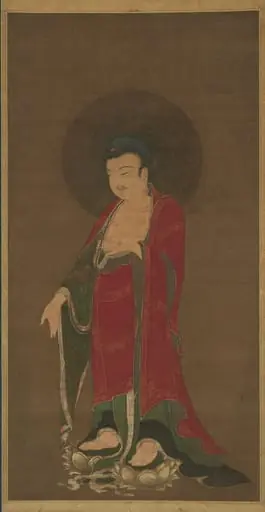 南宋 佚名 阿彌陀佛圖 軸|Buddha Amitabha Descending from His Pure Land
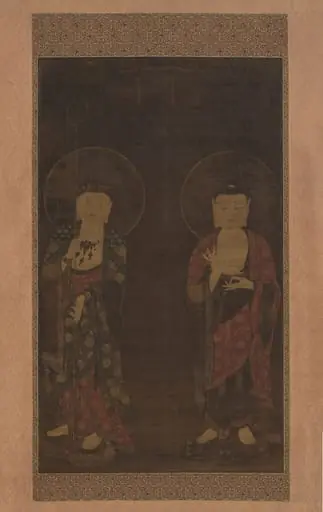 아미타불과 지장보살도 고려|阿彌陀佛・地藏菩薩圖 高麗|Amitabha and Kshitigarba
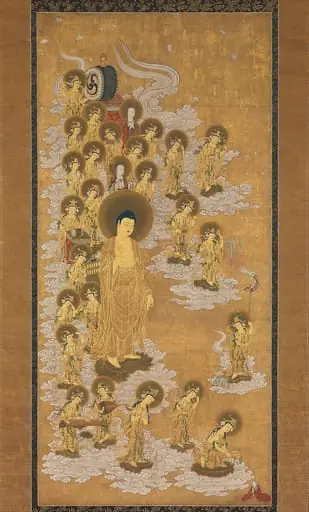 阿弥陀二十五菩薩来迎図|Welcoming Descent of Amida Buddha and Twenty-five Bodhisattvas
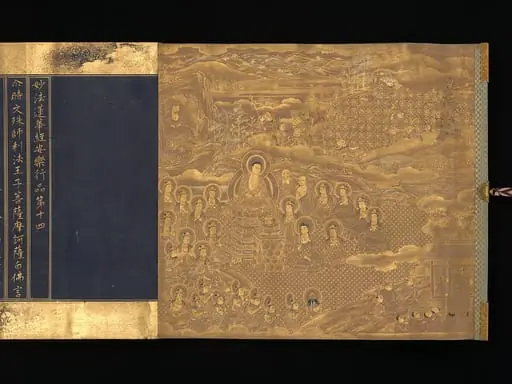 「提婆達多品」 「安楽行品」 『(法華経)』|Lotus Sutra, Chapters 12 and 14
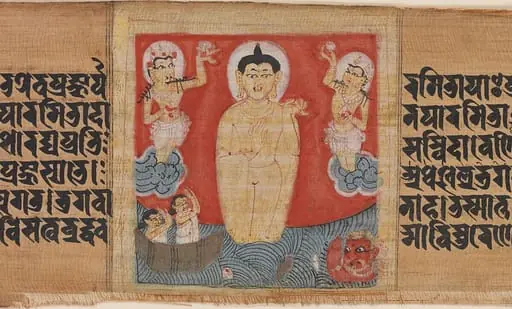 Untitled
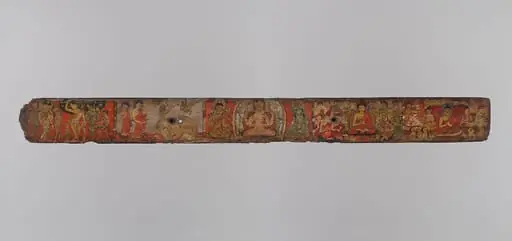 Untitled
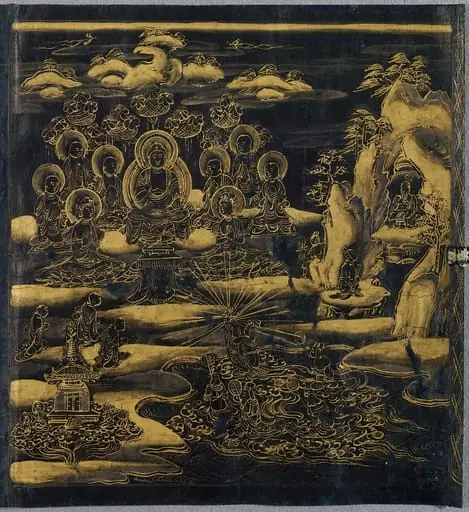 『妙法蓮華経』 「提婆達多品第十二」|“Devadatta,” Chapter 12 of the Lotus Sutra (Hoke-kyō, Daibadatta-bon)
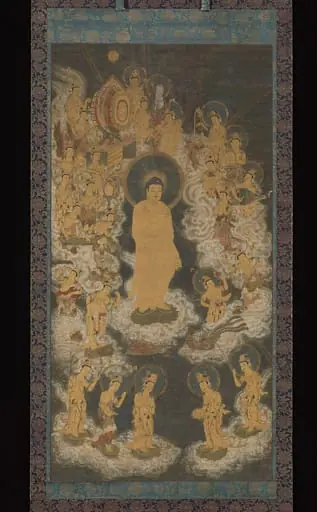 阿弥陀聖衆来迎図 |Welcoming Descent of Amida and Bodhisattvas
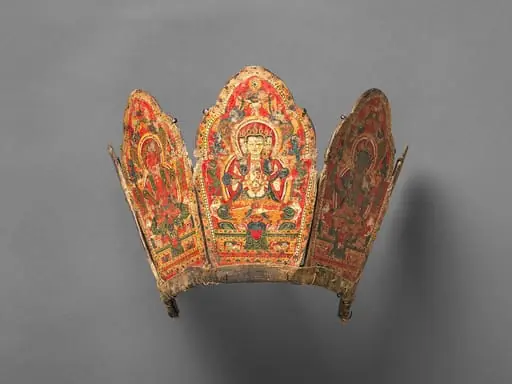 Untitled
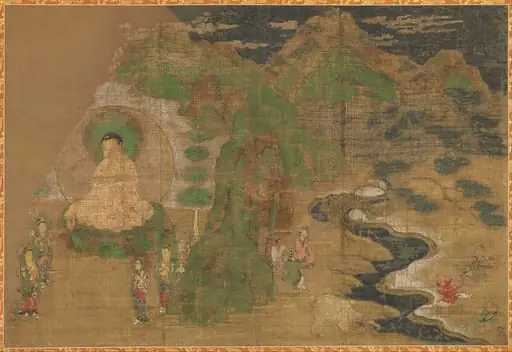 仏伝図|Scene from the Life of the Buddha
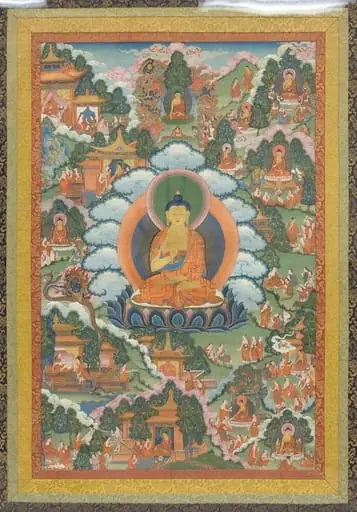 Untitled
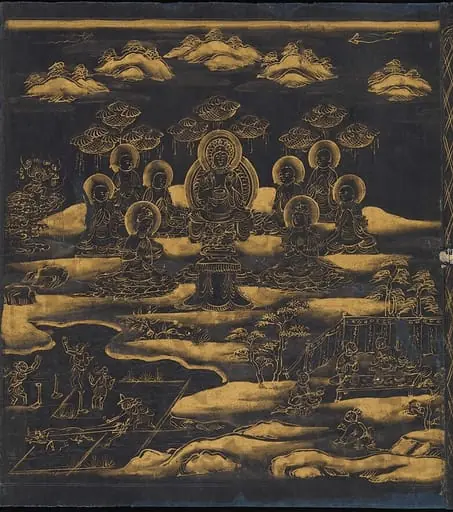 『妙法蓮華経』 「薬草喩品第五」の内|“Parable of the Medicinal Herbs,” Chapter 5 of the Lotus Sutra
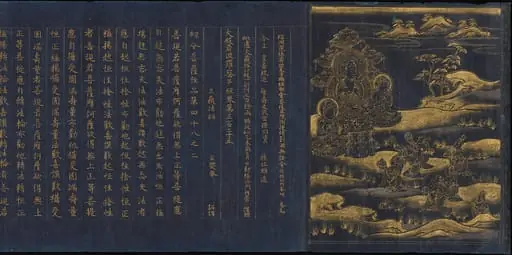 大般若経(中尊寺経)|Great Wisdom Sutra (Daihannya-kyō) from the Chūsonji Temple Sutra Collection (Chūsonji-kyō)
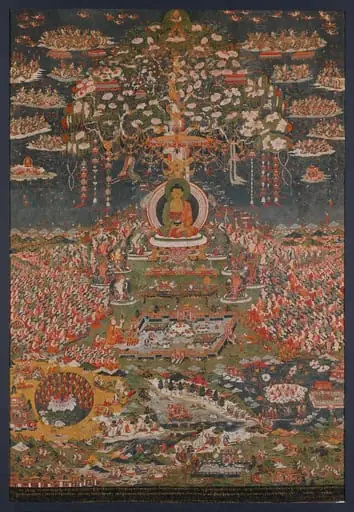 Untitled
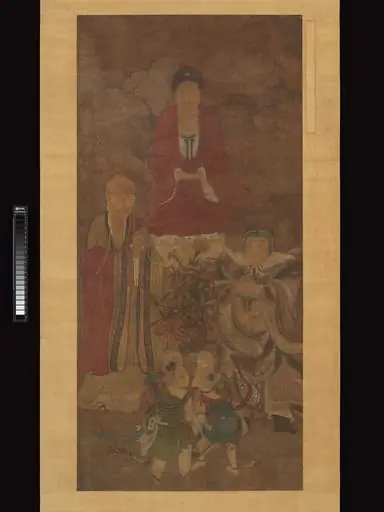 明 佚名 禮佛圖 軸|Shakyamuni with luohan, heavenly king, and boys
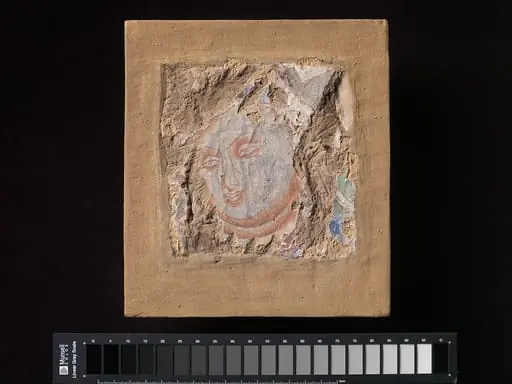 Untitled
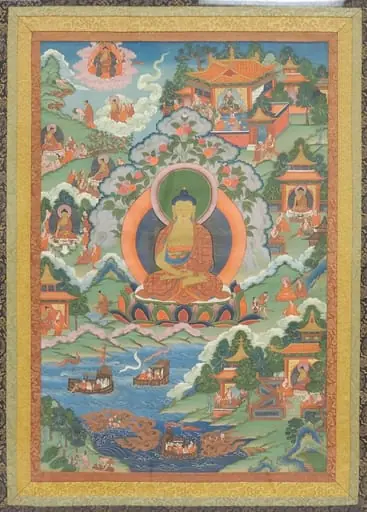 Untitled
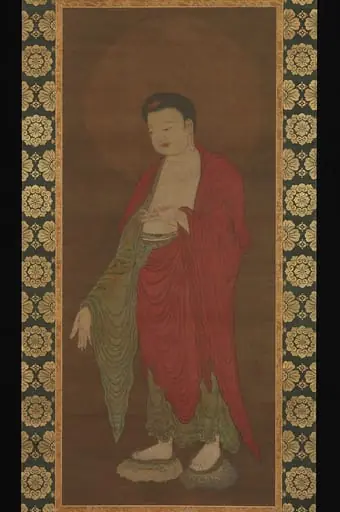 南宋 佚名 阿彌陀佛圖 軸|Buddha Amitabha Descending from his Pure Land
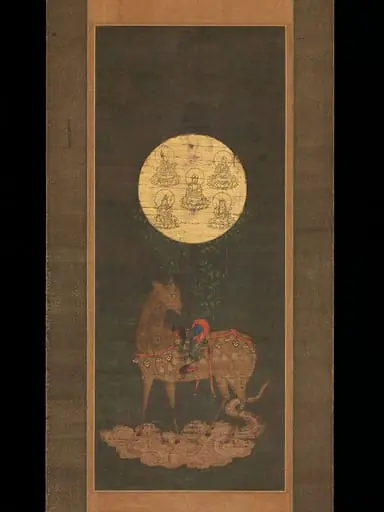 春日鹿曼荼羅 (Kasuga shika mandara)|Deer Mandala of Kasuga Shrine
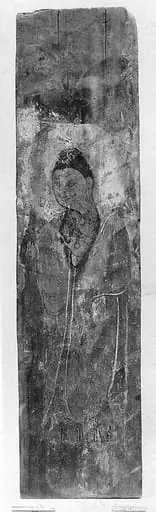 Untitled
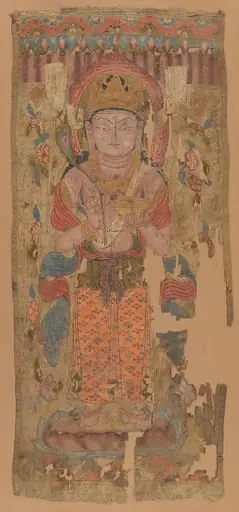 唐/五代 菩薩圖|Banner with Bodhisattva, possibly Mahamayuri
 Untitled
 Untitled
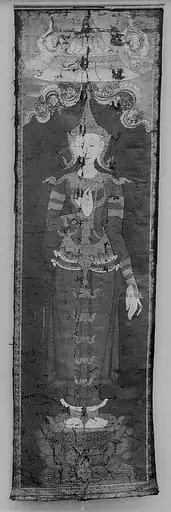 Untitled
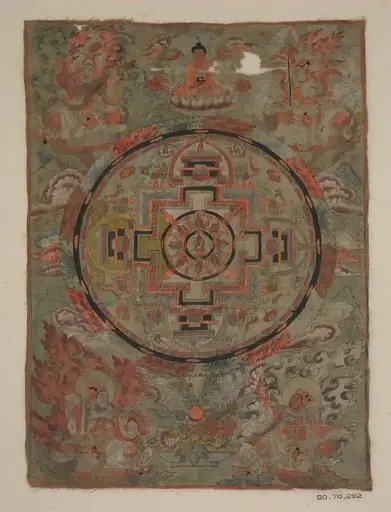 Untitled
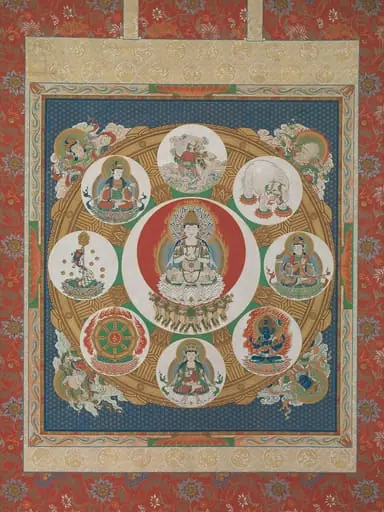 一字金輪曼荼羅|Mandala of the One-Syllable Golden Wheel
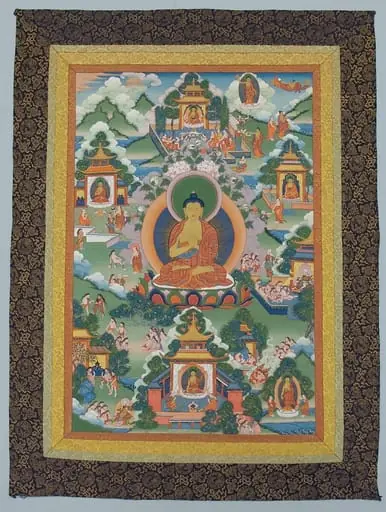 Untitled
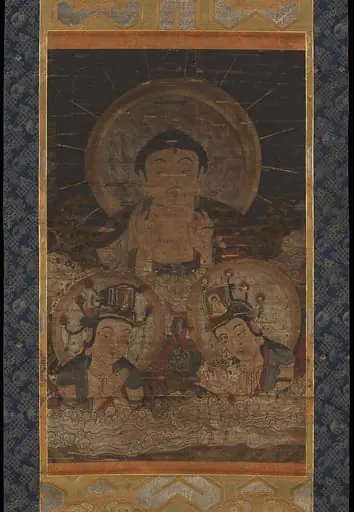 Untitled
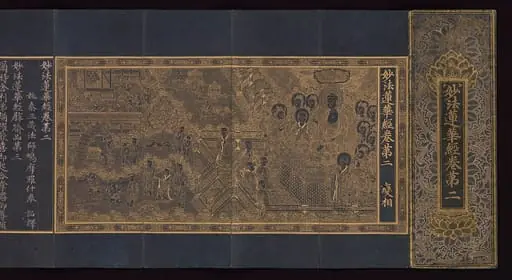 법화경변상도 고려|Illustrated manuscript of the Lotus Sutra (Miaofa lianhua jing), Volume 2
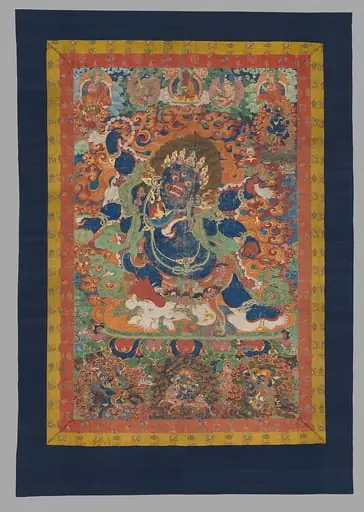 Untitled
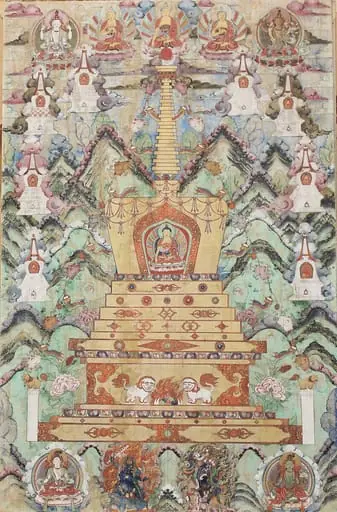 Untitled
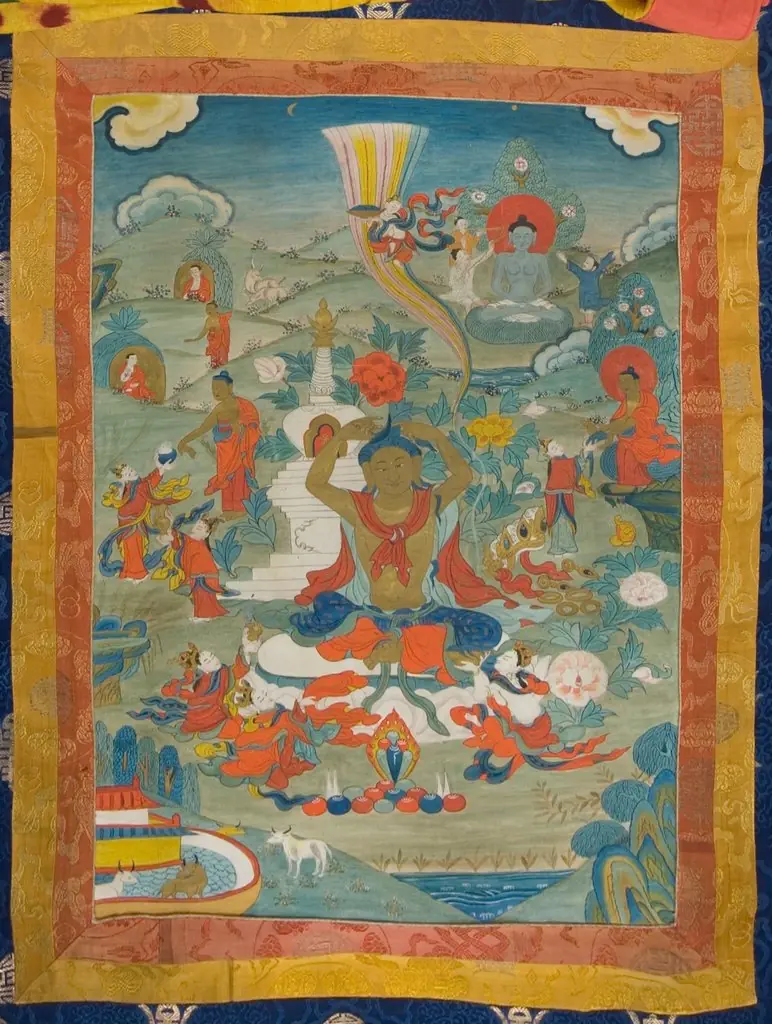 The Great Renunciation of Siddhartha
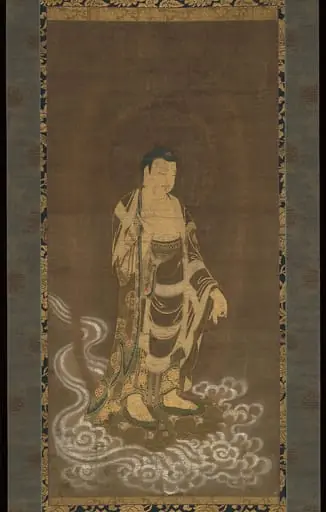 阿弥陀如来像|Welcoming Descent of Amida Buddha
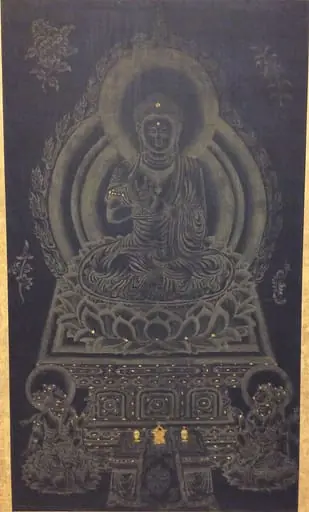 Untitled
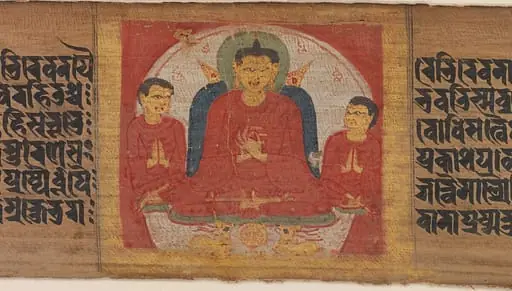 Untitled
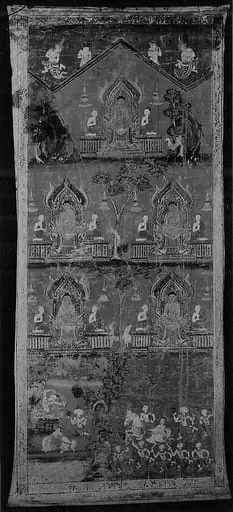 Untitled
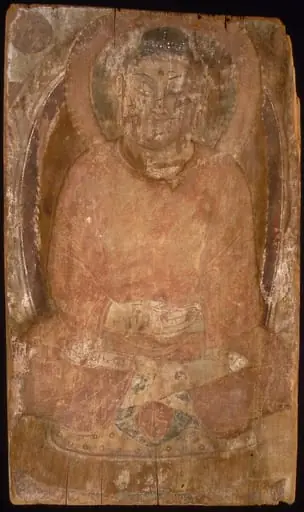 Untitled
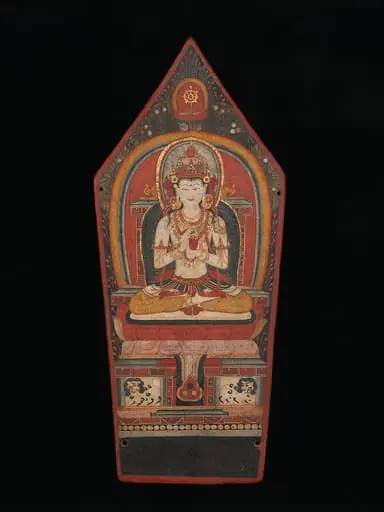 Untitled
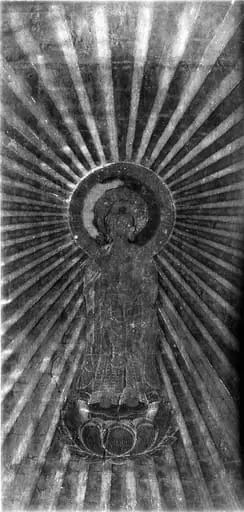 Untitled
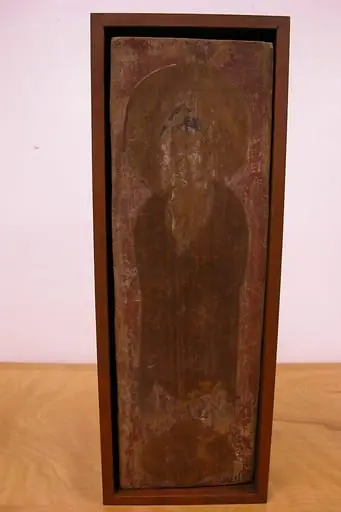 Untitled
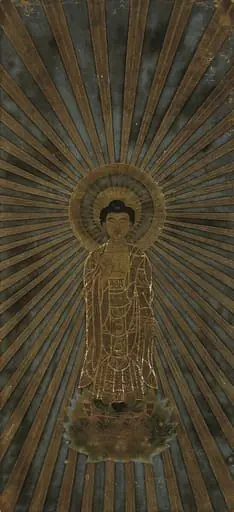 方便法身尊影|Amida Manifesting in the Dharma-body of Expedient Means
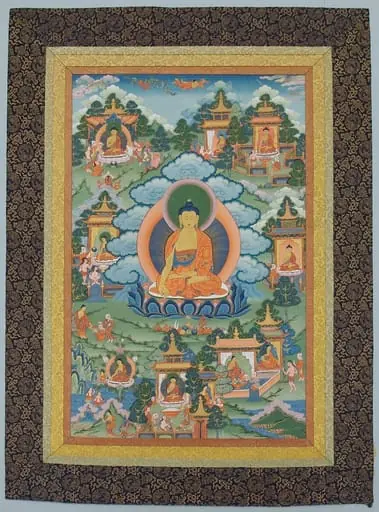 Untitled
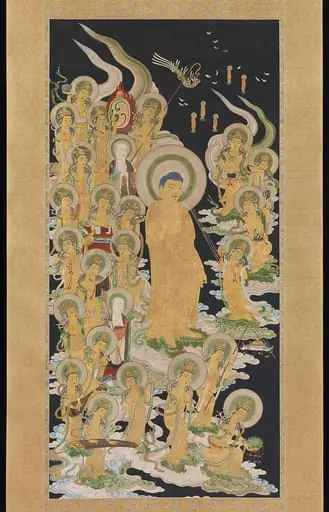 阿弥陀二十五菩薩来迎図|Buddha and Attendants
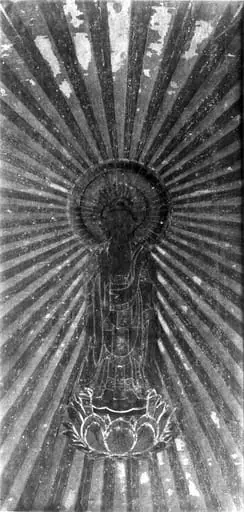 Untitled
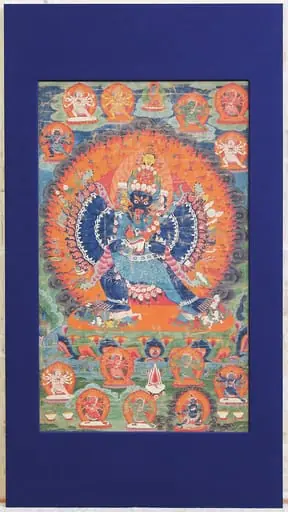 Untitled
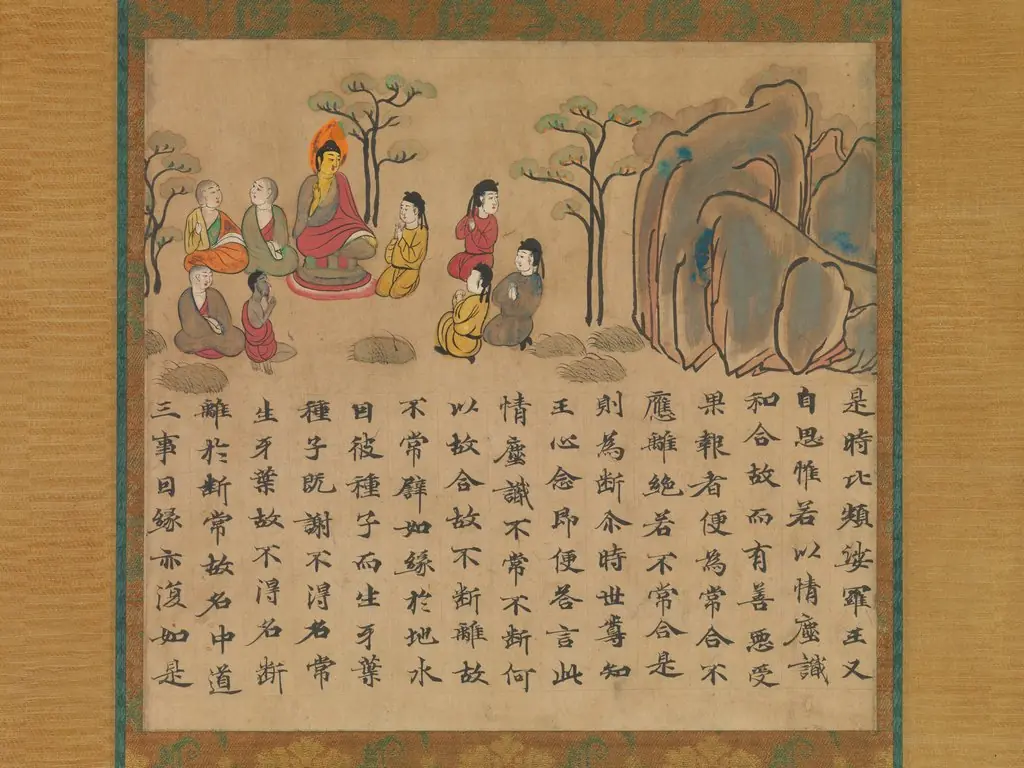 Buddha Preaching, a section from the Illustrated Sutra of Past and Present Karma (Kako genzai inga kyō emaki)
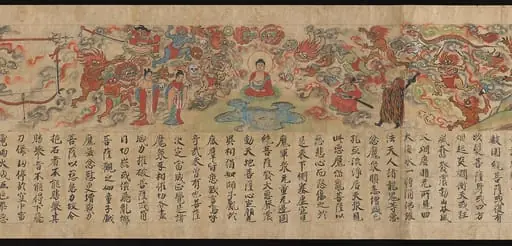 『過去現在絵因果経』 断簡 (松永本)|Scene from The Illustrated Sutra of Past and Present Karma (Kako genzai e-inga-kyō; Matsunaga Version)
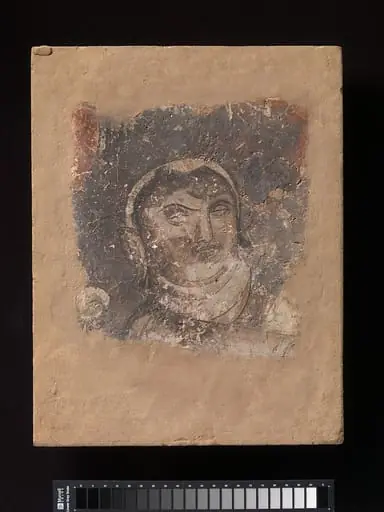 Untitled
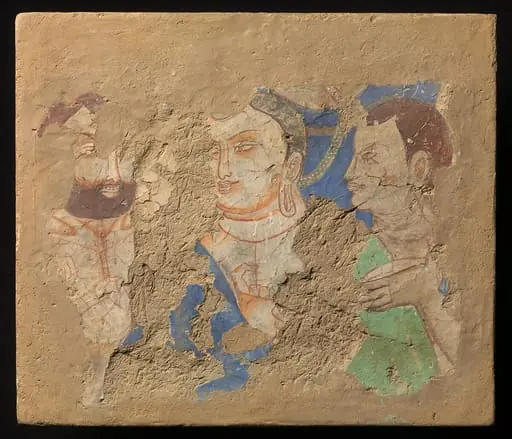 Untitled
 Untitled
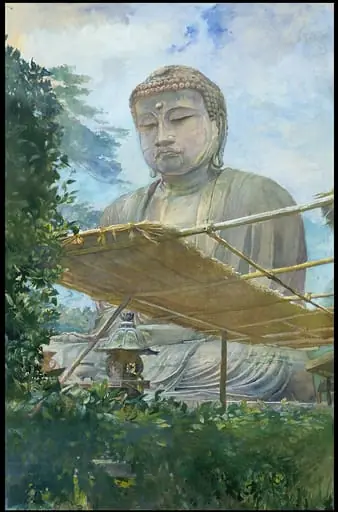 The Great Statue of Amida Buddha at Kamakura, Known as the Daibutsu, from the Priest's Garden
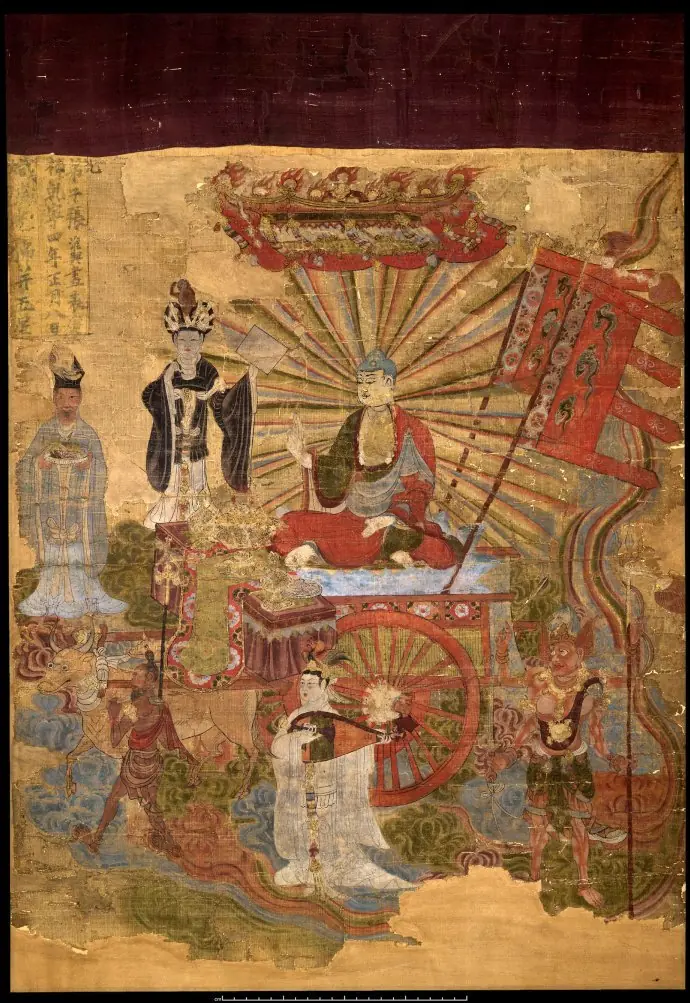 Tejaprabhā Buddha and the Five Planets
Buddha is a subject in art. male given name
Artifact World Gallery holds 95 public-domain Buddha works, all free to view and download.
Key Buddha artists in the collection include After Zhao Boju, John La Farge and Jiang Jun.
Buddha works in the collection are held by Metropolitan Museum of Art and British Museum.
Your cart is empty
Browse artworks →
