Artwork
Shah Jahan
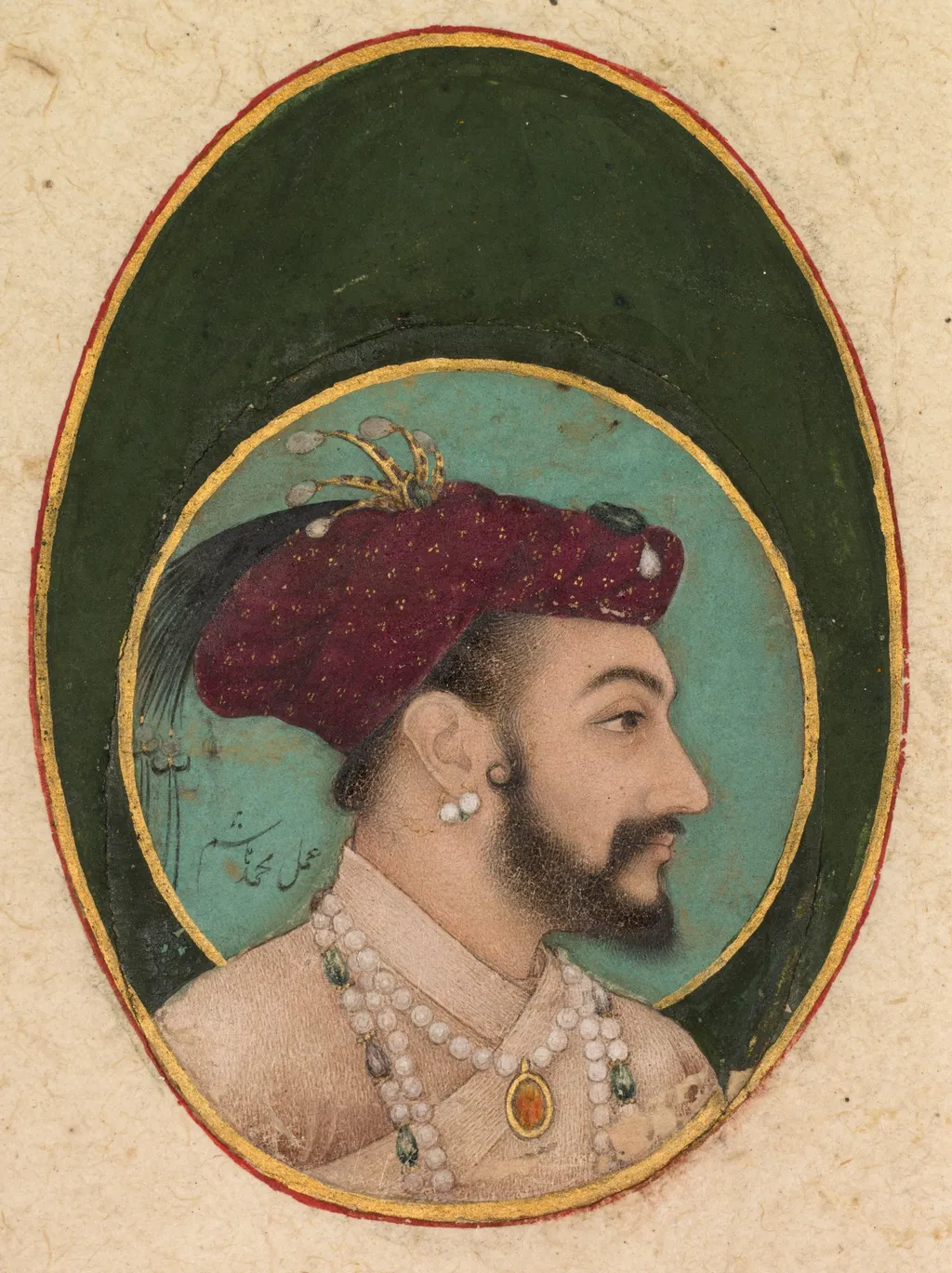
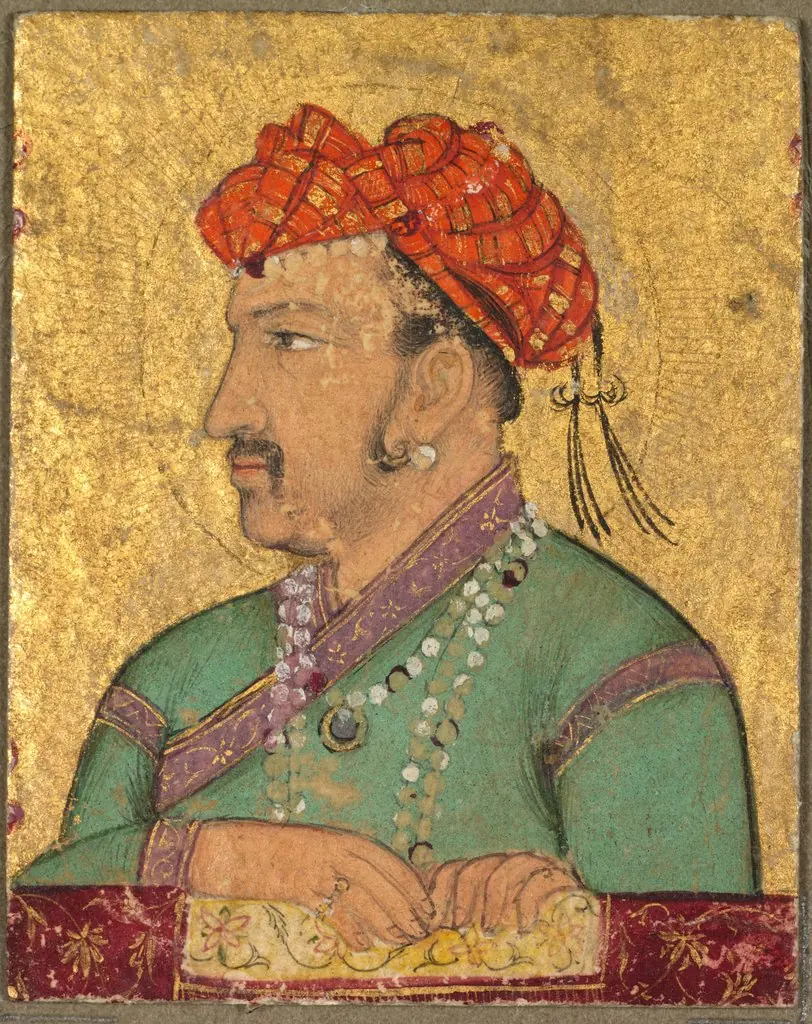
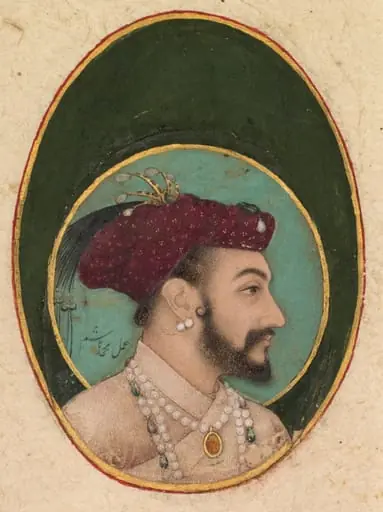
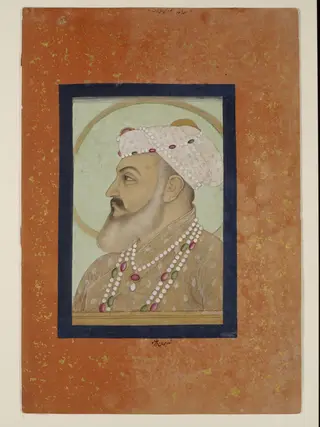
Shah Jahan is an unspecified painting. It dates from 1630 and is held in the collection of the Cleveland Museum of Art. The work is a portrait of a man rendered in profile, set against a flat green circle edged with red and gold.
About this work
History & Provenance
The painting of Shah Jahan, attributed to the artist Hashim and dated to 1630, is held in the collection of the Cleveland Museum of Art in Cleveland.
The painting known as Shah Jahan is dated to 1630 and is attributed to the Mughal painter Hashim, who was active from 1598 to about 1650.
It entered the Cleveland Museum of Art as part of its permanent holdings, where it is currently located. The work’s acquisition history within the museum is not specified in the cited sources.
The painting of Shah Jahan, attributed to the artist Hashim and dated to 1630, is held in the collection of the Cleveland Museum of Art in Cleveland. The work is cataloged under the accession number 1920.1969. The provided sources do not contain specific details regarding a history of exhibitions for this artwork.
Overview
The work is a portrait of a man rendered in profile, set against a flat green circle edged with red and gold. The figure wears a distinctive red hat topped with a feather, a beaded necklace, and a small gold pendant at his chest. Dark facial hair frames his face, and the composition is framed by Persian script that appears to identify the sitter.
Subject & Meaning
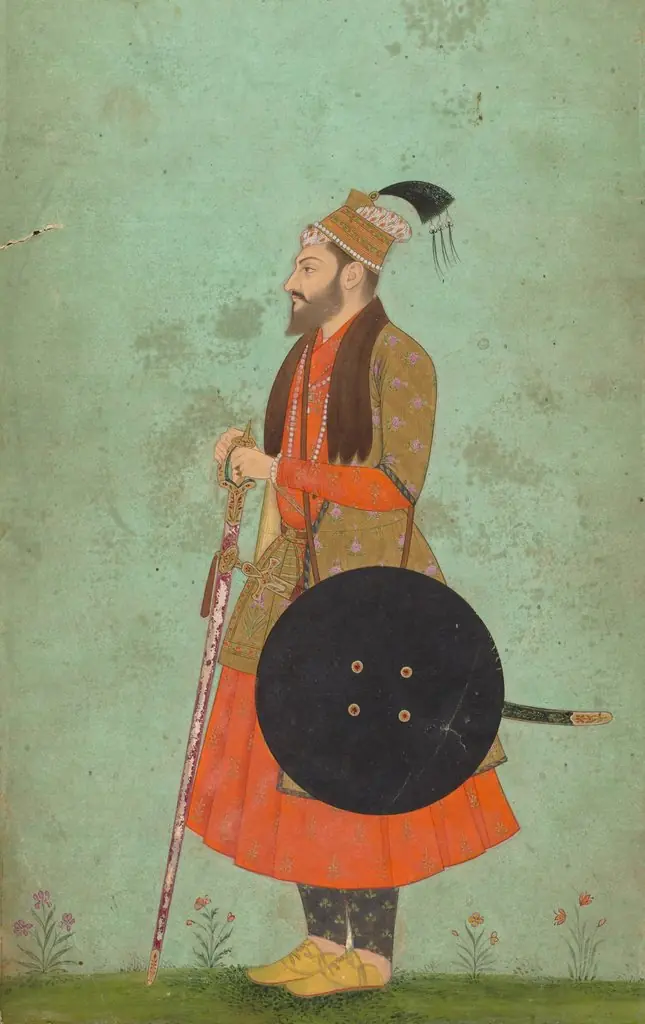
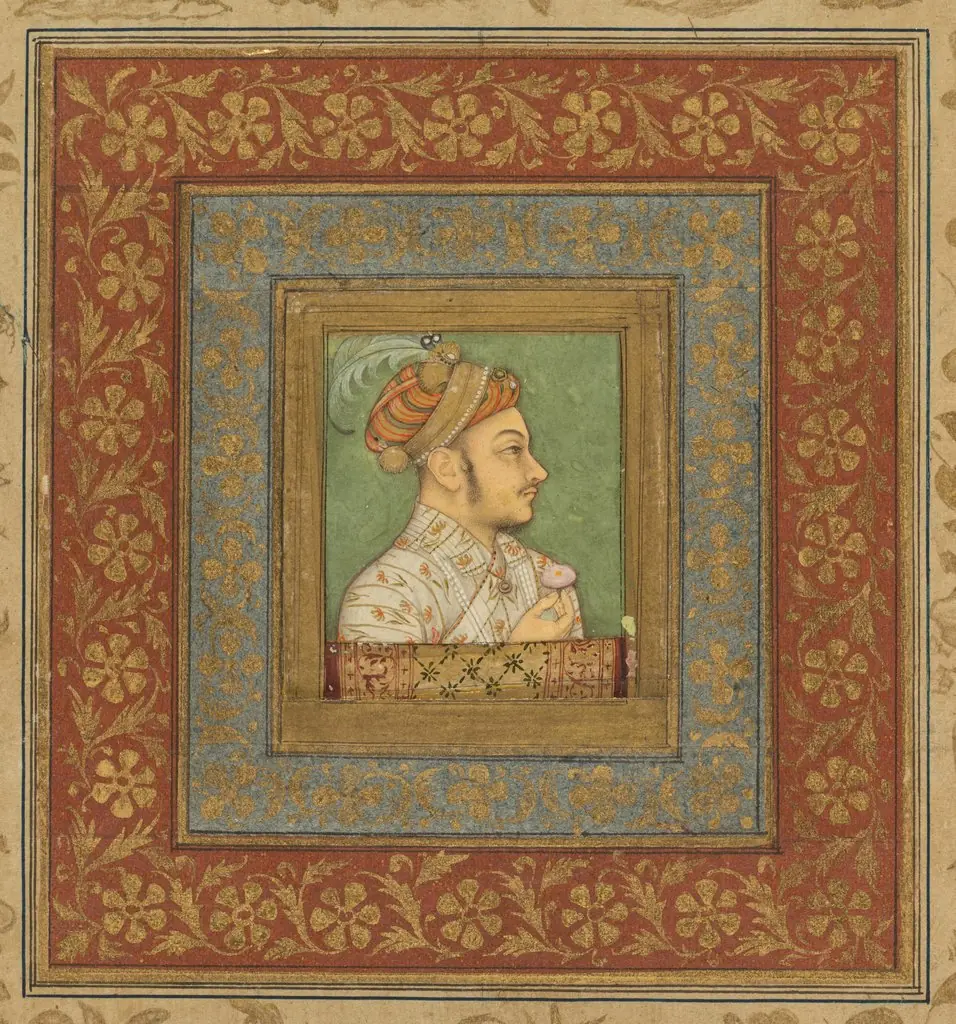
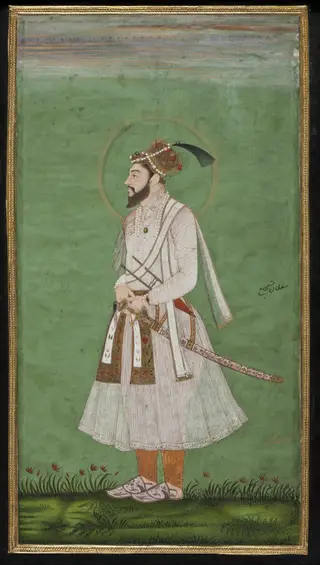
The portrait is traditionally identified as Shah Jahan, the Mughal emperor who ruled India in the 17th century. The inclusion of regal attire, a feathered hat and ornamental jewelry, along with the Persian inscription underscores his imperial status and the cultural milieu of the Mughal court.
Technique & Style
Executed with vivid pigments that have partially faded, the painting employs a flat, decorative background typical of courtly portraiture in the Mughal tradition. The use of a circular field and bold color contrasts highlights the figure, while fine brushwork delineates the beard and jewelry.
Context
Mughal portraiture often combined Persian artistic conventions with Indian courtly symbolism. This piece reflects that synthesis, presenting the emperor in a stylized, almost emblematic manner that served both decorative and propagandistic purposes within the empire.
Legacy
As a visual record of Shah Jahan’s appearance, the painting contributes to the corpus of Mughal imperial imagery that informs contemporary understandings of the period’s aesthetic and political self‑presentation.
Artist & collection