Subject
Earring
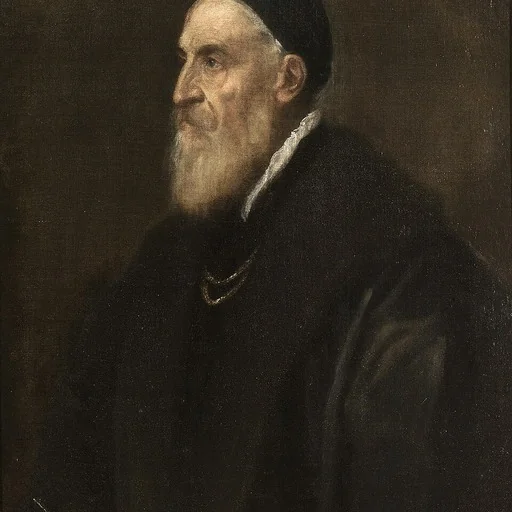
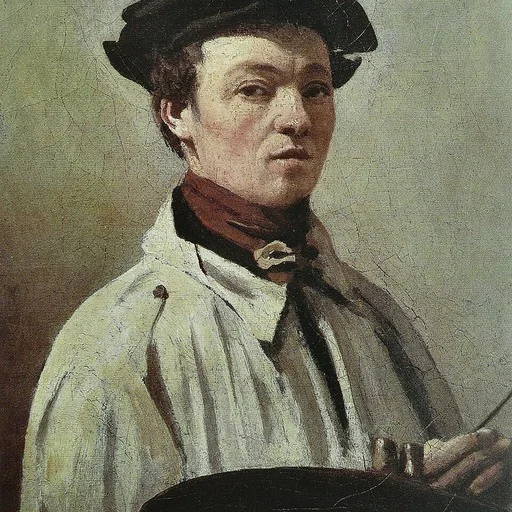
Earring is a subject in art. The gallery holds 96 works in this subject in art, including works by Titian, Paolo Veronese and Jean Baptiste Camille Corot.
As an article of personal adornment, the earring is among the oldest forms of jewelry in human culture, and artists have recorded it from the earliest civilizations onward. The oldest surviving examples come from the Sumerian royal tombs at Ur in southern Mesopotamia, around 2500 BCE, where excavators recovered large crescent-shaped gold hoops formed from thin hammered sheet over a bitumen core, finished with filigree and granulation. In ancient Egypt ear ornaments were worn by women, men, and children alike—the bust of Nefertiti and the gold mask of Tutankhamun both show pierced lobes—and were thought to guard against malign spirits. Greek goldsmiths of the Hellenistic period (3rd–2nd century BCE) elaborated the form into twisted hoops terminating in animal or female heads, a virtuoso tradition that Rome inherited and expanded.
In Roman art the earring became a marker of rank and wealth, especially once the pearl acquired enormous value. Roman women favored S-hoops set with pearls and the dangling crotalia—from the Greek for "rattle"—whose suspended pendants jingled as the wearer moved. The painted mummy portraits of Roman Egypt, the Fayum panels of the 1st–3rd centuries CE, document this fashion vividly, showing sitters in gold earrings inlaid with pearls and emeralds as deliberate signals of status. Earlier still, the frescoed Wall painting from Room H of the Villa of P. Fannius Synistor at Boscoreale, held in our catalogue and buried by Vesuvius in 79 CE, preserves the elite domestic world in which such ornaments circulated.
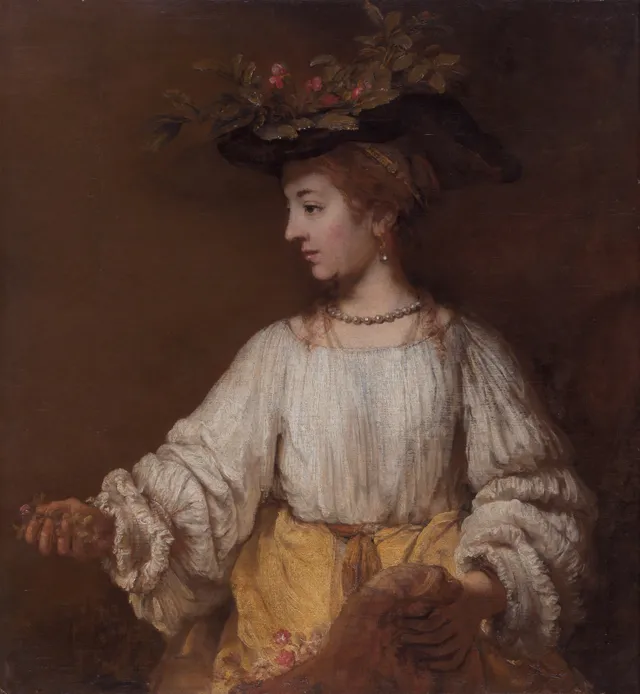
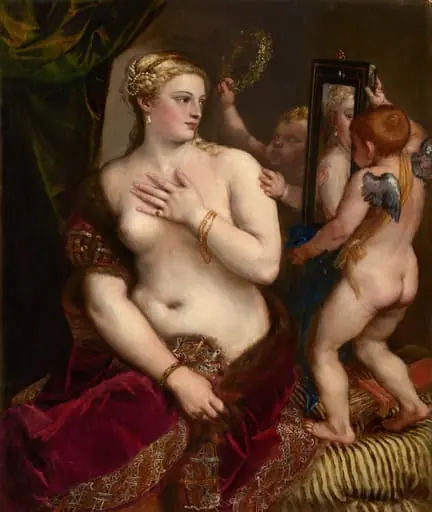
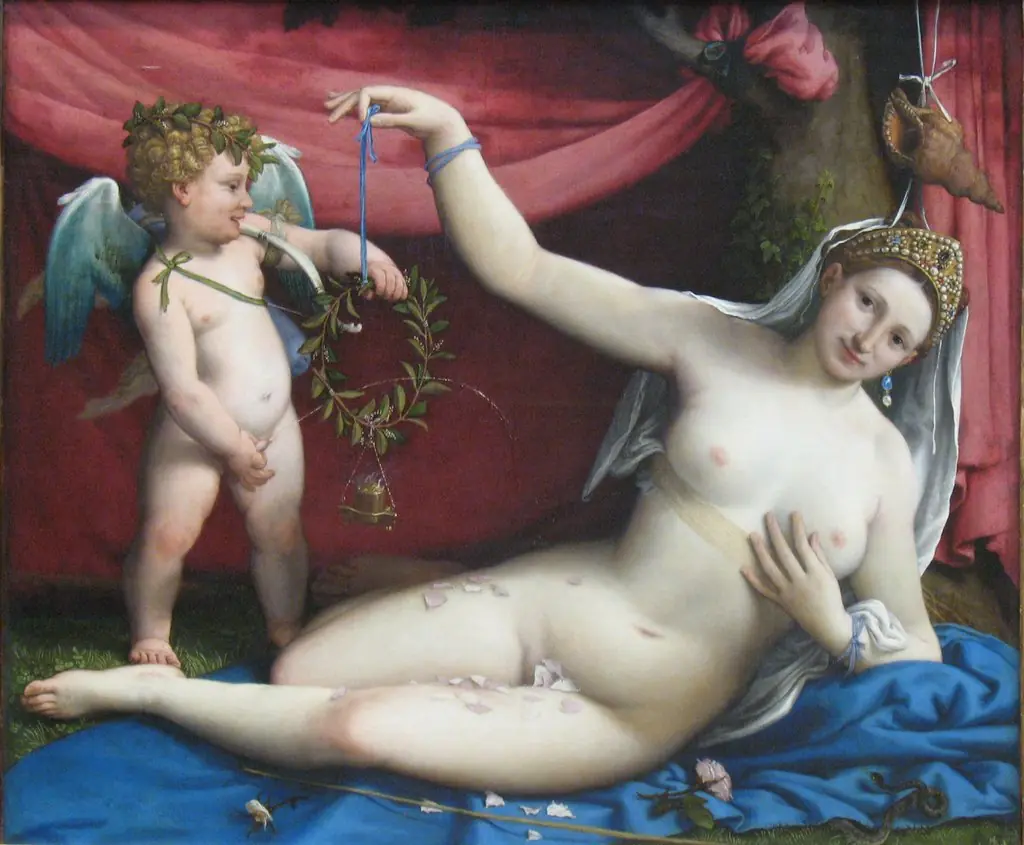
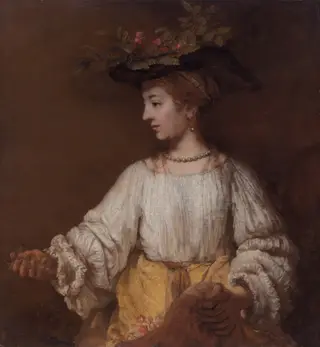
The earring reached its richest symbolic role in Renaissance and Baroque painting, where the teardrop pearl became shorthand for beauty, purity, and luxury. Titian set a single pendant pearl at the ear of his sensuous Venus with a Mirror, amid coiled hair threaded with more pearls; Paolo Veronese and Lorenzo Lotto deployed comparable adornments in their mythologies of Venus, as in Venus and Mars and Venus and Cupid. Rembrandt, consciously answering the Venetian masters, crowned his Flora with a large pearl earring as part of her sumptuous costume.
This lineage culminates in Johannes Vermeer's Girl with a Pearl Earring (c. 1665), a tronie in which the luminous, oversized pearl gathers the painting's light. The earring endures across portraiture and genre scenes as a small but eloquent attribute—of wealth, femininity, and the artist's command of reflected light.
Key artists

Overview
An earring is a piece of jewelry worn on the ear, most commonly attached through a piercing in the earlobe, though alternative methods such as clips or stickers also exist. As one of the oldest known forms of body modification, earrings have appeared across virtually every civilization and historical period, functioning variously as markers of wealth, status, gender, religious identity, and cultural belonging. The form encompasses an enormous range of designs, from simple metal hoops and studs to elaborate pendant constructions incorporating gemstones, pearls, enamel, and precious metals. The physical capacity of the earlobe to support weight without tearing has historically limited size, though deliberate ear stretching has also been practiced. In the collection under discussion, the earring appears in 122 works, signaling its persistent role as a significant detail in portraiture, mythological scenes, and domestic imagery.
Iconography & meaning
The iconography of earrings is densely layered with social and symbolic significance. In ancient contexts, gold earrings denoted wealth and high status, as evidenced by their presence in royal tombs at Ur and among Minoan elites. The Biblical record associates gold earrings with prosperity but also with the marking of slaves, creating an ambivalent symbolism that persists in later tradition. In classical antiquity, earrings became predominantly gendered as female ornaments, though notable exceptions such as Plato suggest more complex practices. Religious and ethnic markers dominate certain periods: in Renaissance Italy, Jewish women were compelled to wear earrings as identifying badges, a practice that visually aligned them with prostitutes and carried connotations of sexual impurity. Sailors adopted the pierced earlobe as a credential of maritime experience, signaling that the wearer had sailed around the world or crossed the equator. In folk medicine, particularly in rural Germany, earrings and ear screws were believed to ward off eye diseases. The crotalium, a Roman earring with pendant pearls that tinkled when the wearer moved, explicitly signified elevated social rank through both its precious materials and its audible presence.
Across movements & periods
The treatment of earrings in art has shifted dramatically across movements and cultures, reflecting broader changes in fashion, morality, and technique. In Bronze Age Greece, Minoan and Mycenaean frescoes show hoop earrings with conical pendants, while later Greek work favored filigreed crescents and vase-shaped pendants. Roman art popularized disk-shaped earrings and the sonorous crotalia, techniques of granulation and opus interrasile producing increasingly sophisticated effects. The medieval period in Western Europe witnessed a near-disappearance of the earring, as long hair, elaborate headdresses, and religious disapproval concealed and suppressed the practice; sumptuary laws further restricted display, and earrings became stigmatized as markers of prostitutes and Jewish women. The Renaissance brought resurgence in Italy and Spain, with pearl-drop pendants and coordinated parures, while in Northern Europe the sixteenth century saw male courtiers adopt the fashion, albeit amid moral criticism. The seventeenth century introduced the girandole, a three-branched chandelier form, later simplified into the heavy pendeloque. The Biedermeier period democratized earring wearing through gilt substitutes and thin gold leaf, integrating it into bourgeois daily dress. By the late nineteenth century, piercing was briefly deemed primitive, and clip-ons predominated, but Princess Elizabeth's ear piercing in 1951 helped rehabilitate the practice, which resurged among youth cultures by the late 1950s and spread to men through hippie and gay communities by the late 1960s.
Notable depictions
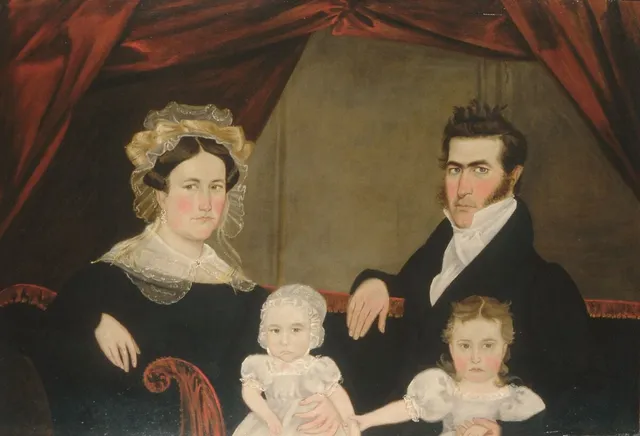
The collection contains several particularly significant depictions of earrings. Titian's Venus with a Mirror establishes a canonical Renaissance formulation of the adorned goddess, with earrings participating in a broader vocabulary of sensual luxury. The Boscoreale wall painting preserves ancient Roman practice in a domestic context of extraordinary refinement. In portraiture, works such as Matilda Stoughton de Jaudenes and Madame Philippe Panon Desbassayns de Richemont exemplify how eighteenth and early nineteenth-century painters used earrings to articulate colonial and aristocratic identity respectively. The Family Group of Four on Sofa demonstrates the motif's migration into intimate, middle-class representation. François Clouet's portraits provide rare visual evidence of male earring wearing among the French Renaissance elite, a practice otherwise sparsely documented before the revolutionary adoption of sans-culotte fashion. The first Bavarian King, Maximilian I Joseph, appears in numerous paintings wearing earrings on both ears, representing a distinctive regional and temporal exception to the predominantly female association of the ornament in European court portraiture.
Legacy
The cultural afterlife of the earring extends far beyond its material form. The rehabilitation of ear piercing in the mid-twentieth century, catalyzed by Princess Elizabeth's example and accelerated by youth counterculture, transformed a practice once associated with ethnic particularity or moral laxity into mainstream fashion. The medicalization and commercialization of piercing, from Manhattan jewelry stores to department store events sponsored by manufacturers, marked a profound shift in social acceptance. The subsequent punk appropriation of multiple and extreme piercings, later absorbed into mainstream fashion, continued this trajectory of subcultural innovation and normalization. In art historical terms, the earring remains a telling detail for scholars reconstructing sitters' social status, artists' access to precious materials, and the gendered codes of different periods. The persistence of earrings across the 122 works in this collection, from antiquity through the nineteenth century, testifies to their enduring capacity to signify identity, desire, and distinction, even as their specific meanings have been repeatedly renegotiated.
Works
 Venus with a Mirror
 Venus and Mars
 Venus and Cupid
 Flora
Flora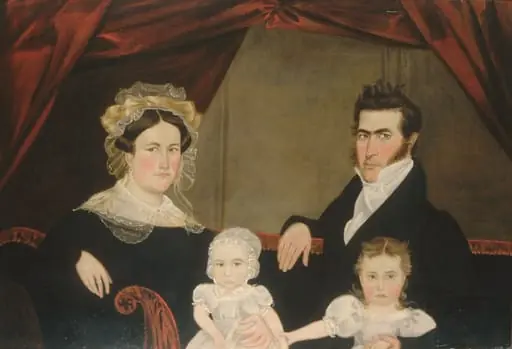 Family Group of Four on Sofa
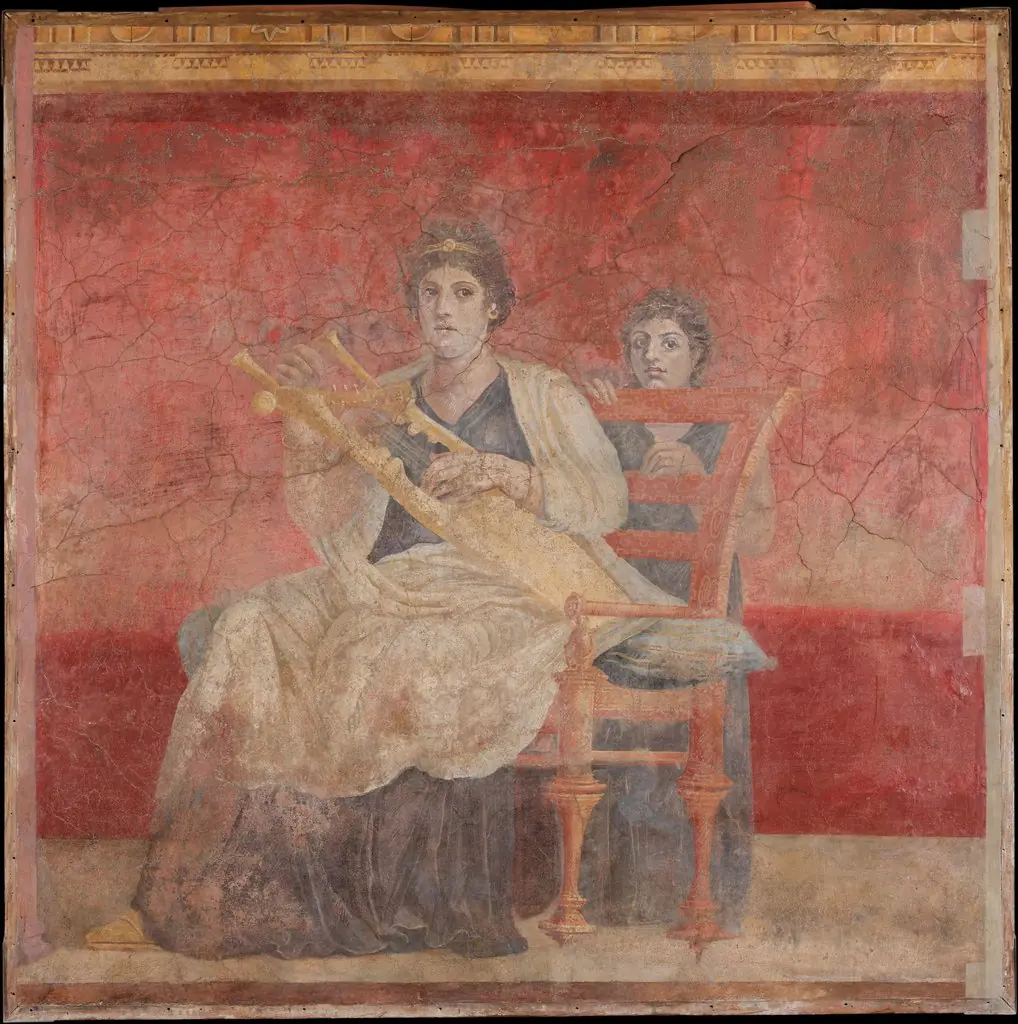 Wall painting from Room H of the Villa of P. Fannius Synistor at Boscoreale
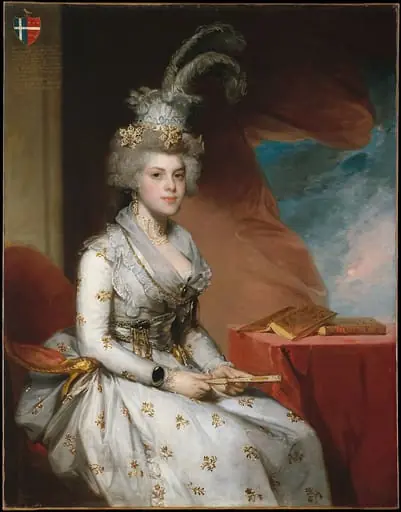 Matilda Stoughton de Jaudenes
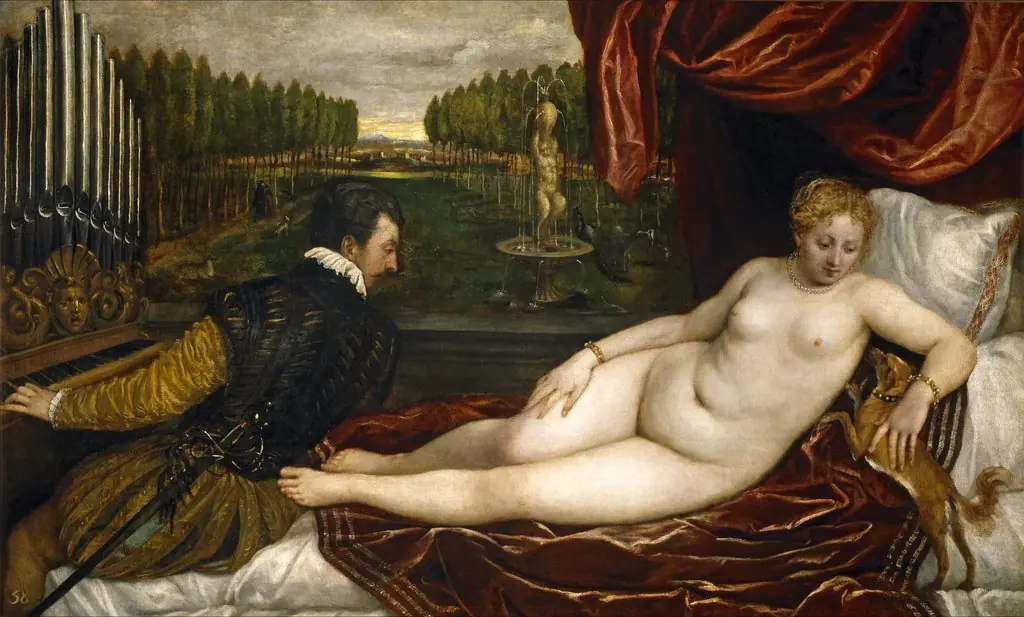 Venus and Music
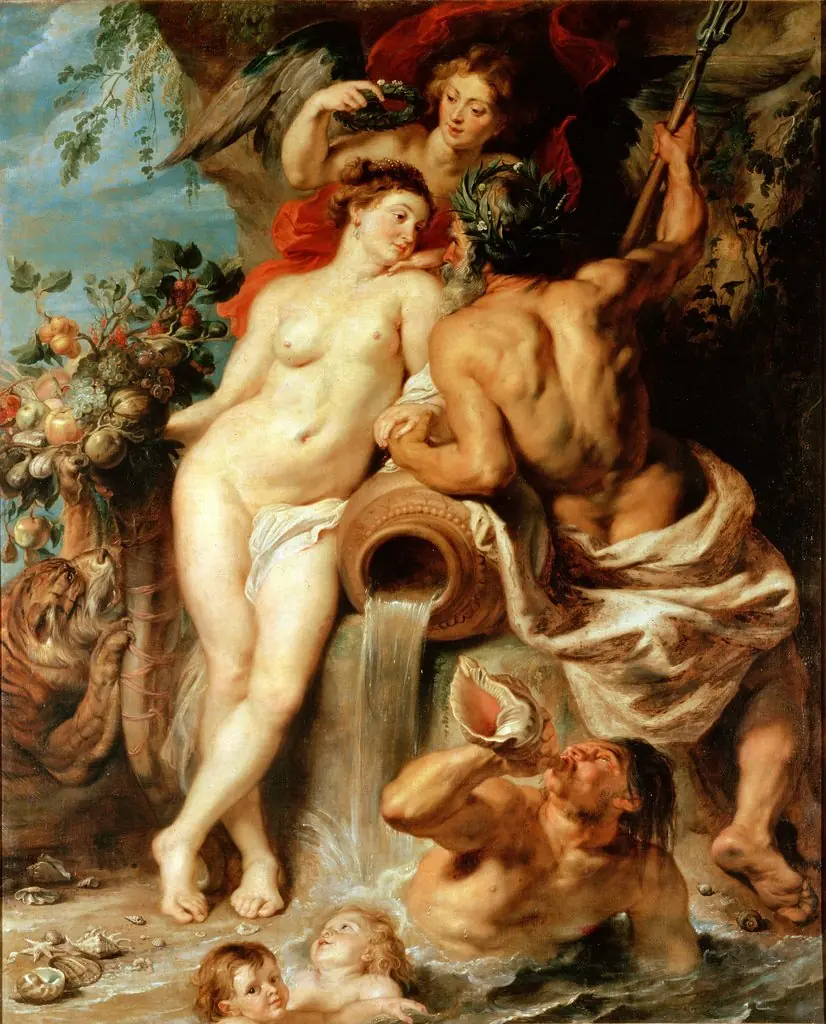 The Union of Earth and Water (Antwerp and the Scheldt)
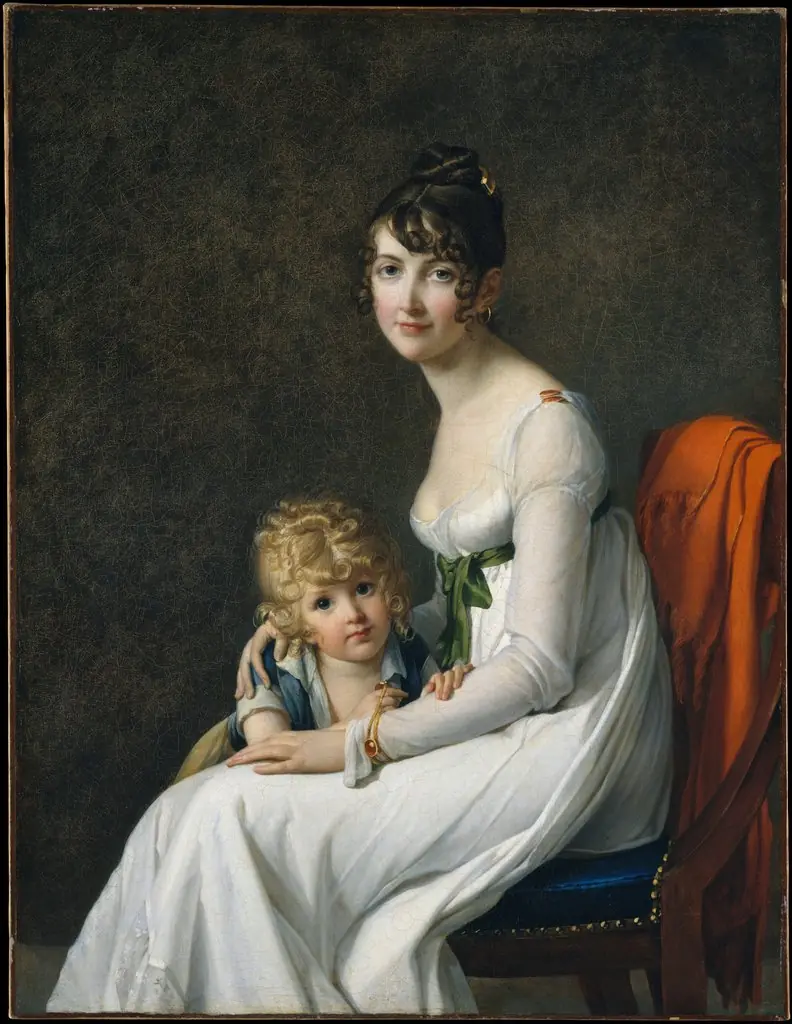 Madame Philippe Panon Desbassayns de Richemont (Jeanne Eglé Mourgue, 1778–1855) and Her Son, Eugène (1800–1859)
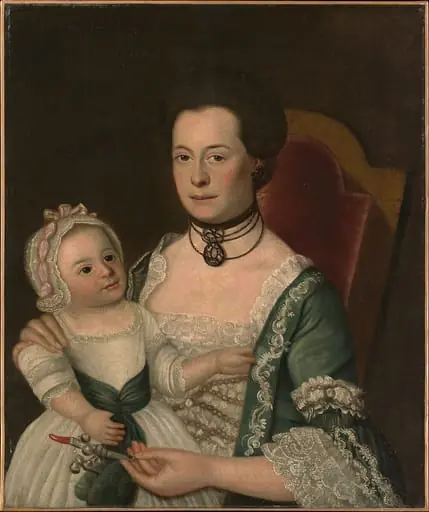 Mrs. Jacob Hurd and Child
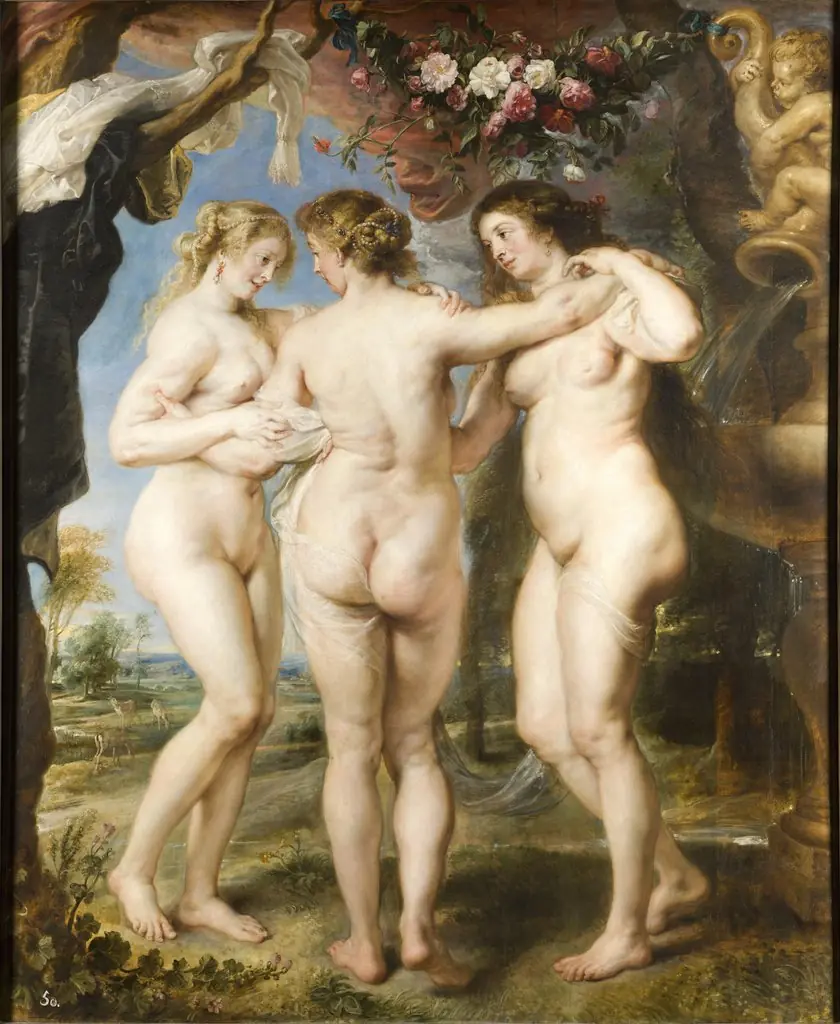 The Three Graces
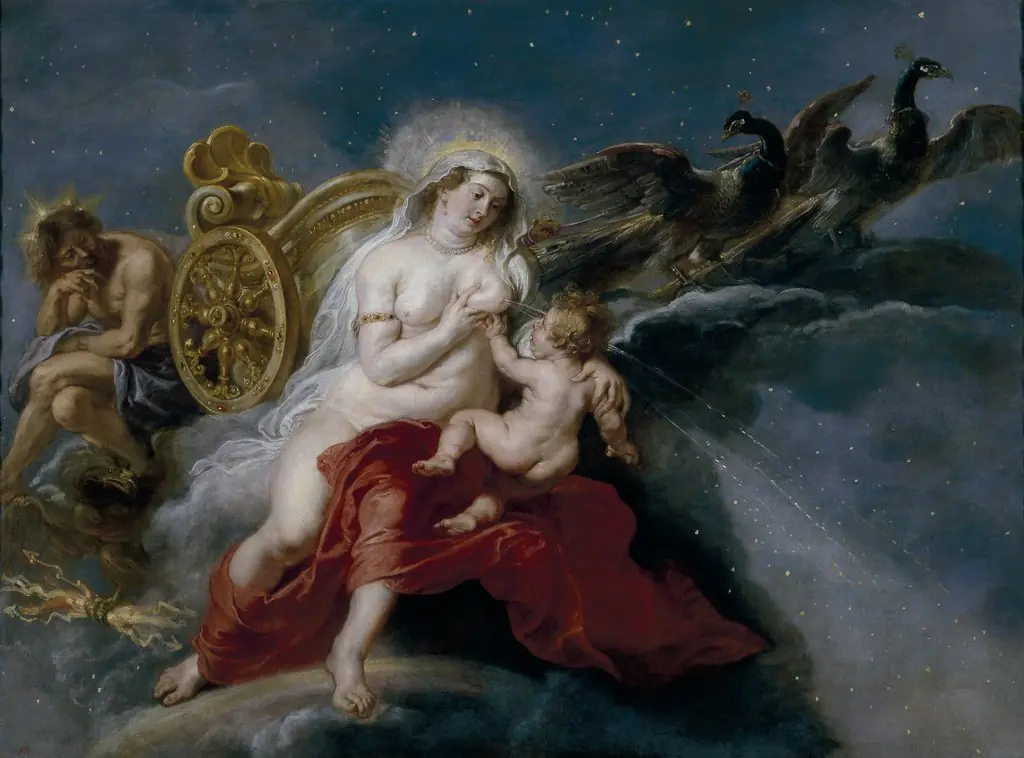 The Origin of the Milky Way
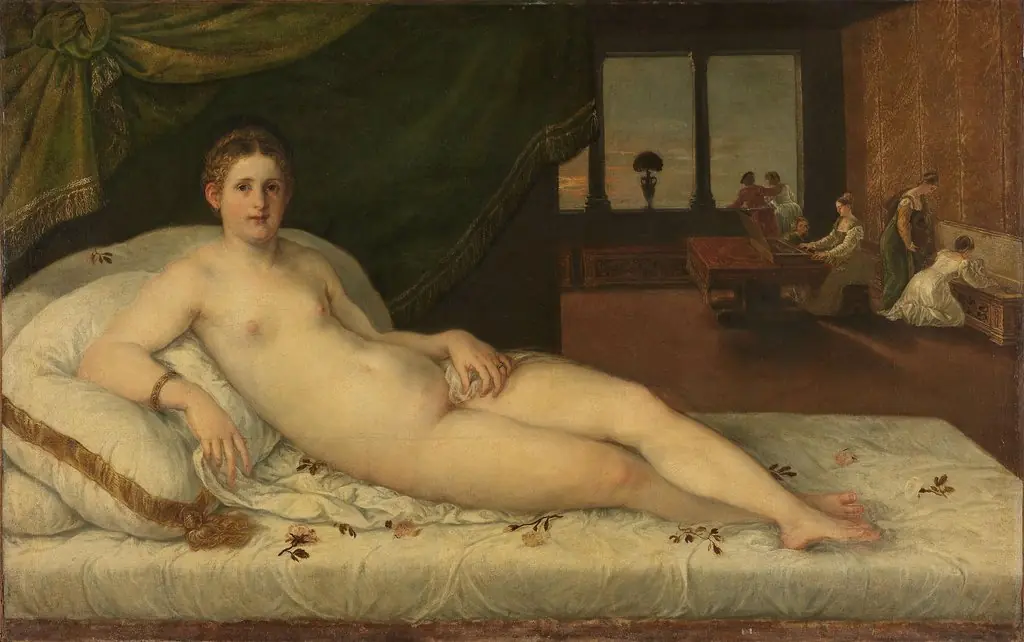 Reclining Venus
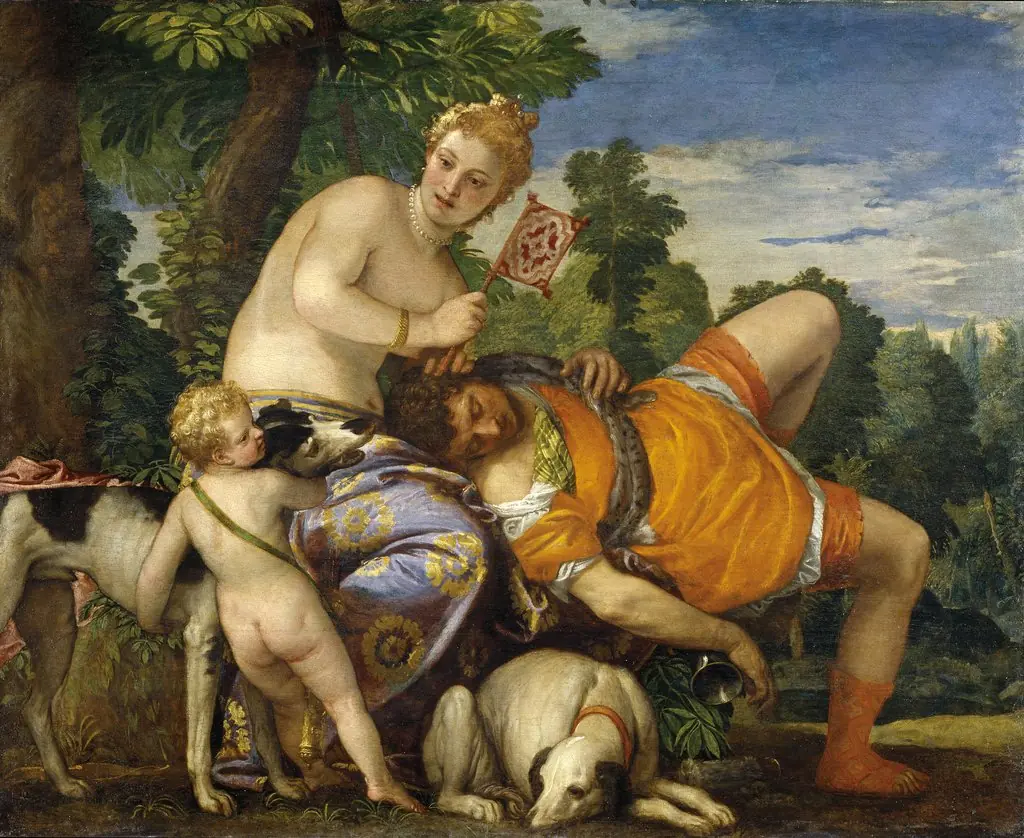 Venus and Adonis
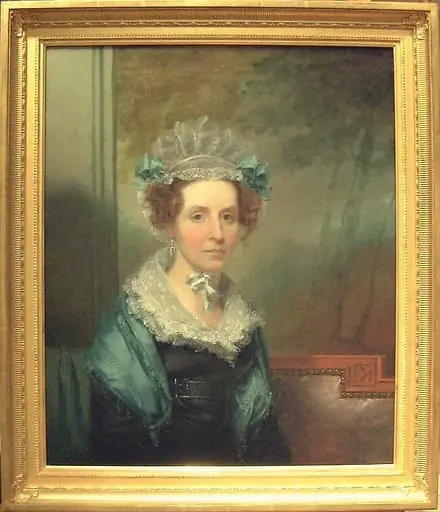 Mrs. Charles Cummings (Rebecca Pittard)
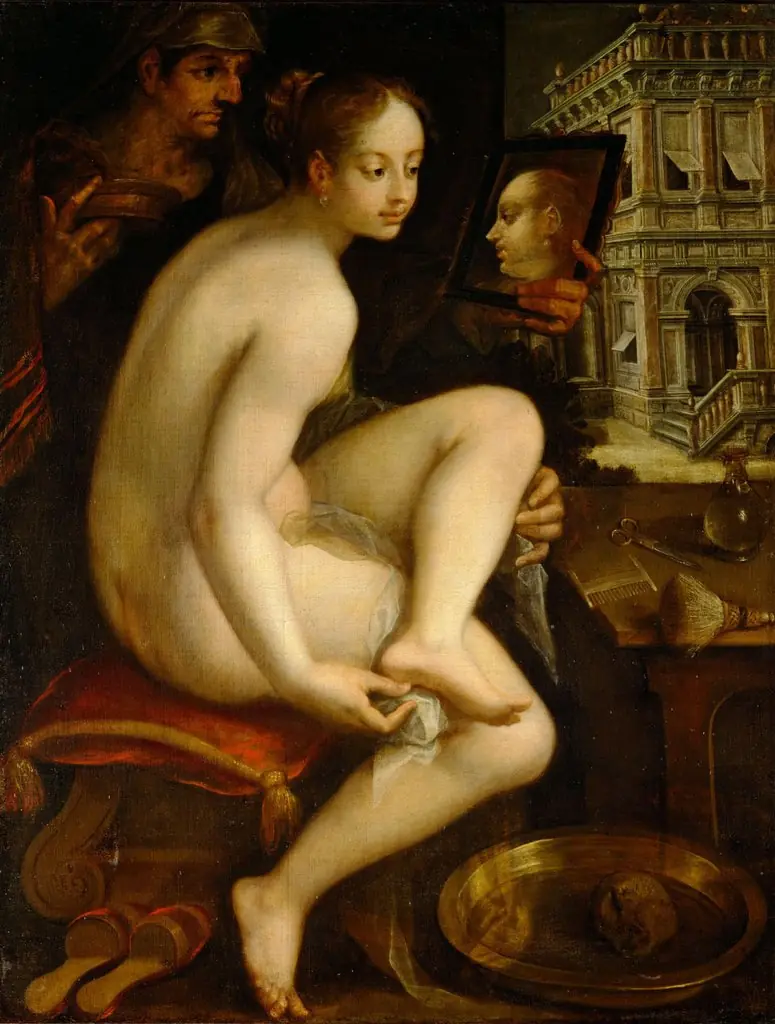 David and Bathsheba
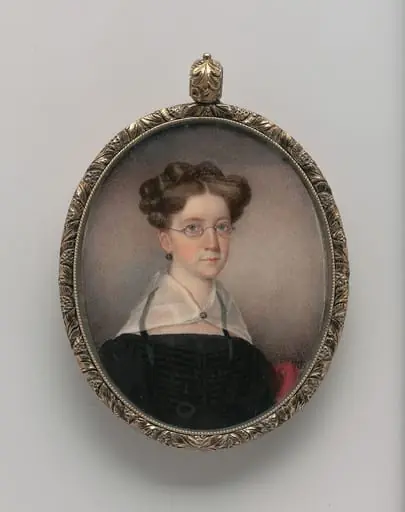 Portrait of a Lady
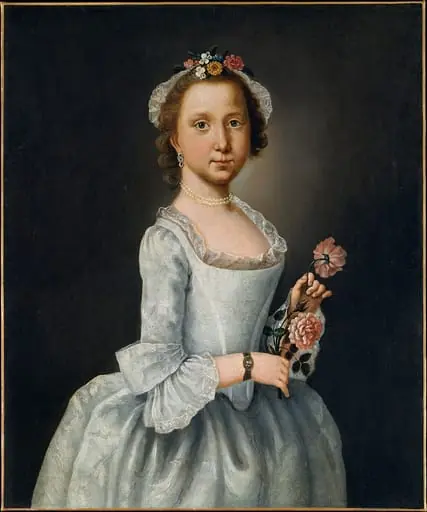 Portrait of a Lady
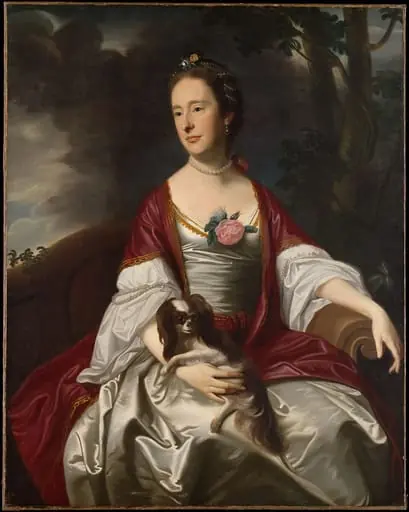 Mrs. Jerathmael Bowers
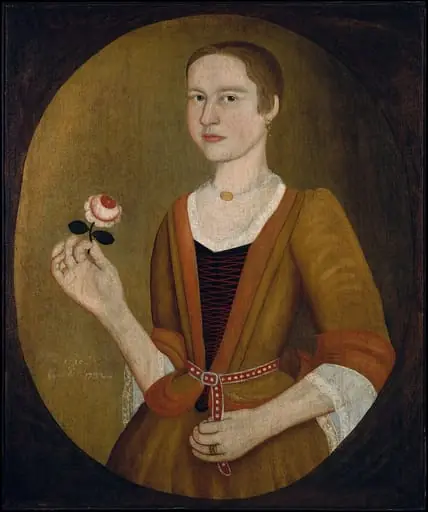 Young Lady with a Rose
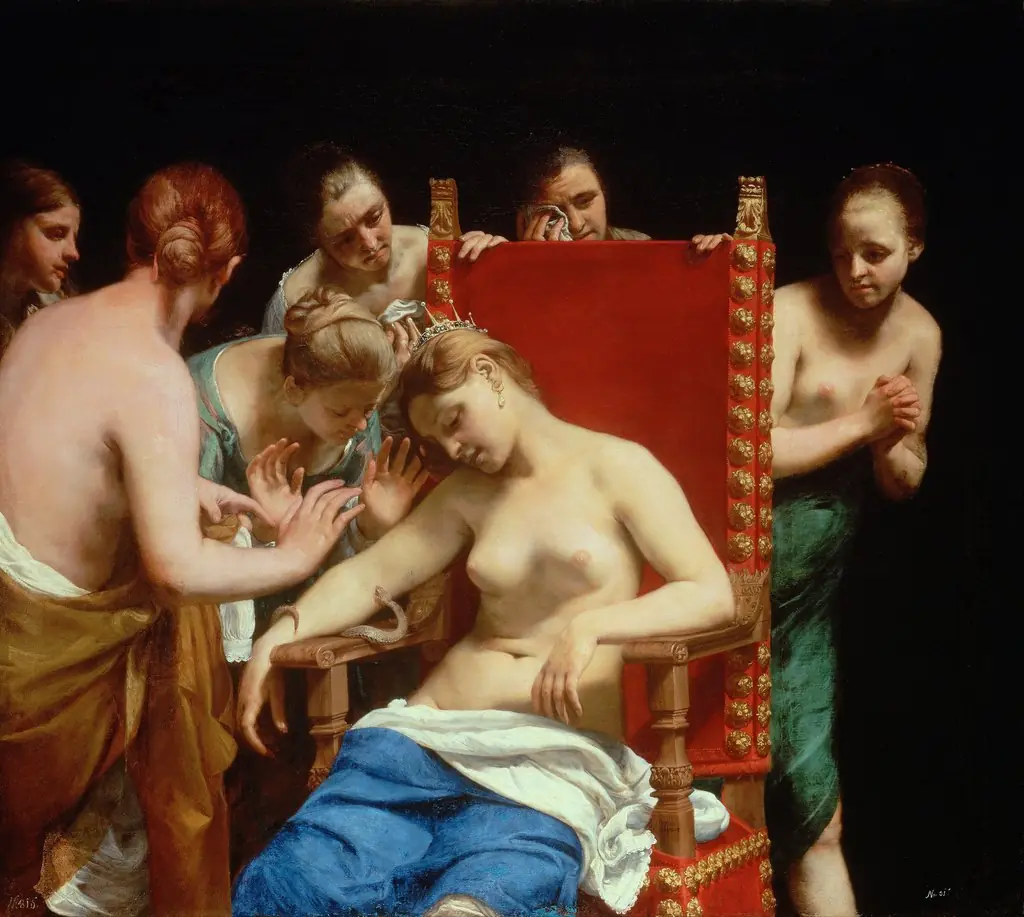 The Death of Cleopatra
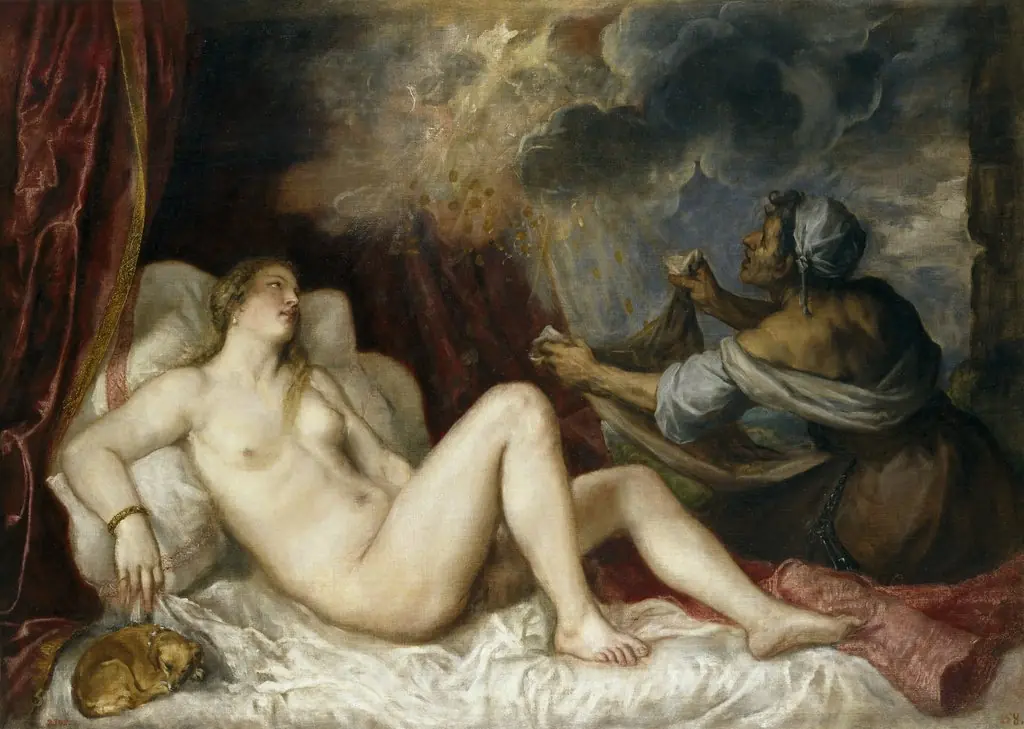 Danaë
Danaë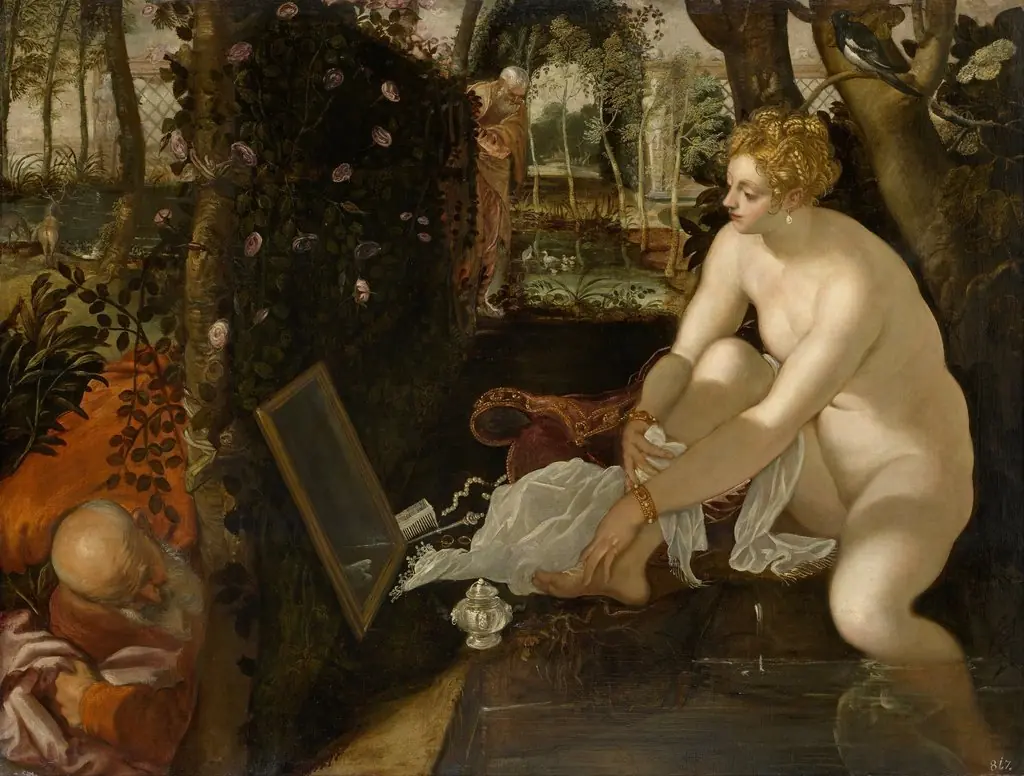 Susanna and the Elders
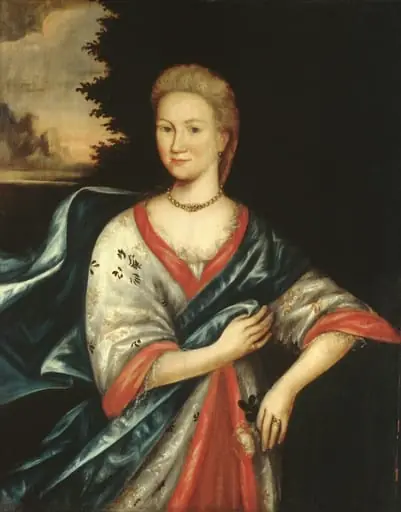 Portrait of a Lady
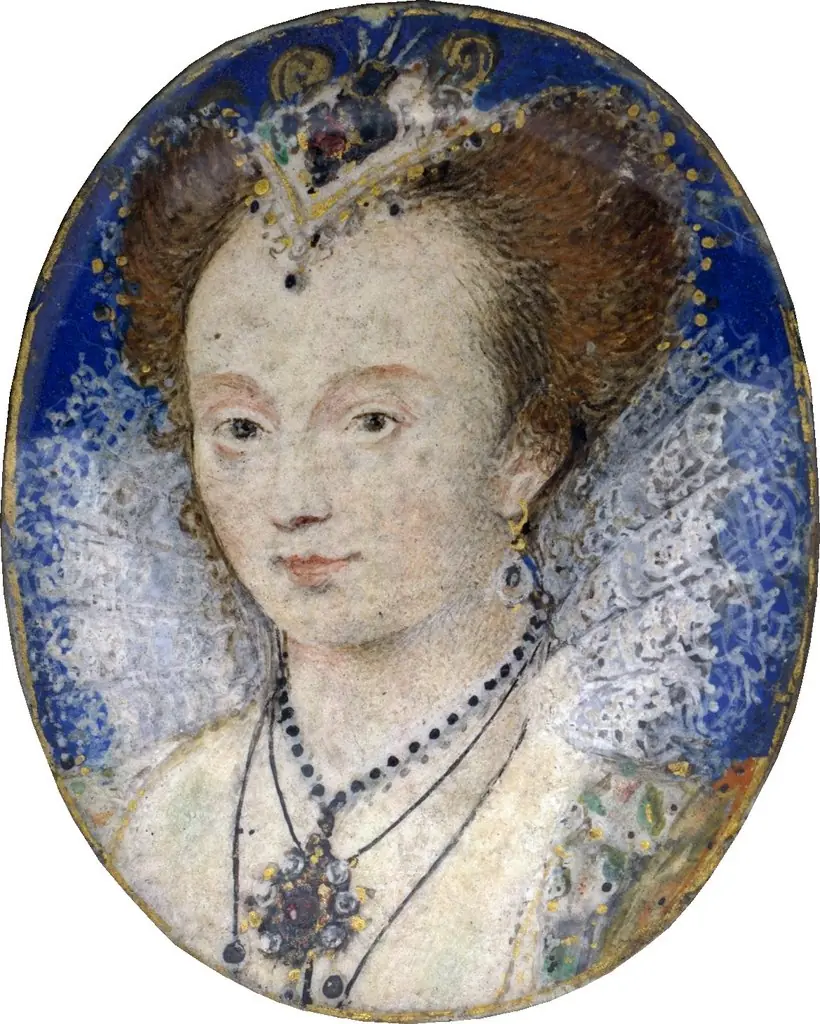 Portrait of a Woman
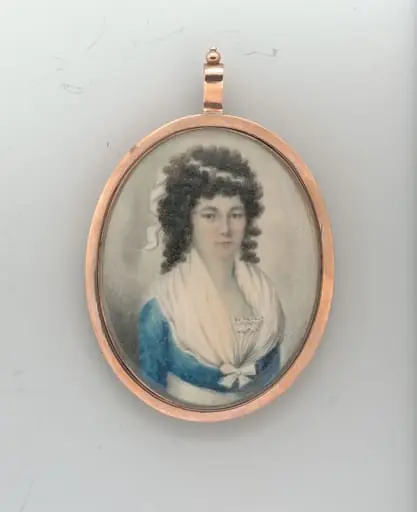 Portrait of a Lady
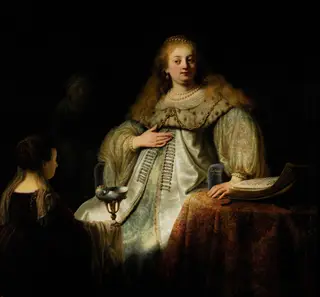 Judith at the Banquet of Holofernes
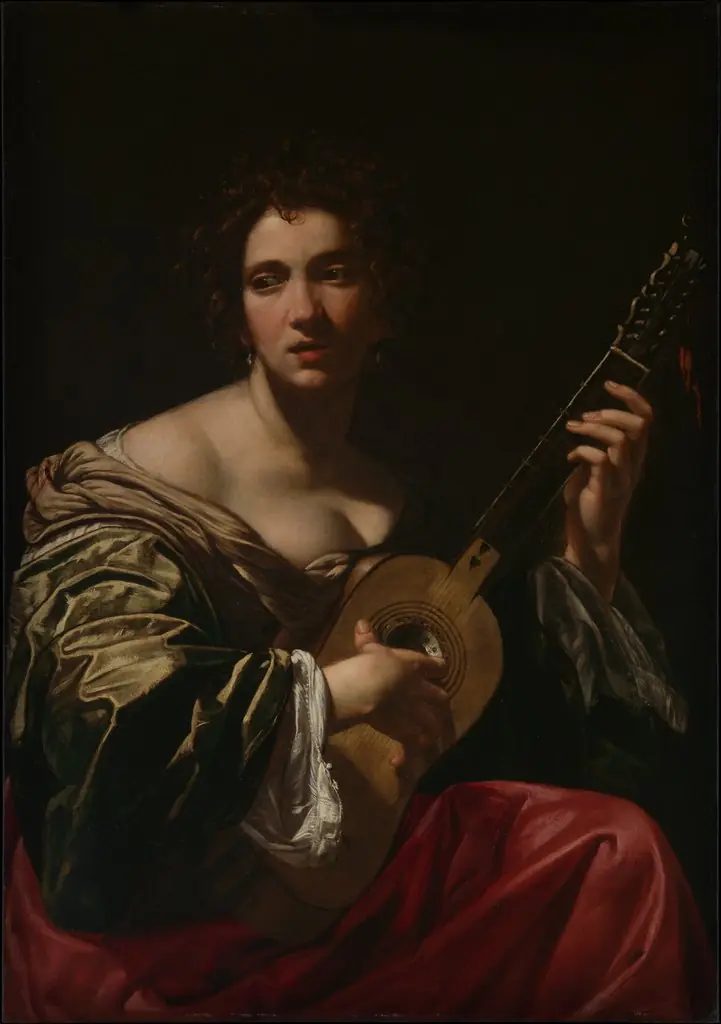 Woman Playing a Guitar
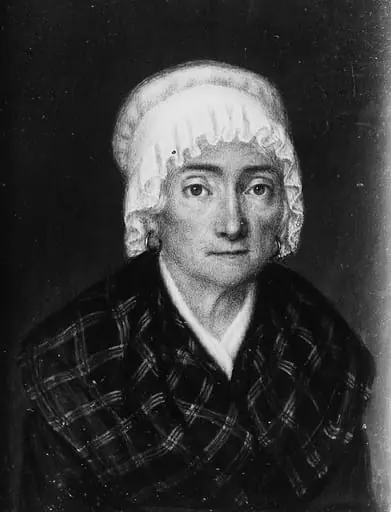 Mrs. Daniel Strobel Jr. (Anna Church)
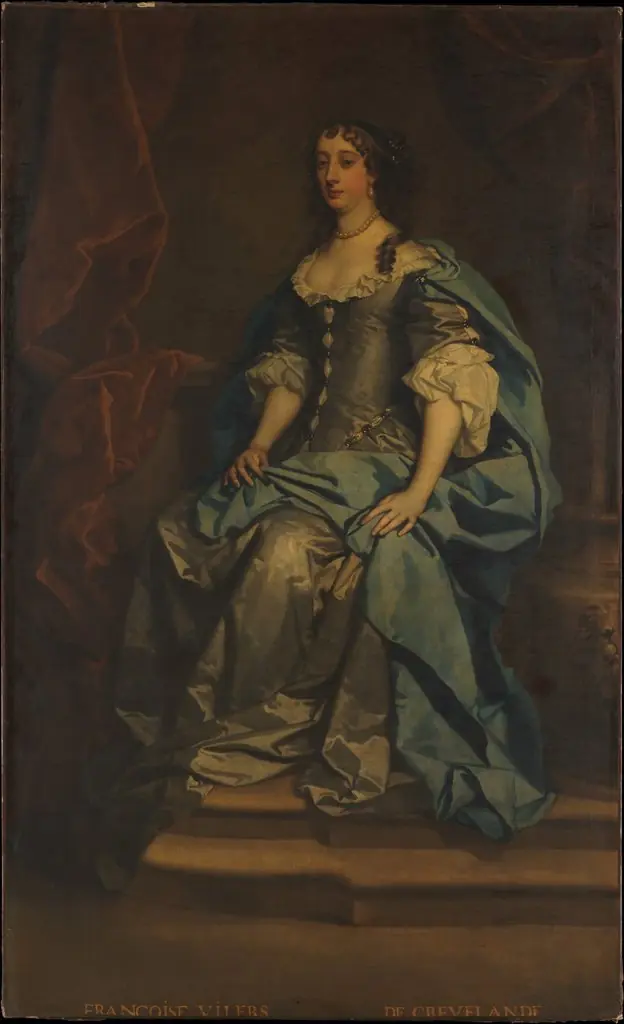 Barbara Villiers (1640–1709), Duchess of Cleveland
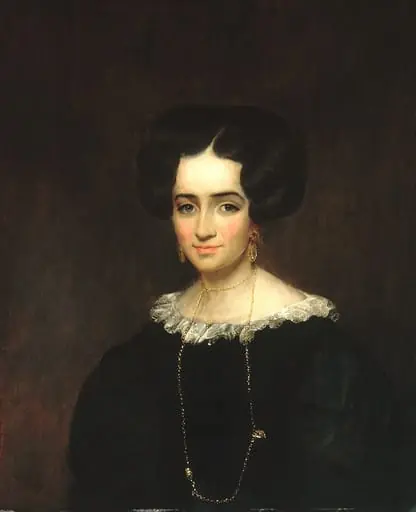 Mrs. John Adams Conant
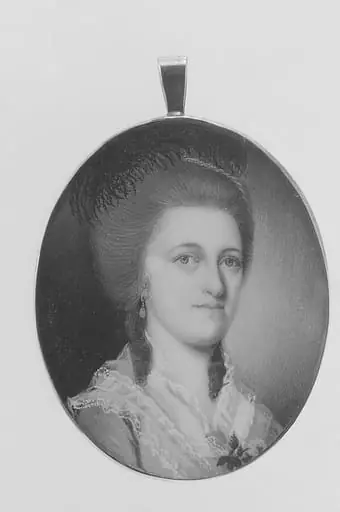 Portrait of a Lady
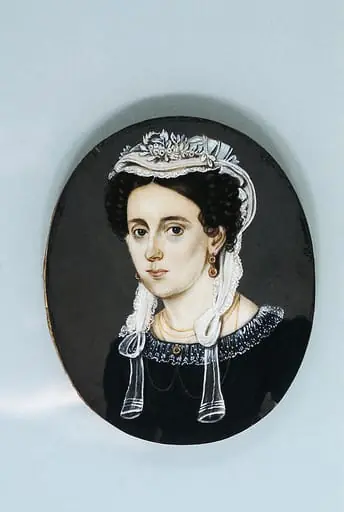 Portrait of a Lady
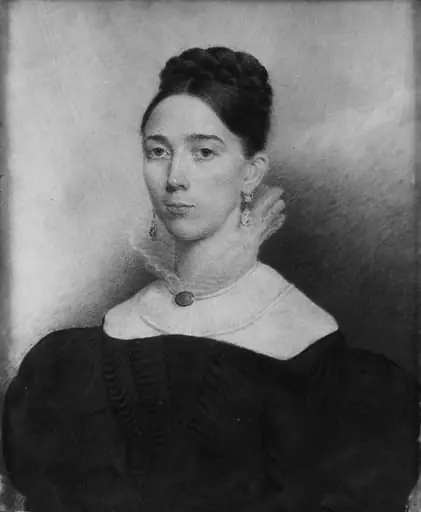 Alice Goudry
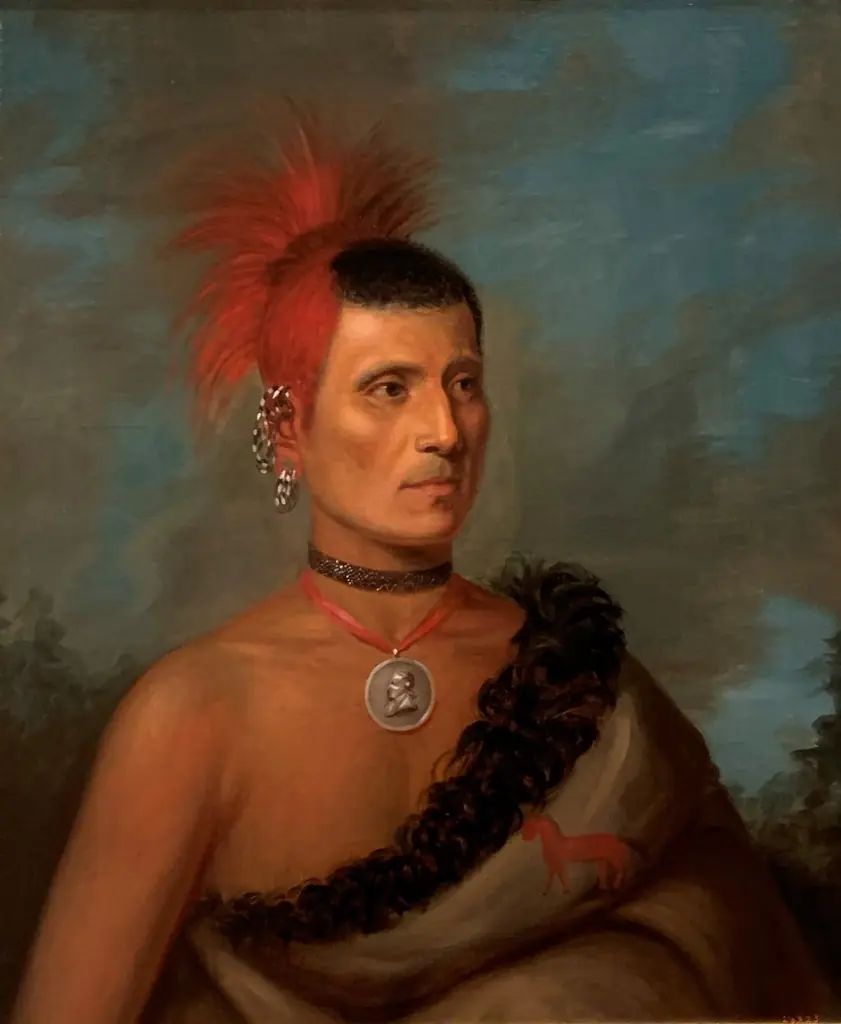 Pes-Ke-Le-Cha-Co
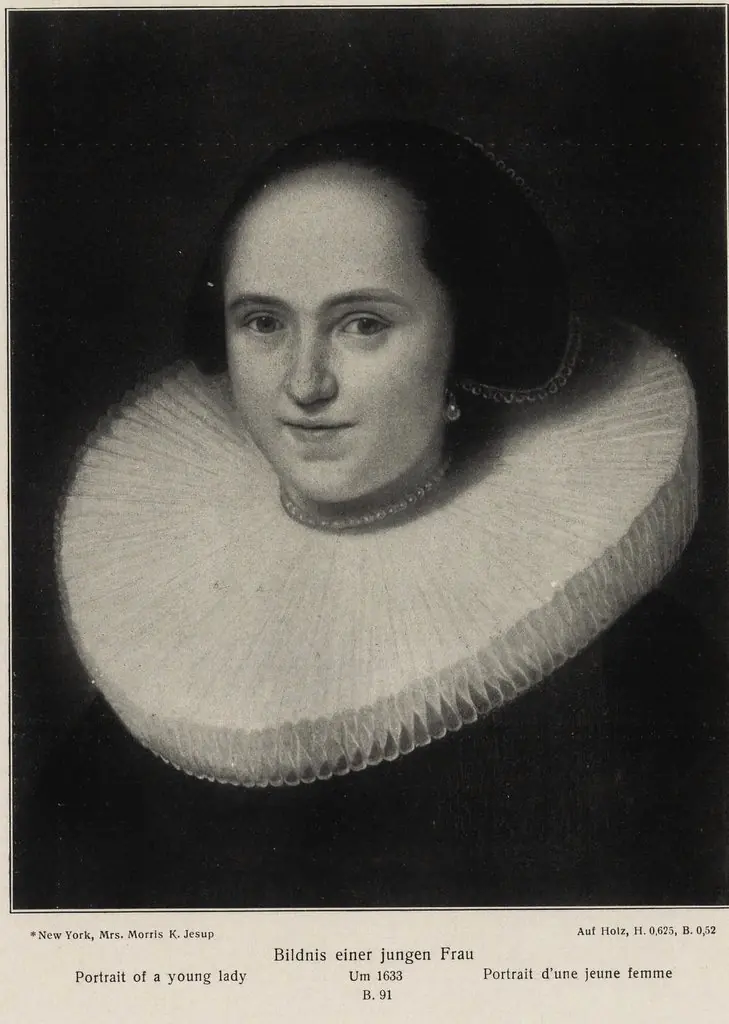 Portrait of a Young Woman wrongly called Wife of Burgomaster Six
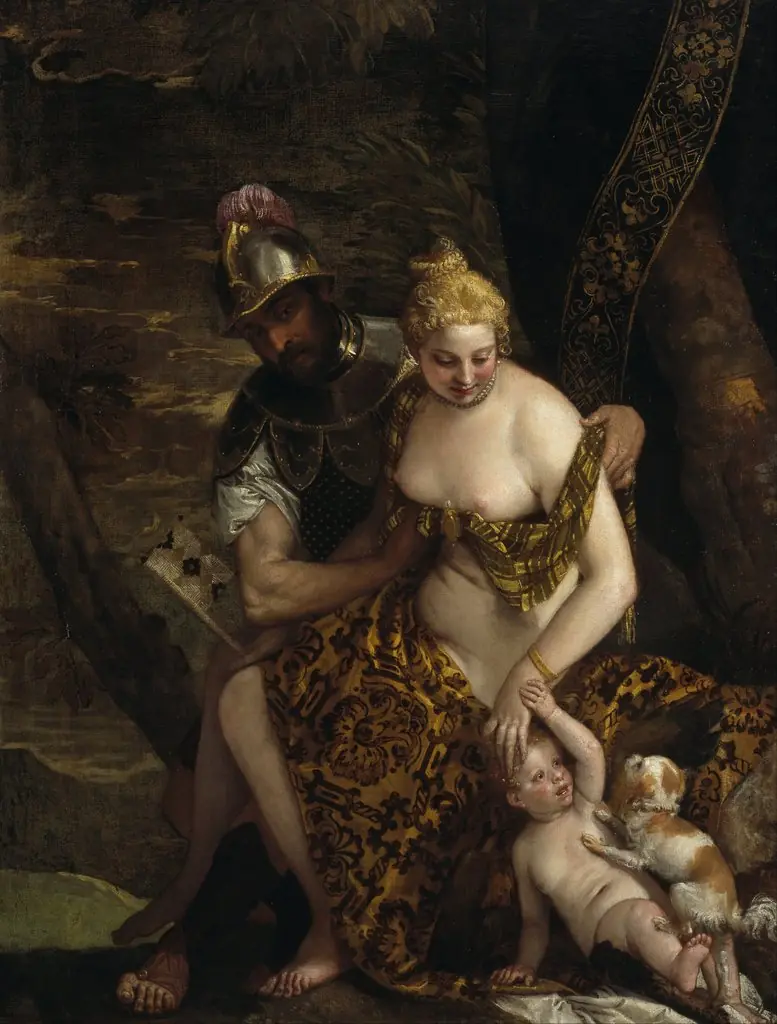 Mars and Venus with Cupid and a Dog
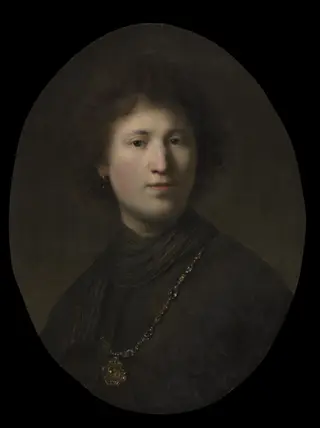 A Young Man with a Chain
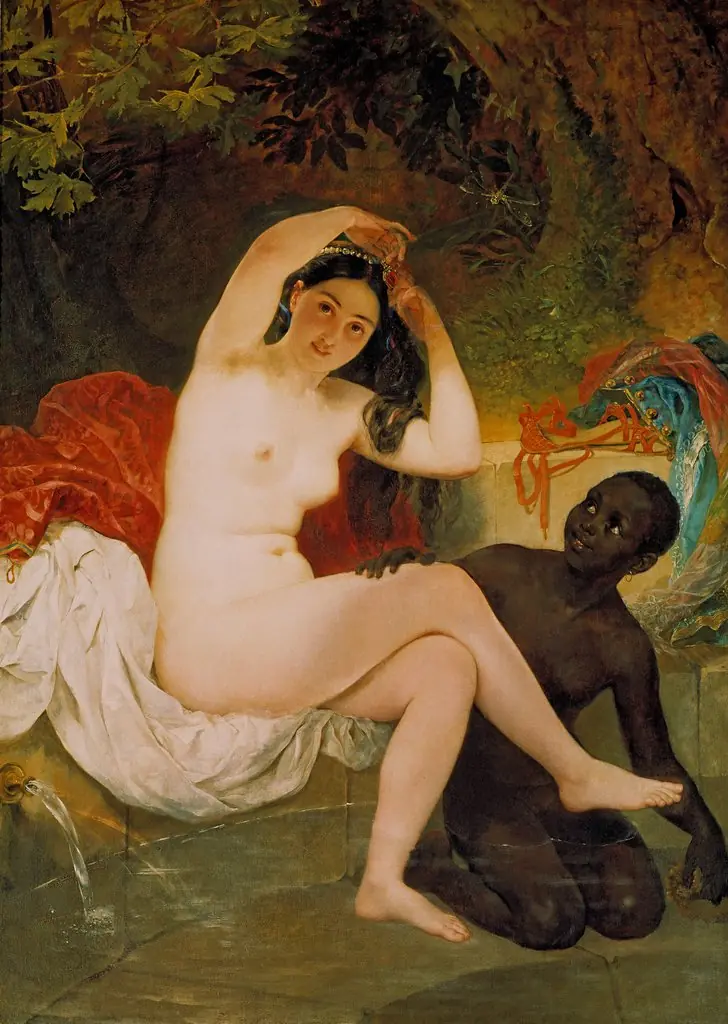 Bathsheba
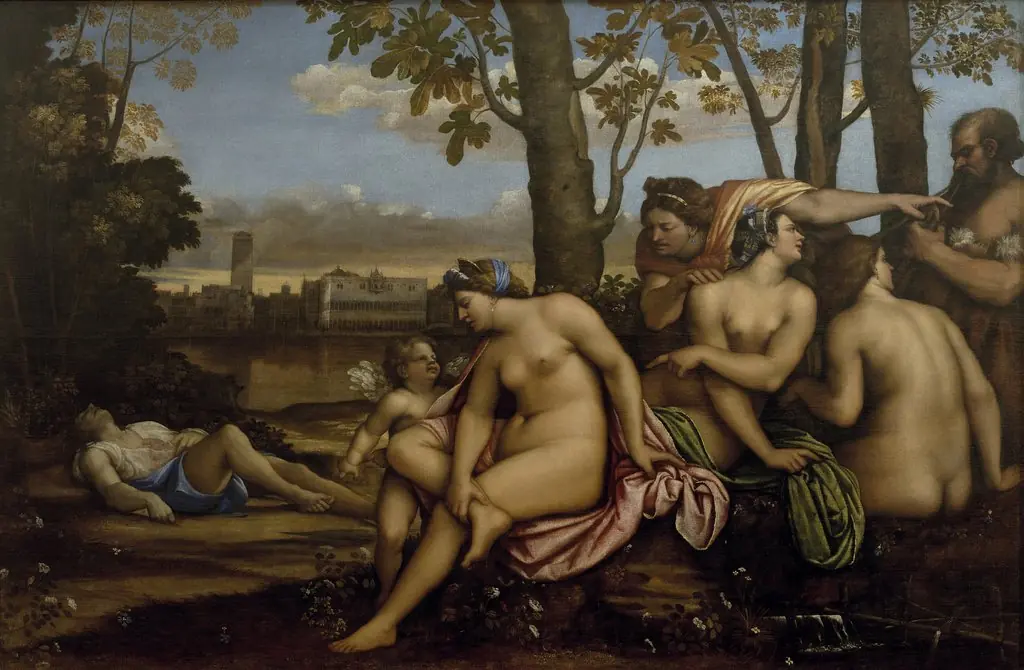 Death of Adonis
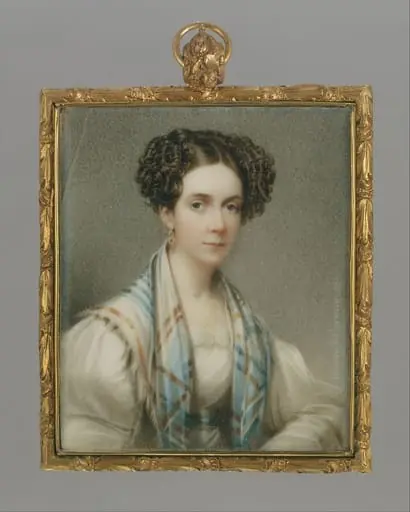 Portrait of a Lady
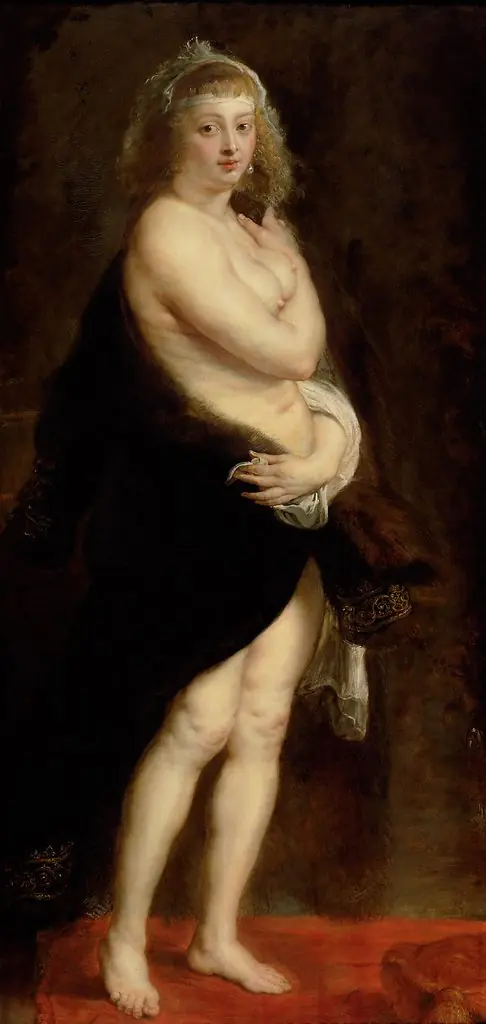 Helena Fourment in a Fur Robe
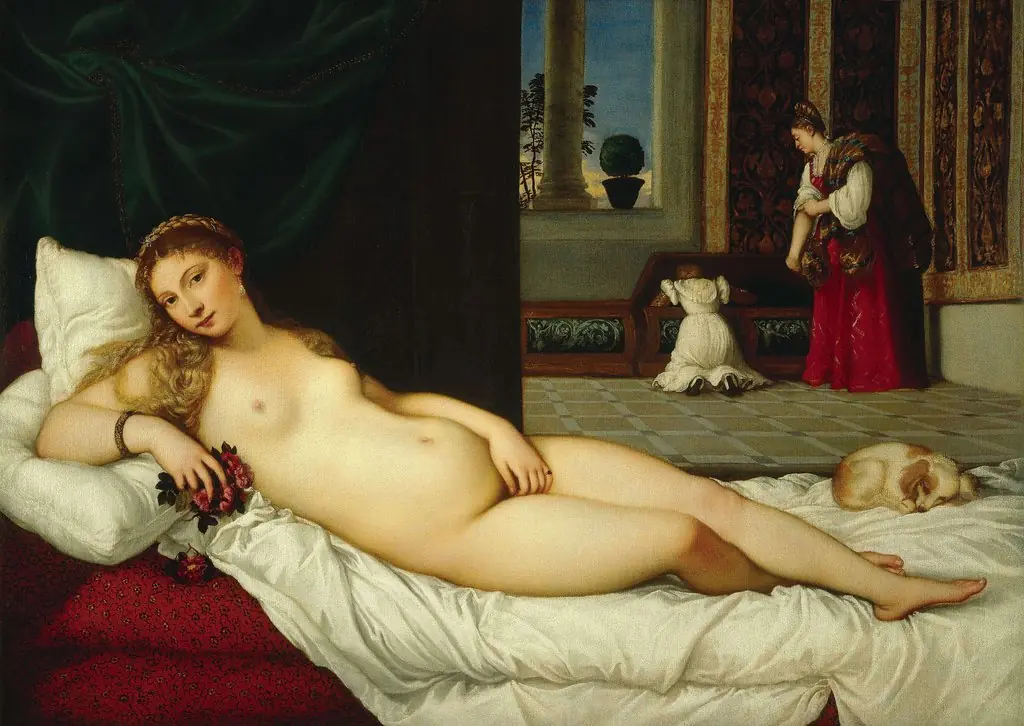 Venus of Urbino
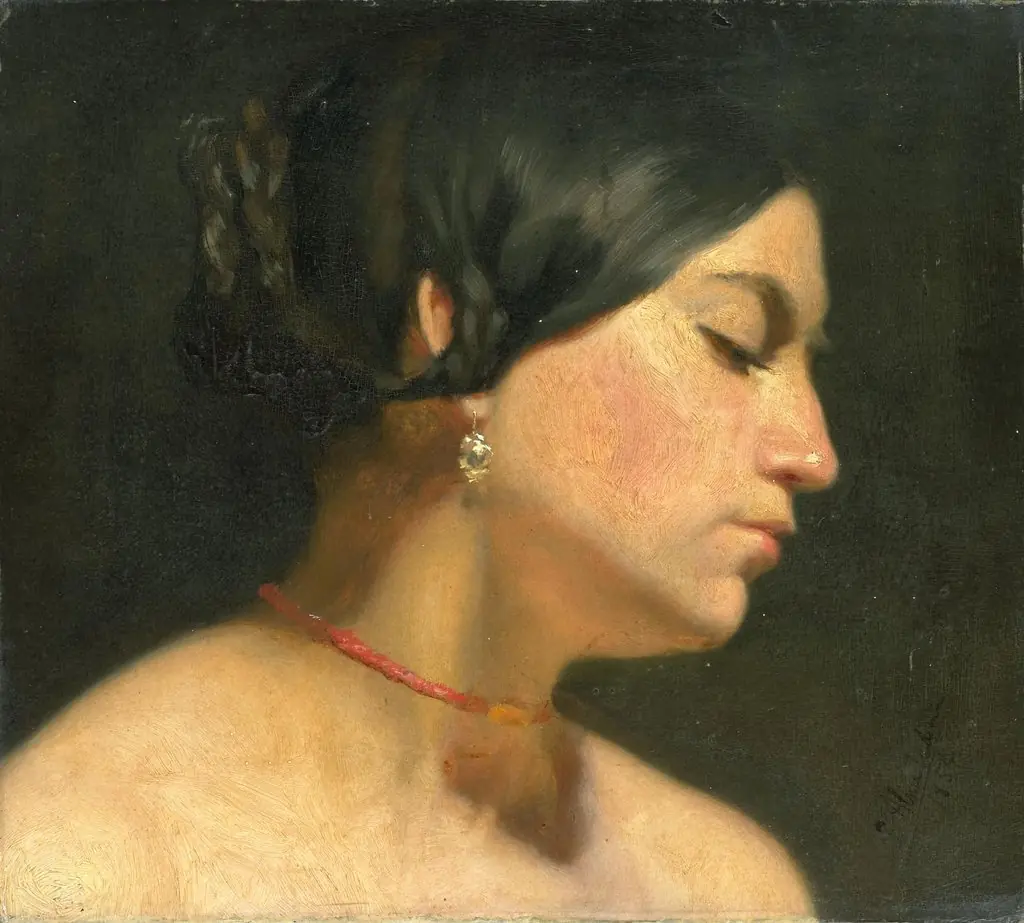 Mary Magdalene
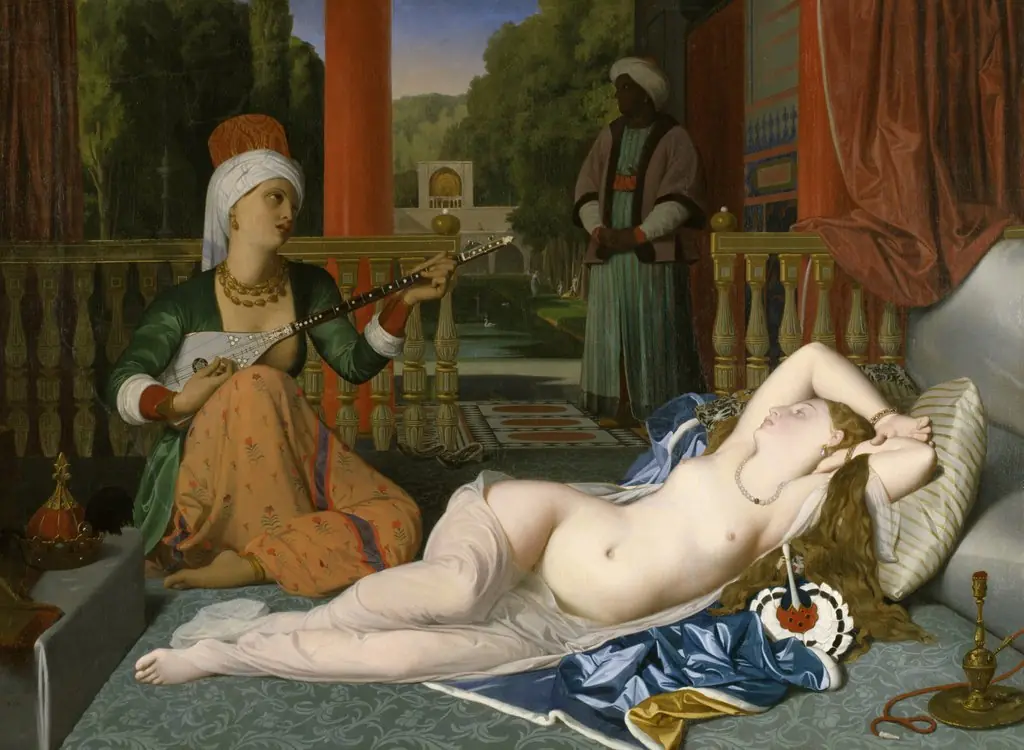 Odalisque with Slave
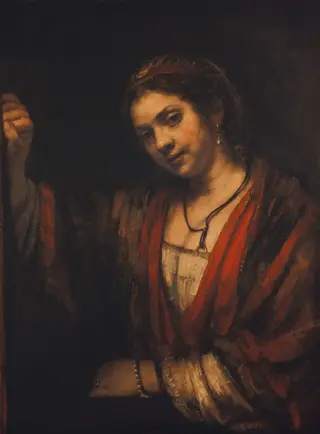 Hendrickje Stoffels by a Door
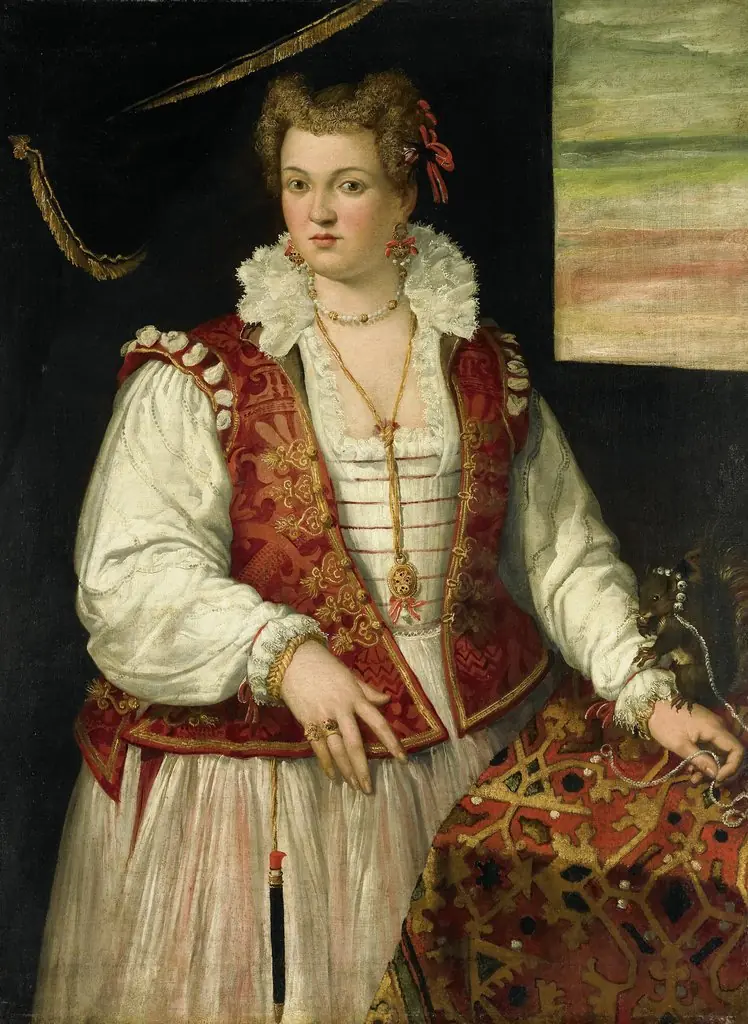 Portrait of a Woman with a Squirrel
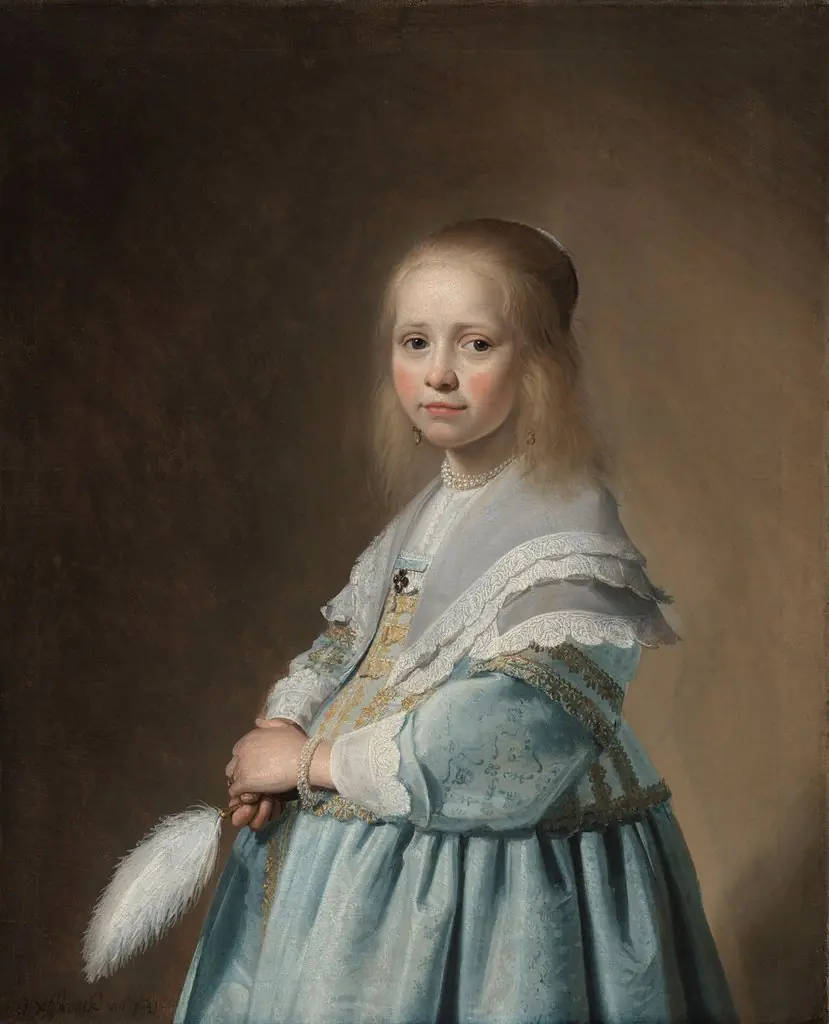 Portrait of a Girl Dressed in Blue
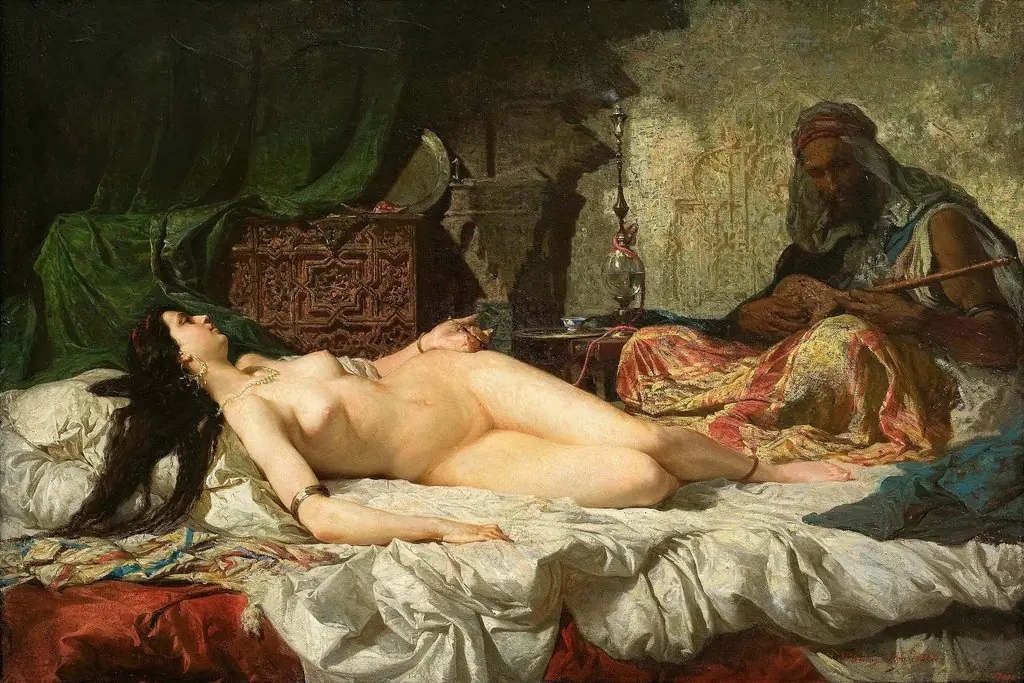 The Odalisque
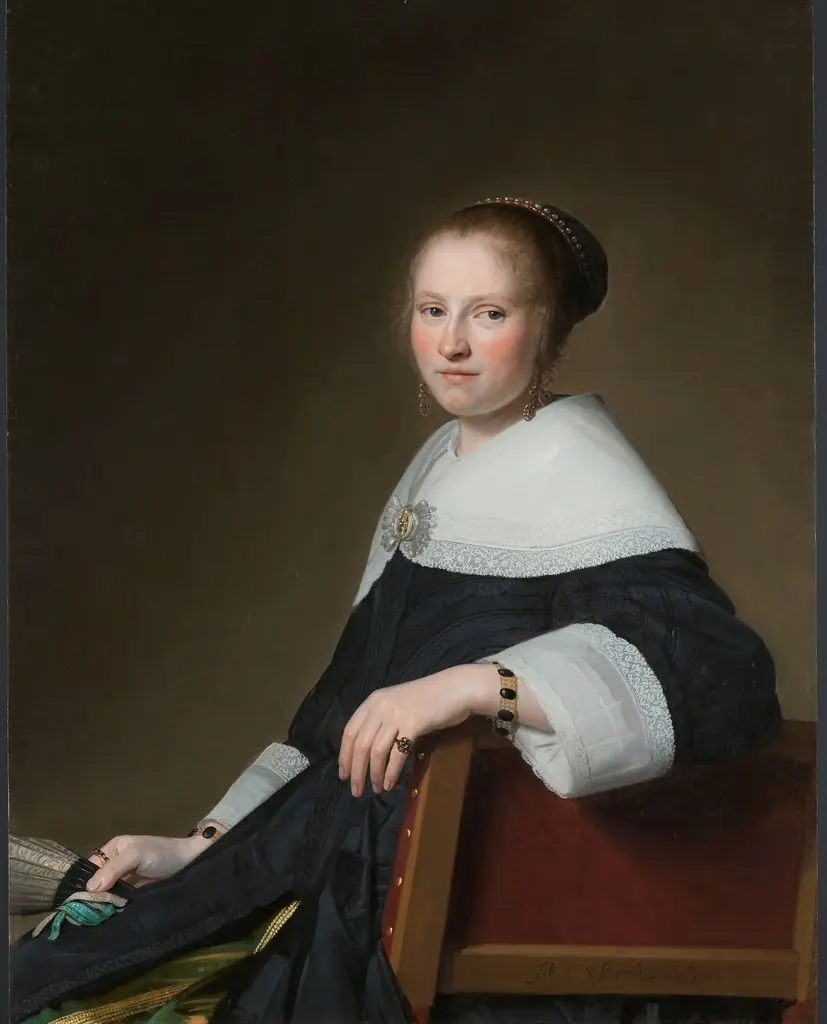 Portrait of Maria van Strijp
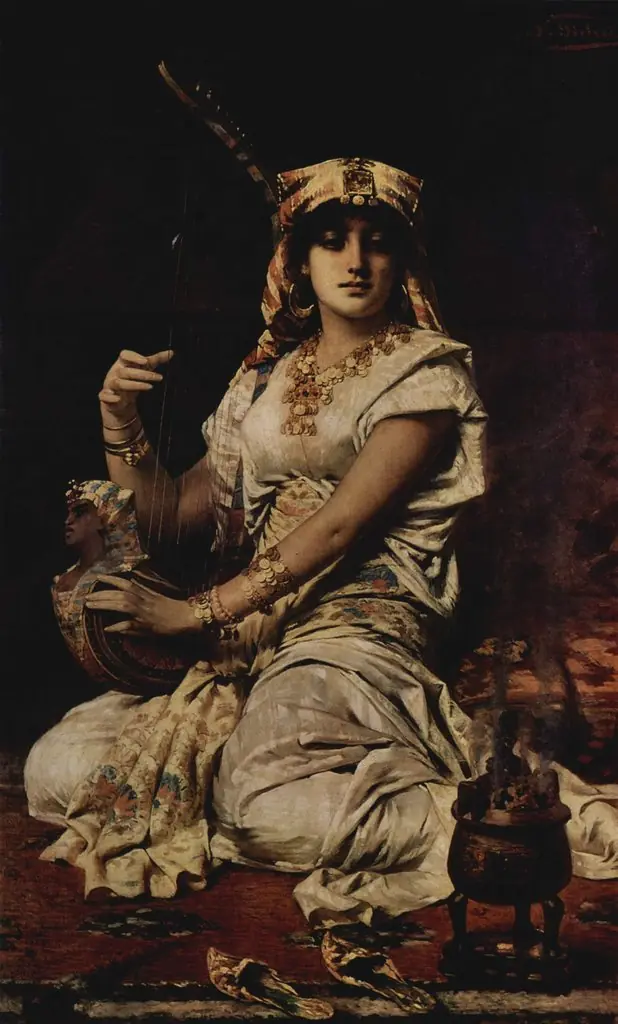 Almée
Almée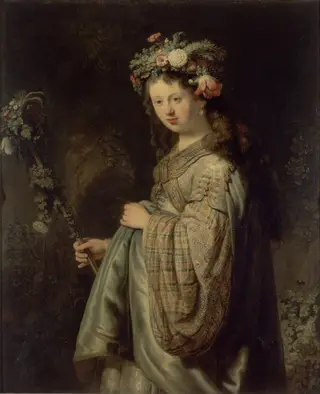 Flora
Flora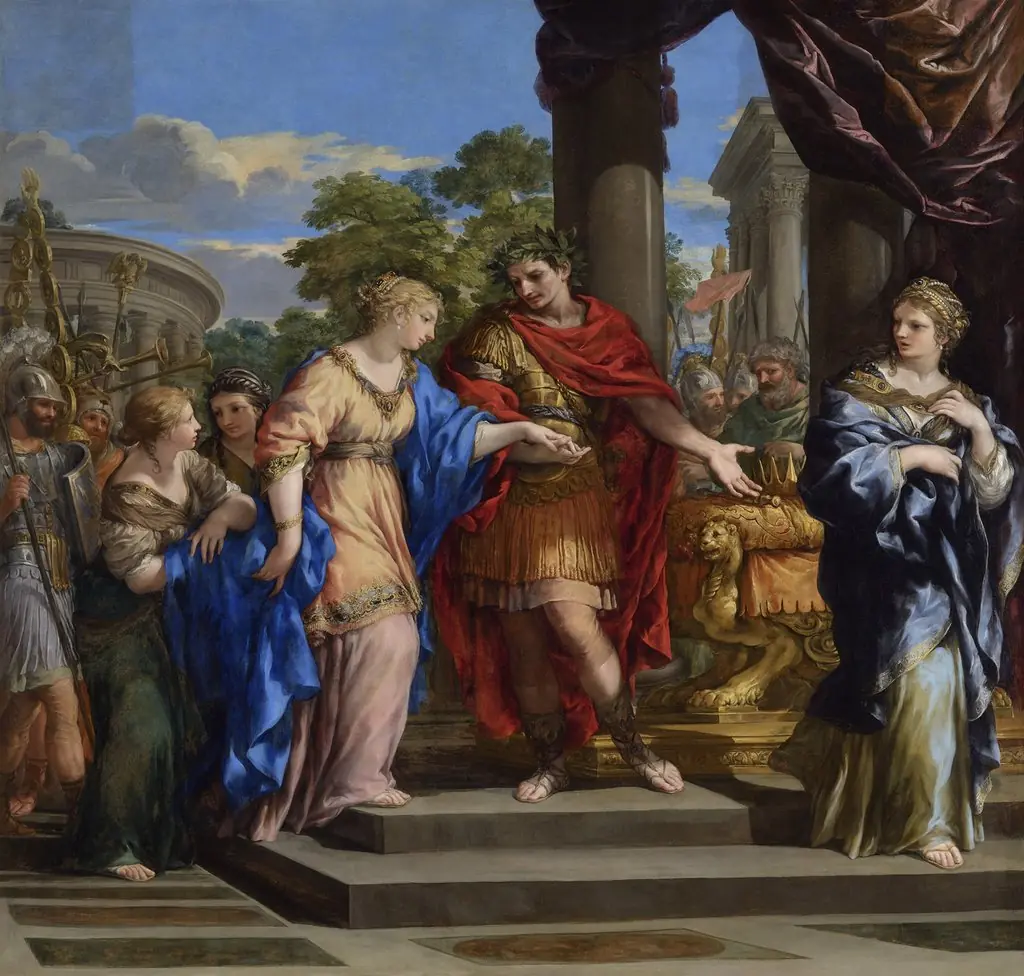 Caesar Giving Cleopatra the Throne of Egypt
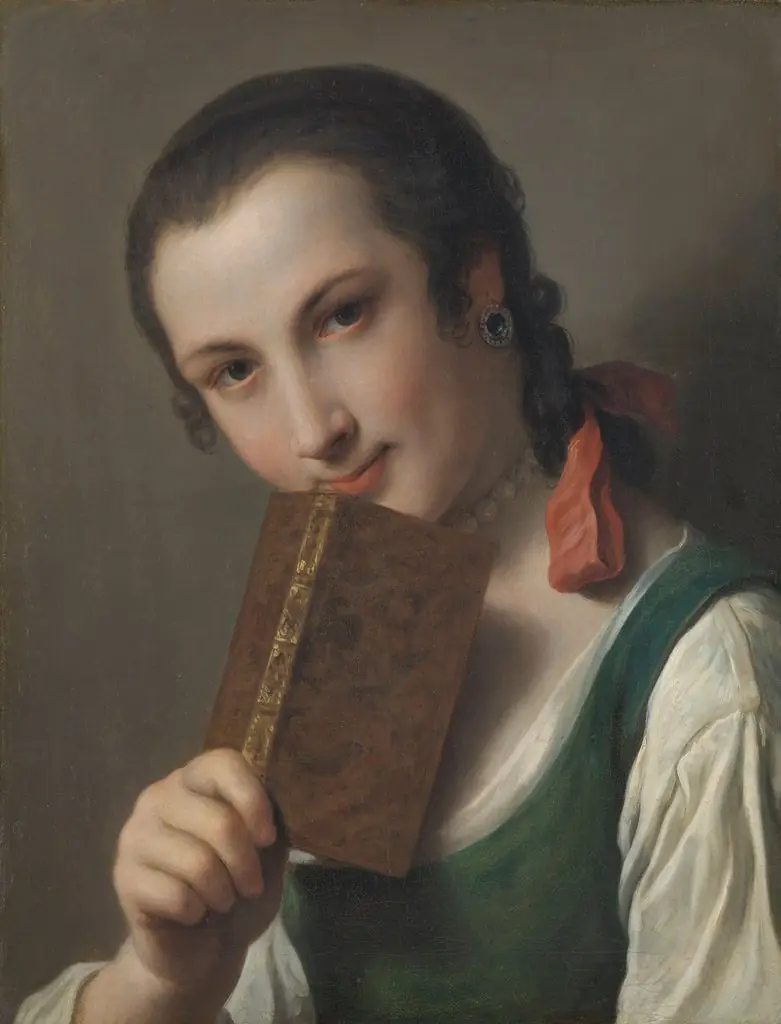 A Young Woman with a Book
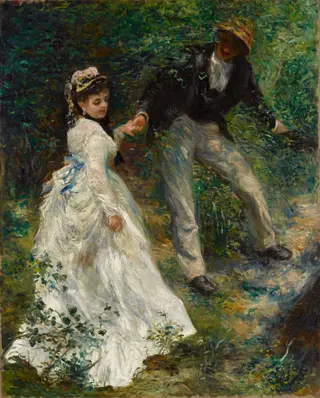 La Promenade
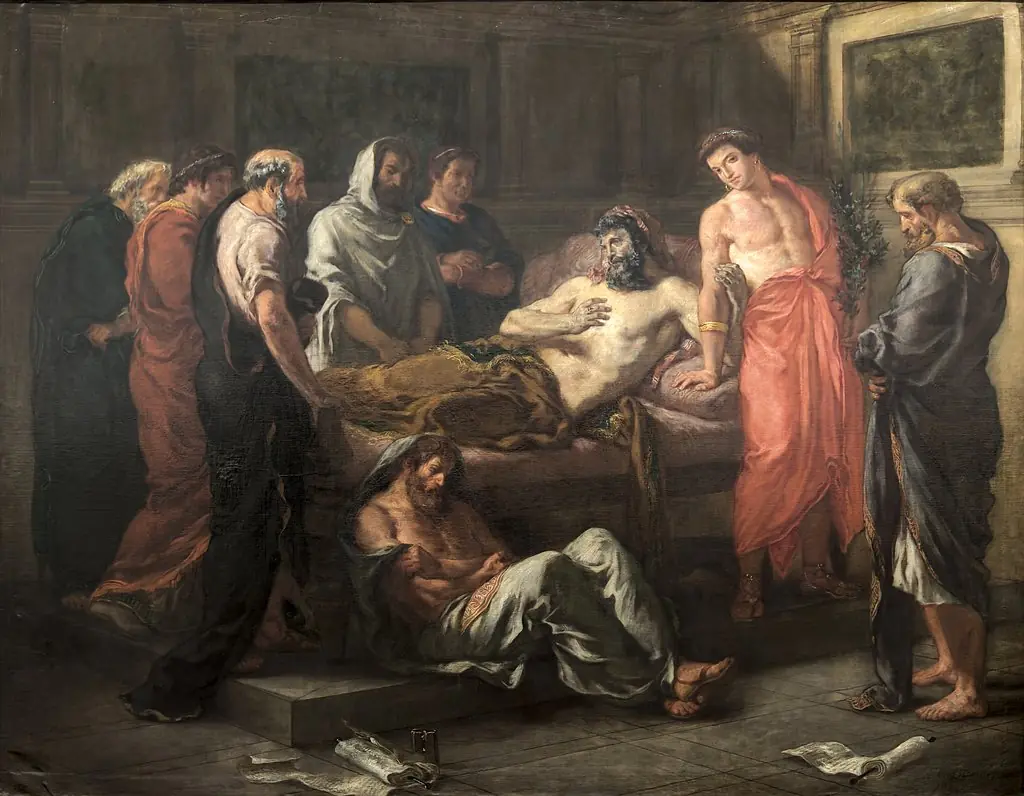 Last Words of the Emperor Marcus Aurelius
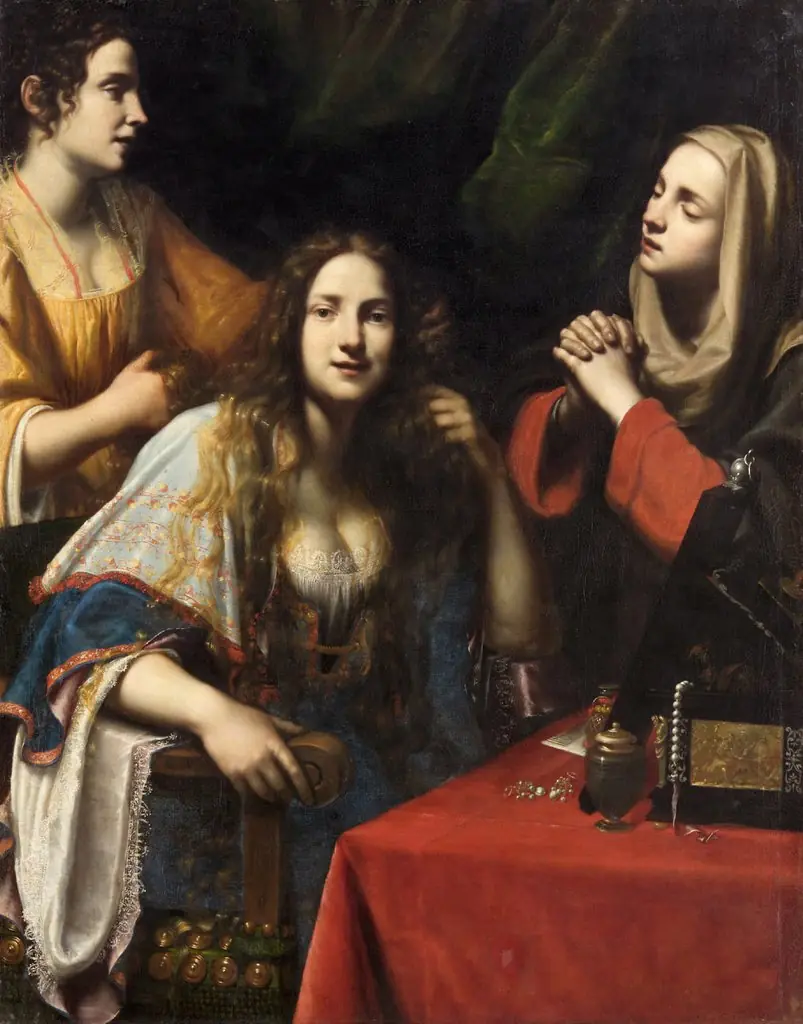 Martha scolding her vain sister Mary Magdalene
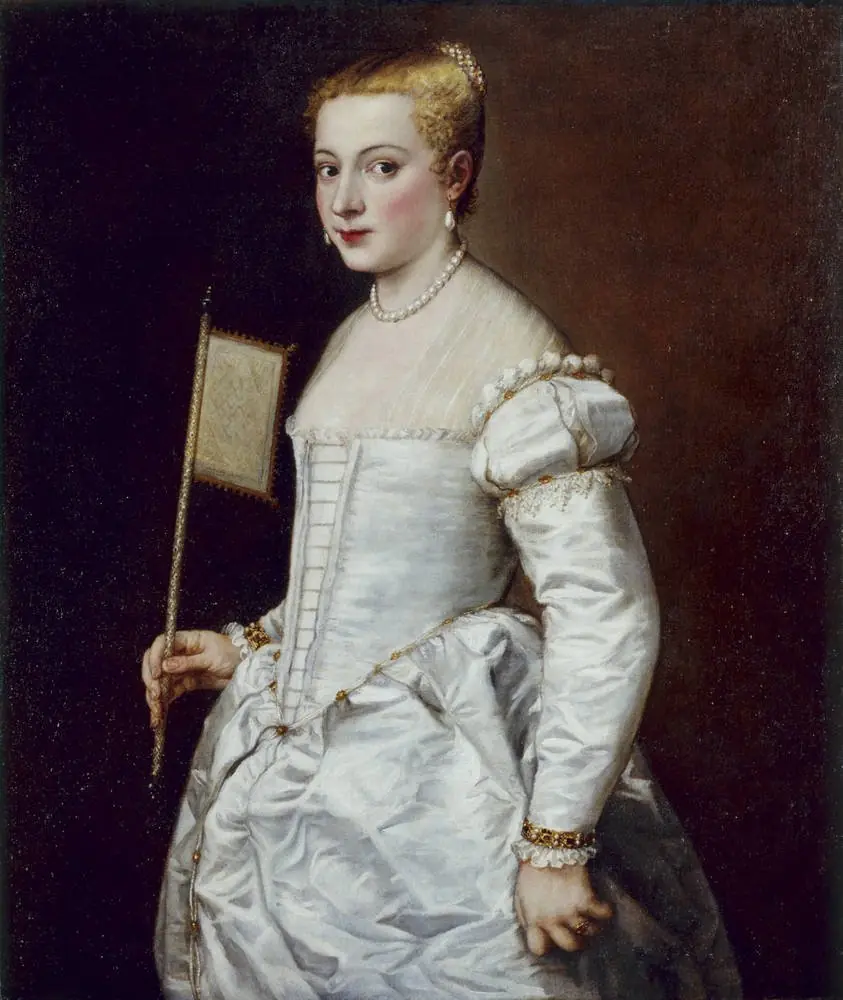 Portrait of a Lady in White
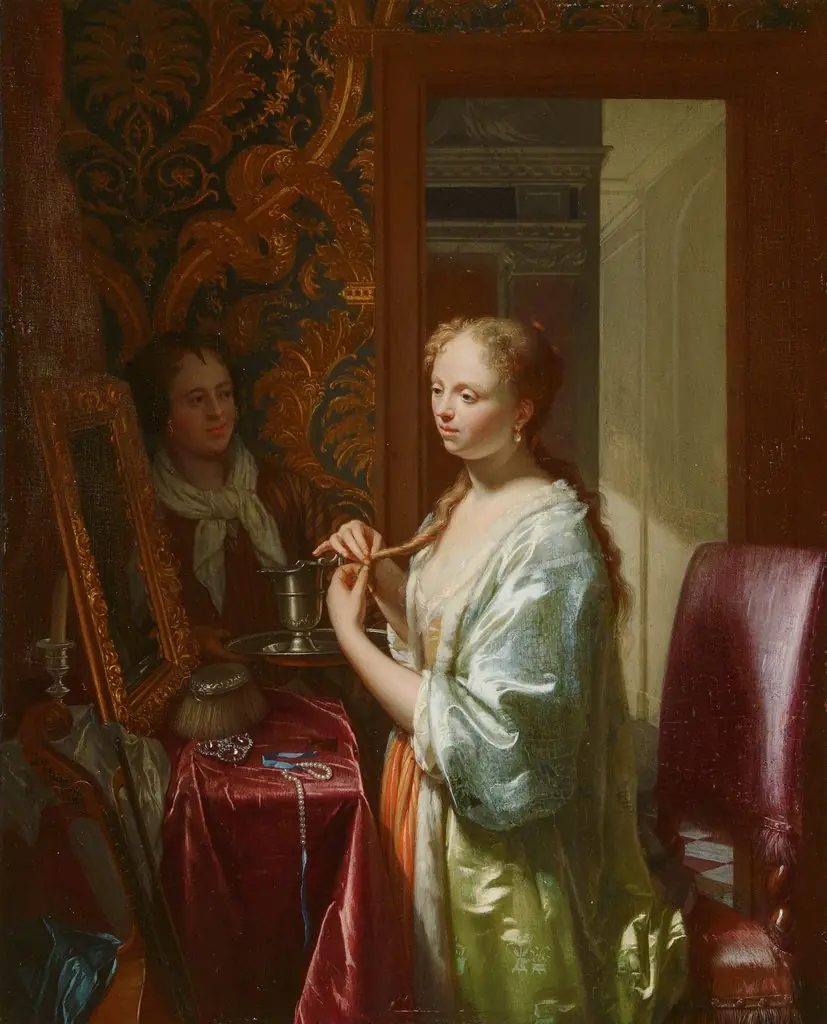 Lady attending to her toilet
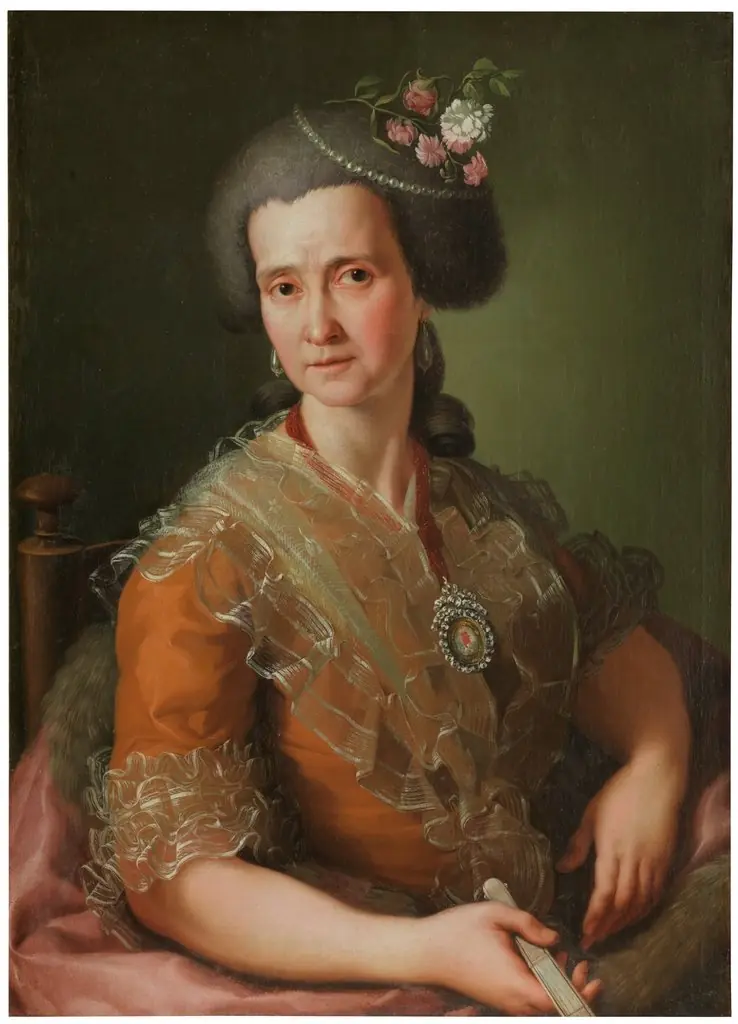 Manuela Tolosa y Aviñón
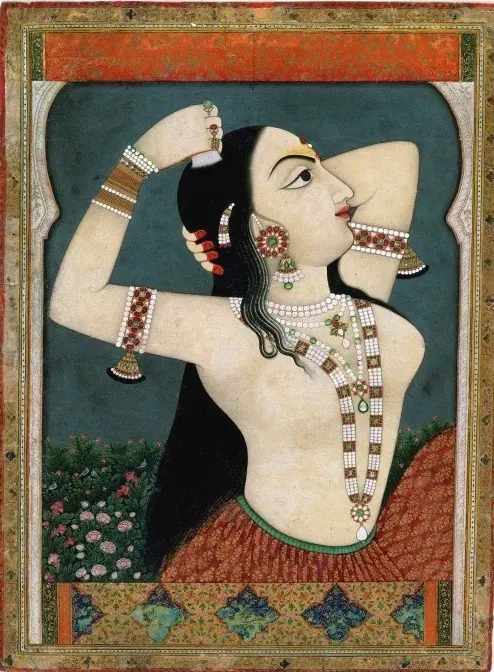 A lady combing her hair
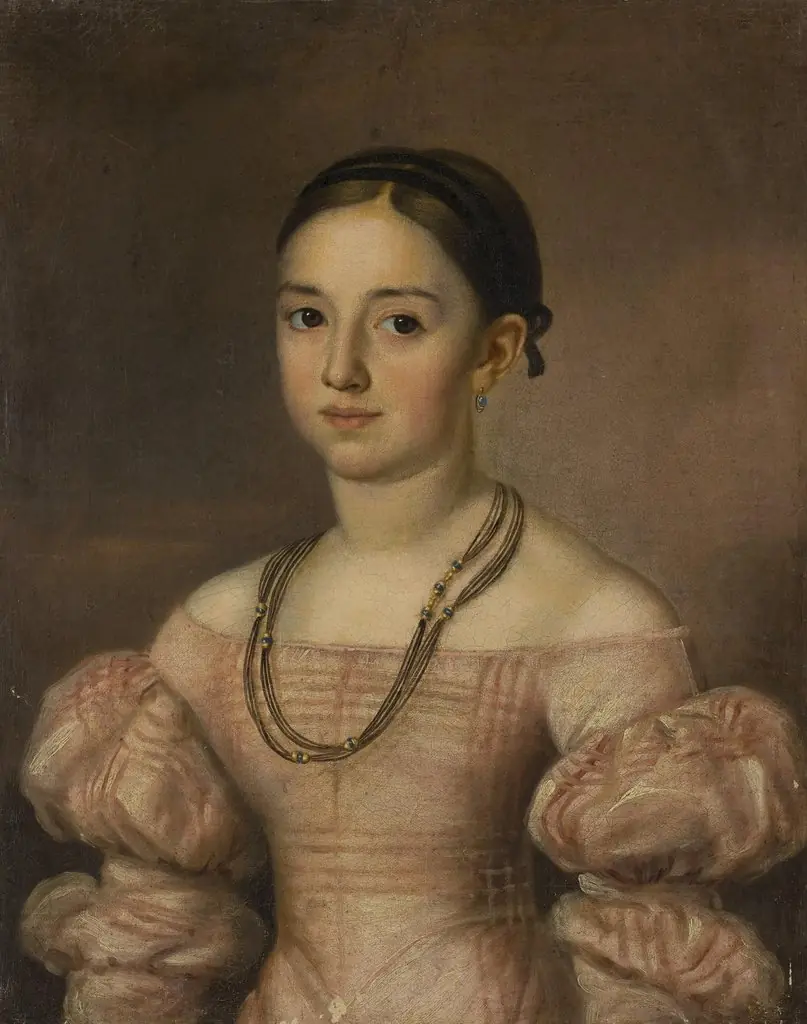 Portrait of an Adolescent Girl
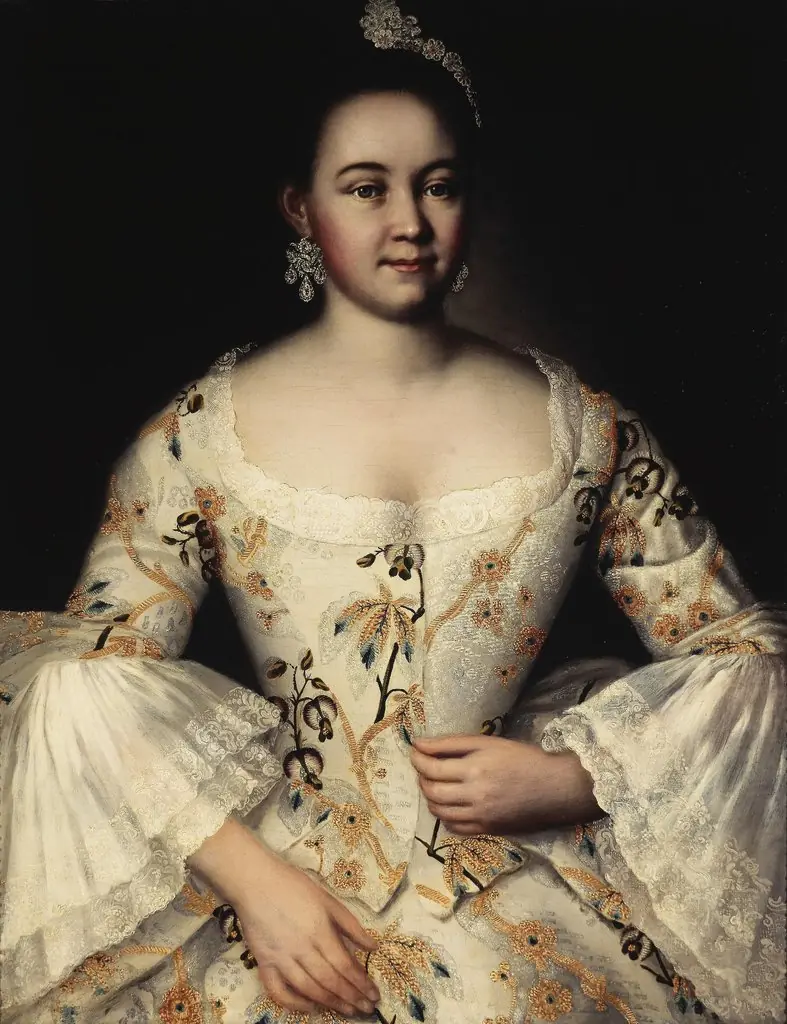 Portrait of S.S. Yakovleva
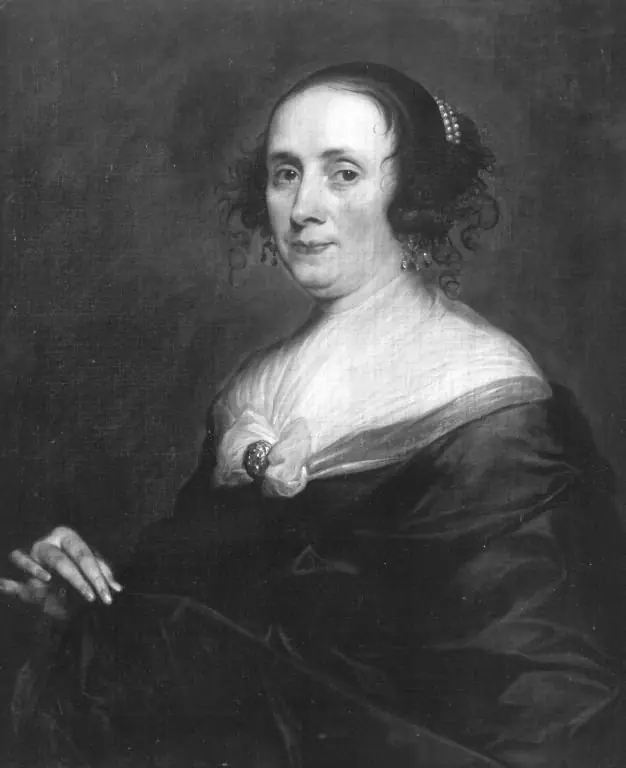 Bildnis einer Frau (?)
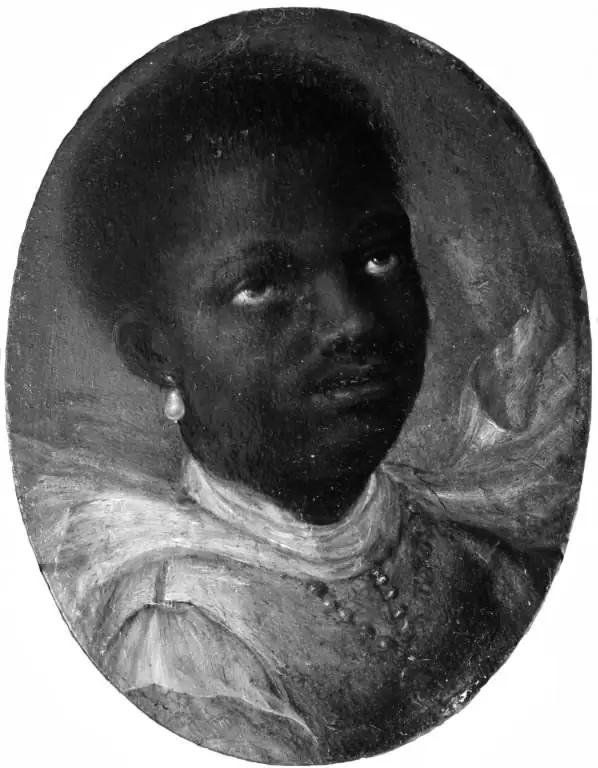 Head of an African
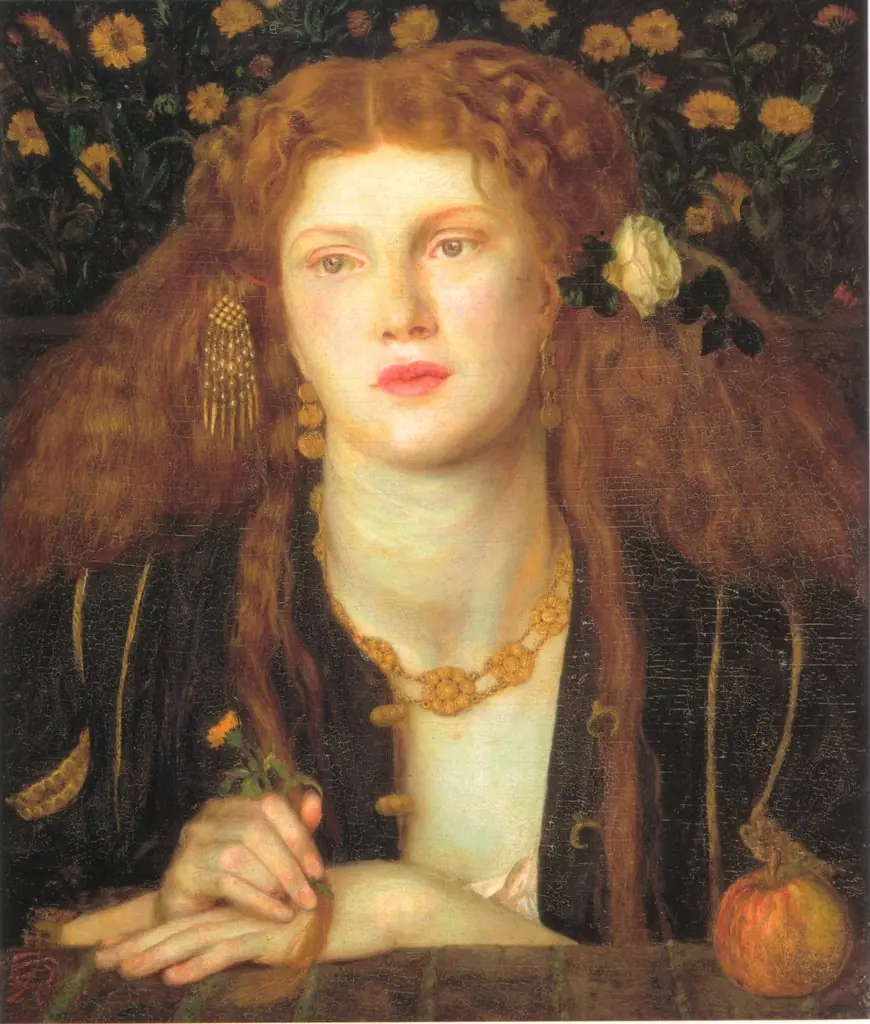 Bocca Baciata
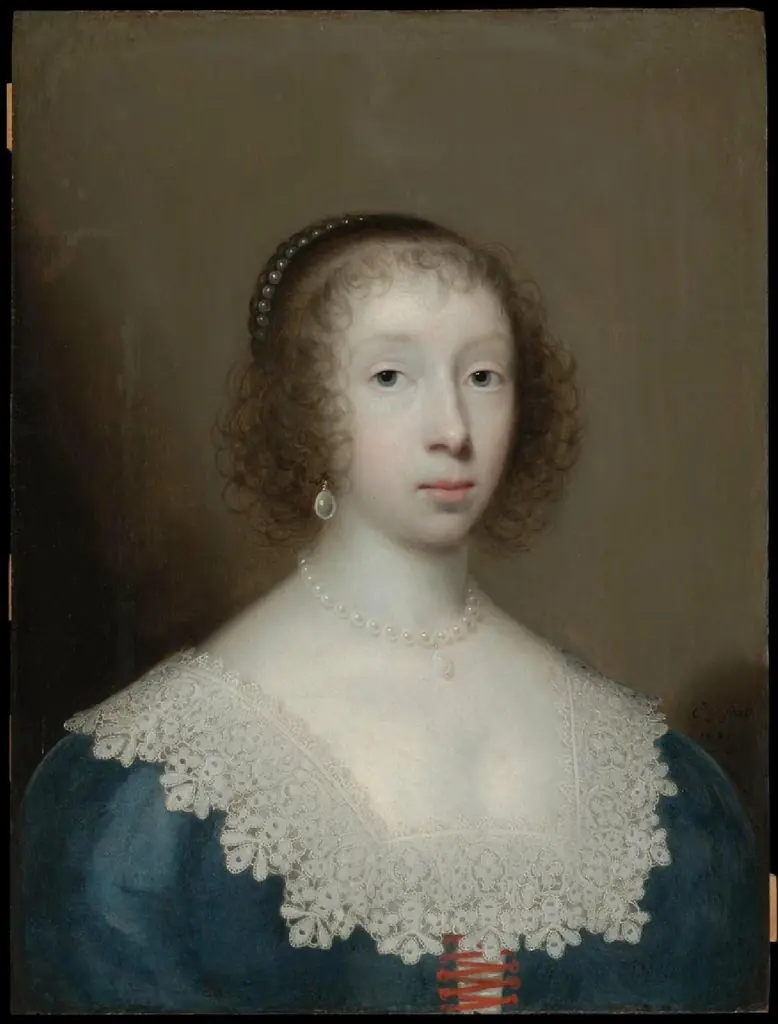 Portrait of a Woman
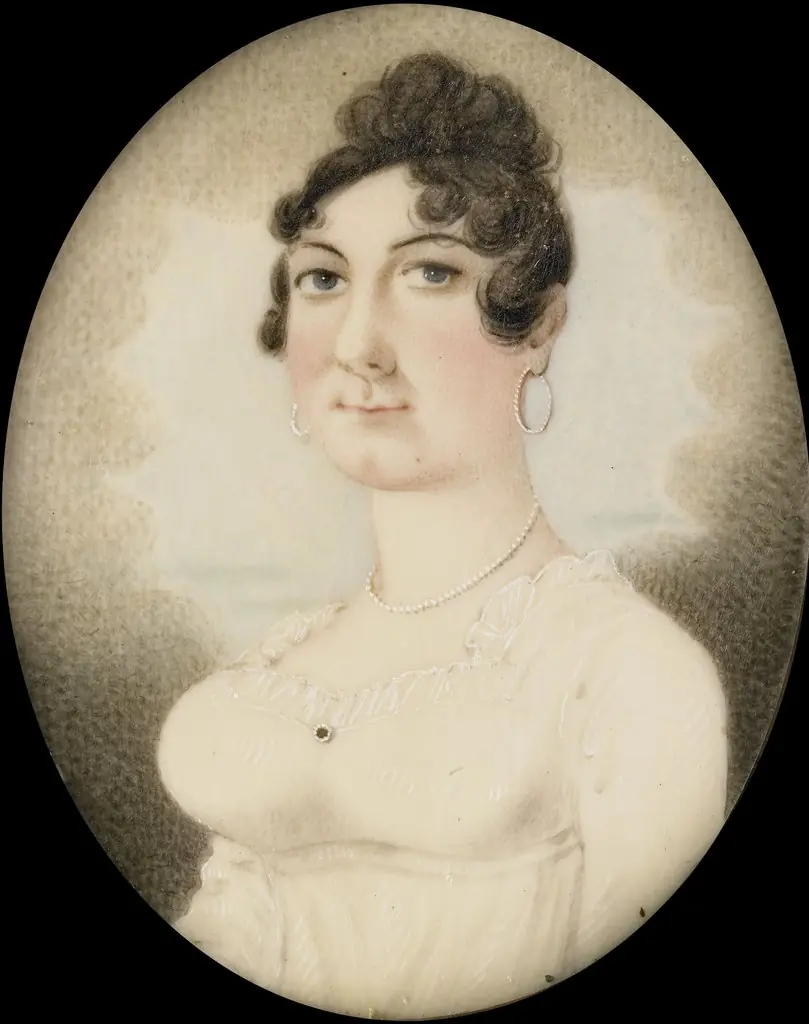 Portret van een vrouw
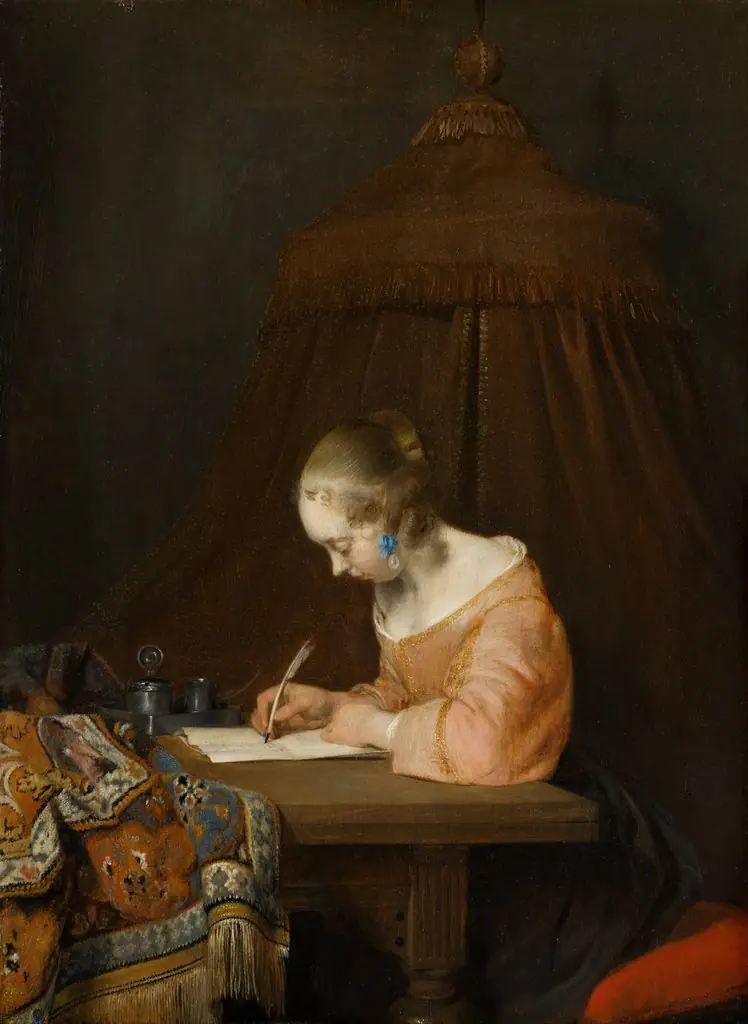 Woman writing a letter
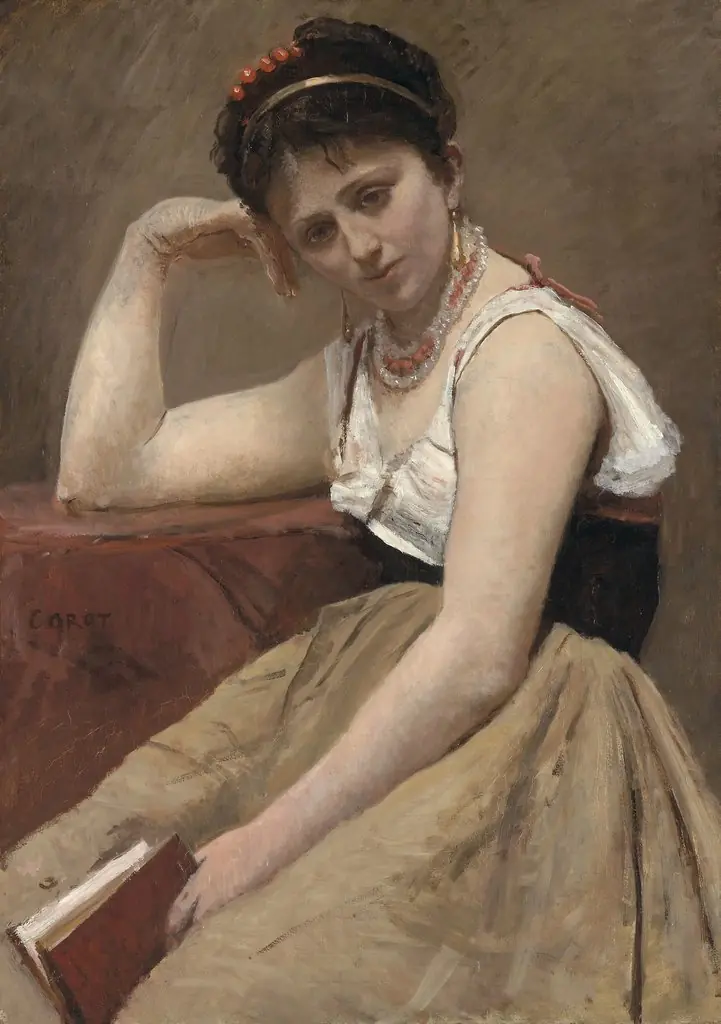 Interrupted Reading
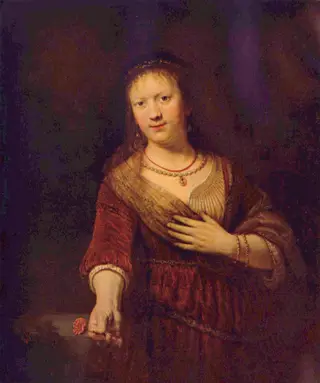 Saskia as Flora
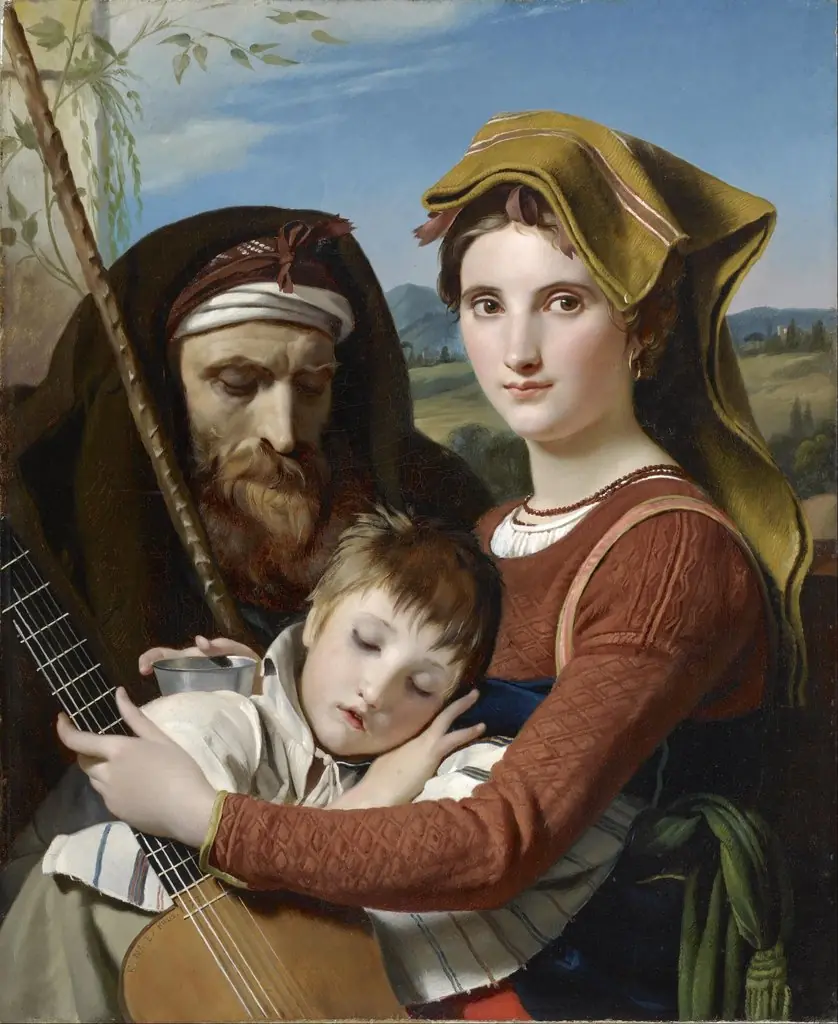 Roman Shepherd Family in the Campagna
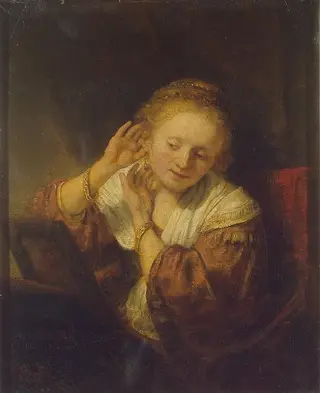 Young woman with earrings
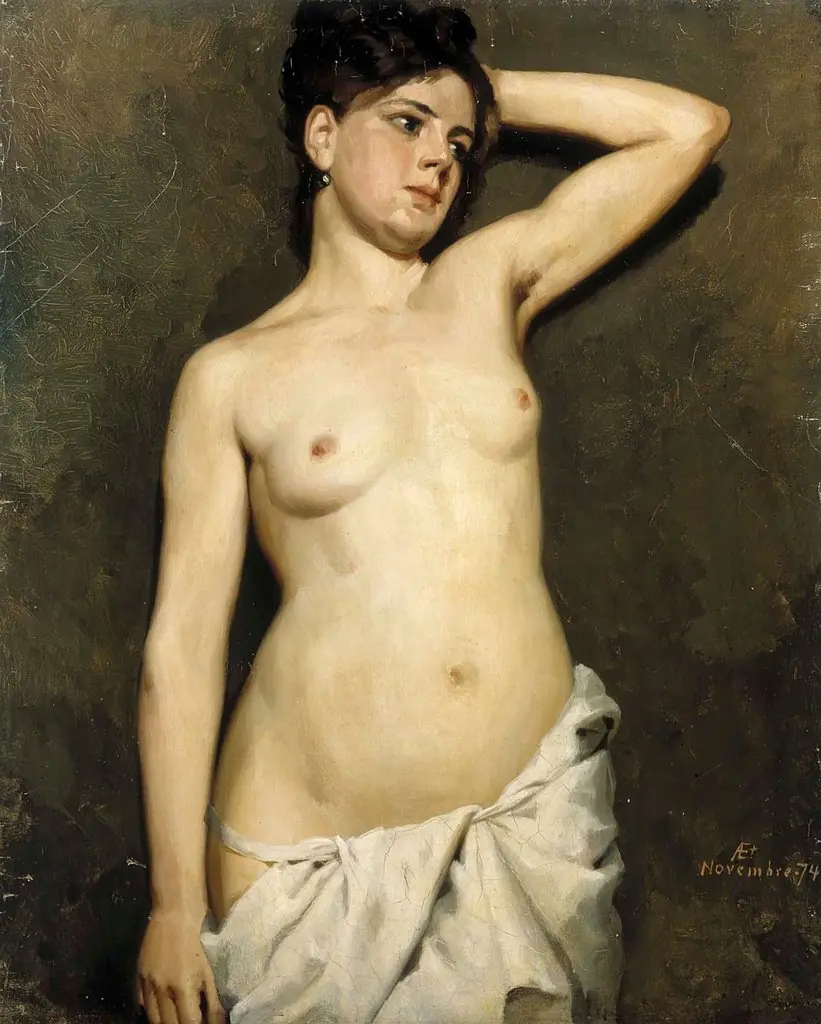 Female Nude, Study
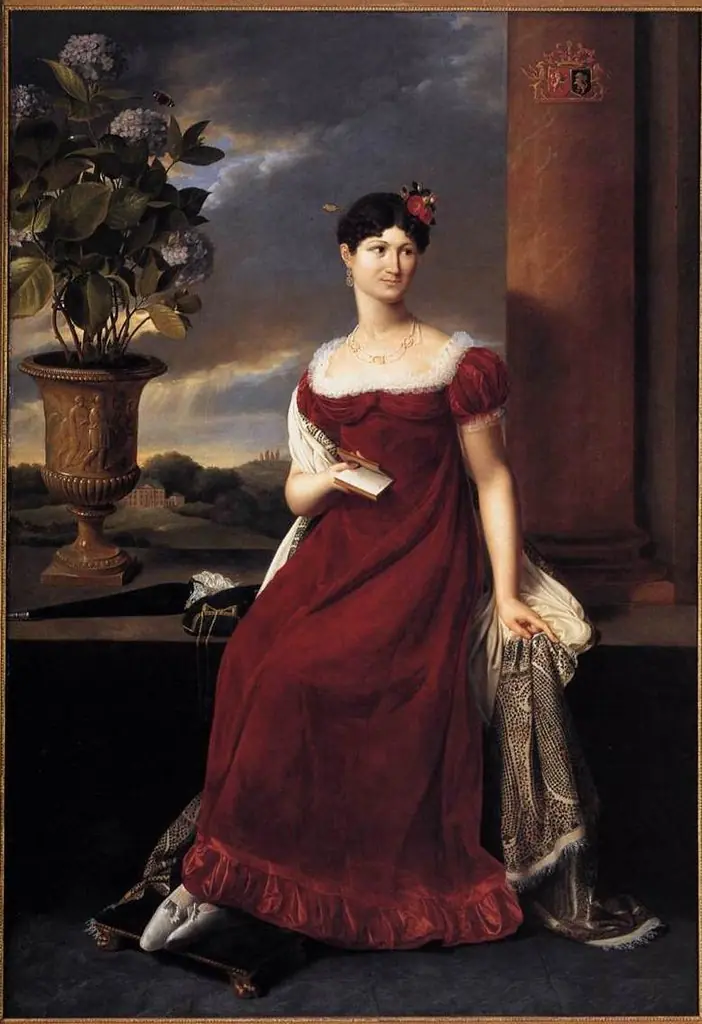 Mary Lodge, Bride of Baron Charles-Louis de Keverberg de Kessel
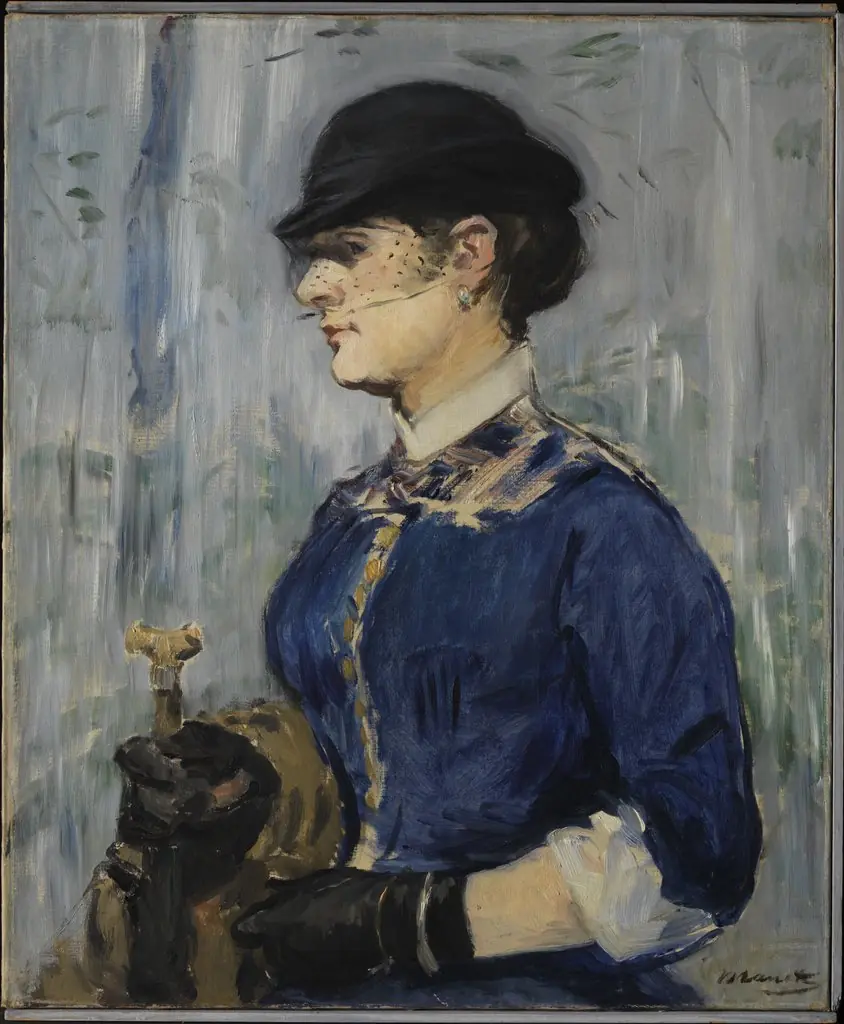 Young Woman in a Round Hat
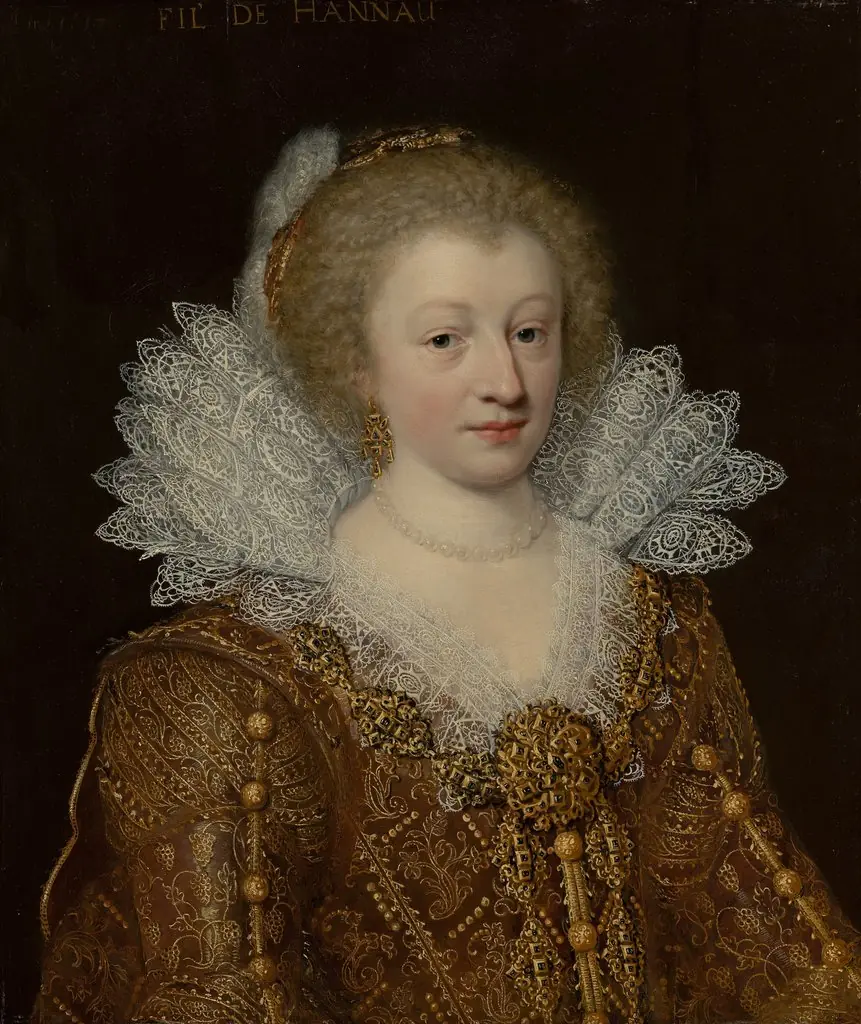 Portrait of Amélie Elisabeth of Hanau-Münzenberg
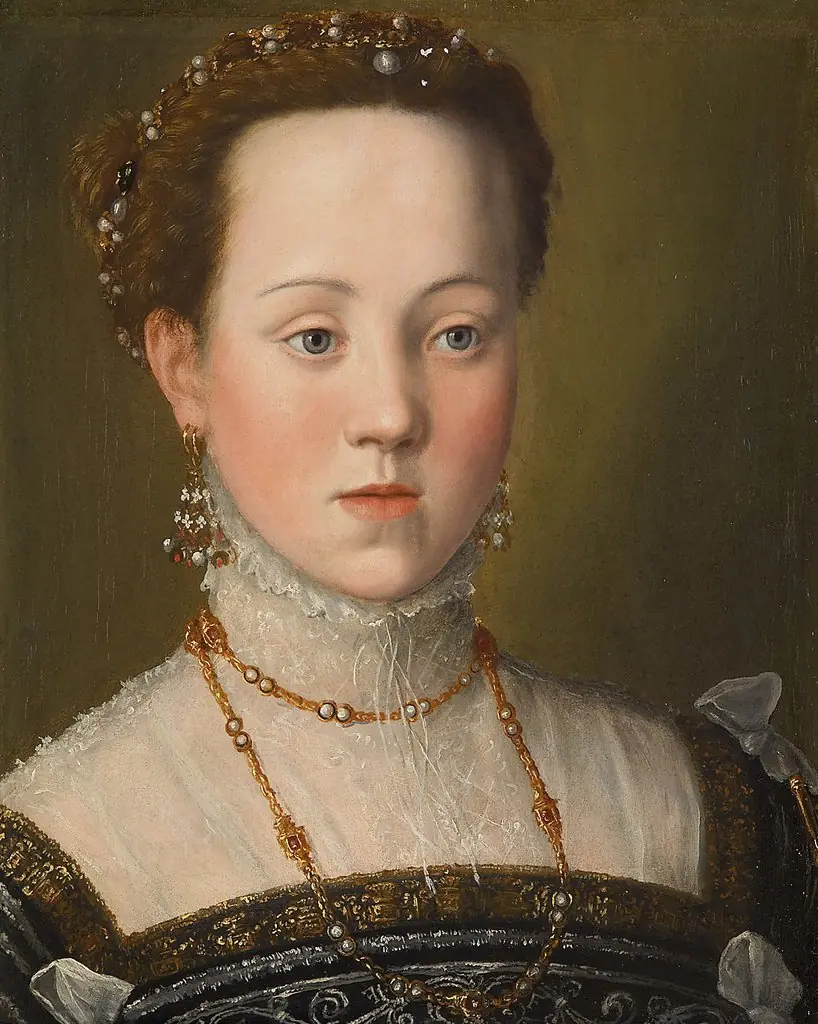 Archduchess Anna (1549-1580), Daughter of Emperor Maximilian II
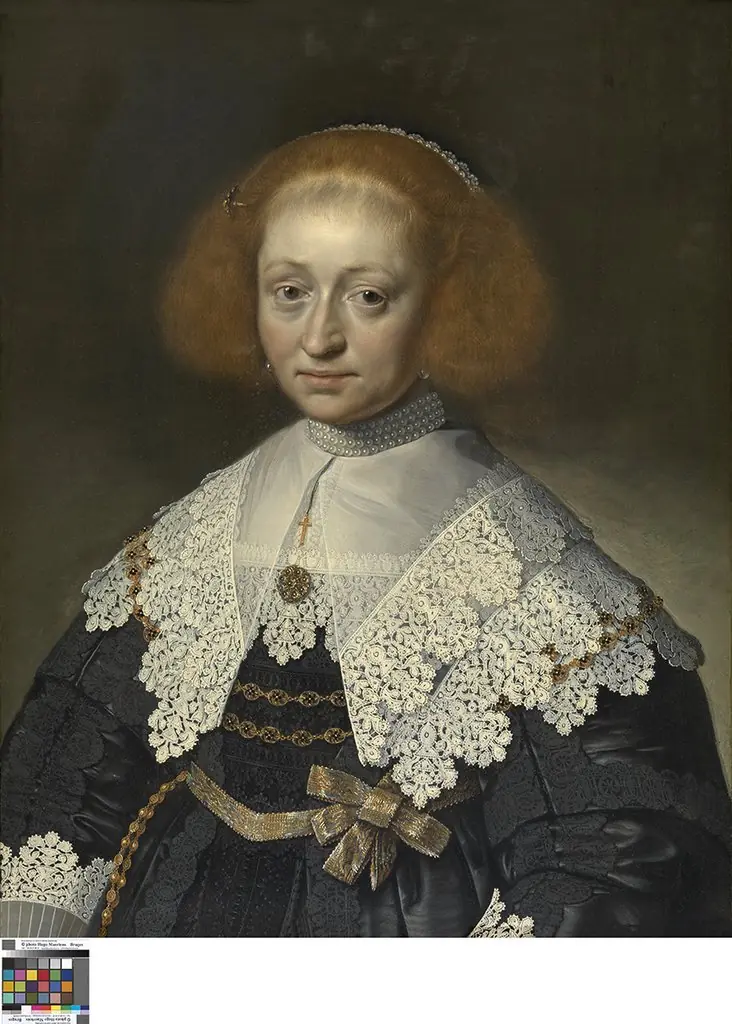 Portret van een vrouw
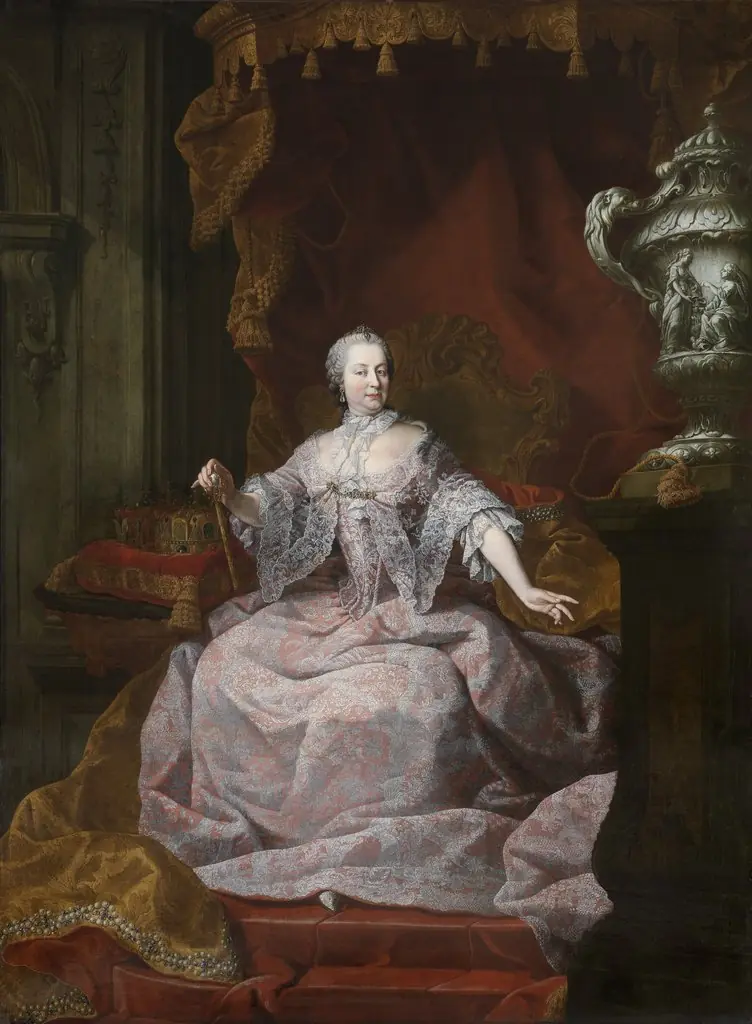 Portrait of Empress Maria Theresa
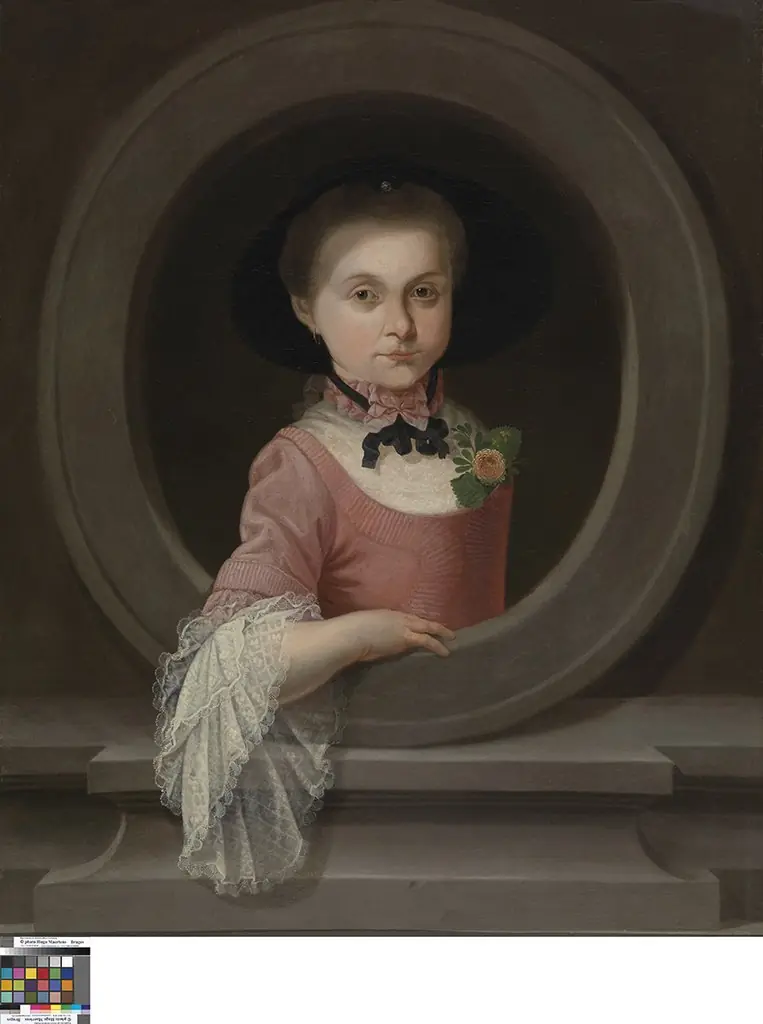 Portret van een meisje
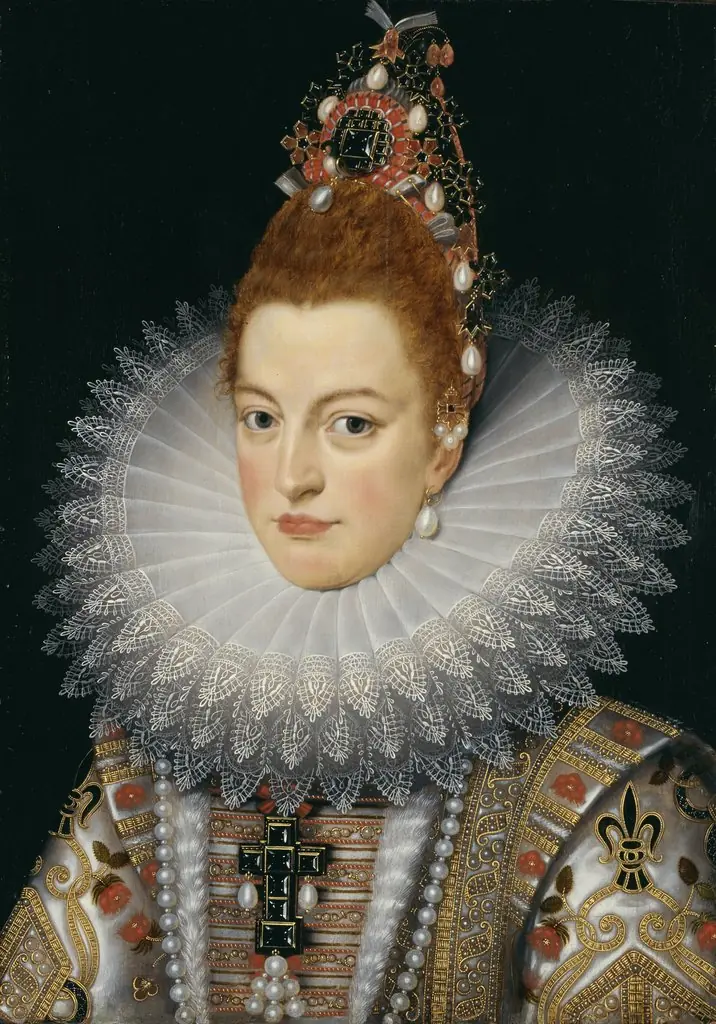 Portrait of Archduchess Isabella
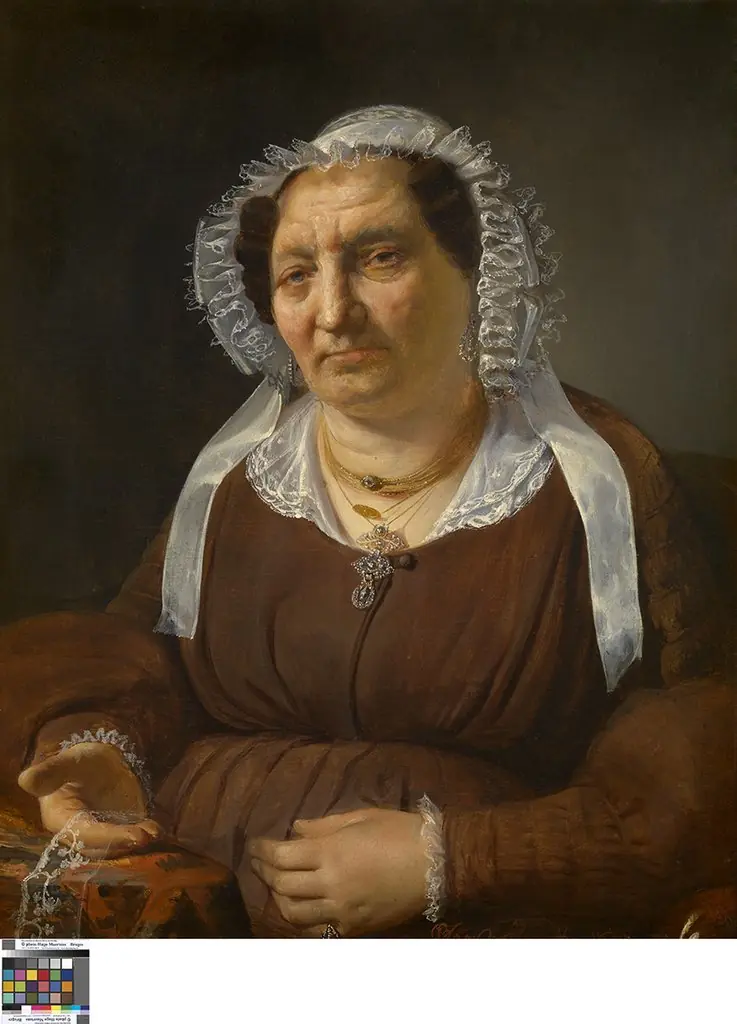 Portret van kantkoopvrouw Anne Godderis-Tulpinck
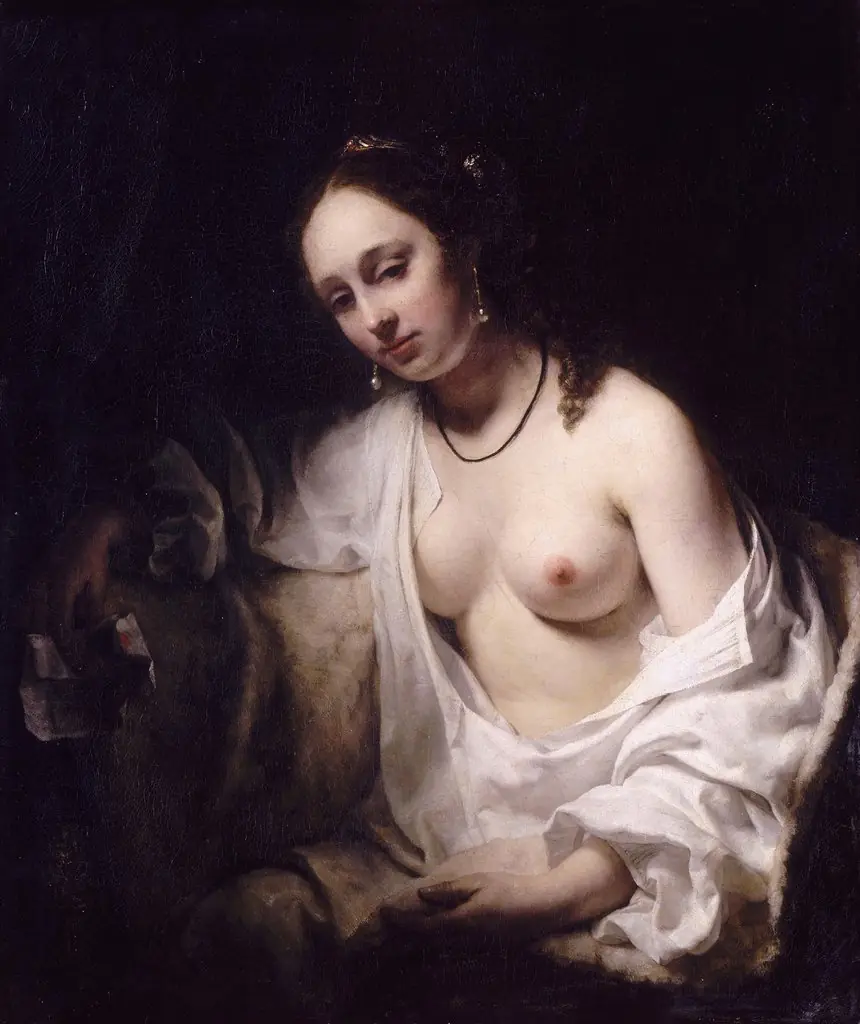 Bathsheba with King David's Letter
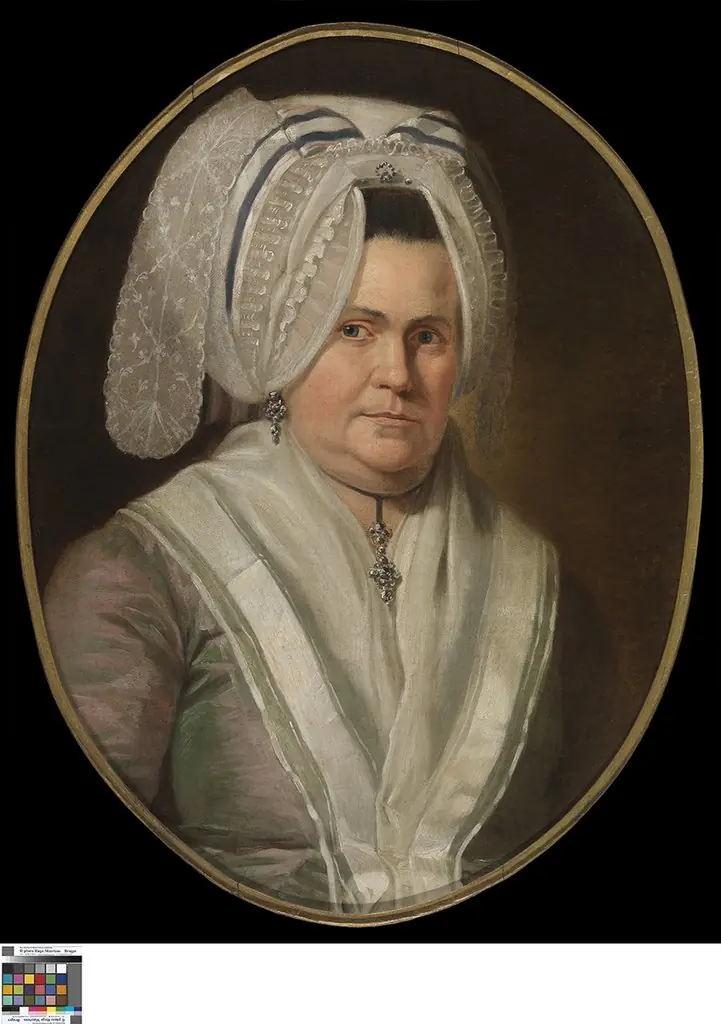 Portret van Maria Coutteau
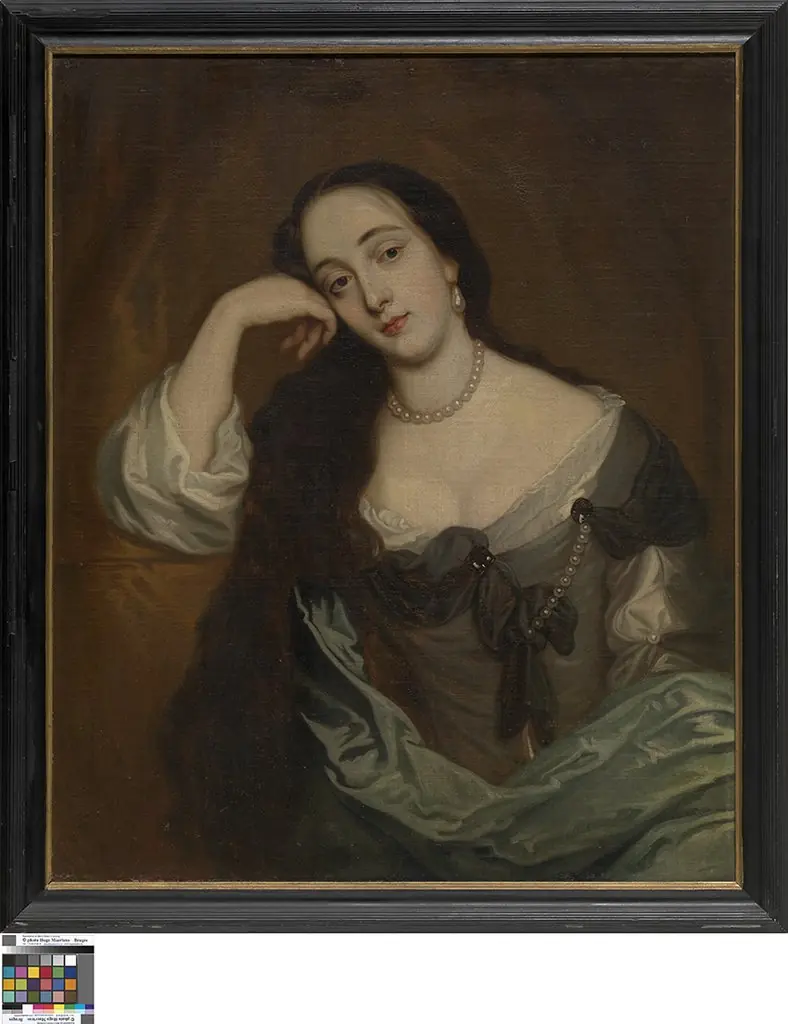 Portret van een vrouw
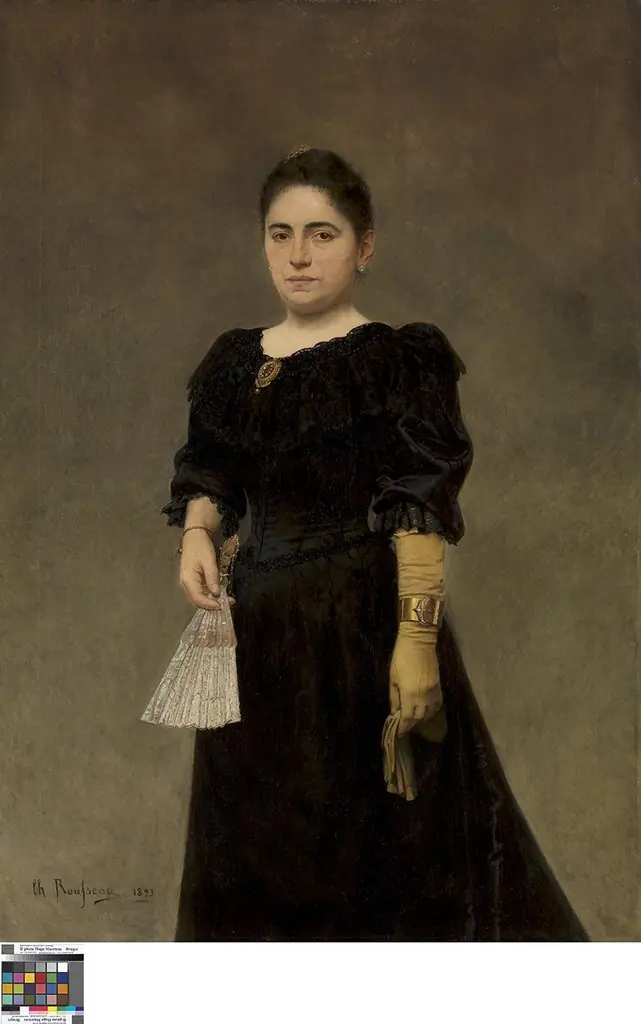 Portret van Honorine Dugardein
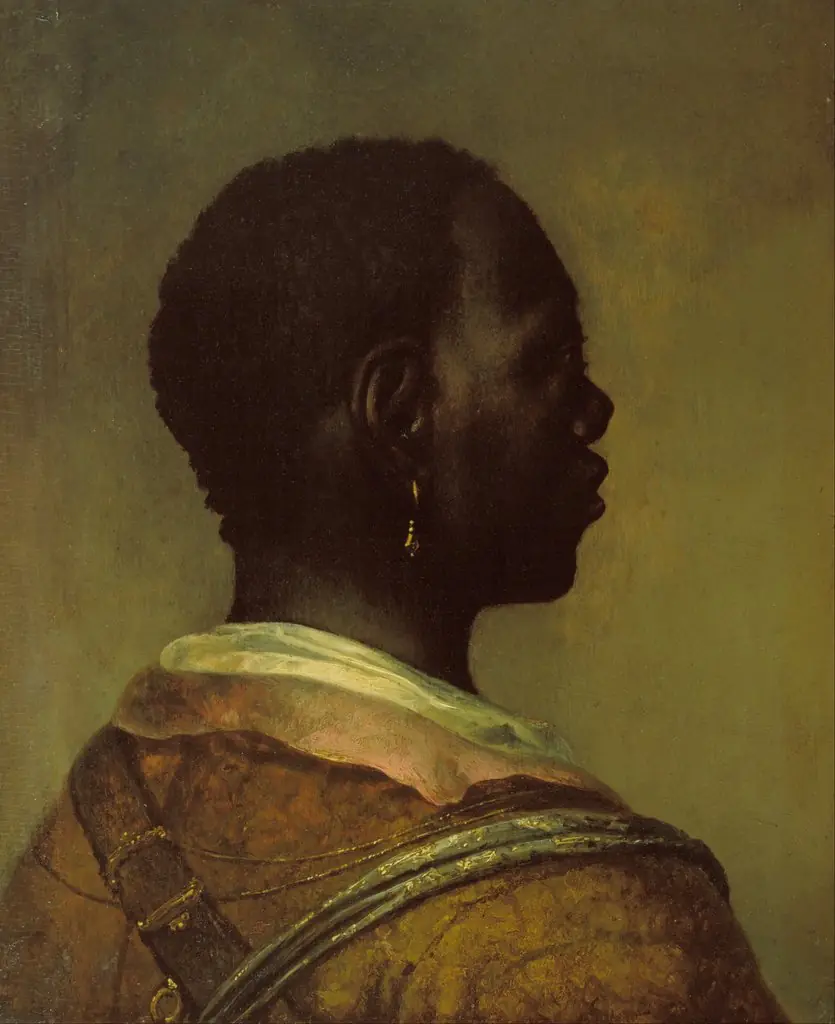 Head of a Black Man
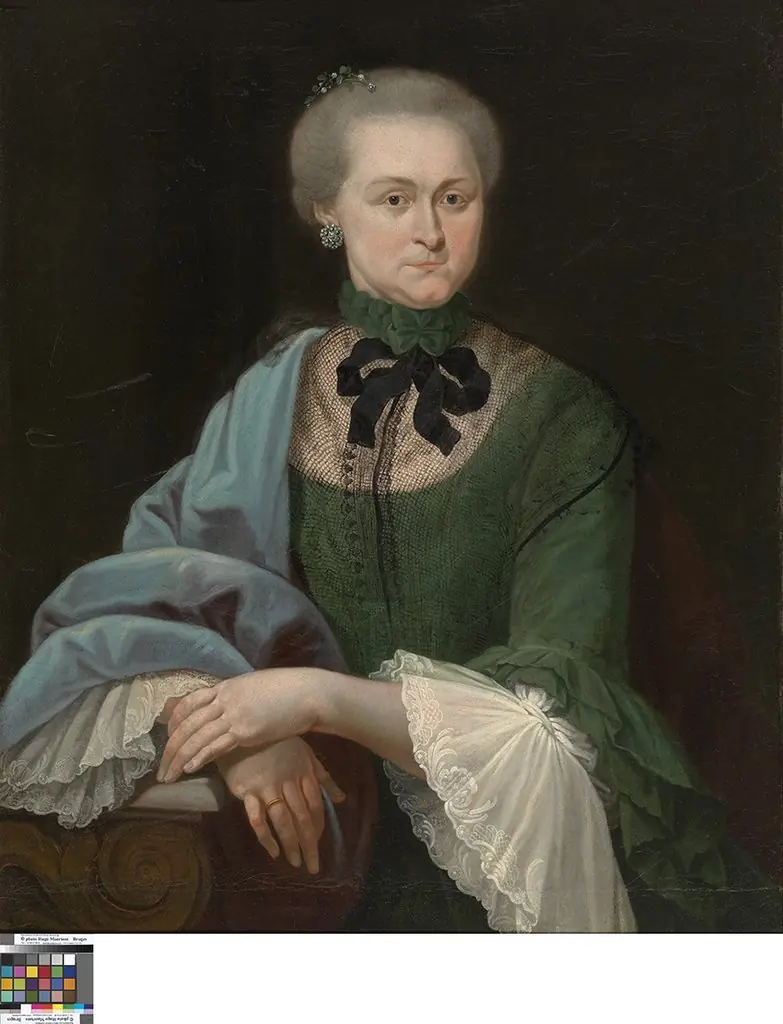 Portret van een vrouw
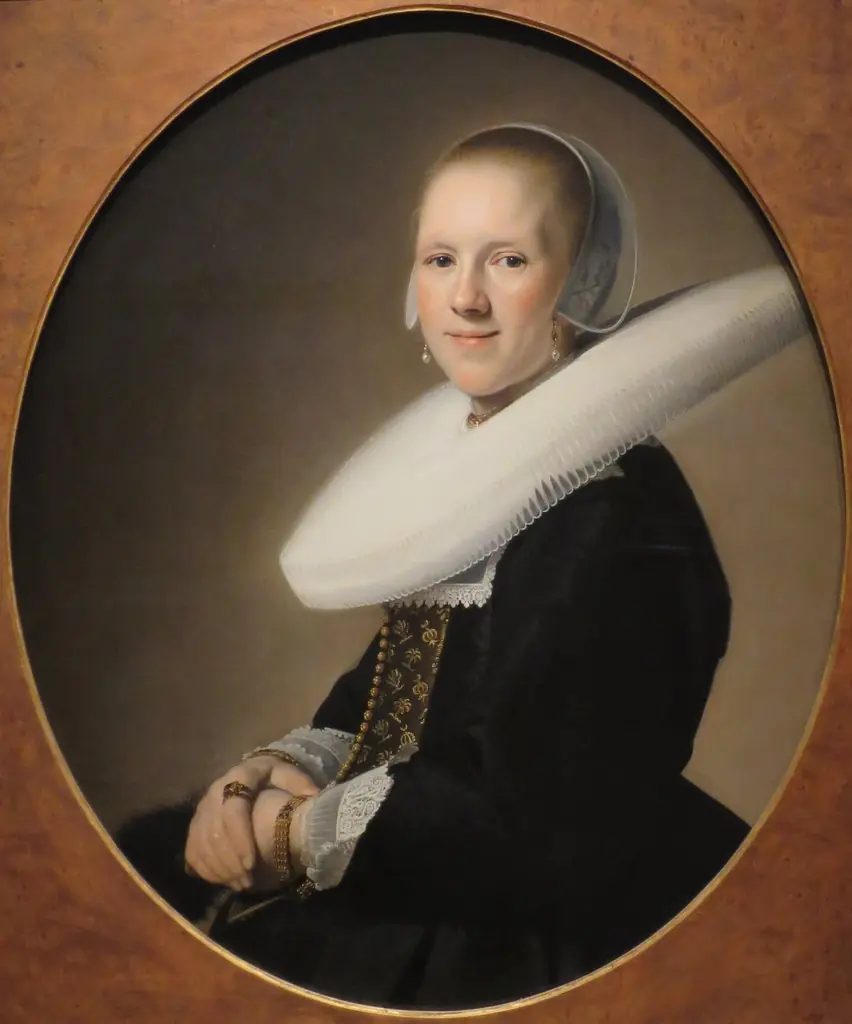 Portrait of a Lady
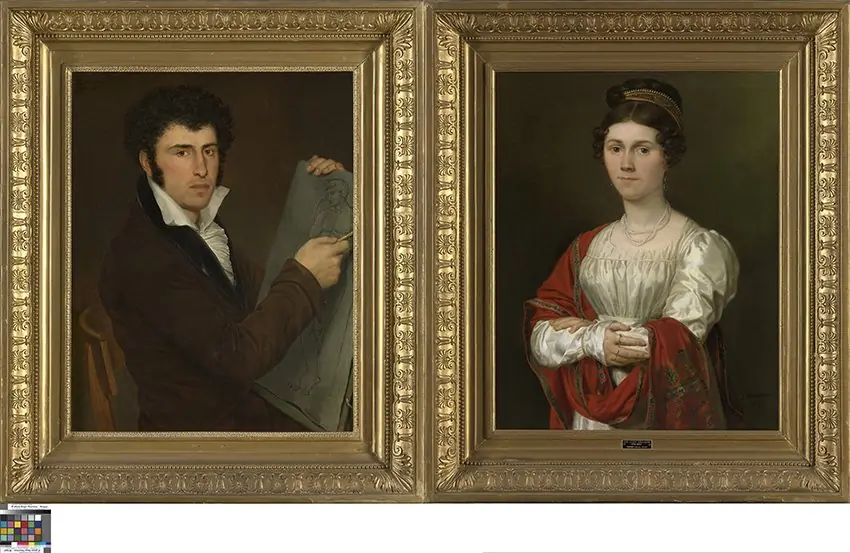 Portret van Maria Jozefa Pavot
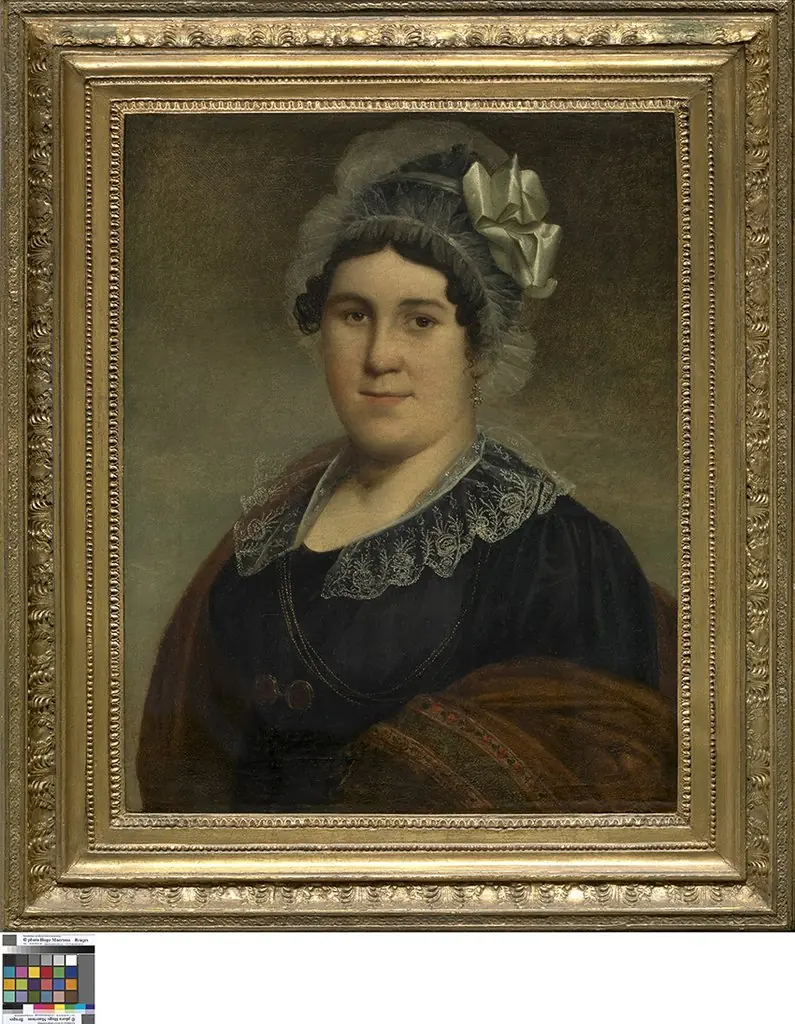 Portret van Isabella van Lutsenborgh, echtgenote van Jacobus Dumery
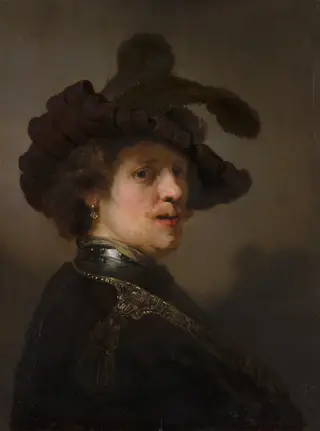 Portrait of a man in a plumed hat
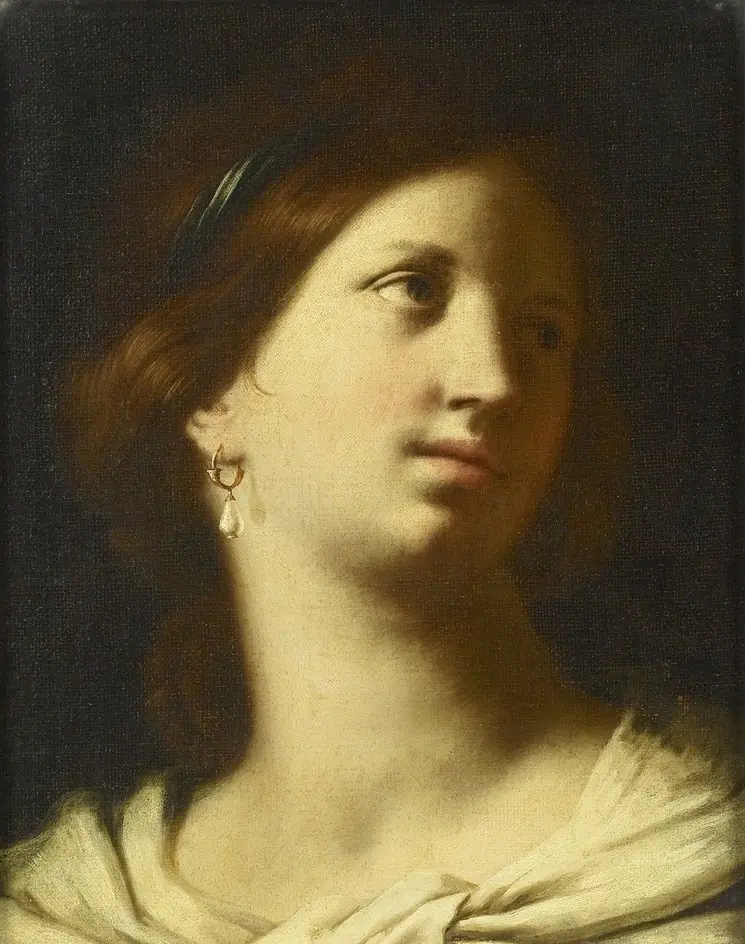 The Head of St Catherine
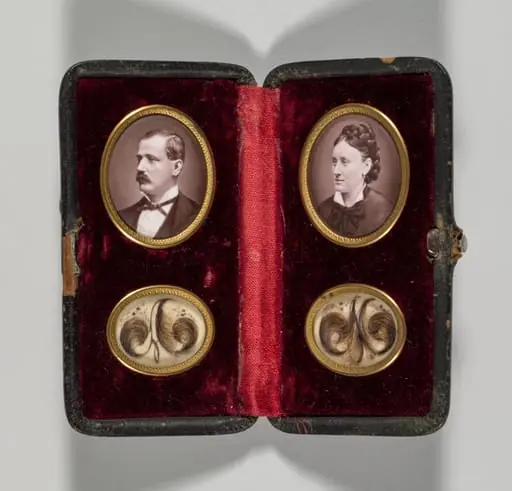 Untitled (Case with portraits of a man and woman and hair ornaments)
Frequently asked questions
What is Earring?
Earrings are jewelry that can be worn on one's ears.
How many Earring works does Artifact World Gallery have?
Artifact World Gallery holds 96 public-domain Earring works, all free to view and download.
Who are the key Earring artists?
Key Earring artists in the collection include Titian, Paolo Veronese and Jean Baptiste Camille Corot.
Where can I see Earring works?
Earring works in the collection are held by Metropolitan Museum of Art, Groeningemuseum and Rijksmuseum.