Artwork
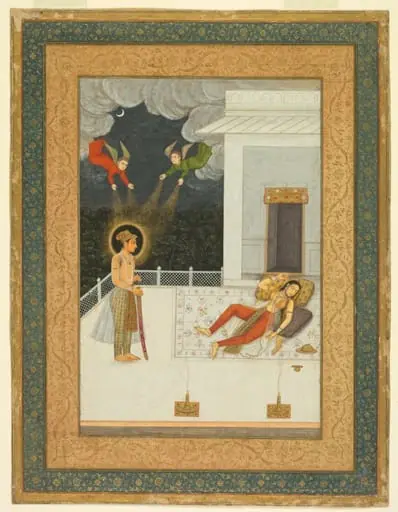
The dream of Zulaykha, from the Amber Album
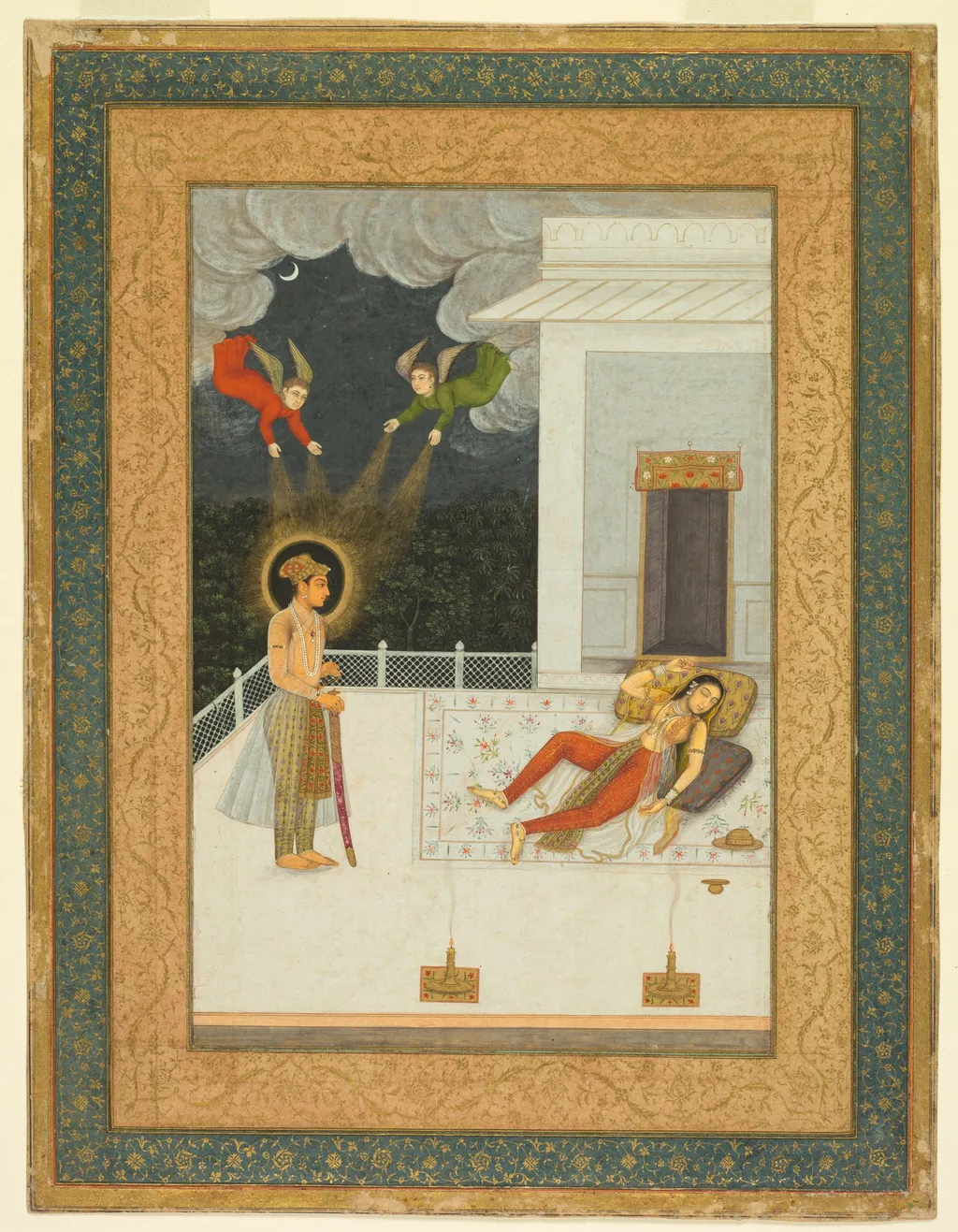
The dream of Zulaykha, from the Amber Album is an unspecified painting. It dates from 1670 and is held in the collection of the Cleveland Museum of Art.
About this work
Subject & Meaning
Symbolically, the dream underscores themes of longing and spiritual yearning, reflecting the narrative's exploration of desire and divine love.
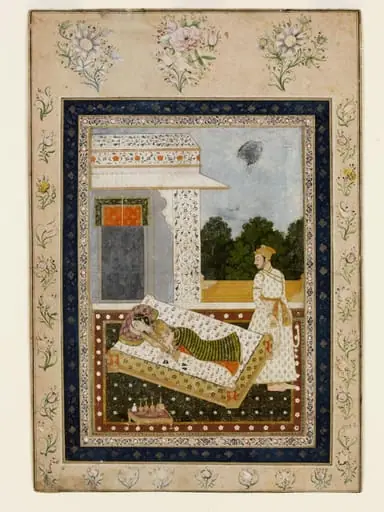
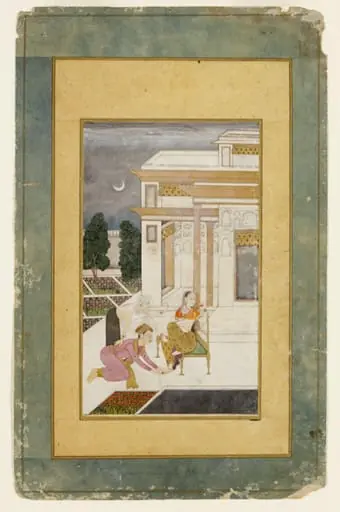
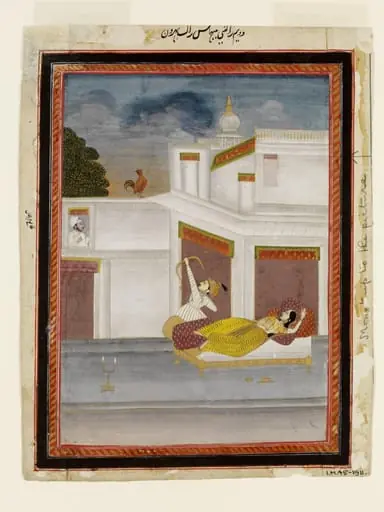
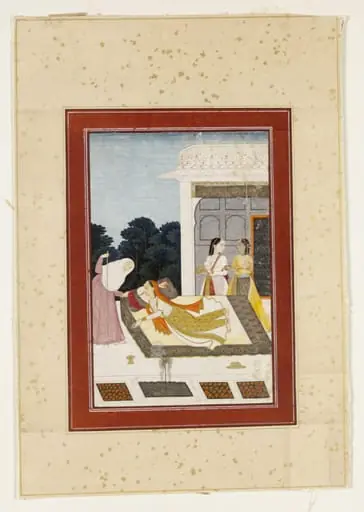
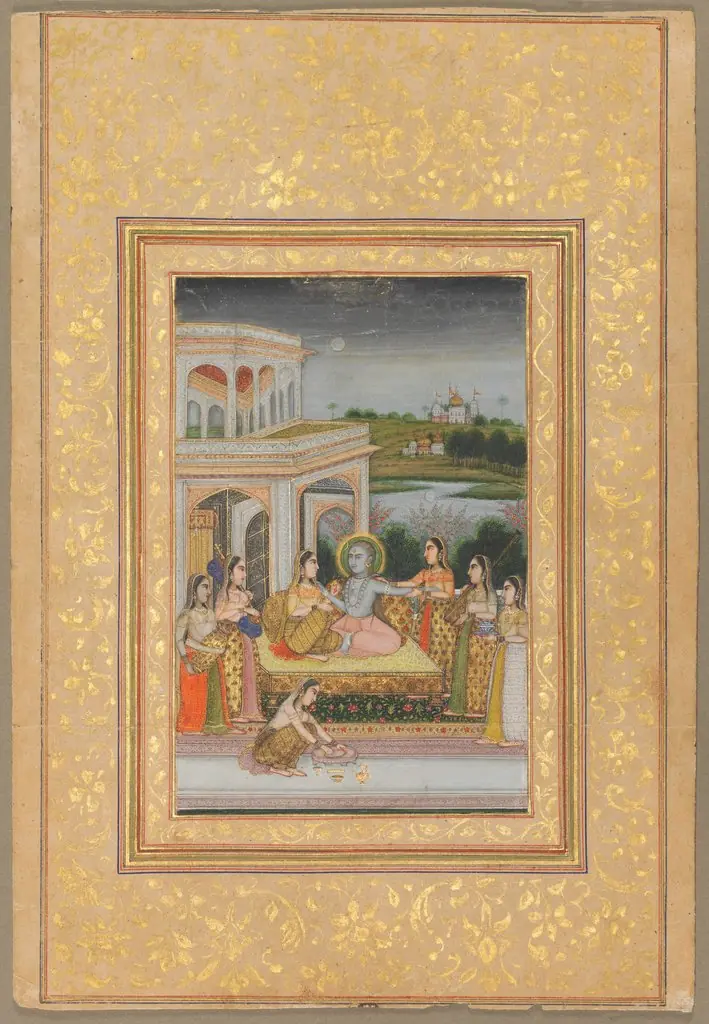
The painting portrays Zulaykha, a figure from the Persian tale of Joseph and Zulaykha, in a moment of dreaming devotion. Produced within the Mughal milieu, the work draws on Persianate narrative tradition. Symbolically, the dream underscores themes of longing and spiritual yearning, reflecting the narrative's exploration of desire and divine love.
The piece belongs to the Amber Album and is housed at the Cleveland Museum of Art, which documents its provenance and contextual significance.
History & Provenance
The dream of Zulaykha, from the Amber Album, is a painting dated to 1670, produced within the Mughal Empire. The work is classified as a painting and is held in the collection of the Cleveland Museum of Art, where it is catalogued under inventory number 2013.332 and entered the collection in 2013.
No information regarding a specific commissioner, patron, or earlier ownership history has been documented in the available sources. The provenance chain prior to its accession by the Cleveland Museum of Art, as well as the circumstances of its creation, are not detailed in the provided references.
Context
The 1670 painting The dream of Zulaykha, from the Amber Album, is a product of Mughal artistic production in India, reflecting the era's synthesis of Persianate narrative traditions and local visual languages. The work is housed in the Cleveland Museum of Art, where it has been studied as part of scholarly efforts to contextualize Mughal miniature painting within broader art-historical frameworks.
Overview
The work, titled “The Dream of Zulaykha” and taken from the Amber Album, depicts a nocturnal interior scene illuminated by a golden balcony light. A standing male figure occupies the balcony, his visage radiant as if surrounded by a halo, while two angels hover above, dispensing a luminous substance onto the space below.
Technique & Style
The painting employs a vivid palette of gold, red, green, and brown, with decorative borders that feature swirling vegetal motifs. Fine detailing appears in the woman’s garment, where tiny embroidered flowers are rendered, and the angels’ wings are painted in striking red and green hues, contrasting with the dark night sky beyond the balcony.
Artist & collection