Artwork
The Lamentation
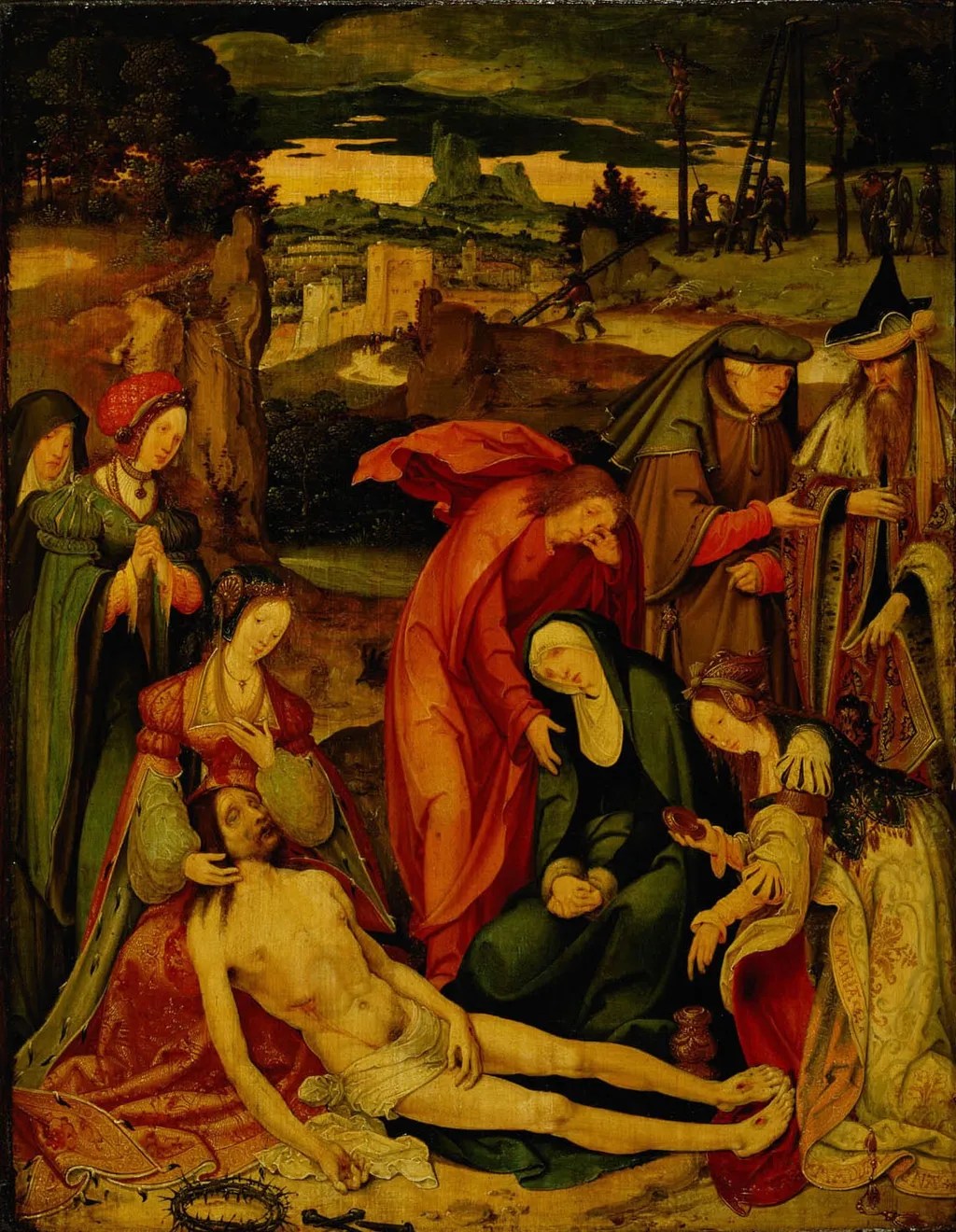
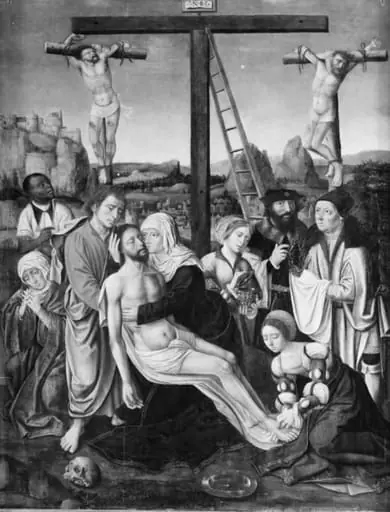
The Lamentation is an oil painting by the Mannerist artist Unknown. It dates from 1520 and is held in the collection of the Kunsthistorisches Museum.
About this work
Subject & Meaning
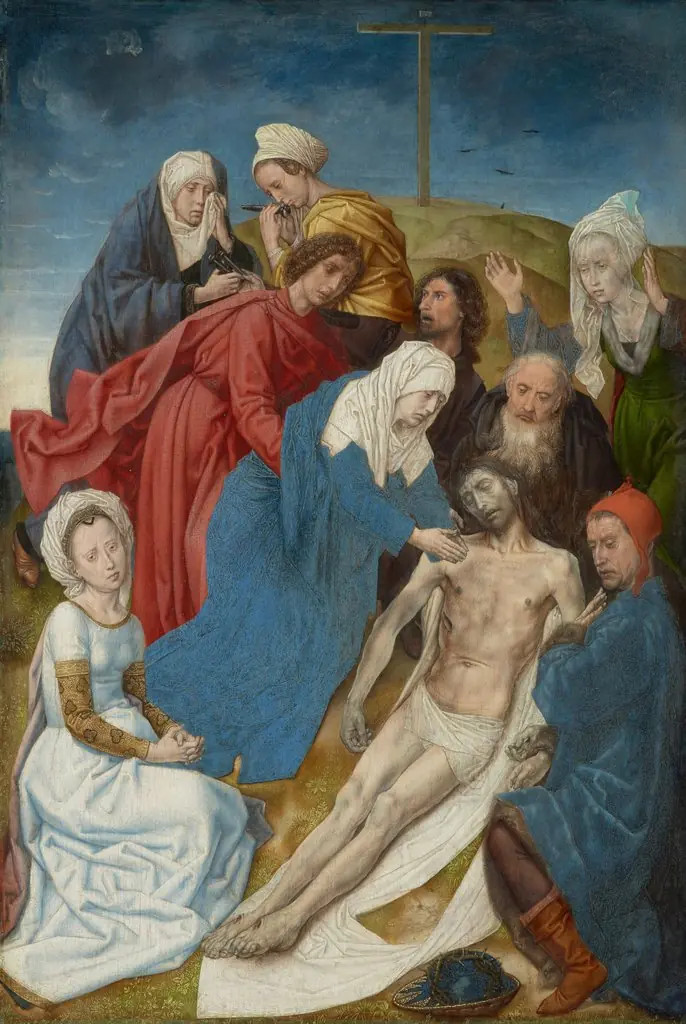
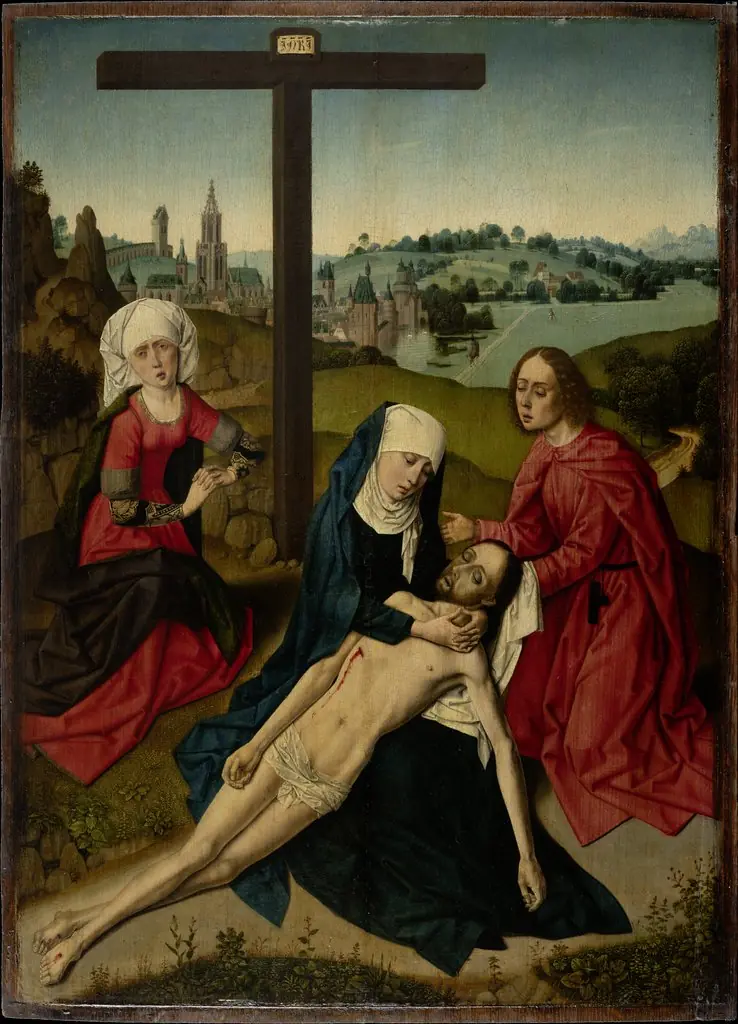
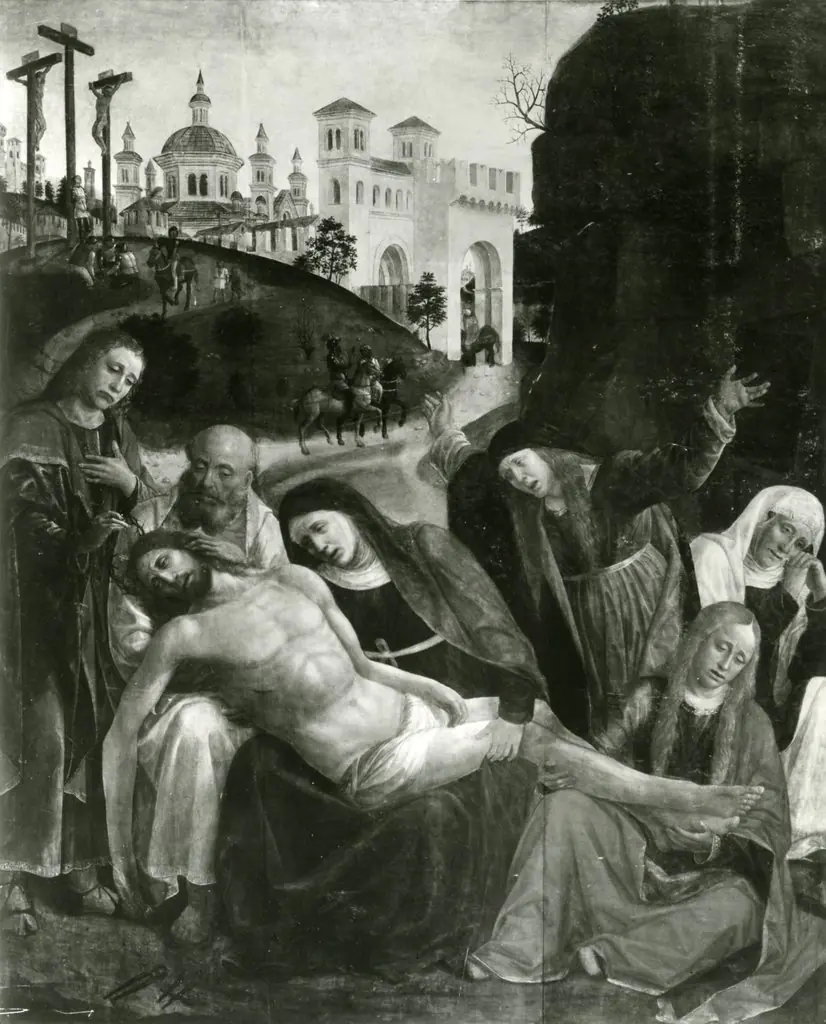
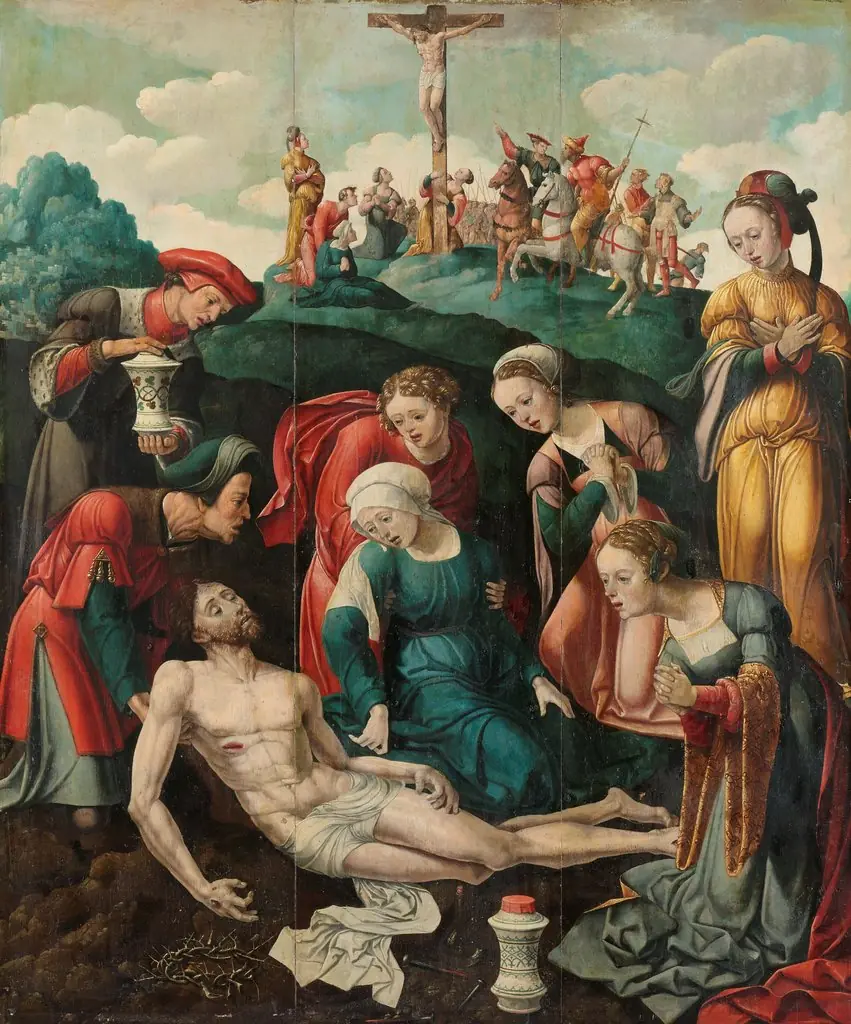
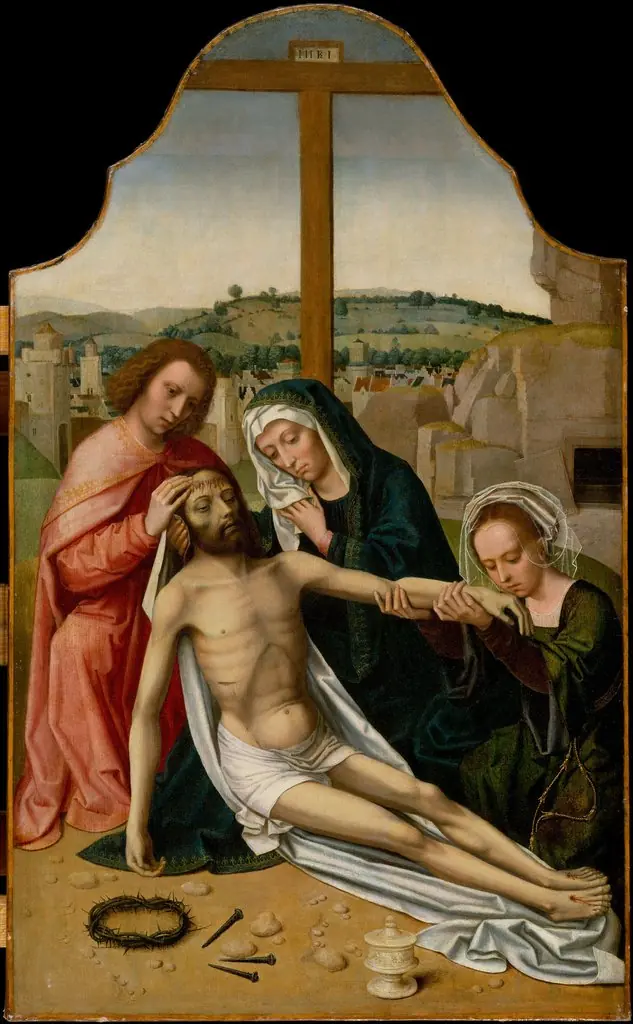
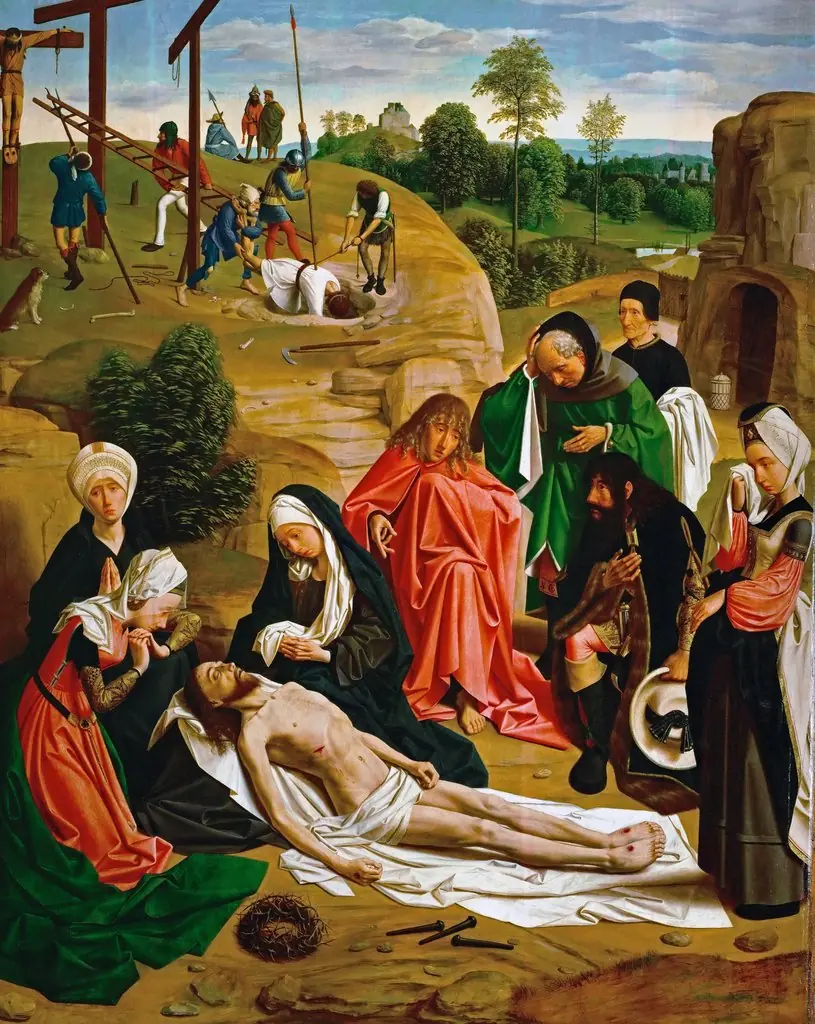
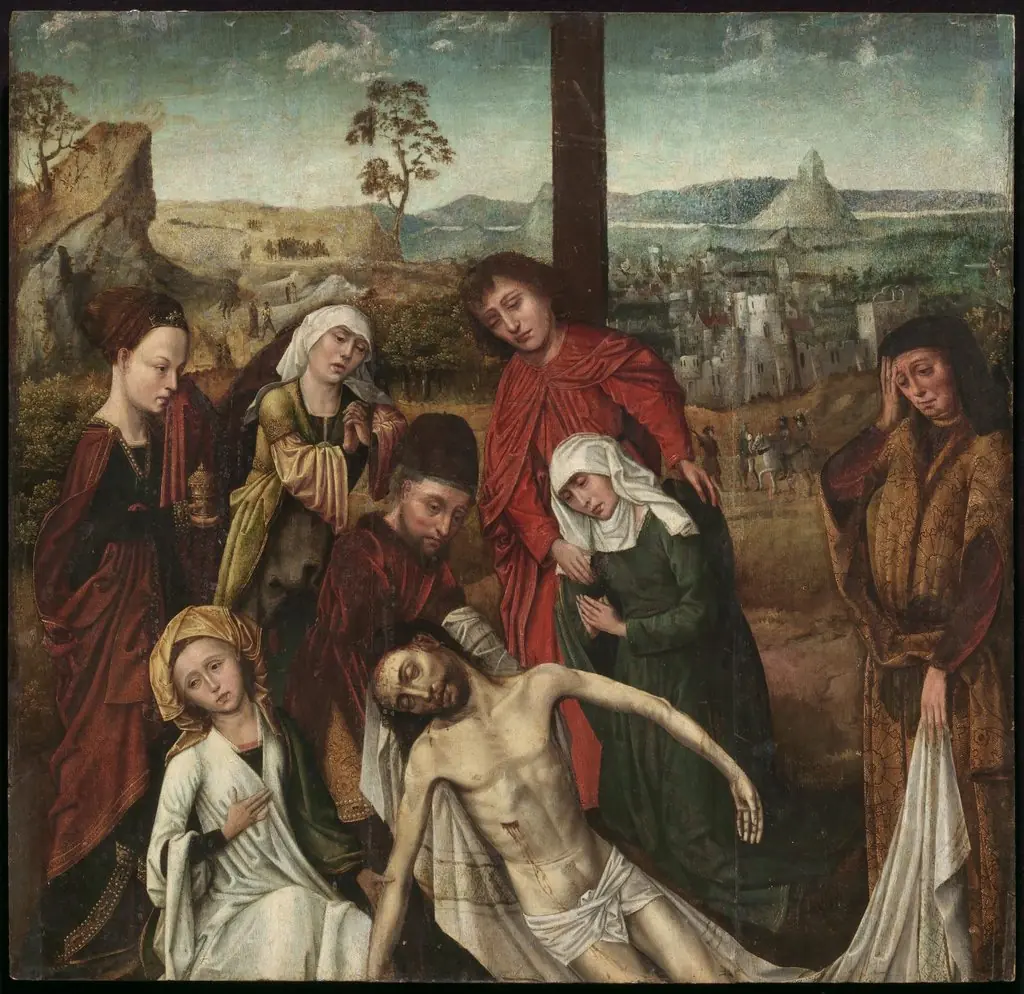
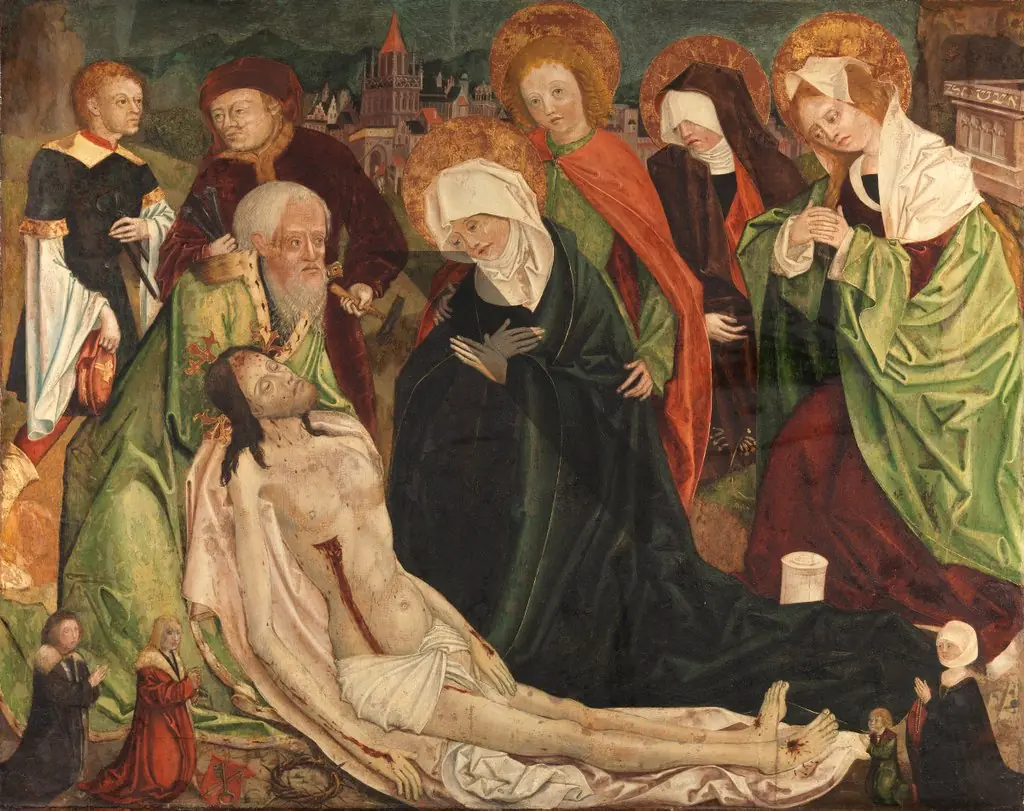
The painting depicts the Lamentation of Christ, a scene from the Passion narrative in which Christ’s body is mourned by followers after the Crucifixion.
The painting depicts the Lamentation of Christ, a scene from the Passion narrative in which Christ’s body is mourned by followers after the Crucifixion. The composition centers on the dead Christ, surrounded by mourning figures including the Virgin Mary, John the Evangelist, and holy women. Angels appear above, often interpreted as conveying divine sorrow or mediating between earth and heaven.
Symbolically, the scene underscores themes of grief, sacrifice, and redemption central to Christian iconography. The use of subdued tones and the positioning of Christ’s body emphasize mortality and loss, while the presence of angels signals the intersection of human sorrow with divine consolation.
Technique & Style
The Lamentation is executed in oil paint on a panel support, a medium and substrate combination characteristic of early 16th-century religious works. Created in 1520, the painting measures 45 cm in height and 35 cm in width, presenting a compact format for its depiction of the Lamentation of Christ. The work is attributed to a Dutch (Holländisch) artist and is currently held in the collection of the Kunsthistorisches Museum.
As a religious painting, its stylistic approach aligns with the devotional traditions of its period, focusing on the emotional gravity of the scene.
History & Provenance
The painting known as The Lamentation was created in 1520. Attributed to the artist Holländisch, the work is an oil painting executed on a panel support. The piece depicts the Lamentation of Christ, focusing on the figure of Jesus Christ within a religious context.
Since its creation, the artwork has entered the collection of the Kunsthistorisches Museum, where it remains located. The panel measures 45 cm in height and 35 cm in width. No further details regarding specific commissions, previous owners, or the chain of custody prior to its current museum holding are provided in the available records.
The Lamentation is held in the collection of the Kunsthistorisches Museum, where it is located. While the specific inventory or accession number is not provided in the available records, the work is attributed to a Dutch (Holländisch) artist and dates to 1520. The painting, executed in oil on panel, depicts the Lamentation of Christ and measures 45 cm in height by 35 cm in width. No specific exhibition history or past display records are documented in the provided sources.
Context
Attributed to the circle of the anonymous Master known as 'Holländisch,' The Lamentation (1520) reflects the transitional moment when Netherlandish devotional painting absorbed Italianate compositional rigor while retaining late-Gothic emotional intensity. Scholarship situates the panel within the Kunsthistorisches Museum’s holdings as a key witness to early sixteenth-century Antwerp workshop practice, where standardized iconographies, here the compact, triangular grouping of mourners around Christ’s body, were produced for export to Central European patrons.
Critical reception has centered on the work’s hybrid style: the meticulous oil glazing and microscopic detail align it with the northern tradition of Rogier van der Weyden, while the sculptural plasticity of the figures signals awareness of Raphael’s Roman altarpieces. Its modest dimensions (45 × 35 cm) suggest an intended private oratory setting, underscoring the period’s growing demand for intimate, portable sacred images among urban elites.
Legacy
The Lamentation (1520) has long been regarded as a pivotal work within the Kunsthistorisches Museum’s Netherlandish holdings, though its authorship remains attributed to an anonymous 'Holländisch' master. Its compact dimensions (45 × 35 cm) and devotional intensity exemplify early 16th-century Northern religious painting, influencing later scholars’ reconstructions of workshop practices in the Low Countries.
Over centuries, the panel’s emotive depiction of the Lamentation of Christ reinforced its role in shaping the iconographic conventions of the theme, particularly in Central European collections where it served as a reference for both artists and patrons.
Overview
The Lamentation is an oil painting depicting a mournful scene following the death of Jesus Christ. A group of figures gathers around his body, set against a distant landscape of hills, trees, and buildings.
Artist & collection