Artwork
The Lord's Supper with the Apostles
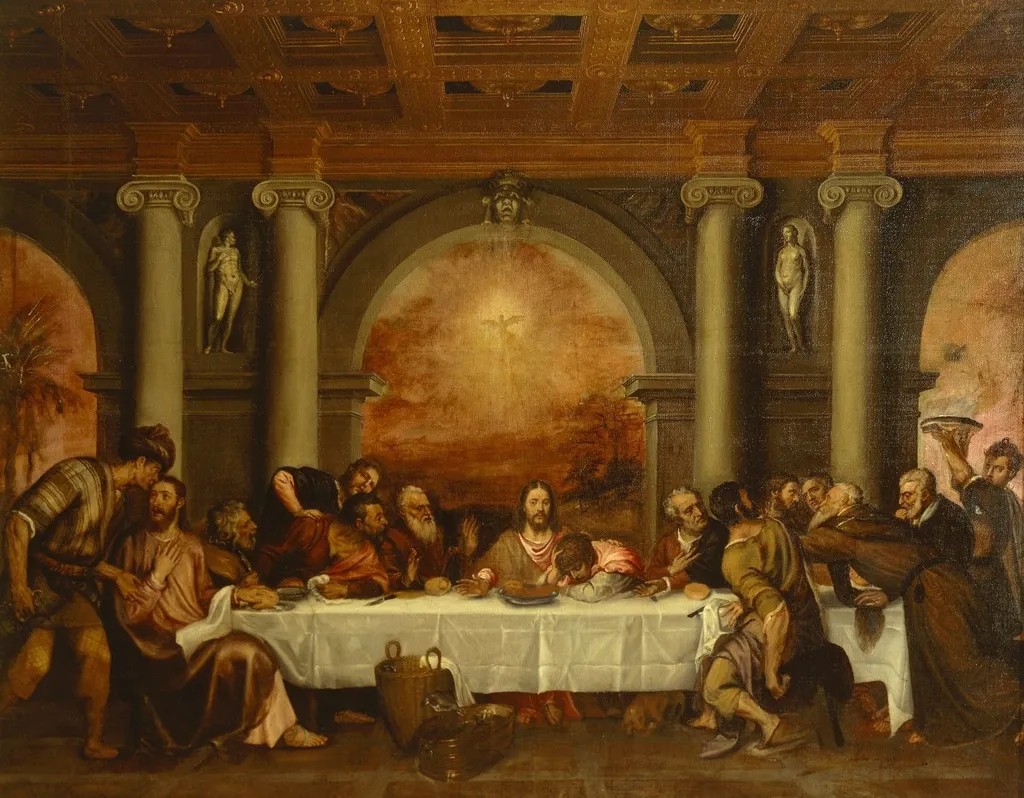
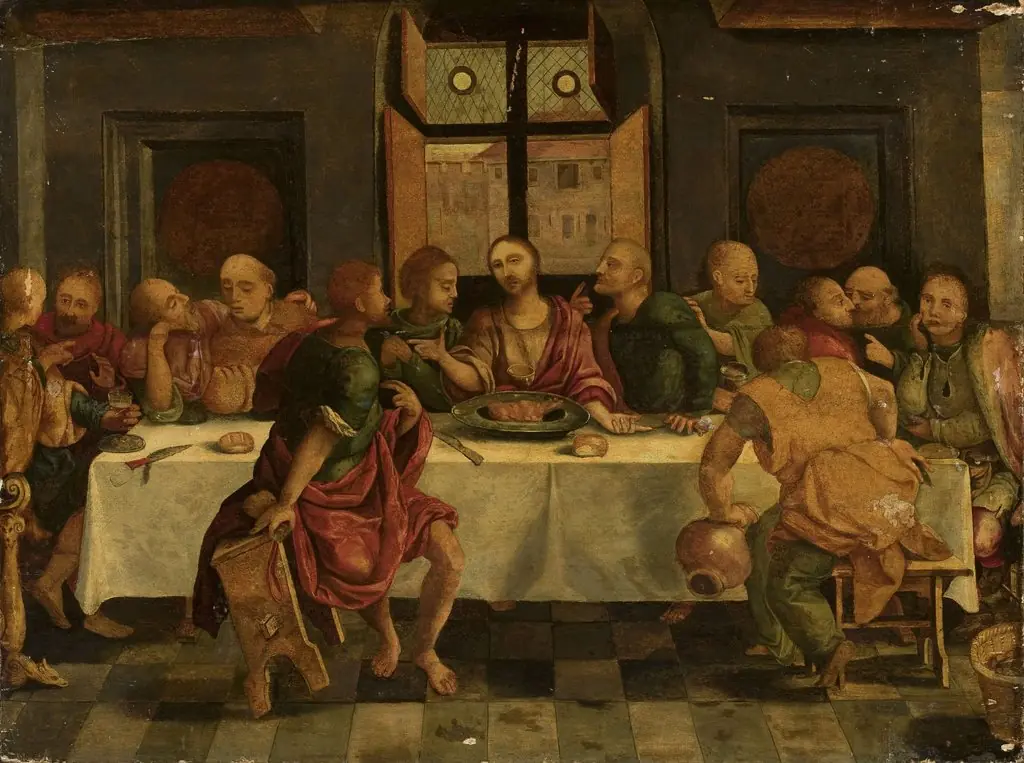
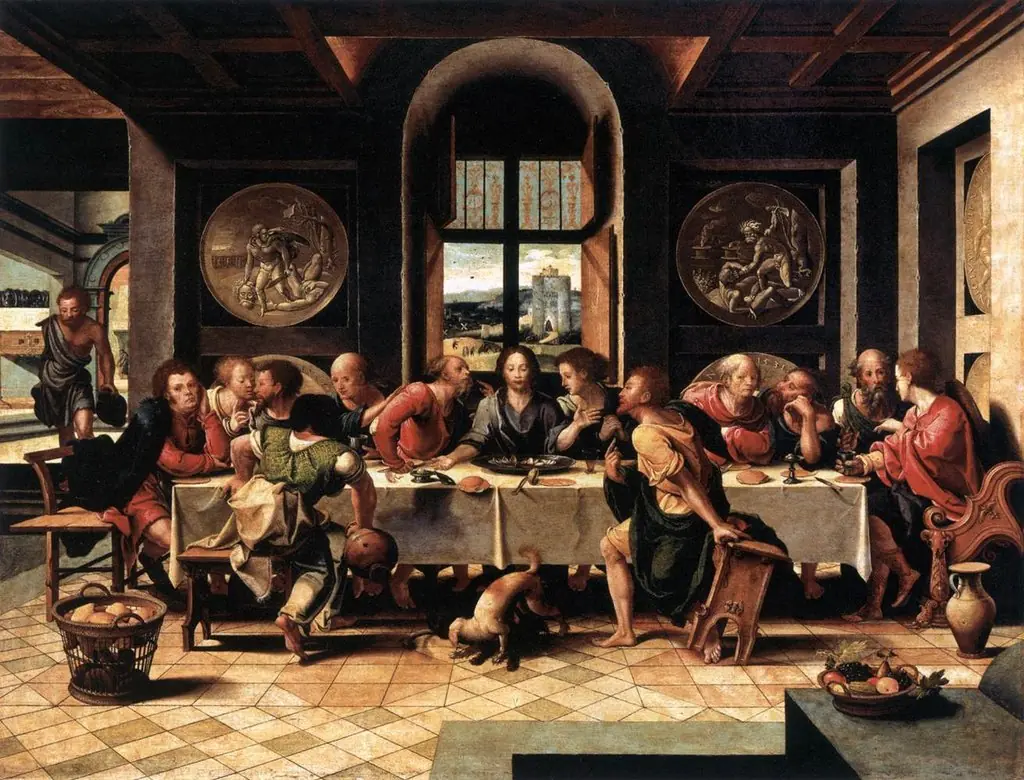
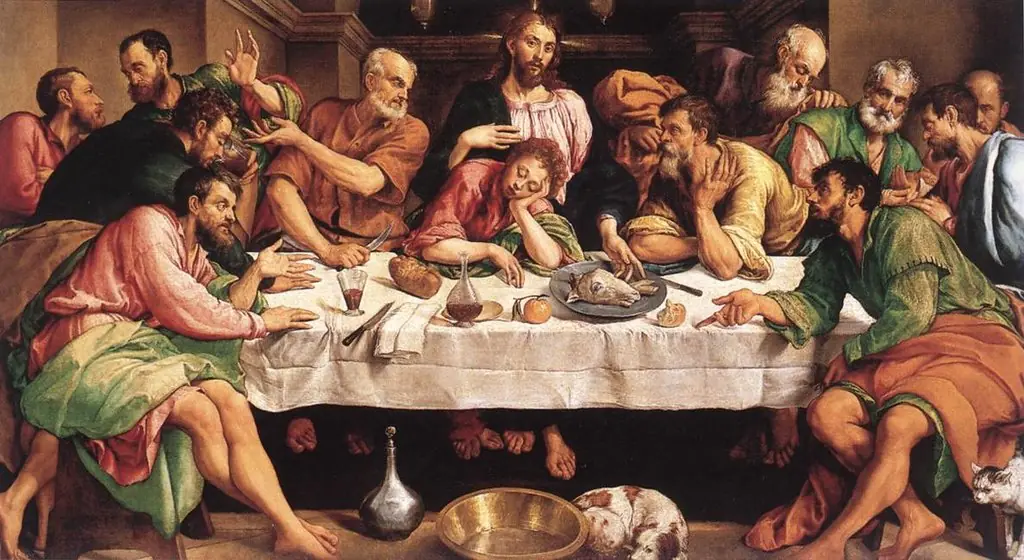
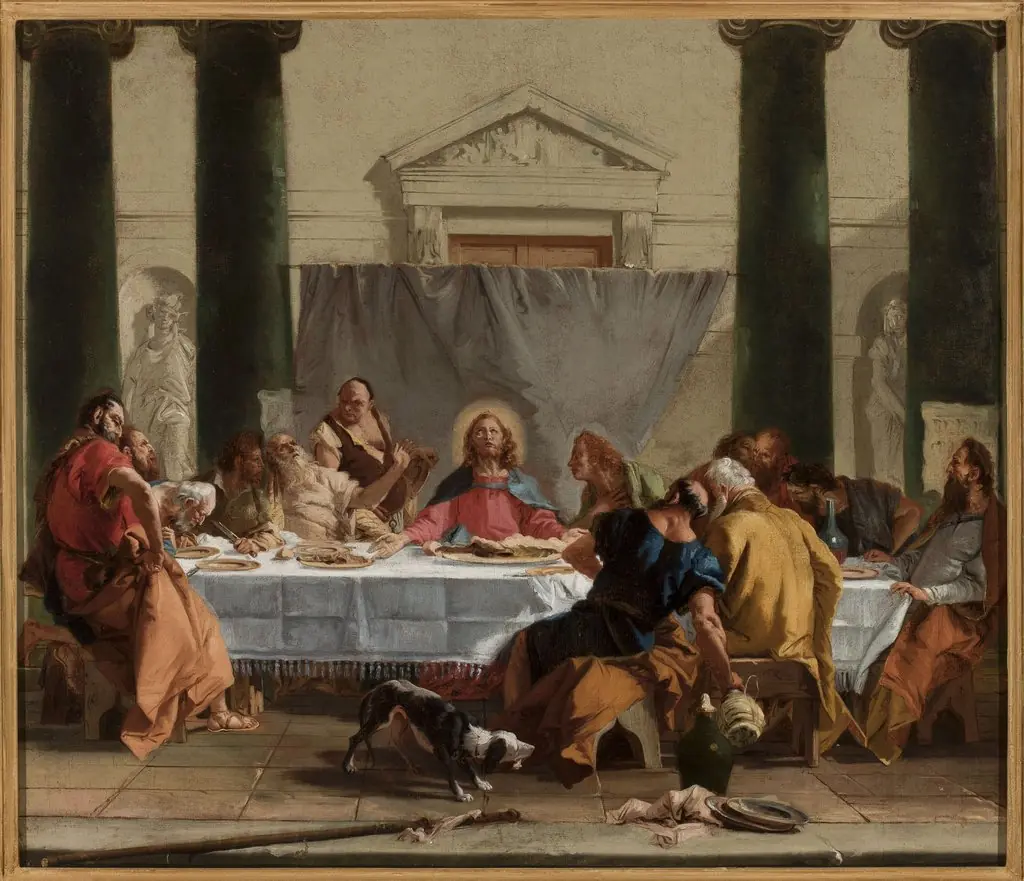
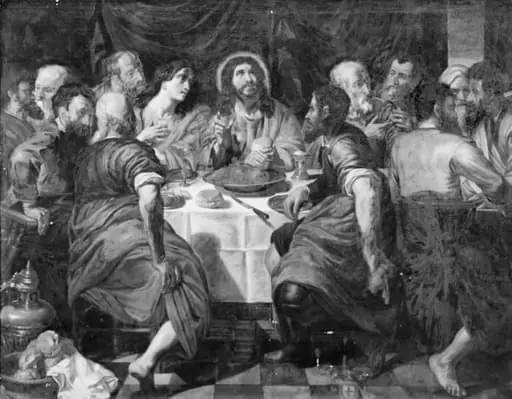
The Lord's Supper with the Apostles is an oil painting by the Mannerist artist Unknown. It dates from 1561 and is held in the collection of the Pinacoteca di Brera. This oil painting depicts the biblical scene of the Last Supper, portraying Jesus and his twelve apostles gathered at a long table.
About this work
Overview
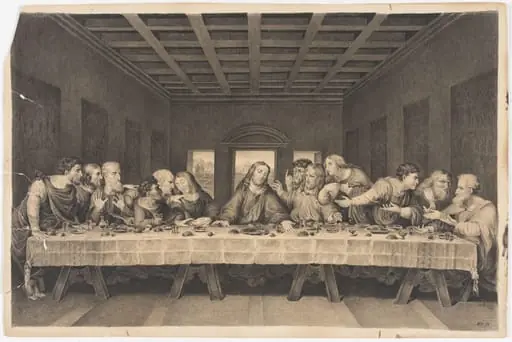
This oil painting depicts the biblical scene of the Last Supper, portraying Jesus and his twelve apostles gathered at a long table.
This oil painting depicts the biblical scene of the Last Supper, portraying Jesus and his twelve apostles gathered at a long table. The figures are dressed in ancient-style robes, seated in a spacious interior defined by stone columns and arched architecture. A strong, centralized light illuminates the scene, drawing focus to the table and the interactions among the figures, distinguishing it from more conventional treatments of the subject.
Subject & Meaning
The painting illustrates the moment before Jesus announces that one of his disciples will betray him, as recounted in the Gospels. Rather than emphasizing dramatic emotion or symbolic elements like bread and wine, the scene presents a quiet, contemplative gathering. The focus on collective gaze and stillness suggests introspection and shared tension, aligning with a more humanized interpretation of the event.
Technique & Style
Oil paint is applied with restrained brushwork, favoring clarity of form over ornamental detail. The composition is symmetrical, with figures arranged along a central axis beneath a high, arched ceiling. The lighting is directional and even, enhancing the architectural depth and modeling of the figures’ robes without creating sharp contrasts. The palette is muted, dominated by earth tones and white linen.
History & Provenance
The painting’s origin and early ownership are undocumented in public records. Its stylistic features suggest it was produced in the late Renaissance or early Baroque period, possibly in Italy or the Low Countries. No known commission or patron is recorded, and its path to current possession remains unclear, though it has been held in private collections since at least the 19th century.
Context
Unlike contemporaneous depictions that emphasized theatricality or divine radiance, this work avoids overt symbolism. Its emphasis on architectural space and subdued interaction reflects a broader trend in certain regional traditions that favored naturalism and psychological realism over ecclesiastical grandeur. The setting resembles domestic or monastic interiors of the time, grounding the sacred event in a tangible, earthly environment.
Legacy
The painting contributes to a lesser-known strand of religious art that prioritizes quiet dignity over spectacle. While not widely reproduced or studied, its approach influenced later artists seeking to portray biblical narratives with psychological nuance rather than doctrinal emphasis. It remains a quiet example of how sacred stories were reimagined in private devotional contexts during the early modern period.
Artist & collection