Artwork
保元平治合戦図屏風|The Rebellions of the Hōgen and Heiji Eras
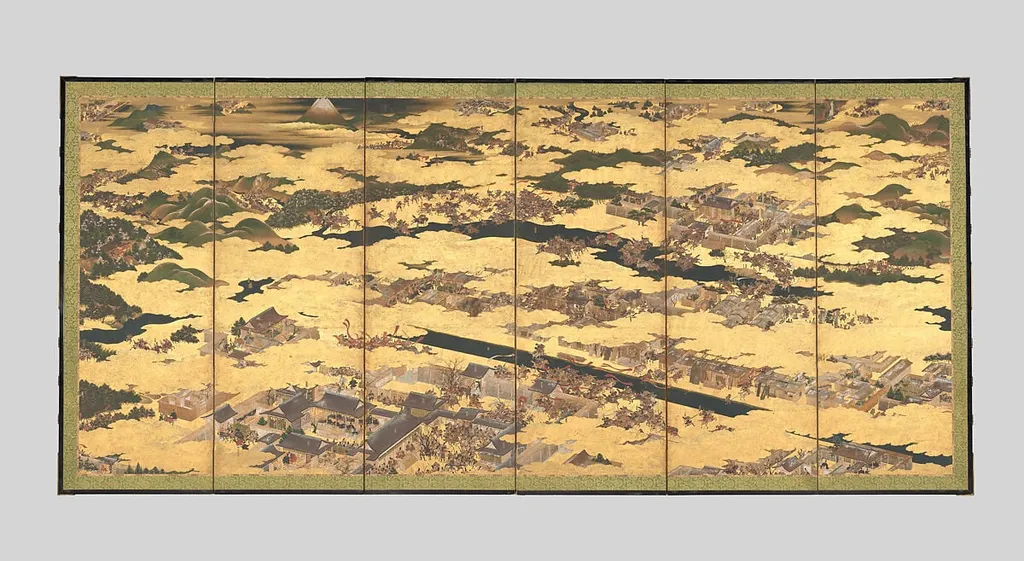
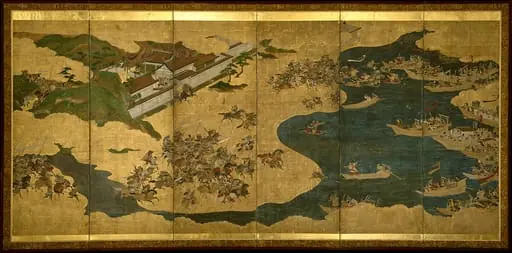
保元平治合戦図屏風|The Rebellions of the Hōgen and Heiji Eras is an ink painting by the Baroque artist Unknown. It dates from 1650 and is held in the collection of the Metropolitan Museum of Art. The work consists of two six‑panel folding screens that together portray a tumultuous battle from the Hōgen and Heiji uprisings.
- Accession no.
- 57.156.4, .5
- Credit line
- Rogers Fund, 1957
About this work
Overview
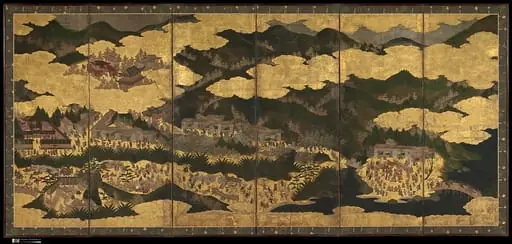
The work consists of two six‑panel folding screens that together portray a tumultuous battle from the Hōgen and Heiji uprisings. Executed on paper with ink, pigments, and applied gold and gold leaf, the composition is dominated by earthy yellow‑brown tones that heighten the sense of movement and chaos.
Subject & Meaning
The screens depict a dense melee of mounted warriors and foot soldiers locked in combat, set against a distant mountainous backdrop dotted with trees and structures. The crowded figures convey the ferocity of the 12th‑century conflicts that marked the transition from aristocratic to samurai dominance in Japan.
Technique & Style
Artists employed a combination of ink line work and opaque color washes, accentuated by gold leaf to highlight armor, weapons, and architectural elements. The meticulous rendering of individual horses and combatants demonstrates a high level of craftsmanship typical of elite screen painting in the late medieval period.
History & Provenance
Created as a pair of six‑panel folding screens, the piece was likely commissioned for a noble household to commemorate the Hōgen and Heiji rebellions. Its survival in two separate panels suggests it remained intact as a functional decorative object, though specific ownership records are not documented in the available sources.
Context
The battle scenes reflect the political upheaval of the mid‑1100s, when rival factions of the imperial court and emerging warrior clans clashed. Such narrative screens served both as visual records of historical events and as status symbols for patrons who wished to align themselves with the victorious samurai ethos.
Artist & collection









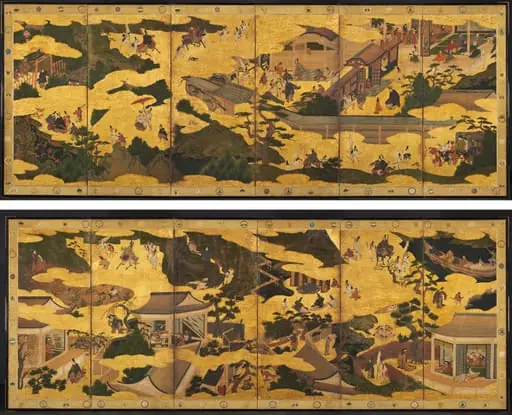 Scenes from the Tales of Ise
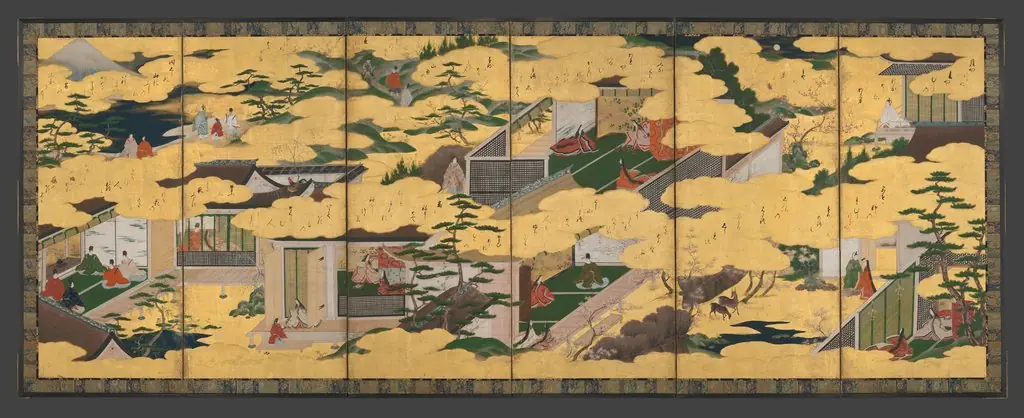 Scenes from the Tales of Ise
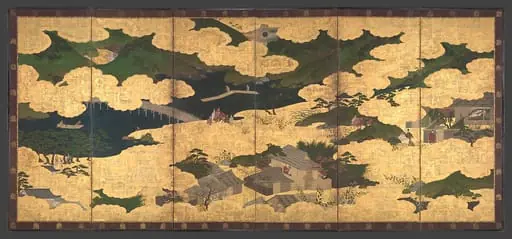 平家物語図屏風 「小督」 「大原御幸」|"Kogō" and "The Imperial Procession to Ōhara", from The Tale of the Heike (Heike monogatari)
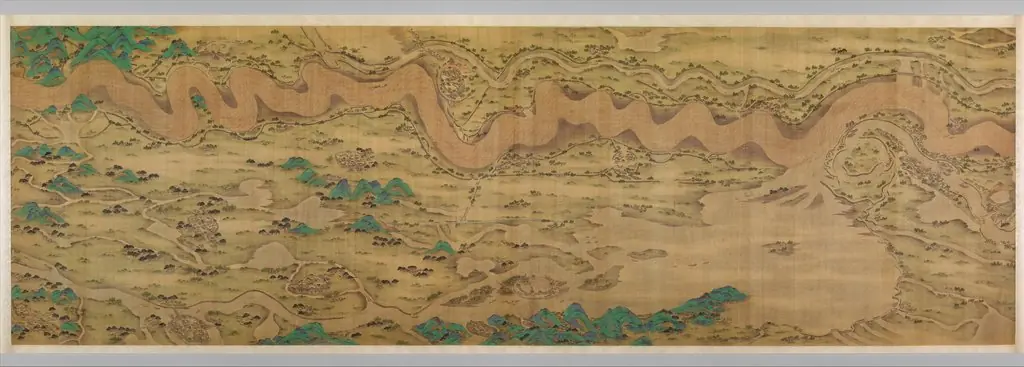 Ten Thousand Miles along the Yellow River
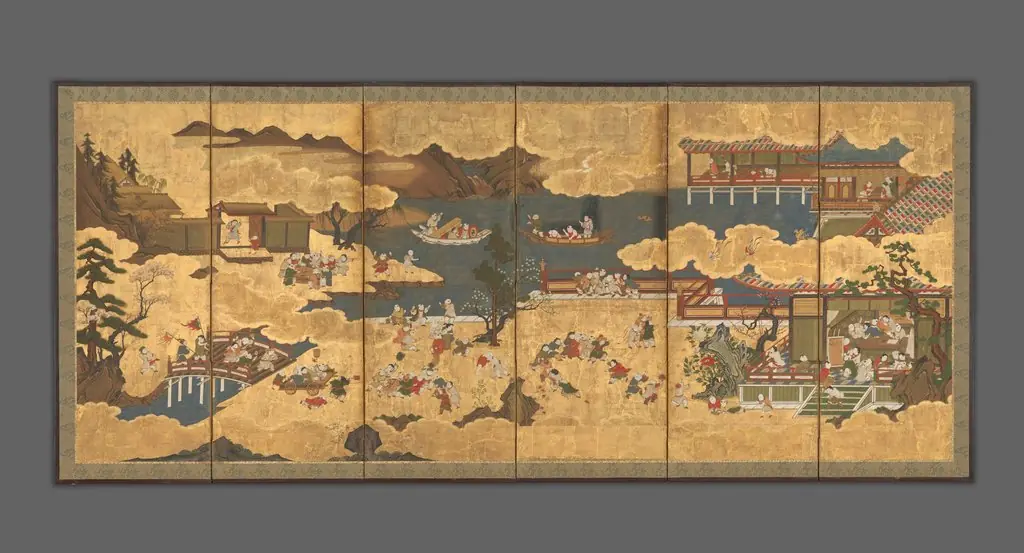 One Hundred Chinese Boys
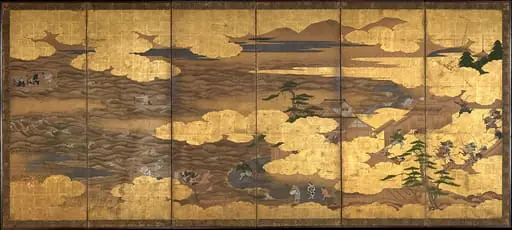 新曲図屏風|“Takebun,” from the Musical Drama “The New Piece” (“Shinkyoku”)
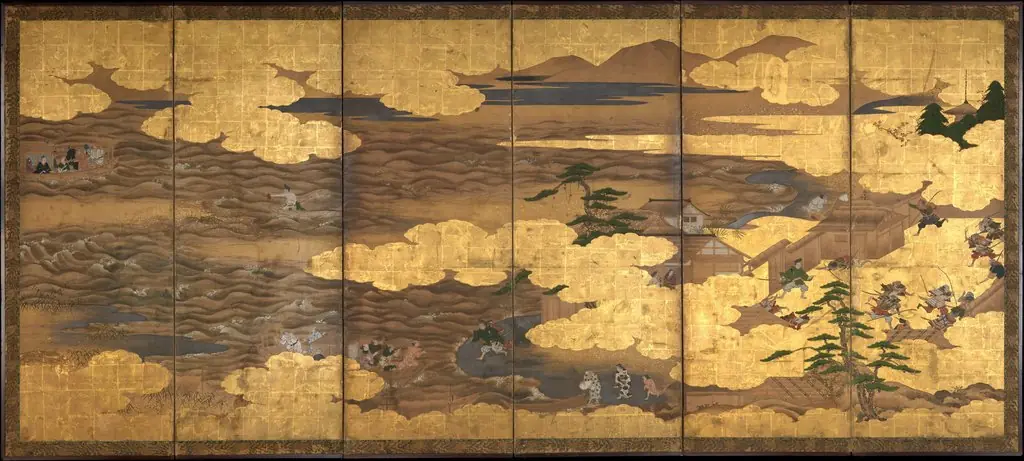 “Takebun,” from the Musical Drama “The New Piece” (Shinkyoku)
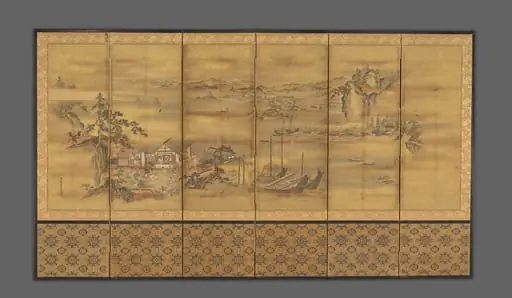 Untitled
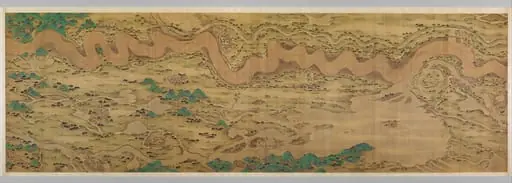 清 佚名 黃河萬里圖 卷|Ten Thousand Miles along the Yellow River
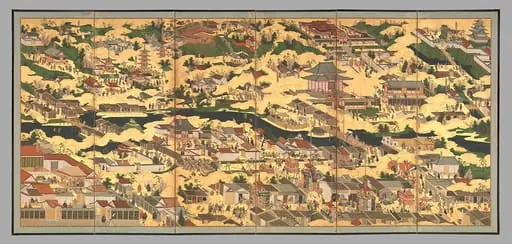 洛中洛外図屏風|Scenes in and around the Capital
- 土佐派 屋島合戦図屏風|The Battle of Yashima, from The Tale of the Heike (Heike monogatari)
 厳島吉野花見図屏風|Cherry Blossom Viewing at Itsukushima and Yoshino