Artwork
The Reverend Mother María Antonia de Rivera
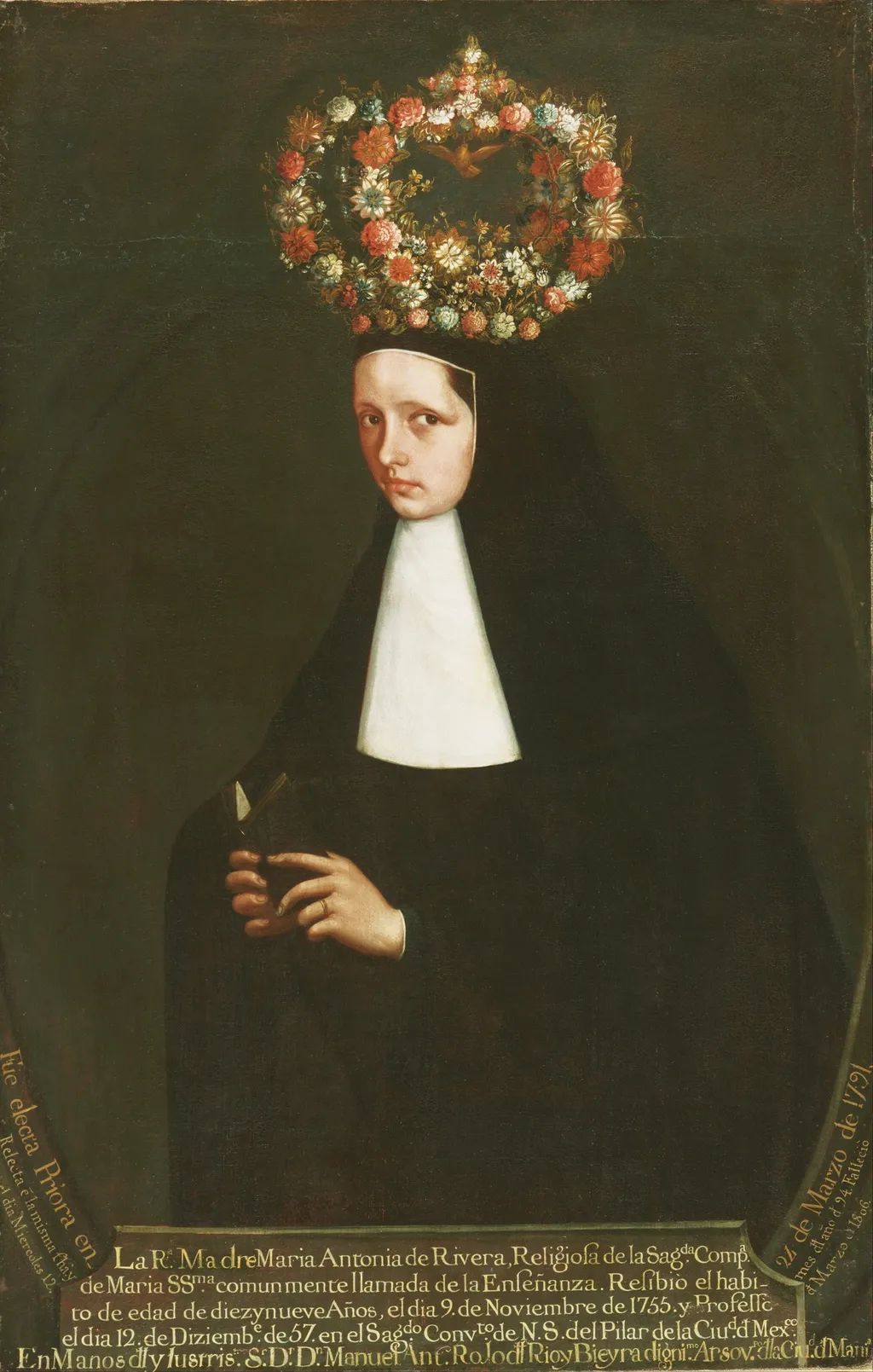
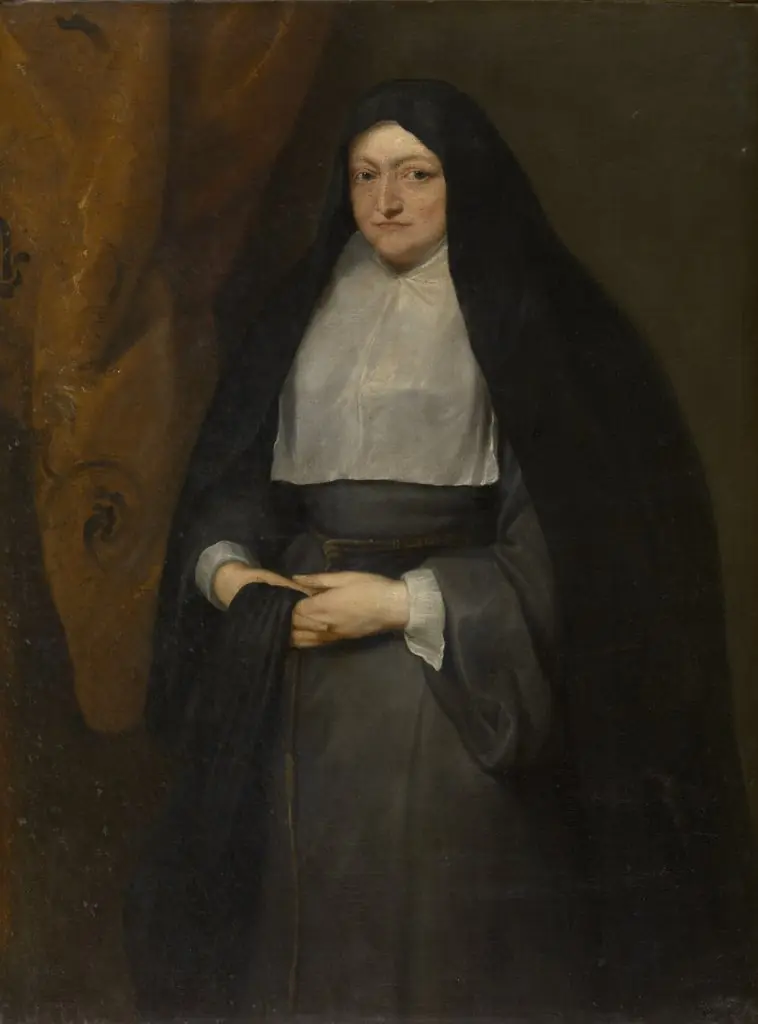
The Reverend Mother María Antonia de Rivera is an oil painting by the Rococo painting artist Unknown. It dates from 1757 and is held in the collection of the Philadelphia Museum of Art. This oil painting depicts María Antonia de Rivera, a religious figure, in formal monastic attire.
About this work
Overview
This oil painting depicts María Antonia de Rivera, a religious figure, in formal monastic attire. Rendered with careful attention to texture and volume, the work emphasizes her solemn presence through controlled lighting and a muted palette. The dark background isolates her figure, while subtle details like the floral wreath and ring suggest spiritual and institutional identity.
Subject & Meaning
María Antonia de Rivera is portrayed as a contemplative nun, her downward gaze and serious expression conveying introspection rather than outward engagement.
María Antonia de Rivera is portrayed as a contemplative nun, her downward gaze and serious expression conveying introspection rather than outward engagement. The book in her left hand signifies devotion to sacred texts, while the ring may indicate her vows or ecclesiastical authority. The wreath above, crowned by a bird, could symbolize divine presence or the soul’s ascent, reinforcing her spiritual role.
Technique & Style
The artist employs chiaroscuro to model the figure with strong contrasts between light and shadow, enhancing the three-dimensionality of the habit and face. Brushwork is precise yet restrained, particularly in the rendering of fabric folds and the delicate petals of the wreath. The dark, unadorned background focuses attention on the subject’s form and expression, typical of devotional portraiture of the period.
History & Provenance
The painting was likely commissioned by or for the convent associated with María Antonia de Rivera, serving as a record of her position and piety. Its survival suggests it remained within religious circles, possibly displayed in a cloister or chapter house. No documented public exhibition history exists prior to its inclusion in institutional collections in the 20th century.
Context
Created during a period when female religious figures were increasingly depicted with dignity and individuality, the portrait reflects broader trends in Counter-Reformation art. Such images reinforced the authority and spiritual gravity of nuns, countering secular portrayals of women. The inclusion of symbolic elements like the wreath and book aligns with conventions used in monastic portraiture across Spain and its colonies.
Legacy
The painting contributes to the visual record of female religious life in early modern Iberia. It remains a quiet example of how convents used portraiture to affirm identity and devotion. While not widely known outside specialized circles, it continues to inform scholarship on gender, spirituality, and artistic practice in colonial-era religious communities.
Artist & collection









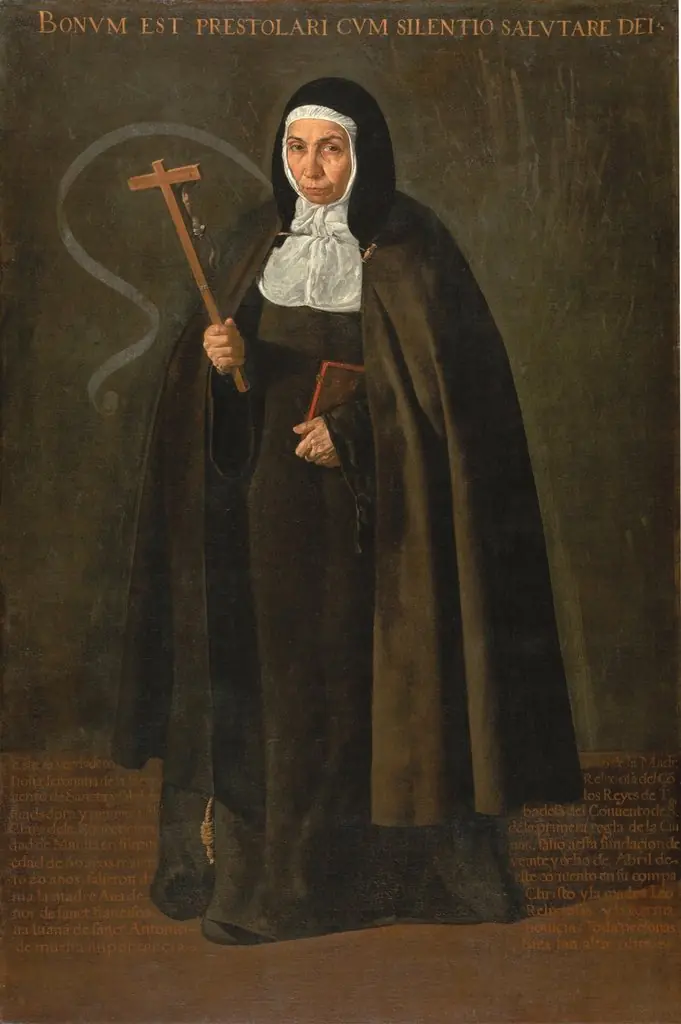
- The Nun Jerónima de la Fuente
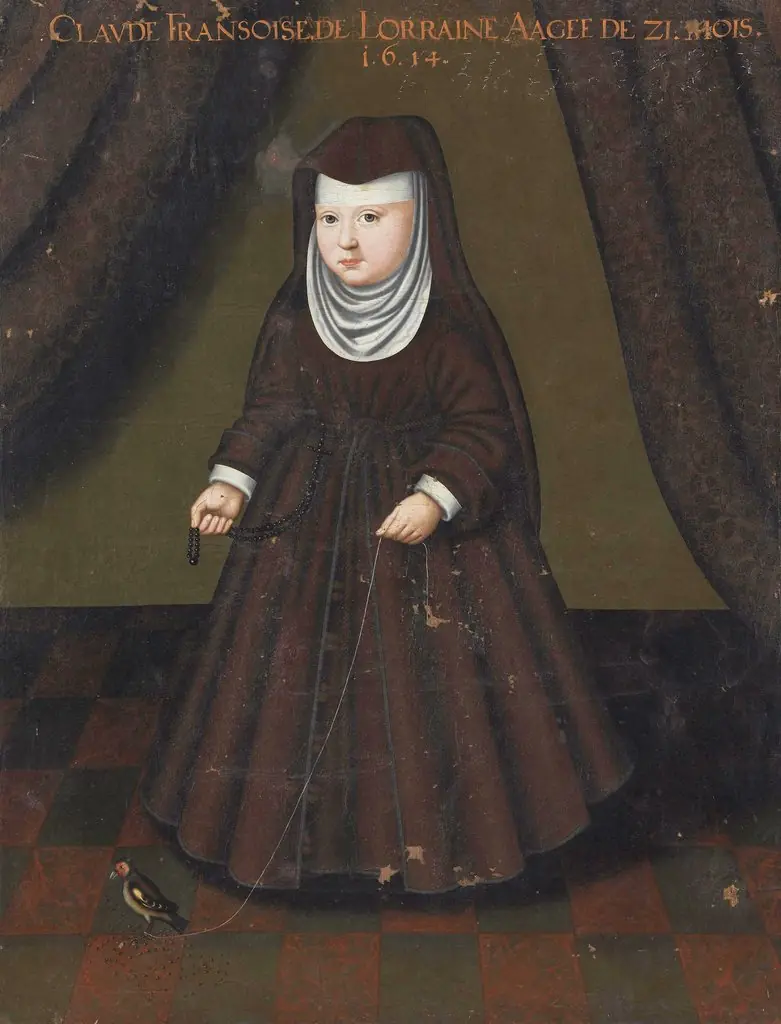 Portrait of Claudia Franziska of Lorraine
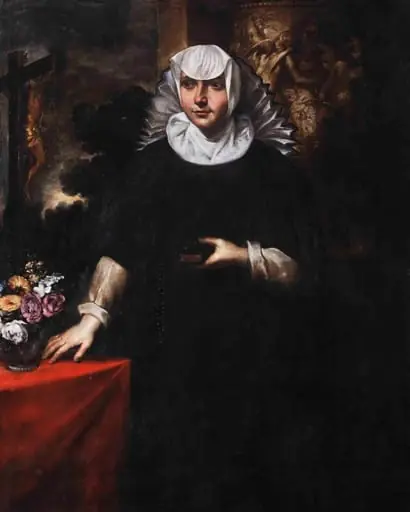 Portretul unei călugărițe
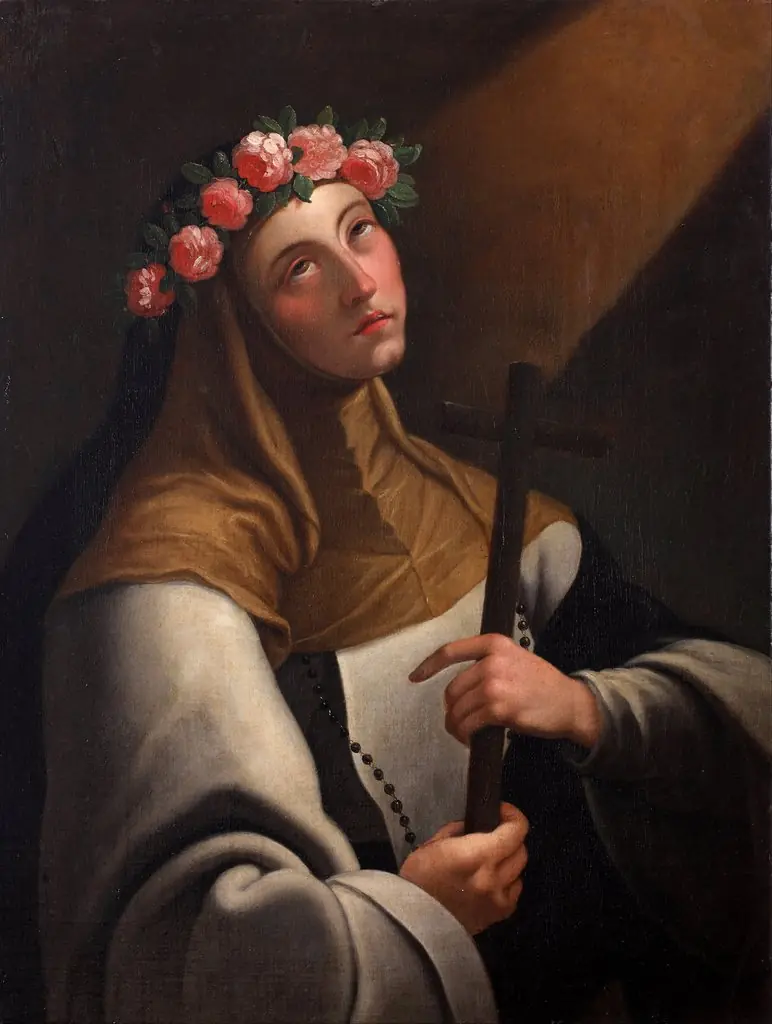 Saint Rose of Lima
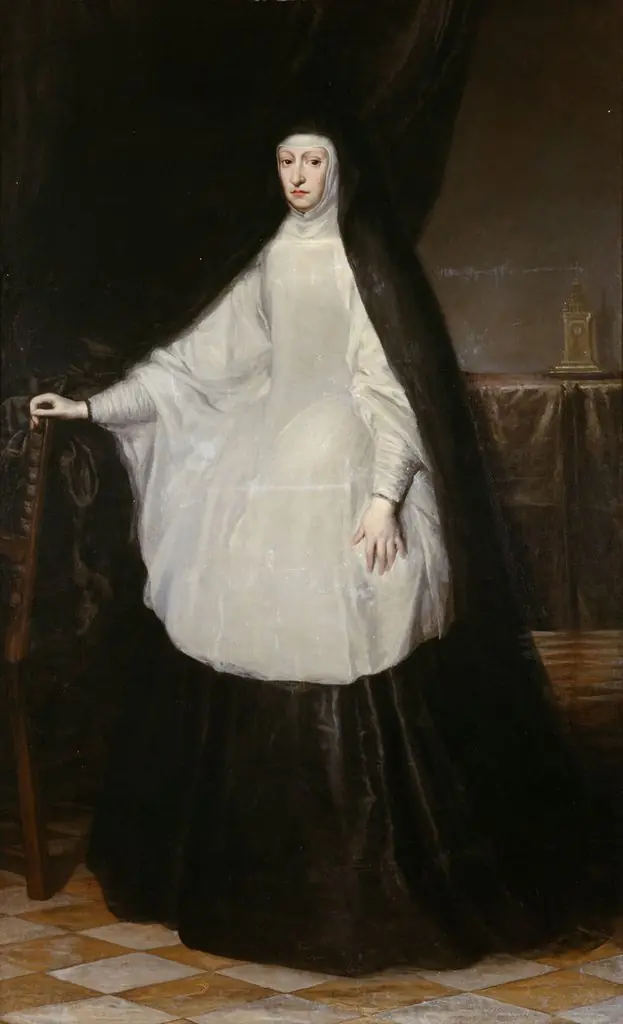 Erzherzogin Maria Anna, Königin von Spanien, als Witwe
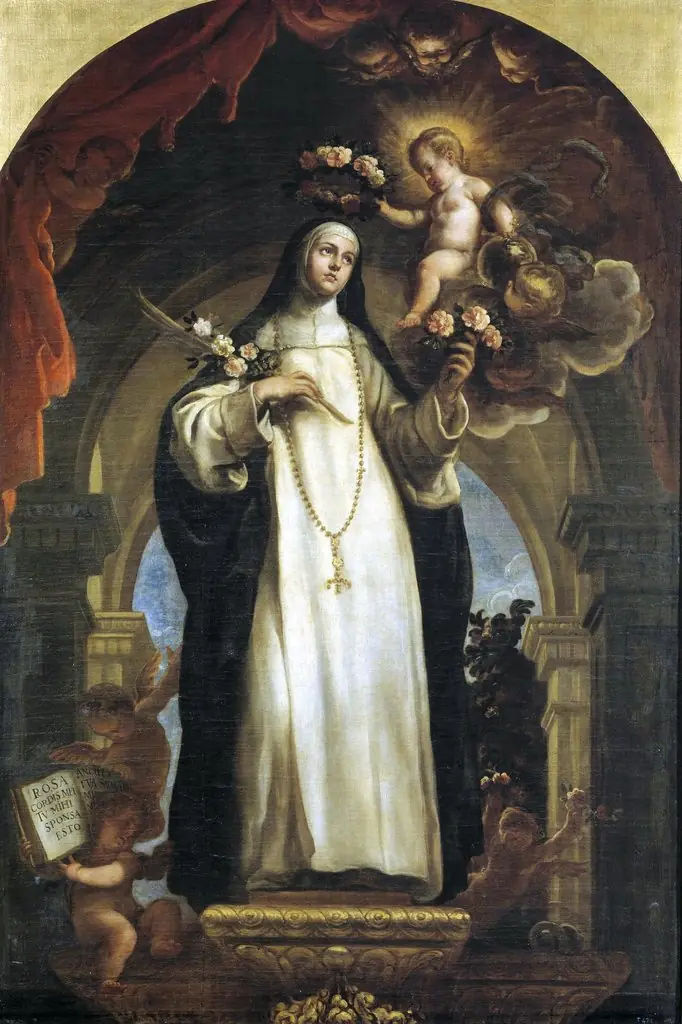 Santa Rosa de Lima
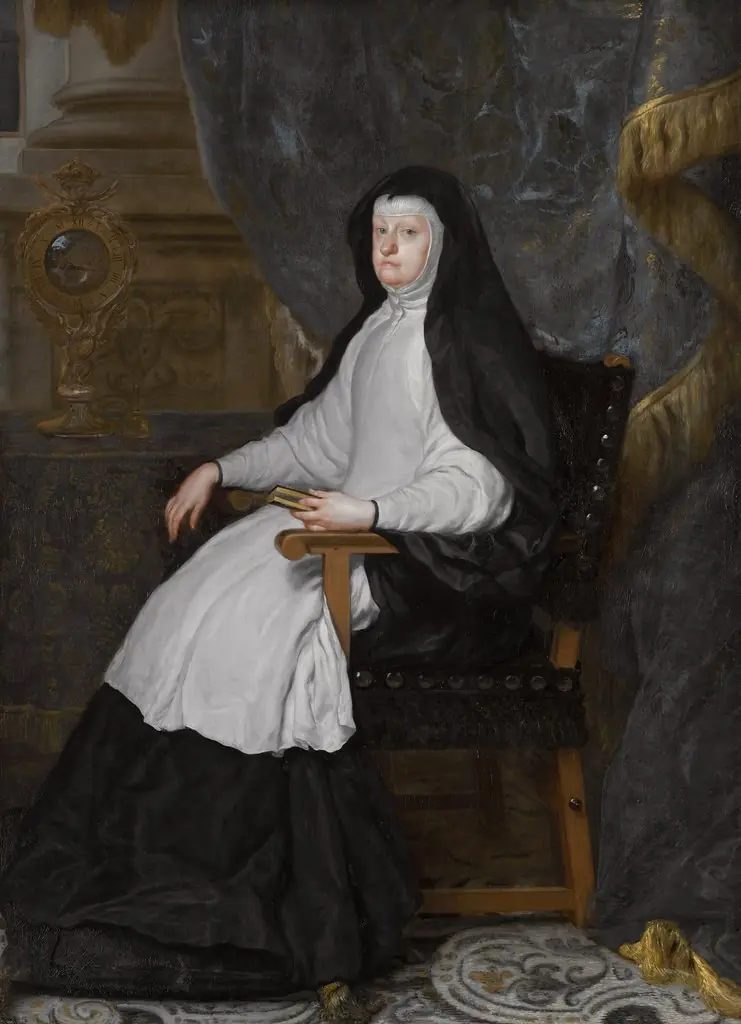 Mariana of Austria, Consort of King Philip IV of Spain, as a Widow
 Bildnis Margaretha Müller-Hess
 Saint Elizabeth of Portugal
 Santa Mónica
 Saint Catherine of Siena
 Infante Isabella Clara Eugenia