Artwork
The Virgin and Child with two Angels
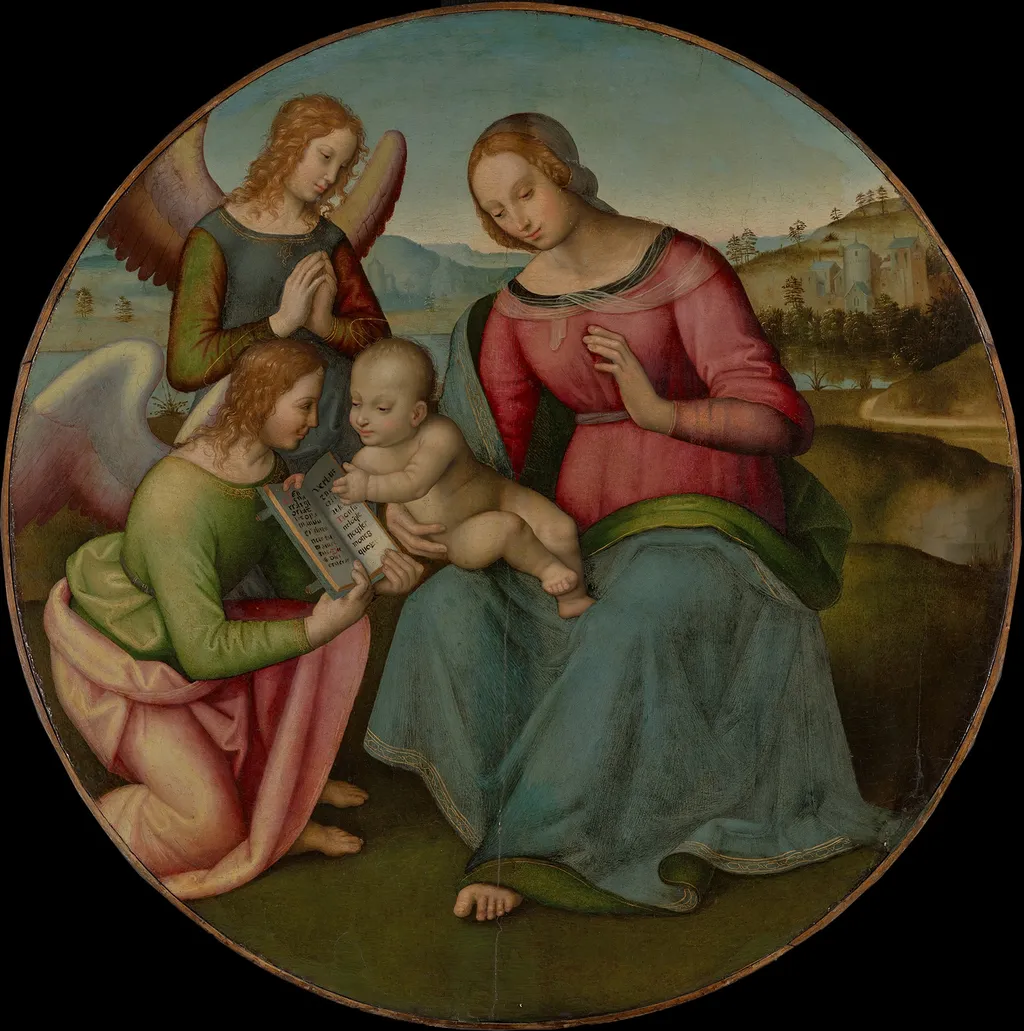
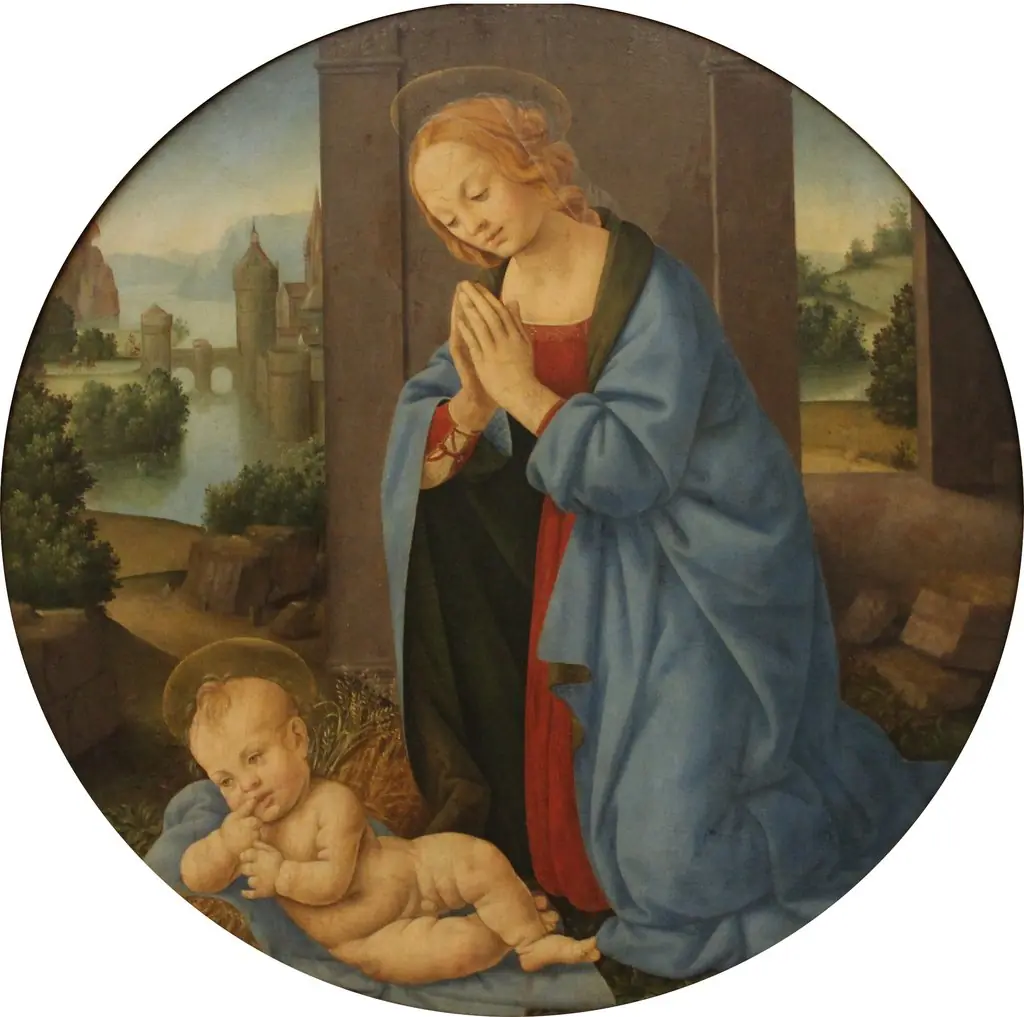
The Virgin and Child with two Angels is a paint painting by the High Renaissance artist Unknown. It dates from 1500 and is held in the collection of the Gemäldegalerie Berlin. The work is a circular painted panel portraying a seated woman in a red garment cradling a nude infant.
About this work
Overview
The Virgin and Child with two Angels is a circular painting dated to 1500, executed in paint on a poplar panel, and held in the Gemäldegalerie Berlin.
The Virgin and Child with two Angels is a circular painting dated to 1500, executed in paint on a poplar panel, and held in the Gemäldegalerie Berlin. The work is of unknown authorship and depicts the Madonna and Child flanked by two angels in a landscape setting. Its tondo format and pyramidal composition place it within the tradition of Renaissance devotional images, though the anonymity of its maker has left its specific artistic context unresolved. The painting's current scholarly significance rests on its formal qualities and its value as an example of early sixteenth-century religious art from an unidentified hand.
Subject & Meaning
The painting presents the Virgin Mary seated at center right, clad in a rose-colored gown and blue-green draped cloak, with her head covered by a transparent veil. She holds the naked Christ Child on her lap, who reaches toward an open book held by a kneeling winged figure at lower left. Behind them stands a second winged figure with hands clasped, wearing blue and green with red sleeves. The open book contains inscribed text, suggesting a liturgical or scriptural reference. The angels' wings display pink, gray, and brown tonalities. The background reveals rolling hills, a body of water, scattered trees, and architectural structures under a pale blue sky, placing the sacred figures within a natural world. The iconography follows the standard Madonna and Child type, with the angels serving as attendants who frame and present the holy pair. The Christ Child's gesture toward the book may allude to his future teaching or the Word made flesh, while the kneeling angel's offering of the text emphasizes the connection between divine revelation and the Incarnation.
Technique & Style
The work is painted in tempera or oil on a poplar panel support, measuring approximately 150 cm in diameter based on standard tondo proportions of the period. The circular format is edged with gold trim. The palette consists of soft rose, blue-green, olive, and earthy browns, with light falling evenly across the figures to model their rounded forms through gentle shadows. The paint surface shows fine craquelure throughout. The brushwork varies by area: smooth and blended in the flesh tones, more linear in the drapery folds. This handling suggests a painter trained in techniques of gradual tonal transition for skin, while retaining a more decorative approach to costume. The condition appears stable, with the craquelure pattern indicating age-appropriate paint film behavior rather than active deterioration. The overall effect is one of harmonious color relationships and balanced figure placement within the circular field, with the pyramidal grouping providing compositional stability.
History & Provenance
The painting is documented in the Gemäldegalerie Berlin with the inventory number GG 1538. Its acquisition details and prior ownership history are not specified in the available sources. The work has not been the subject of extensive published provenance research, and no exhibition history is recorded in the provided materials. The date of 1500 places it at the turn from the fifteenth to the sixteenth century, a period of transition in Northern and Central European painting. Its presence in the Gemäldegalerie indicates recognition of its quality and historical interest, though the circumstances of its entry into the collection remain undocumented here.
Context
The painting belongs to a crowded field of works sharing this title and subject. The most celebrated is Andrea del Verrocchio's Virgin and Child with Two Angels, painted circa 1467-1469 in tempera on wood and now in the National Gallery, London. That work, measuring 69.2 x 49.8 cm, derives its theme from Filippo Lippi's compositions and shows Verrocchio's collaboration with his student Lorenzo di Credi, who painted the Christ Child and the right-hand angel. Another version by Liberale da Verona, probably dating 1490-1510 and also in the National Gallery, London, uses oil on wood and includes a thistle as a Passion symbol. The Berlin tondo differs from these Florentine examples in its circular format, its Northern European color sensibility, and its anonymous status. The prevalence of this subject across Italian and Northern workshops testifies to the enduring demand for Madonna and Child imagery in private devotion, yet the Berlin work's lack of attribution has prevented its fuller integration into the narrative of Renaissance artistic development. Its placement in the Gemäldegalerie, a museum with strong holdings in Early Netherlandish and German painting, may suggest a Northern rather than Italian origin, though this remains speculative without technical analysis or comparative study.
Artist & collection









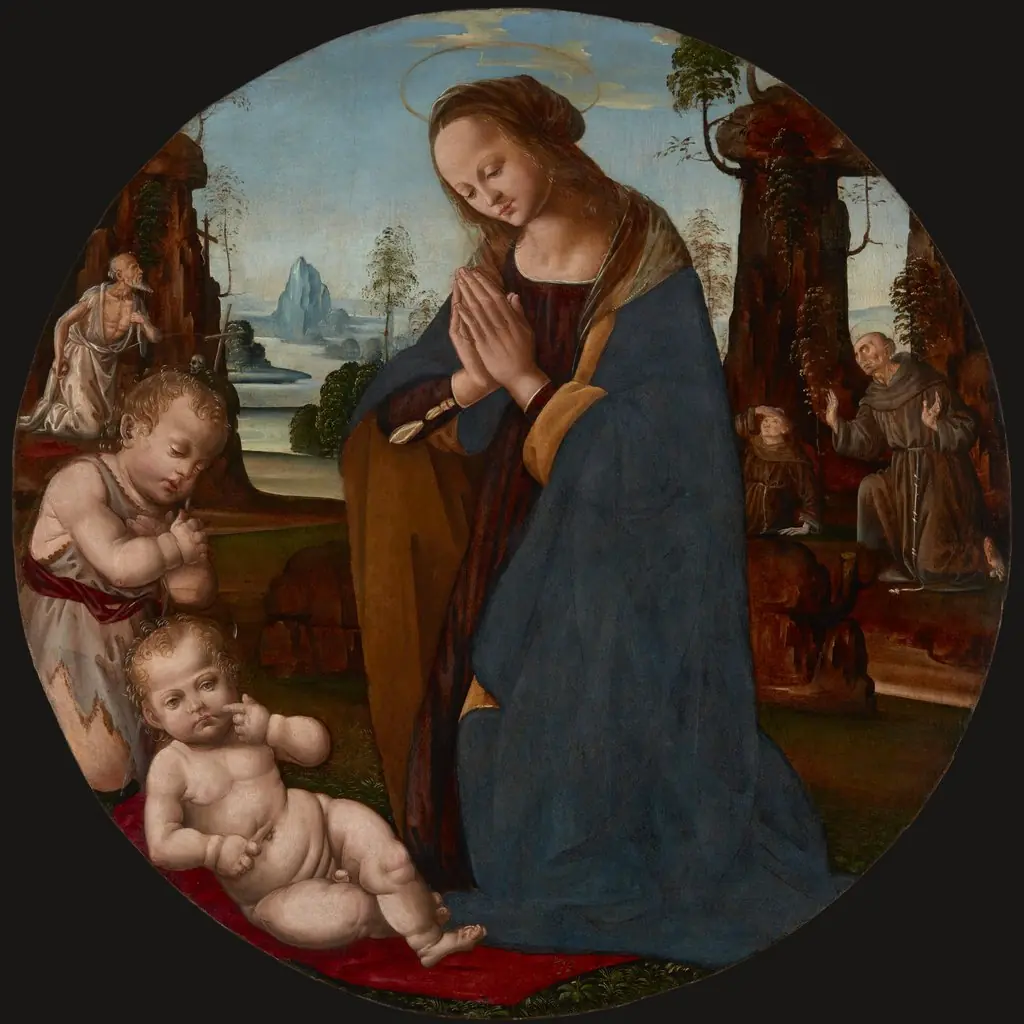 Adoration of the Child with Young St John the Baptist – Tondo
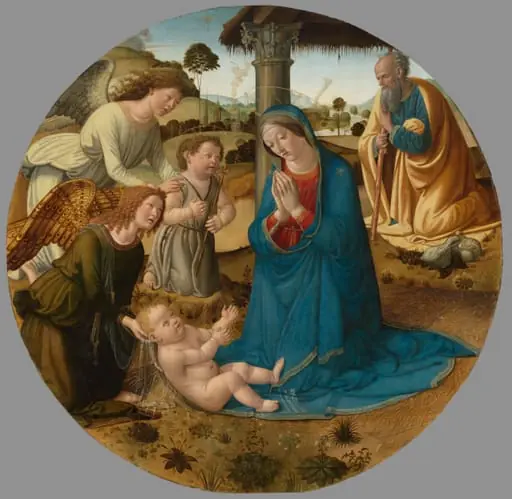 De aanbidding van het Christuskind
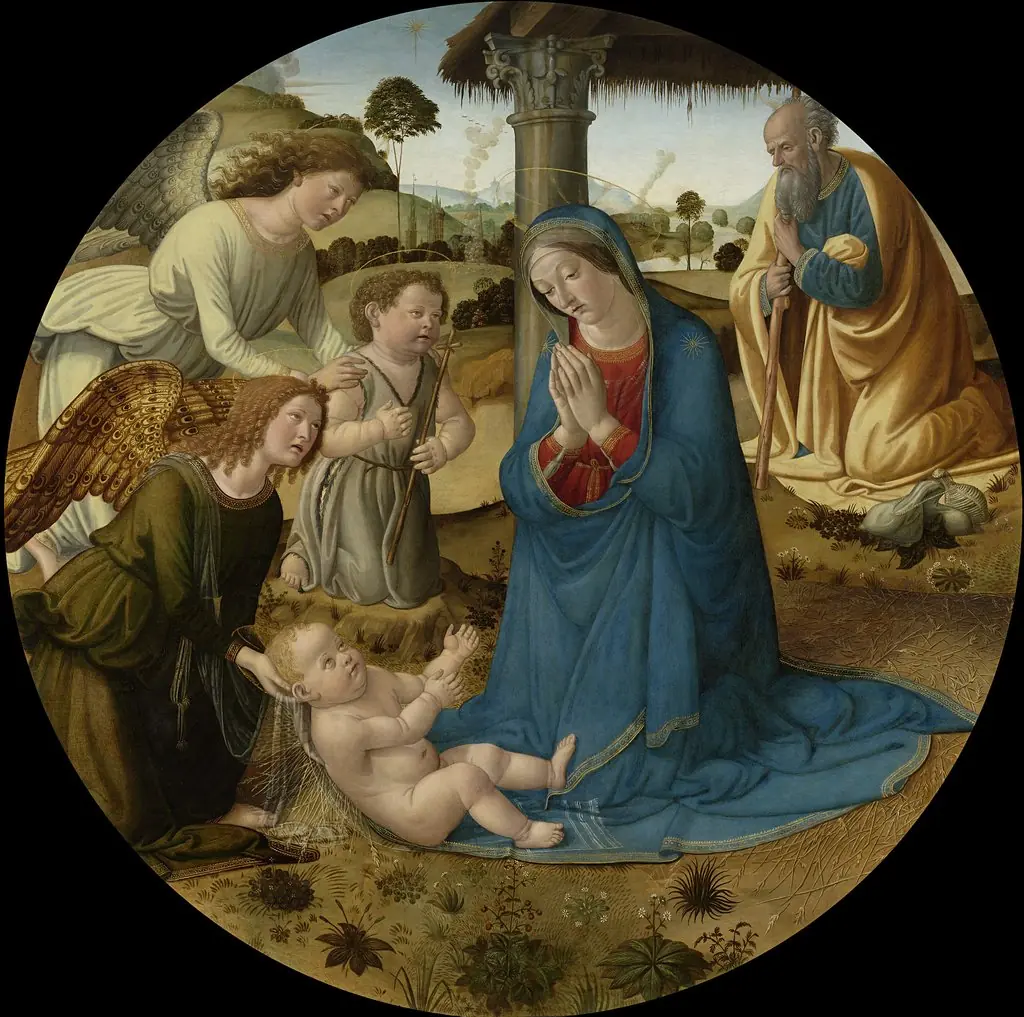 The Adoration of the Christ Child
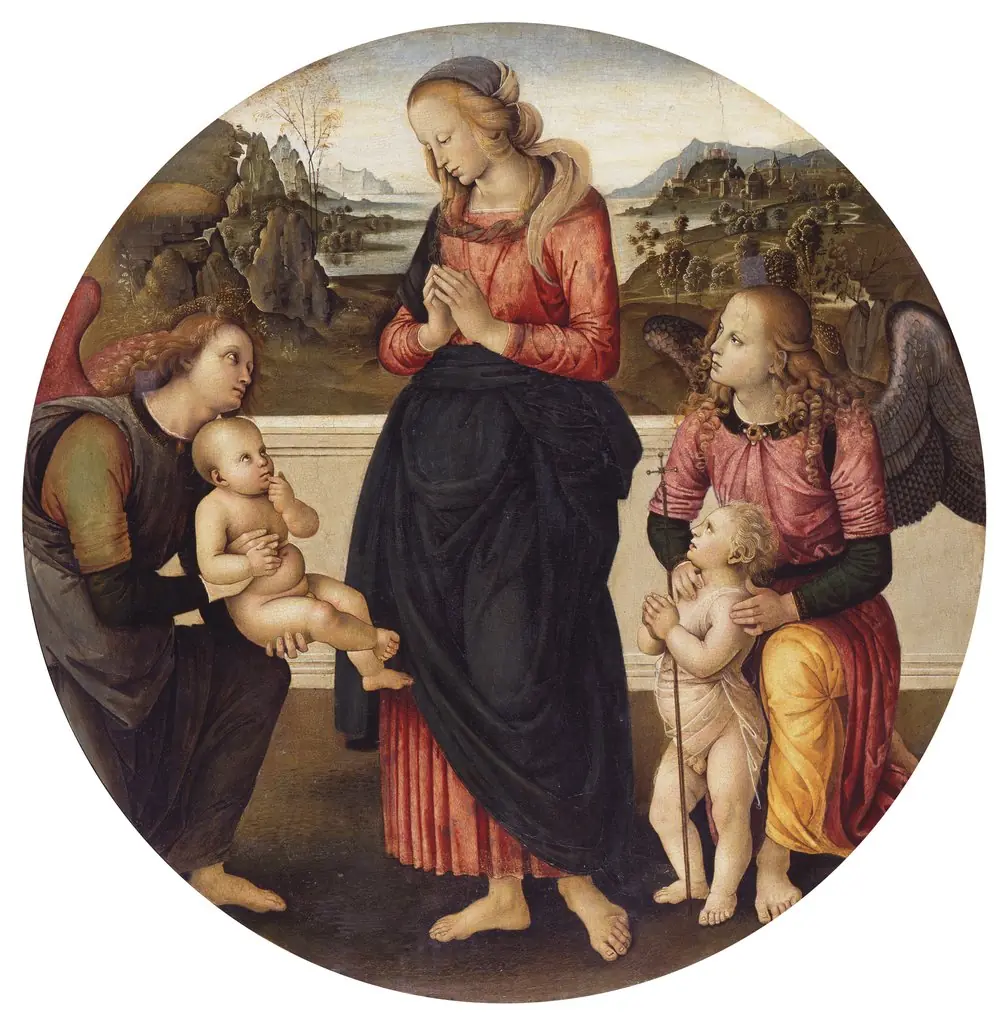 The Virgin Adoring the Child with John the Baptist as a Child and two Angels
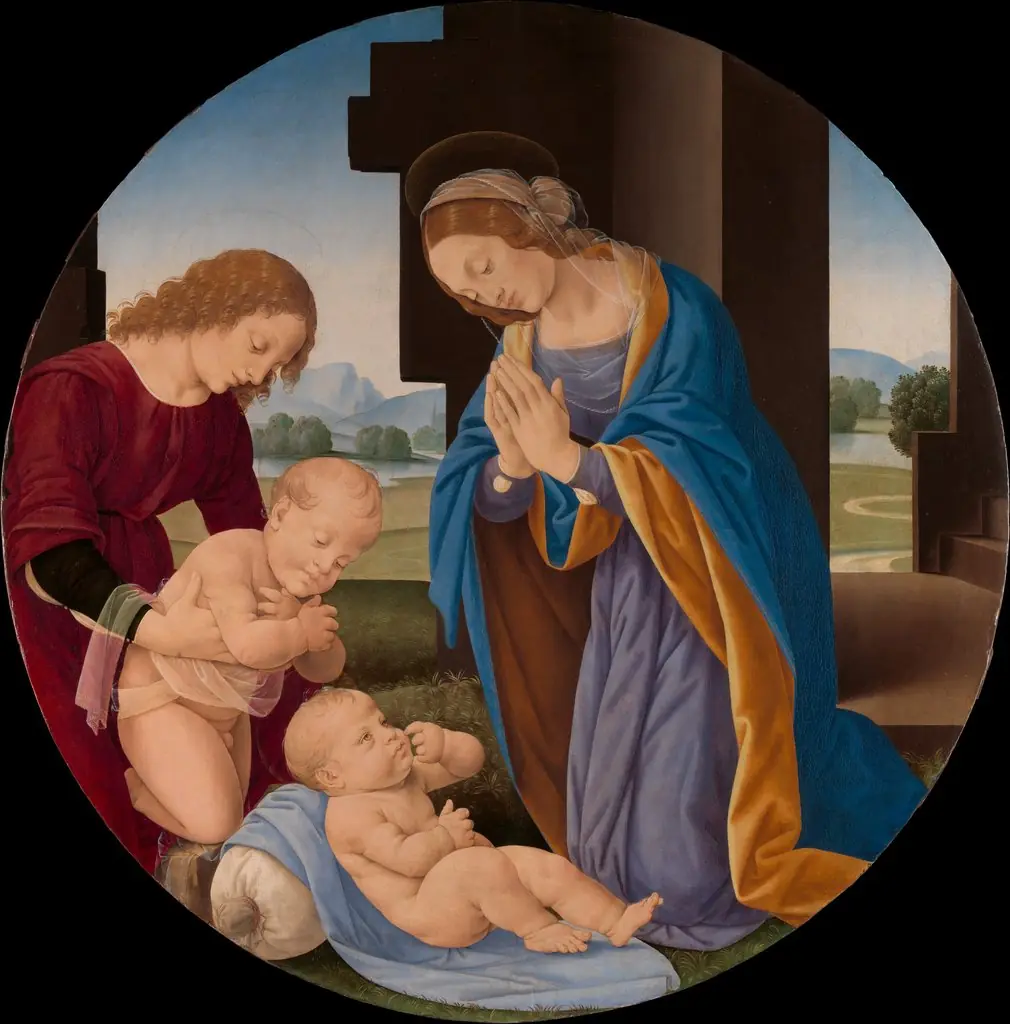 Madonna Adoring the Child with the Infant Saint John the Baptist and an Angel
 The Virgin and Child with Saint John the Baptist and an Angel
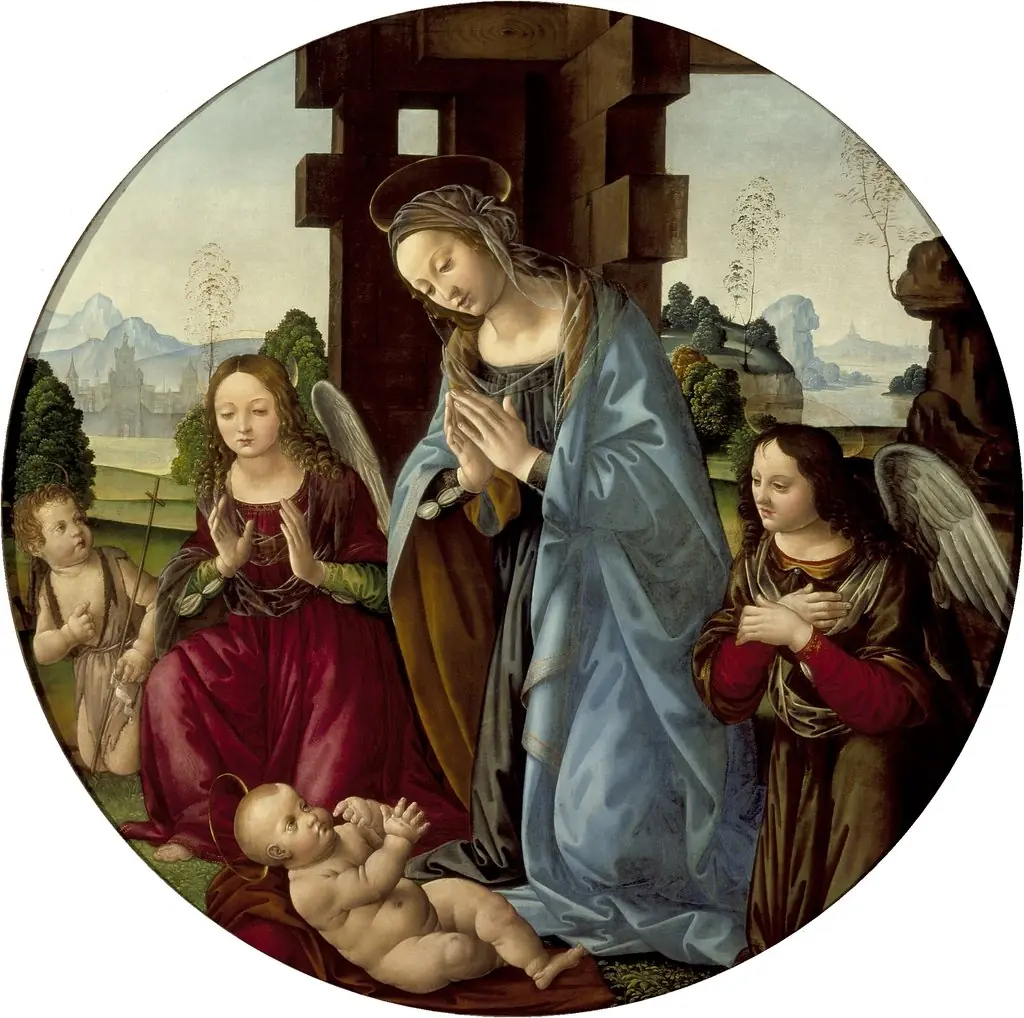 Virgin Adoring the Christ Child with St. John the Baptist and Two Angels
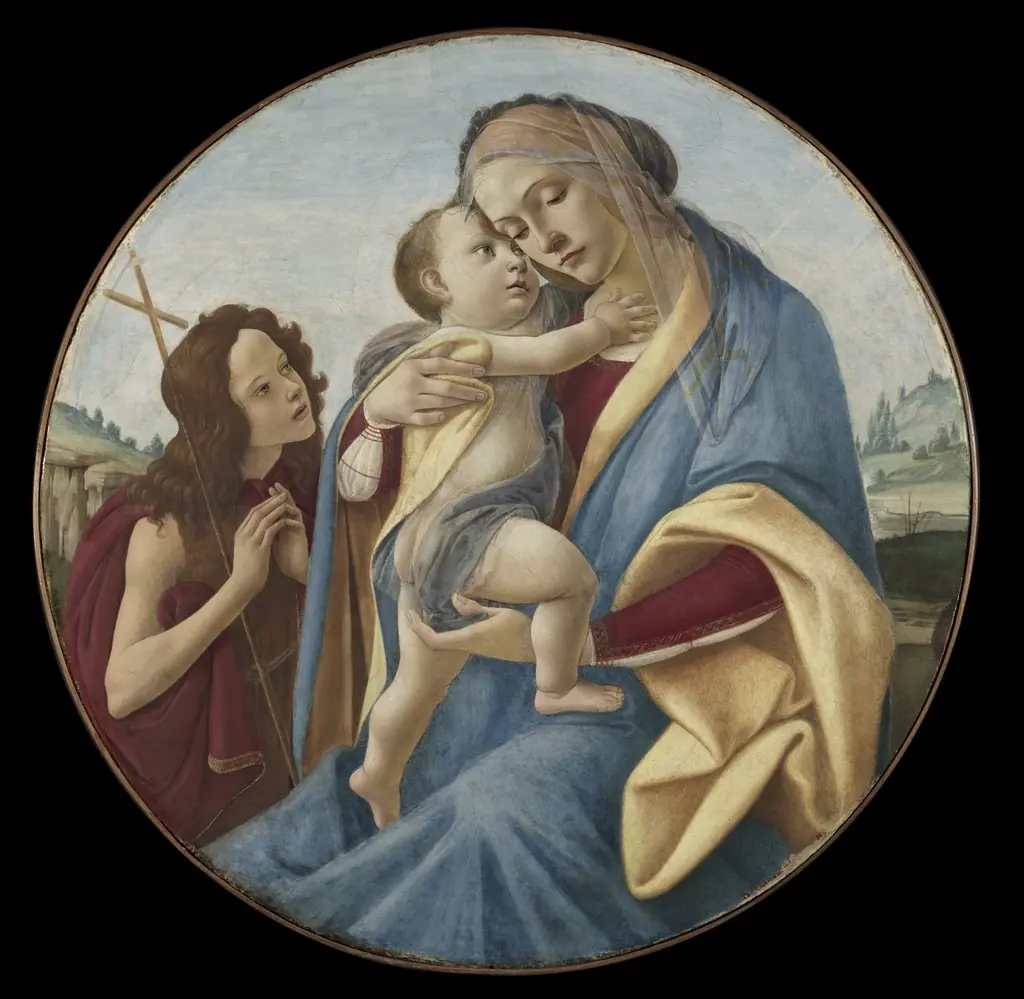 Virgin and Child with the Young Saint John the Baptist
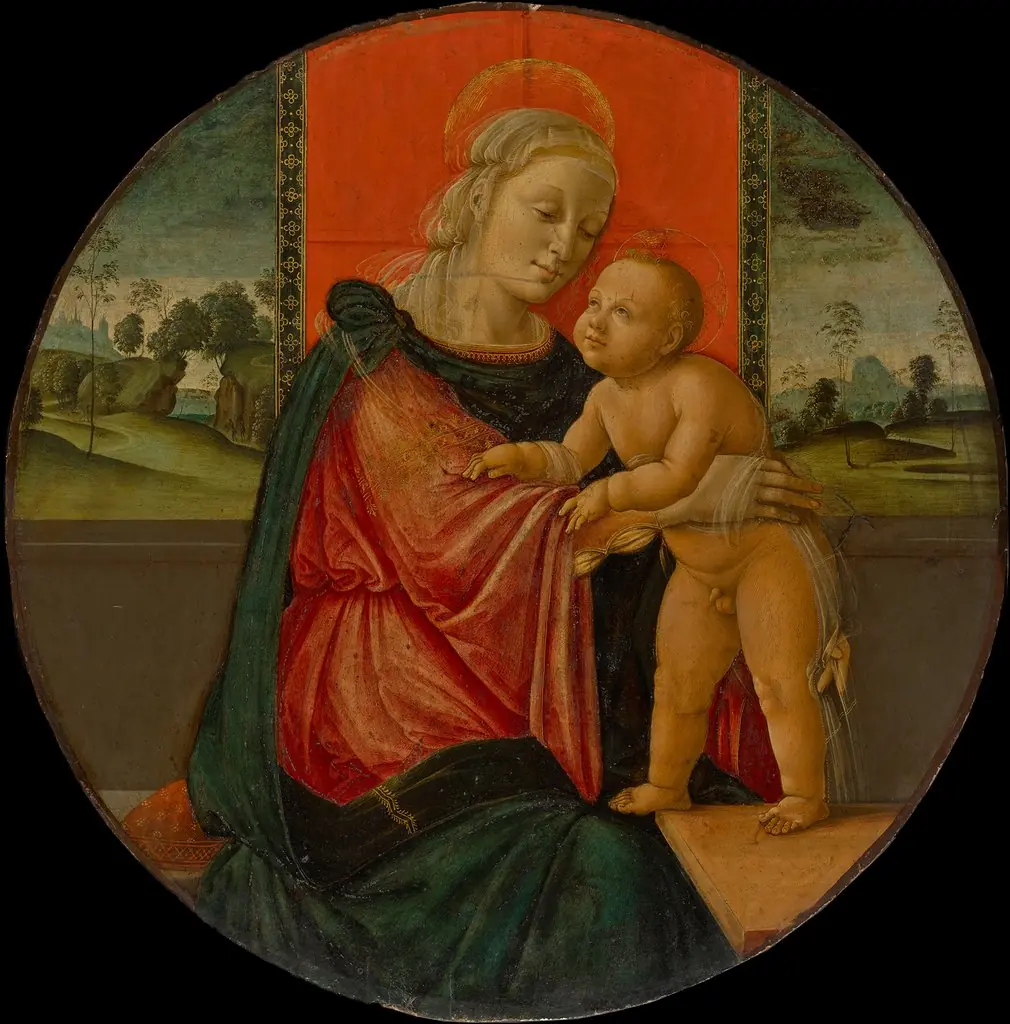 The Virgin and Child
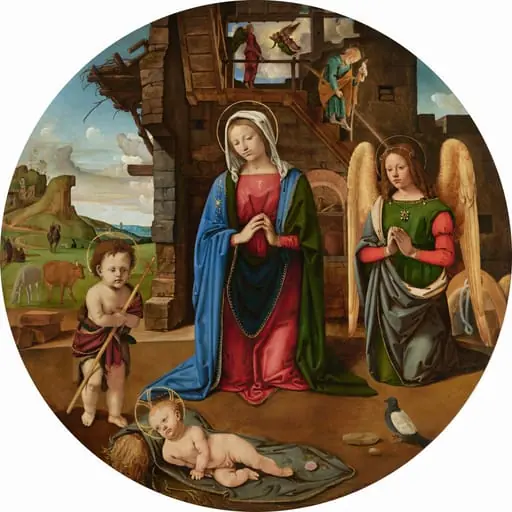 The Nativity with the Infant Saint John
 The Virgin adoring the Child
- Virgin and Child with Angels