Artwork
Windy Landscape with Sailboat
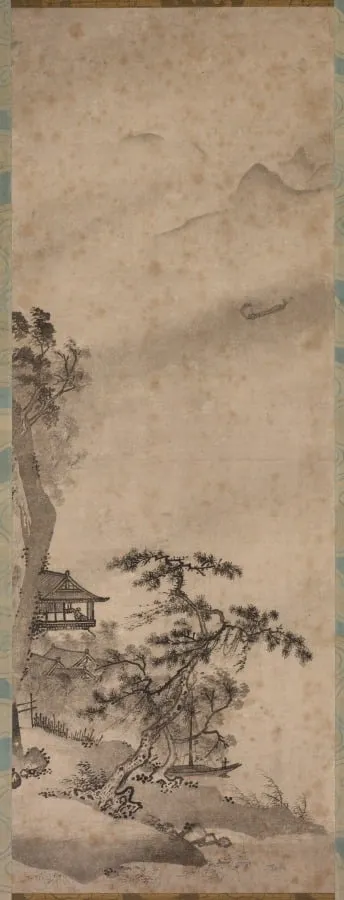
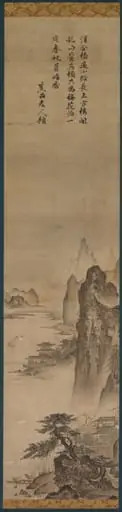
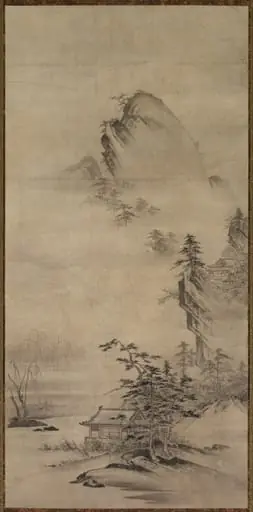
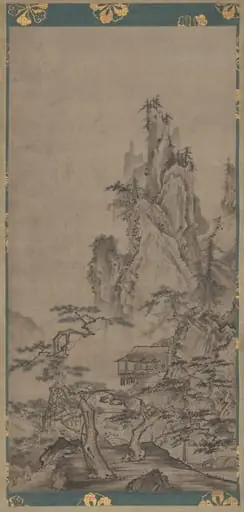
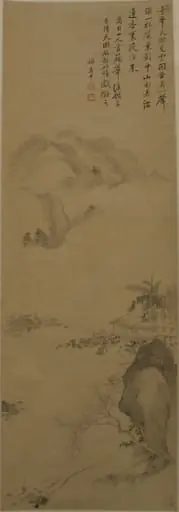
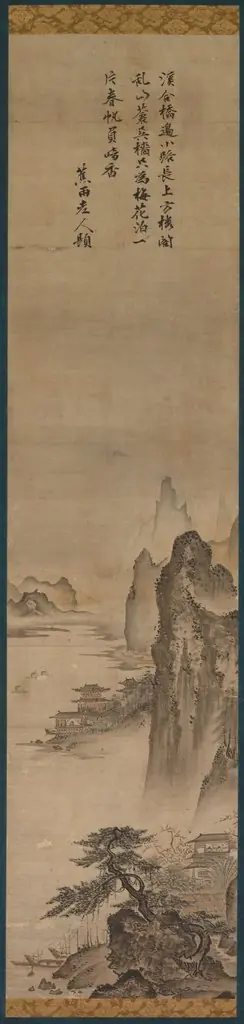
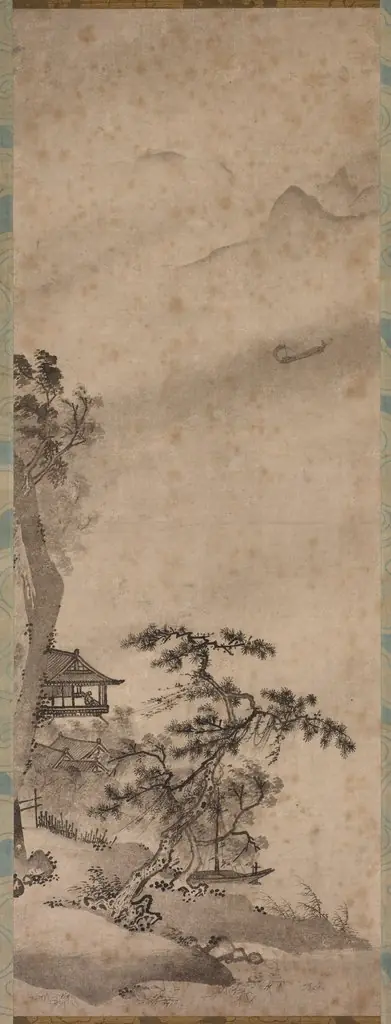
Windy Landscape with Sailboat is an unspecified painting by the Renaissance artist Unknown. It dates from 1404 and is held in the collection of the Cleveland Museum of Art. The scroll presents a tranquil riverside scene in which a retired government official watches a small sailboat battling a breezy current.
- Accession no.
- 1982.131
- Credit line
- John L. Severance Fund
About this work
This painting is from Japan’s Muromachi period, when ink landscapes like this one became popular.
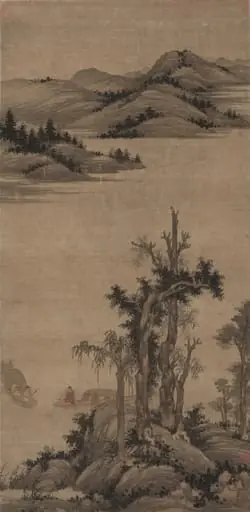
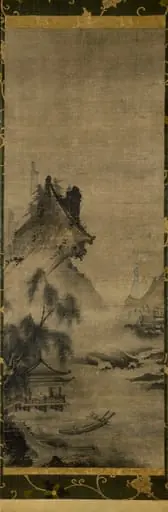
A small boat leans into the wind on a choppy river. Mountains fade into mist in the distance. A retired official sits on the shore, watching.
This painting is from Japan’s Muromachi period, when ink landscapes like this one became popular. The artist used thin, quick brushstrokes to show movement, water, wind, even the boat’s sail. It’s not about perfect detail, but mood.
To see more works like this, look up subject: japan, muromachi period (1392–1573).
Overview
The scroll presents a tranquil riverside scene in which a retired government official watches a small sailboat battling a breezy current. Beyond the vessel, mist shrouds distant mountains, creating a layered sense of space. The composition balances the figure on the shore with the dynamic water and the far‑off landscape, inviting contemplation of solitude and nature.
Subject & Meaning
The work reflects the ideal of withdrawing from urban duties to a secluded retreat, a common aspiration for officials concluding their service. By positioning the retiree as an observer rather than an active participant, the painting emphasizes contemplation and the passage of time, while the wind‑tossed boat suggests ongoing movement beyond the quiet shore.
Technique & Style
Executed with ink on paper, the artist employs swift, delicate brushstrokes to render the rippling water and the billowing sail, while broader washes suggest atmospheric mist. The emphasis lies on conveying mood and atmospheric depth rather than meticulous detail, a hallmark of Muromachi‑period landscape painting that prioritizes expressive gesture over realism.
Context
Created during Japan’s Muromachi era (1392–1573), the piece belongs to a period when ink wash landscapes gained prominence among the cultured elite. Such works often served as visual meditations on nature and the impermanence of worldly affairs, aligning with contemporary Zen and literary ideals.
History & Provenance
The scroll’s early ownership records are sparse, but it is known to have circulated among literati collections in the late medieval period. It later entered a museum collection in the early twentieth century, where it has been conserved as an example of Muromachi ink landscape practice.
Artist & collection