Artwork
Su Shi (So Shoku) and Pan Lang (Han Rō)
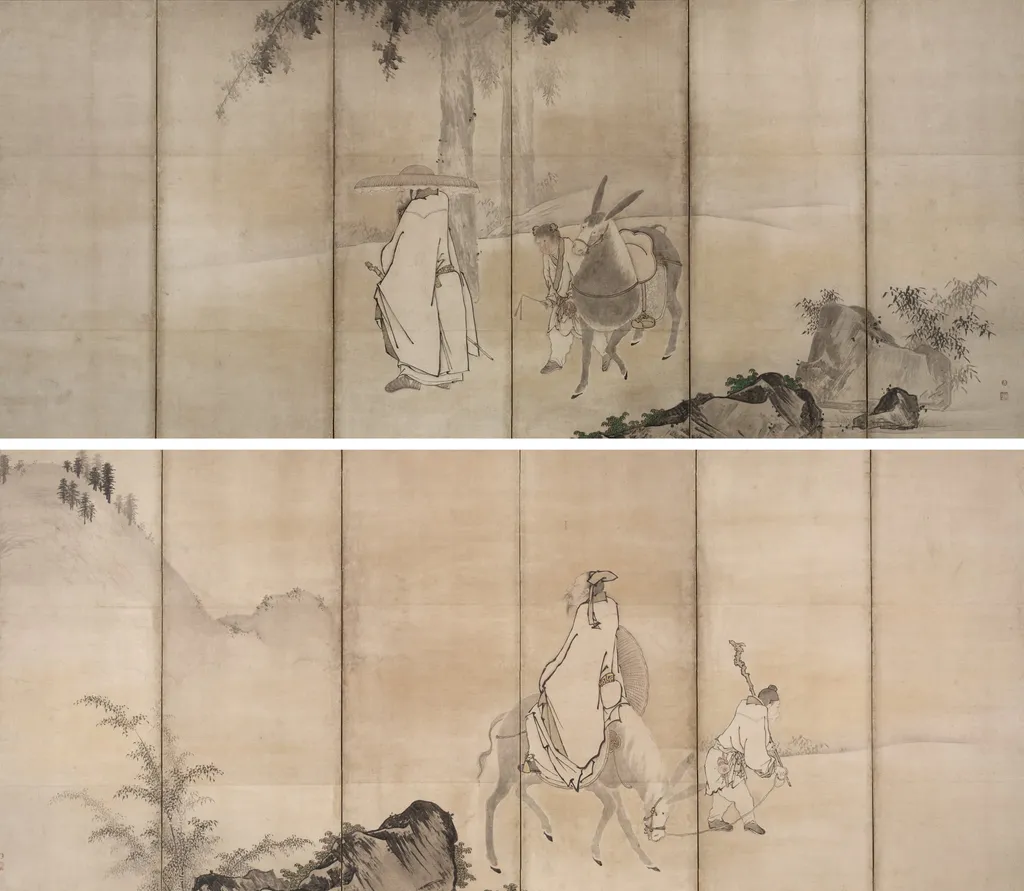
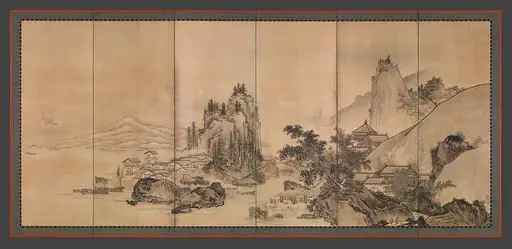
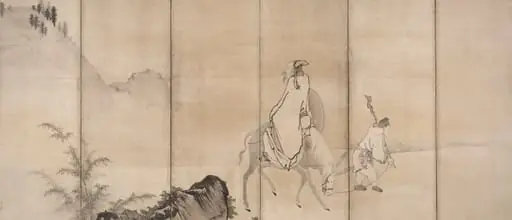
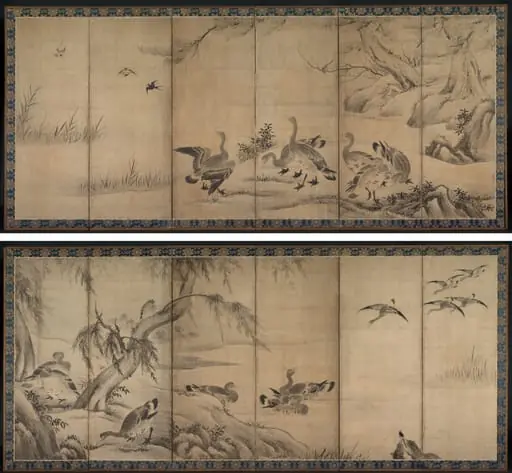
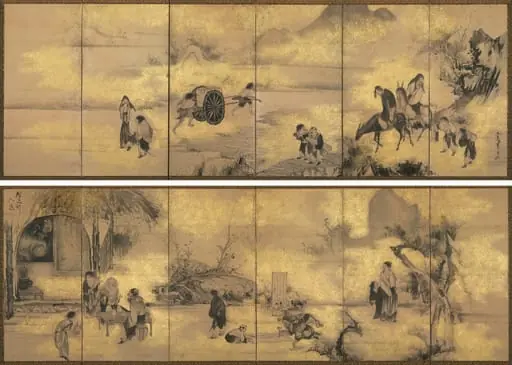
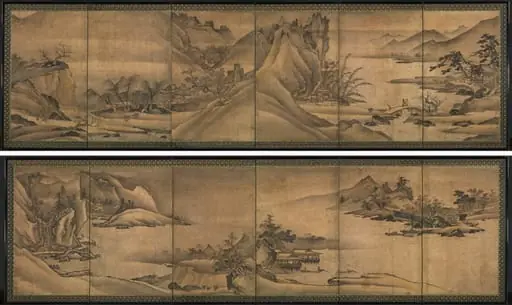
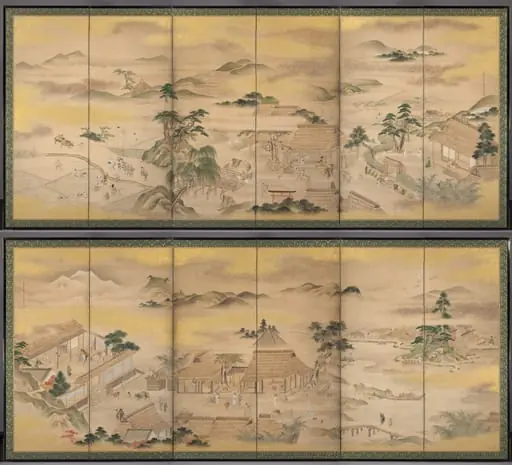
Su Shi (So Shoku) and Pan Lang (Han Rō) is an unspecified painting by the Baroque artist Unkoku Tōgan. It dates from 1604 and is held in the collection of the Cleveland Museum of Art. These folding screens present two narrative episodes drawn from Chinese literary history.
- Accession no.
- 2006.135
- Credit line
- John L. Severance Fund
About this work
You can learn more about this style by looking at the work of Unkoku Tōgan (Japanese, 1547–1618).
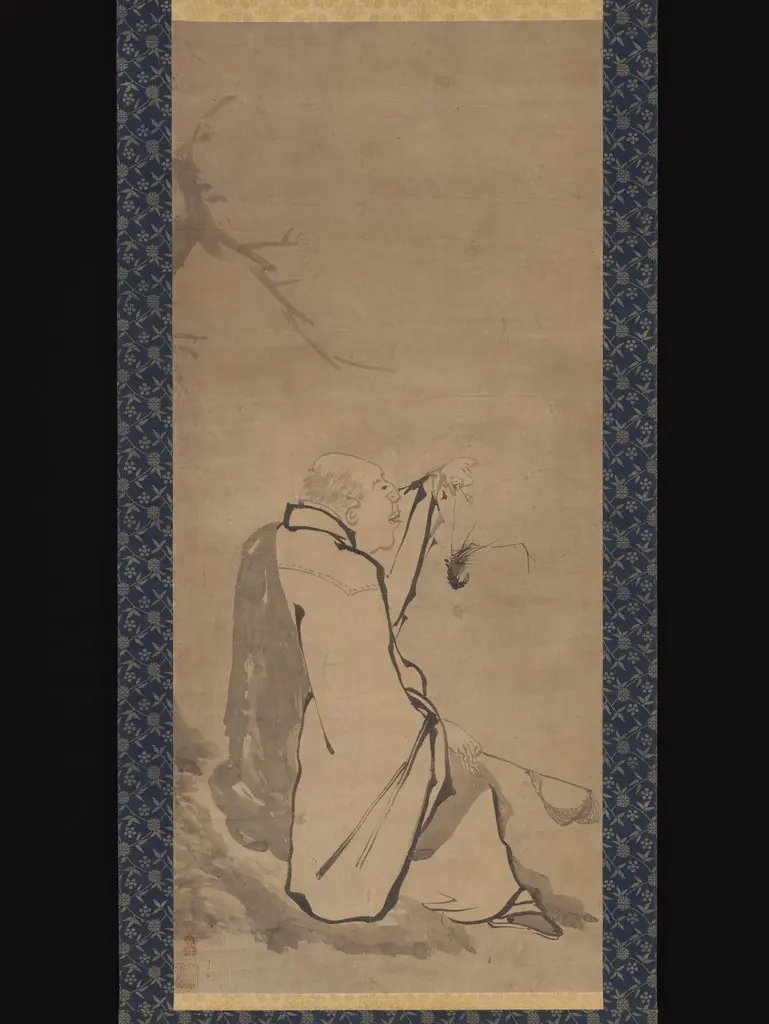
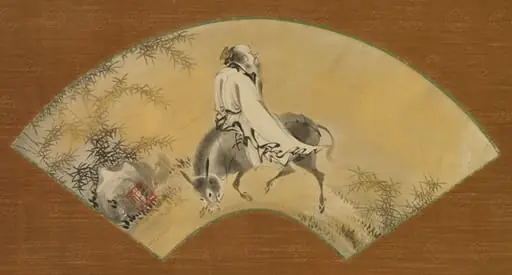
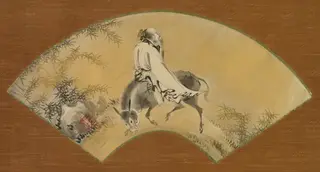
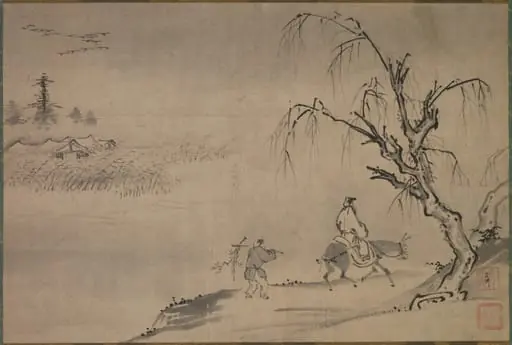
This painting shows two scenes from the stories of Su Shi and Pan Lang. They were both banished by their rulers. Pan Lang was sent away for writing a bad poem about a king's horse.
The stories of these men are interesting because they were punished for speaking their minds. Su Shi commented on economic reforms and was seen as criticizing the emperor. This got him into trouble.
You can learn more about this style by looking at the work of Unkoku Tōgan (Japanese, 1547–1618).
Overview
These folding screens present two narrative episodes drawn from Chinese literary history. The left panel shows Pan Lang, a Zhou‑dynasty official, turning his donkey round to glimpse Mount Hua on his way back from exile. The right panel depicts the Song‑era poet Su Shi beginning his own forced journey away from the capital.
Subject & Meaning
Both figures share a common fate: exile imposed by imperial authority for outspoken remarks. Pan Lang was punished after a poem disparaging a royal horse, while Su Shi’s critical comments on fiscal reforms were interpreted as dissent toward the emperor. The scenes emphasize the tension between personal expression and political control.
Technique & Style
The screens were executed by Unkoku Tōgan (1547–1618), founder of the Unkoku school, which modeled its brushwork on the celebrated ink master Sesshū Tōyō. The compositions employ monochrome ink washes and delicate line, characteristic of Japanese ink painting that adapts Chinese narrative motifs.
History & Provenance
Unkoku Tōgan served as the official painter for the Mori clan of present‑day Yamaguchi Prefecture. The work reflects the cross‑cultural exchange between Chinese literary themes and Japanese visual traditions during the late Muromachi to early Edo periods.
Context
The choice of Su Shi and Pan Lang underscores a broader East Asian preoccupation with the moral responsibilities of scholars and officials. Their stories were well known in Japan, where they served as cautionary examples of loyalty, integrity, and the risks of speaking truth to power.
Own this work as a print
Artist & collection
Artist
Unkoku Tōgan (雲谷 等顔, 1547–1618) was a Japanese painter. He was born into a privileged family in Nagasaki, the second son of Hara Naoie, lord of Nokomi Castle in Hizen province. Starting as an artist of the Kanō school,…