Artwork
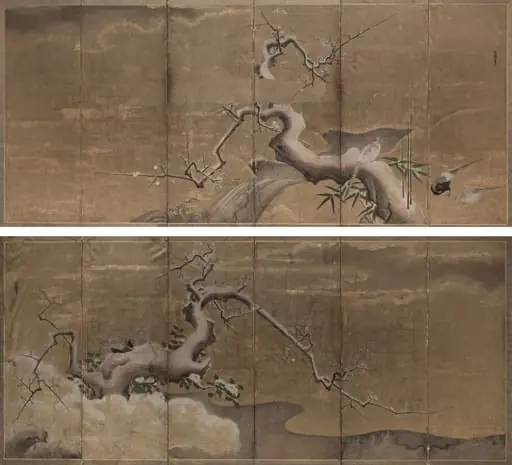
Wild Geese
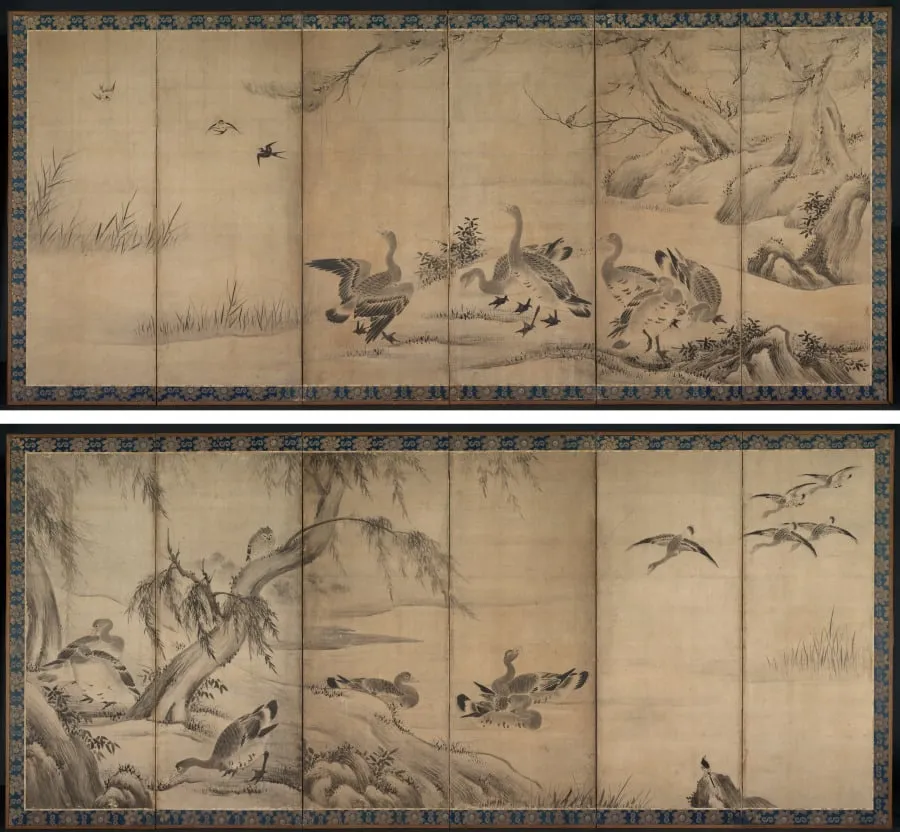
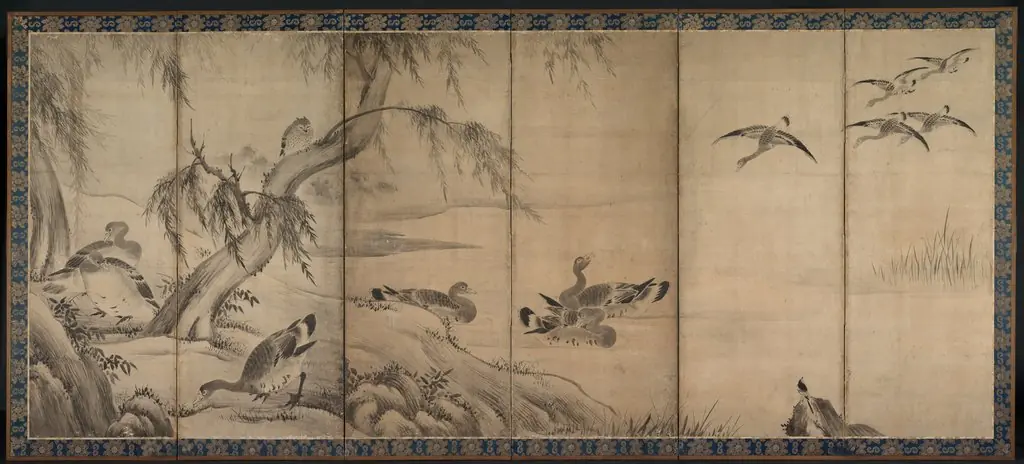
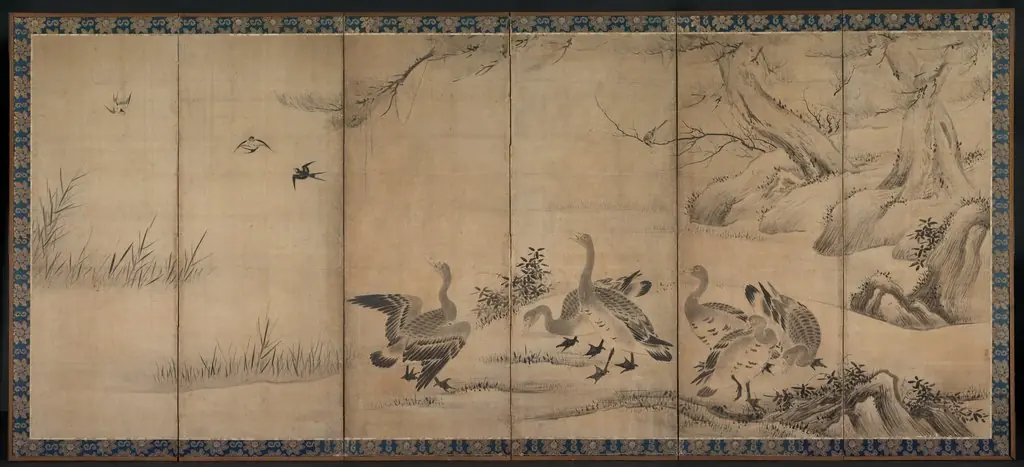
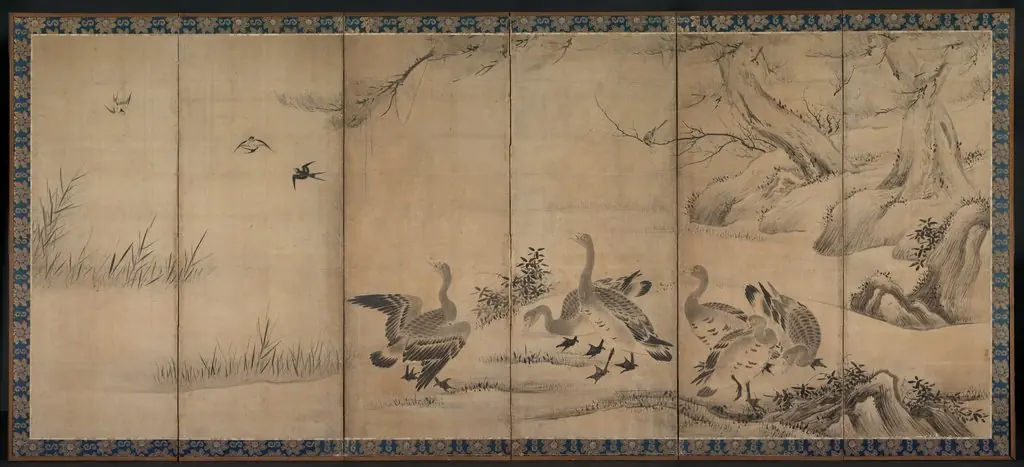
Wild Geese is an unspecified painting by the Kanō school artist Kanō Sanraku. It dates from 1608 and is held in the collection of the Cleveland Museum of Art.
- Accession no.
- 1987.9
- Credit line
- Leonard C. Hanna Jr. Fund
About this work
This painting shows bright, colorful wild geese by a river. The birds stand tall and calm on green grass. Pink blossoms float nearby in the breeze.
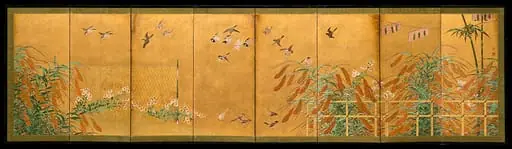
Sanraku used bold colors and gold leaf in this screen. That was a common trick in his time. It makes the scene look rich and alive.
Look up the artist Kano Sanraku (Japanese, 1559–1635) to see more of his work.
Overview
The work is a painted folding screen depicting a group of wild geese gathered beside a riverbank. The birds are rendered in vivid hues, standing serenely on verdant grass while pink blossoms drift in the air. Gold leaf and bold pigments give the composition a luminous, decorative quality characteristic of late‑sixteenth‑century Japanese screen painting.
Subject & Meaning
Geese were a recurring motif in Japanese art, originally appearing in monochrome ink works influenced by Chinese Zen painting.
Geese were a recurring motif in Japanese art, originally appearing in monochrome ink works influenced by Chinese Zen painting. By the 14th and 15th centuries the bird had acquired symbolic resonance, linked to Zen ideals and poetic allusion. In this screen the waterfowl are presented in a simple pastoral setting, allowing the traditional associations of the species to surface without overt religious narrative.
Technique & Style
The artist employed a rich palette of mineral pigments and applied gold leaf to accentuate the landscape, a technique popular among screen painters of the period. The composition balances decorative color fields with delicate brushwork, echoing the earlier Zen ink tradition while embracing the more sumptuous aesthetic of the Momoyama era.
History & Provenance
Created in the late 1500s or early 1600s, the screen is attributed to Kano Sanraku, head of the pre‑eminent Kano studio in Kyoto. Sanraku, active between 1559 and 1635, was known for both monochrome and polychrome screen designs, and this piece reflects his engagement with the historic Zen painting lineage.
Context
During the Momoyama period, Japanese patrons favored large, colorful folding screens for display in castles and tea rooms. The work thus fits within a broader cultural trend that merged imported Chinese artistic concepts with domestic tastes for opulent interior decoration.
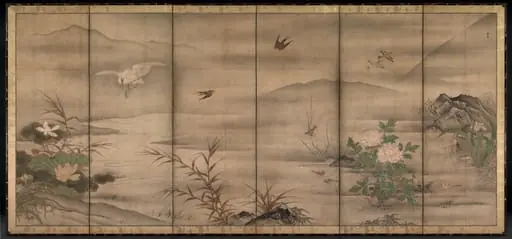
Artist & collection
Artist
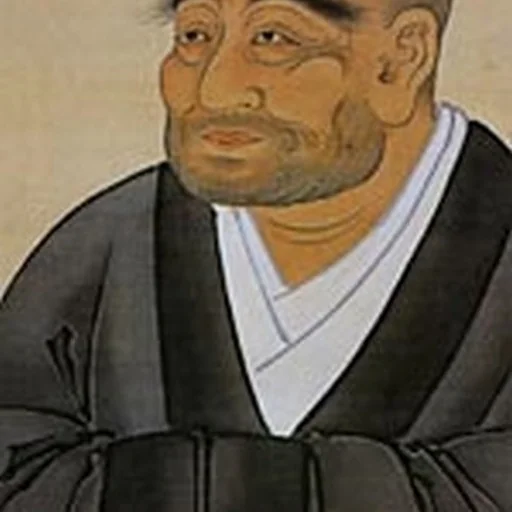
Kanō Sanraku (狩野 山楽; 1559 – September 30, 1635) was a Japanese painter also known as Kimura Heizō (his birth name), Shūri, Mitsuyori, and Sanraku.