Artwork
Sea Fortifications
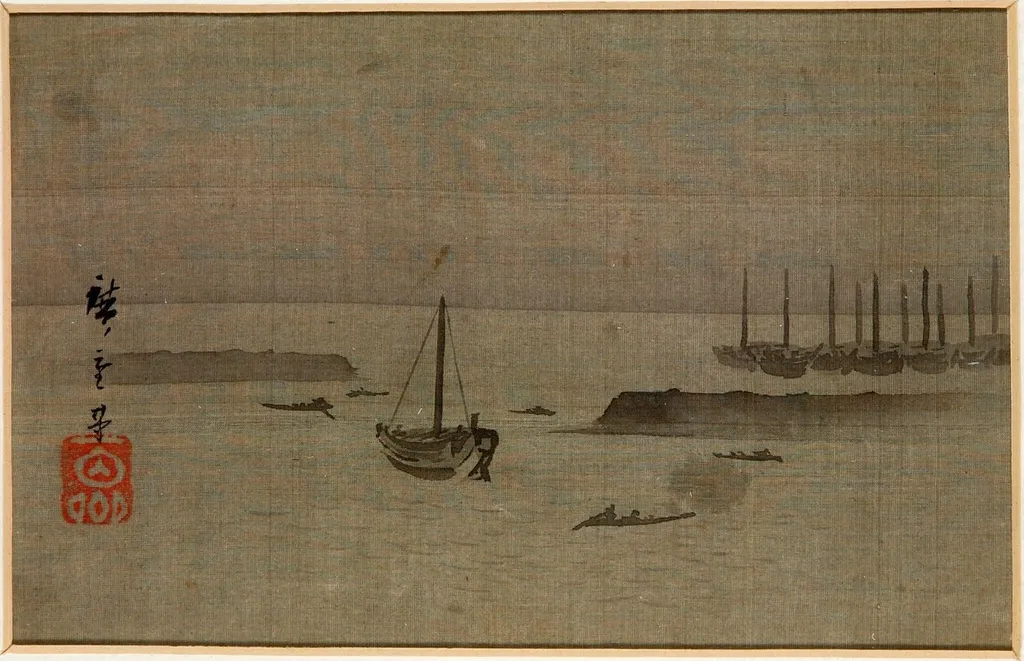
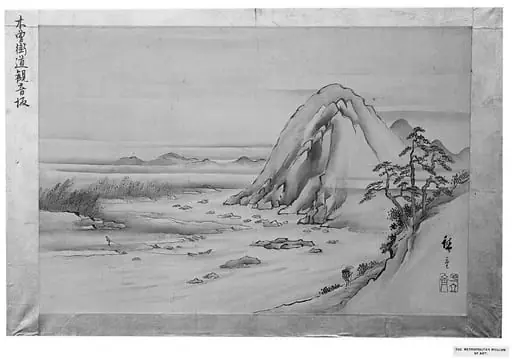
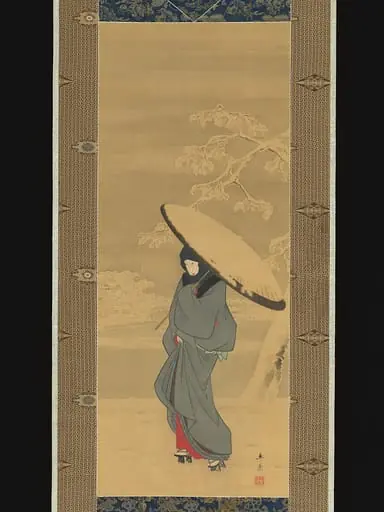
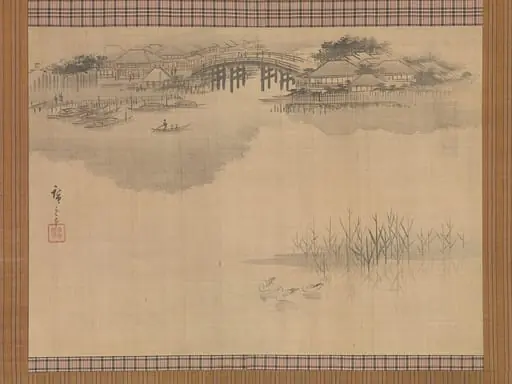
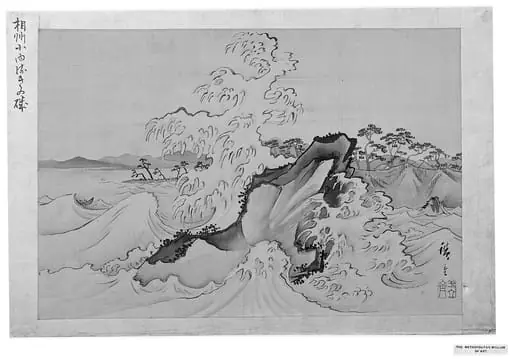
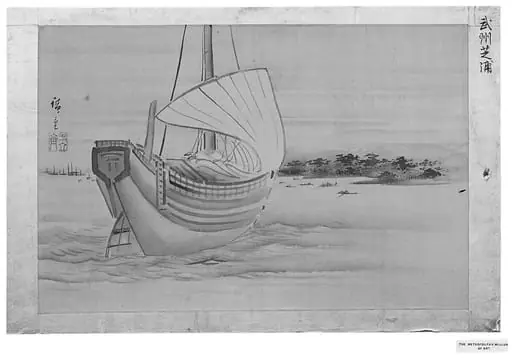
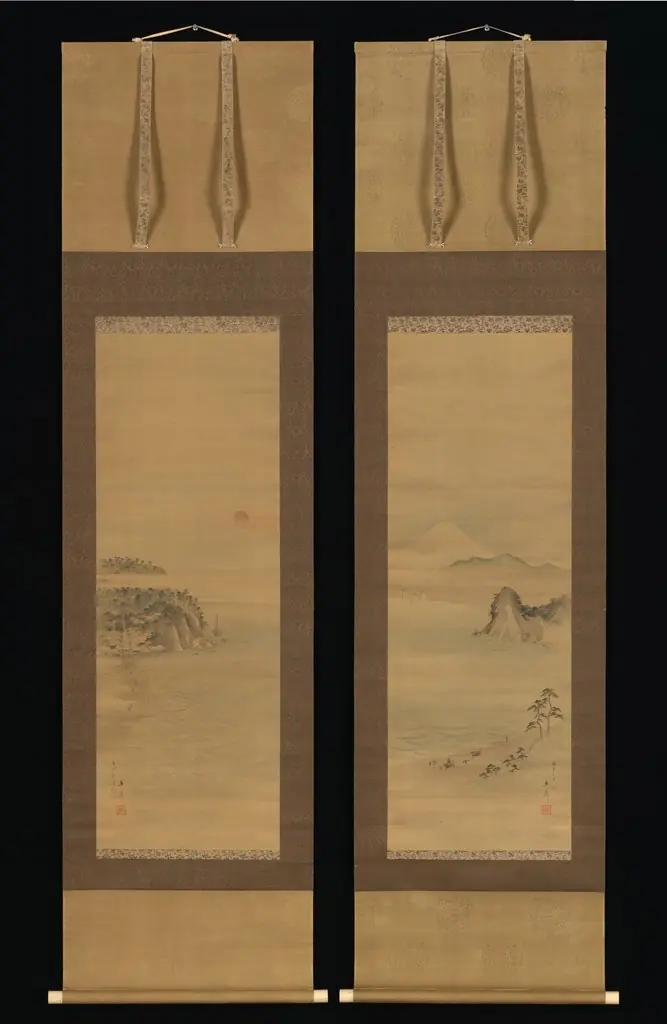
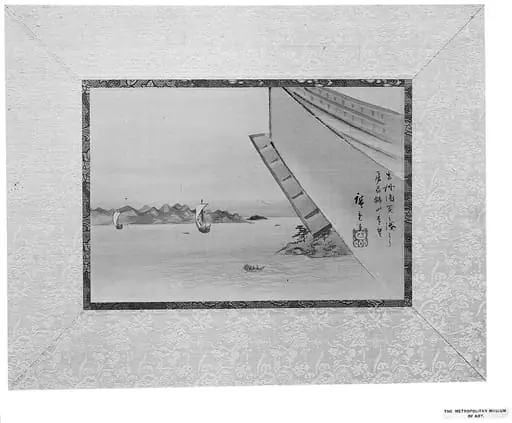
Sea Fortifications is a paint painting by the Impressionist artist Utagawa Hiroshige. It dates from 1853 and is held in the collection of the Victoria and Albert Museum.
About this work
Overview
Utagawa Hiroshige, primarily recognized for his ukiyo-e woodblock prints, also produced rare ink paintings on silk for affluent patrons.
Utagawa Hiroshige, primarily recognized for his ukiyo-e woodblock prints, also produced rare ink paintings on silk for affluent patrons. Unlike his print designs, which originated from loose sketches, these paintings were finished works intended for private collection. This piece depicts coastal defenses near Edo, rendered with delicate brushwork that contrasts with the turbulent sea, reflecting a moment of national tension during the late Edo period.
Subject & Meaning
The painting portrays newly constructed sea fortifications along Edo Bay, erected in response to the arrival of Commodore Perry’s American warships in 1853. These structures, though modest in scale, disrupt the tranquility of the coastal landscape. The sparse human figures near the shore suggest surveillance or quiet unease, reinforcing the underlying anxiety over foreign encroachment and the fragility of Japan’s isolationist policy.
Technique & Style
Executed in ink on silk, the work employs subtle, light brushstrokes to suggest movement in the water and the solidity of the fortifications. The waves are rendered with quick, agitated lines, implying instability, while the wooden pilings stand as stark, vertical interruptions. The palette is restrained, gray, blue, and ink black, emphasizing mood over detail. This restrained aesthetic aligns with traditional Japanese ink painting, diverging from the bold colors of his prints.
History & Provenance
Created in the final years of the Edo period, this painting emerged from a time of political upheaval triggered by Western naval pressure. As one of Hiroshige’s few surviving silk paintings, it likely belonged to a high-ranking official or wealthy merchant with an interest in national defense. Its survival is uncommon, as most of Hiroshige’s output consisted of mass-produced prints; this work represents a private, non-commercial artistic endeavor.
Context
The fortifications depicted were part of a broader military response to the breakdown of Japan’s sakoku policy. While traditional ukiyo-e often celebrated urban life and nature, this painting reflects a shift toward contemporary political concerns. Hiroshige, though not a political figure, captured the atmosphere of a society on edge, using landscape not as idealized scenery but as a record of changing national priorities.
Legacy
This painting stands as a quiet testament to Hiroshige’s versatility beyond printmaking and to the broader artistic engagement with Japan’s transition from isolation to global engagement. It offers a rare visual document of early modern coastal defense efforts, illustrating how even established artists responded to the pressures of their historical moment through understated, contemplative imagery.
Own this work as a print
Artist & collection
Artist
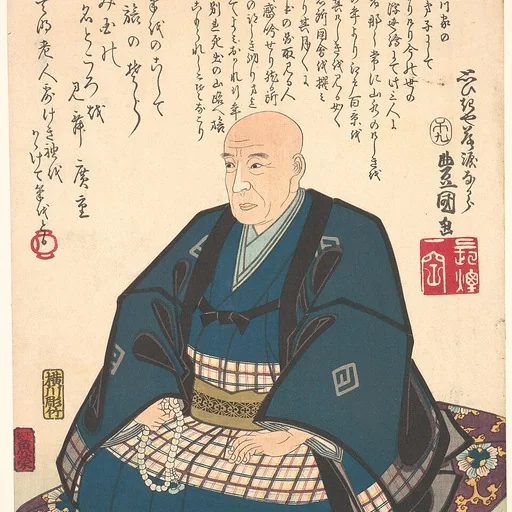
Utagawa Hiroshige (歌川 広重) or Andō Hiroshige (安藤 広重), born Andō Tokutarō (安藤 徳太郎; 1797 – 12 October 1858), was a Japanese ukiyo-e artist, considered the last great master of that tradition.

- Dover Harbour
 Honfleur
![Figures on a Shore [verso], by Félix-Hilaire Buhot](https://artifactworldgallery.com/img/felix-hilaire-buhot--figures-on-a-shore-verso--dd163f6f6e194122-w320.webp) Figures on a Shore [verso]
Figures on a Shore [verso] River Scene with bridge
 The Port of Monaco
 Shipping on a Rough Sea
 Coast Scene
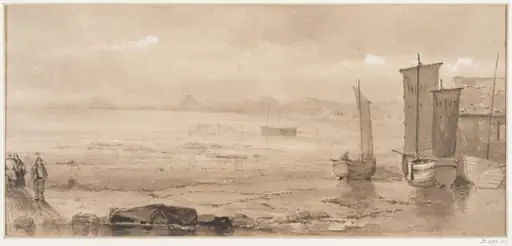 Seashore Study: Low Tide with Fishing Boats and Fisher Folk
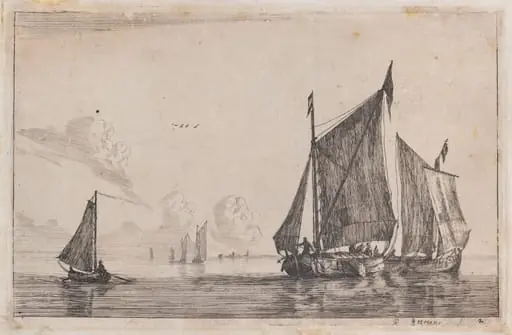 Three Sailing Vessels on Calm Waters
 Uferlandschaft
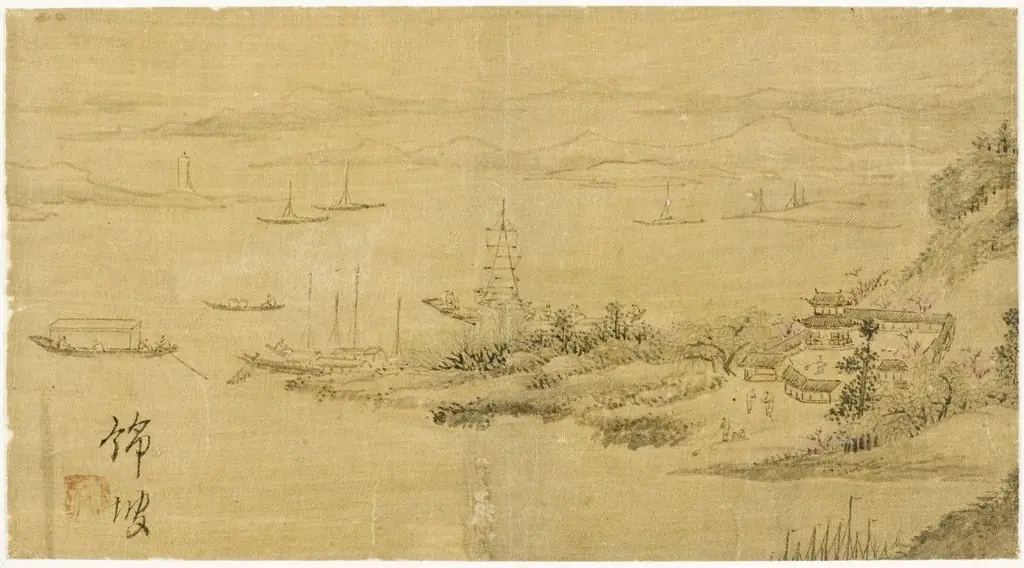 River Village at Dusk
 A sailing-vessel and a rowing-boat in rough seas off Beachy Head