Artwork
Madame Roulin Rocking the Cradle (La Berceuse)
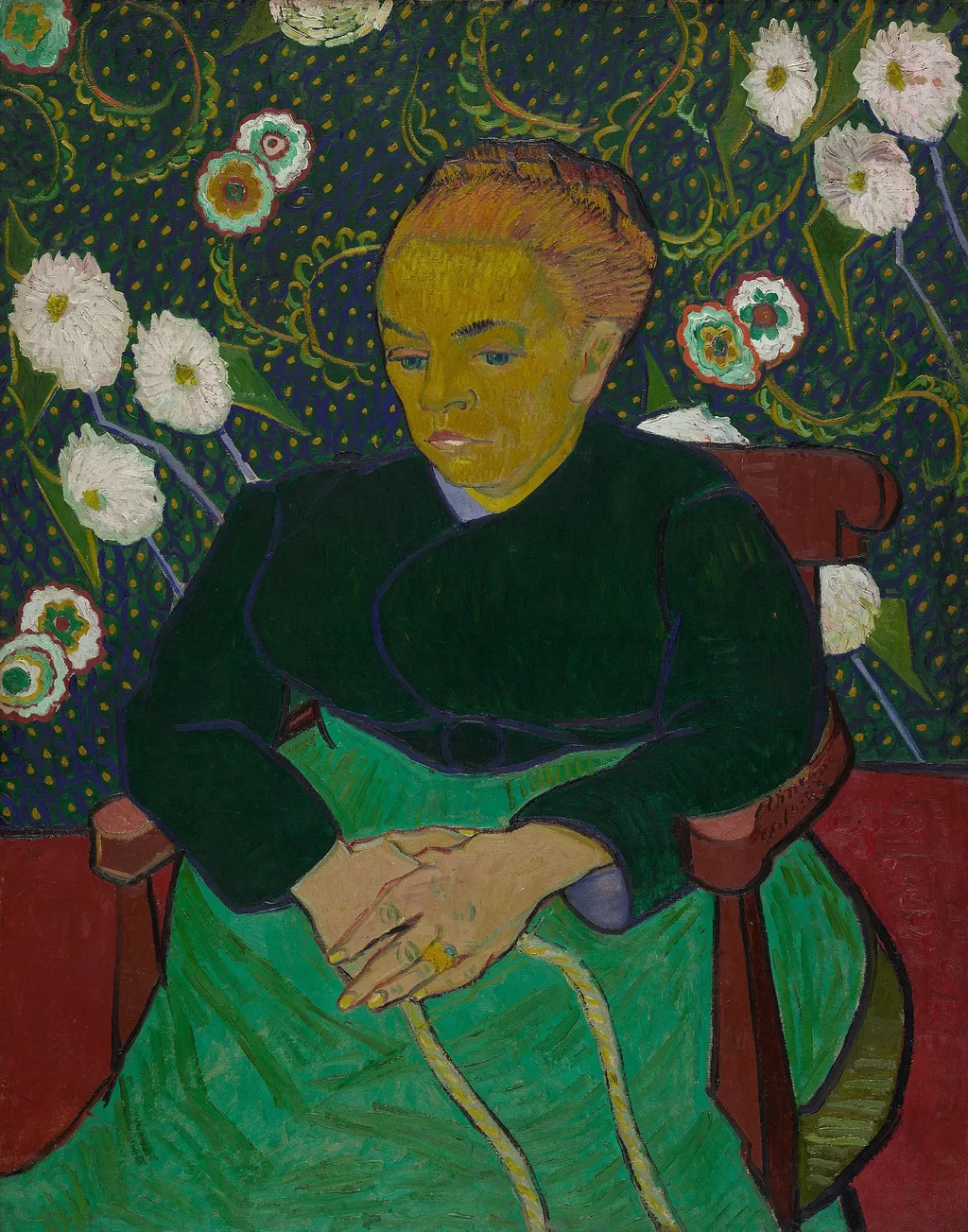
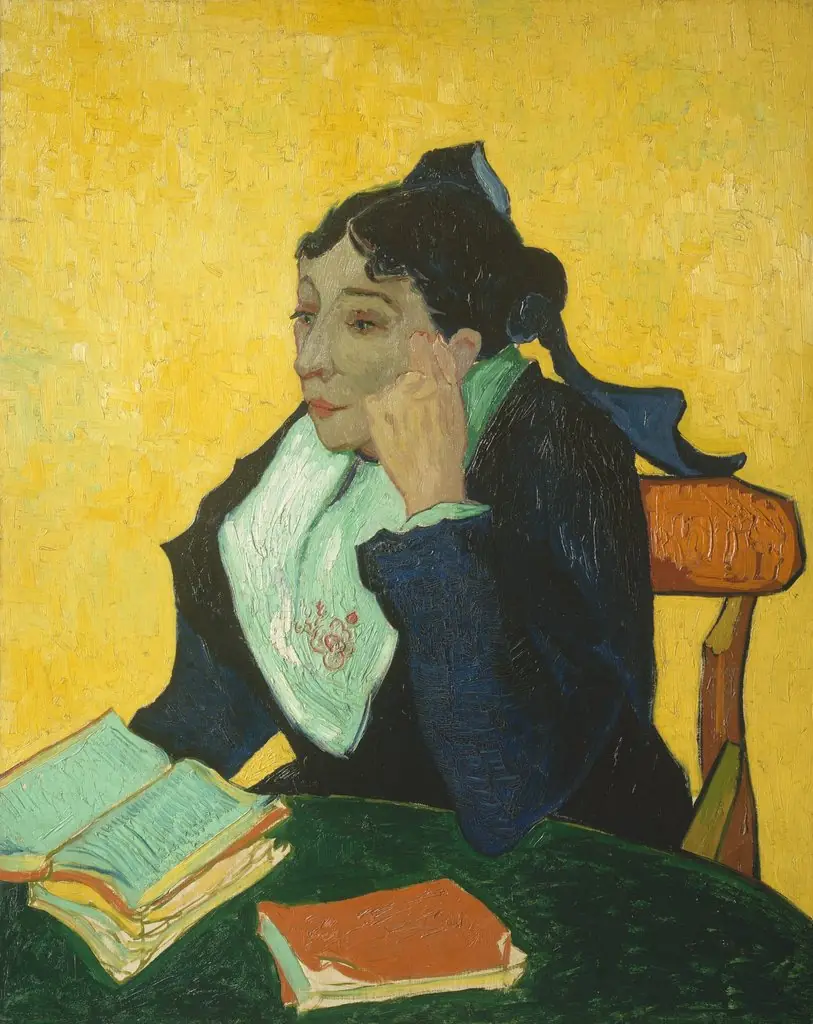
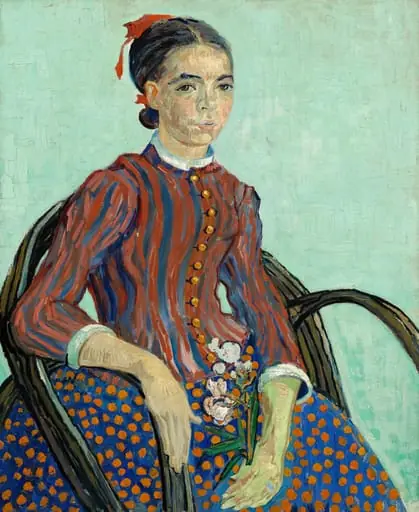
Madame Roulin Rocking the Cradle (La Berceuse) is an oil painting by the Post-Impressionist artist Vincent van Gogh. It is held in the collection of the Art Institute of Chicago.
About this work
Subject & Meaning
As a portrait genre painting created in 1889, the subject is presented as the central figure, identified as the main subject of the composition.
The work depicts Augustine Roulin, the wife of the postmaster in Arles, engaged in the act of rocking a cradle. As a portrait genre painting created in 1889, the subject is presented as the central figure, identified as the main subject of the composition. The title "La Berceuse" (The Lullaby Singer) references the traditional French lullaby, suggesting the figure is singing to a child, though the child is not visible in the frame.
The image captures a moment of domestic care and maternal devotion, focusing entirely on the woman's gesture and presence.
Technique & Style
The work is an oil painting executed on canvas, reflecting van Gogh's characteristic technique of thick, expressive brushwork and vibrant color contrasts. It portrays Augustine Roulin in a domestic setting, emphasizing intimate portraiture within the post-impressionist style. The dimensions measure 92.7 cm in height and 73.8 cm in width, consistent with standard canvas formats of the period.
The surface handling reveals layered applications of paint that contribute to a textured, almost sculptural quality, while the formal composition balances dynamic gesture with structured spatial arrangement.
History & Provenance
Vincent van Gogh painted Madame Roulin Rocking the Cradle (La Berceuse) in Arles in 1889, depicting Augustine Roulin. The work is an oil-on-canvas portrait measuring 92.7 cm by 73.8 cm and belongs to the portrait genre. It entered the collection of the Art Institute of Chicago, where it remains on display, having been acquired as part of the museum's holdings of van Gogh's works.
The painting Madame Roulin Rocking the Cradle (La Berceuse) is held by the Art Institute of Chicago. It entered the museum's collection through an accession recorded in the institution's provenance files, though the specific accession number is not detailed in the available sources. The work has been part of the museum's ongoing exhibitions of post-impressionist masterpieces, including displays focused on Van Gogh's portraiture and his time in Arles.
The piece was created in 1889 in Arles and depicts Augustine Roulin. It measures 92.7 cm by 73.8 cm and is executed in oil paint on canvas.
Overview
This 1889 portrait by Vincent van Gogh presents Augustine Roulin, wife of the artist’s friend and postmaster Joseph Roulin. Executed in oil on canvas, the work belongs to a series of five versions depicting Madame Roulin in a domestic setting. The painting is part of the permanent collection of the Art Institute of Chicago.
Context
The portrait emerged during a period of intense creativity for van Gogh, shortly before his hospitalization in Arles. The Roulin family provided emotional support, and their likenesses became recurring subjects. This work, along with its variants, exemplifies the artist’s exploration of portraiture as a means to convey human connection amid personal turmoil.
Legacy
The painting contributes to the broader understanding of van Gogh’s late style, particularly his use of color and texture to evoke emotion. Its inclusion in major exhibitions and publications has reinforced its place within Post-Impressionist portraiture. The work continues to be studied for its technical boldness and psychological depth.
Own this work as a print
Artist & collection
Artist
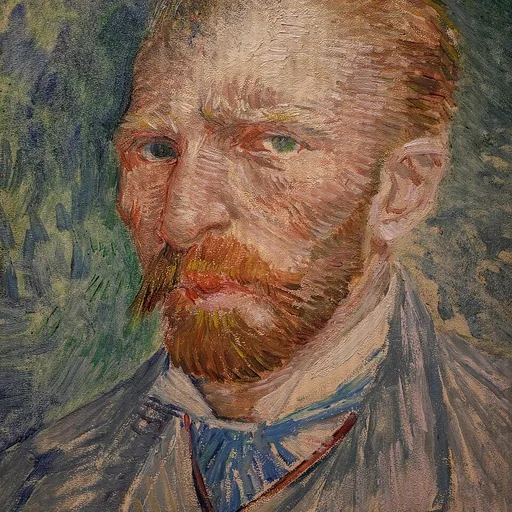
Vincent Willem van Gogh was a Dutch Post-Impressionist painter who is among the most famous and influential figures in the history of Western art.