Artwork
The Humility of Count William II of Nevers
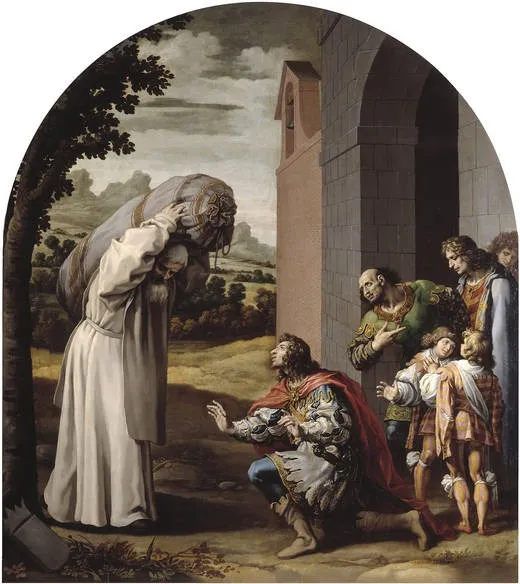
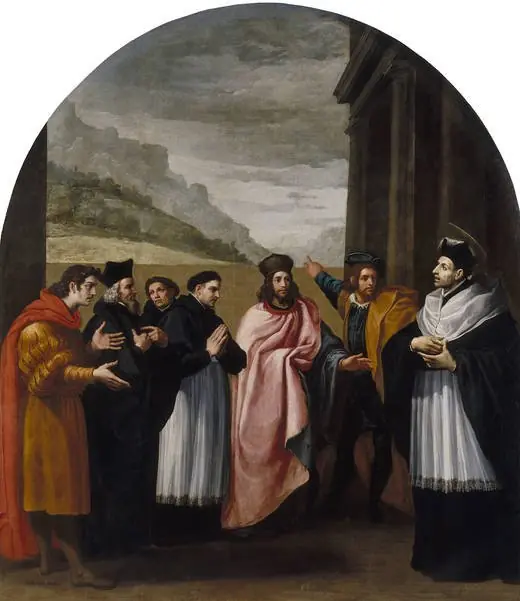
The Humility of Count William II of Nevers is an oil painting by the Early Baroque Italian artist Vincenzo Carducci. It dates from 1632 and is held in the collection of the Museo del Prado.
About this work
Subject & Meaning
Symbolic elements include the humble garment and the staff, which reference saintly asceticism and the count's alignment with Christian ideals of service.
The painting portrays Count William II of Nevers in a posture of humility, clothed in simple robes and holding a modest staff, embodying Christian penitence and the virtue of modesty. The composition emphasizes his rejection of worldly power, using muted tones and a restrained pose to convey spiritual devotion. Symbolic elements include the humble garment and the staff, which reference saintly asceticism and the count's alignment with Christian ideals of service.
The work was created by Vincenzo Carducci in 1632, executed in oil on canvas, and is housed in the Museo del Prado, where it remains part of the museum's collection of religious artworks.
Technique & Style
Created in 1632, The Humility of Count William II of Nevers is an oil painting executed on a canvas support. The work measures 337 cm in height and 297.5 cm in width, presenting a substantial scale for its religious genre. As a piece by Vincenzo Carducci, the artist employs oil paint to depict the narrative scene, which notably includes a sword as a central visual element.
The large dimensions and the use of canvas are characteristic of the formal approach taken for this specific religious commission.
History & Provenance
The painting was created in 1632 by Vincenzo Carducci as a religious work commissioned to depict the humility of Count William II of Nevers. It is executed in oil paint on canvas, measuring 337 cm by 297.5 cm, and originally belongs to the collection of the Museo del Prado. The artwork has remained in this institution since its creation, forming part of the museum’s holdings of Spanish religious art.
The work is held in the collection of the Museo del Prado, Madrid, where it is inventoried as oil on canvas, measuring 337 cm in height and 297.5 cm in width.
It is recorded as having been accessioned through the Museo de la Trinidad holdings, which were later incorporated into the Museo del Prado collection.
Overview
Vincenzo Carducci’s oil painting The Humility of Count William II of Nevers dates from 1632. Executed in the early Baroque style, the work is housed in the Museo del Prado. It portrays a religious tableau centered on a modestly dressed figure, rendered with the chiaroscuro typical of the period.
Artist & collection
Artist
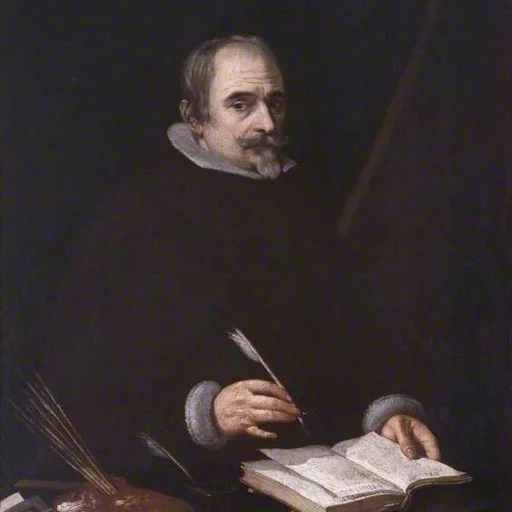
Vincenzio Carduccio (in Spanish, sometimes Vicencio or Vicente Carducho; 1576 or 1578–1638) was an Italian painter who spent his career in Spain.

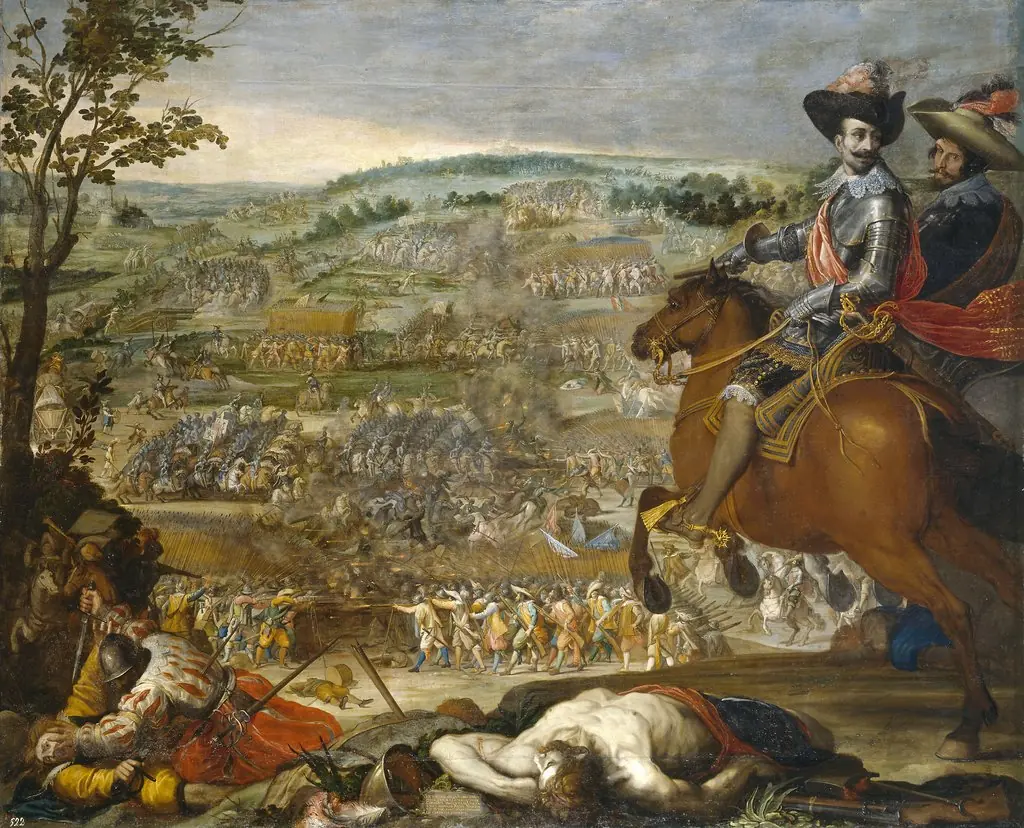
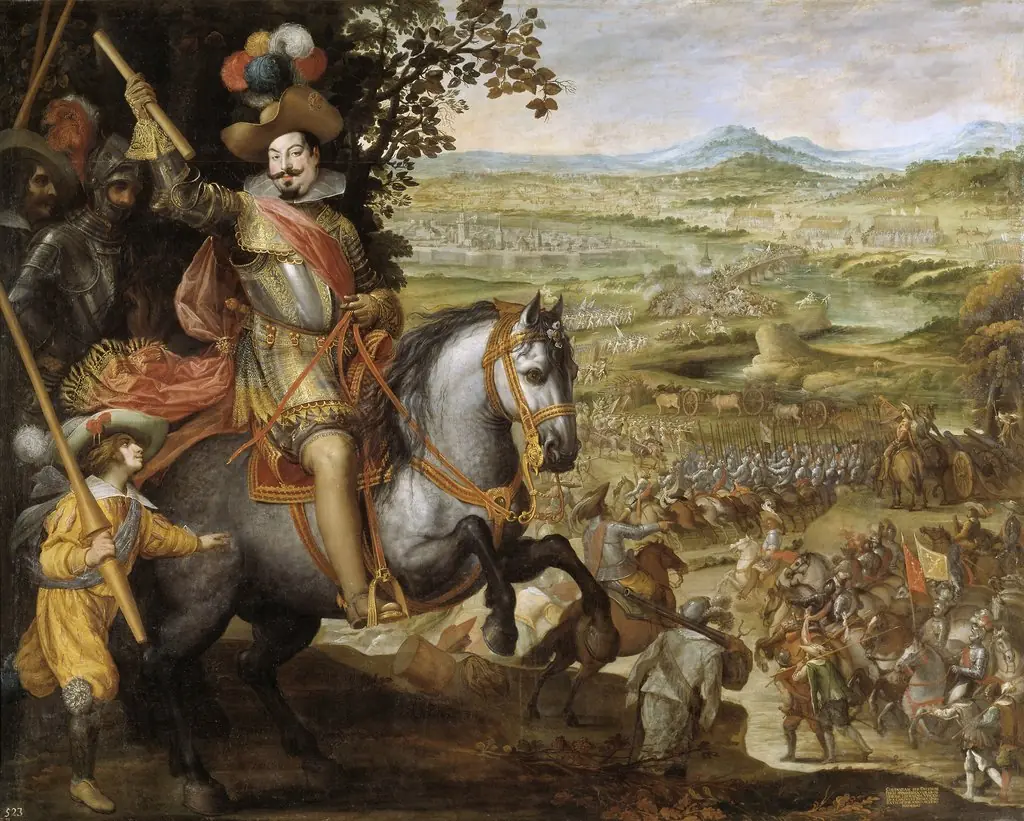
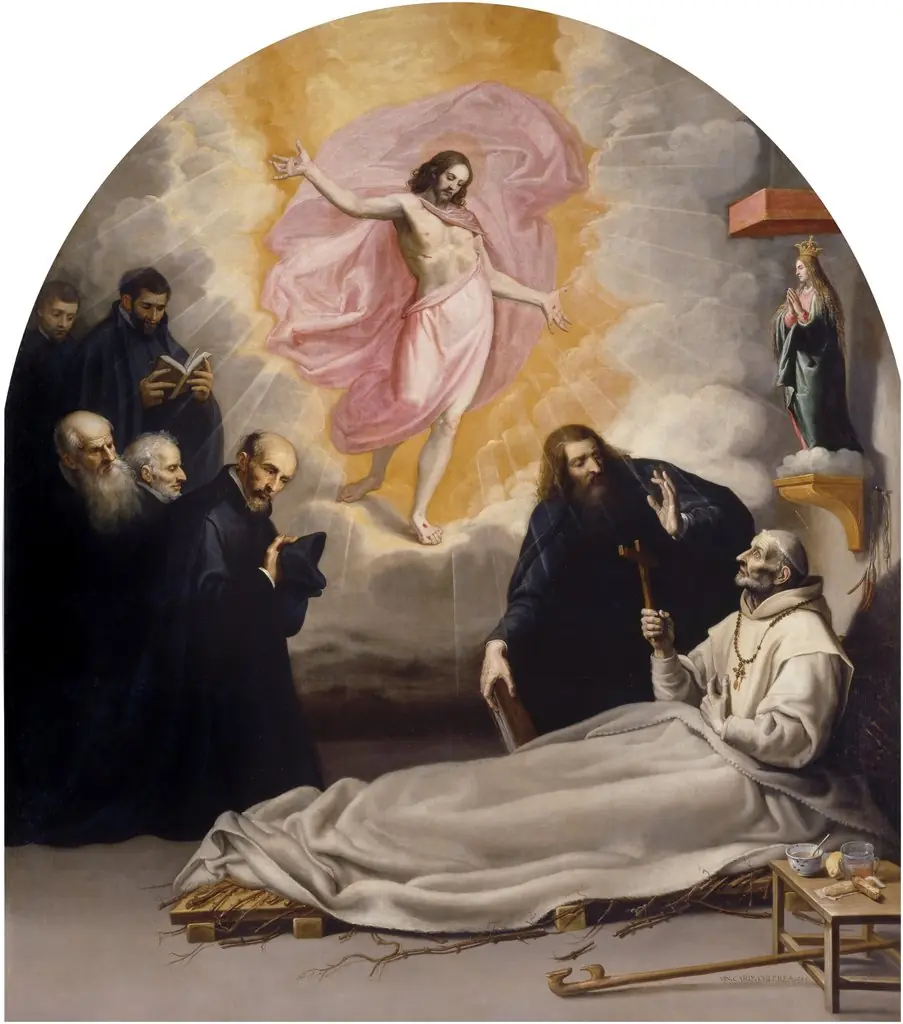
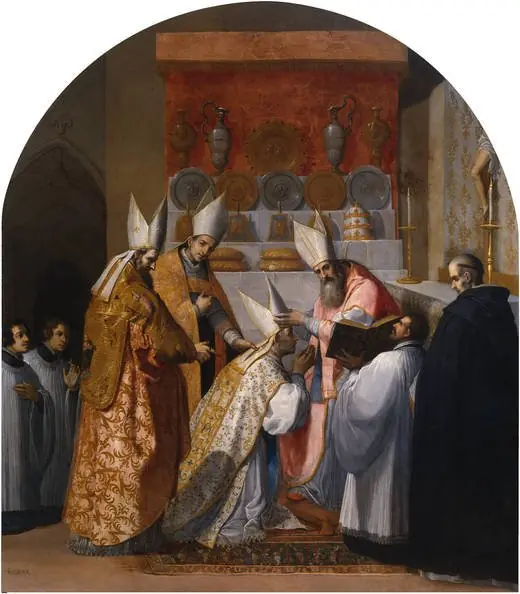
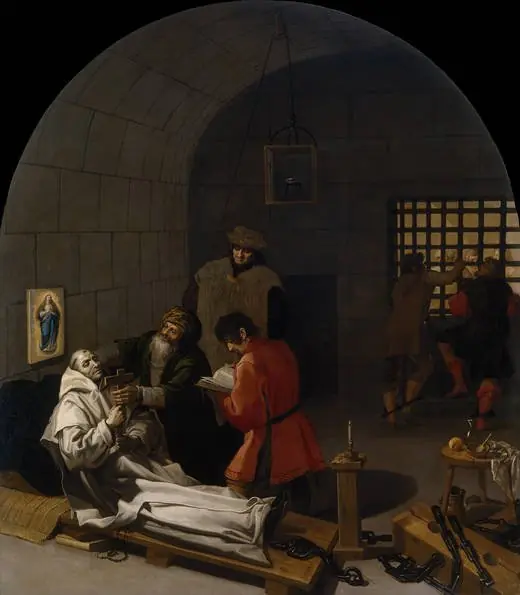
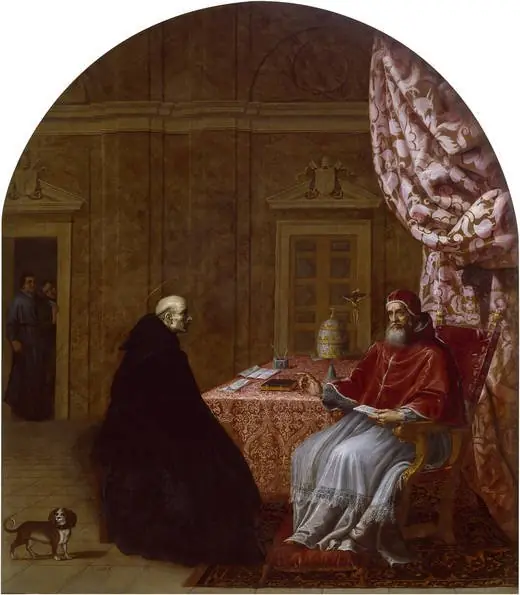
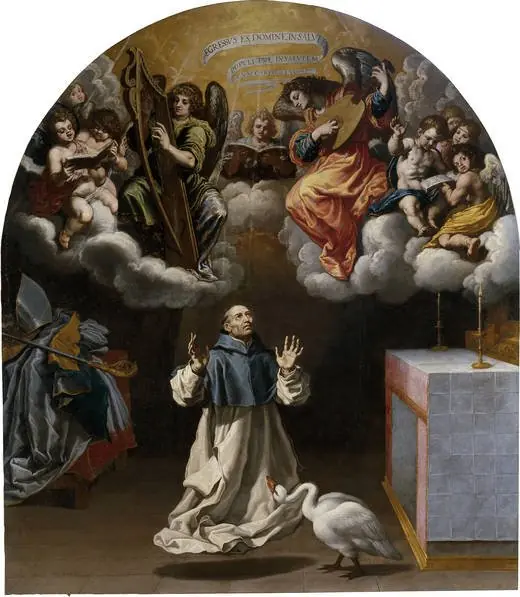
- Saint Bruno Bids Farewell to Saint Hugo Before his Trip to Rome
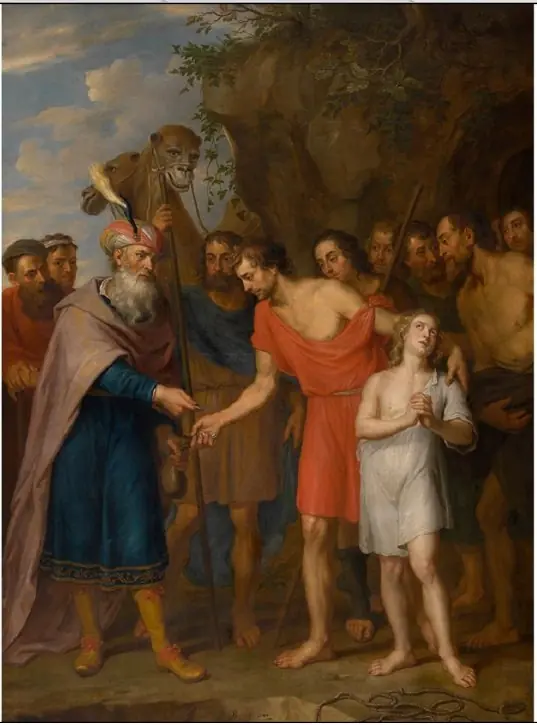 Joseph Sold by his Brothers
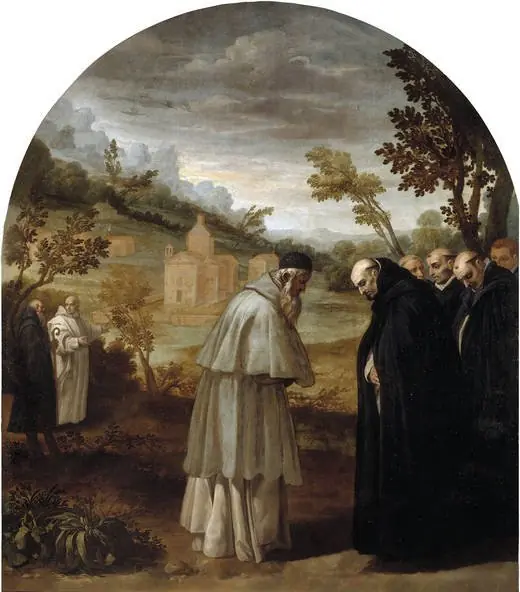
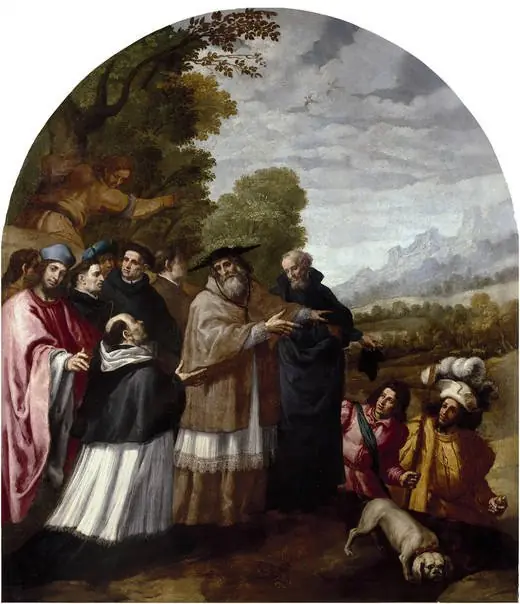 Saint Hugo Accompanies Saint Bruno and His Six Companions to the Chartreuse Highlands
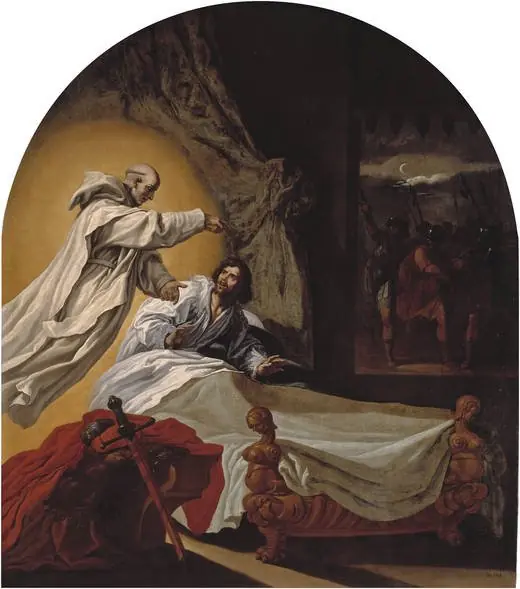 Saint Bruno Appears to Rogerio Guiscardo Count of Apulia and Calabria
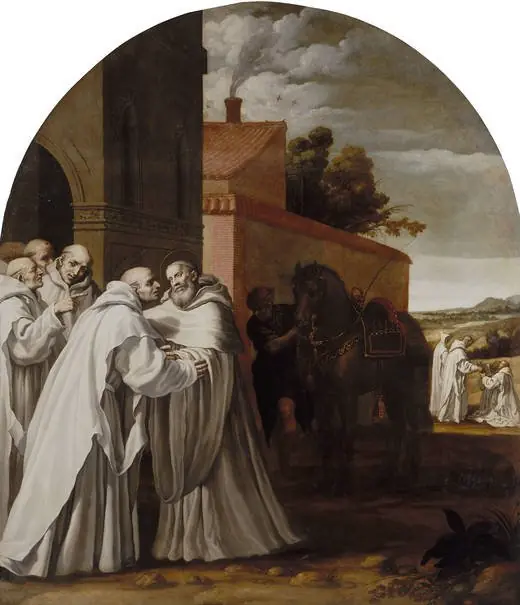 Saint Bernard of Clarivaux visits Guigo I at the Charterhouse
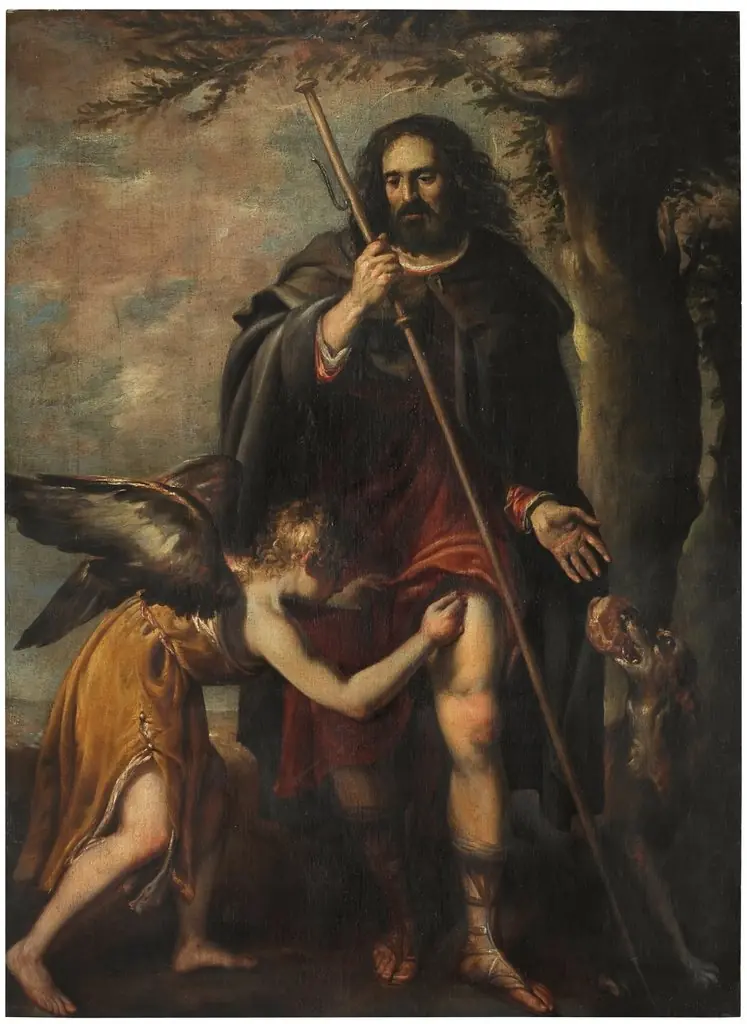 San Roque
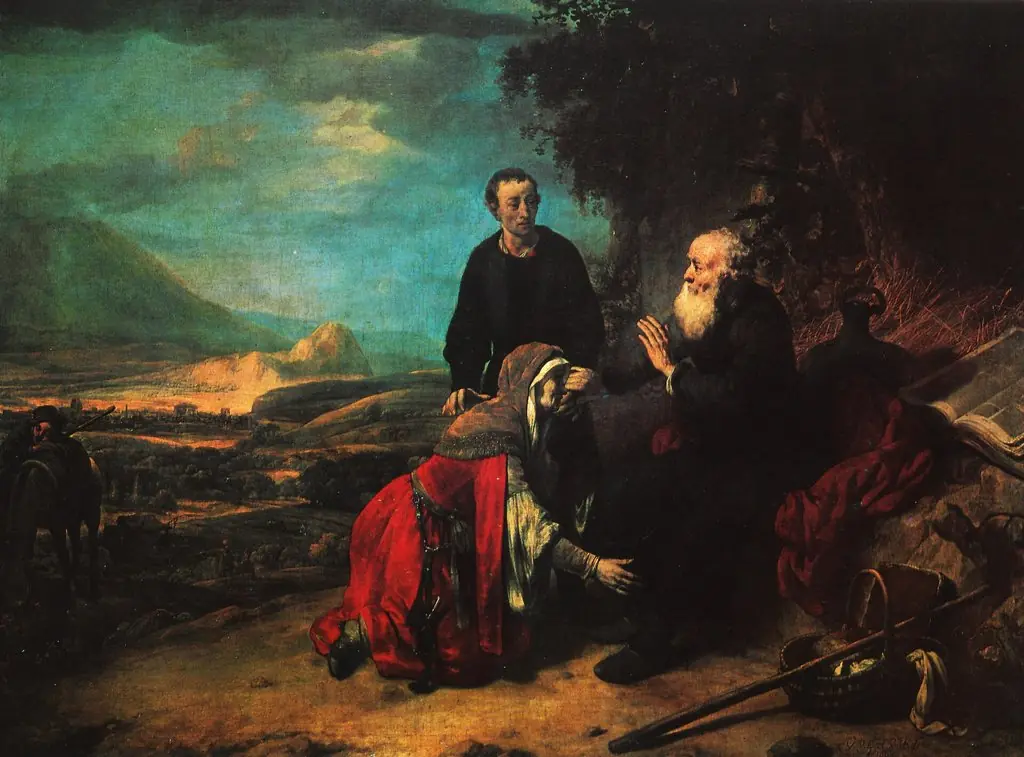 The Prophet Elisha and the Woman of Shunem
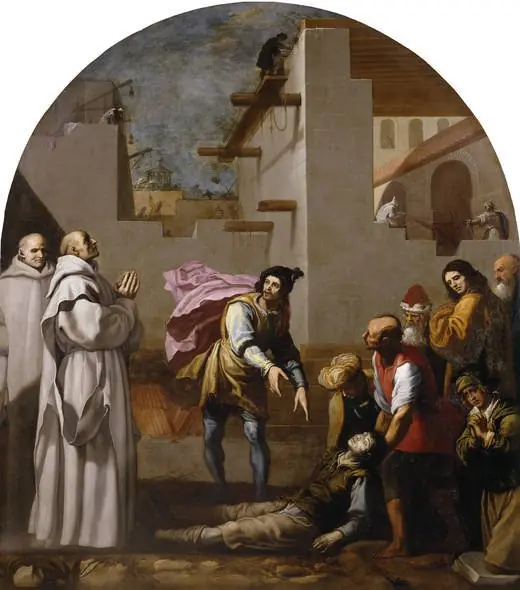 Prior Boson Revives a Mason
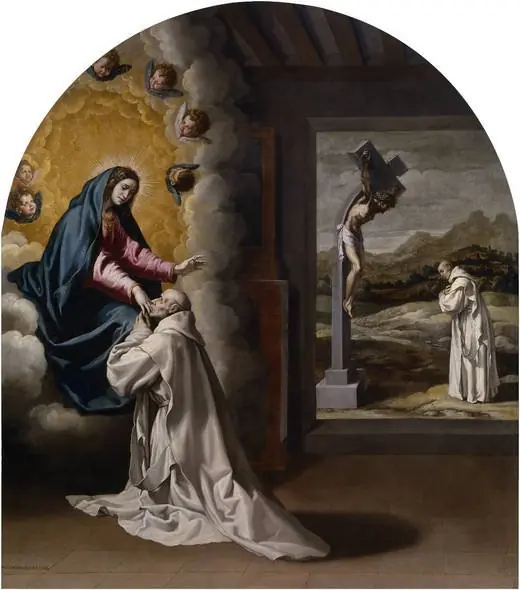 The Virgin Appears to Juan Fort
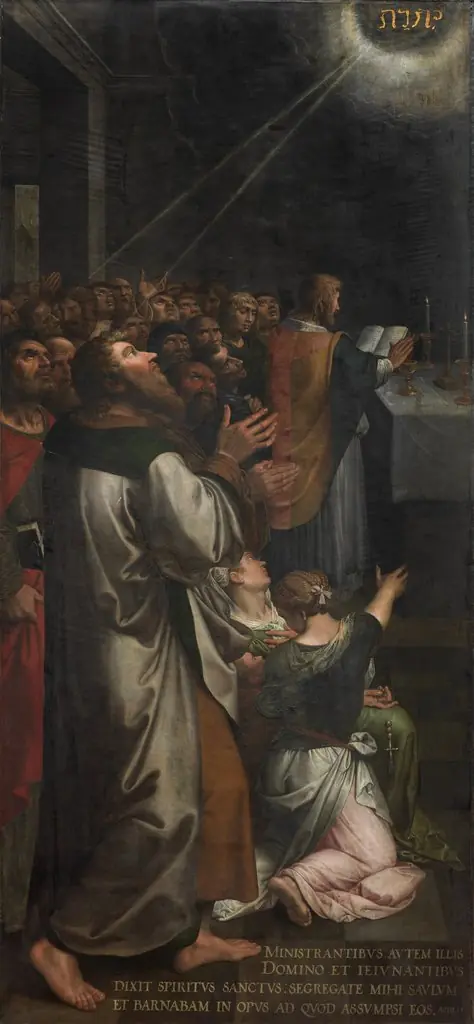 The sending forth of Paul and Barnabas (Acts 13:2)
 Saint Bruno and His Six Companions Withdraw from Active Life
 The Return of the Prodigal Son