Artwork
The Miraculous Spring at Saint Bruno’s Tomb
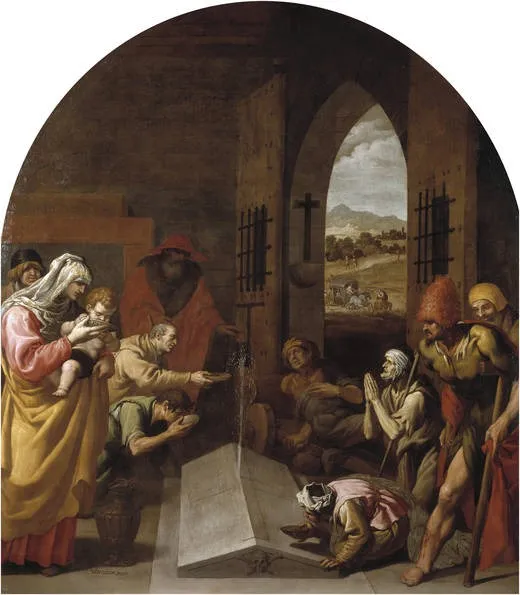
The Miraculous Spring at Saint Bruno’s Tomb is an oil painting by the Early Baroque Italian artist Vincenzo Carducci. It dates from 1626 and is held in the collection of the Museo del Prado.
About this work
Subject & Meaning
The work portrays a miraculous spring emerging from the tomb of Saint Bruno, a scene drawn from the saint’s hagiography.
The work portrays a miraculous spring emerging from the tomb of Saint Bruno, a scene drawn from the saint’s hagiography. The composition includes a crucifix, a container that holds the spring water, and a carriage that transports the holy liquid, all of which function as iconographic symbols of divine grace and the saint’s intercessory power. The painting thus represents the moment when the saint’s sanctity gives rise to a miraculous source of healing, embodying the theological theme of spiritual renewal through divine intervention.
Technique & Style
The Miraculous Spring at Saint Bruno’s Tomb is an oil painting executed on canvas, a medium consistent with Vincenzo Carducci’s standard practice for large-scale religious commissions. The work is substantial in scale, measuring 337.5 cm in height by 297.5 cm in width, a format suited to its devotional function and likely placement within a monastic or ecclesiastical setting. The composition is described as religious in genre and depicts elements including a container, a crucifix, and a carriage, suggesting a narrative arrangement of sacred and processional motifs.
The painting is held in the collection of the Museo del Prado (with an associated provenance from the Museo de la Trinidad), institutions whose holdings of Carducci’s work reflect the Spanish court’s patronage of Italian-trained artists working in the early seventeenth century.
Stylistically, the work belongs to the religious painting tradition of the period, executed in oil on canvas to allow for the layered modeling and tonal depth characteristic of Carducci’s mature practice.
History & Provenance
Vincenzo Carducci executed The Miraculous Spring at Saint Bruno's Tomb as an oil painting on canvas. While one record suggests the work originated in 1626, other data indicates an inception date of 1629. The religious composition depicts specific elements including a container, a crucifix, and a carriage.
The painting entered the collection of the Museo de la Trinidad before becoming part of the holdings at the Museo del Prado, where it remains located. No specific details regarding the original commission or intermediate ownership transfers are provided in the available records.
Overview
Vincenzo Carducci’s oil painting The Miraculous Spring at Saint Bruno’s Tomb was completed in 1626. Executed during the early Baroque period, the work is part of the collection of the Museo del Prado in Madrid. It presents a narrative scene centered on the tomb of Saint Bruno, from which a spring of water emerges, surrounded by a gathering of figures.
Context
The painting reflects the Counter‑Reformation emphasis on miraculous narratives that reinforced Catholic devotion. By portraying a tangible miracle at a saint’s burial place, Carducci aligns with contemporary efforts to visualize faith and inspire piety among viewers, while also showcasing the artist’s adaptation of Italian Baroque techniques within a Spanish setting.
Artist & collection

Artist
Vincenzio Carduccio (in Spanish, sometimes Vicencio or Vicente Carducho; 1576 or 1578–1638) was an Italian painter who spent his career in Spain.


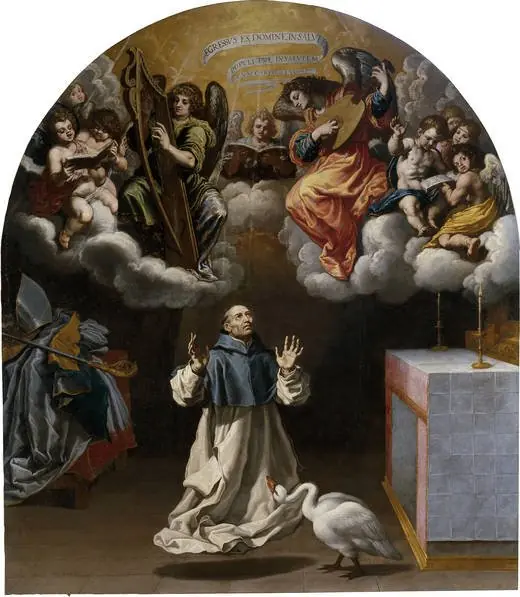
- The Adoration of the Shepherds
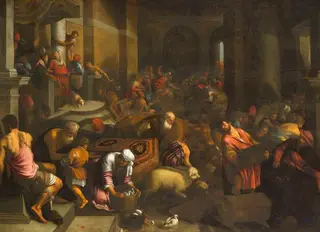 Christ Driving the Money-changers from the Temple
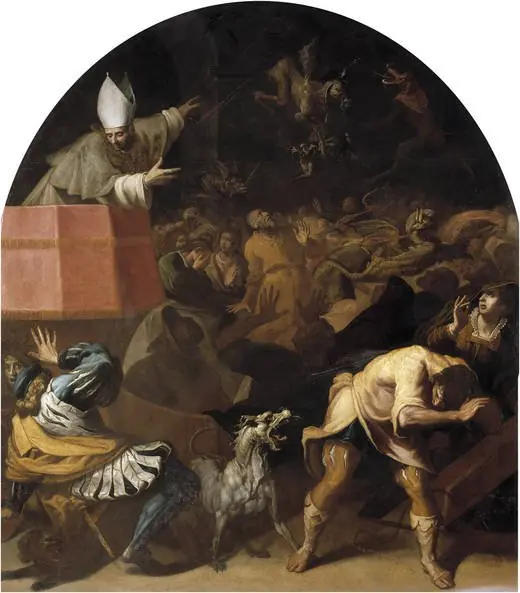 Stephen of Châtillon Bishop of Diè Preaching to the People
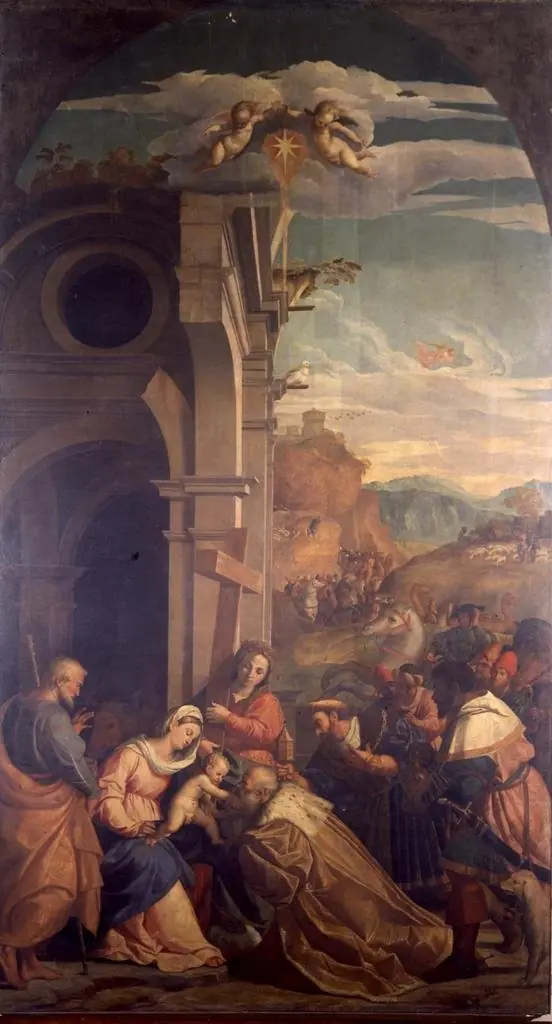 Adoration of the Magi with Saint Helena
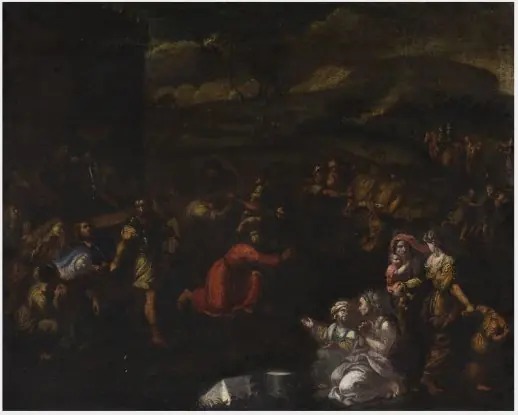 The Way to Calvary
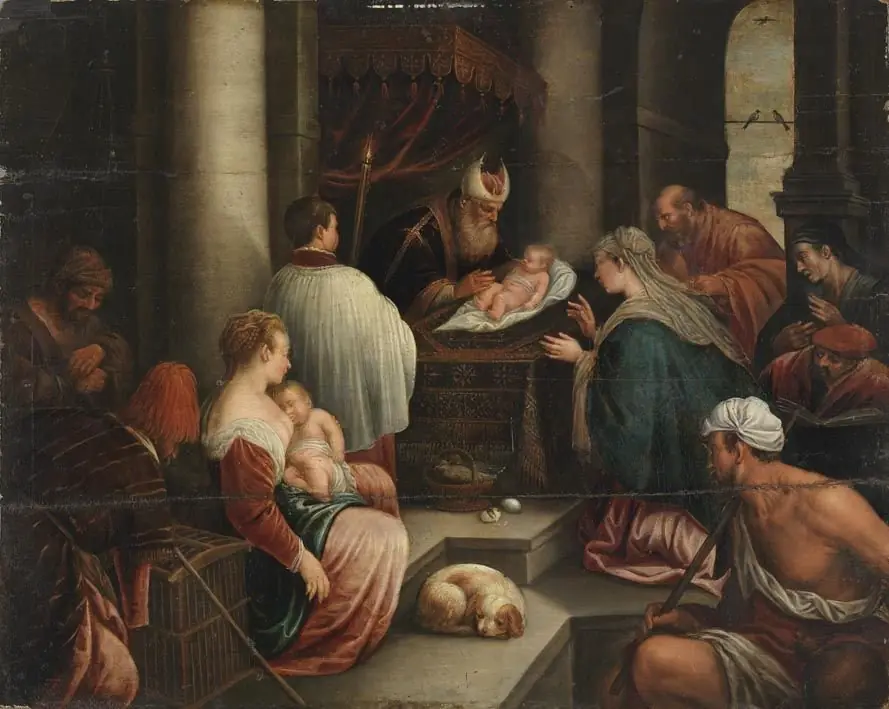 The presentation of Christ in the temple
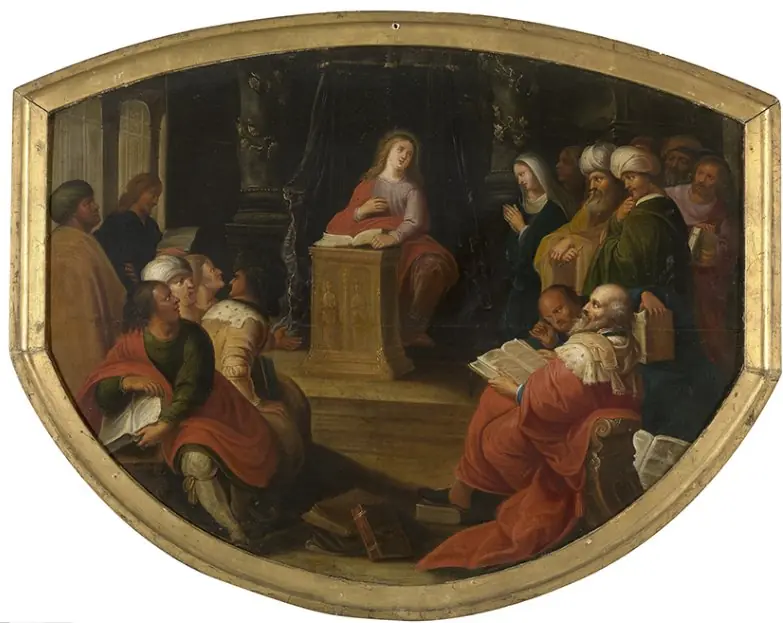 Christ's dispute with the doctors in the temple
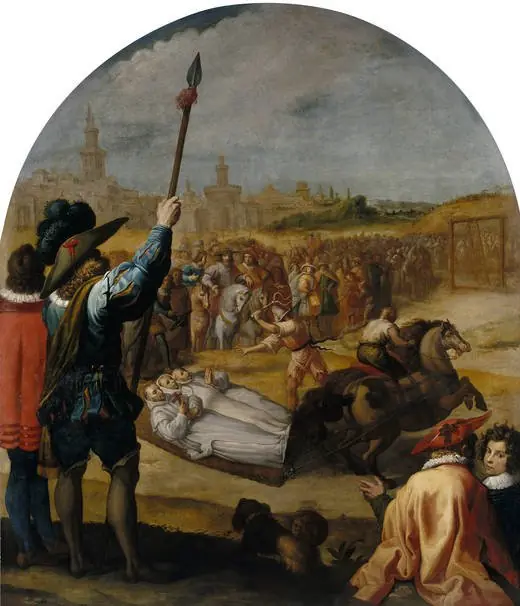 The Martydom of Three Carthusians at the London Charterhouse
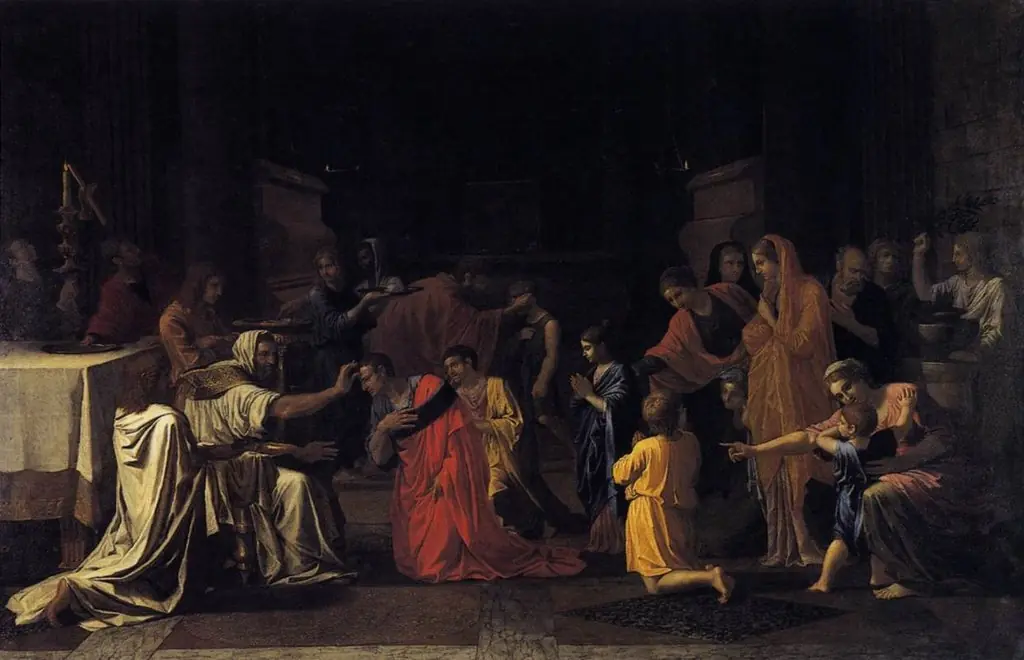 The Sacrament of Confirmation
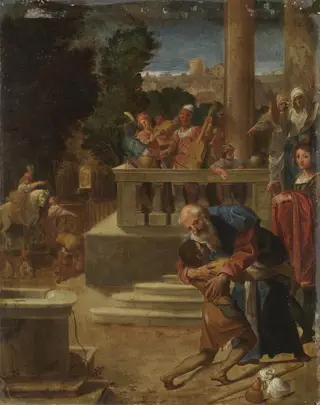 Der verlorene Sohn
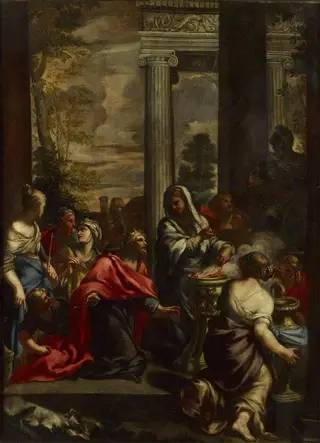 The Idolatry of Solomon
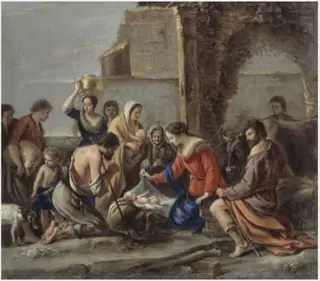 The Adoration of the Shepherds