Artwork
Stephen of Châtillon Bishop of Diè Preaching to the People
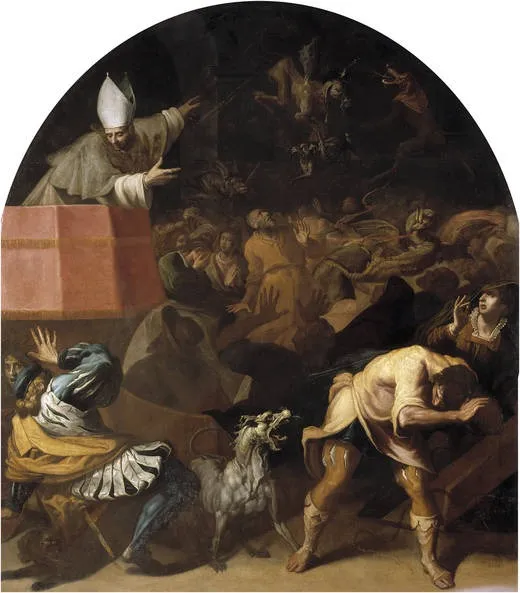
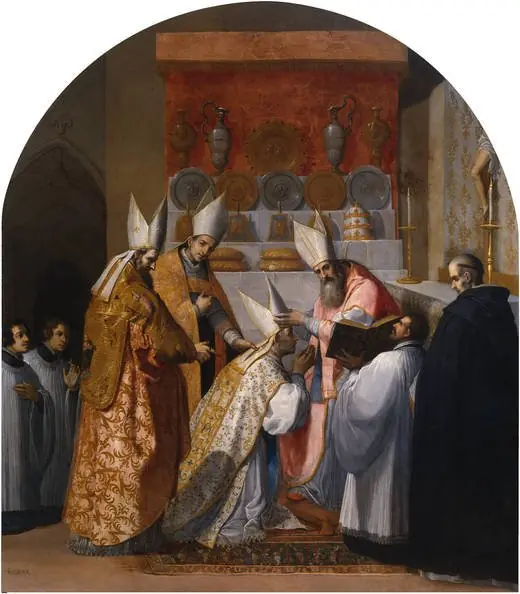
Stephen of Châtillon Bishop of Diè Preaching to the People is an oil painting by the Early Baroque Italian artist Vincenzo Carducci. It dates from 1626 and is held in the collection of the Museo del Prado.
About this work
Subject & Meaning
The painting depicts Étienne de Châtillon, identified as the Bishop of Diè, engaged in the act of preaching to a gathered audience.
The painting depicts Étienne de Châtillon, identified as the Bishop of Diè, engaged in the act of preaching to a gathered audience. As a work of religious art, the composition centers on the bishop's role as a spiritual leader delivering a sermon. The iconography includes a mitre, the traditional liturgical headgear of a bishop, which visually confirms the subject's high ecclesiastical rank and authority within the Church. The scene represents the dissemination of religious doctrine and the public ministry of the bishop.
Technique & Style
Executed in oil on canvas in 1626, the painting measures 338 cm in height and 298.5 cm in width.
Carducci’s handling combines crisp figural delineation with a controlled chiaroscuro, organizing the composition around the bishop’s elevated gesture and mitre. Figures are modeled with smooth transitions in light and shadow, while the surrounding crowd is rendered with abbreviated, summary strokes to establish setting rather than individuality. The palette is restrained, dominated by muted earth tones punctuated by accents of red and white in liturgical vestments, reinforcing the solemnity of the preaching scene.
Context
Stephen of Châtillon Bishop of Diè Preaching to the People is an oil painting created in 1626 by Vincenzo Carducci for a religious context depicted in the Museo del Prado collection. The work shows the bishop in ecclesiastical vestments including a mitre and was produced during the early Baroque period in Spain. It measures 298.5 centimeters in width and 338 centimeters in height and is classified as religious art within the corpus of Vincenzo Carducci's output.
Scholarly discussion situates the painting within Carducci's early career and his stylistic development during the transition from Mannerism to Baroque naturalism in Spanish art. Its iconography of episcopal authority and didactic function as a visual sermon align with Counter-Reformation demands for didactic religious imagery in European painting traditions.
The attribution to Vincenzo Carducci has been confirmed through stylistic analysis of brushwork and compositional techniques compared with documented works in the Museo del Prado and Museo de la Trinidad collections.
Overview
Completed in 1626, this oil painting by Vincenzo Carducci, an Italian artist active in Spain, portrays the bishop Étienne de Châtillon delivering a sermon. The work is part of the early Baroque tradition and is currently housed in Madrid’s Museo del Prado.
History & Provenance
After its creation, the painting entered the Spanish royal collections and eventually was transferred to the Museo del Prado, where it remains on display. Its provenance reflects the close artistic exchange between Italy and Spain during the early seventeenth century.
Artist & collection
Artist
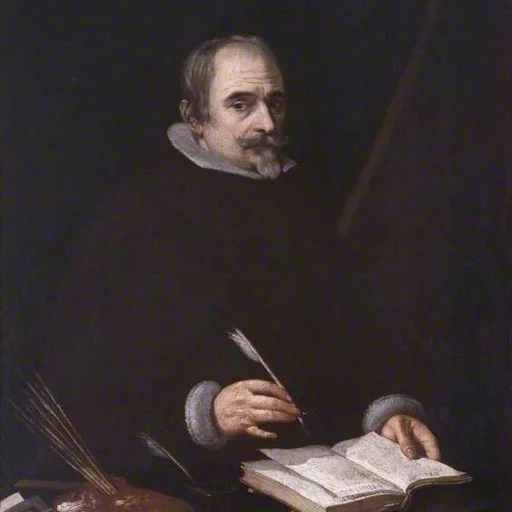
Vincenzio Carduccio (in Spanish, sometimes Vicencio or Vicente Carducho; 1576 or 1578–1638) was an Italian painter who spent his career in Spain.

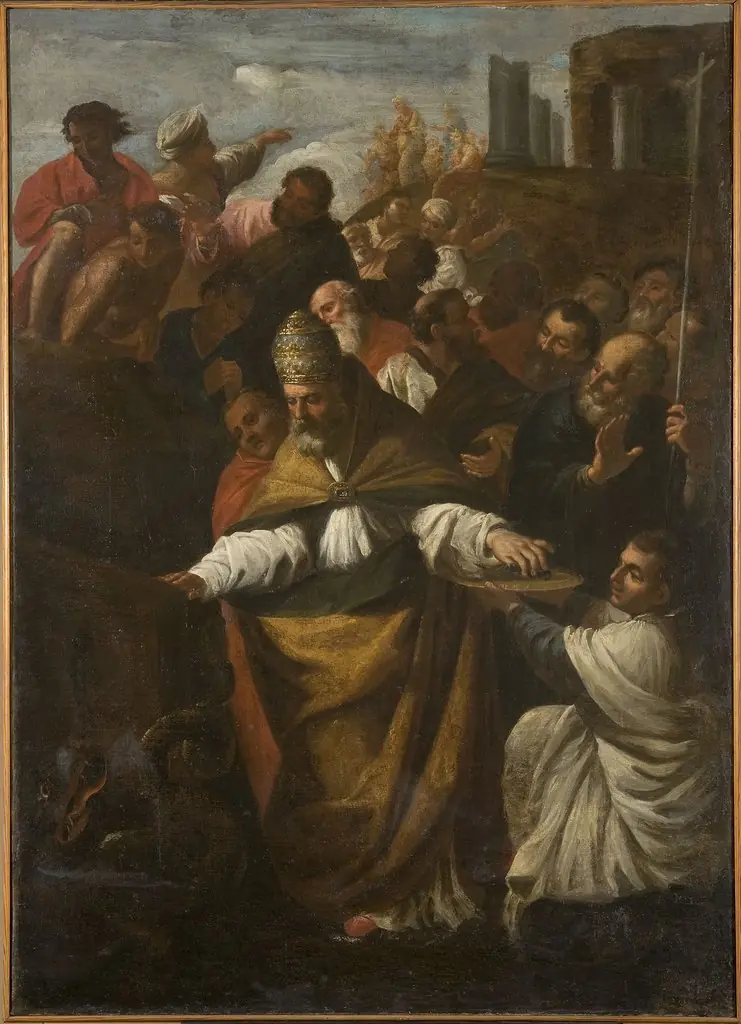 Miracle of the Church
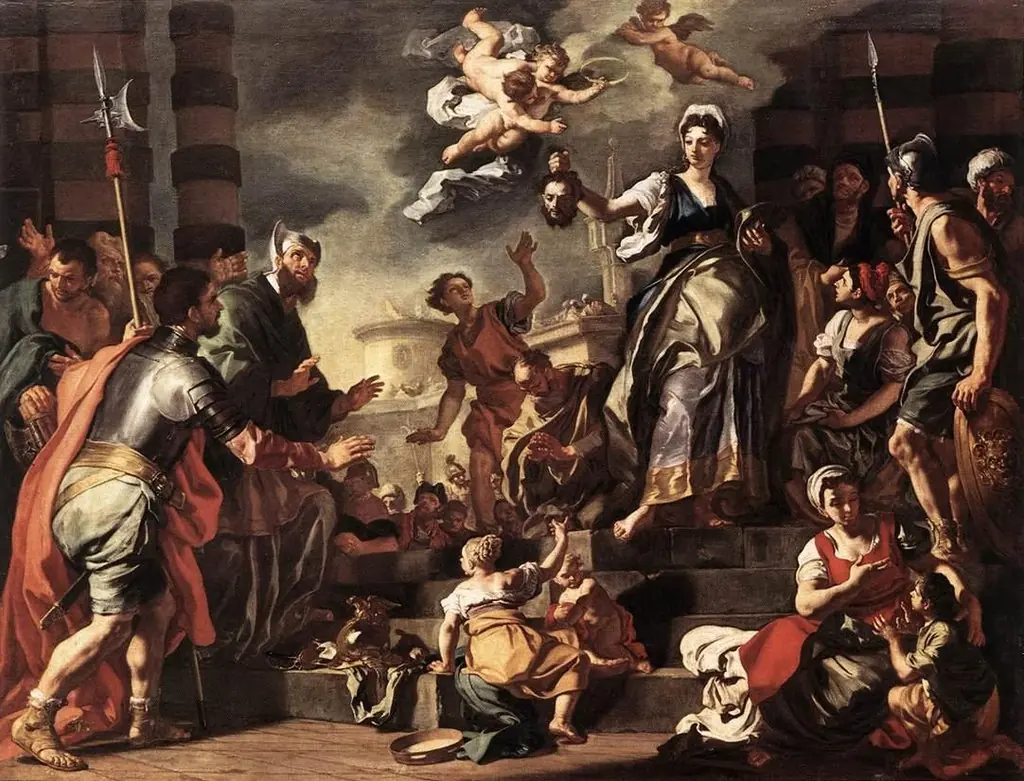 Judith shows the people the head of Holofernes
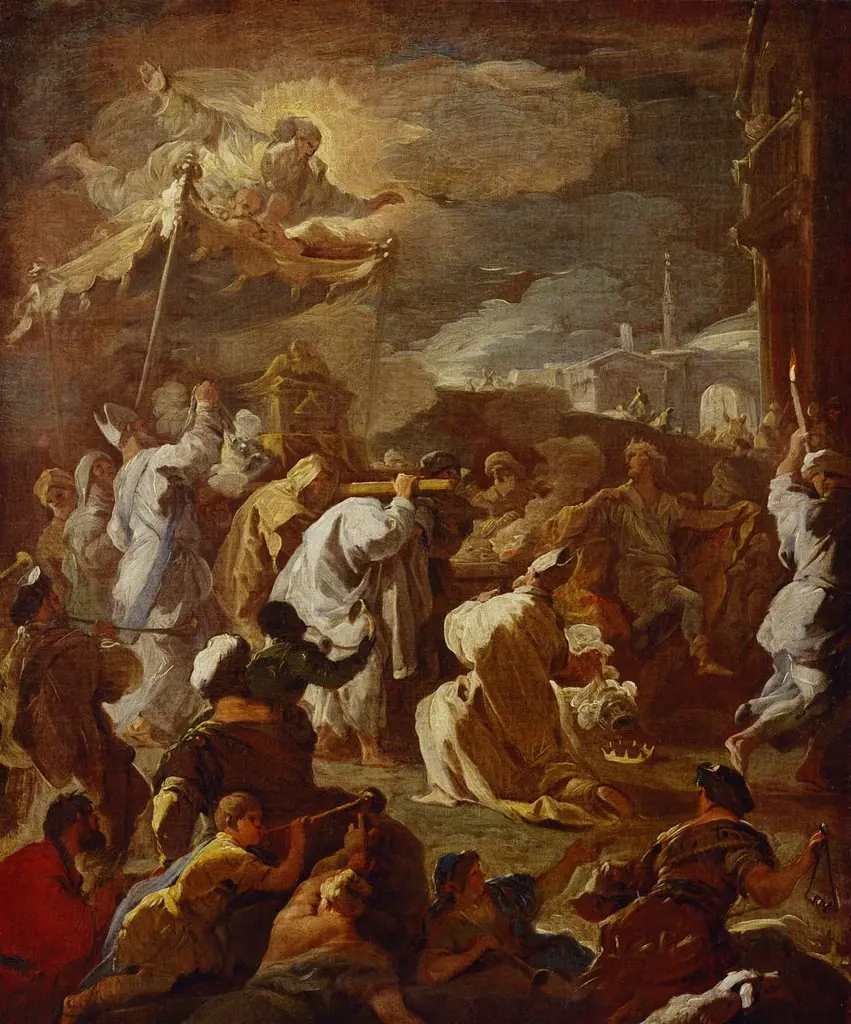 Transfer of the Ark of the Covenant by David
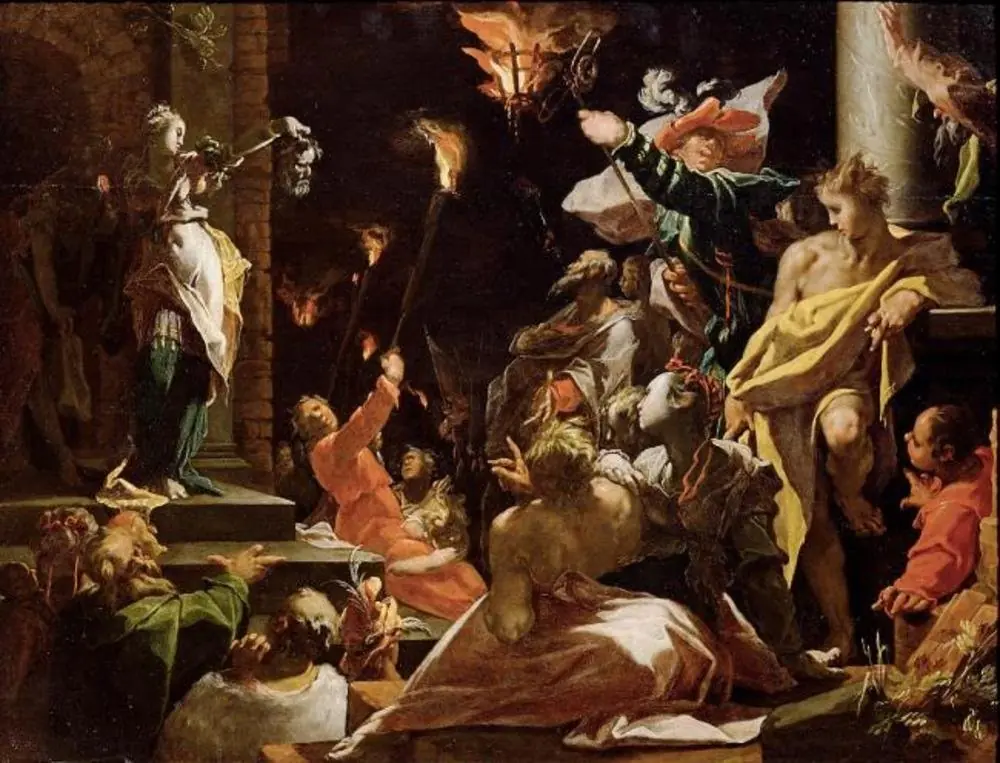 Judith shows Holofernes's head to the people (Judith 19)
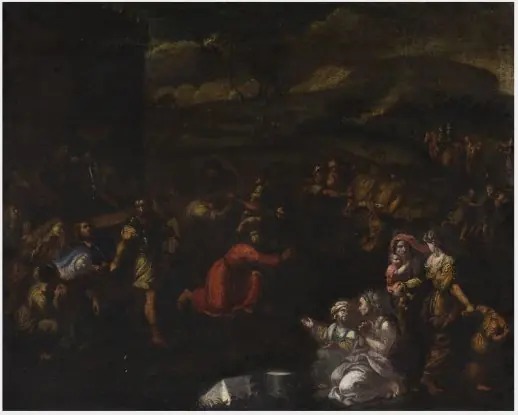 The Way to Calvary
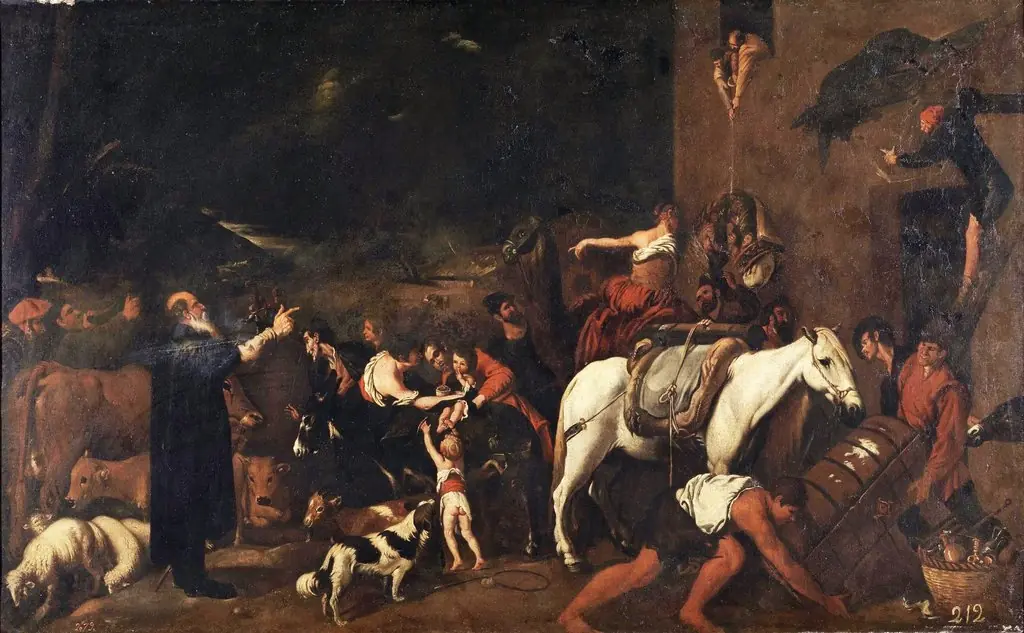 Partida de Jacob con sus rebaños
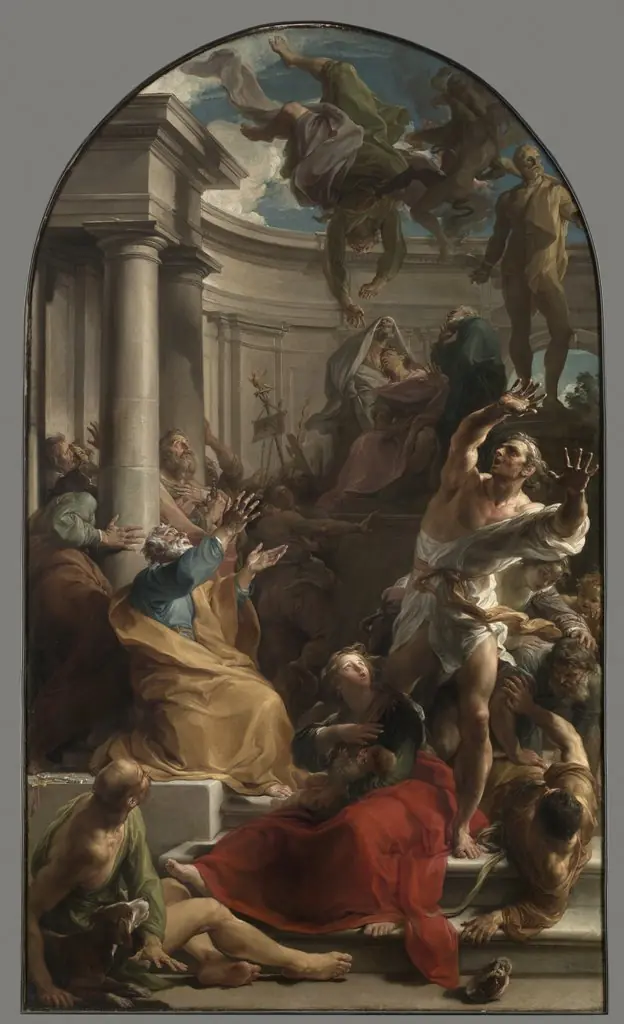 The Fall of Simon Magus
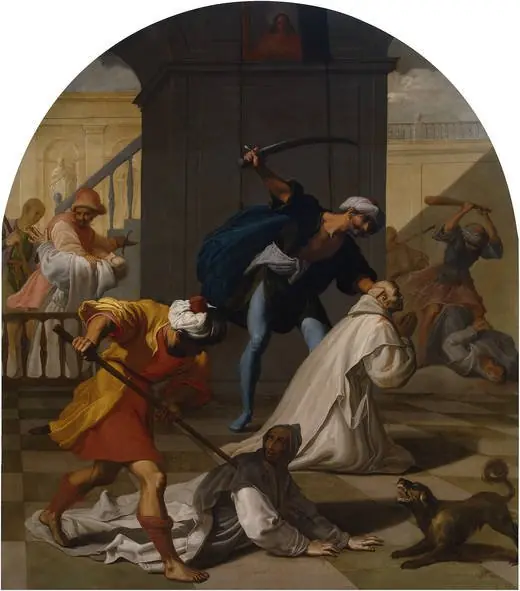 The Martyrdom of the Mauerbach Carthusians
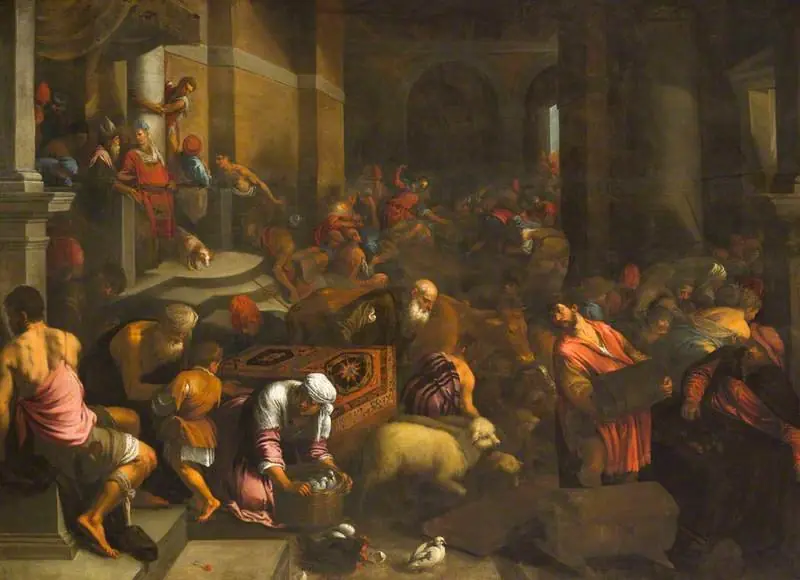 Christ Driving the Money-changers from the Temple
 The Fall of Simon Magus
 The miracles of Saint Benedict
- Two saints preaching