Artwork
Woman at Her Toilette
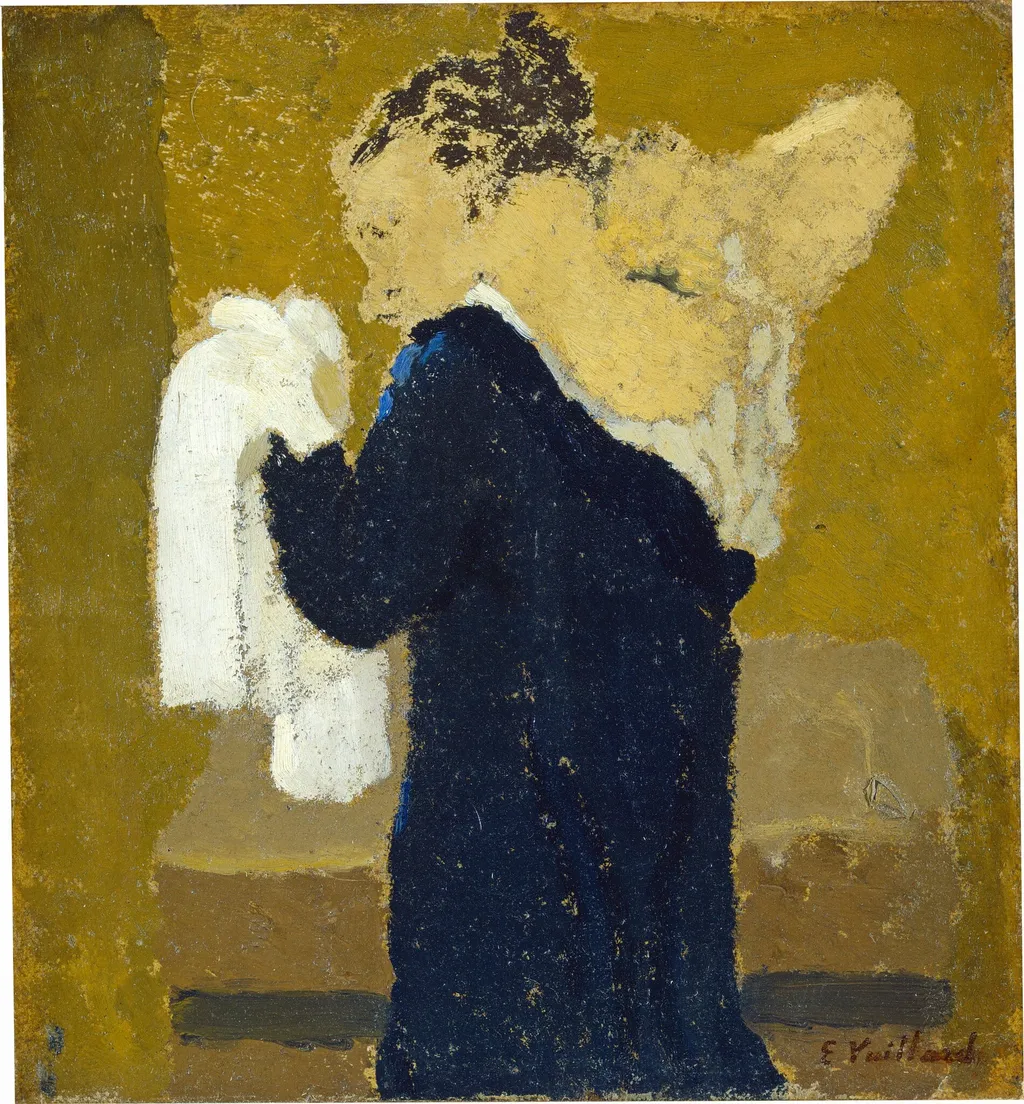
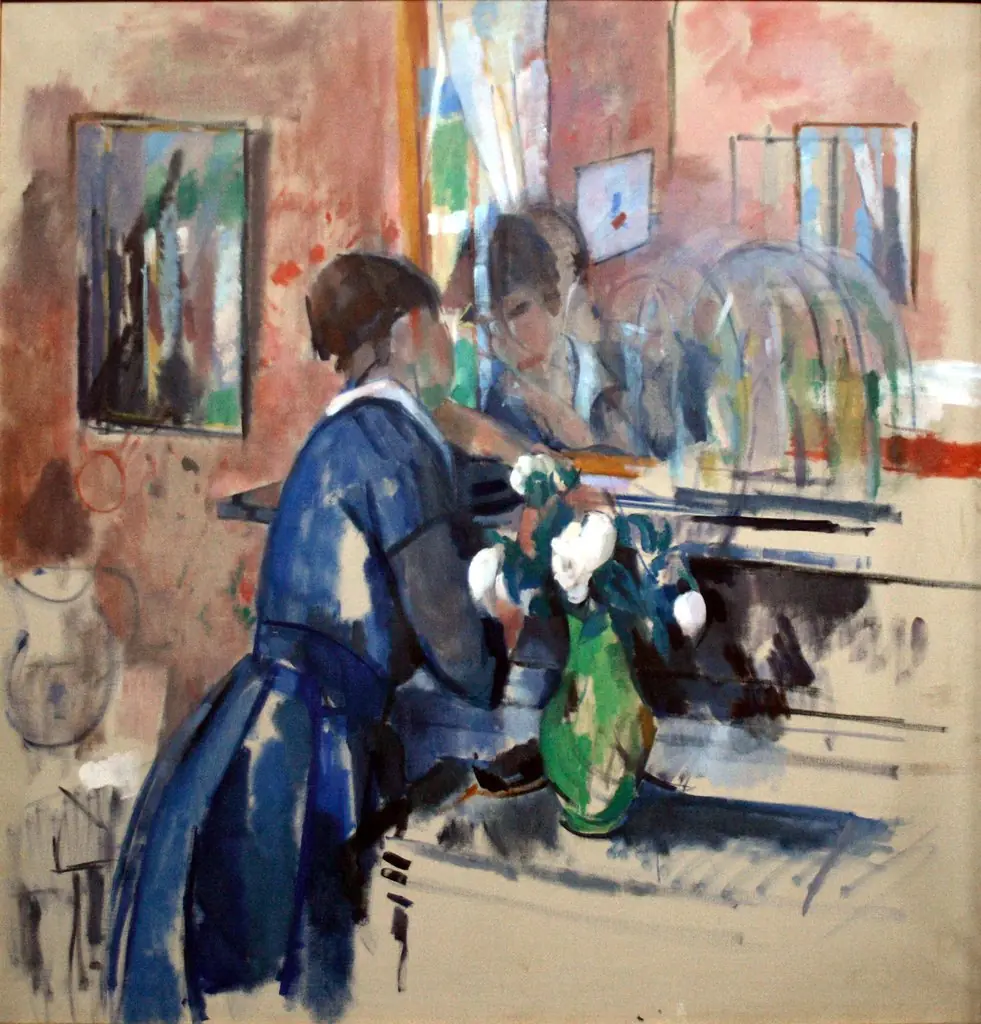
Woman at Her Toilette is an oil painting by the Impressionist artist Édouard Vuillard. It dates from 1891 and is held in the collection of the National Gallery of Art. Created circa 1891, this oil painting on cardboard presents a solitary woman engaged in a personal routine.
- Inscription
- Inscribed:lower right with atelier stamp: E Vuillard
About this work
Technique & Style
These formal qualities align with the intimate domestic scenes for which the artist is noted, combining flattened perspective with intricate decorative detail.
Vuillard employed oil on cardboard to create Woman at Her Toilette, a work distinguished by its intimate interior composition and richly patterned surfaces. The painting depicts a woman seated before a vanity, surrounded by decorative textiles and a cluttered yet carefully arranged space, rendered with soft brushwork and a muted palette that emphasizes tactile textures and subtle tonal harmonies. The surface retains its original cardboard support, showing no significant degradation, and the handling characteristics reflect Vuillard's practice of working on unconventional grounds, lending the piece a slightly matte finish with delicate layering.
These formal qualities align with the intimate domestic scenes for which the artist is noted, combining flattened perspective with intricate decorative detail.
History & Provenance
Edouard Vuillard created the oil painting Woman at Her Toilette in 1891 on cardboard. The work originated in the artist's own studio before entering the trade through Paul Pétridès of Paris around 1947. By 1952, it was in the possession of Captain Edward H. Molyneux in Paris.
Molyneux sold the piece on August 15, 1955, to Ailsa Mellon Bruce of New York. Upon her death in 1969, the painting was bequeathed to the National Gallery of Art in Washington, D.C., where it arrived in 1970.
Edouard Vuillard's Woman at Her Toilette (1891) is held in the collection of the National Gallery of Art in Washington, D.C. The work entered the museum's holdings in 1970 as a bequest from Ailsa Mellon Bruce, following her purchase of the painting at an auction in August 1955. Prior to its acquisition by Bruce, the painting was owned by Capt. Edward H. Molyneux of Paris and passed through the hands of the dealer Paul Pétridès around 1947. The artwork originated in the artist's own atelier before entering the commercial market. The provided sources do not list any specific exhibition history for this work.
Overview
Created circa 1891, this oil painting on cardboard presents a solitary woman engaged in a personal routine. The composition captures a quiet interior, with the figure positioned before a muted brown surface and a warm yellow wall, rendered in a palette of earthy tones.
Subject & Meaning
The work portrays a woman in a dark blue dress, her hair gathered up, holding a white cloth as she prepares herself. The scene offers a glimpse into everyday domestic life, emphasizing the intimacy of private moments within a modest setting.
Context
The piece belongs to the Post‑Impressionist era, a period when artists sought new visual languages beyond naturalistic representation. Vuillard’s focus on pattern, color, and the decorative qualities of everyday objects aligns with the Nabis’ aim to integrate art into daily life.
Own this work as a print
Artist & collection
Artist
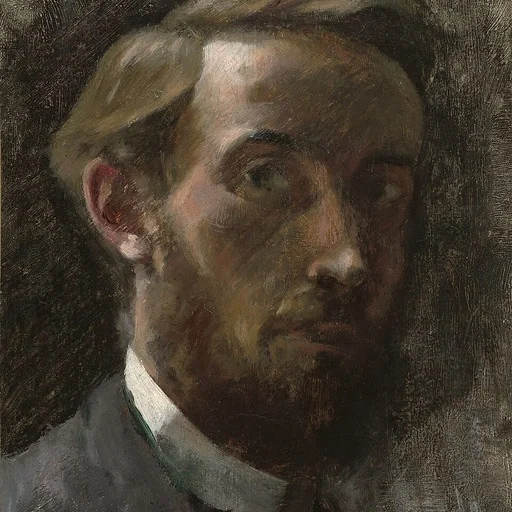
Jean-Édouard Vuillard (French:; 11 November 1868 – 21 June 1940) was a French painter, decorative artist, and printmaker.

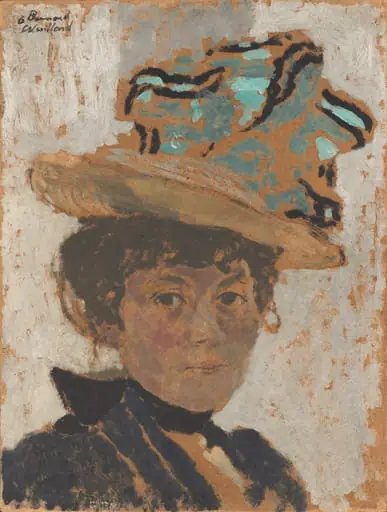
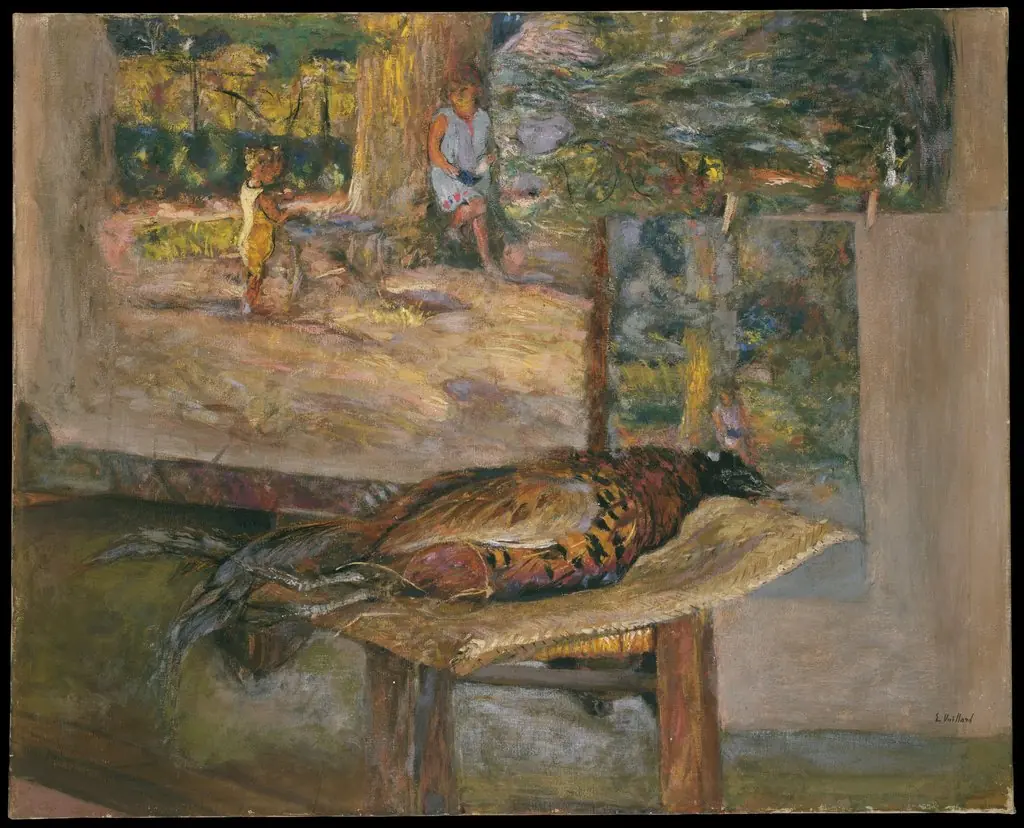
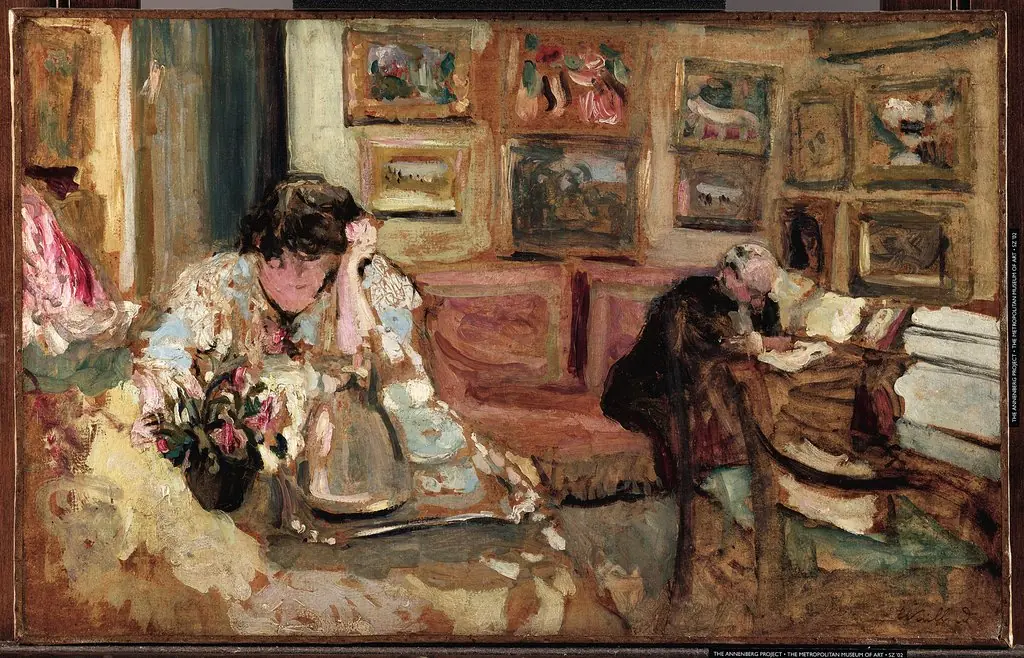
- Woman in Black
 Easter Monday-Hélène Daurmont
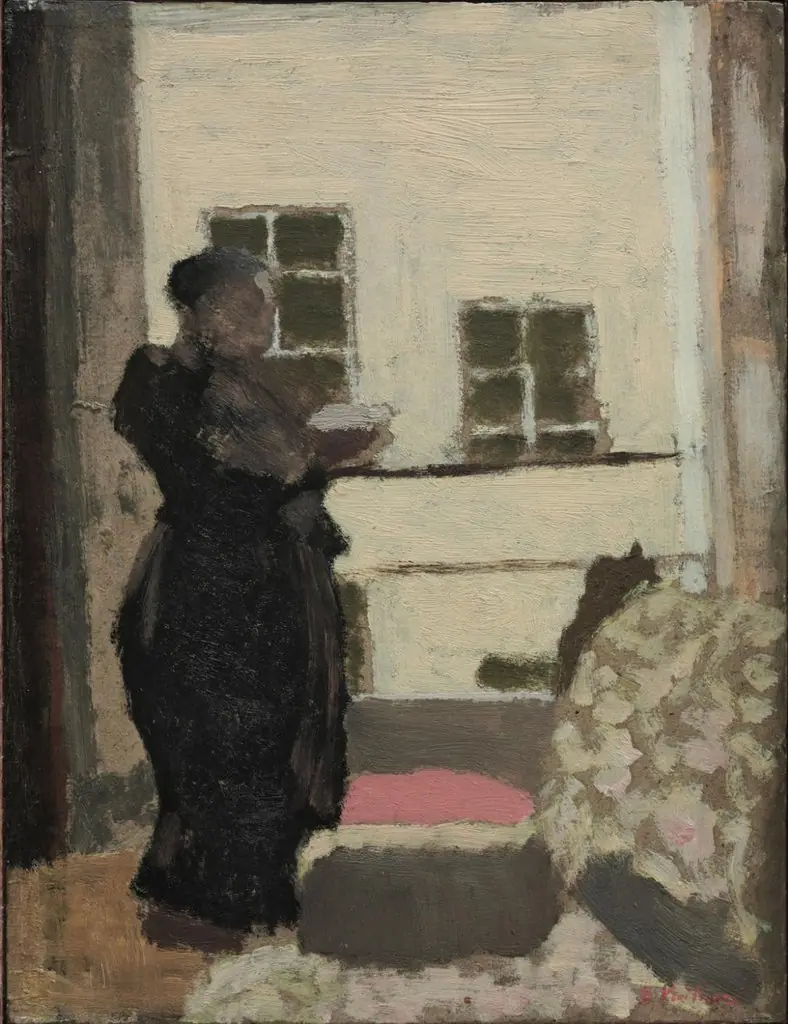 Madame Vuillard Standing, Reading by a Window
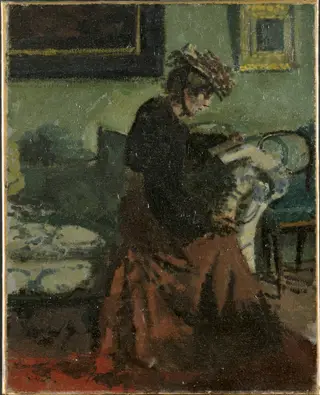 Easter Monday-Hélène Daurmont
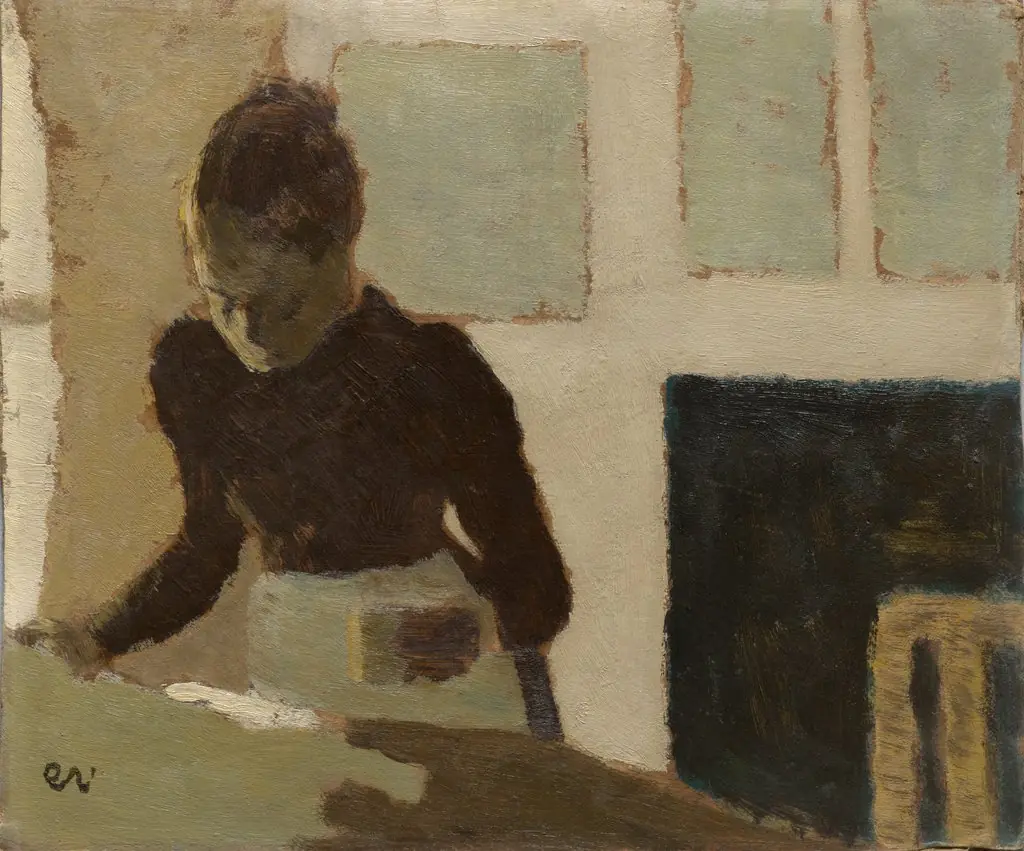 Woman Ironing
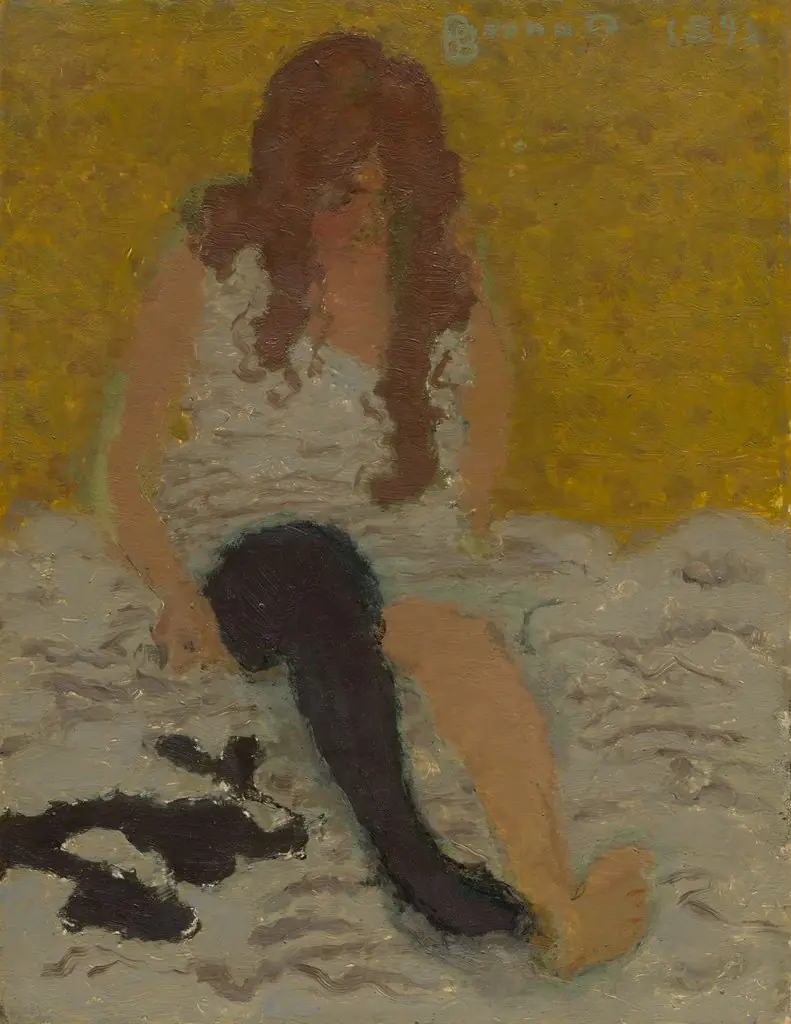 Woman Putting on Her Stockings
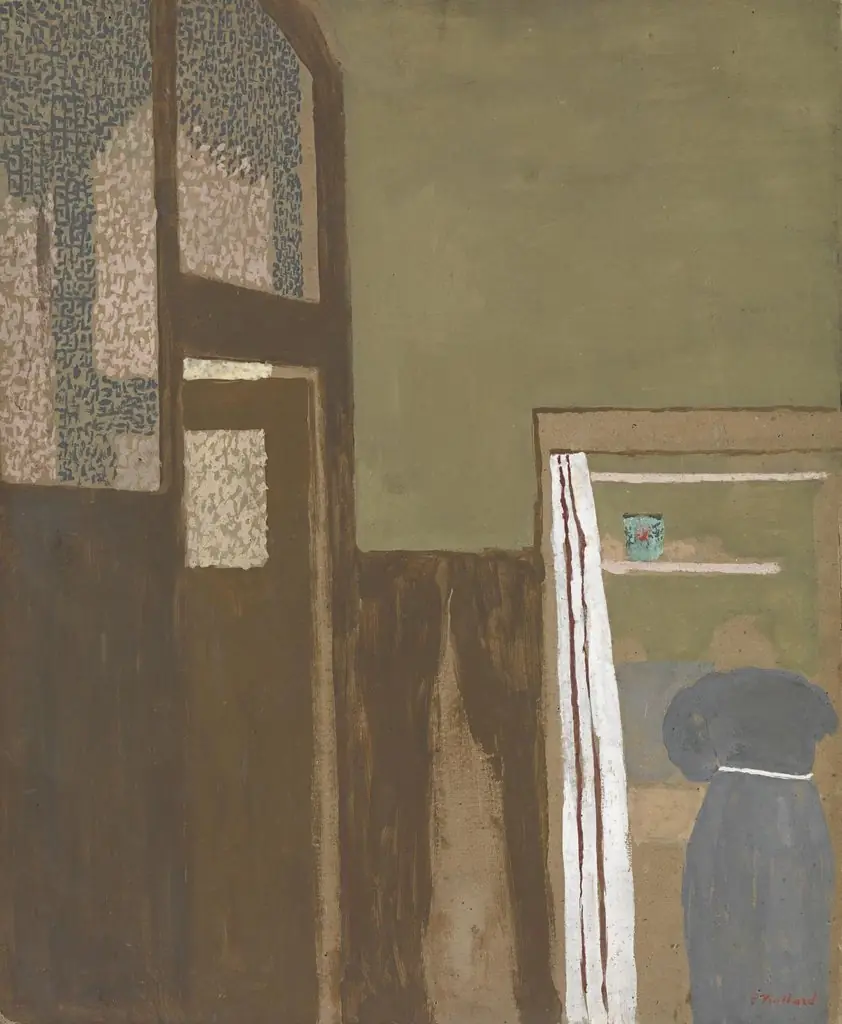 The doors
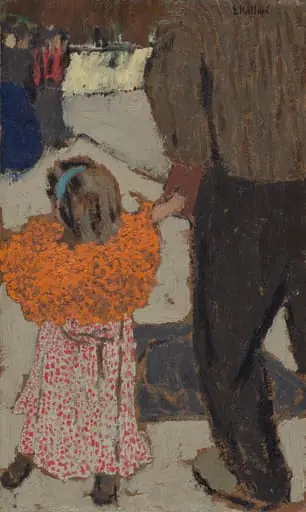 Child Wearing a Red Scarf
 The Wooden Shoes
![Deux ouvrières dans l'atelier de couture [Two Seamstresses in the Workroom], by Édouard Vuillard](https://artifactworldgallery.com/img/edouard-vuillard--deux-ouvrieres-dans-l-atelier-de-couture-two-seamstresses-in--d135163f01e97c9f-w320.webp) Deux ouvrières dans l'atelier de couture [Two Seamstresses in the Workroom]
Deux ouvrières dans l'atelier de couture [Two Seamstresses in the Workroom] Două țărănci
 Lady in blue in front of a mirror