Artwork
清 王翬、王時敏 仿古山水圖 冊|Landscapes after old masters
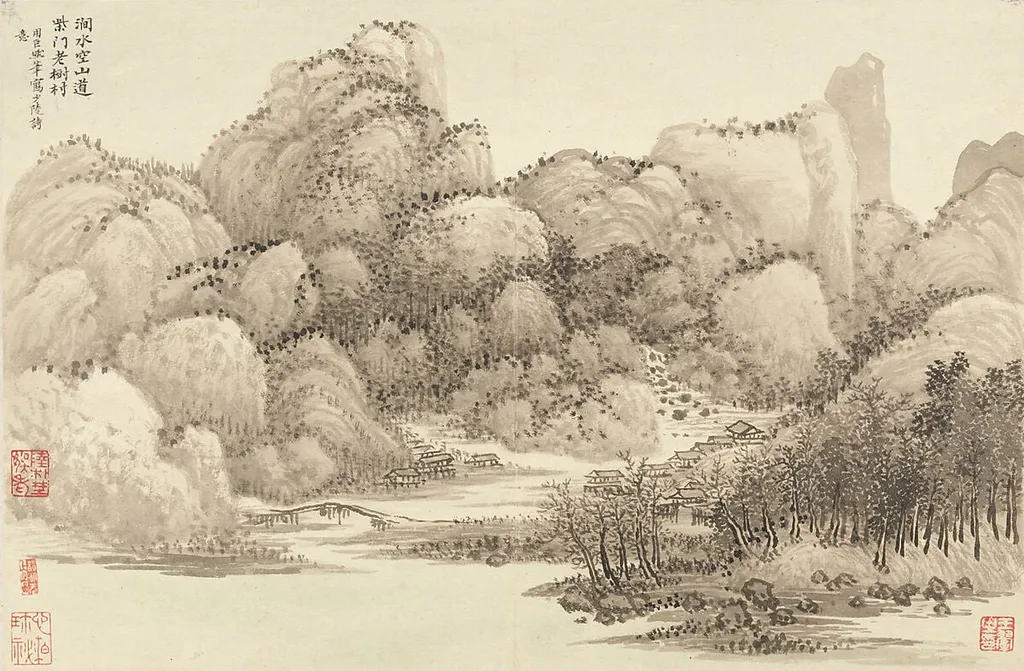
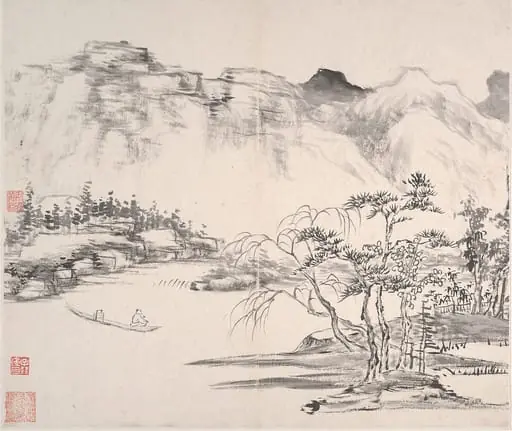
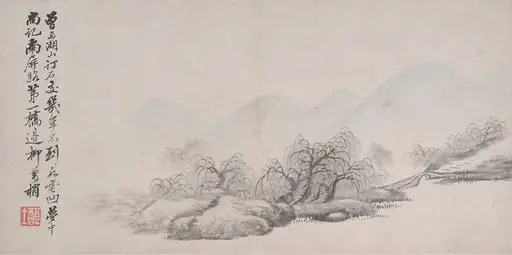
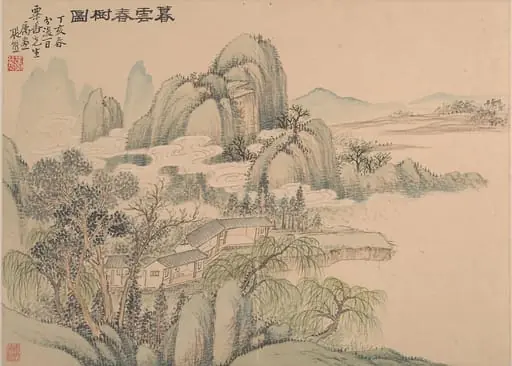
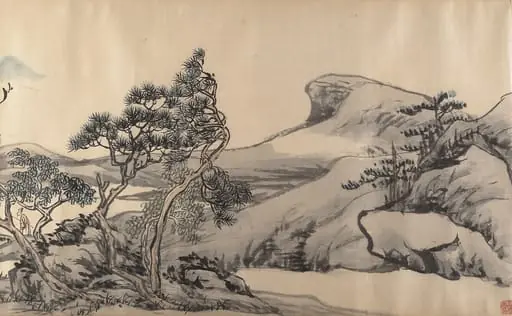
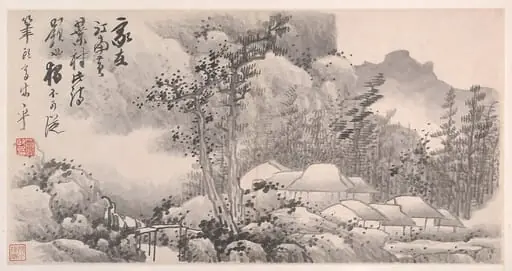
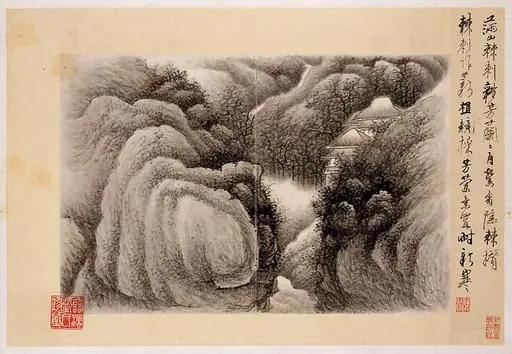
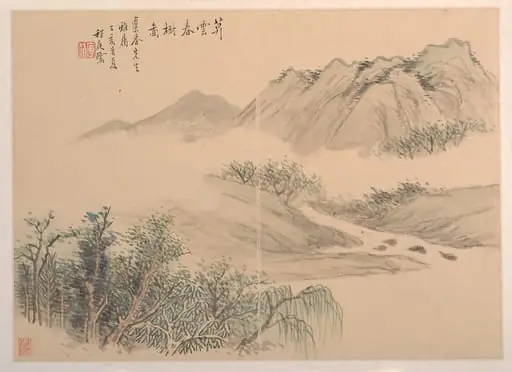
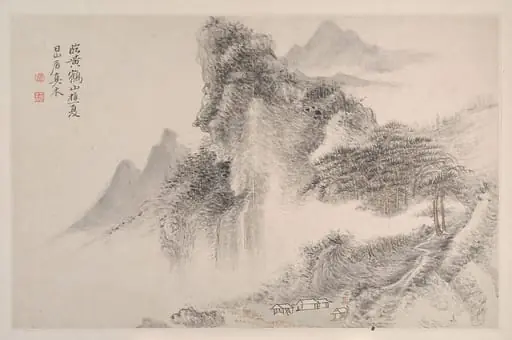
清 王翬、王時敏 仿古山水圖 冊|Landscapes after old masters is an ink painting by the Baroque artist Wang Hui. It dates from 1674 and is held in the collection of the Metropolitan Museum of Art.
About this work
Technique & Style
The formal composition emphasizes balanced vertical registers and a restrained palette, characteristic of Qing‑era landscape painting.
The work is presented as a twelve‑leaf album, each leaf painted in ink with subtle color washes on paper; the medium identified in the catalogue is ink and color on paper. The album was produced in China in 1675, measuring approximately 25.4 × 33 cm, and is housed in the Metropolitan Museum of Art. Its support consists of individual paper leaves bound together, a format typical of Chinese hand‑scroll albums, and the handling reflects careful preservation of each leaf.
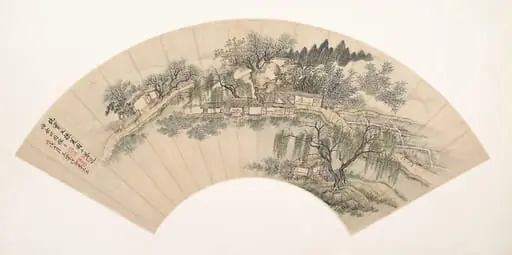
The painting depicts a mountain landscape, rendered in a style that imitates earlier masters, employing delicate brushwork and layered ink tones to achieve atmospheric depth. The formal composition emphasizes balanced vertical registers and a restrained palette, characteristic of Qing‑era landscape painting.
History & Provenance
The album of twelve leaves, titled Landscapes after old masters, was created in 1675 in China by the artist Wang Hui. The work consists of ink and color on paper, depicting mountain landscapes in the genre of landscape painting. While the title suggests collaboration with Wang Shimin, the provided records attribute the creation primarily to Wang Hui.
The physical dimensions of the album are 25.4 cm in height and 33 cm in width. Currently, the album is held in the collection of the Metropolitan Museum of Art, where it is cataloged under the accession number 1989.141.4a–rr. The specific circumstances regarding the original commission or the detailed chain of ownership prior to its acquisition by the museum are not detailed in the available records, though the work's inception is firmly dated to the year 1675.
Context
The album, titled "Landscapes after old masters," comprises twelve leaves of ink and color on paper depicting a mountain scene, reflecting the Qing practice of rendering familiar subjects in the style of earlier masters; its creation in 1675 is documented in the Metropolitan Museum of Art collection, where it is catalogued as a landscape painting of Chinese origin, measuring 25.4 × 33 cm, and its composition and genre have been noted by scholars as exemplars of the period’s antiquarian aesthetic.
Overview
This album, titled Landscapes after Old Masters, comprises twelve individual leaves created by Wang Hui and Wang Shimin in 1674. Executed with ink and color on paper, these paintings present various mountain scenes. Each leaf contributes to a collection that reflects a deep engagement with historical artistic traditions, rather than direct observation of nature.
Subject & Meaning
The album features a series of tranquil mountain landscapes, characterized by misty peaks, winding rivers, and small human figures traversing paths. These depictions are not direct representations of specific locations. Instead, the artists engaged in fanggu, a practice of emulating the styles of revered masters from past centuries, thereby expressing their artistic lineage and reverence for tradition.
Artist & collection


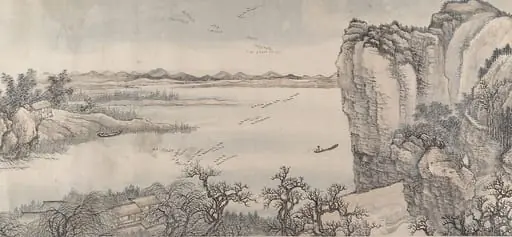 清 王翬 倣巨然燕文貴山水圖 卷|Landscape in the Style of Juran and Yan Wengui
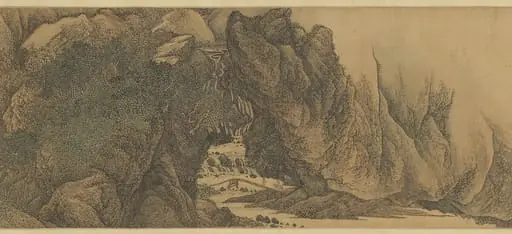 清 王翬 太行山色圖 卷|The Colors of Mount Taihang
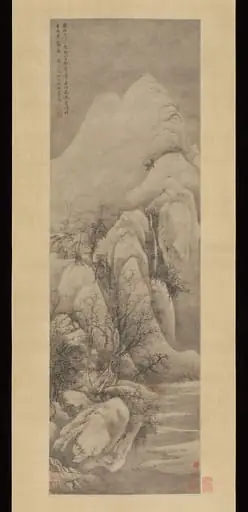 清 王翬 倣李成雪霽圖 軸|Snow Clearing: Landscape after Li Cheng
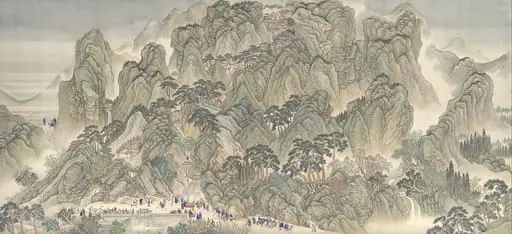 清 王翬等 康熙南巡圖 (卷三: 濟南至泰山) 卷|The Kangxi Emperor's Southern Inspection Tour, Scroll Three: Ji'nan to Mount Tai
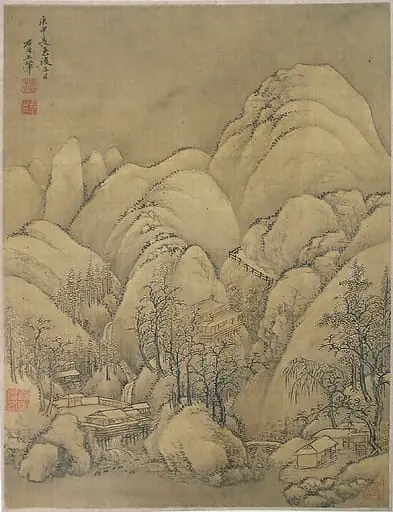 清 佚名 倣王翬 倣李成山水圖 軸|Landscape after Li Cheng
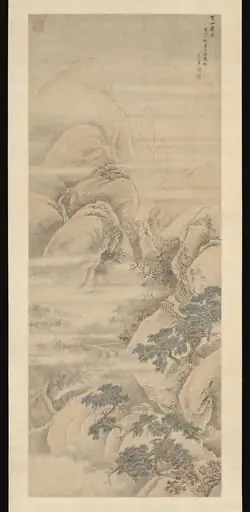 清 (傳)王翬 雪景山水圖 軸|Snowscape
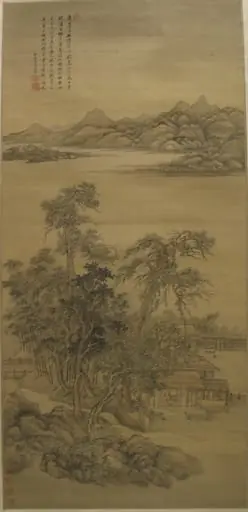 清 佚名 倣王翬 倣李公麟草堂圖 軸|Landscape in the Style of Li Gonglin
 清 佚名 倣王翬 倣仇實父採菱圖 扇|Gathering Water Chestnuts