Artwork
Twin Purities of Bamboo and Plum Blossom

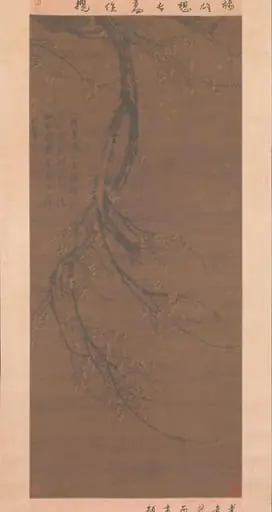
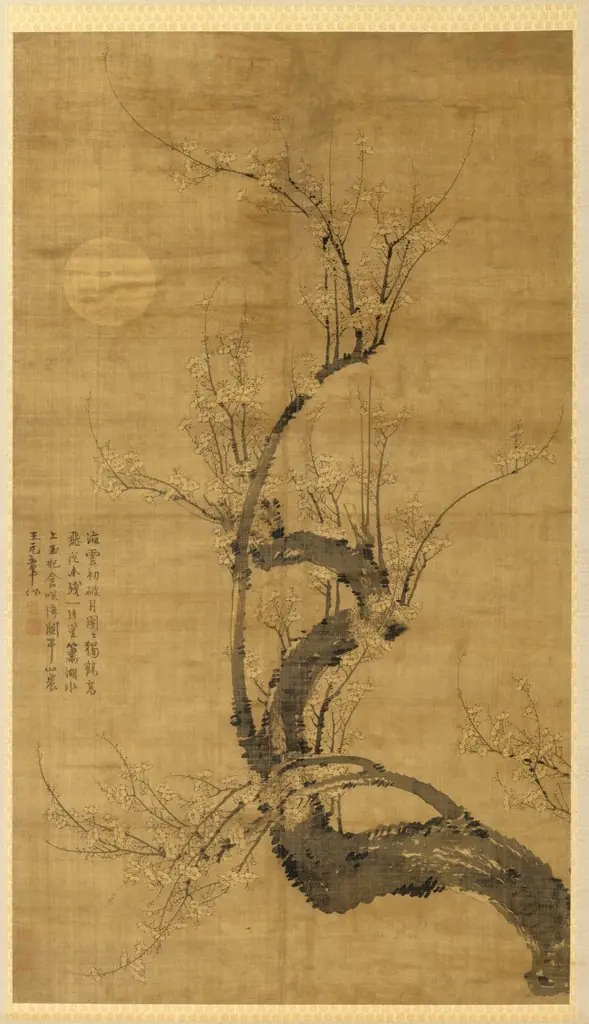
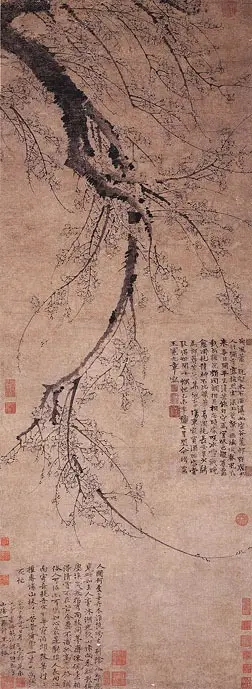
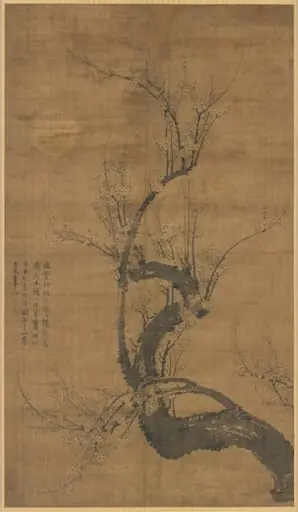
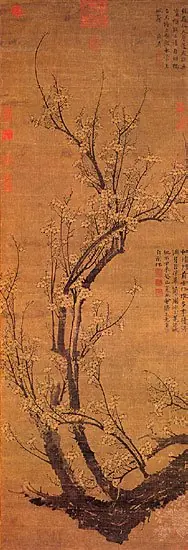
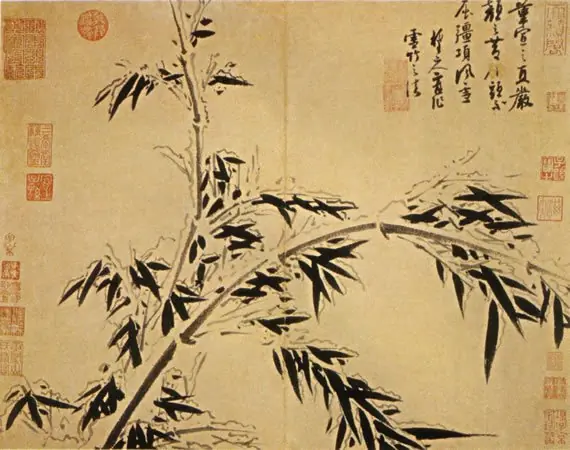
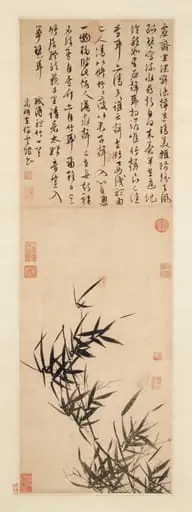
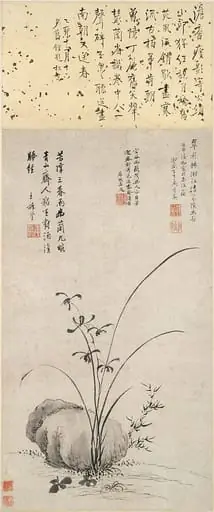
Twin Purities of Bamboo and Plum Blossom is an unspecified painting by the Yōga artist Wang Mian. It dates from 1350 and is held in the collection of the National Palace Museum.
About this work
Overview
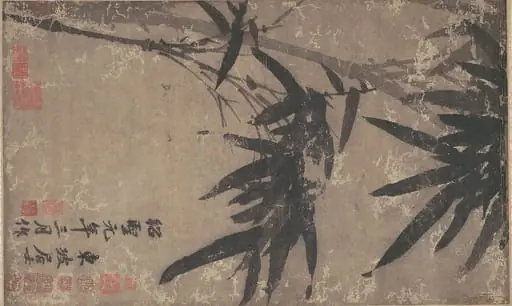
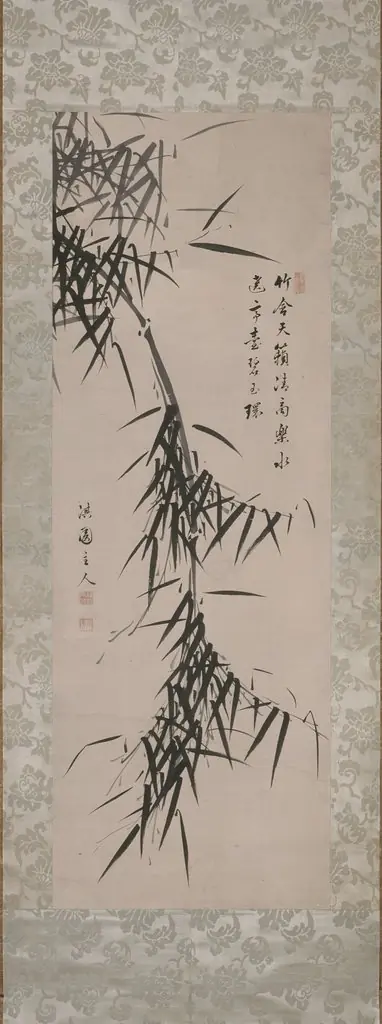
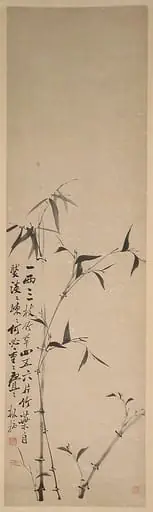
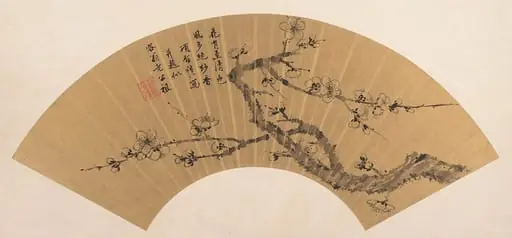
Created circa 1350, Twin Purities of Bamboo and Plum Blossom is a monochrome ink painting that brings together two emblematic botanical subjects. The composition balances slender bamboo shoots with the delicate blossoms of the plum, arranging them in a tranquil setting that emphasizes simplicity and natural elegance. The work exemplifies the restrained aesthetic of late‑Yuan literati painting.
Subject & Meaning
Bamboo and plum blossom have long served as symbols of resilience and purity in Chinese culture; the former represents uprightness and flexibility, while the latter signifies renewal and perseverance through winter. By pairing these motifs, the artist invokes a moral allegory that celebrates inner virtue and the quiet strength of nature, inviting contemplation rather than narrative drama.
Technique & Style
Executed in the so‑called yoga brushwork, the painting relies on bold, flowing ink strokes to outline the stems and branches, while delicate washes of tone provide subtle gradations of light. Minimal shading creates a sense of volume without overt detailing, allowing the forms to appear both schematic and lifelike. The restrained palette and soft background enhance the meditative atmosphere.
History & Provenance
The piece is attributed to Wang Mian, a noted Yuan‑period painter and poet renowned for his plum blossom studies. It entered the collection of the National Palace Museum, where it remains part of the institution’s holdings of Chinese ink painting. Its provenance traces back to the artist’s workshop, reflecting the transmission of literati aesthetics across centuries.
Artist & collection

Artist
Wang Mian (Chinese: 王冕; pinyin: Wáng Miǎn; Wade–Giles: Wang Mien; 1287–1359), courtesy name Yuanzhang (元章), also known as Zhushi Shannong, was a Chinese painter and poet active during the Yuan dynasty.