Artwork
Composition VI
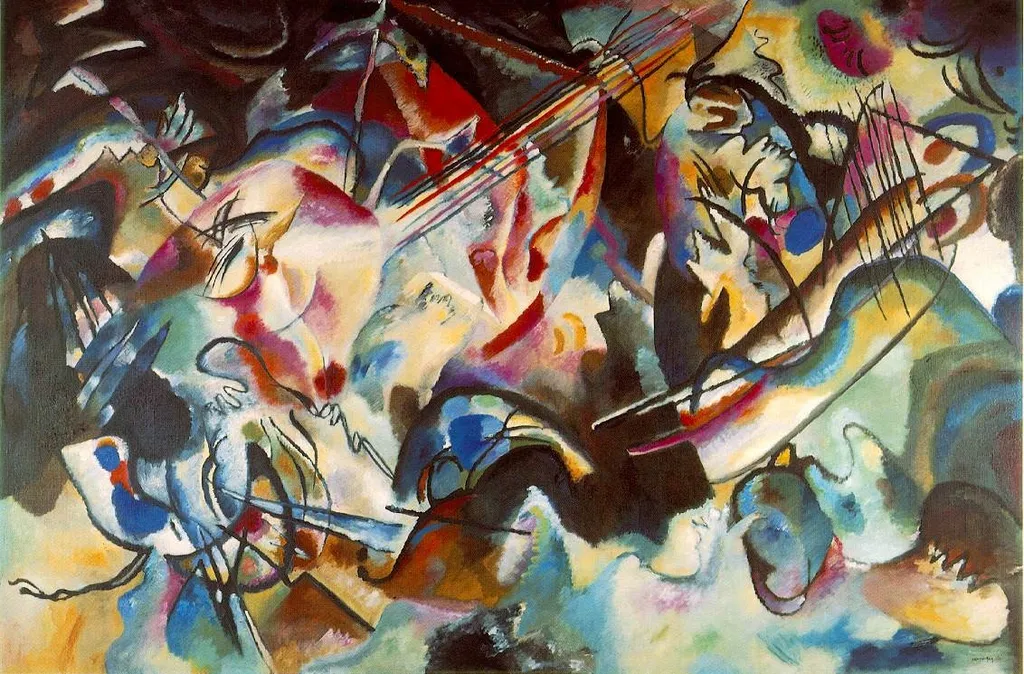
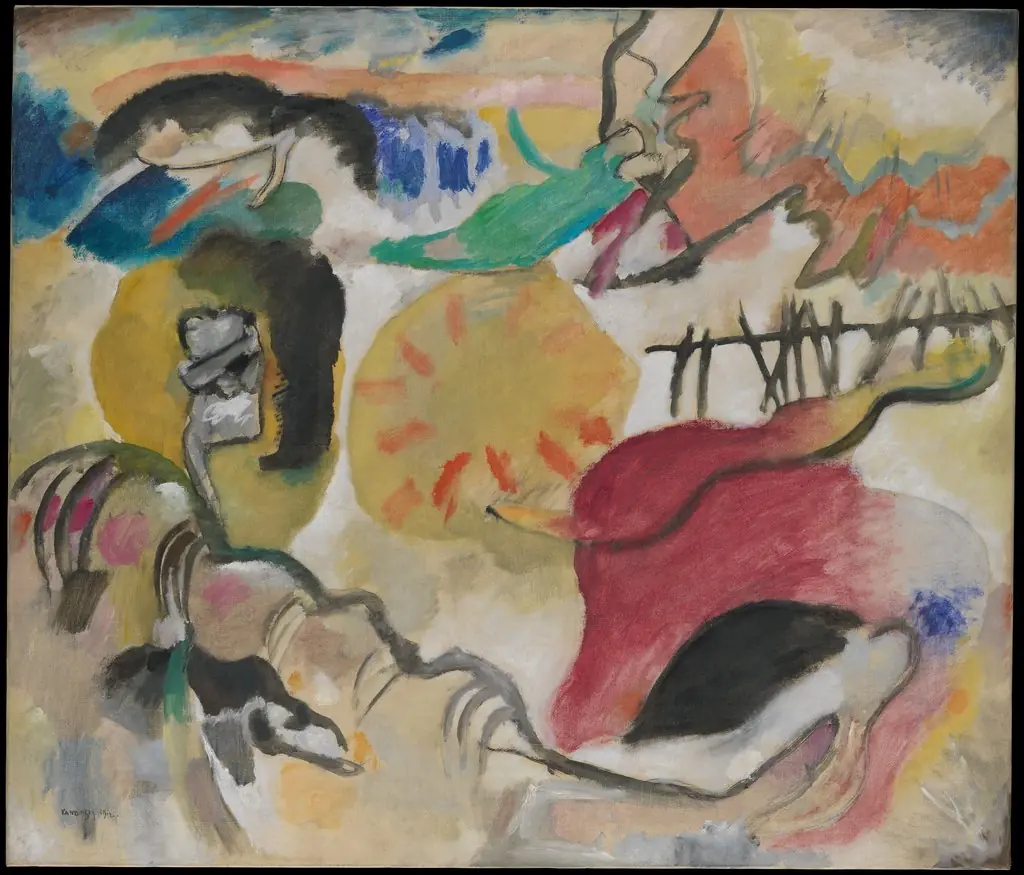
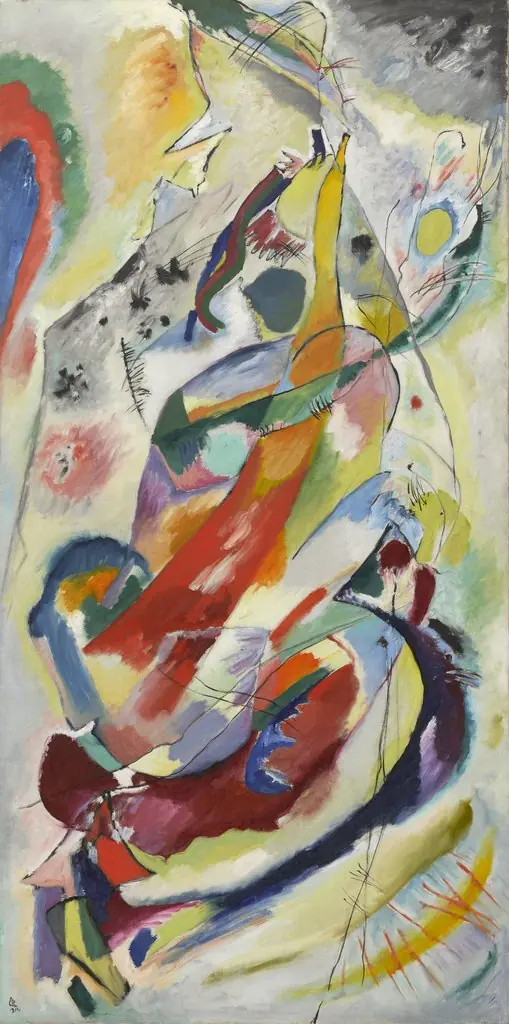
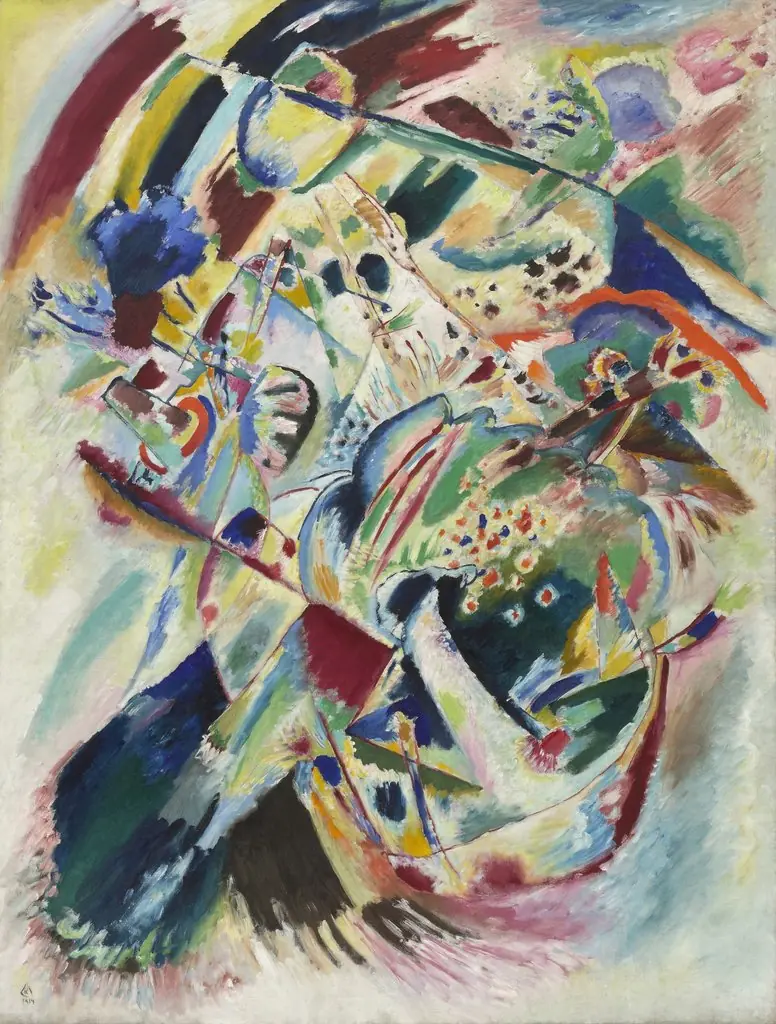
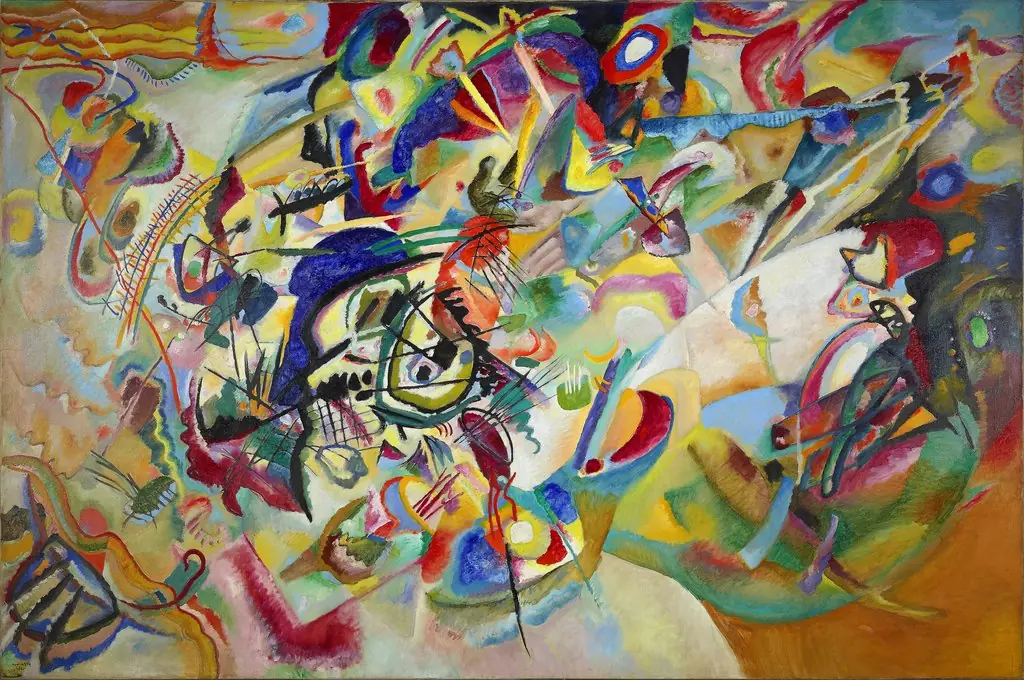
Composition VI is an oil painting by the Abstract Expressionist artist Wassily Kandinsky. It dates from 1913 and is held in the collection of the Hermitage Museum.
About this work
The work is part of the collection at the State Hermitage Museum in Saint Petersburg.
Composition VI is an abstract oil painting by Wassily Kandinsky, created in 1913. It was made with oil paint on canvas.
The work is part of the collection at the State Hermitage Museum in Saint Petersburg. Kandinsky was a Russian artist working in the early 20th century. The museum acquired the painting shortly after it was completed. It remains on display for visitors interested in early abstract art.
If you like this piece, look up the State Hermitage Museum.
Overview
Painted in 1913, Composition VI is an abstract oil on canvas by Russian artist Wassily Kandinsky. Created over eight months following 24 preparatory studies, the work was completed in just three days after a pivotal shift in approach. It resides in the State Hermitage Museum in Saint Petersburg, where it has been held since shortly after its completion.
Subject & Meaning
Kandinsky sought to express themes of deluge, spiritual cleansing, and renewal through non-representational forms. Rather than illustrating a literal scene, he aimed to evoke the emotional resonance of catastrophe and rebirth. The title and his engagement with the German word 'Überflut' guided his abstraction, translating linguistic and sonic impressions into visual rhythm.
Technique & Style
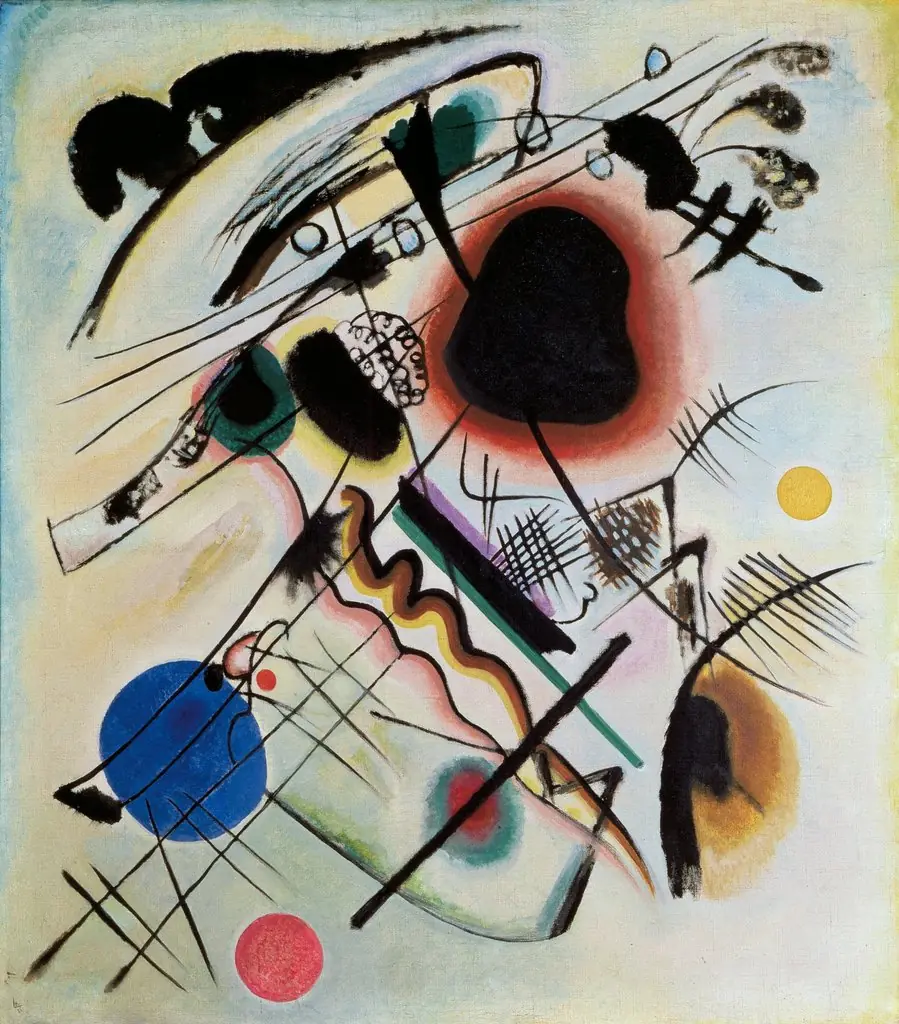
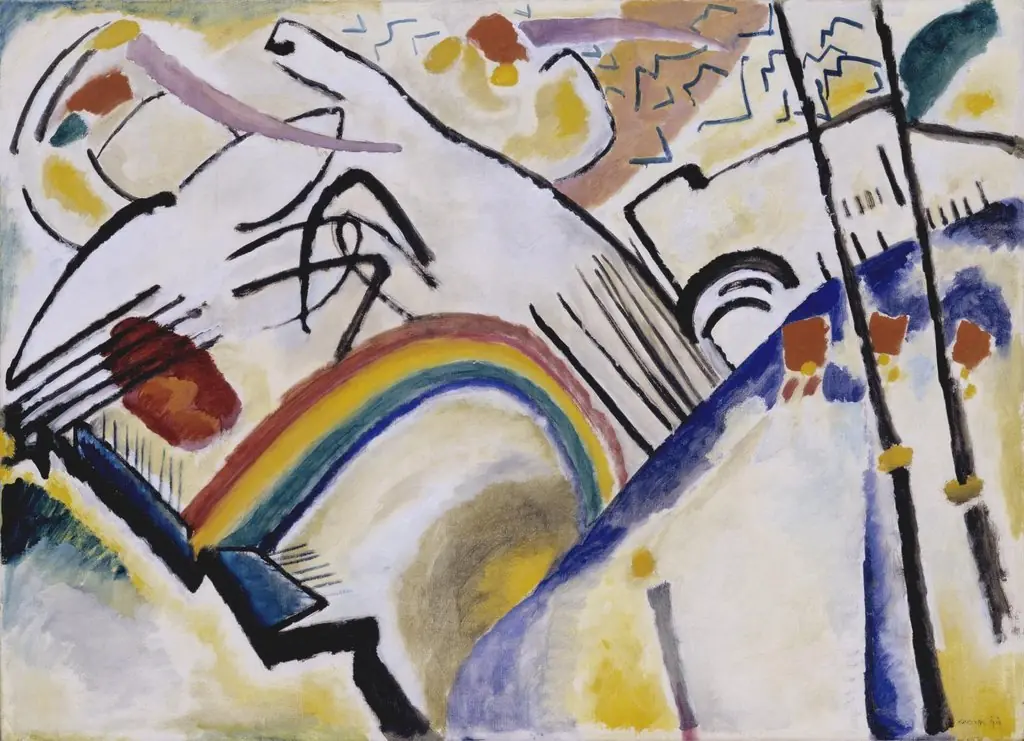
The painting abandons figuration in favor of dynamic lines, overlapping shapes, and layered color fields. Kandinsky employed bold contrasts and fluid brushwork to generate movement and tension. His use of oil allowed for both transparency and density, enabling complex visual harmonies that prioritize emotional impact over recognizable imagery.
History & Provenance
Completed in late 1913, the work was acquired by the Hermitage Museum soon after its finish. Kandinsky’s partner and assistant, Gabriele Münter, played a key role in its development, encouraging him to abandon preliminary sketches in favor of intuitive expression. The painting has remained in the museum’s collection without interruption since its acquisition.
Context
Created during Kandinsky’s time in Munich, Composition VI emerged alongside broader European movements exploring abstraction and spiritual expression in art. It reflects his theoretical writings on color and form, as well as the influence of contemporary music and mysticism. The work stands as a critical step in the evolution of non-objective painting in the early 20th century.
Legacy
Composition VI is recognized as one of the earliest large-scale abstract compositions to achieve such structural complexity. Its method, prioritizing inner necessity over external representation, influenced subsequent generations of abstract artists. The painting remains a touchstone in discussions of how emotion and sound can be translated into visual language.
Artist & collection
Artist
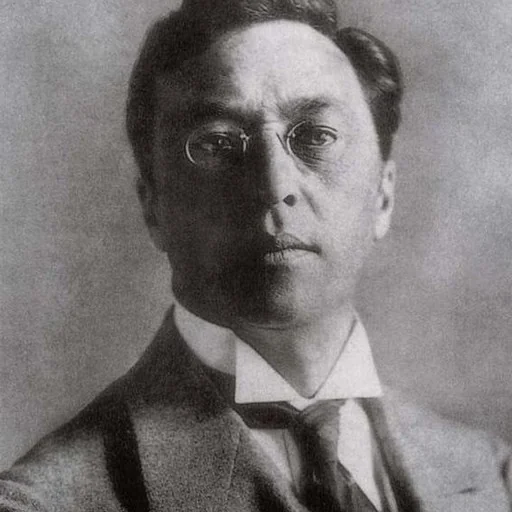
Wassily Wassilyevich Kandinsky (16 December 1866 – 13 December 1944) was a Russian painter and art theorist active in Germany during the late Belle Époque and Interwar eras.