Subject
Violin
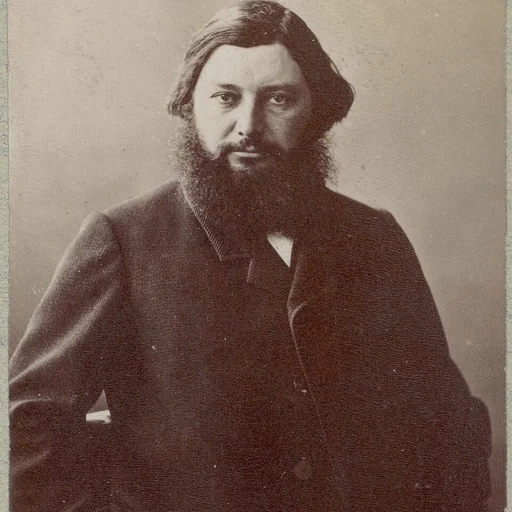
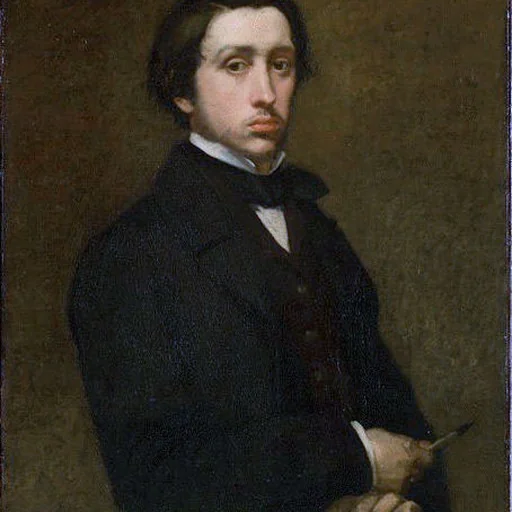
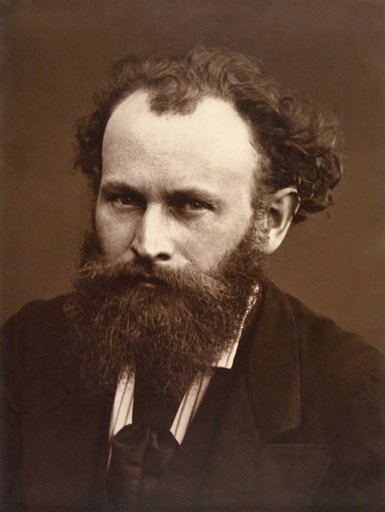
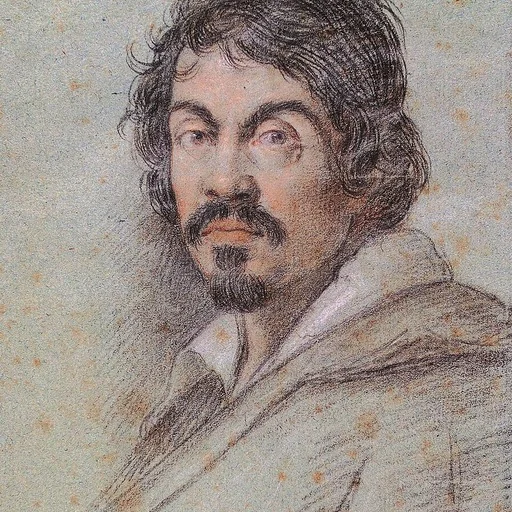
Violin is a subject in art. The gallery holds 96 works in this subject in art, including works by Gustave Courbet, Edgar Degas and Édouard Manet.
The violin took its modern four-string form in northern Italy around 1550, in the closely allied workshops of Brescia and Cremona. Andrea Amati (c. 1511–1580) of Cremona is credited with standardizing the violin, viola, and cello in their classic proportions; a large order placed by Catherine de' Medici around 1560 carried the instrument's prestige across Europe, and the Cremonese line later culminated in Antonio Stradivari (1644–1737). Painters recorded the instrument almost from its birth: a mural by Gaudenzio Ferrari in the sanctuary at Saronno, in Lombardy (c. 1535), is frequently cited as one of the earliest images of a violin-type instrument. From the outset the violin carried meaning beyond its silhouette — an emblem of music, harmony, and the life of the senses.
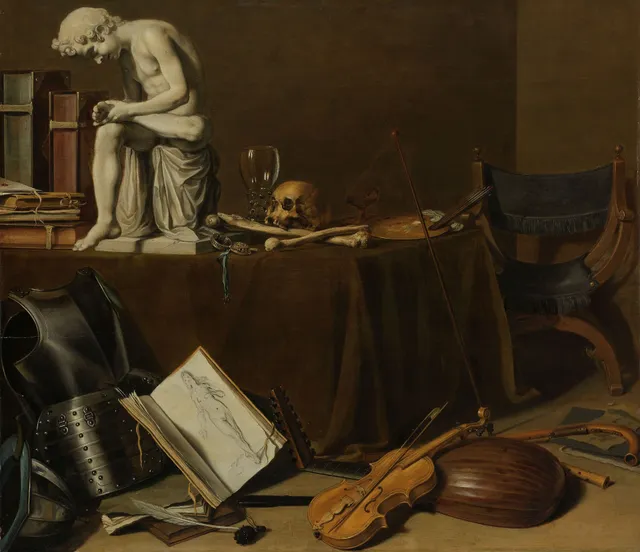
In paint the violin reads instantly: amber varnished wood, a scrolled pegbox, paired f-holes, and a sinuous waist that lets artists exploit both sensuous line and symbolic charge. In Baroque genre and allegory it signified music and love; in Dutch vanitas its silent strings became a memento of transience, pleasure fading like a dying note. Pieter Claesz set a violin among books, armor, a skull, and a plaster Spinario in his *Vanitas Still Life with the Spinario*, cataloguing the learned artist's pursuits as so much worldly vanity. Caravaggio's *The Musicians* (1597, Metropolitan Museum of Art) is not a real concert but an allegory of Music and Love, the violin laid in the foreground implicitly drawing the viewer into the tableau.
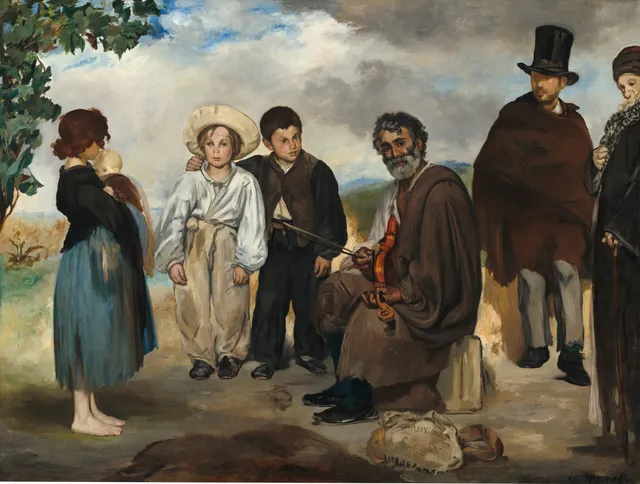
The motif recurs across later European and American art. Édouard Manet placed a fiddler at the heart of *The Old Musician*; Edgar Degas's *The Dancing Class* shows a violinist marking time for ballet students; Renoir's *The Daughters of Catulle Mendès* gathers the girls around piano and violin. In late nineteenth-century America, William Michael Harnett pushed trompe l'oeil to its limit in *Still Life—Violin and Music* (1888, Met), hanging the instrument and torn sheet music for an Irish reel on a shallow painted door.
The violin's pictorial role peaked again in the twentieth century, when Georges Braque and Pablo Picasso made it — alongside the guitar — a signature subject of Analytic and Synthetic Cubism between roughly 1909 and 1914, its f-holes and strings shattered across faceted, overlapping planes. Braque returned to the violin repeatedly even as Picasso drifted toward the guitar, confirming the instrument as one of modern art's most enduring still-life emblems.
Key artists
Works
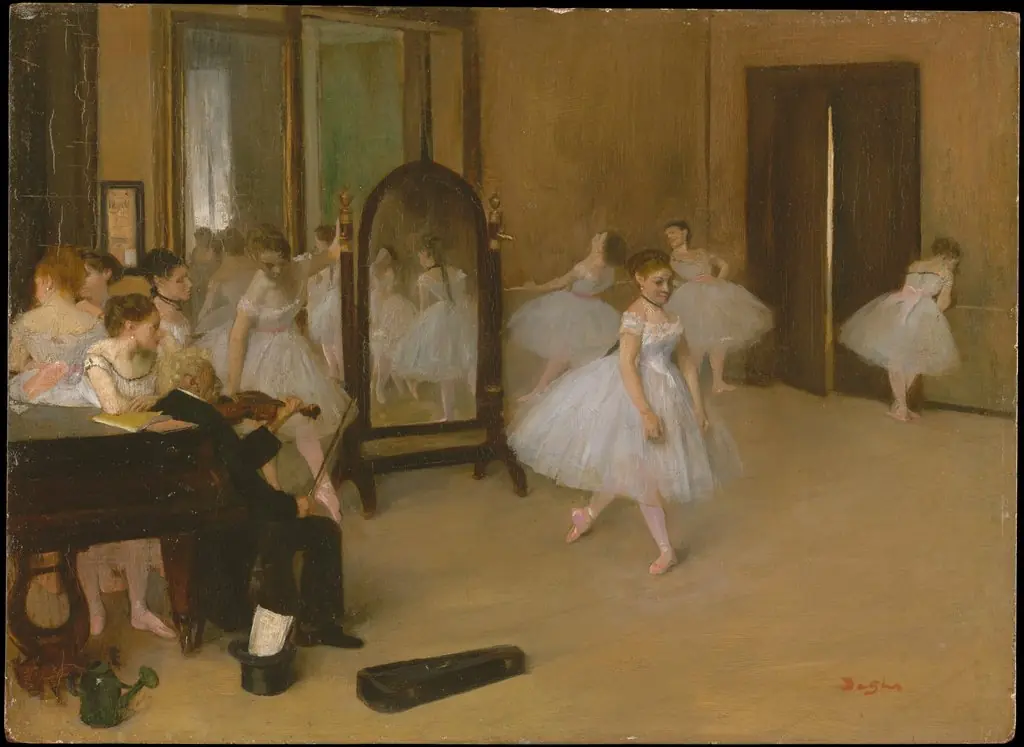 The Dancing Class
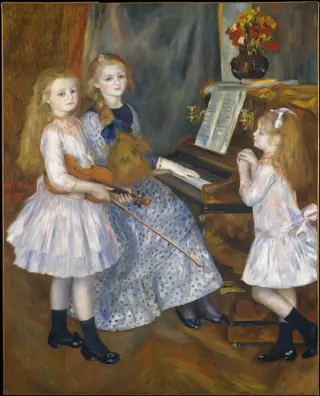 The Daughters of Catulle Mendès
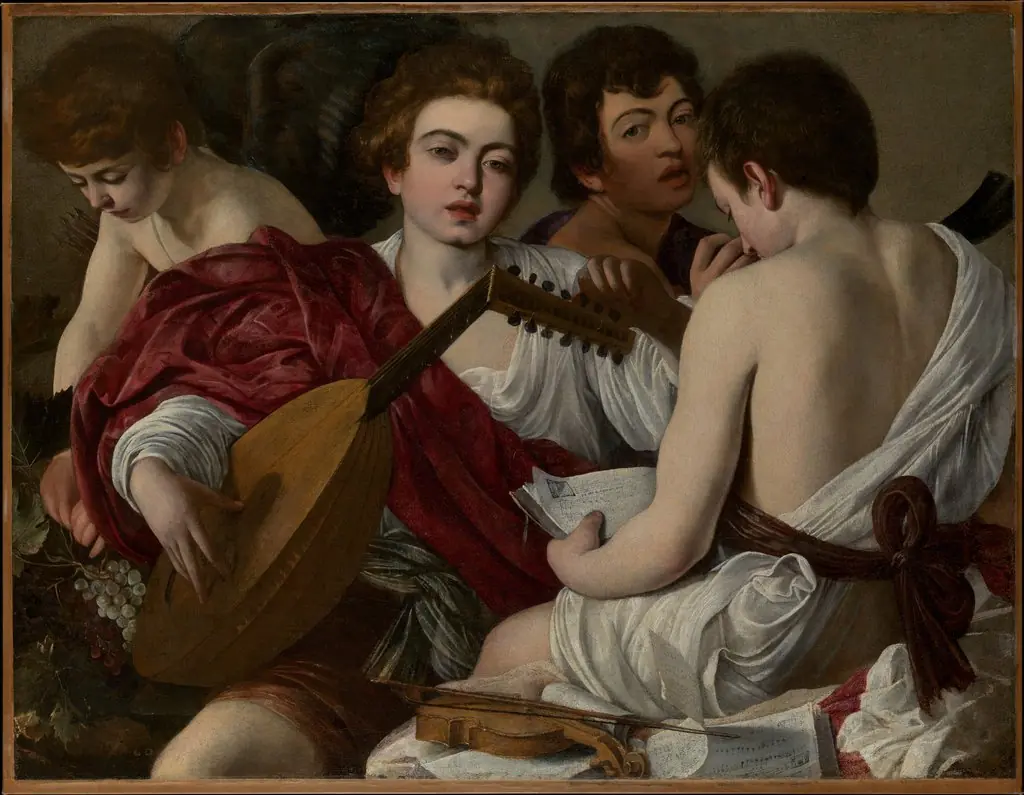 The Musicians
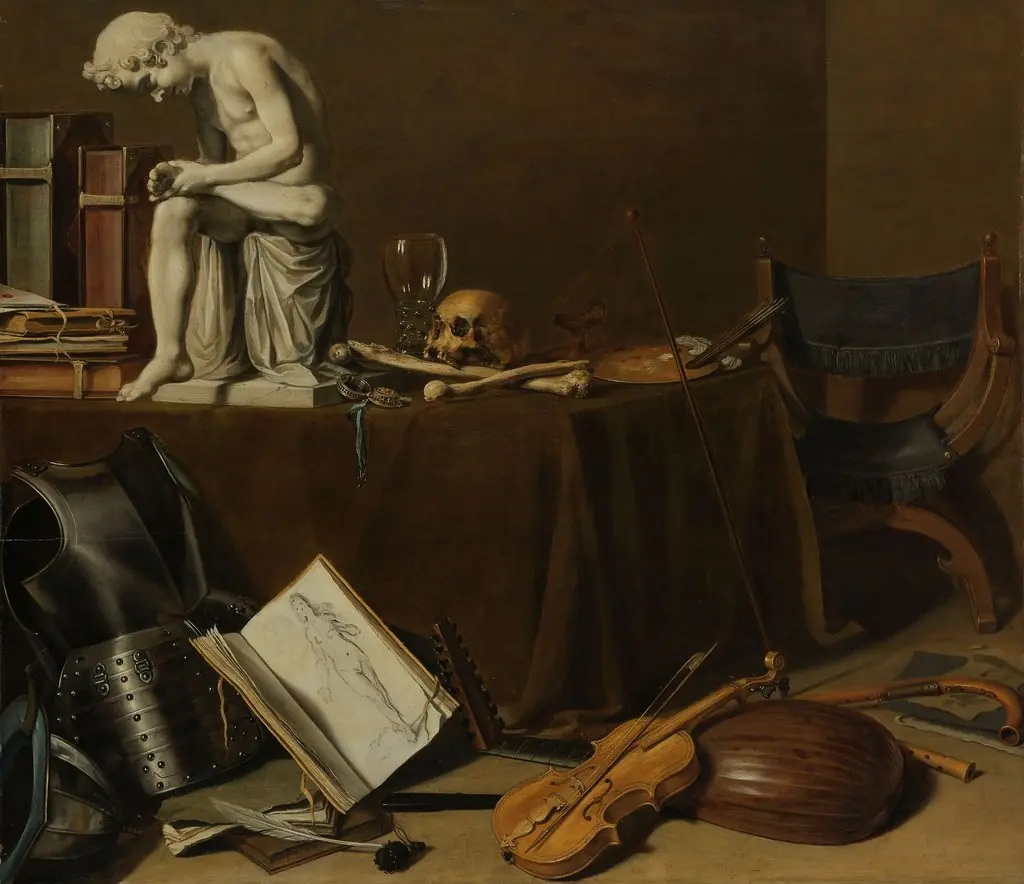 Vanitas Still Life with the Spinario
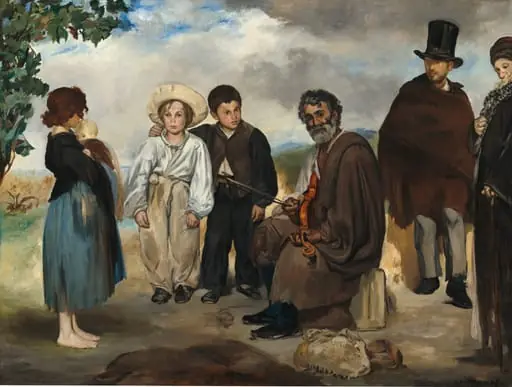 The Old Musician
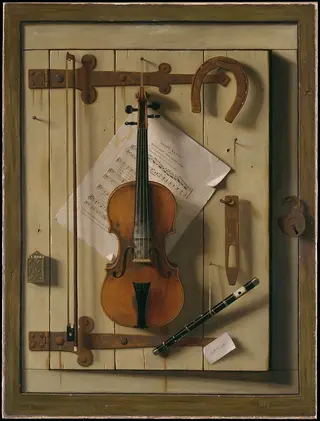 Still Life—Violin and Music
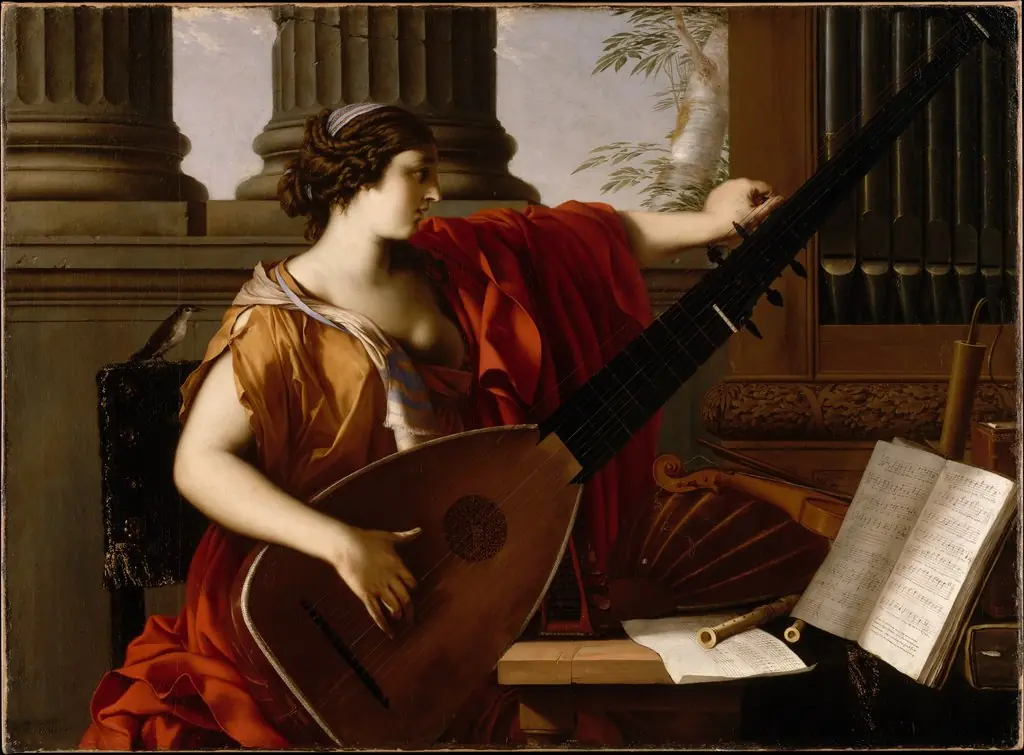 Allegory of Music
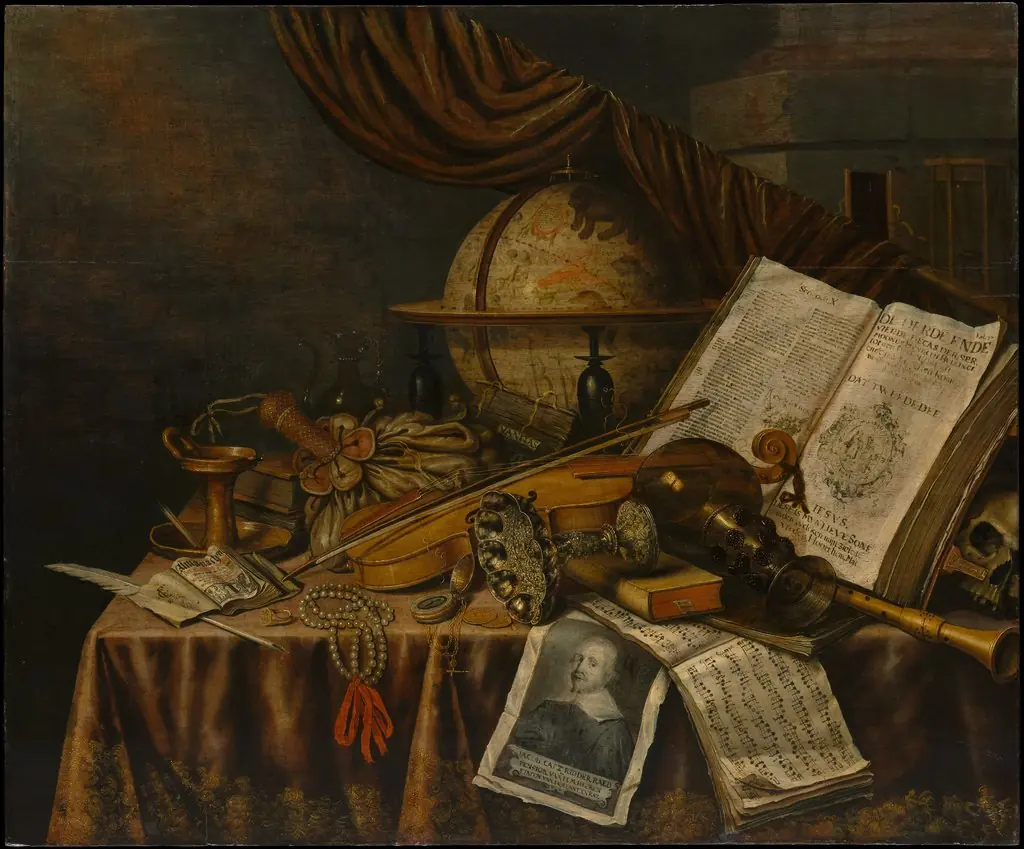 Vanitas Still Life
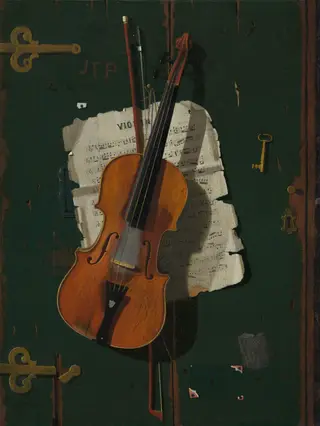 The Old Violin
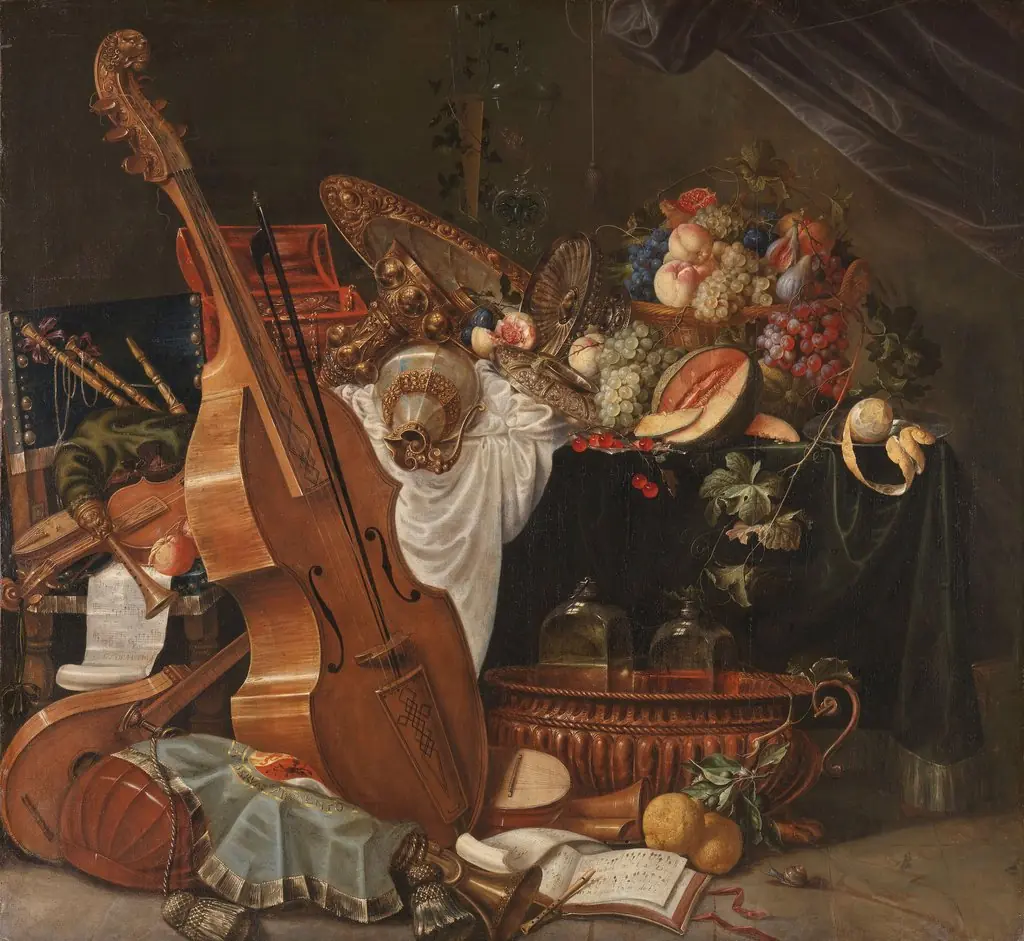 Still life
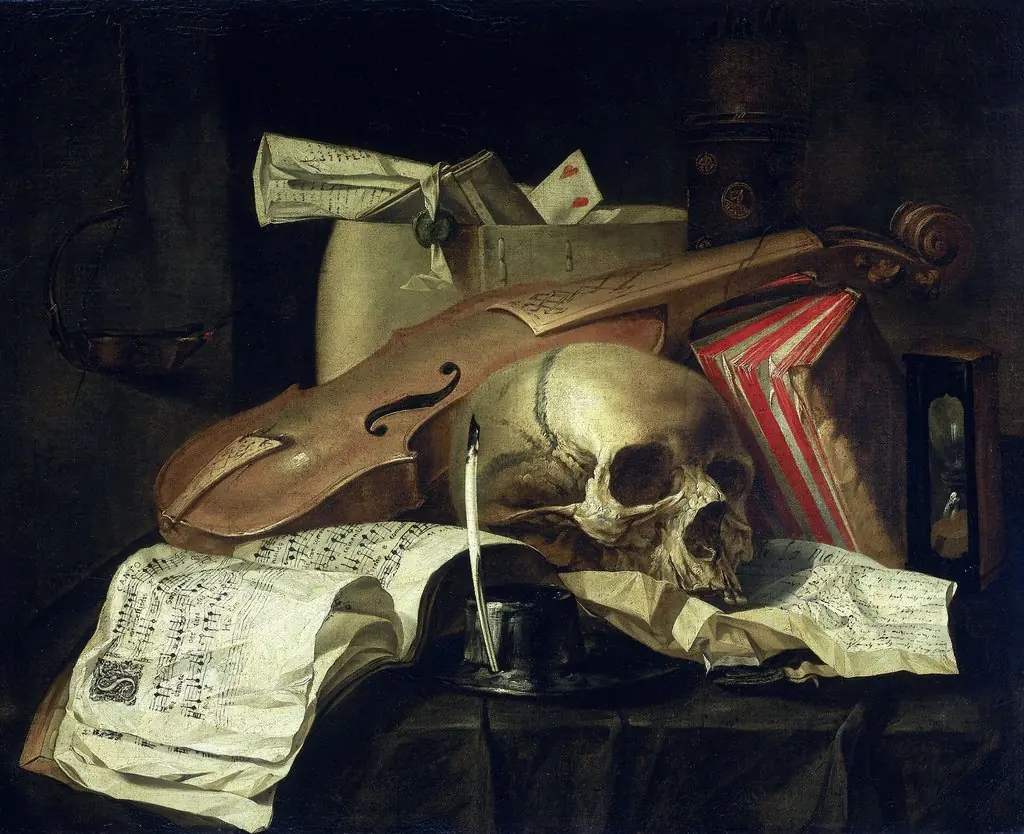 Vanitas still life
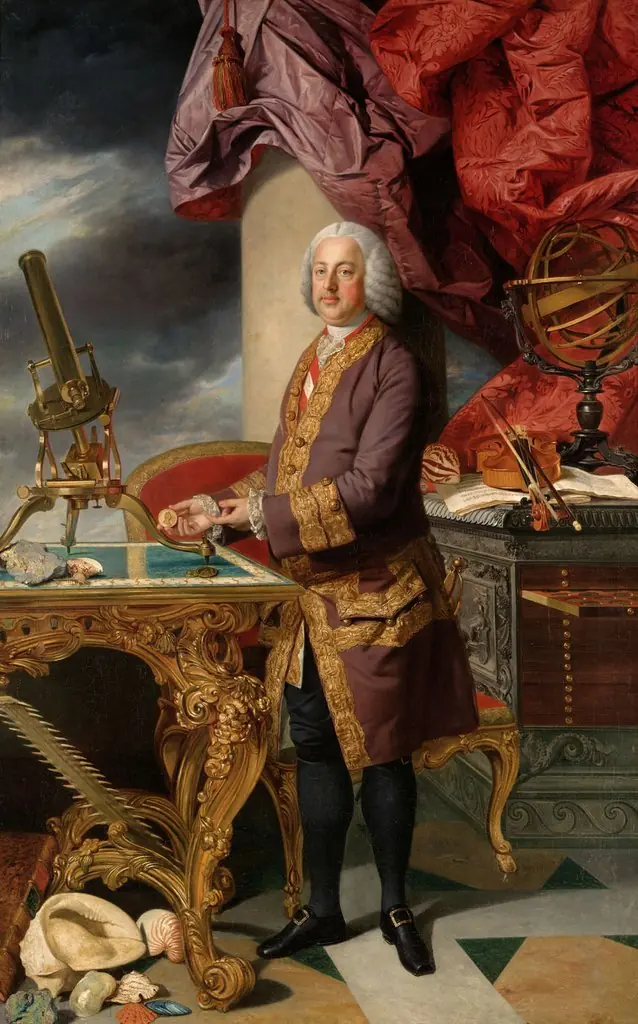 François Ier du Saint-Empire et sa collection d'histoire naturelle
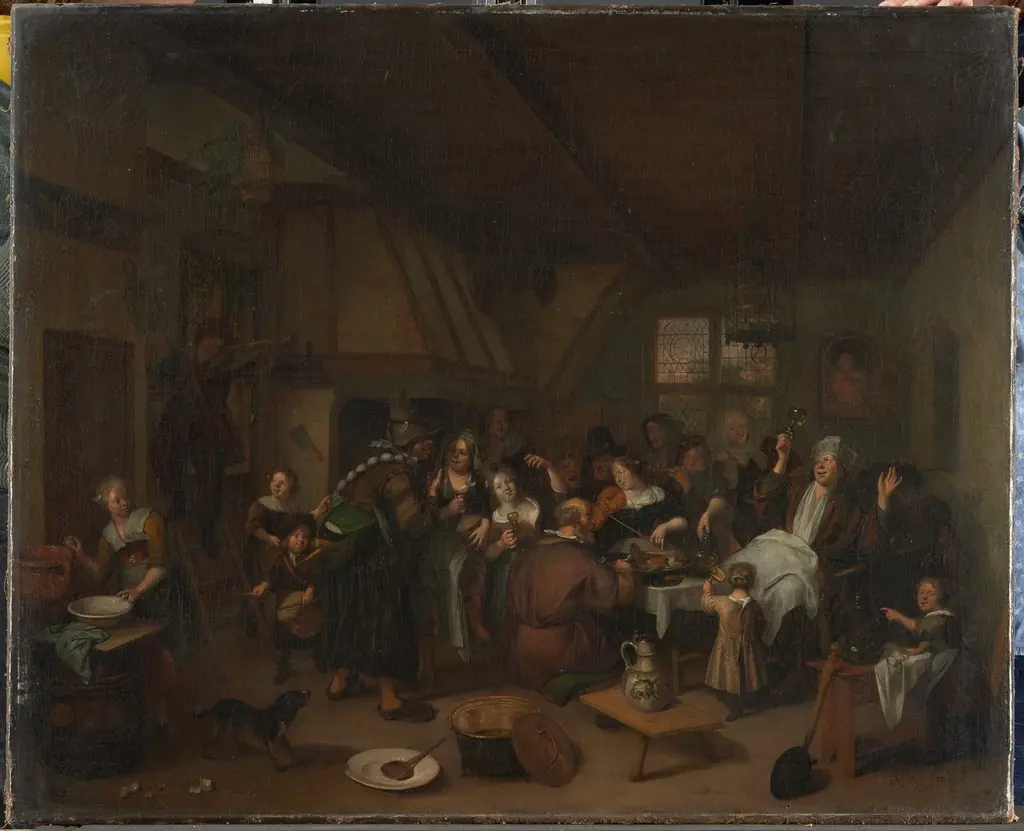 Interior with a company celebrating Twelfth Night, the Feast of Epiphany
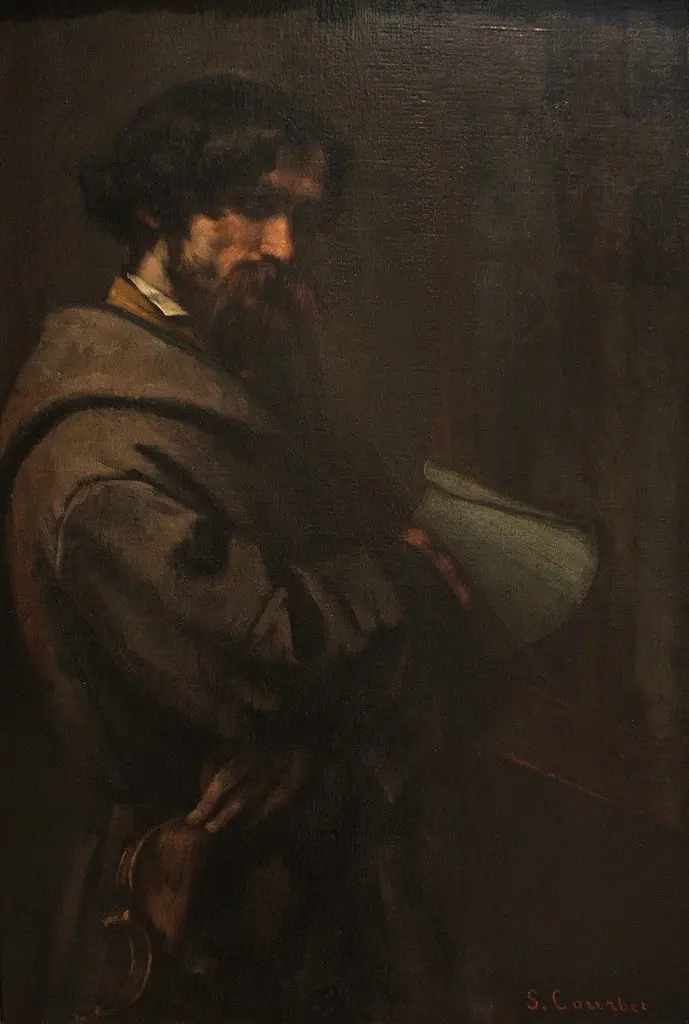 Alphonse Promayet (1822–1872)
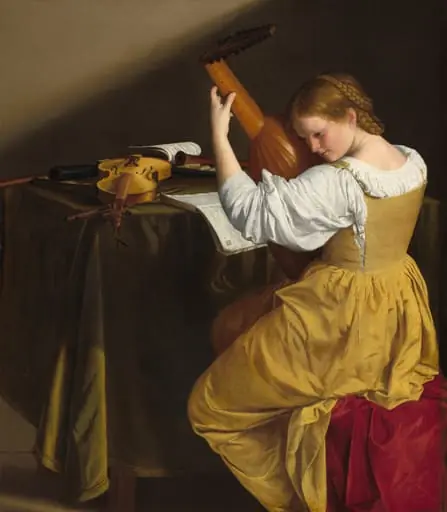 The Lute Player
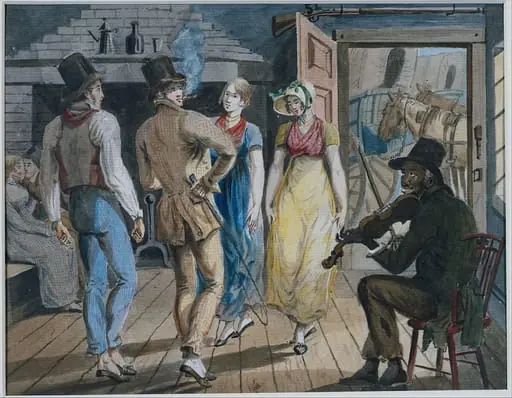 Merrymaking at a Wayside Inn
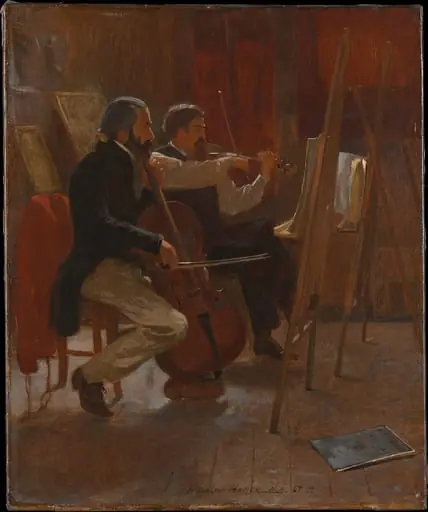 The Studio
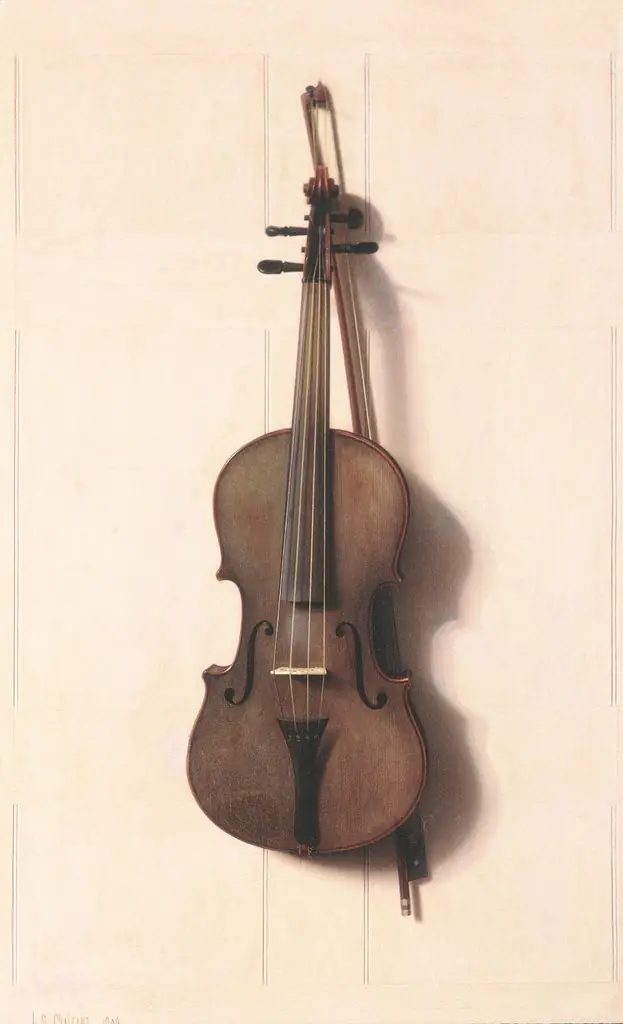 Violin and Bow
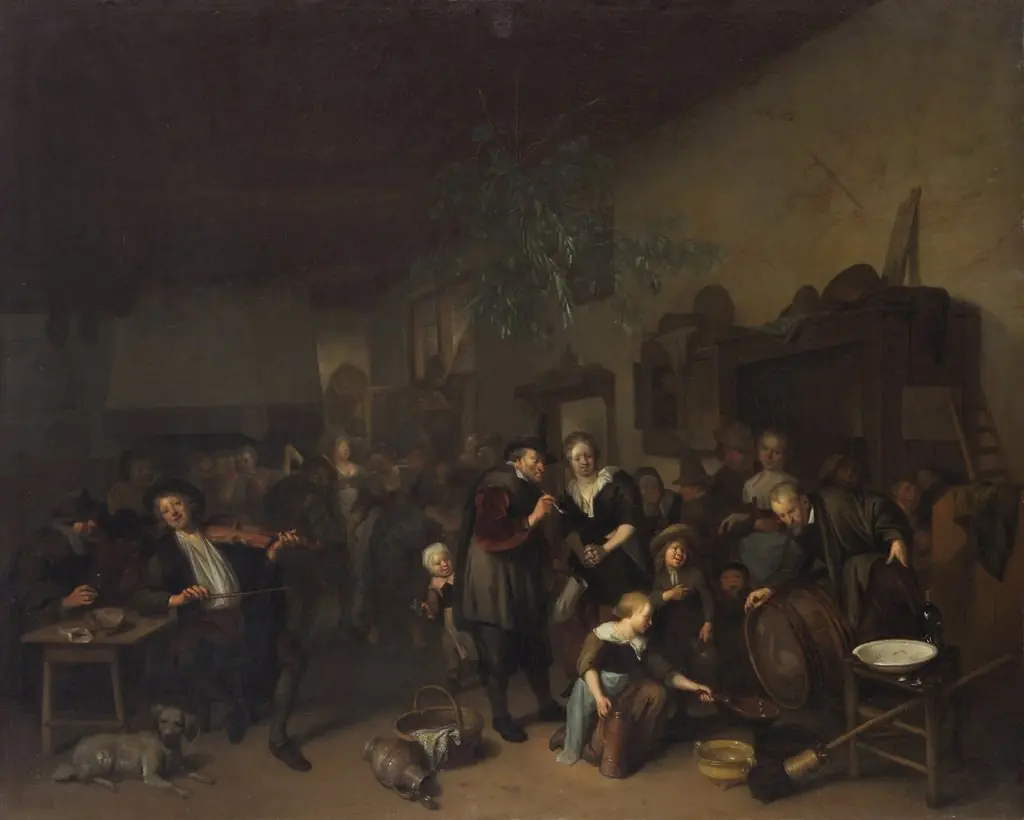 Tavern interior with dancing peasants,
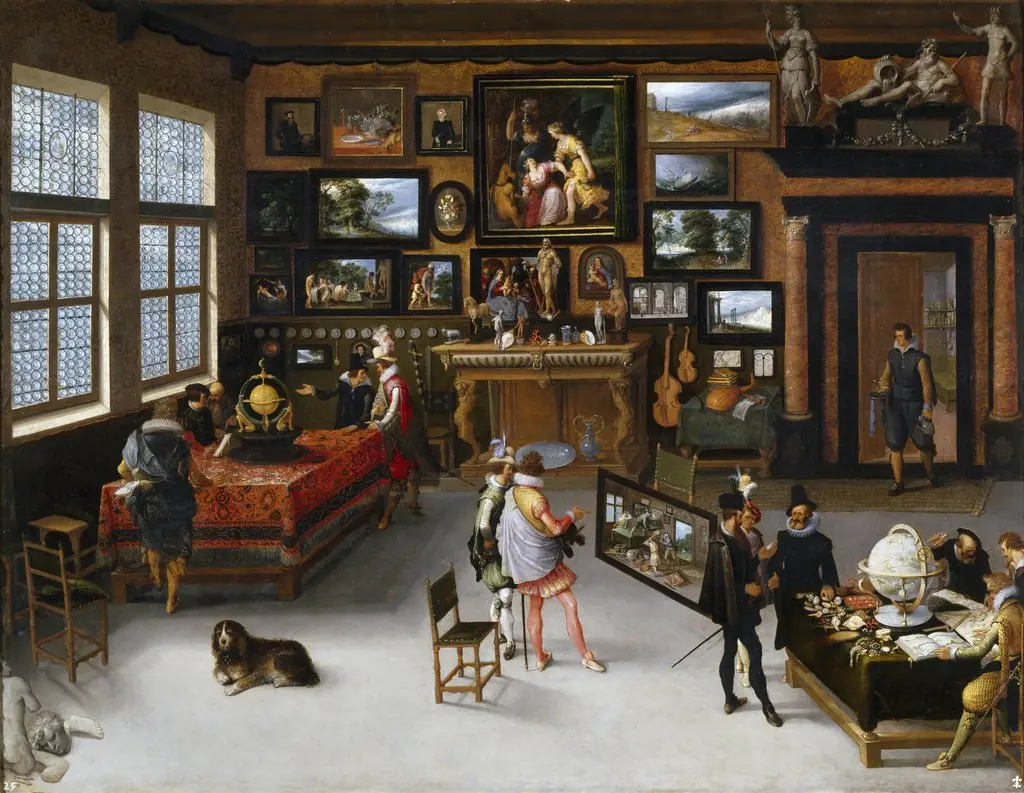 The Sciences and Arts
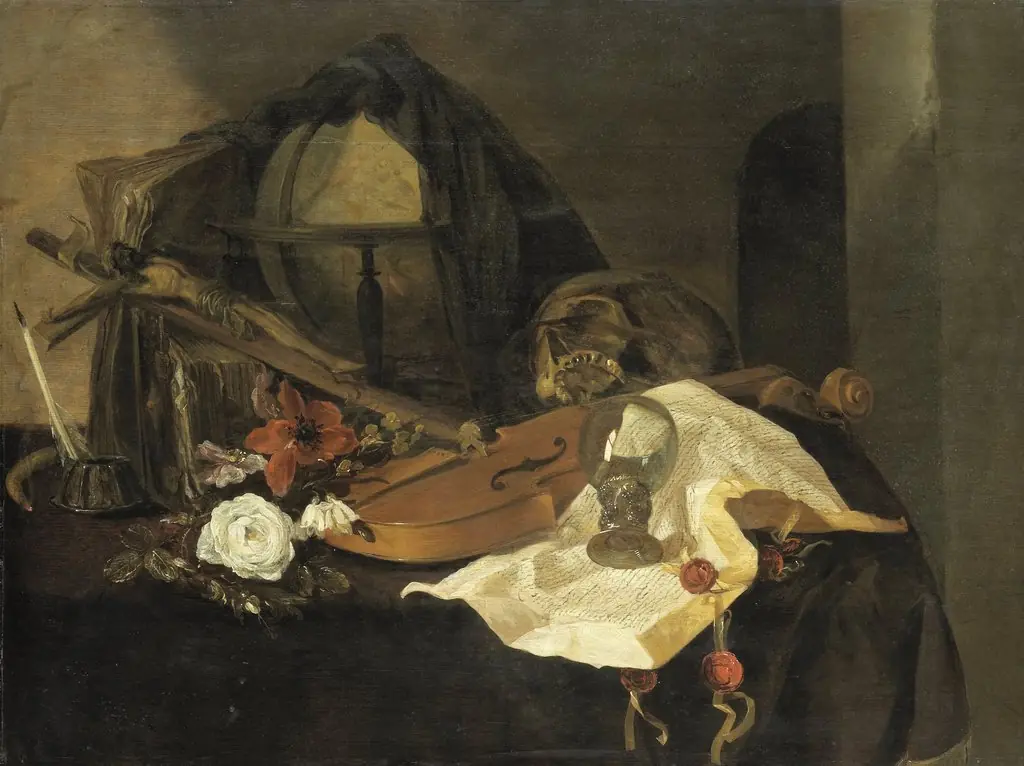 Vanitas still life
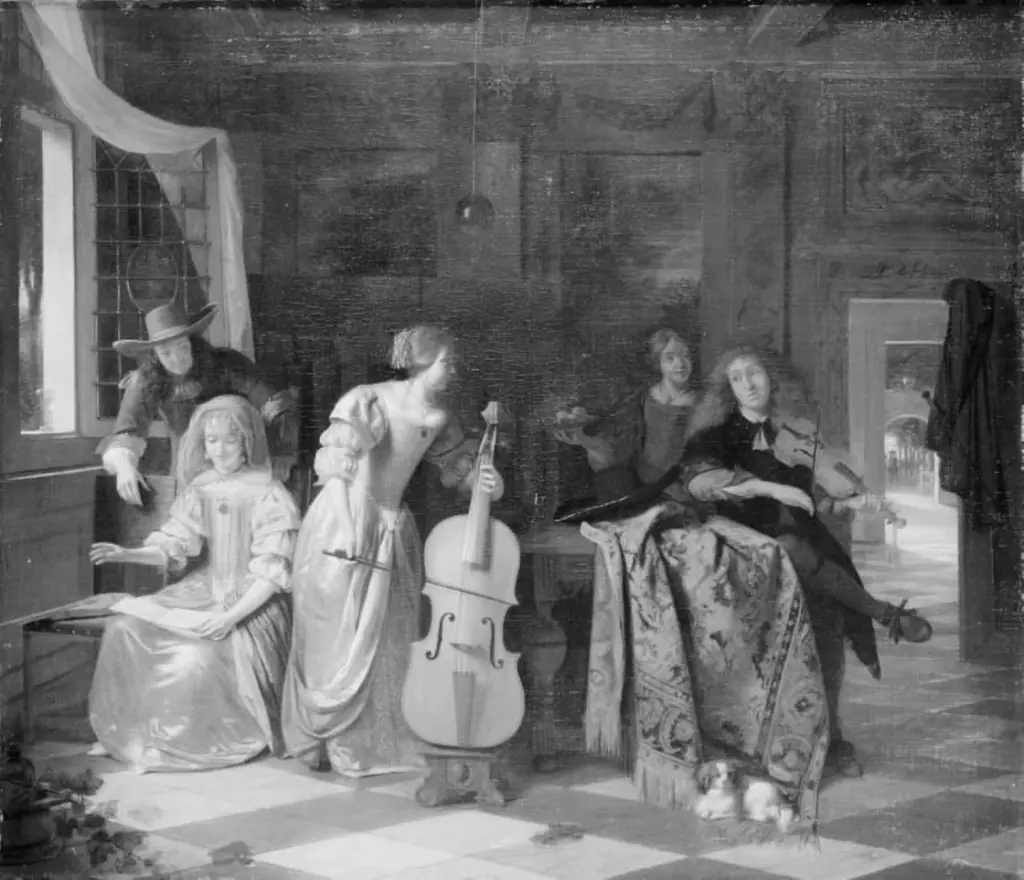 Merry Company with five figures
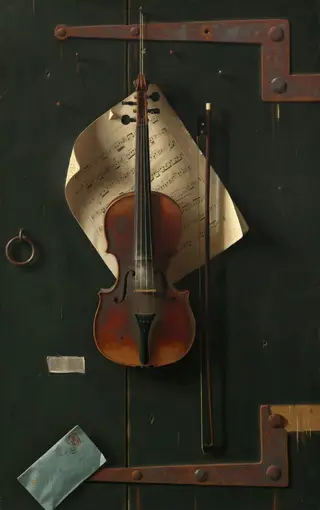 The Old Violin
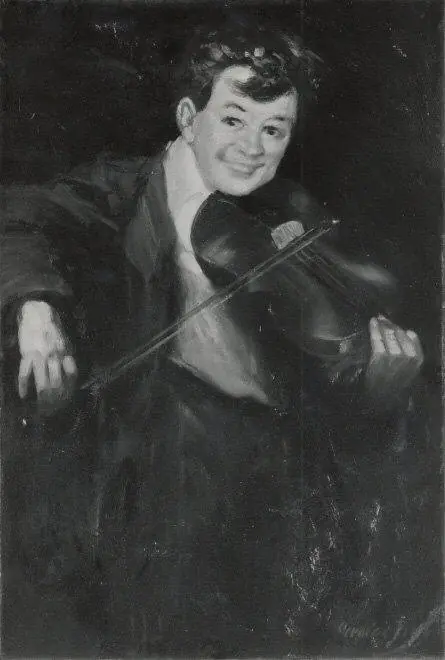 Boy with Violin
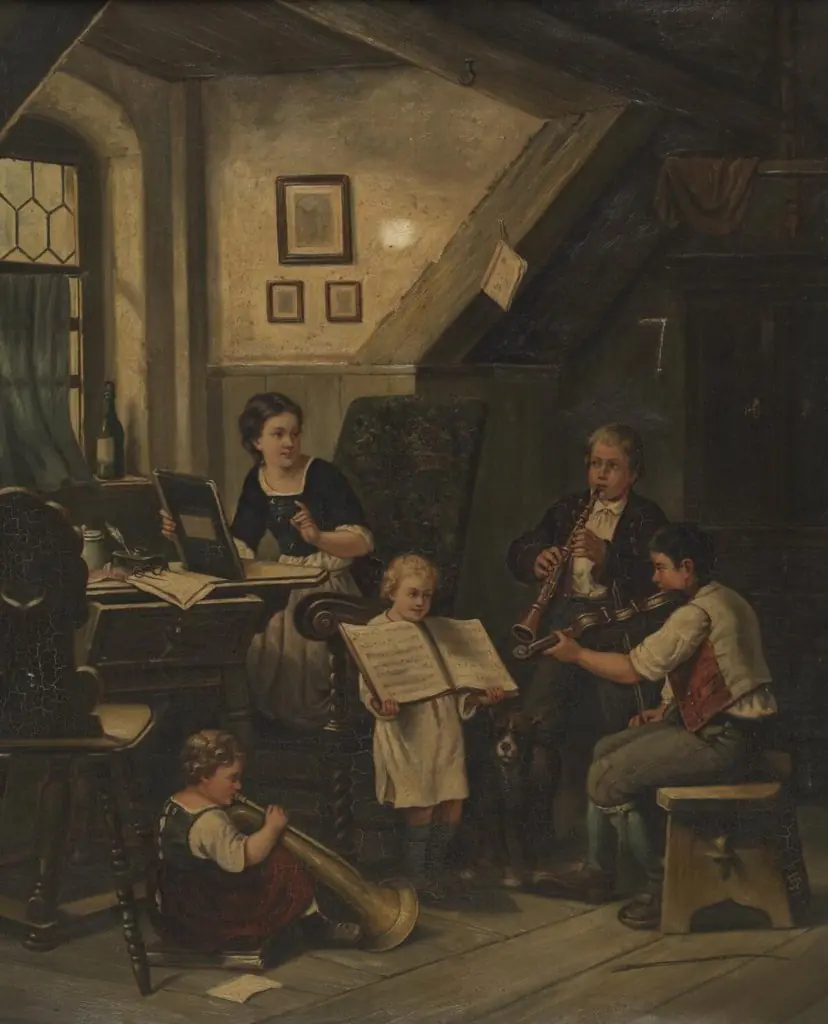 musical party
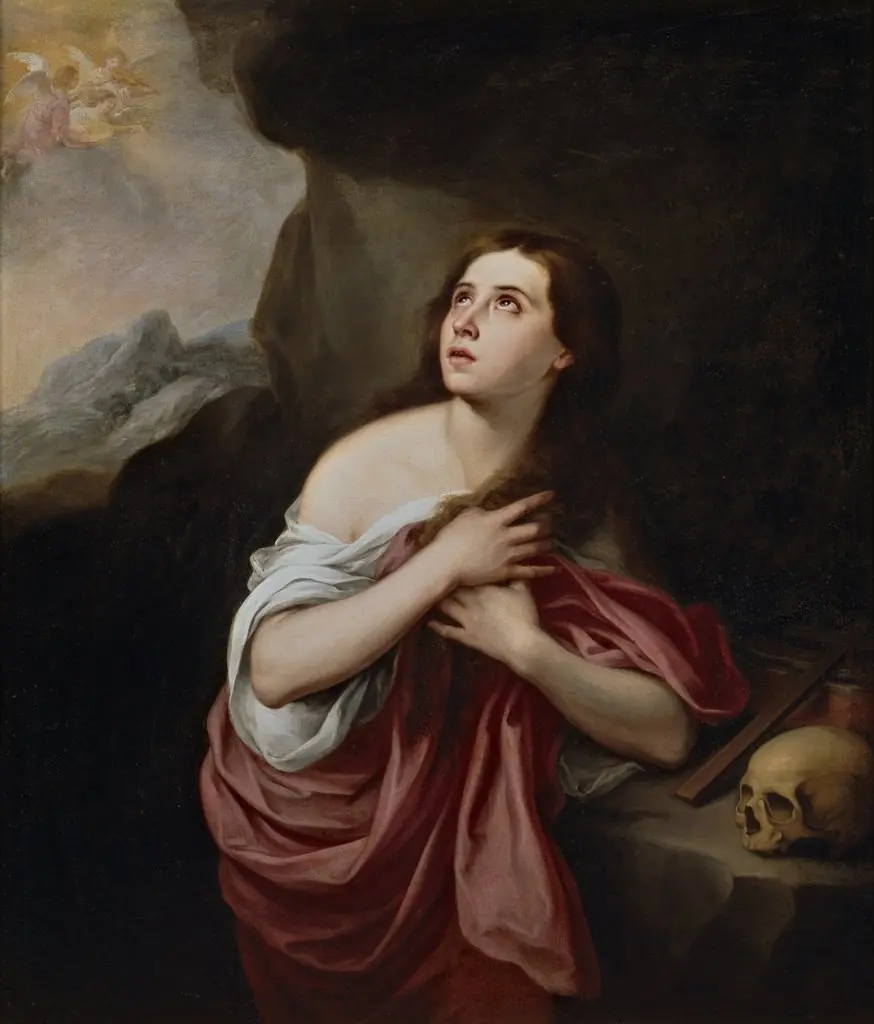 Penitent Magdalen
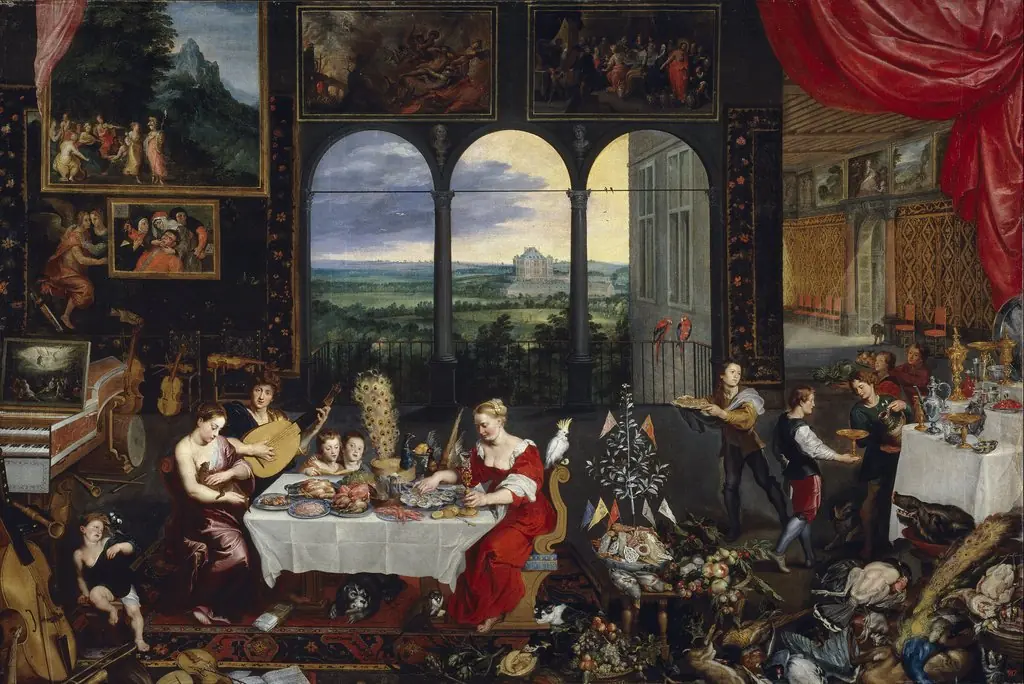 The Senses of Hearing, Touch and Taste
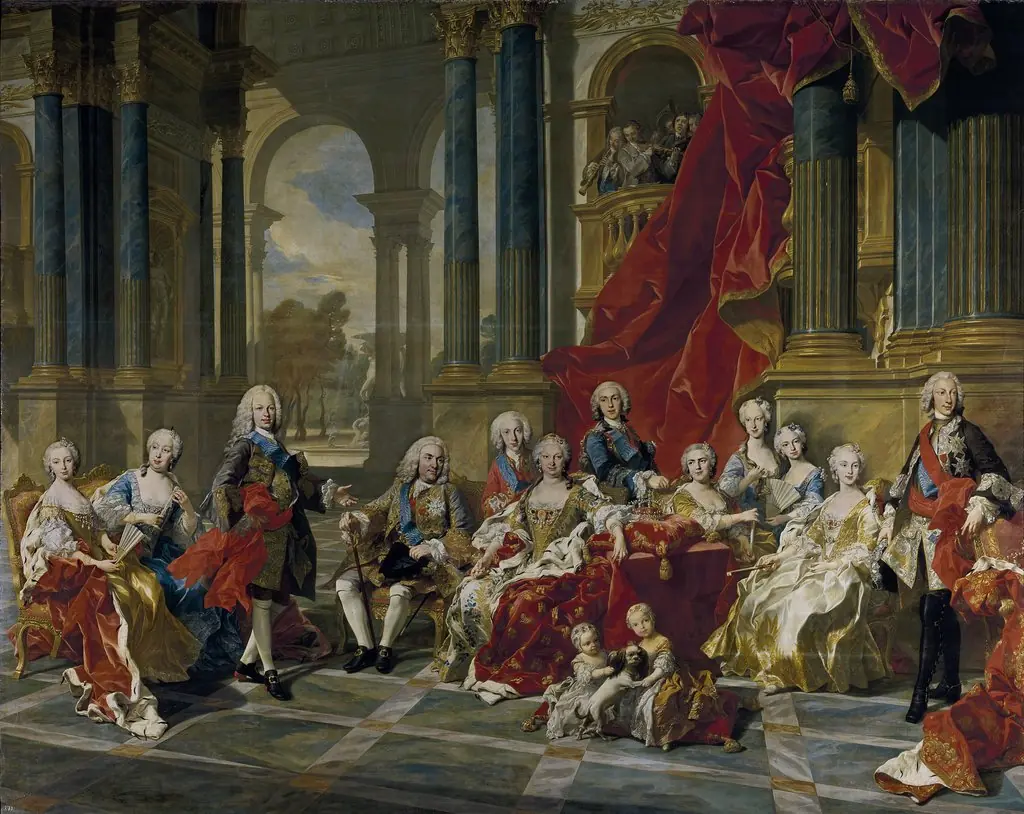 The Family of Philip V
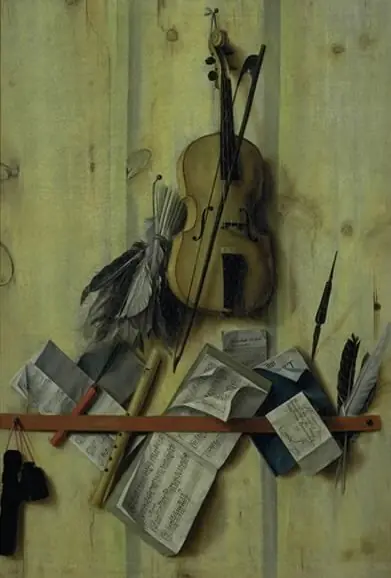 Trompe l'oeil with Violin, Music Book and Recorder
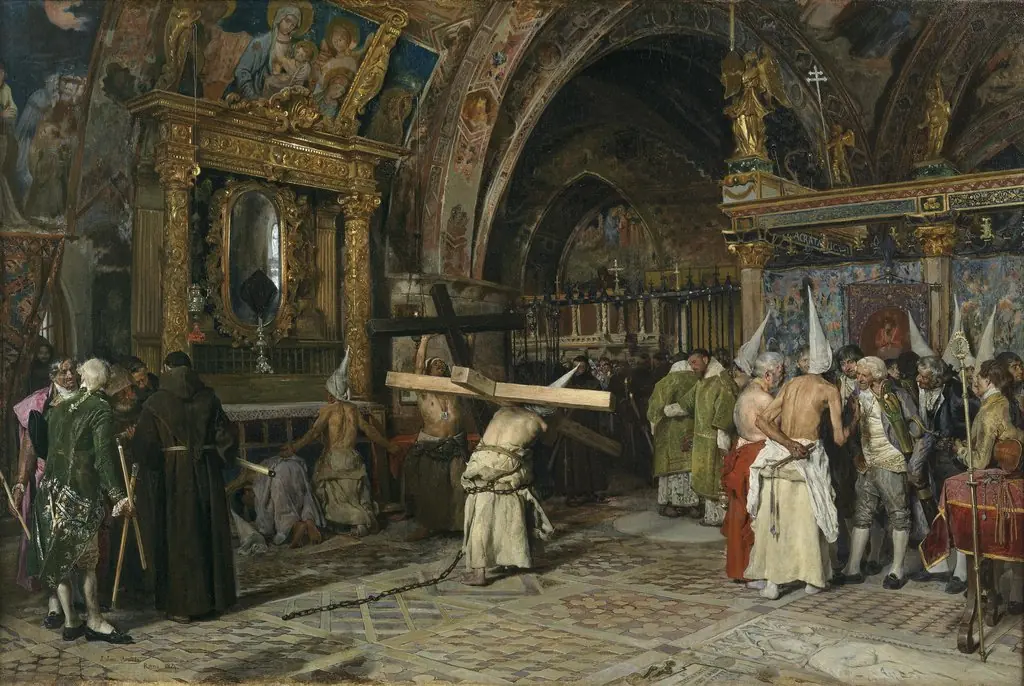 Penitents in the Lower Basilica of Assisi
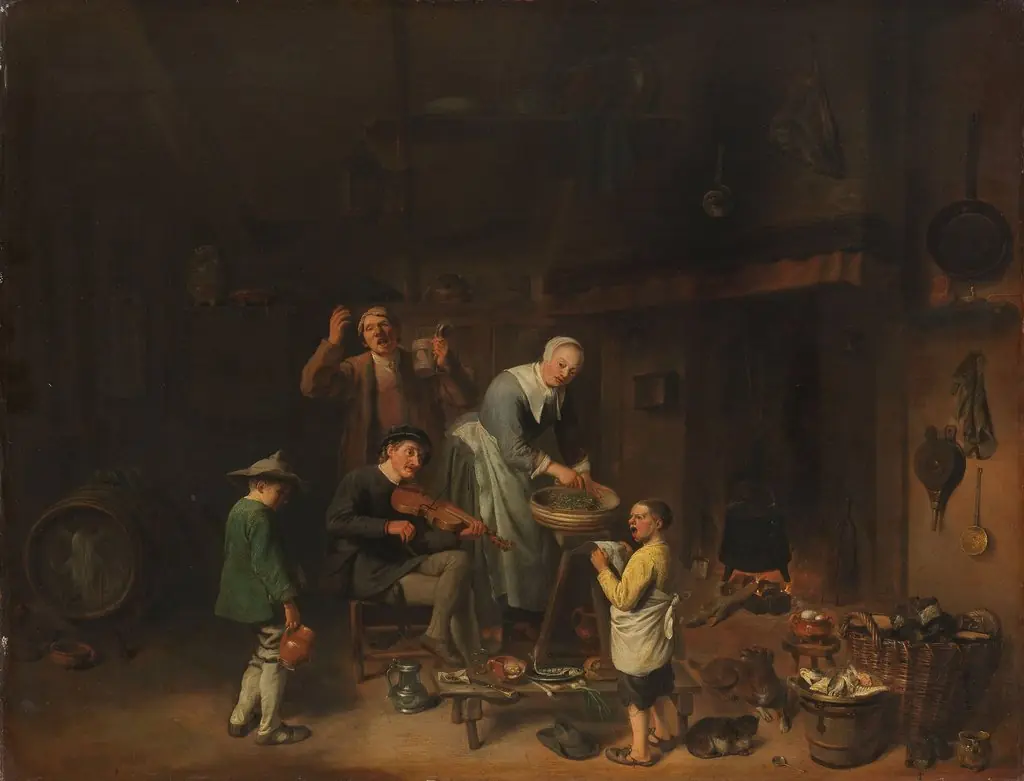 Peasant Family Singing
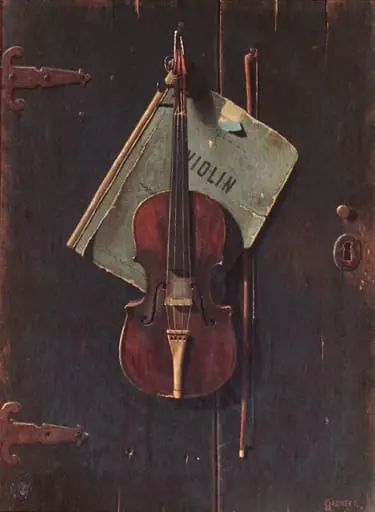 The Old Cremona
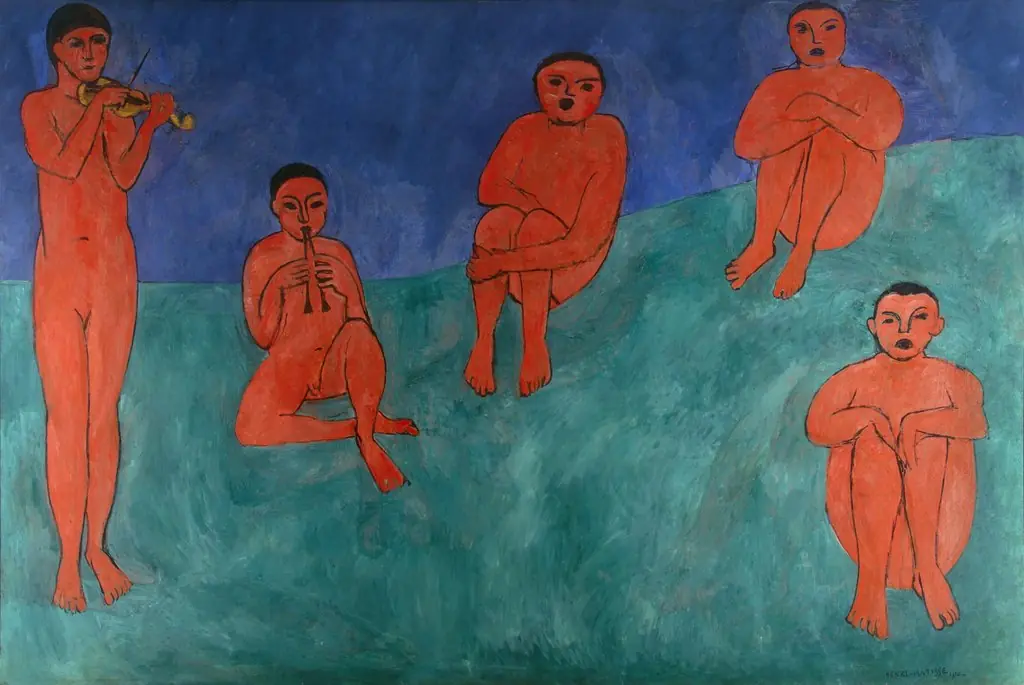 Music
Music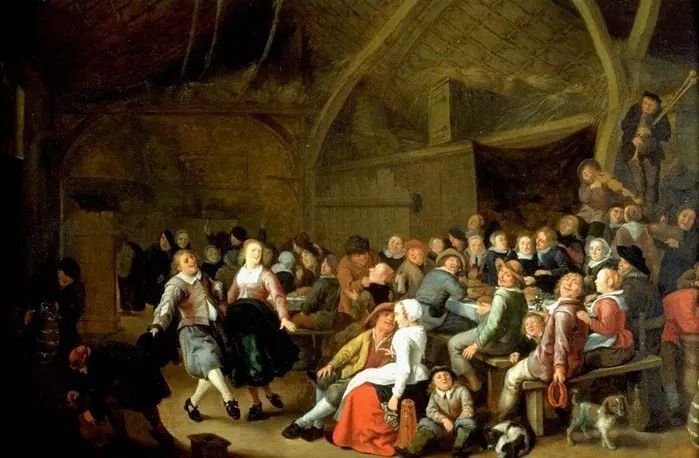 The Village Inn
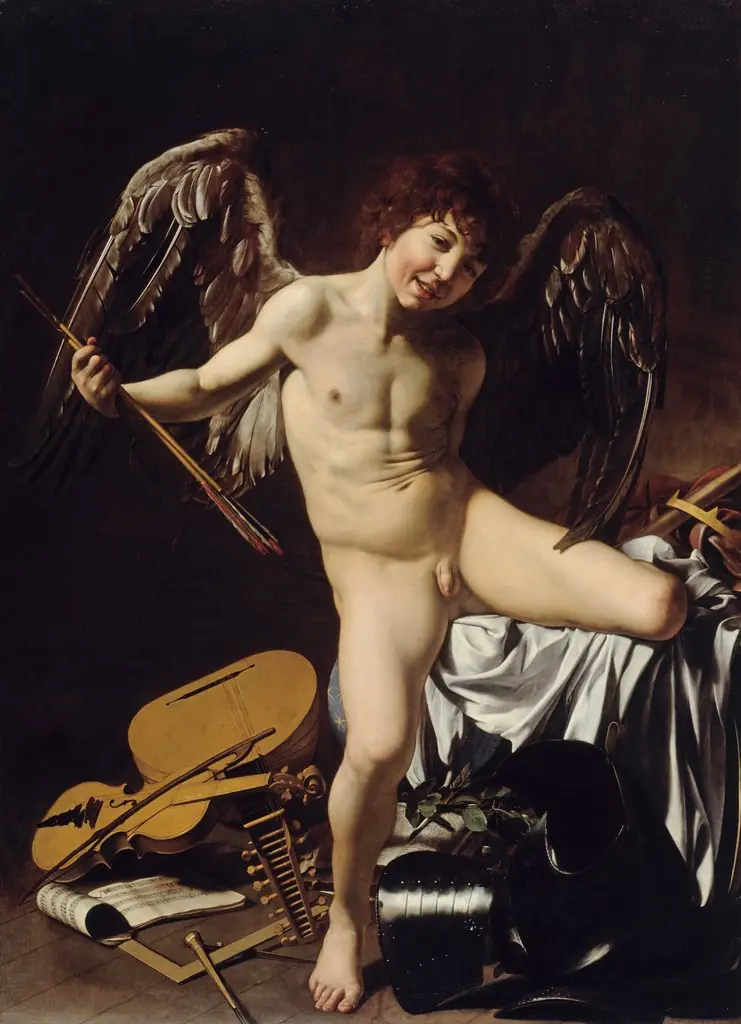 Amor Vincit Omnia
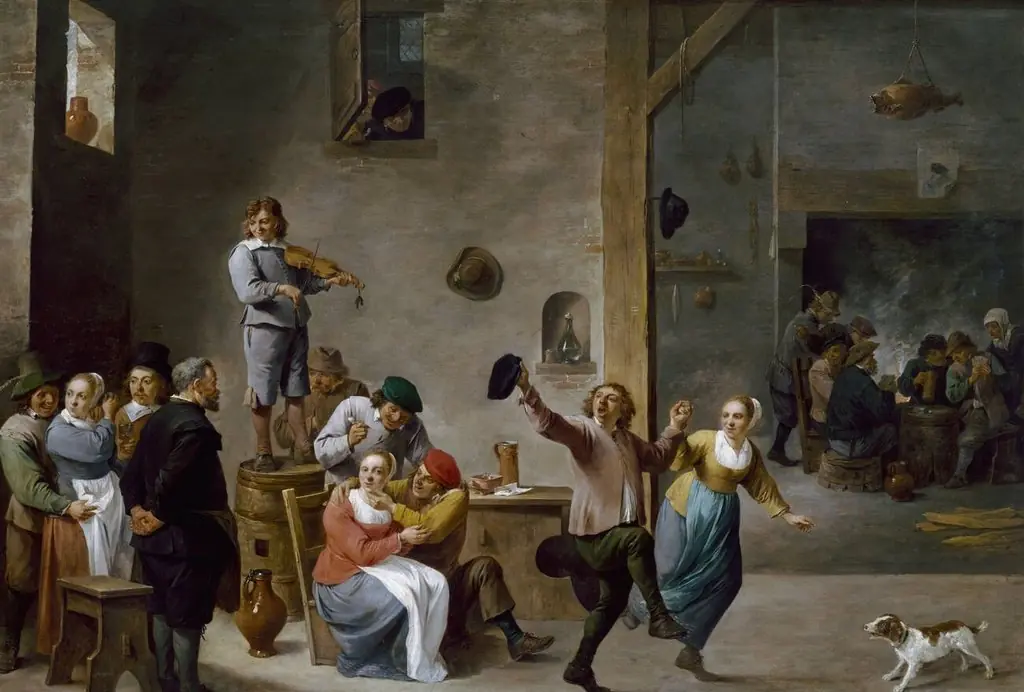 Interior of an inn with dancing peasants
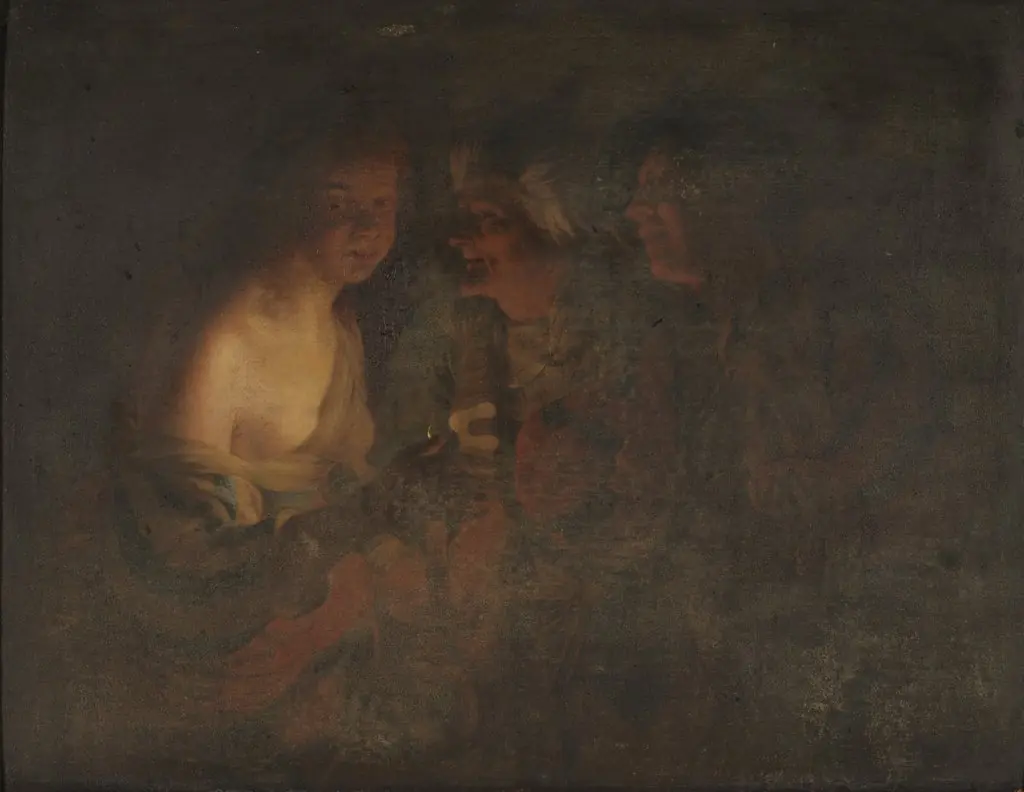 Young Woman with a Candlestick, Old Woman and a Violin Player
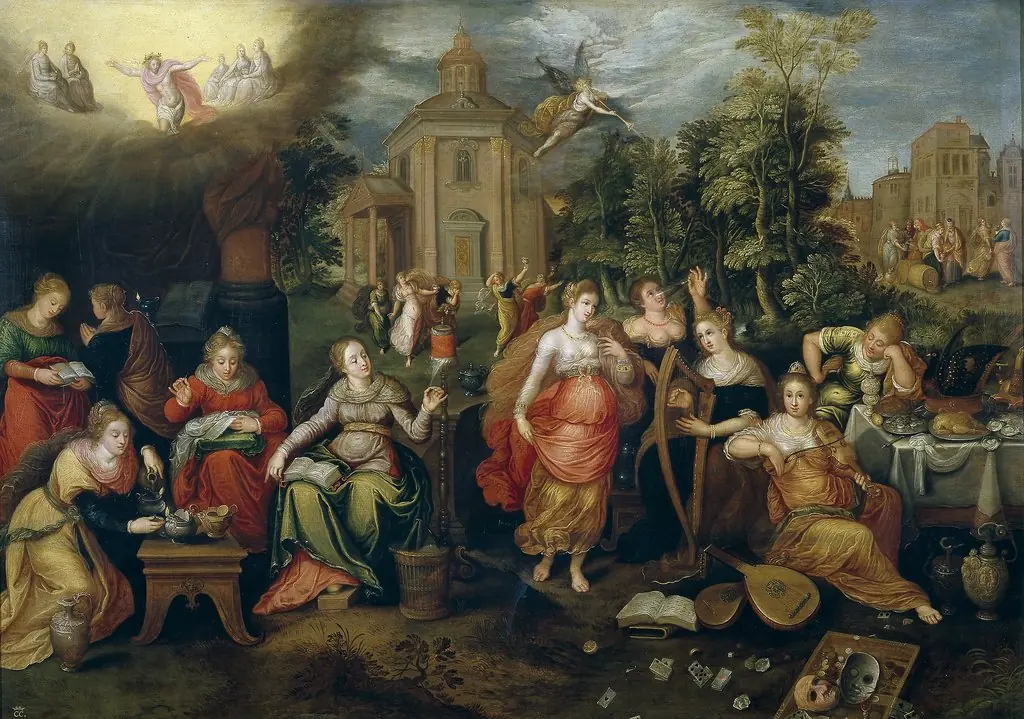 The foolish virgins and the wise virgins
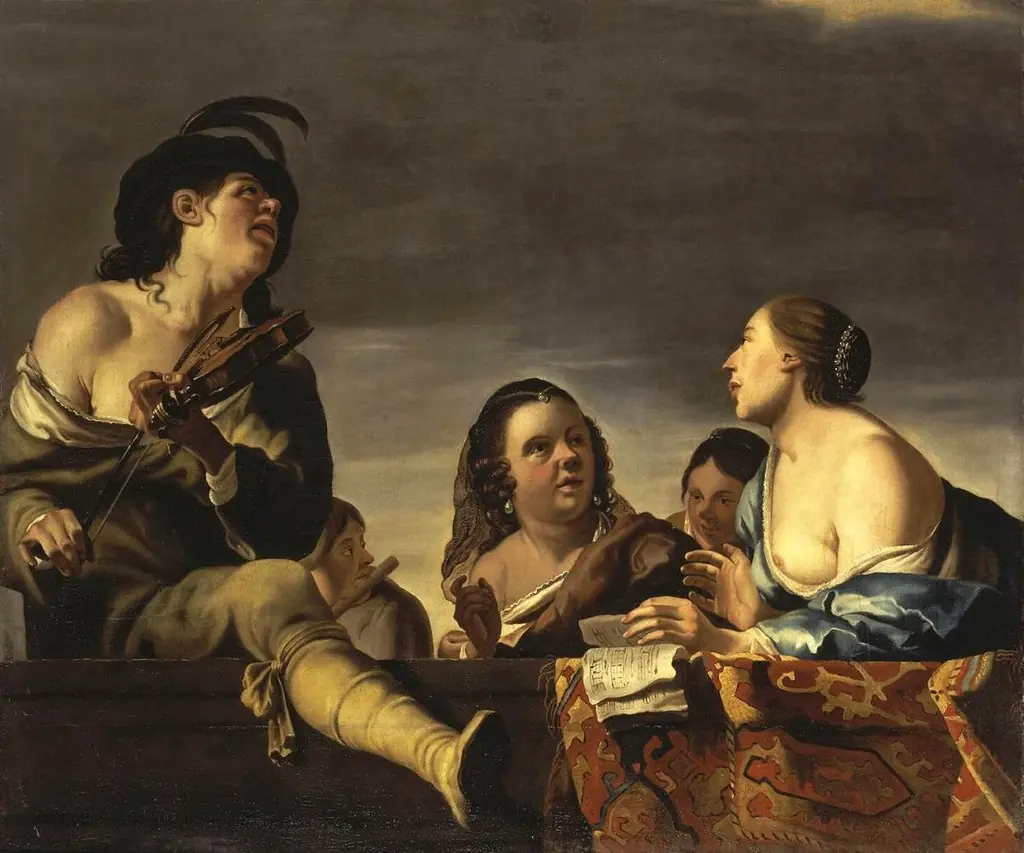 Merry Society with a Violinist
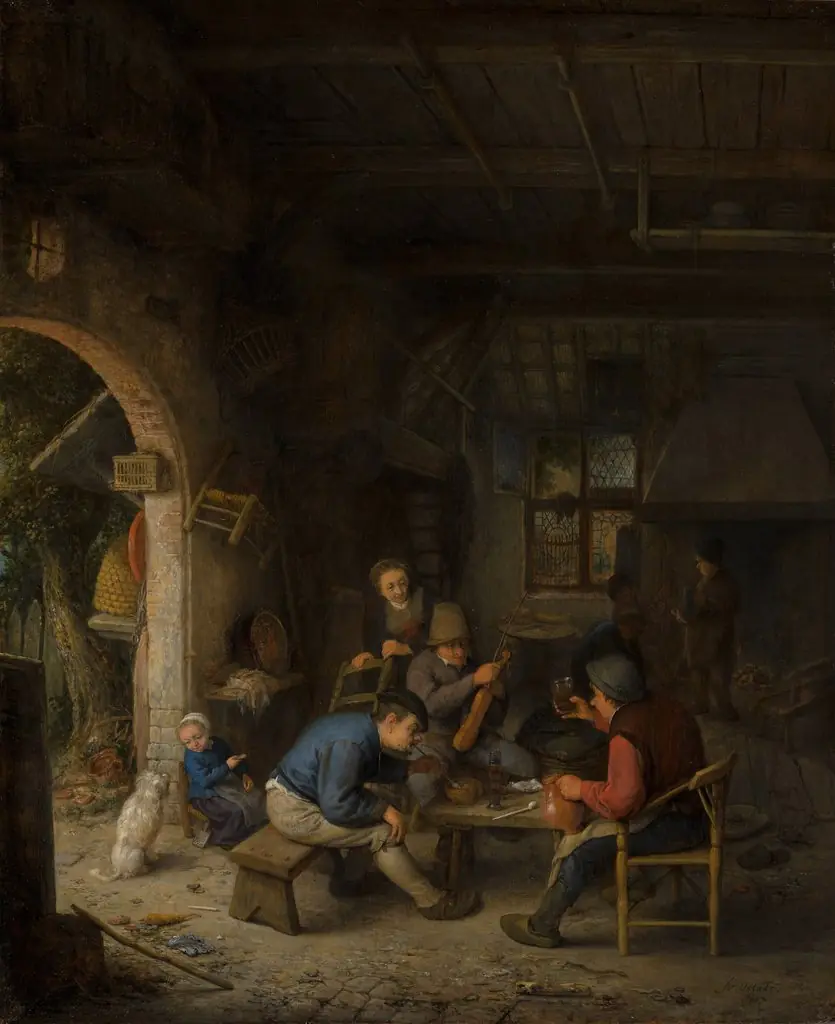 Peasants in an inn
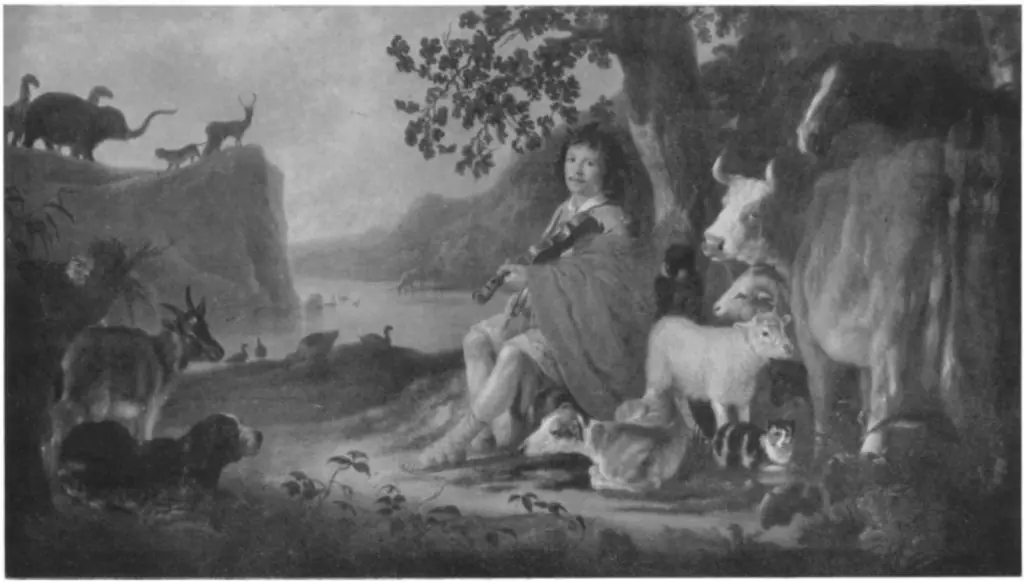 A musician as Orpheus, possibly a Self-portrait
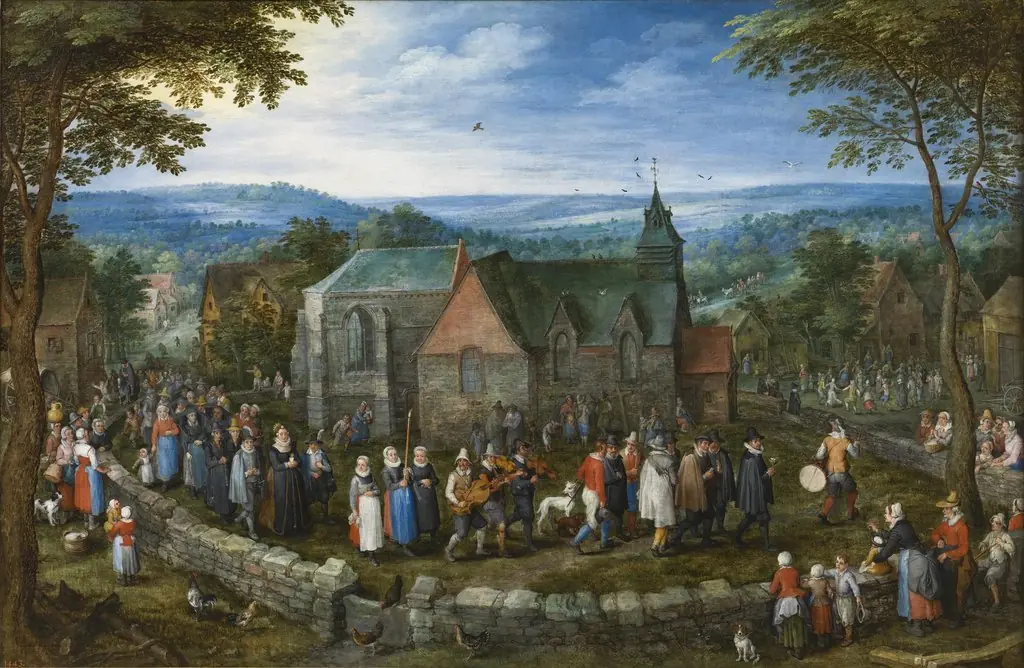 Country Wedding
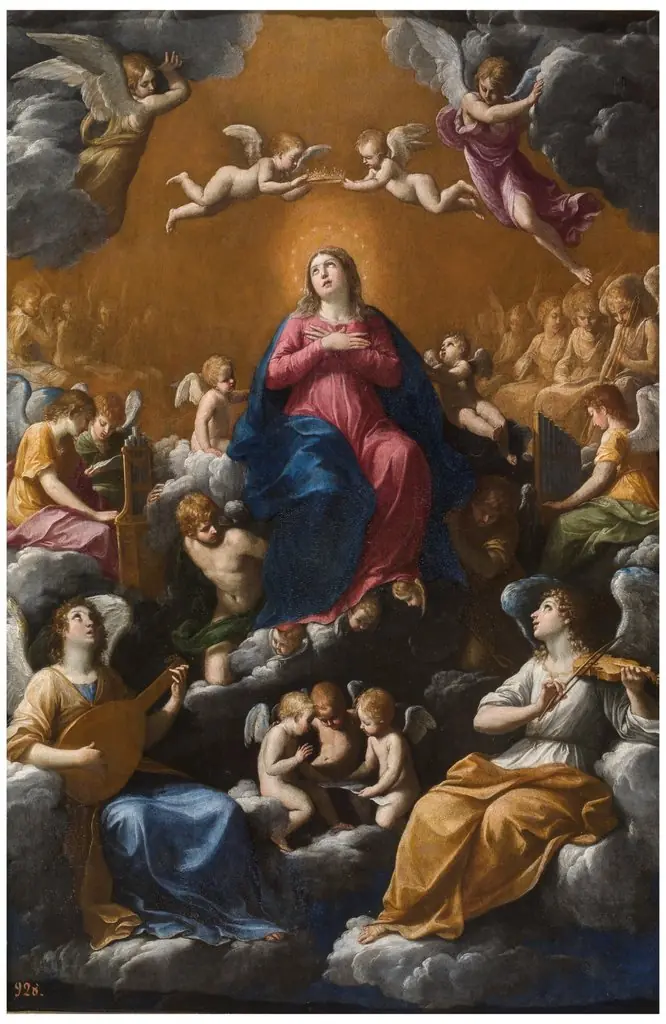 La Asunción y Coronación de la Virgen
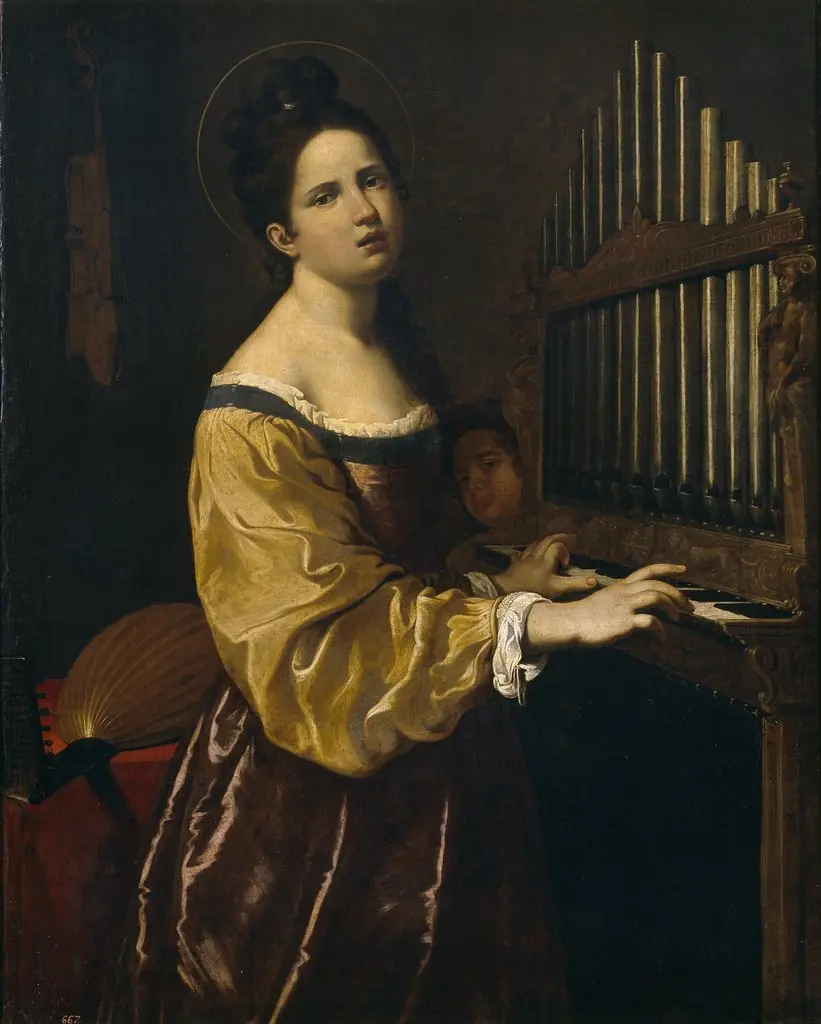 Saint Cecilia
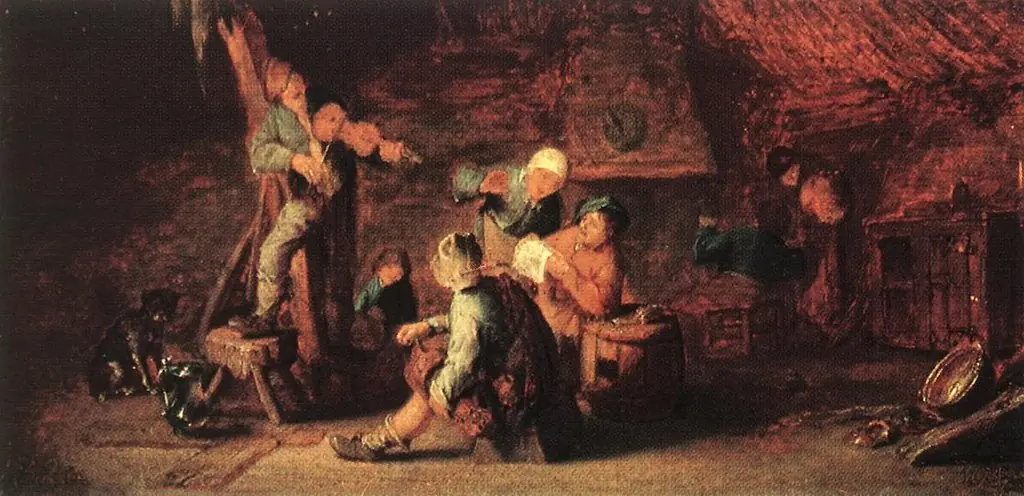 Rustic Concert
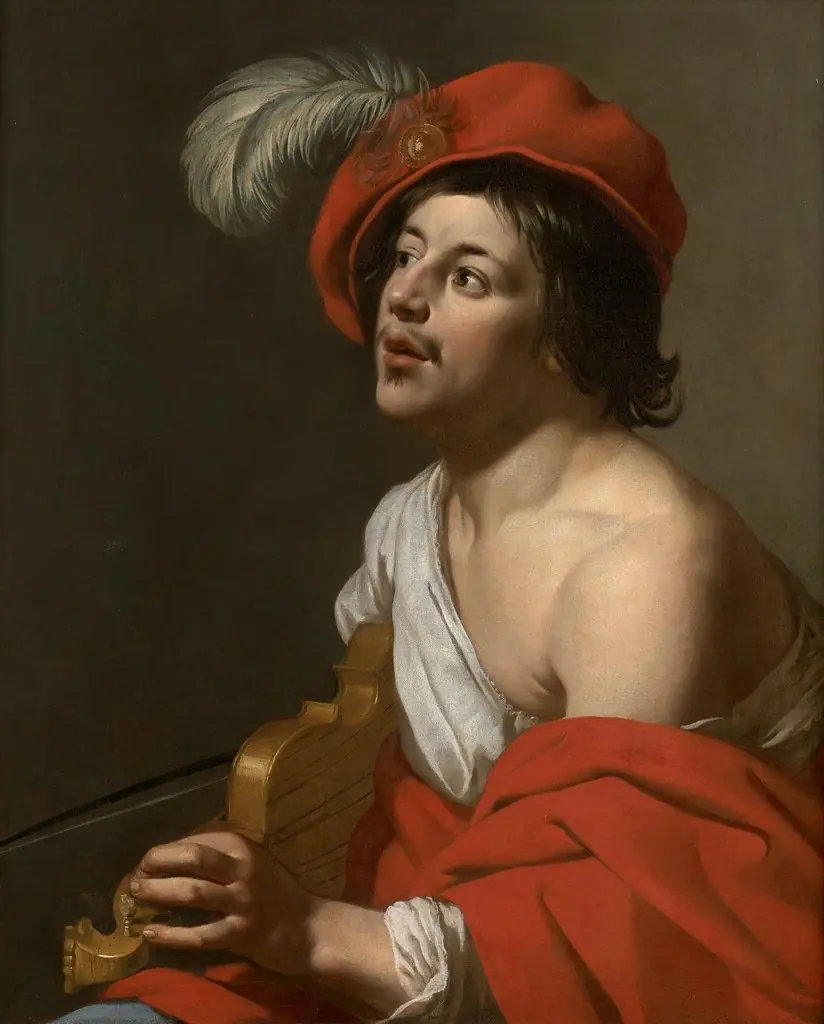 Young man tuning his violin
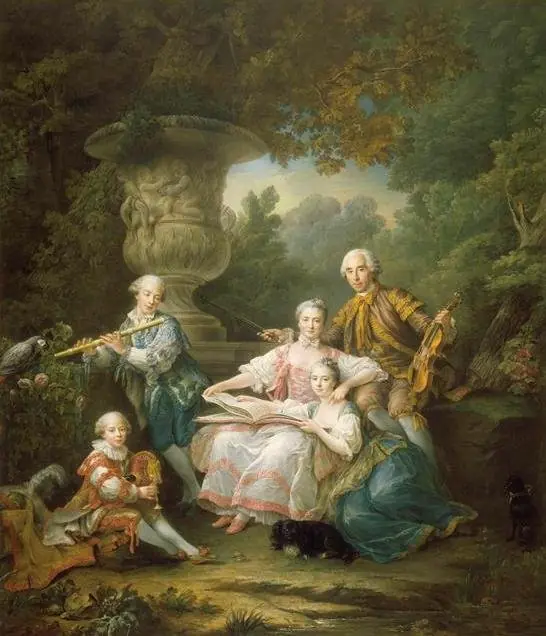 The Sourches family
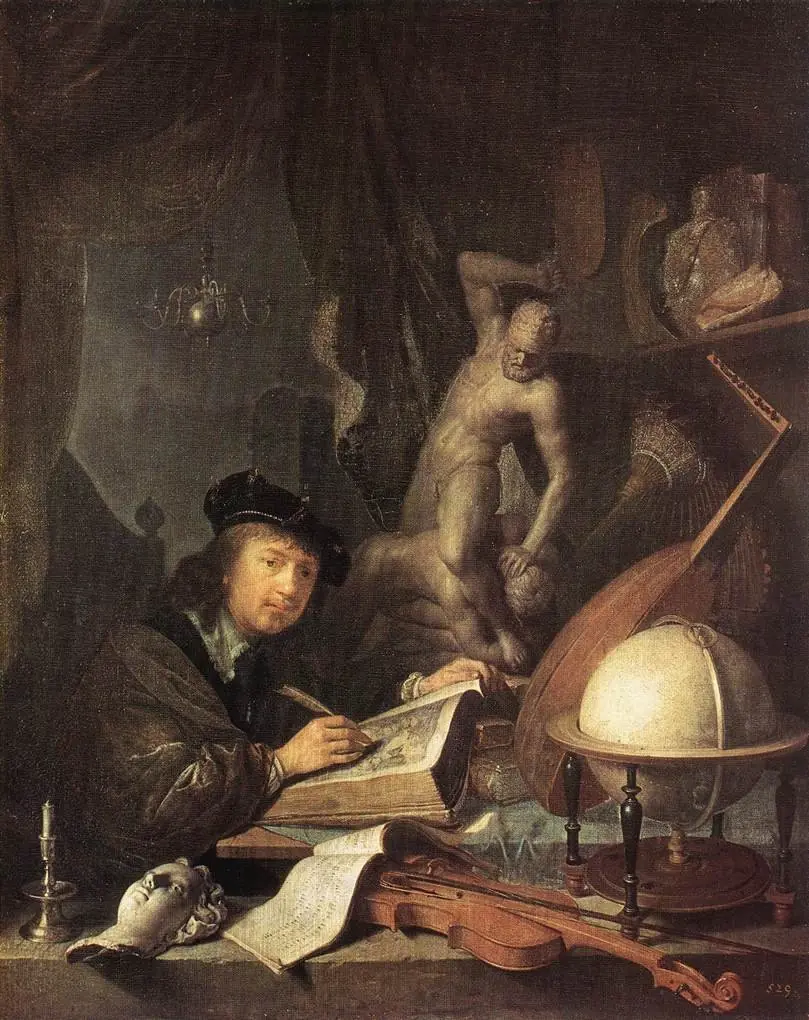 Painter in his Studio
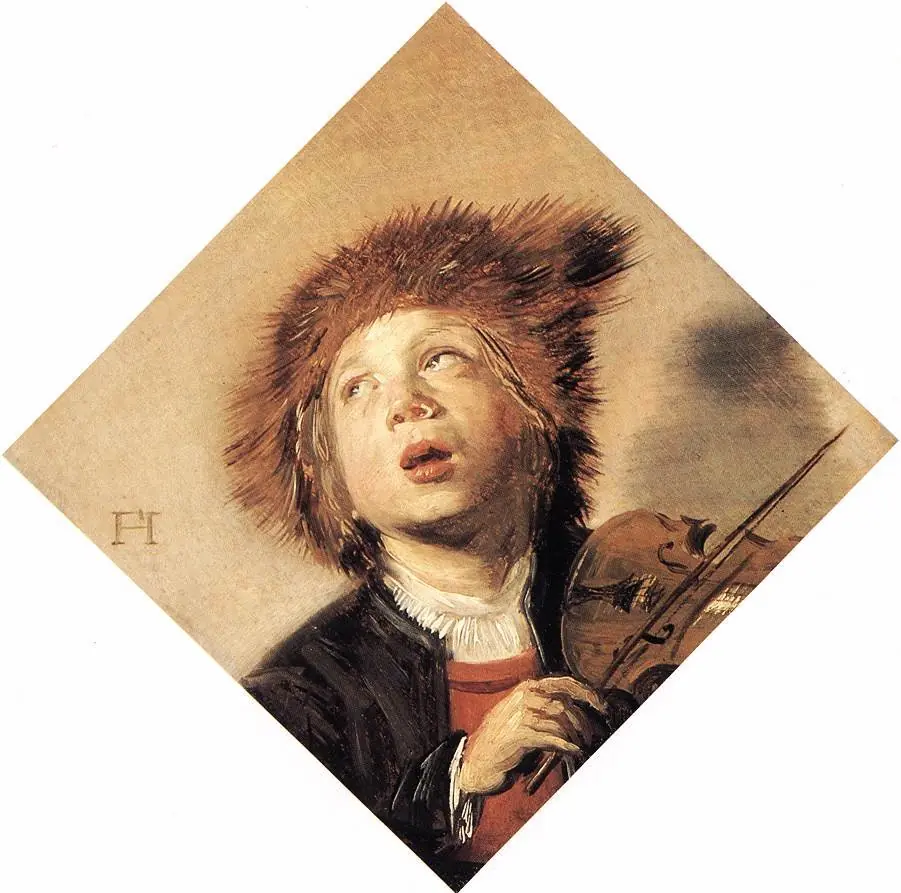 Boy playing a violin
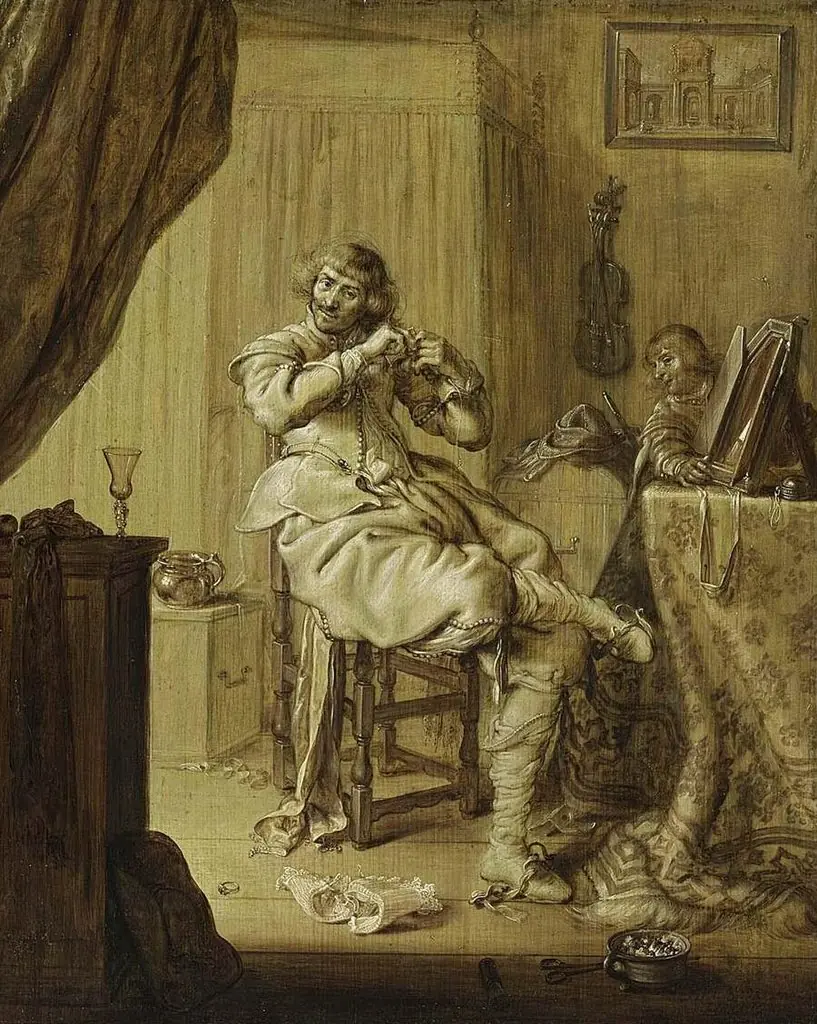 A Cavalier at His Dressing Table
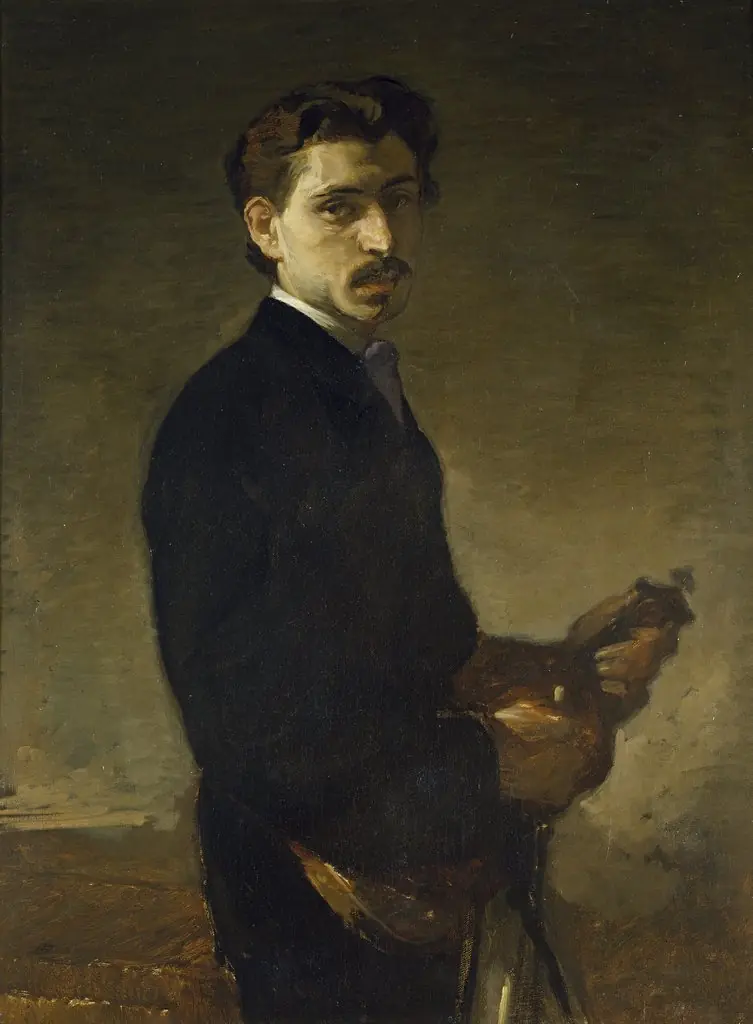 Ettore Pinelli, the Violinist
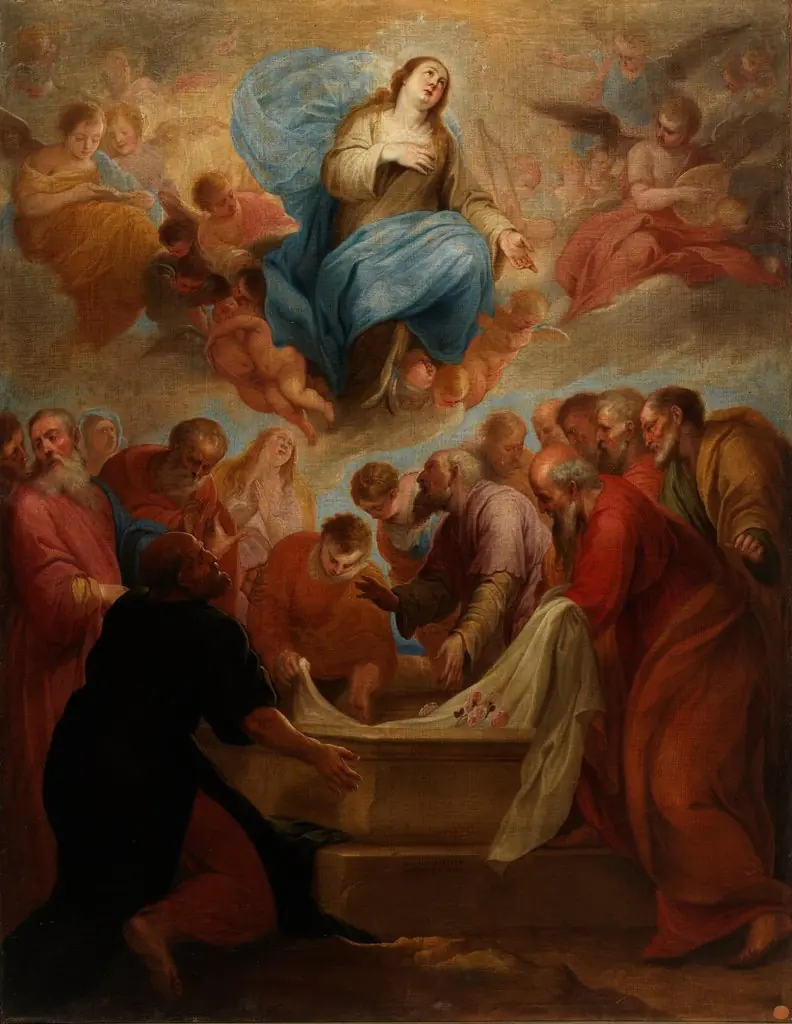 The Assumption of the Virgin
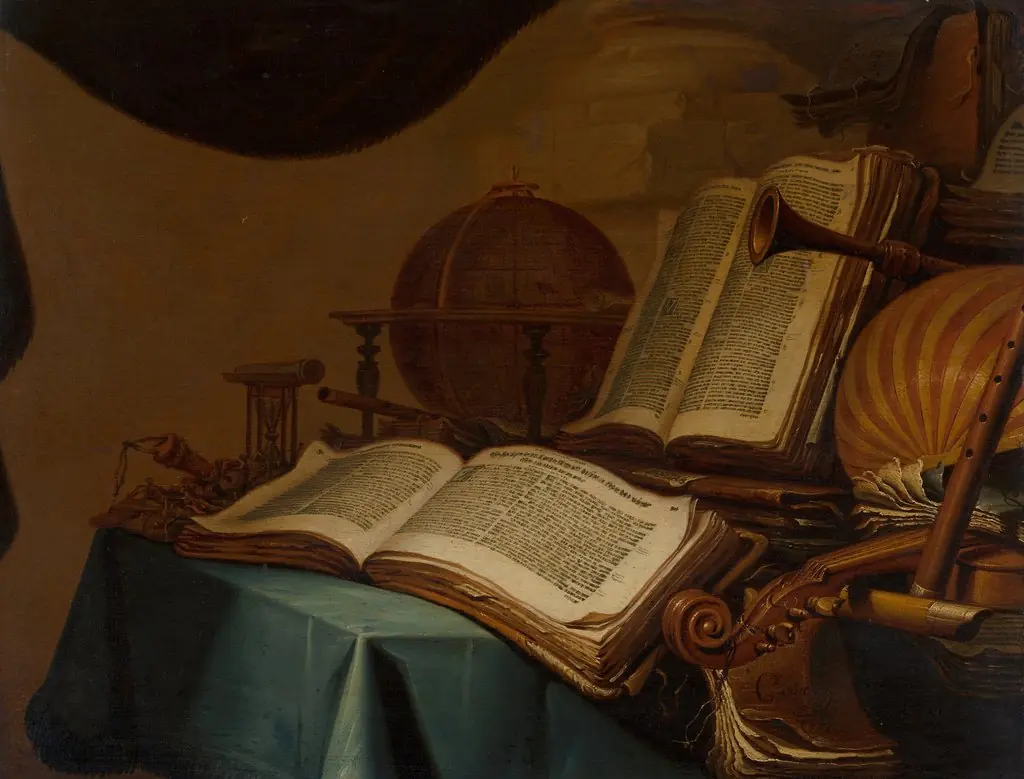 Still Life with Books, a Globe and Musical Instruments
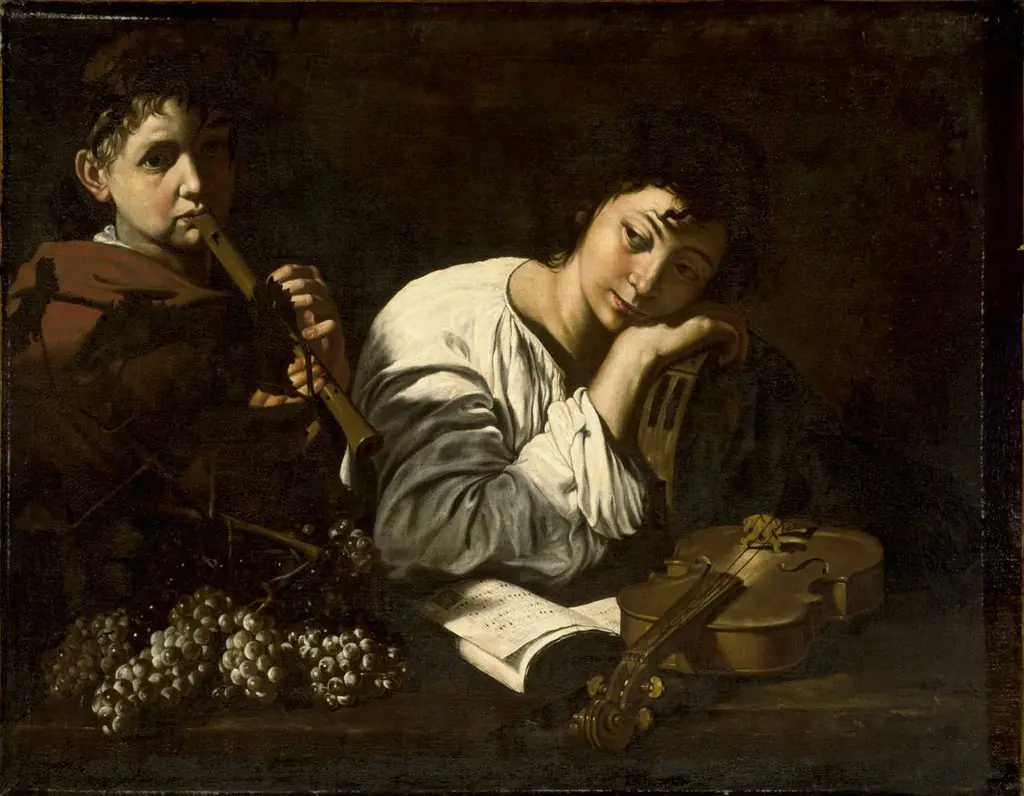 The Lament of Aminta
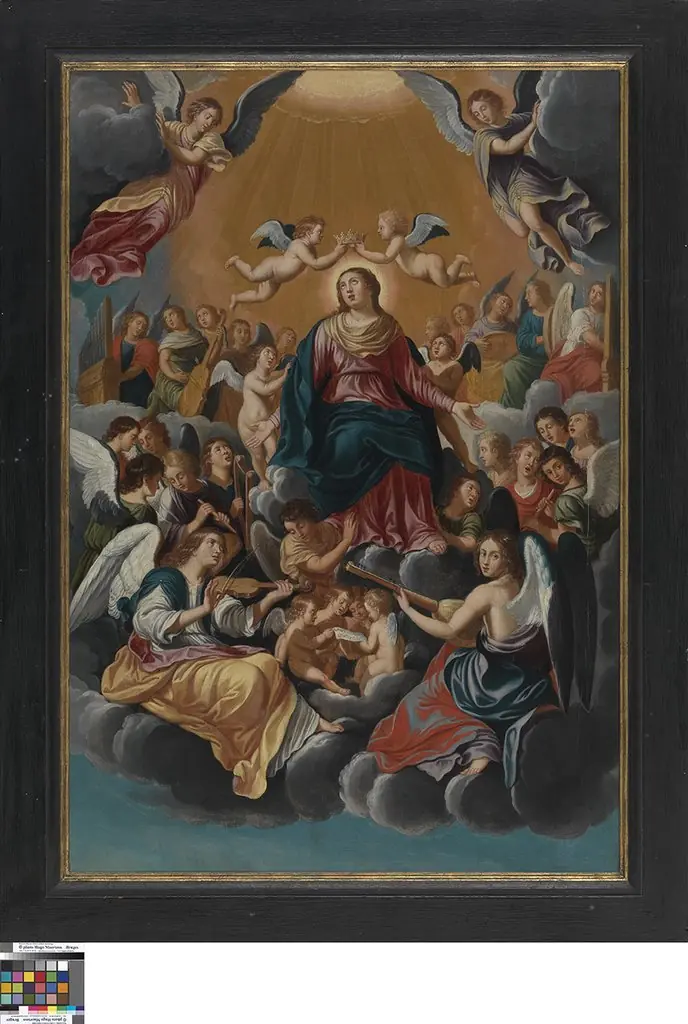 Kroning van Maria
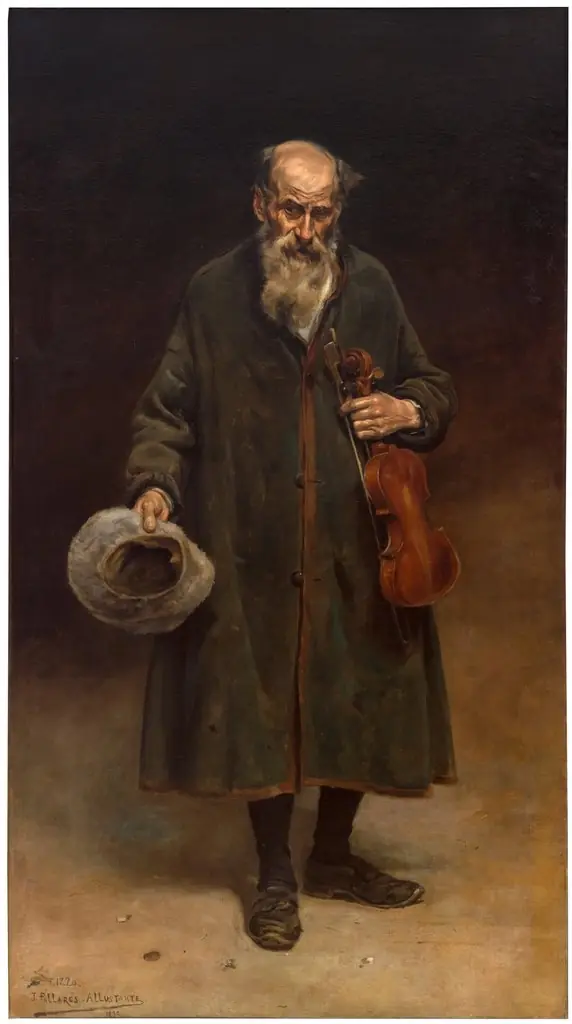 Inválido del arte
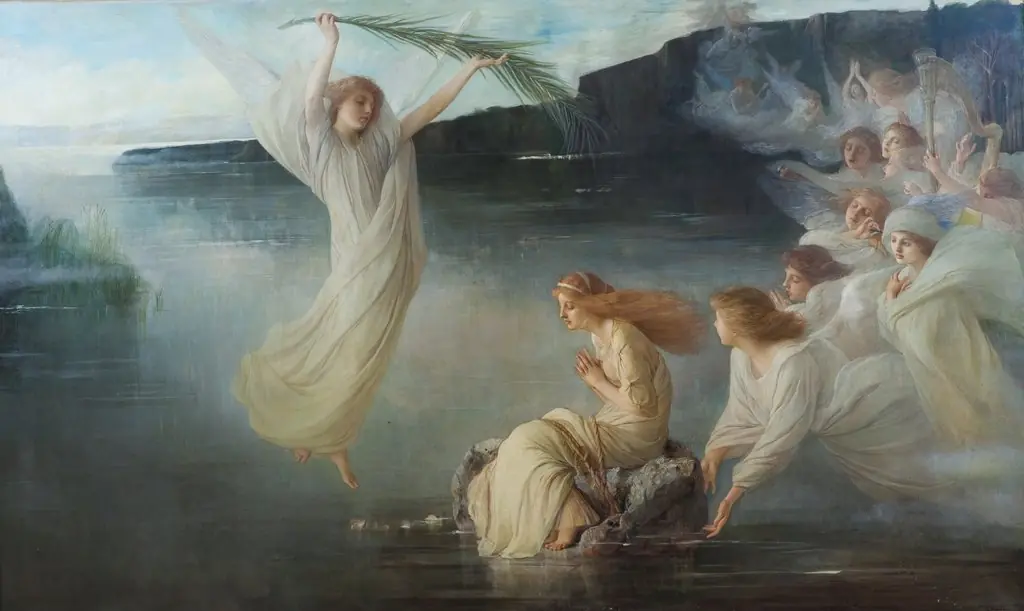 El martirio de santa Cristina
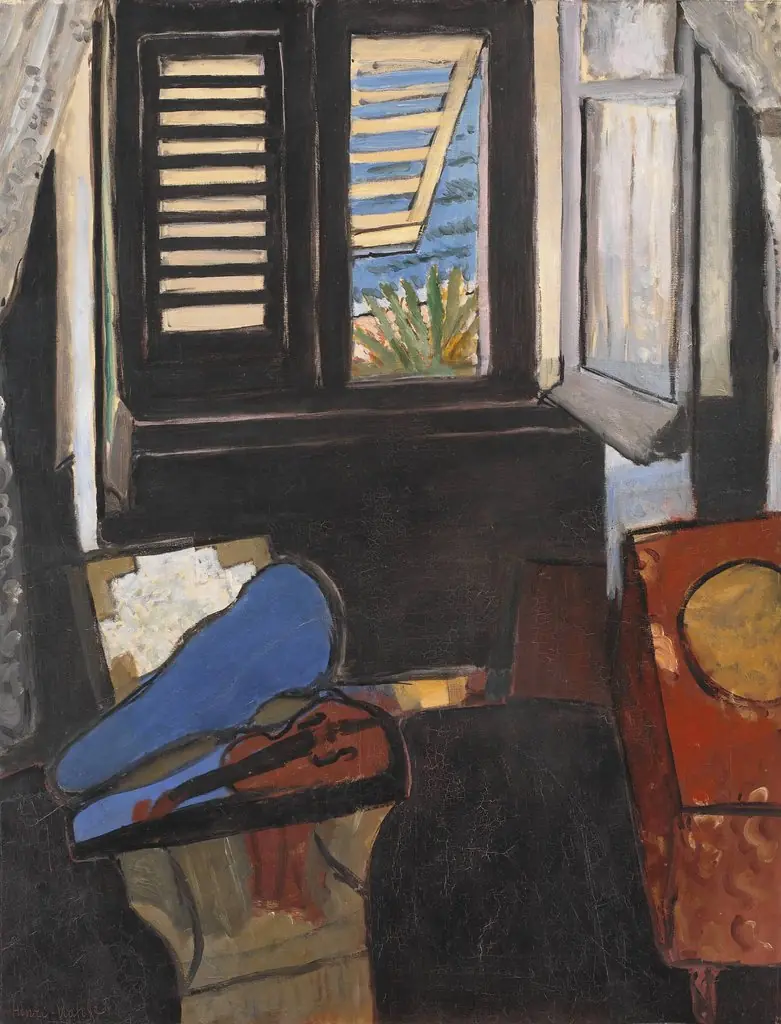 Interior with a Violin
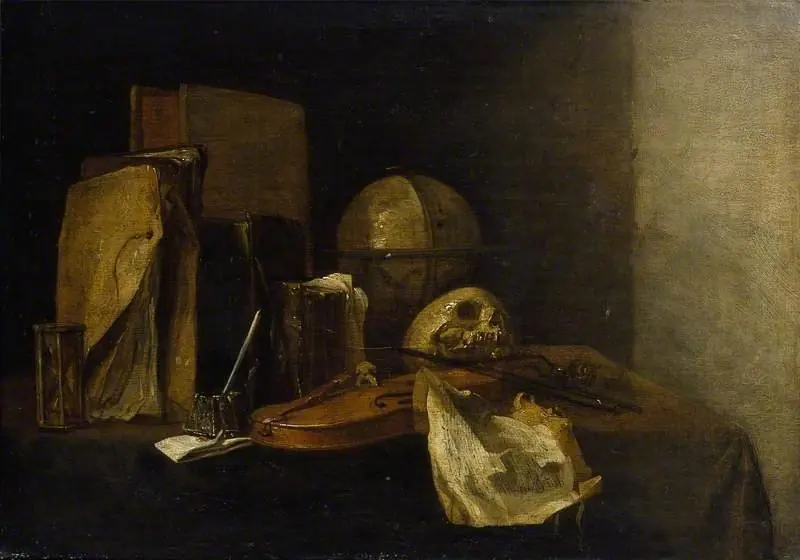 Still Life with a Violin
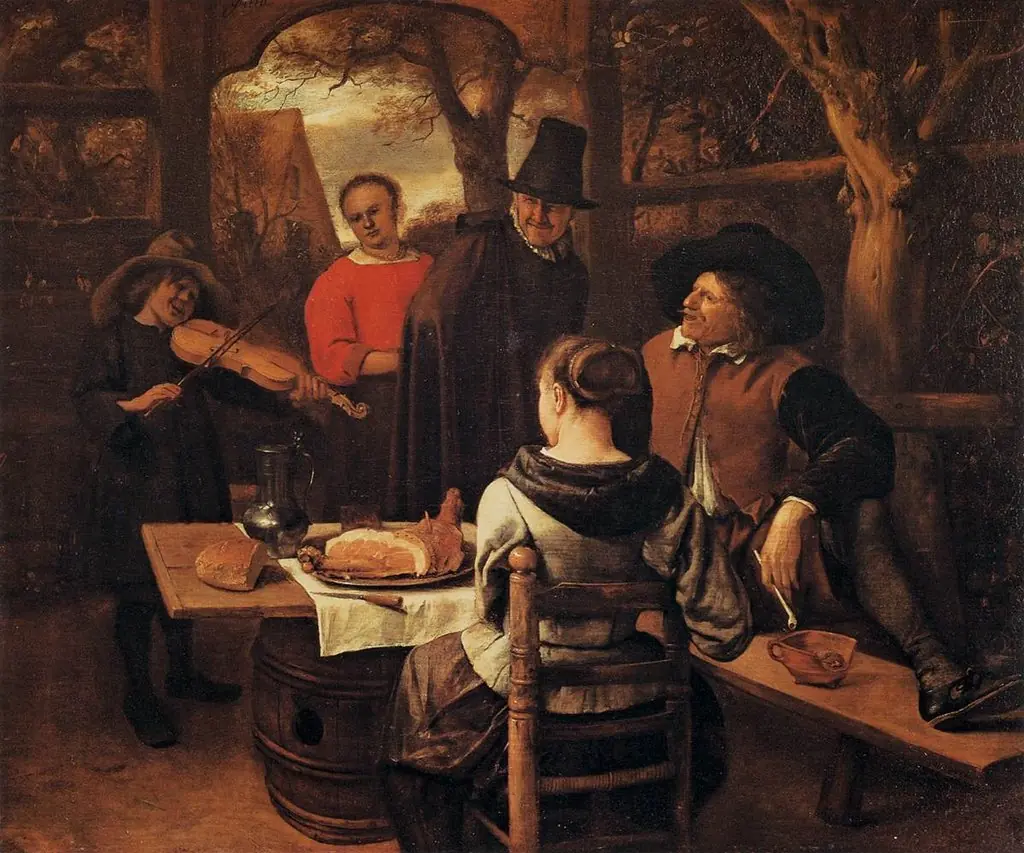 The Young Violin Player
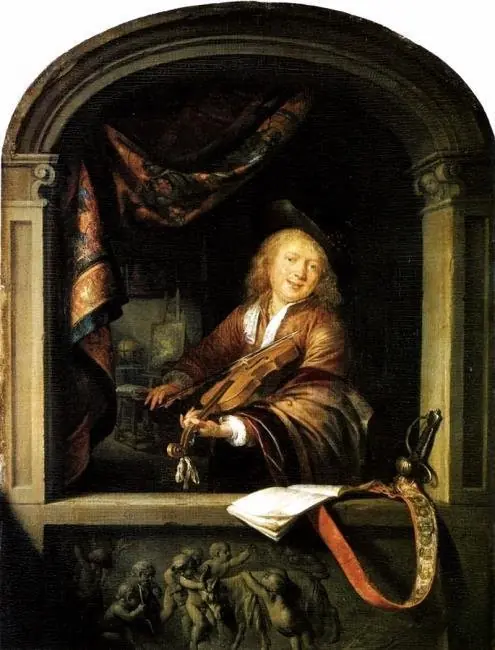 The Violin Player
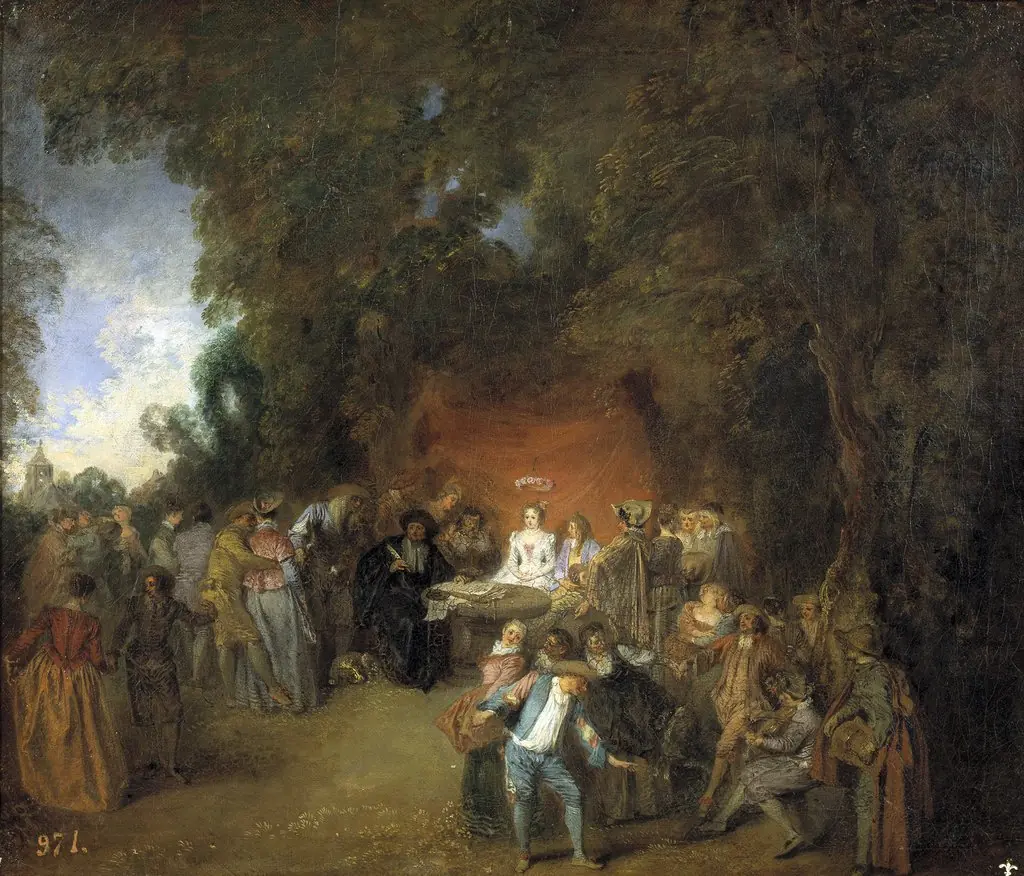 Marriage Contract and Country Dancing
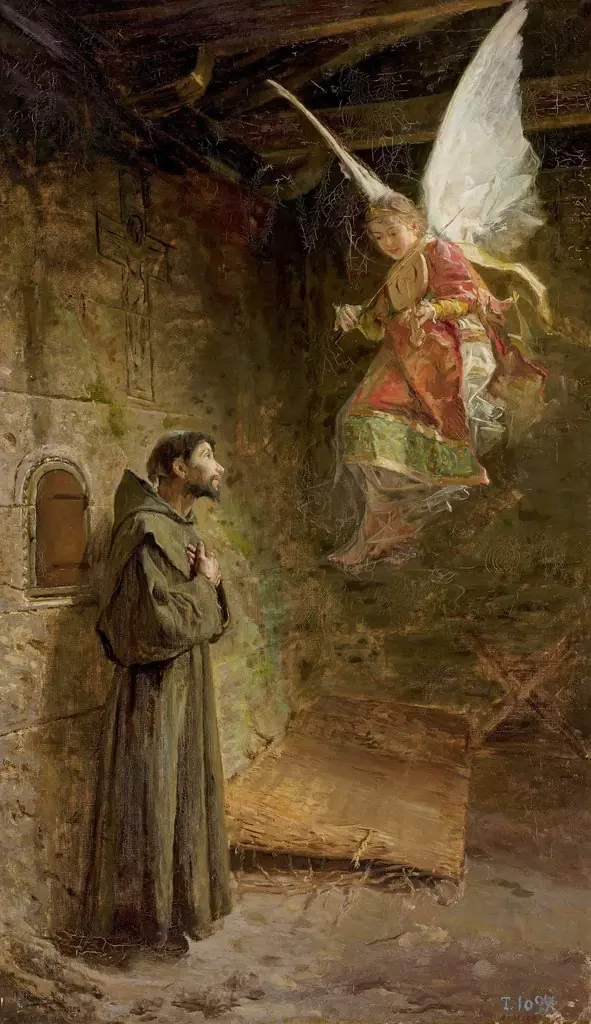 Visión de San Francisco de Asís
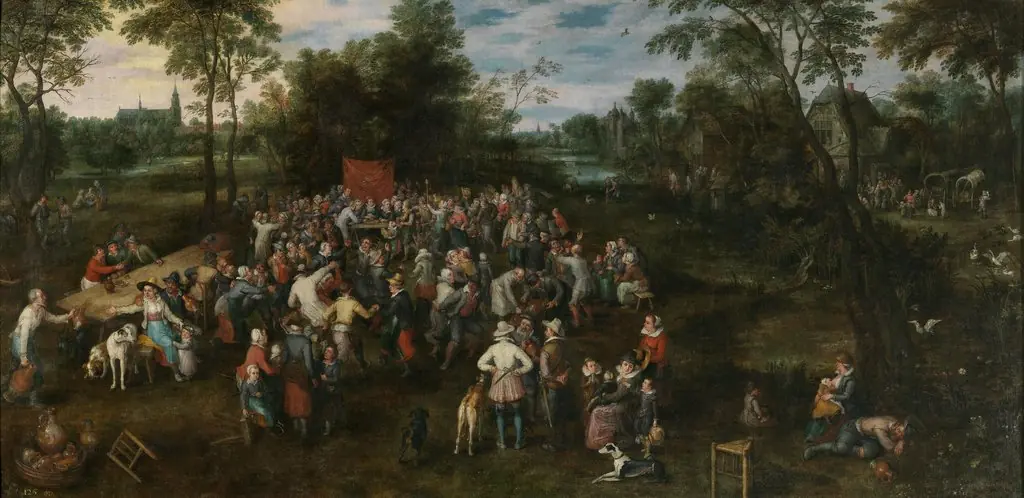 The Wedding Banquet
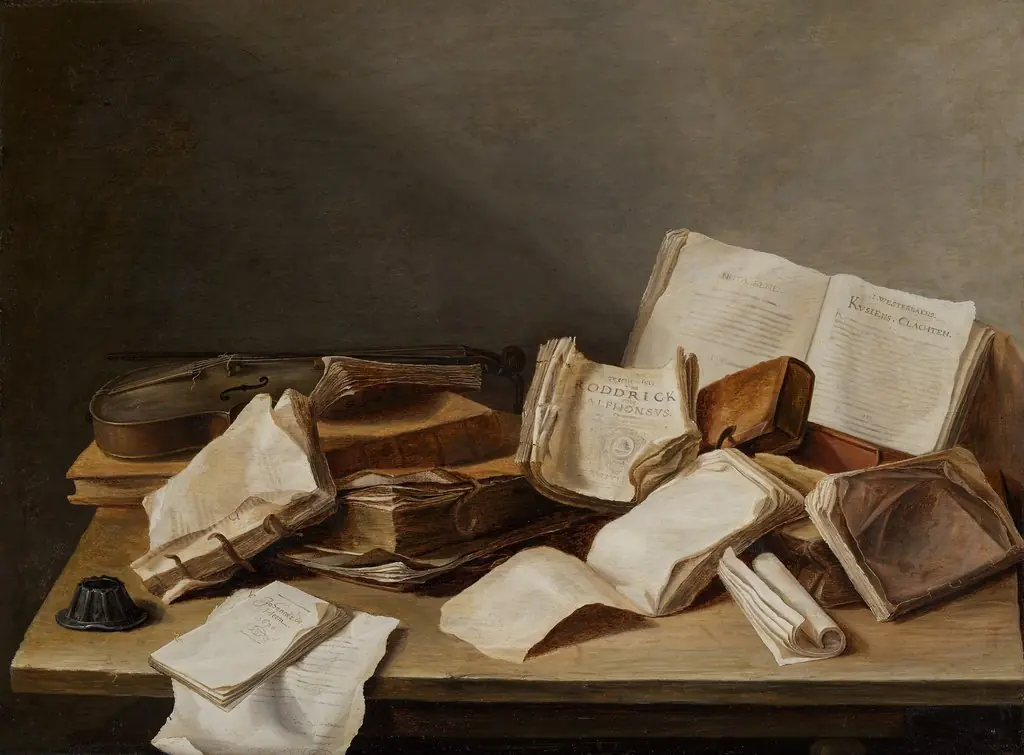 Still-Life of Books
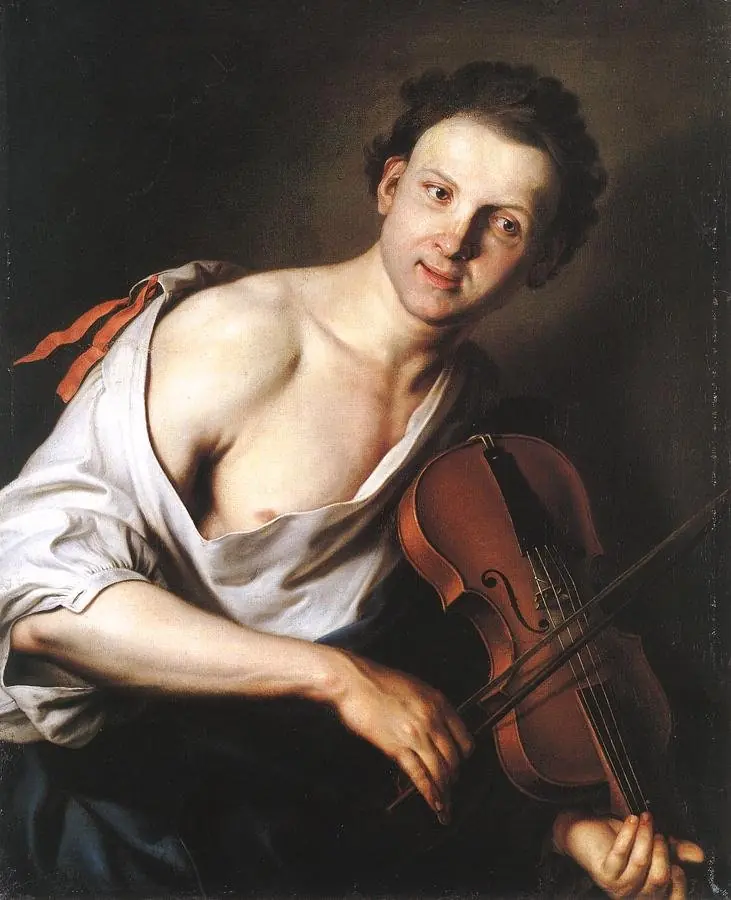 Young man with a violin
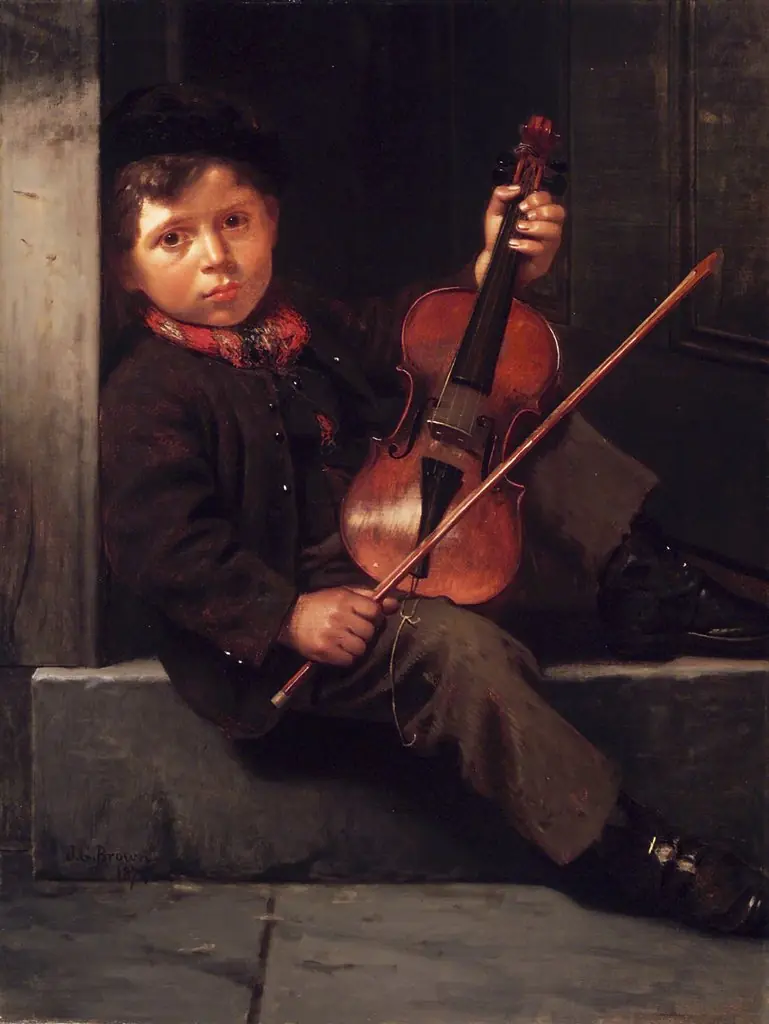 The Boy Violinist
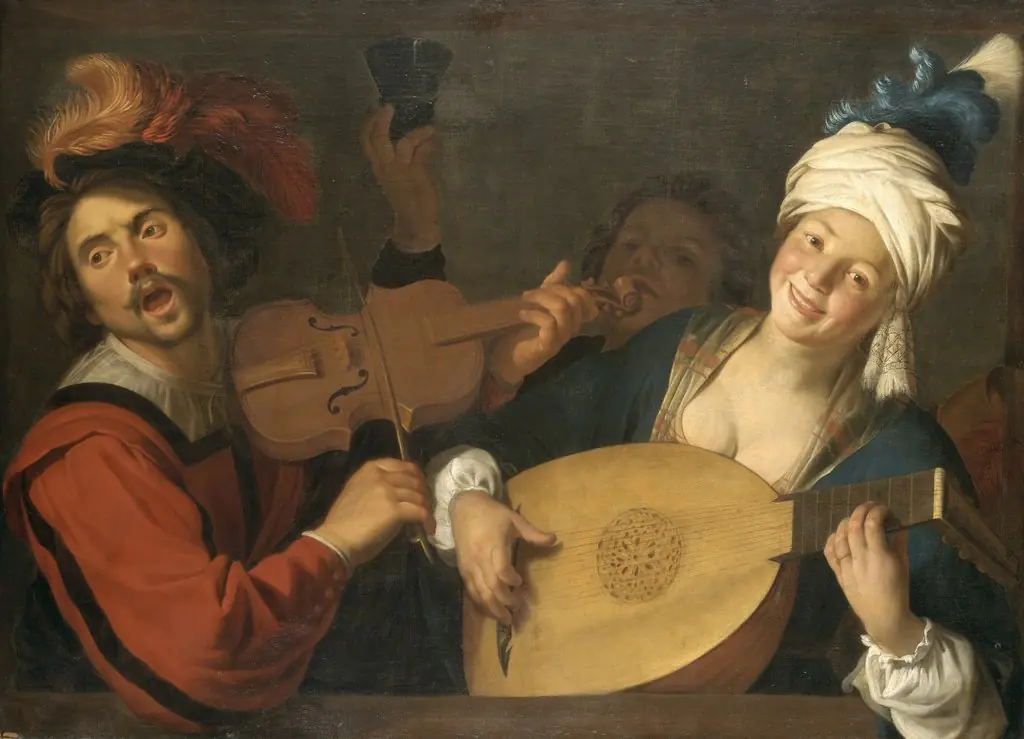 Couple making music behind a balustrade
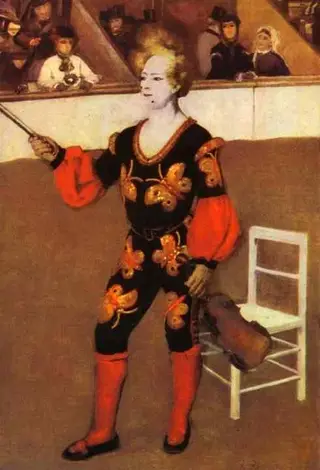 The Clown
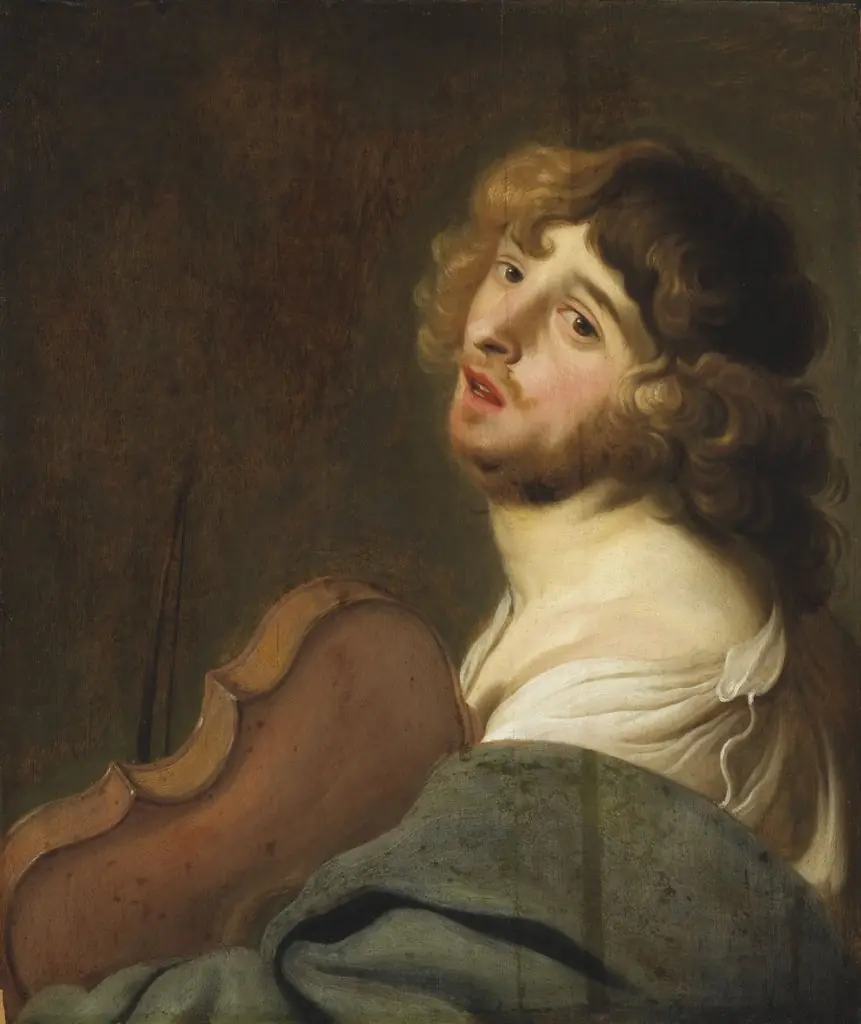 The Violinist (The Allegory of Hearing)
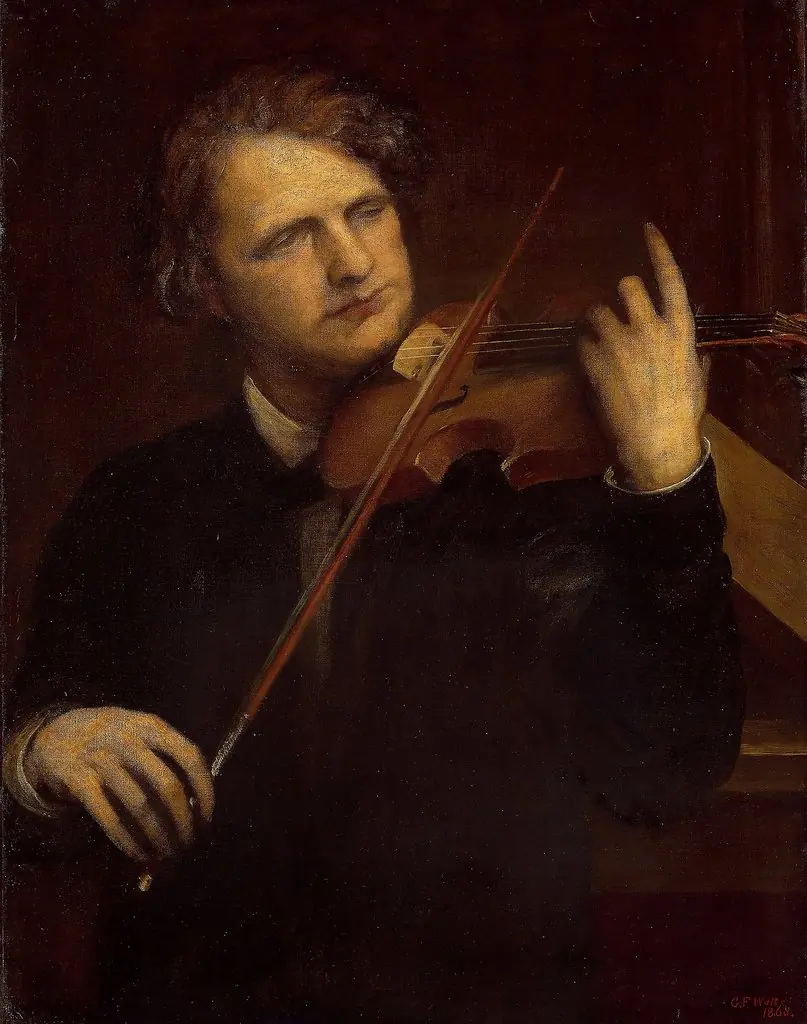 A Lamplight Study: Herr Joachim
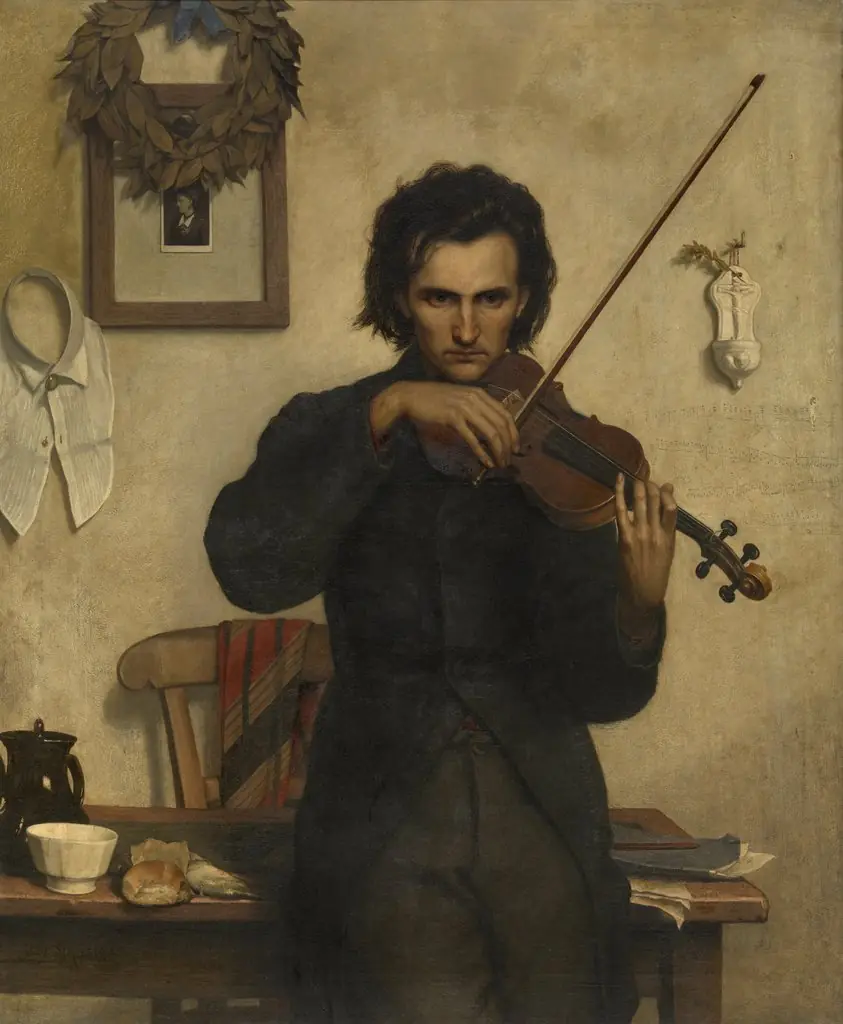 "Peut-être"
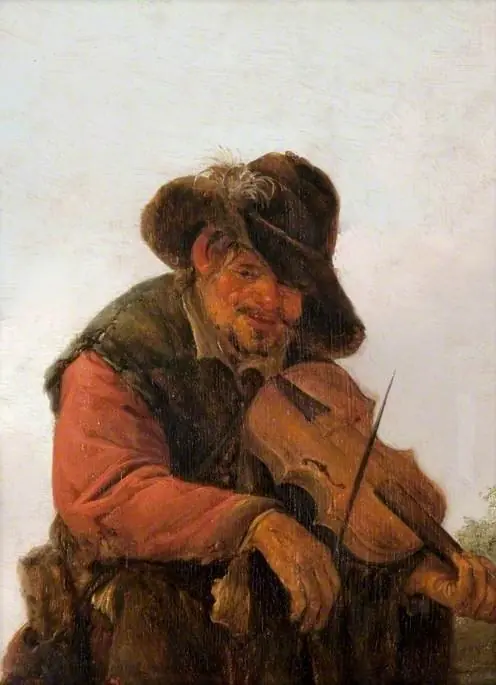 An Itinerant Musician
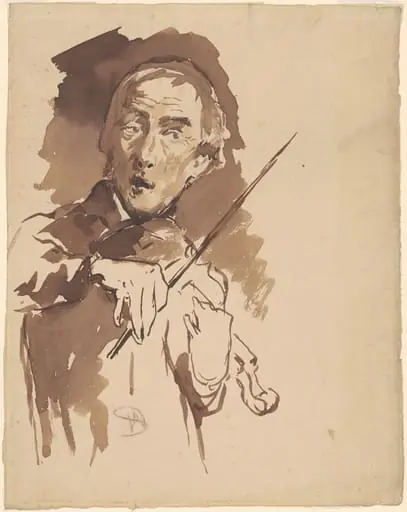 Study for "Toning the Bell"
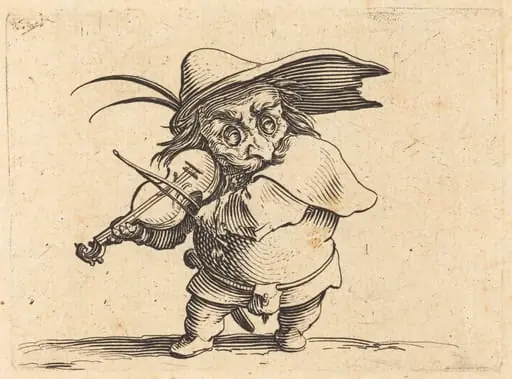 The Violin Player
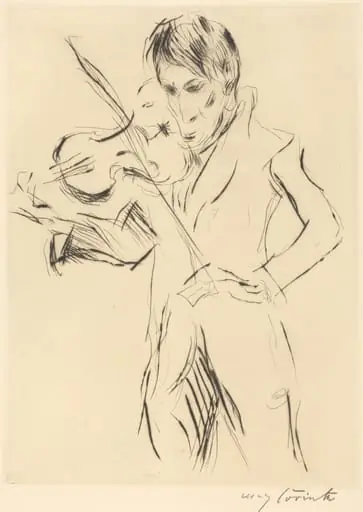 Bildnis Andreas Weissgaerber (Portrait of Andreas Weissgaerber)
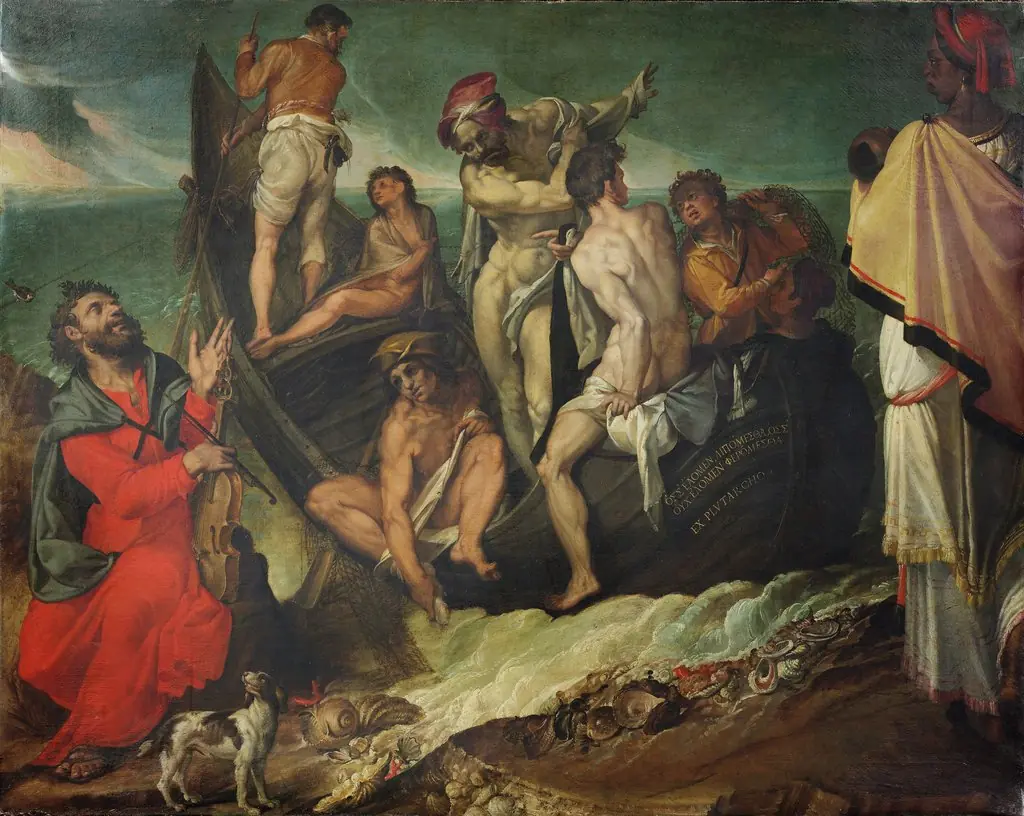 Homer’s Riddle
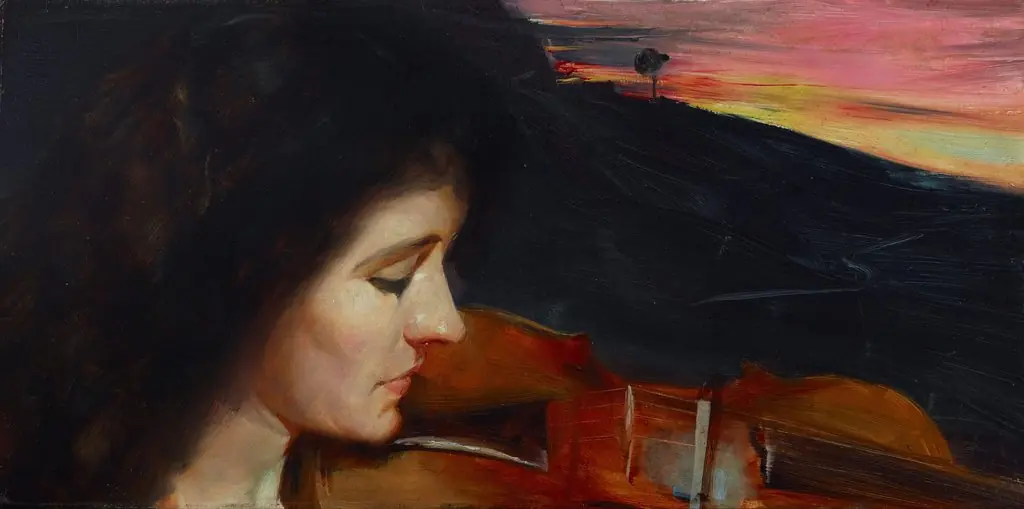 Adagio
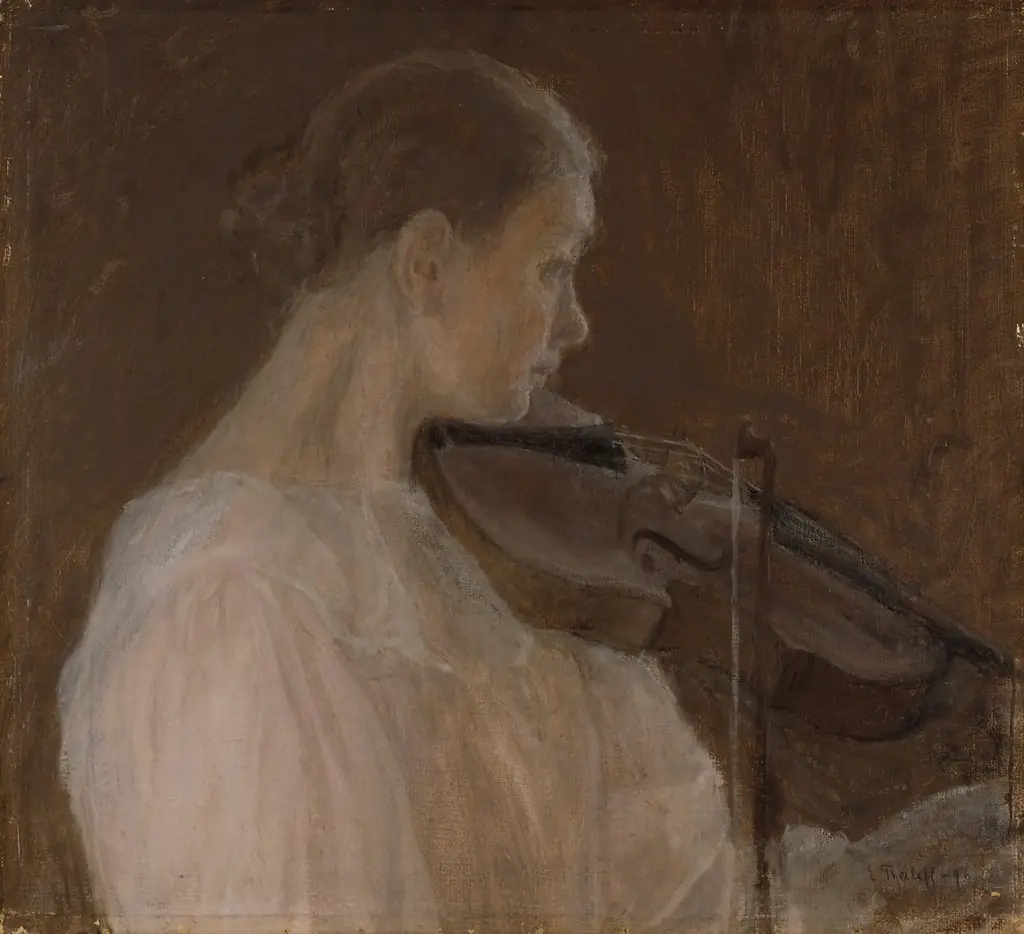 The Violin Player
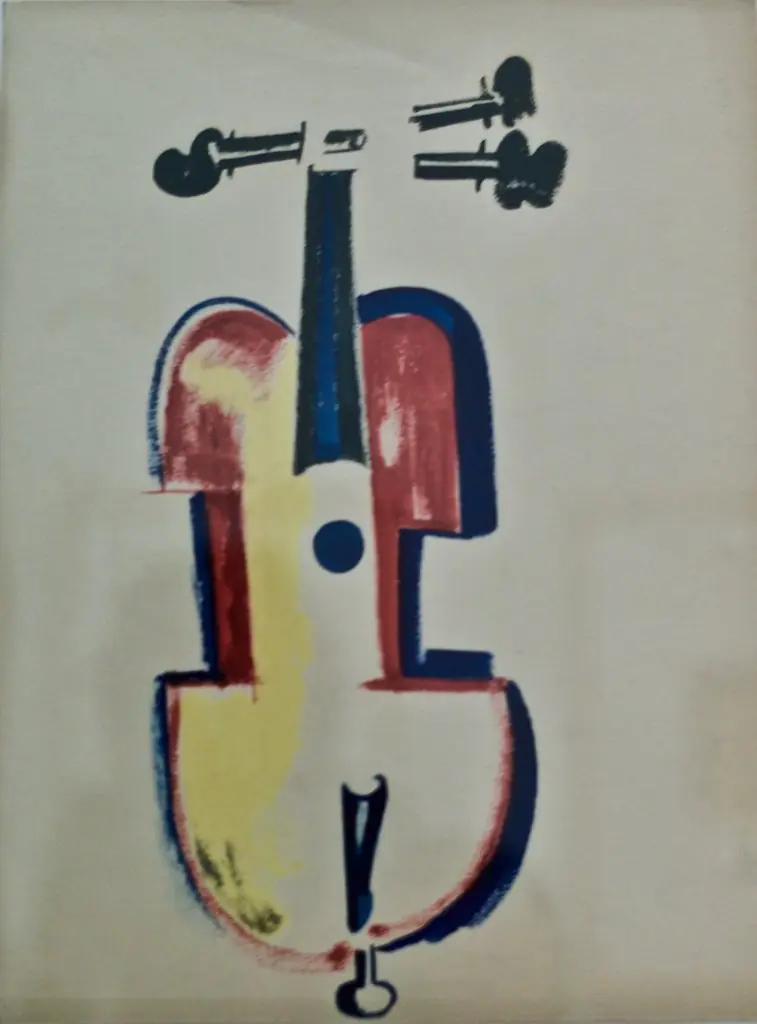 Cello
Cello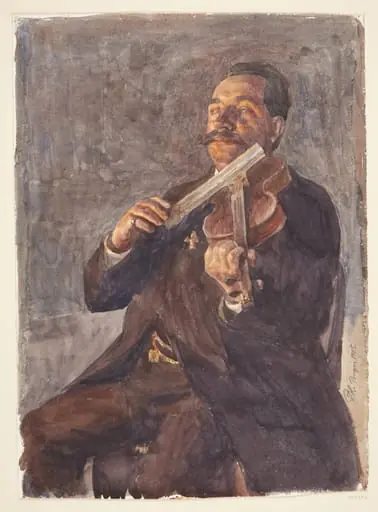 Il professore cavalieri di Luca
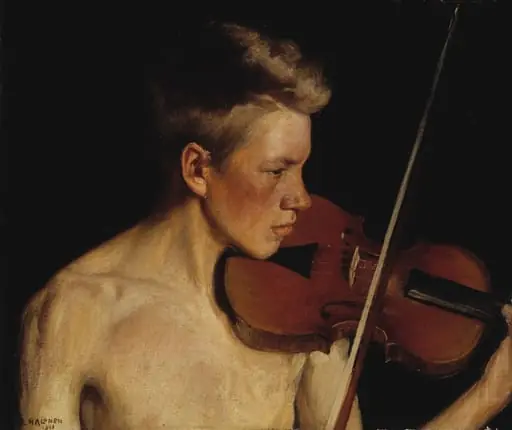 Viulunsoittaja
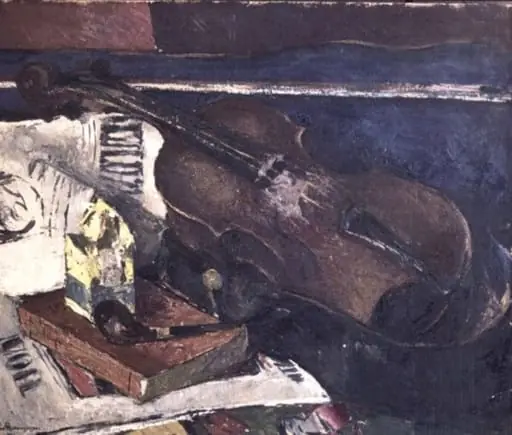 Vioara lui Zambaccian
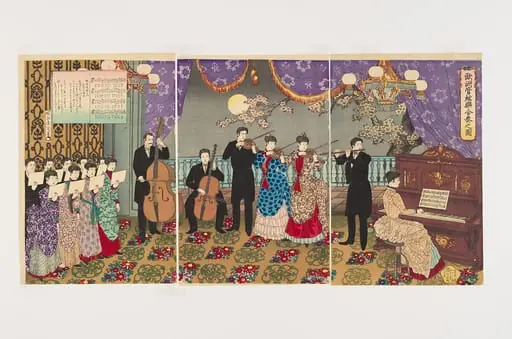 『欧州管絃楽合奏之図』|Concert of European Music (Ōshū kangengaku gassō no zu)
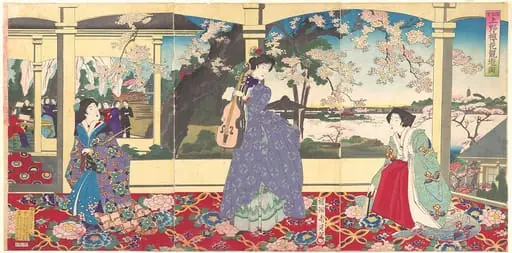 『踏舞会 上野桜花観 遊ノ図』|A Dance Party: Enjoying Cherry Blossom Viewing at Ueno (Tōbukai Ueno ōka yūran no zu)
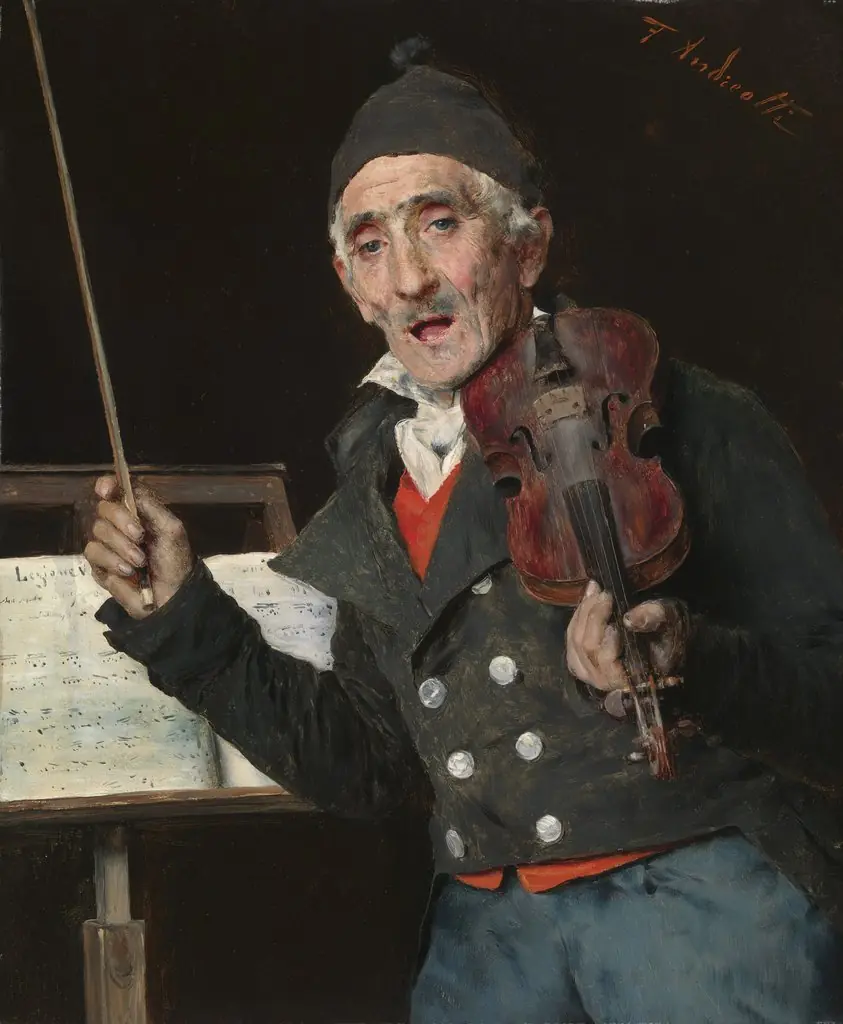 The Violin Teacher
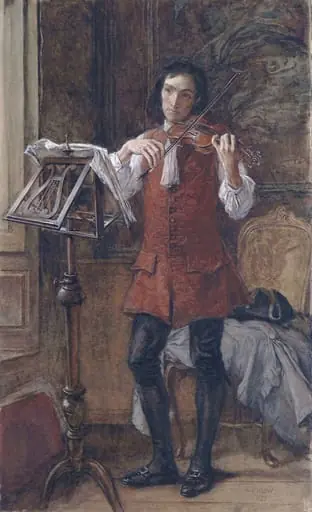 An Amateur
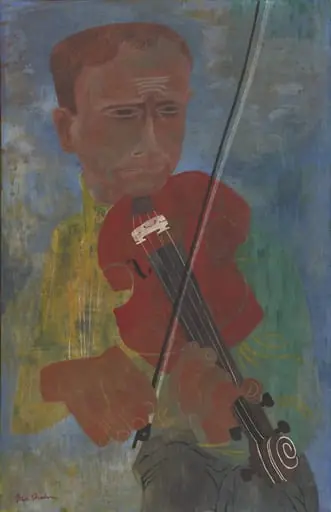 Untitled
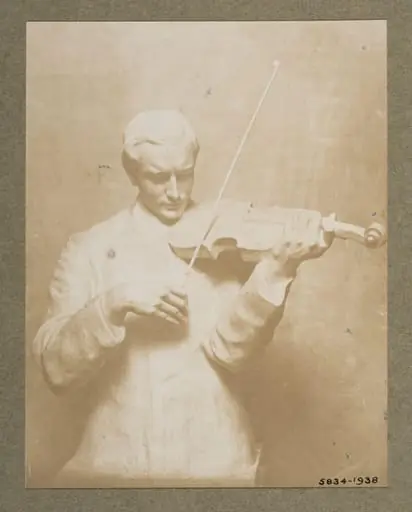 The Violinist
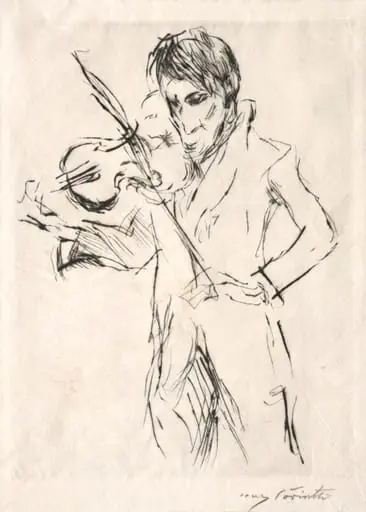 Andreas Weissgaerber
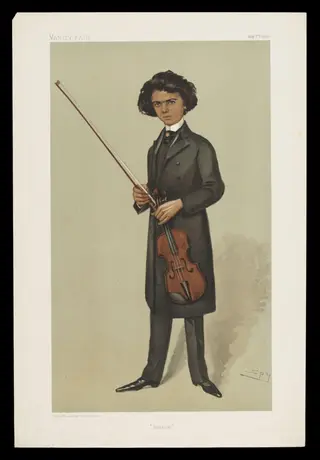 H Beard Print Collection
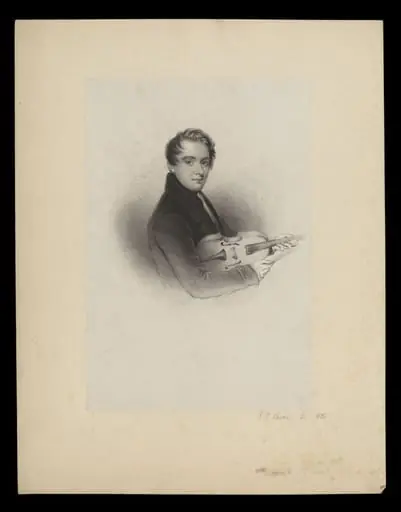 H Beard Print Collection
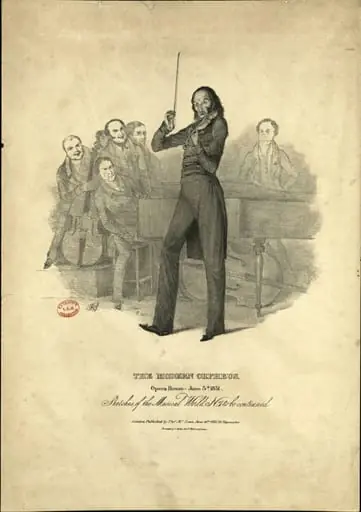 Sketches of the Musical World No. 1
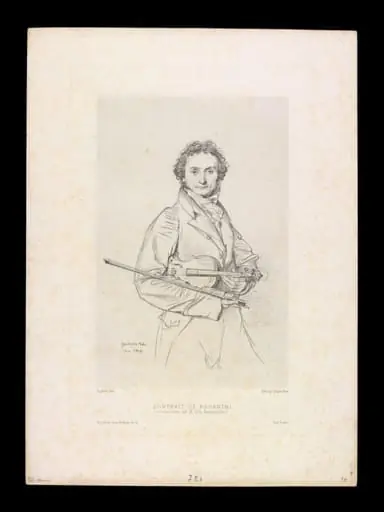 H Beard Print Collection
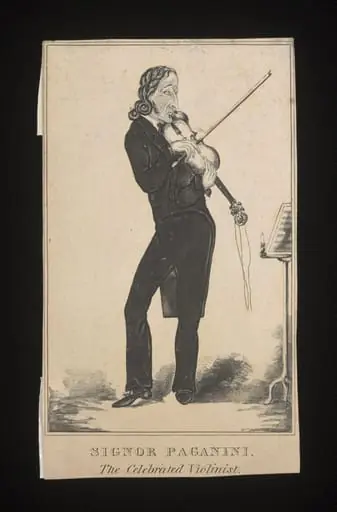 Signor Paganini
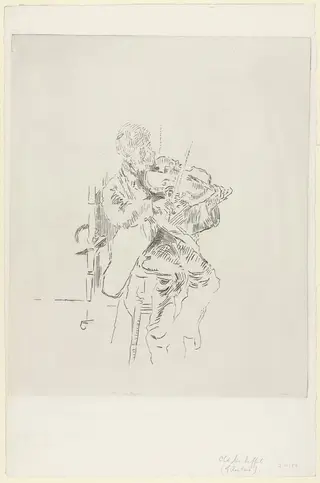 Untitled
Frequently asked questions
What is Violin?
Violin is a subject in art. The violin, sometimes referred to as a fiddle, is a wooden chordophone, and is the smallest, and thus highest-pitched instrument (soprano) in regular use in the violin family.
How many Violin works does Artifact World Gallery have?
Artifact World Gallery holds 96 public-domain Violin works, all free to view and download.
Who are the key Violin artists?
Key Violin artists in the collection include Gustave Courbet, Edgar Degas and Édouard Manet.
Where can I see Violin works?
Violin works in the collection are held by Museo del Prado, Metropolitan Museum of Art and National Gallery of Art.