Artwork
Sketch 160A
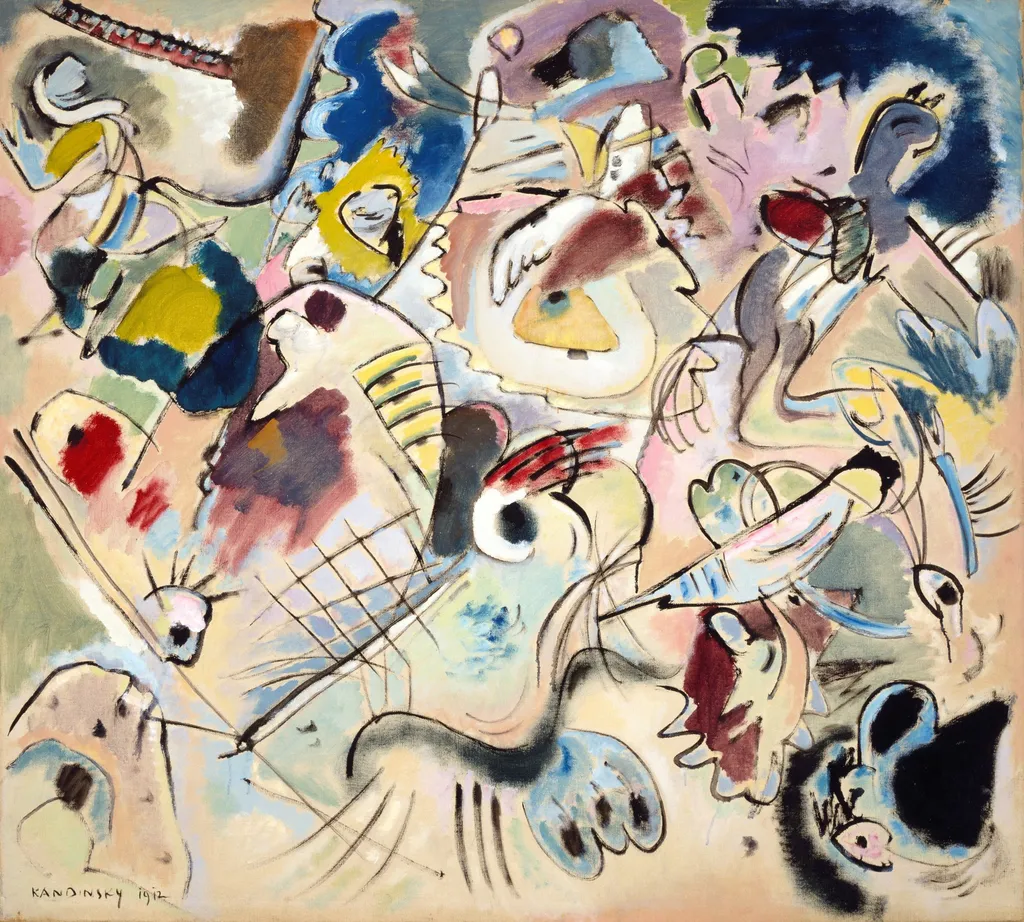
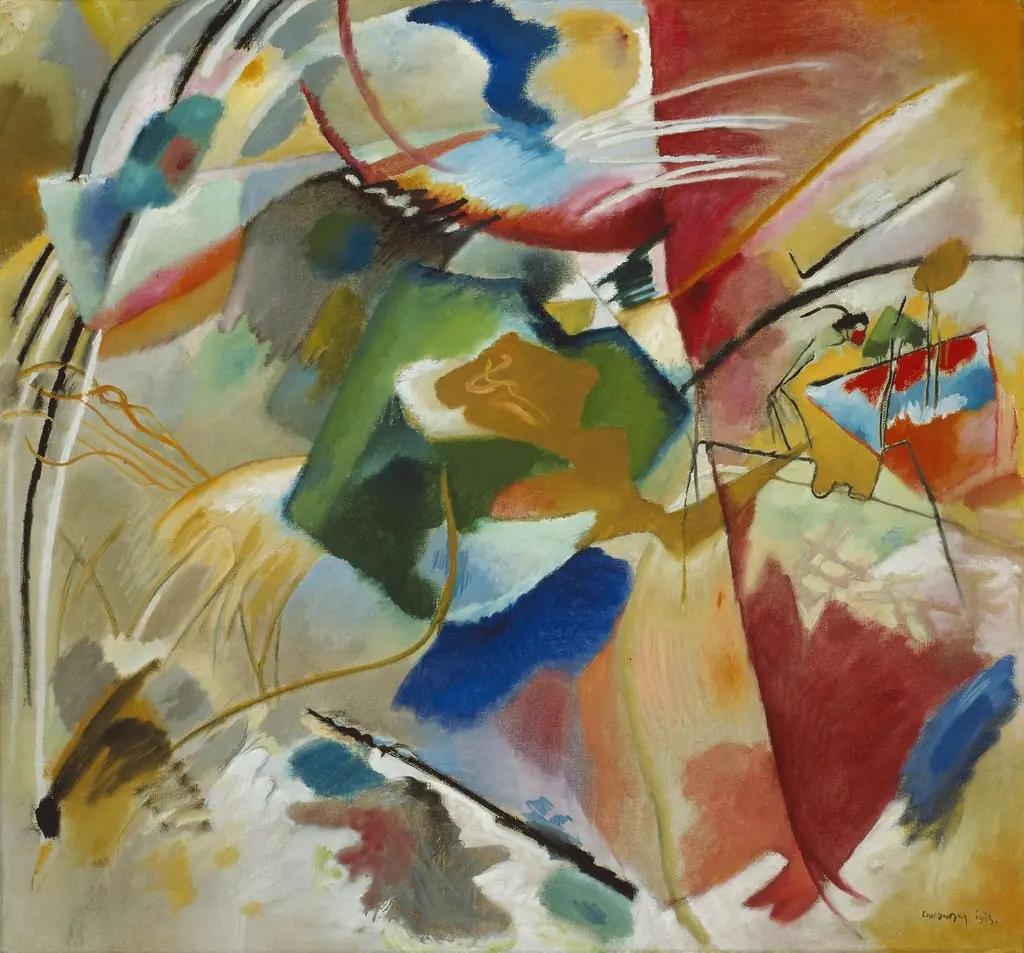
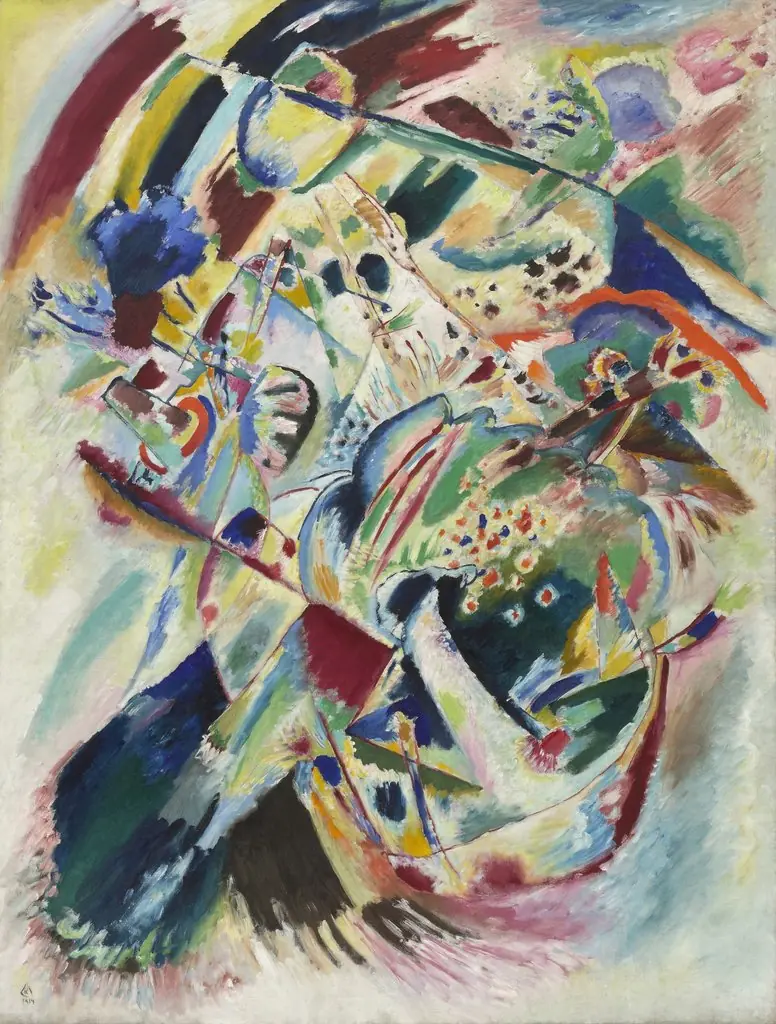
Sketch 160A is an oil painting by the Abstract Expressionist artist Wassily Kandinsky. It dates from 1912 and is held in the collection of the Museum of Fine Arts, Houston.
About this work
Overview
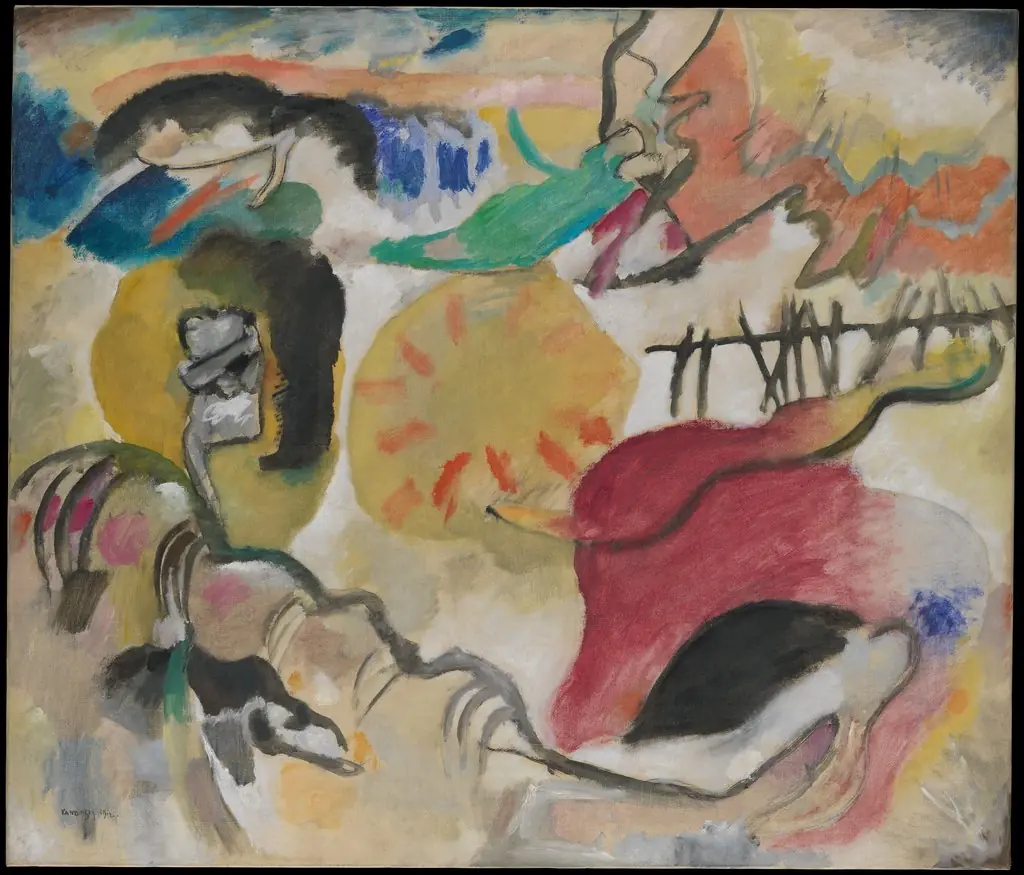
Sketch 160A, executed in oil in 1912, belongs to the early phase of Wassily Kandinsky’s career while he was based in Munich. The work exemplifies his shift from representational painting toward a language of pure color and line, anticipating the rise of abstract expressionist concerns.
Subject & Meaning
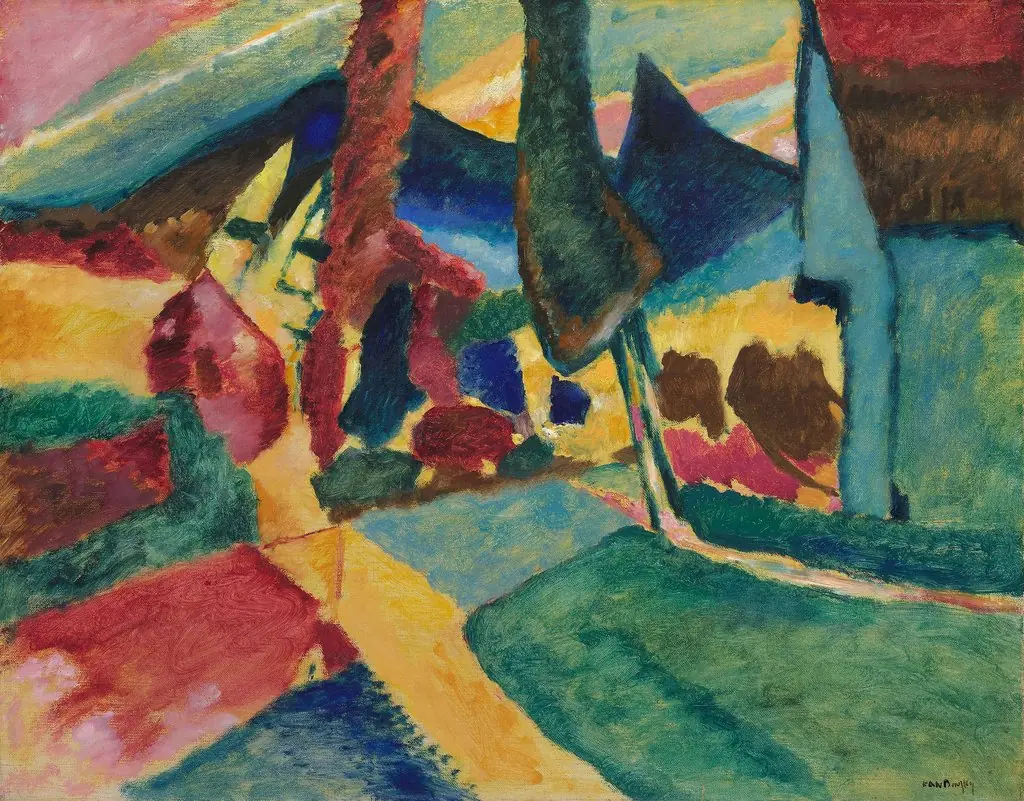
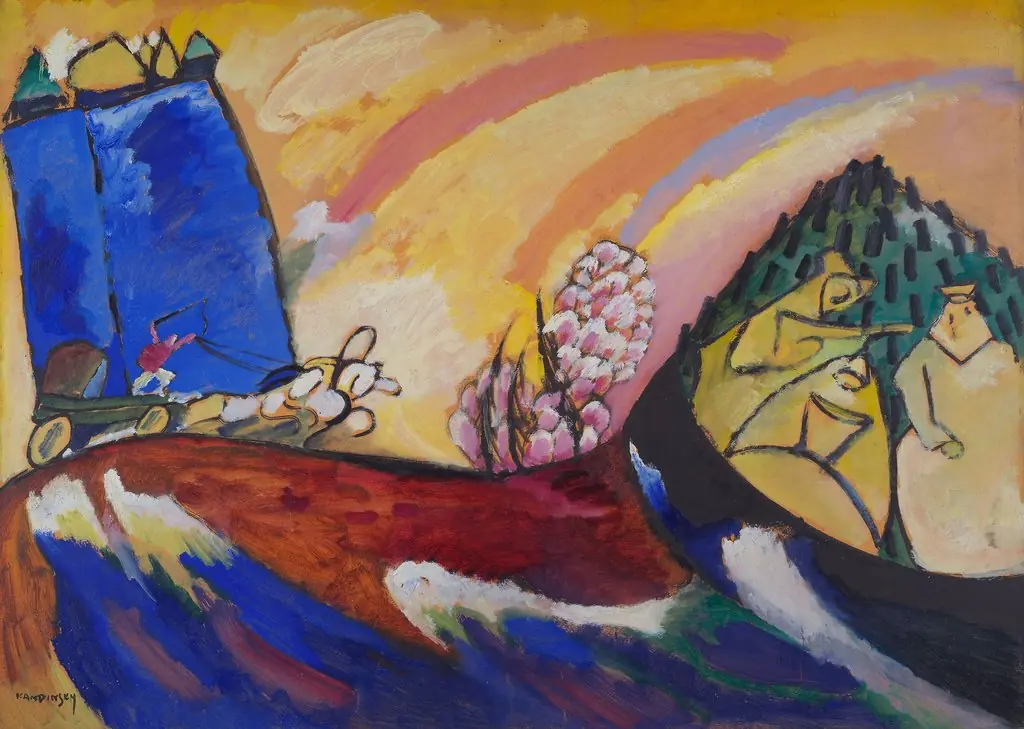
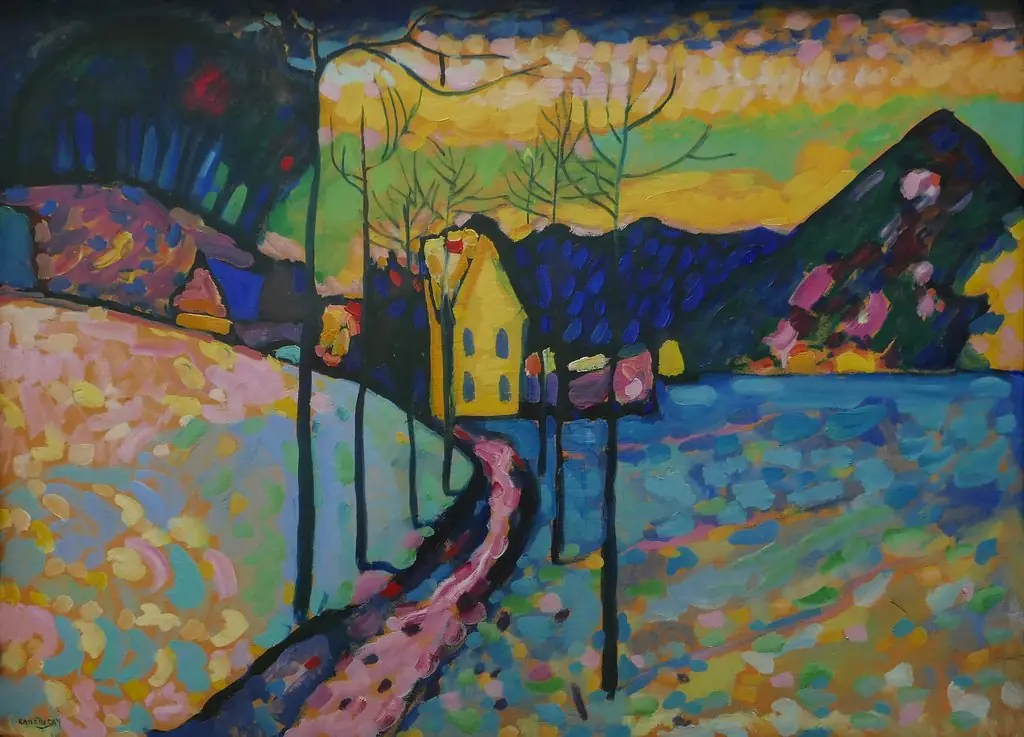
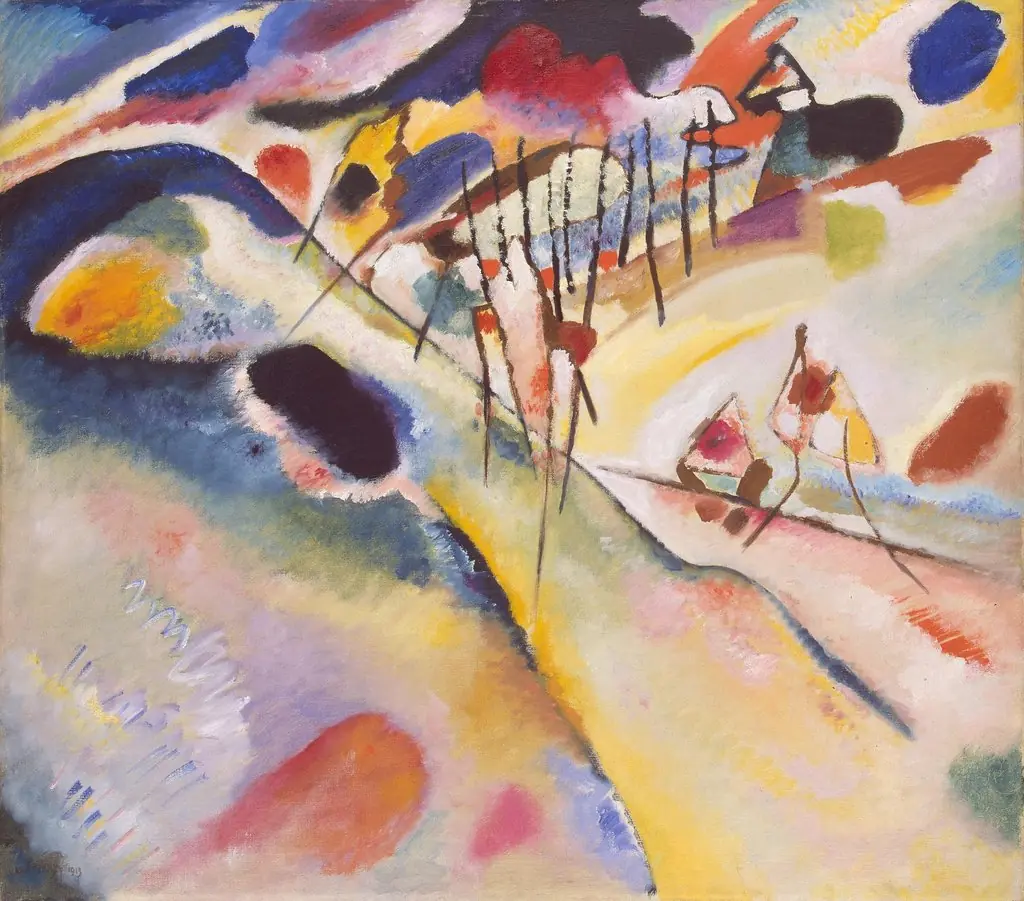
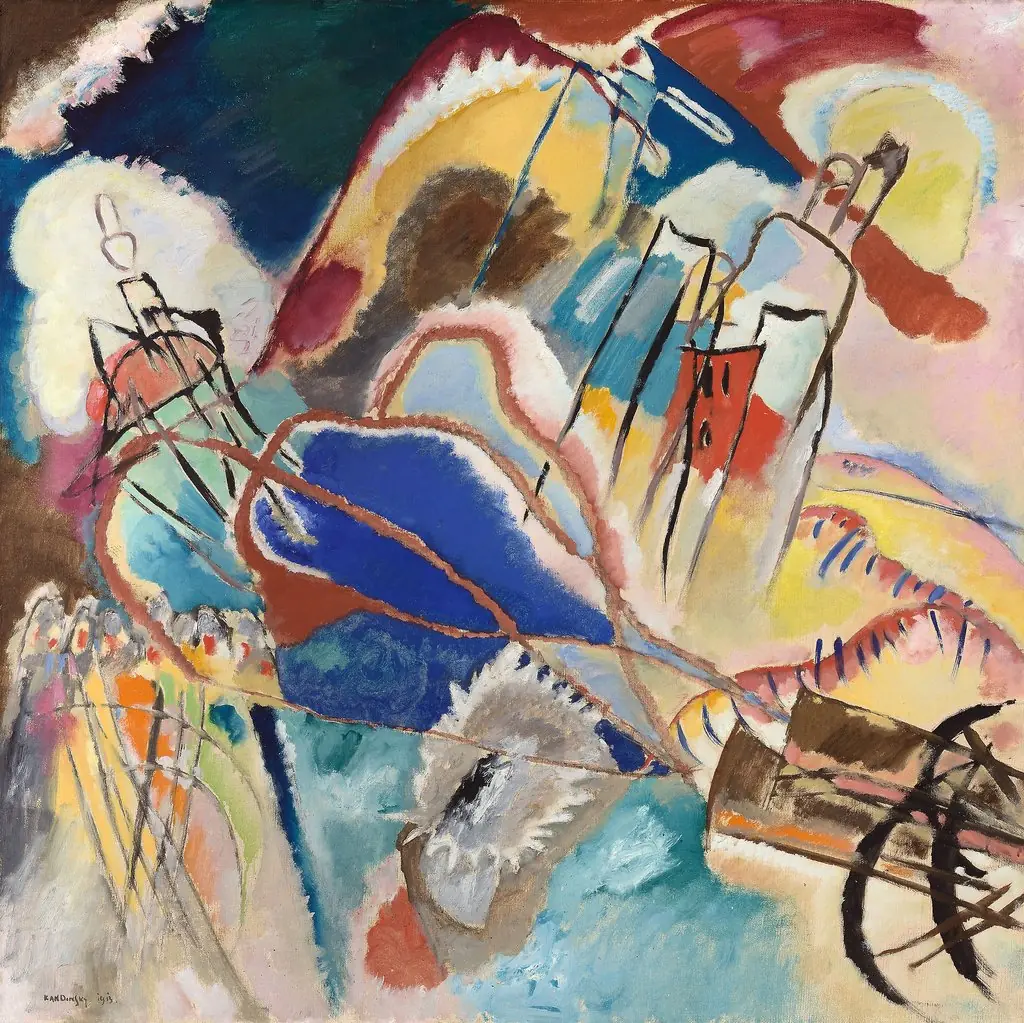
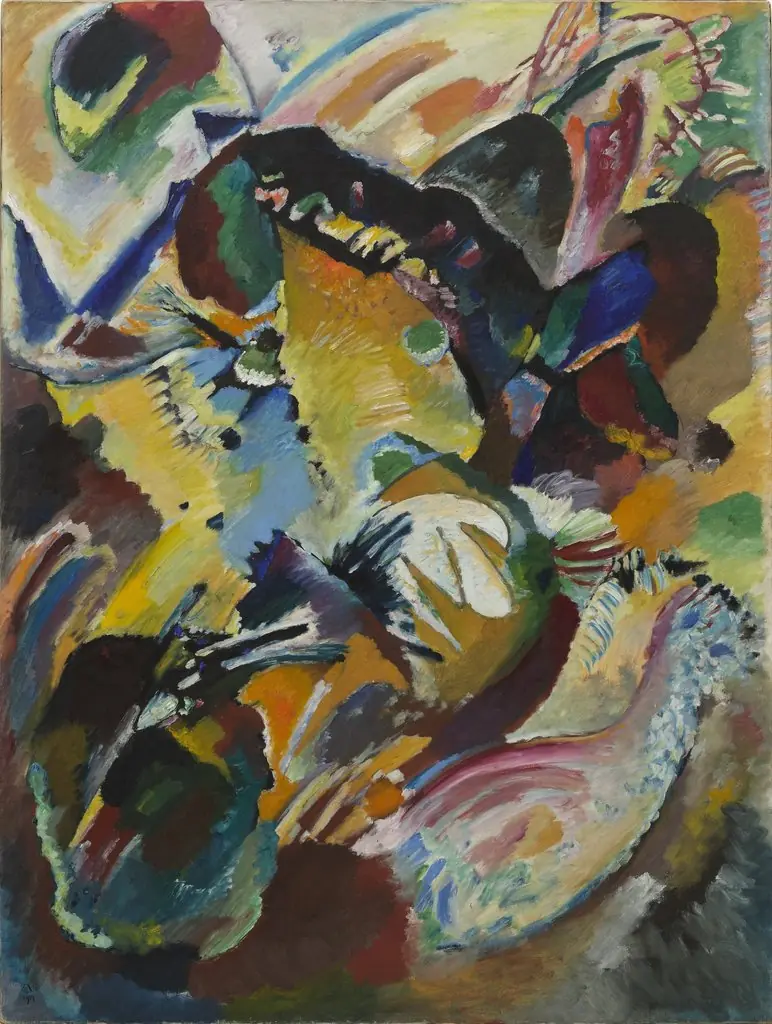
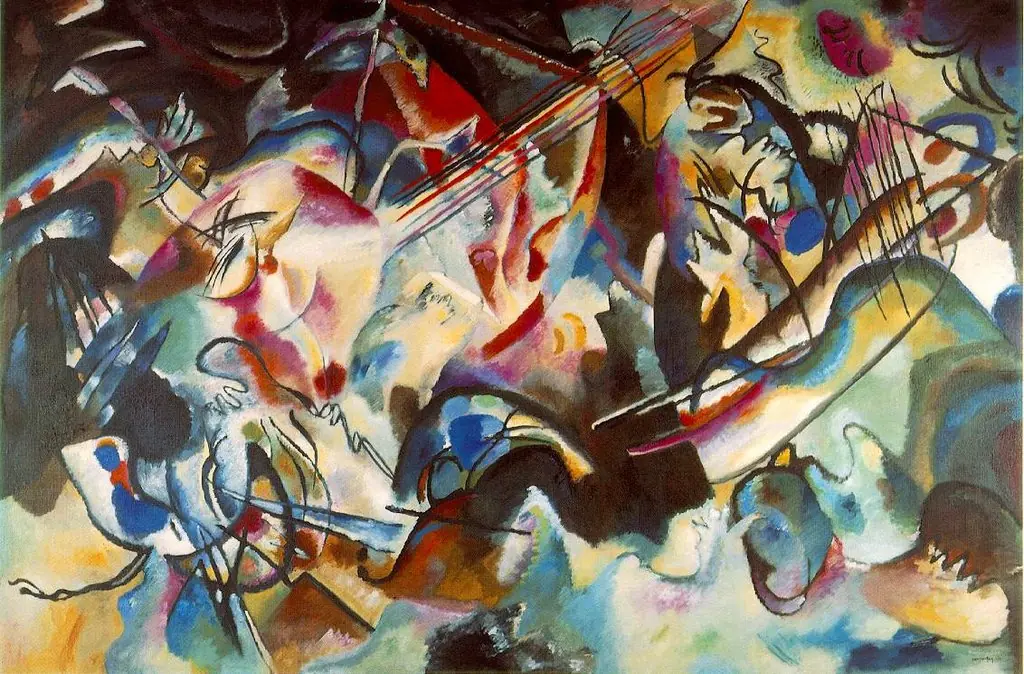
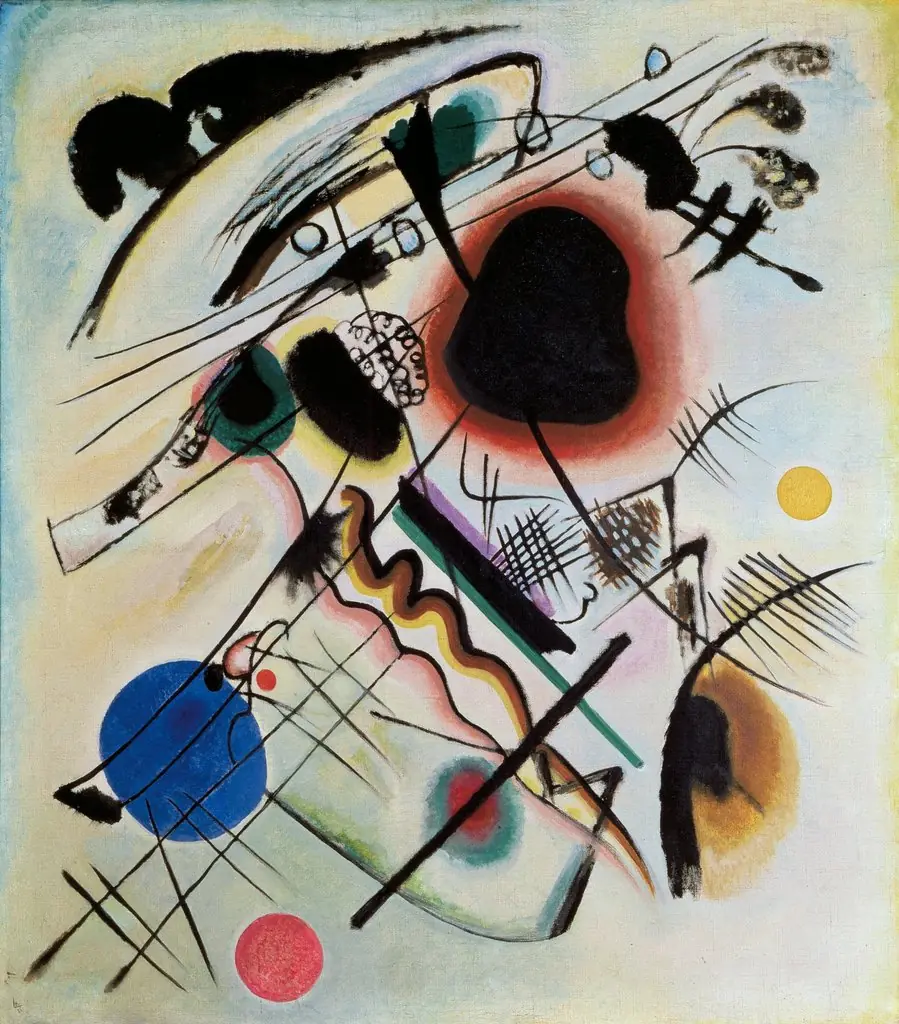
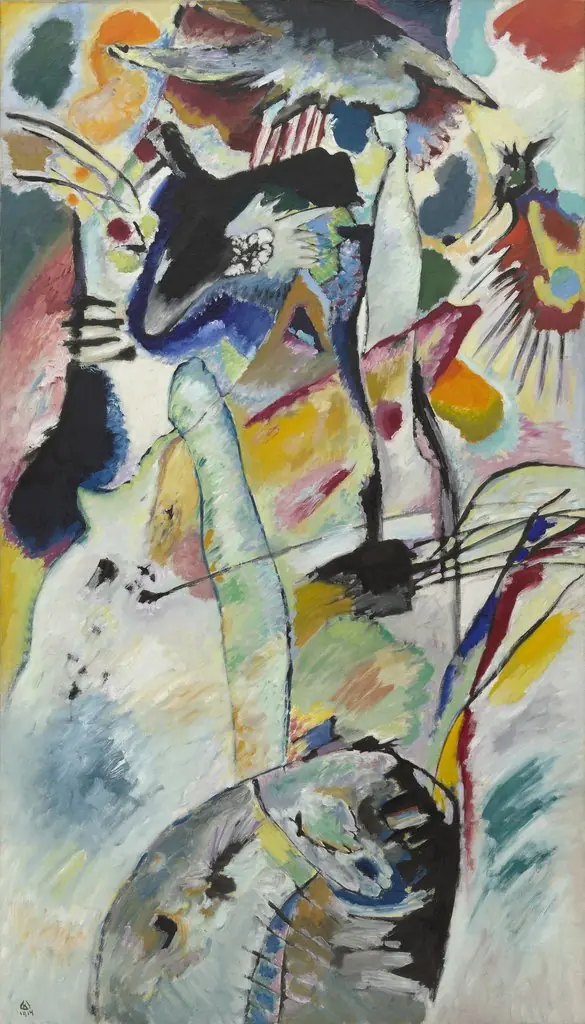
The canvas presents an arrangement of vivid blues, yellows, reds, intersected by stark black and white elements. The overlapping hues and gestural strokes generate a sense of movement and spatial depth, suggesting an emotional resonance that is conveyed without reference to recognizable objects.
Technique & Style
Kandinsky applied oil with loose, expressive brushwork, allowing the paint to build up in textured passages. The composition relies on bold linear gestures and the juxtaposition of saturated colors, creating rhythmic visual tension characteristic of his early abstract experiments.
History & Provenance
Created during Kandinsky’s formative years after he began formal study in Germany at age thirty, the painting reflects his involvement with the Munich avant‑garde. By this time he had already contributed to the discourse on non‑representational art, positioning the work within his pre‑Moscow output.
Context
The piece emerges amid a broader movement in early twentieth‑century Europe toward abandoning figurative conventions. Kandinsky’s theoretical writings and his participation in groups such as the Der Blaue Reiter informed the visual vocabulary seen in Sketch 160A, where color and form function as autonomous expressive agents.
Own this work as a print
Artist & collection
Artist
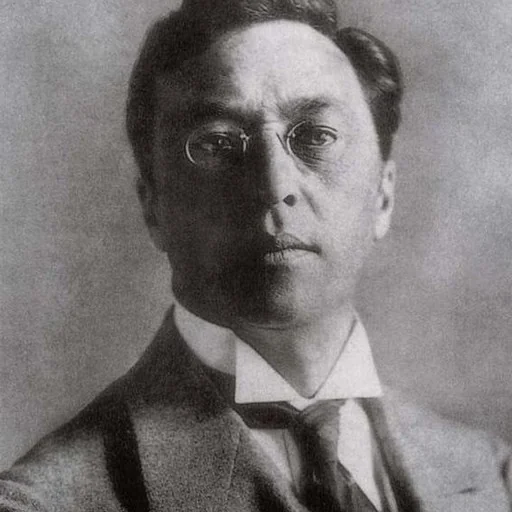
Wassily Wassilyevich Kandinsky (16 December 1866 – 13 December 1944) was a Russian painter and art theorist active in Germany during the late Belle Époque and Interwar eras.