Artwork
Painting with White Form (study)
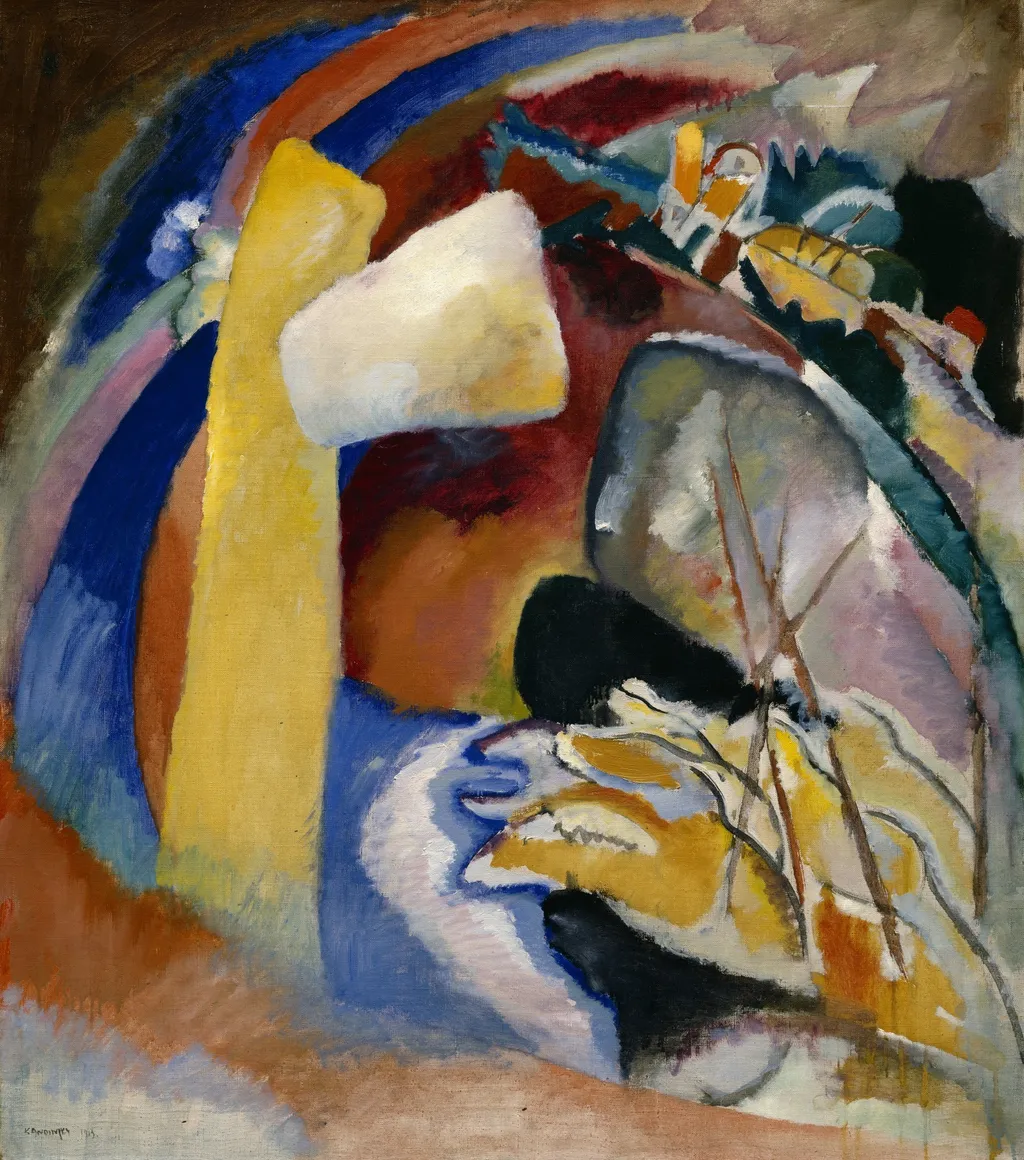
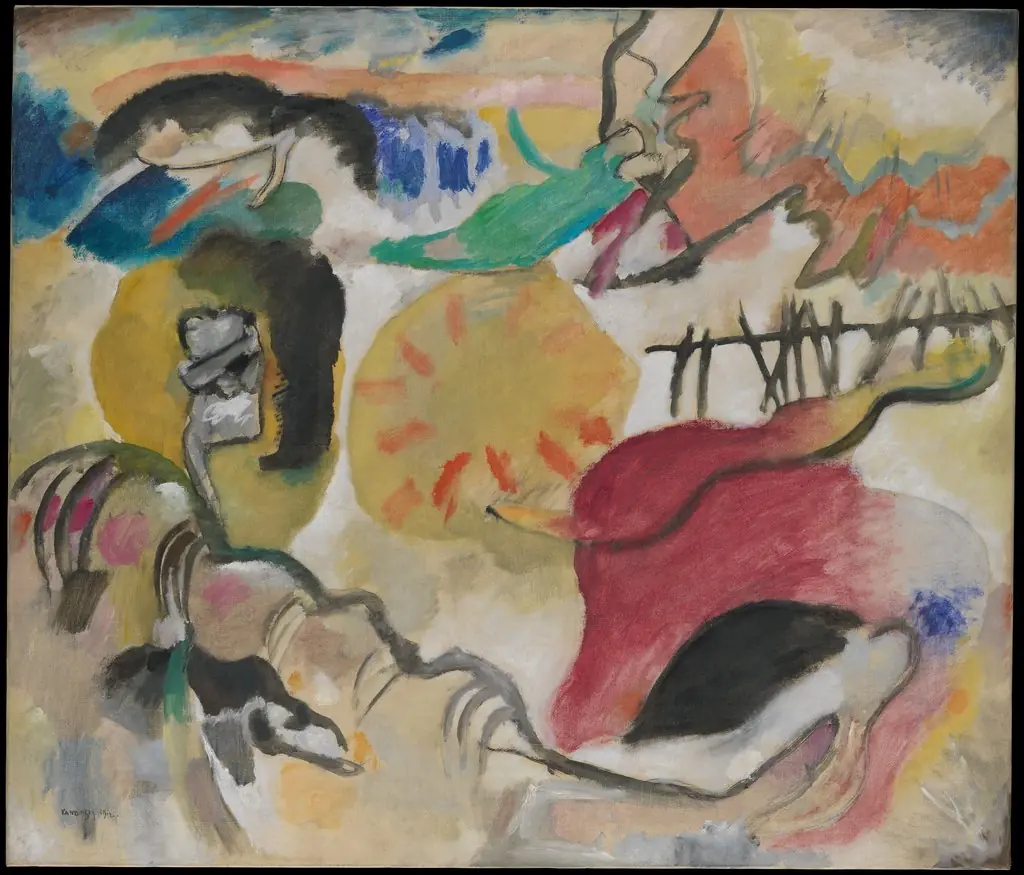
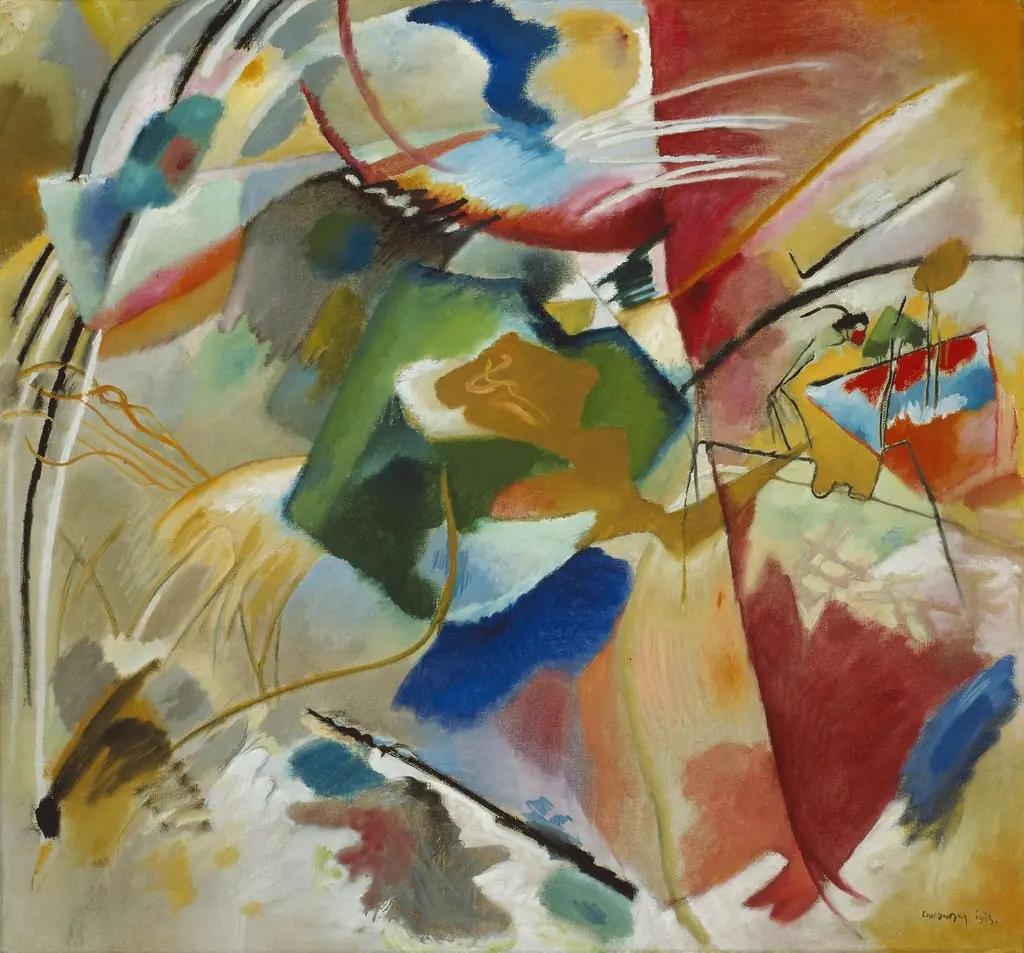
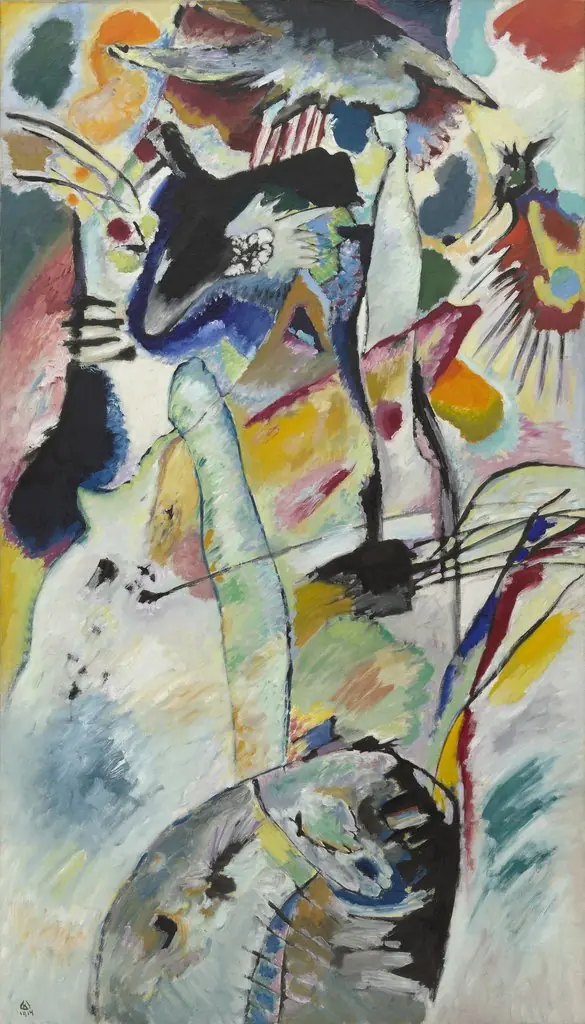
Painting with White Form (study) is an oil painting by the Abstract Expressionist artist Wassily Kandinsky. It dates from 1913 and is held in the collection of the Detroit Institute of Arts.
About this work
Overview
Painting with White Form (study) is an oil painting created by Wassily Kandinsky in 1913, characteristic of the abstract expressionism movement. It is now part of the Detroit Institute of Arts collection.
Subject & Meaning
This work embodies Kandinsky's pioneering exploration of non-representational art, focusing on the emotional and expressive potential of color and form rather than depictive content.
Technique & Style
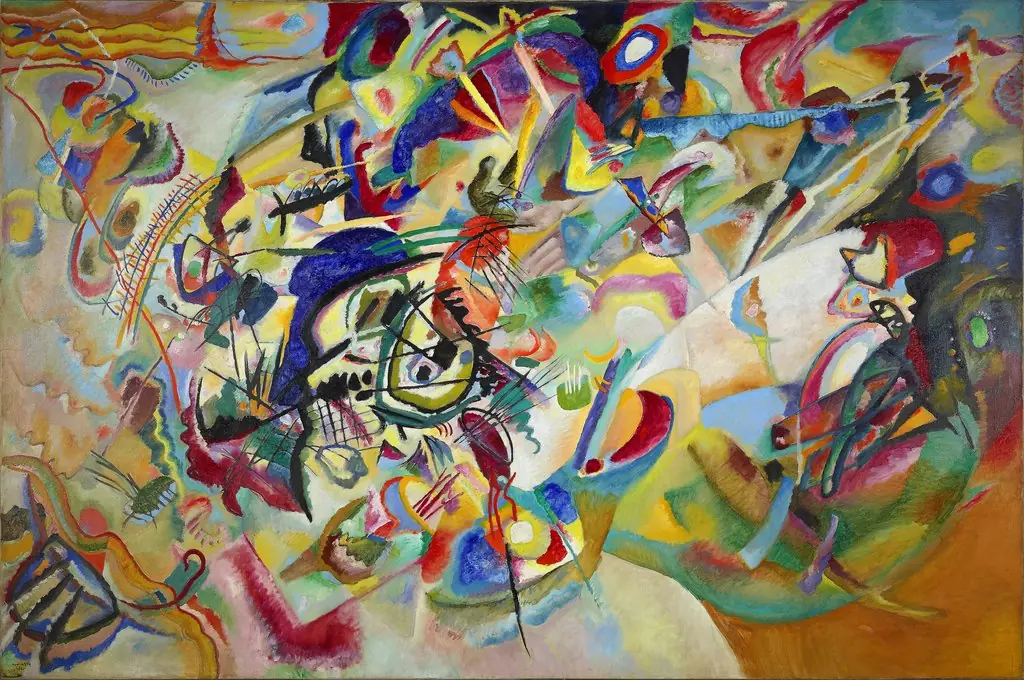
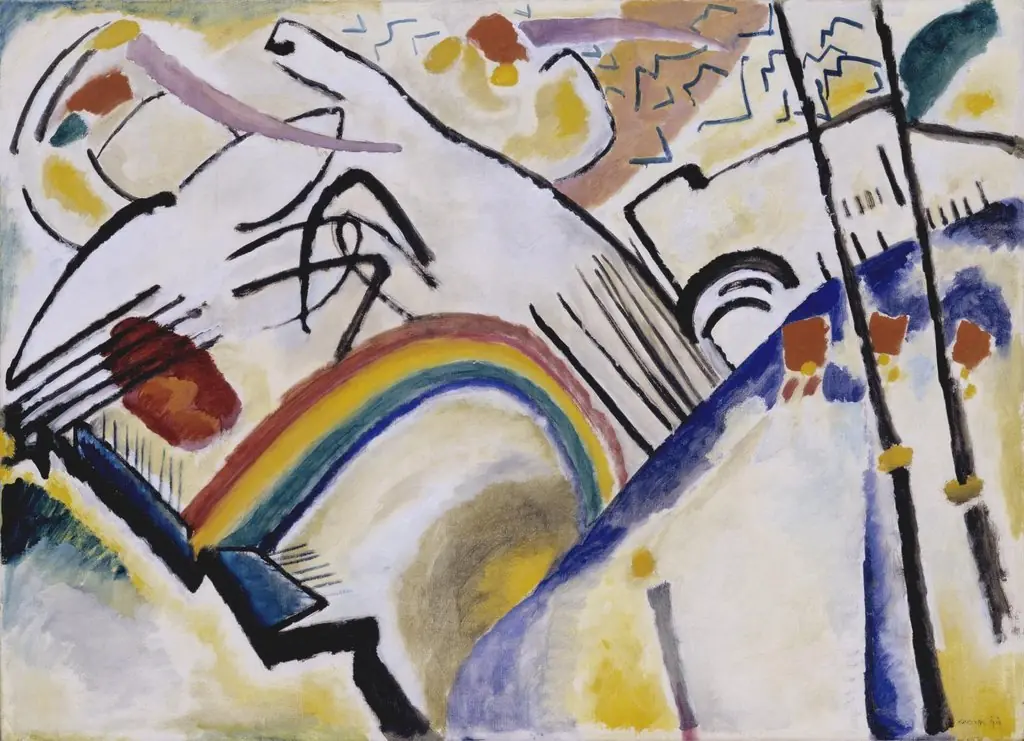
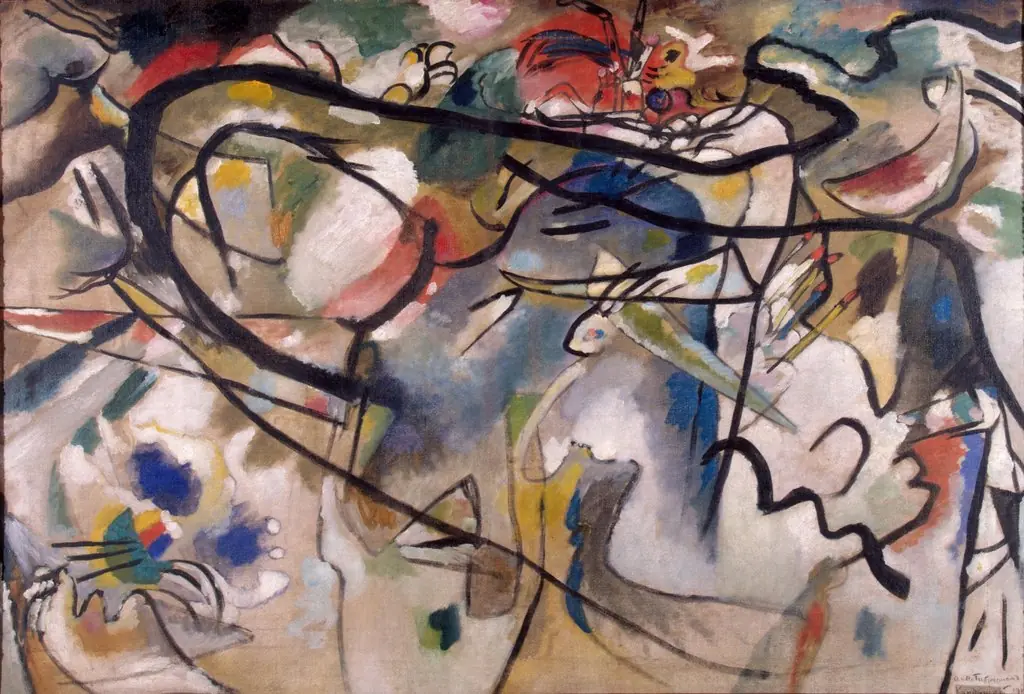
The painting features a vibrant, textured arrangement of white, yellow, blue, and brown hues, with visible brushstrokes. The composition conveys dynamic tension through the apparent push and pull of colors.
History & Provenance
Kandinsky, a Russian artist based in Germany, produced this piece during his tenure in Munich, where he had begun formal art studies at 30 under Anton Ažbe and later at the Academy of Fine Arts.
Context
Created in 1913, the painting reflects the early 20th-century shift towards abstraction in Western art, a movement Kandinsky was instrumental in shaping.
Legacy
As an early abstract expressionist work by a key figure in the movement, Painting with White Form (study) influences subsequent generations of abstract artists exploring color and non-representational form.
Own this work as a print
Artist & collection
Artist
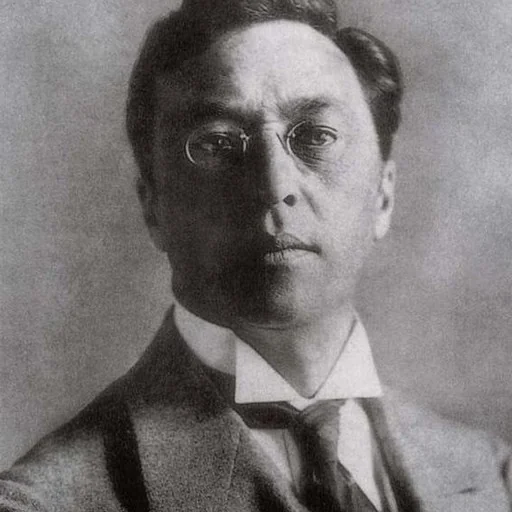
Wassily Wassilyevich Kandinsky (16 December 1866 – 13 December 1944) was a Russian painter and art theorist active in Germany during the late Belle Époque and Interwar eras.