Artwork
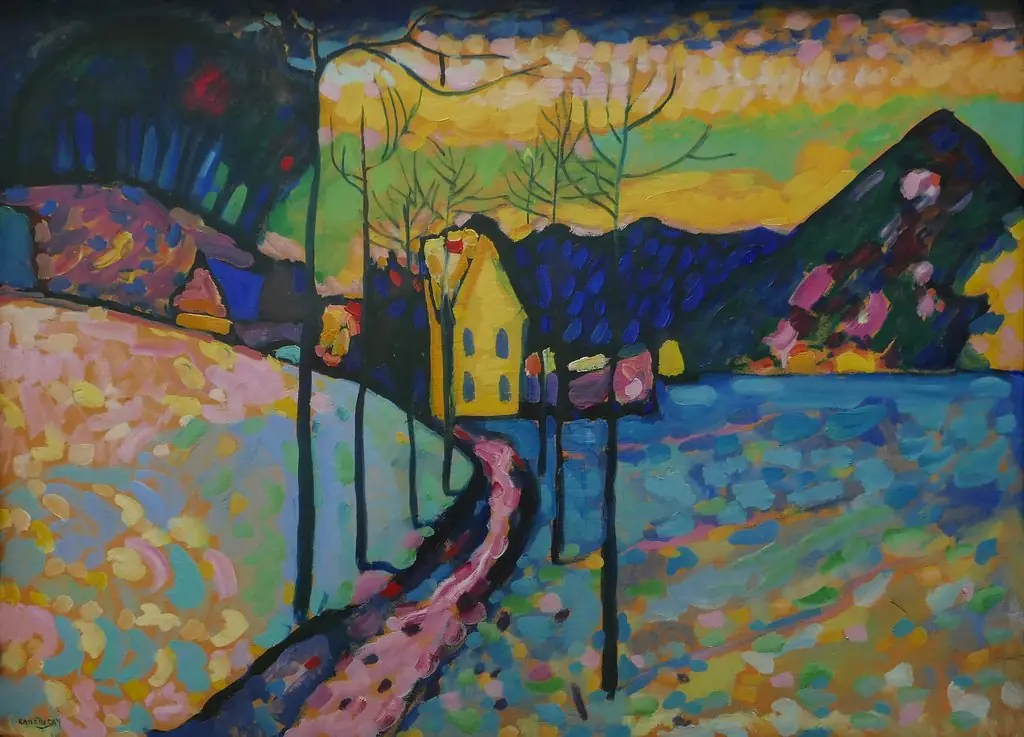
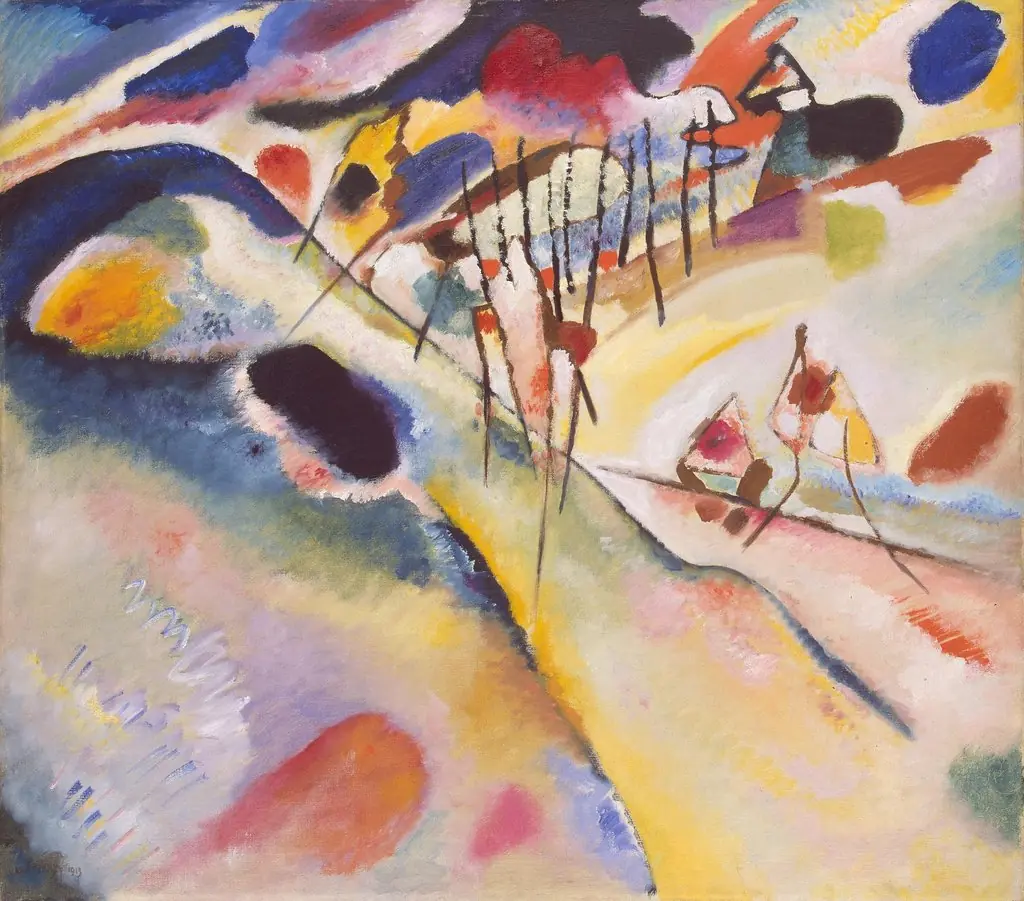
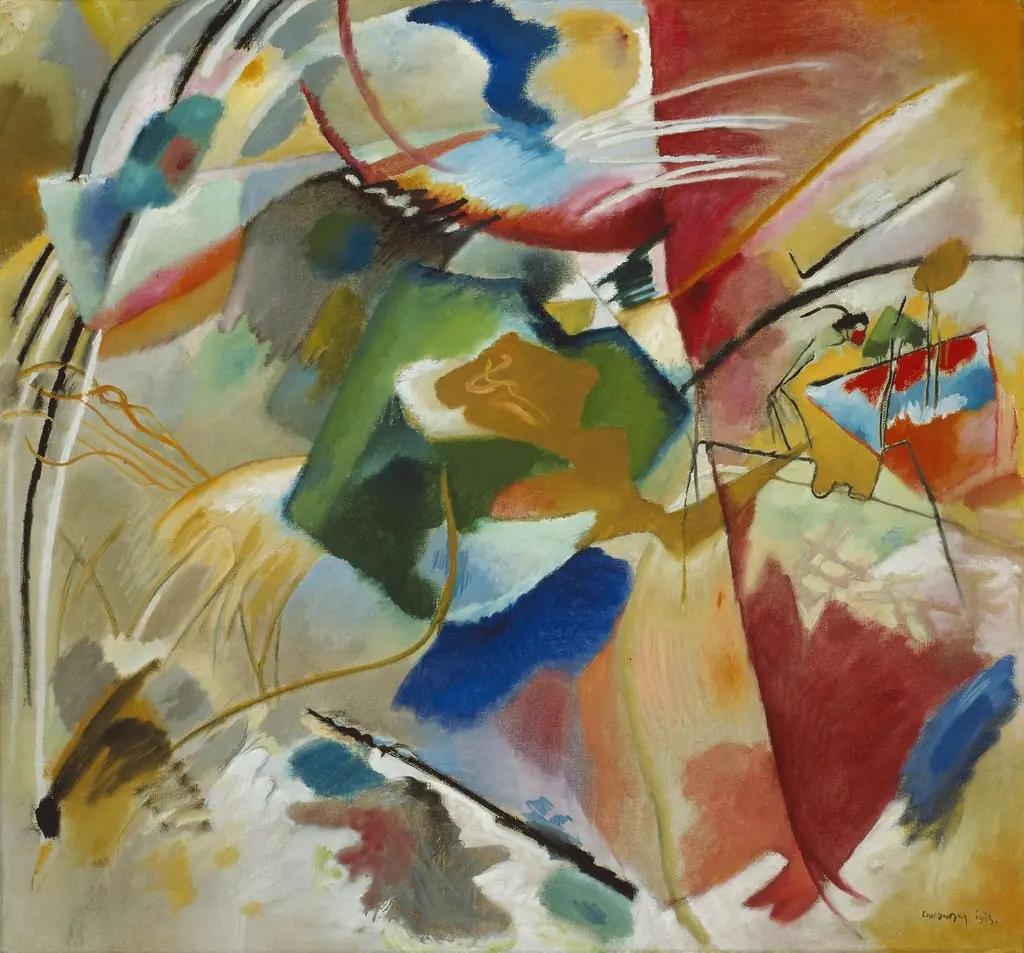
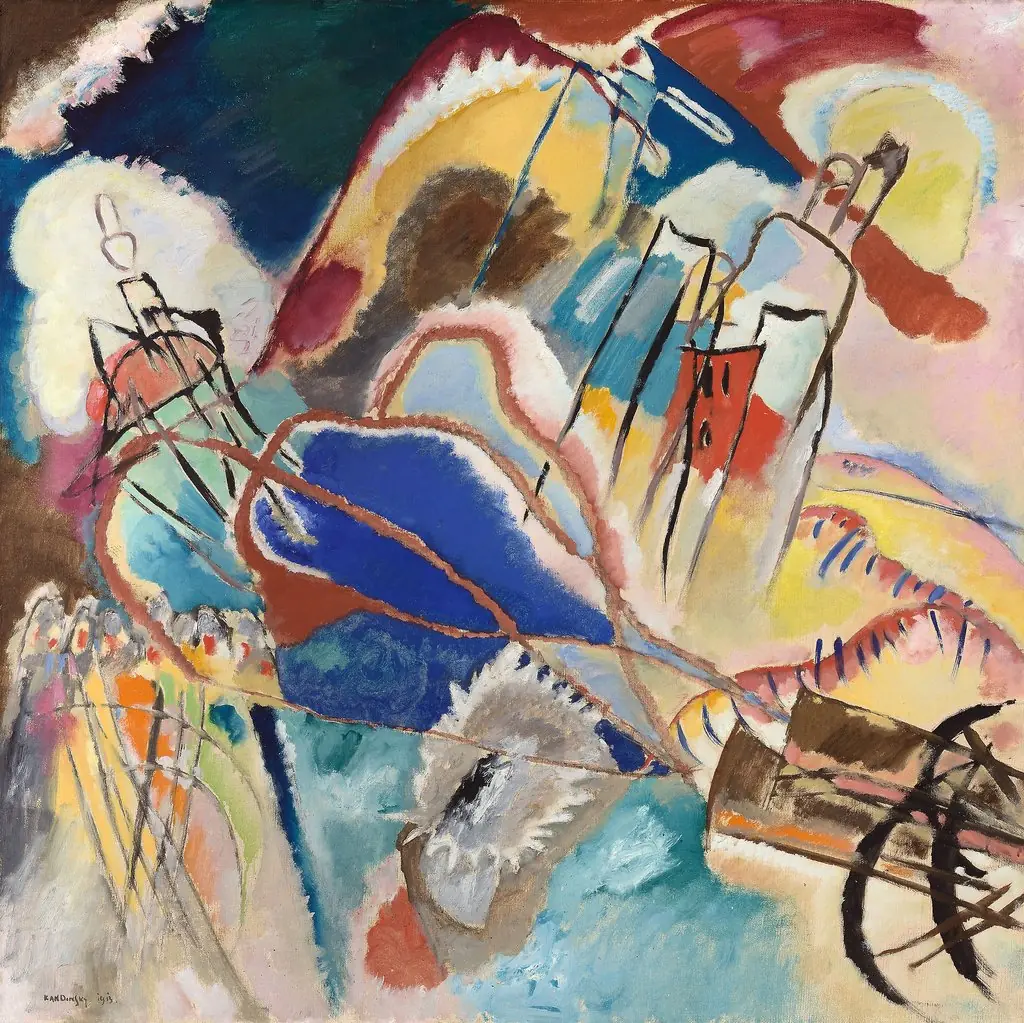
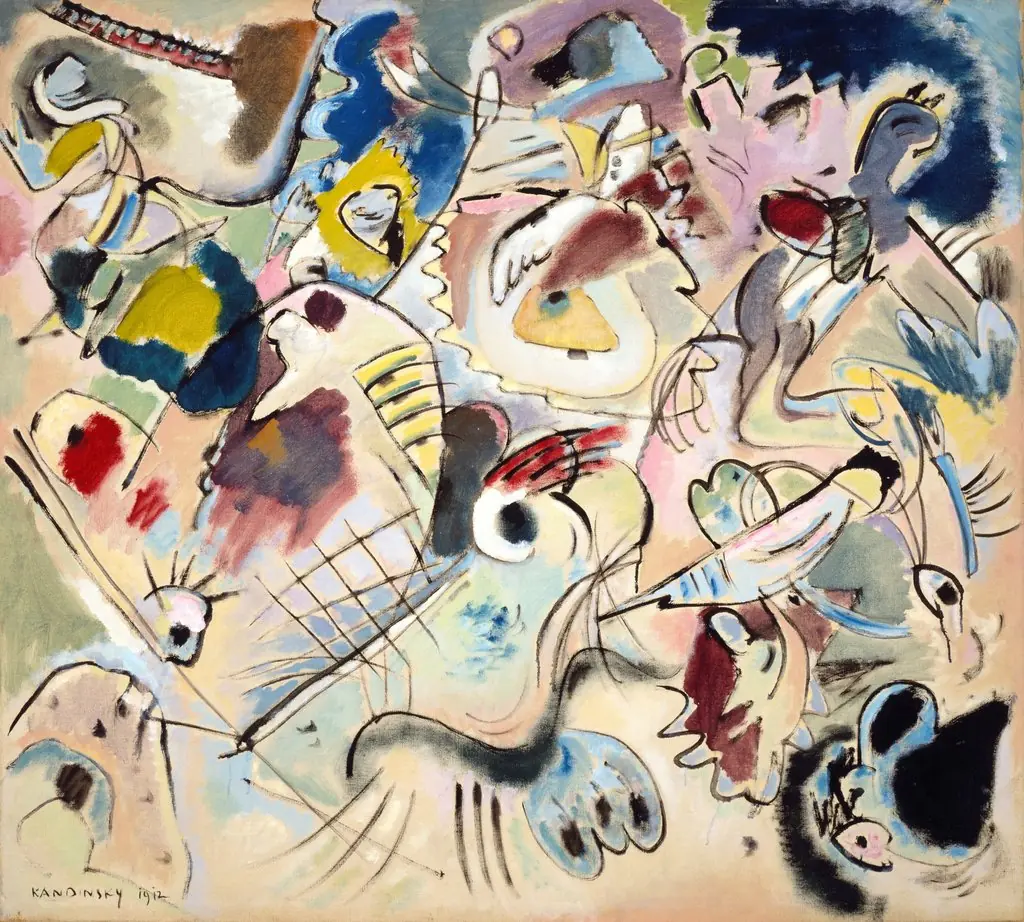
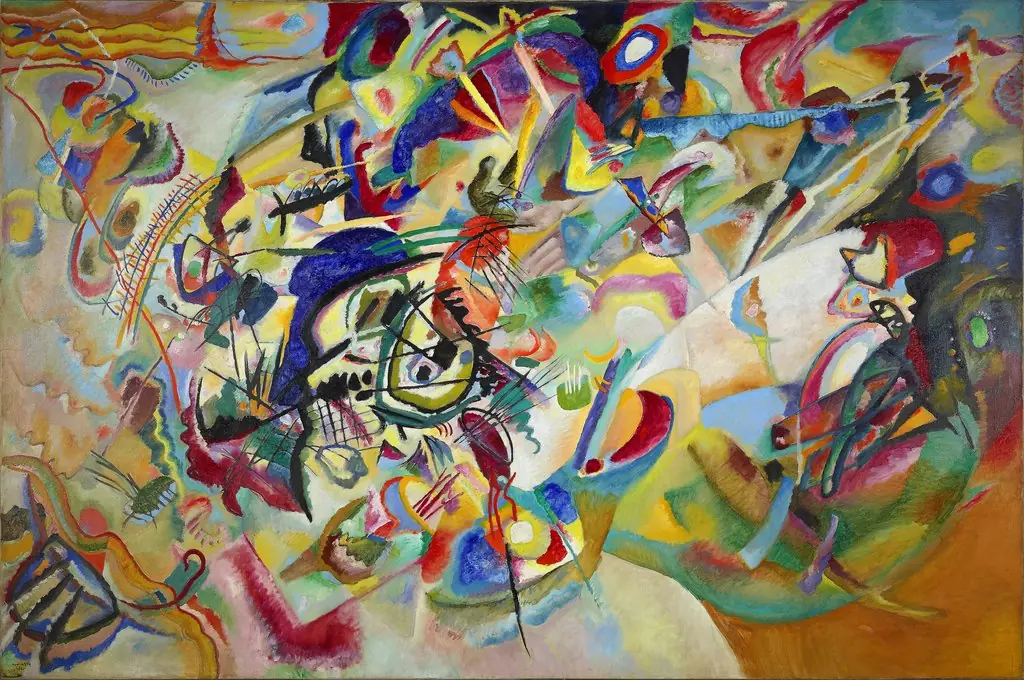
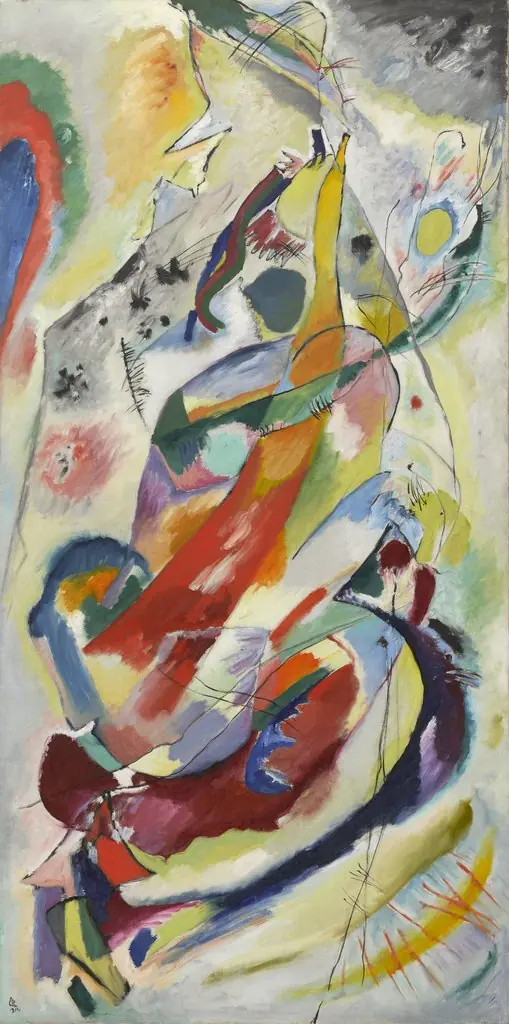
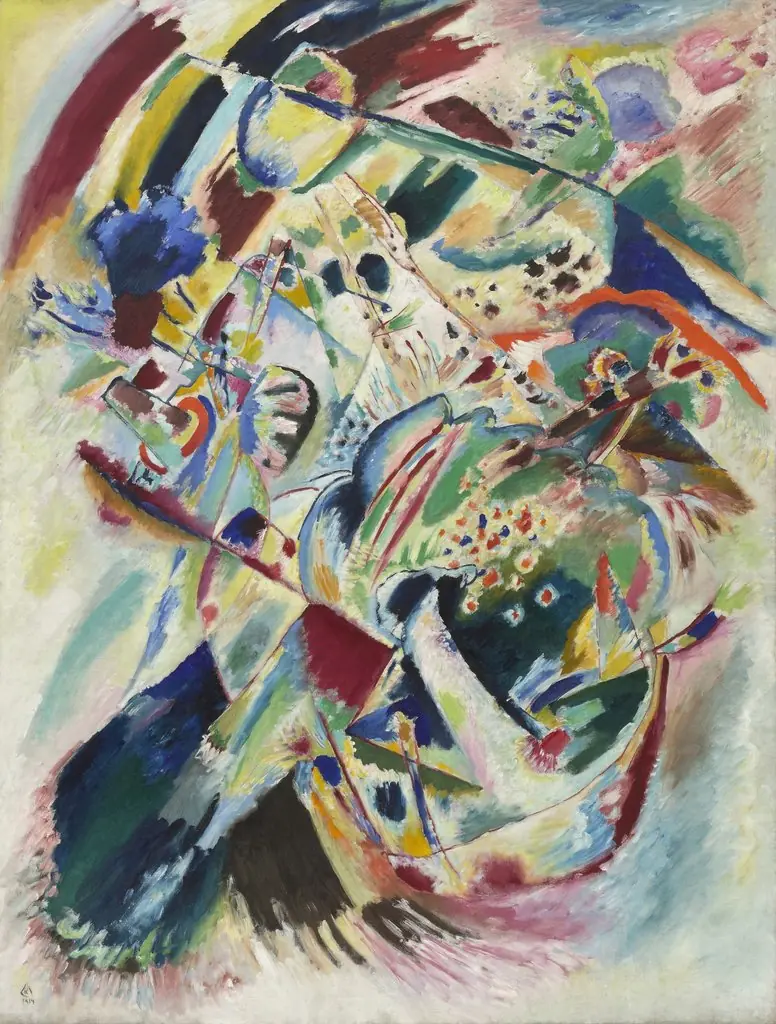
Sketch for Composition V
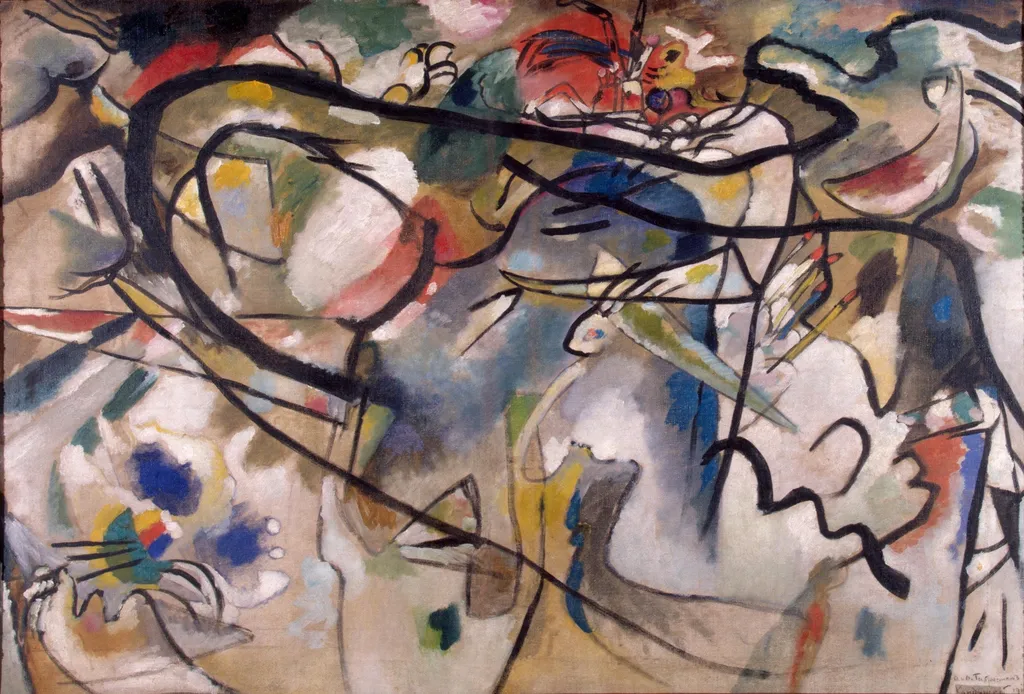
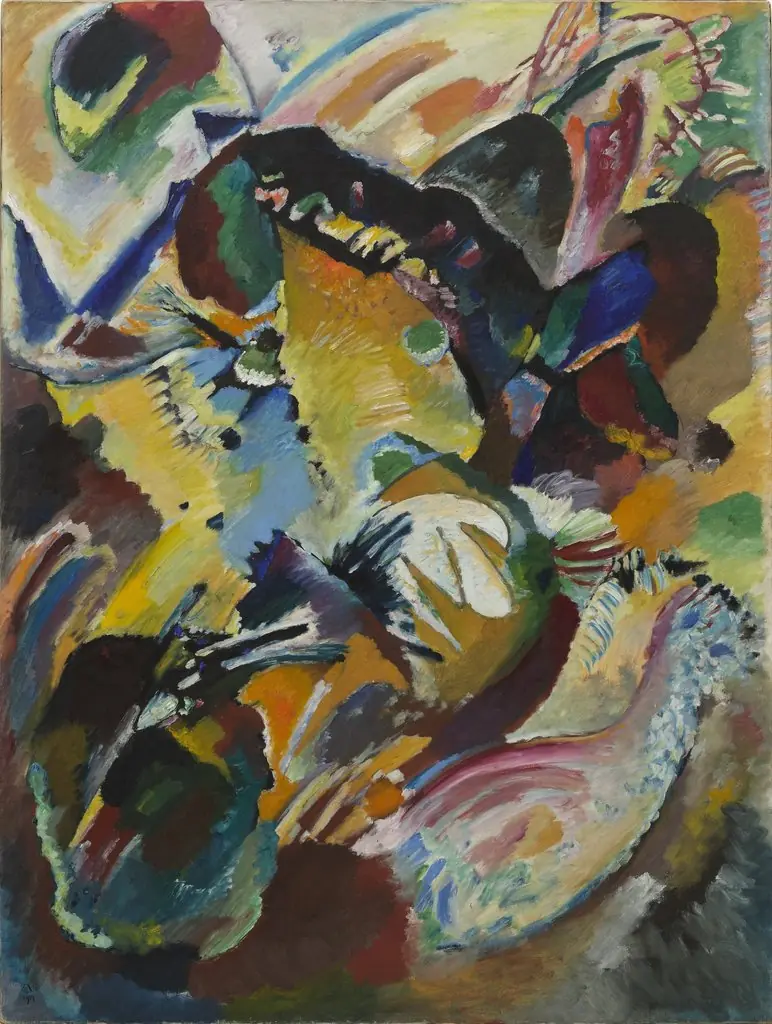
Sketch for Composition V is an oil painting by the Abstract Expressionist artist Wassily Kandinsky. It dates from 1911 and is held in the collection of the Hermitage Museum.
About this work
Overview
Created in 1911, Sketch for Composition V is an oil painting by Wassily Kandinsky that exemplifies his early move toward non‑representational art. The work resides in the State Hermitage Museum’s collection and showcases the artist’s exploration of form and color before his later, more systematic abstractions.
Subject & Meaning
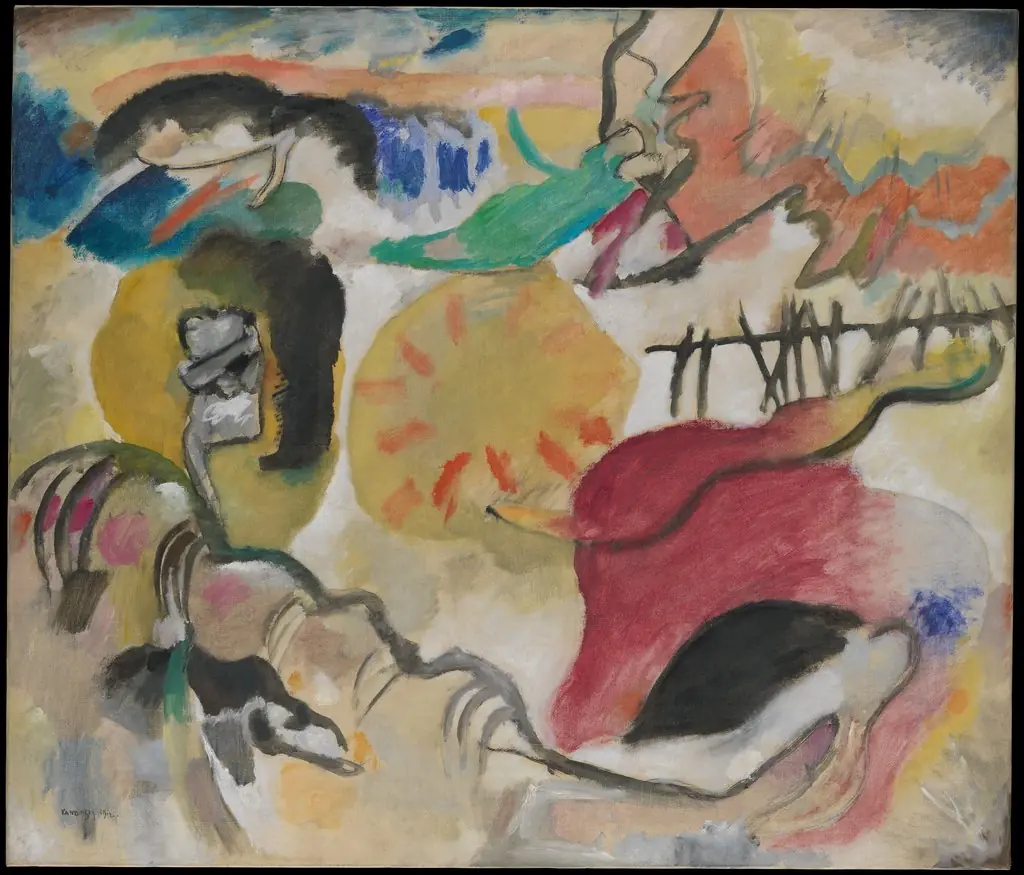
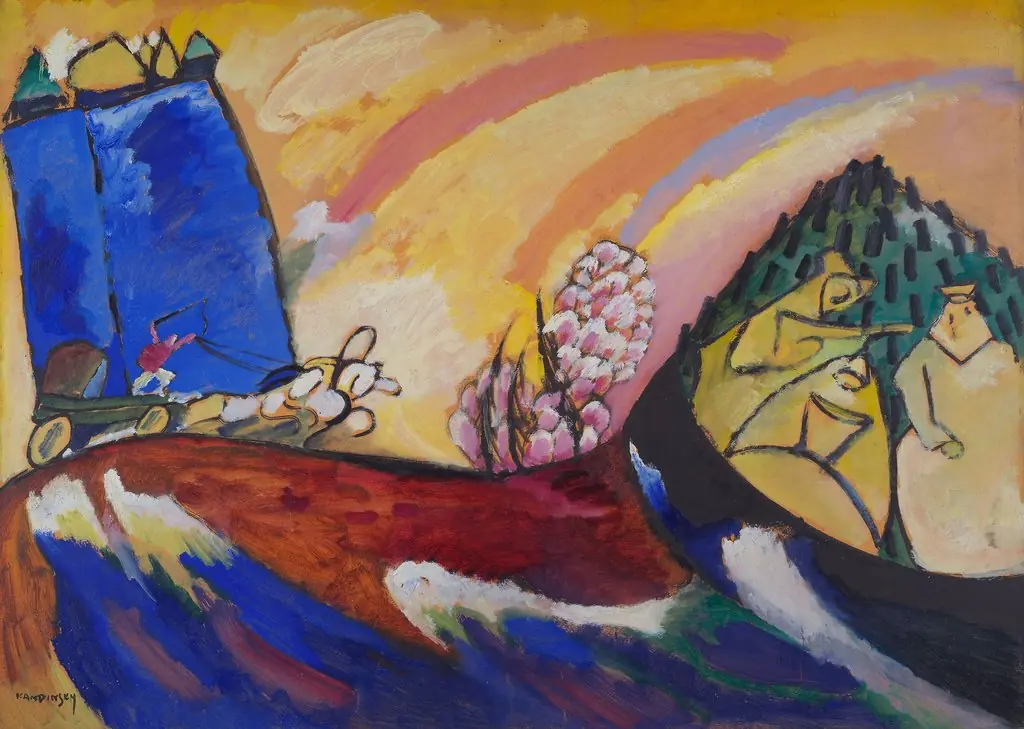
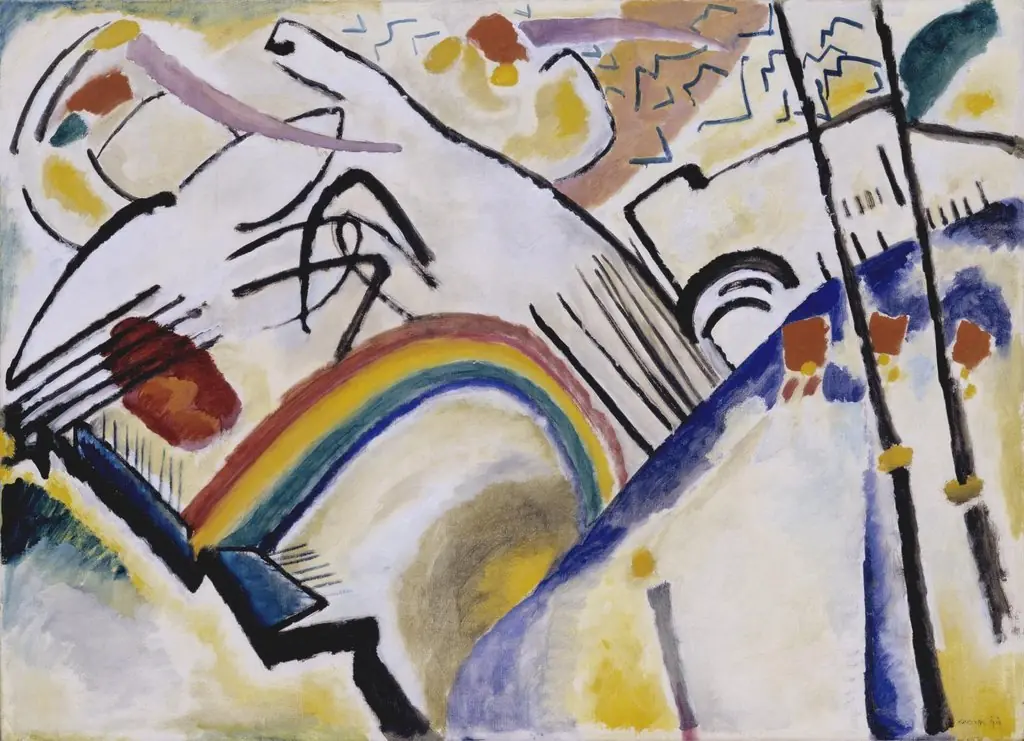
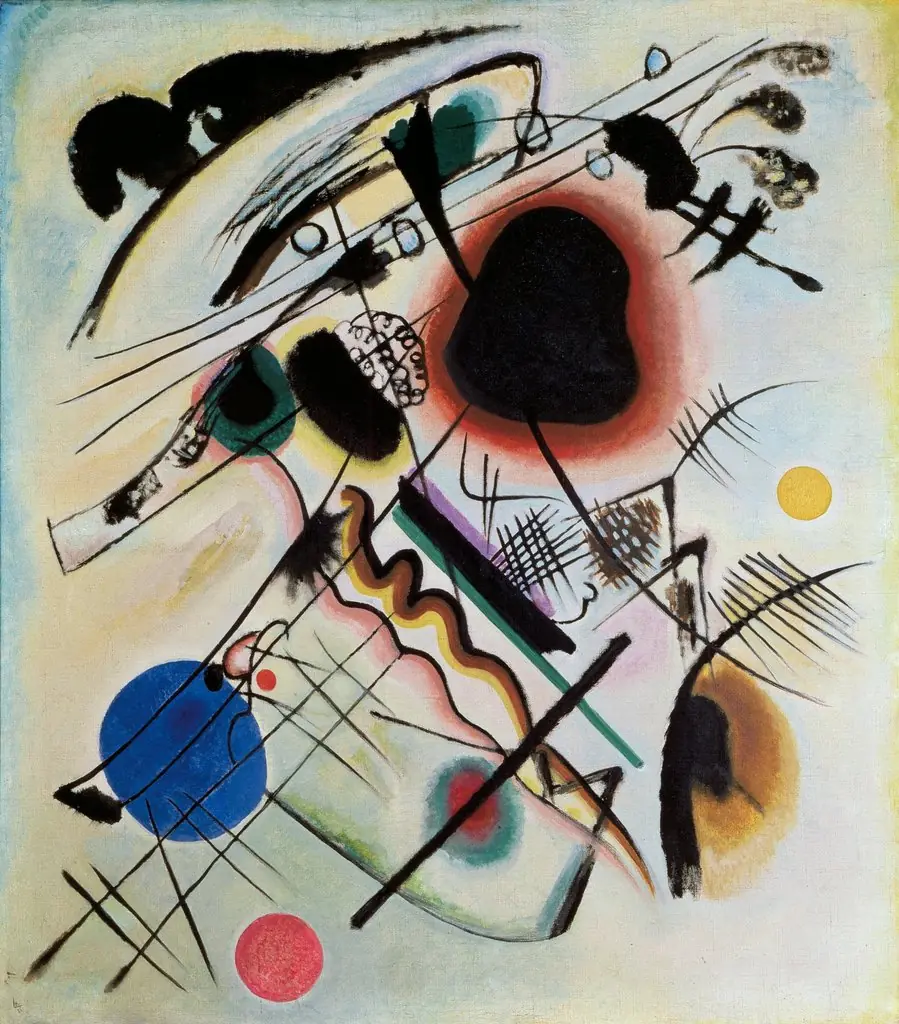
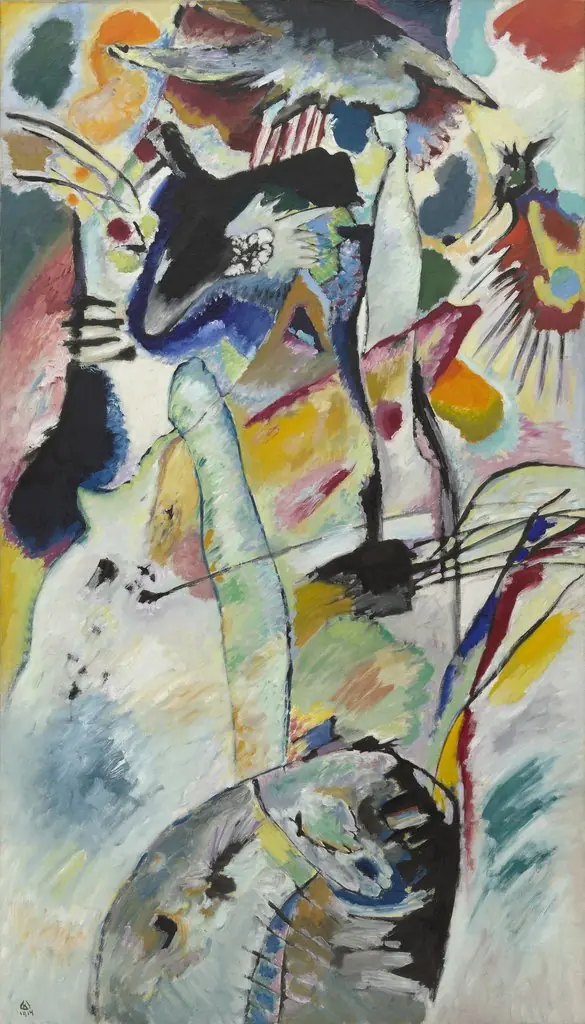
The canvas presents a network of interlacing shapes and lines rendered in subdued brown, blue, and yellow tones. The arrangement suggests motion, with the elements appearing to glide across the surface, reflecting Kandinsky’s interest in visualizing inner rhythm and emotional resonance through purely abstract means.
Technique & Style
Kandinsky employs varied brushwork to generate texture: smooth, flat passages contrast with thicker, impasto sections that catch light differently. This juxtaposition of delicate and robust strokes enhances the sense of depth and dynamism, illustrating his experimental approach to oil as a medium for expressive abstraction.
History & Provenance
Born in Russia, Kandinsky began formal training in Munich at the age of thirty, where he met fellow artist Gabriele Münter and later taught at the local art school. After a period of activity in Germany, he returned to Moscow, and Sketch for Composition V eventually entered the Hermitage’s holdings, where it remains on view.
Context
The painting emerges at a pivotal moment when Kandinsky was formulating the theoretical foundations of abstract art, a path he would later articulate in his writings. Though sometimes linked to abstract expressionism, the work predates that movement, representing an early stage in the broader shift away from figurative representation in Western art.
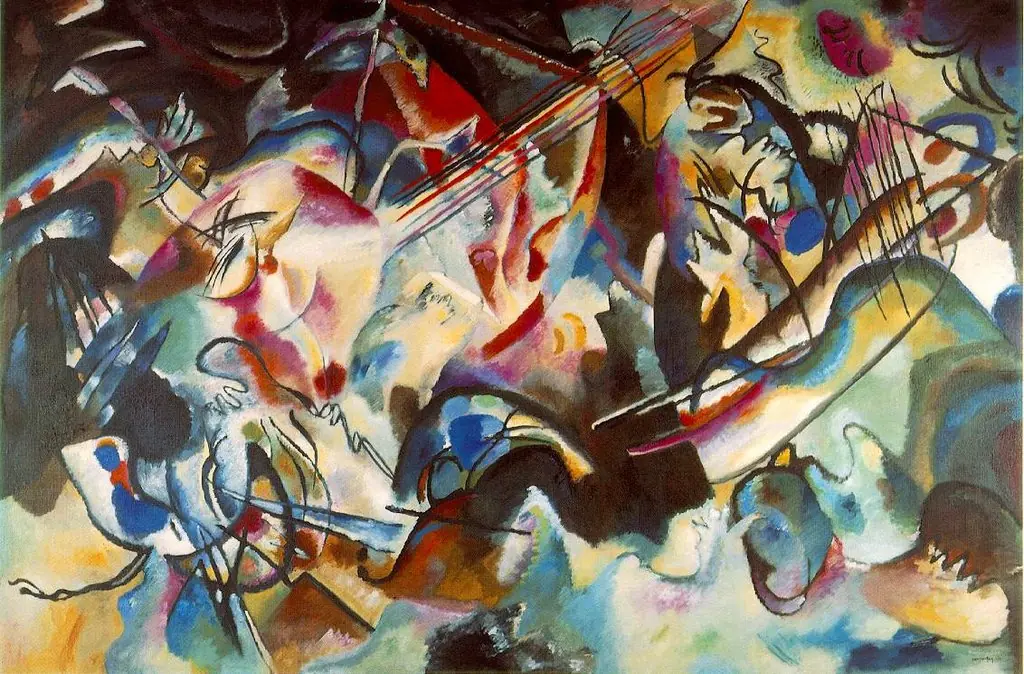
Own this work as a print
Artist & collection
Artist
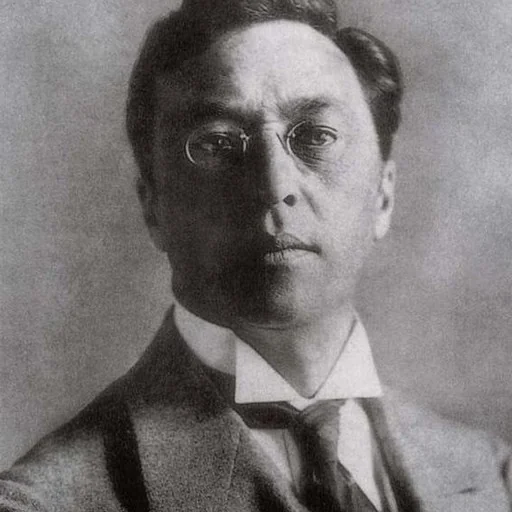
Wassily Wassilyevich Kandinsky (16 December 1866 – 13 December 1944) was a Russian painter and art theorist active in Germany during the late Belle Époque and Interwar eras.