Artwork
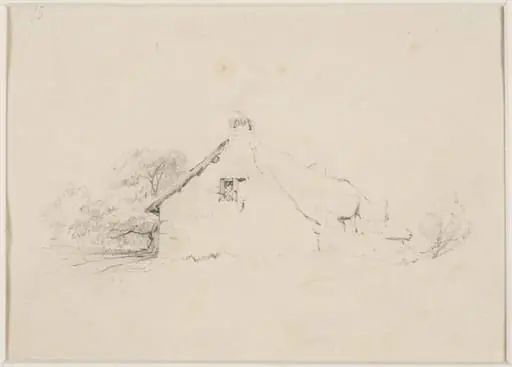
View of a House, a Cottage, and Two Figures [verso]
![View of a House, a Cottage, and Two Figures [verso], by Jean Antoine Watteau, chalk, 1718](https://artifactworldgallery.com/img/jean-antoine-watteau--view-of-a-house-a-cottage-and-two-figures-verso--e2a12f734e418e3e-w1024.webp)
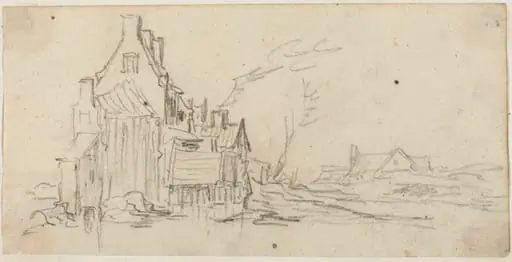
View of a House, a Cottage, and Two Figures [verso] is a chalk drawing by the Baroque artist Jean Antoine Watteau. It dates from 1718 and is held in the collection of the National Gallery of Art. This drawing, dated 1718, is a small-scale study in red chalk on laid paper, attributed to Antoine Watteau.
About this work
Overview
The paper’s textured surface and faint horizontal laid lines remain visible, contributing to its intimate, unvarnished character.
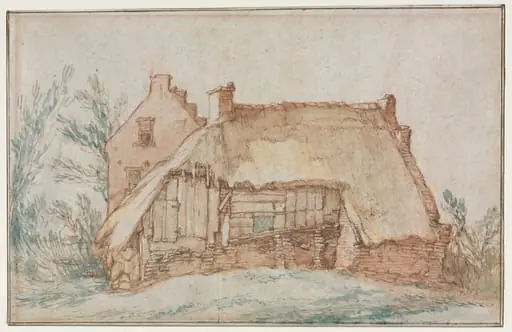
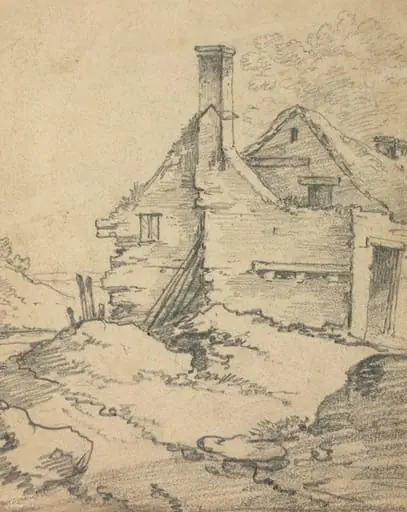
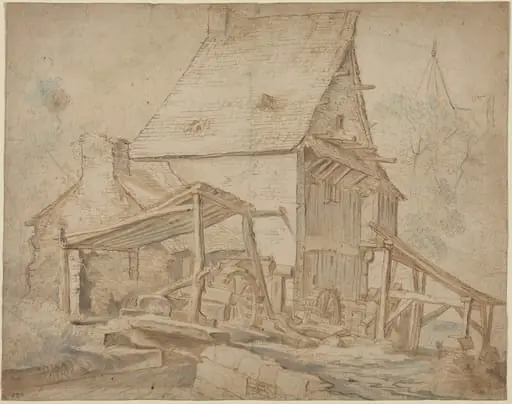
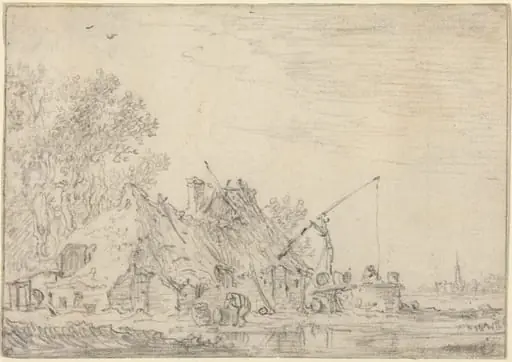
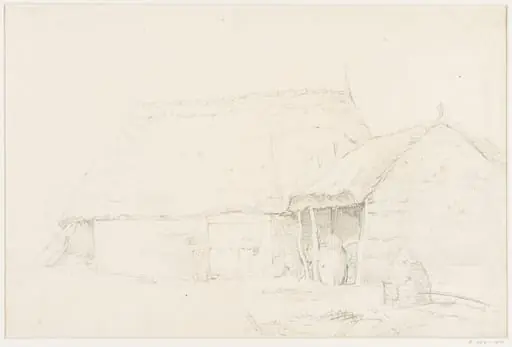
This drawing, dated 1718, is a small-scale study in red chalk on laid paper, attributed to Antoine Watteau. It depicts a modest rural scene with a house, a cottage, and two indistinct figures. The work lacks finish, suggesting it was made rapidly as an observational exercise rather than a polished composition. The paper’s textured surface and faint horizontal laid lines remain visible, contributing to its intimate, unvarnished character.
Subject & Meaning
The scene presents an unremarkable corner of the countryside: two simple dwellings and two pedestrians, rendered without narrative or symbolic emphasis. There is no indication of social commentary or idealized landscape. The figures appear incidental, absorbed in movement rather than interaction.
The focus lies in the quiet observation of everyday architecture and human presence, typical of Watteau’s interest in transient moments.
Technique & Style
Watteau employed loose, light strokes of red chalk to suggest form and spatial depth, avoiding heavy outlines or dense shading. Areas of the paper are left bare to imply light and air, while faint, rapid lines define rooflines and figures. The technique prioritizes immediacy over detail, capturing the essence of the scene through economy of mark-making. The chalk’s warm tone harmonizes with the paper’s natural off-white tone, enhancing the sketch’s atmospheric quality.
History & Provenance
The drawing is part of a broader group of Watteau’s preparatory studies, likely made during his travels or walks near Paris. Its verso status suggests it may have been a sketch on the back of another work, common among artists reusing materials. While its early ownership is undocumented, it entered institutional collections in the 19th or early 20th century, preserved as an example of the artist’s private practice rather than public output.
Context
In early 18th-century France, artists often made quick outdoor sketches to record architectural forms and natural settings. Watteau, known for theatrical compositions, also engaged in such observational drawing as a means of refining his sense of composition and light. This piece reflects a broader trend among French draftsmen to value spontaneity and direct experience over idealized studio work.
Legacy
Though not a finished painting, this drawing exemplifies Watteau’s sensitivity to atmosphere and his ability to convey presence through minimal means. It influenced later generations of draftsmen who valued sketching as a vital, independent practice. Its preservation underscores the growing recognition in the 19th century of preparatory works as significant expressions of artistic thought.
Own this work as a print
Artist & collection
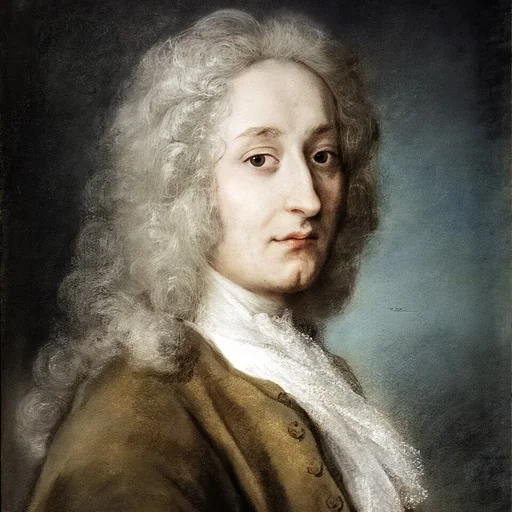
Artist
Jean-Antoine Watteau was a French painter and draughtsman whose brief career spurred the revival of interest in colour and movement, as seen in the tradition of Correggio and Rubens.