Artwork
明 佚名(文徵明款) 玉蘭圖 卷|Magnolia
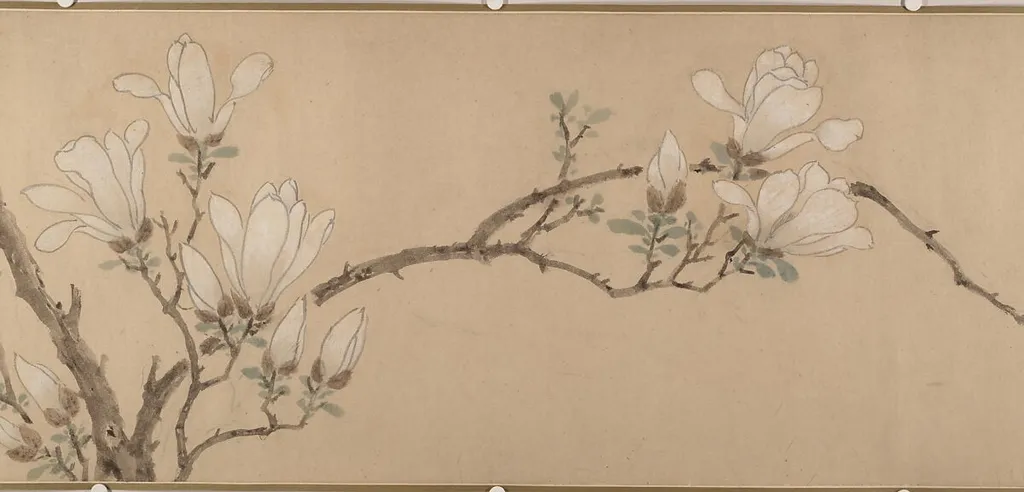
明 佚名(文徵明款) 玉蘭圖 卷|Magnolia is a paint painting by the Ming dynasty painting artist Wen Zhengming. It dates from 1549 and is held in the collection of the Metropolitan Museum of Art.
About this work
You see a single magnolia branch, pink buds just opening, against blank paper.
The signature says Wen Zhengming painted it in 1549, but scholars now think someone else did it later, copying his style. The quiet trick is the empty space, no background, no vase, just the flower and the artist’s hand.
Look up other Ming-dynasty flowers to see how artists made ink and color feel alive.
Technique & Style
Although the scroll bears a signature attributed to Wen Zhengming and a date of 1549, scholarship identifies the work as the product of an anonymous painter.
The work is executed as a handscroll featuring color applied on a paper support. Classified within the genre of still life, the piece depicts flowers rendered with traditional Chinese painting techniques. Although the scroll bears a signature attributed to Wen Zhengming and a date of 1549, scholarship identifies the work as the product of an anonymous painter.
The formal approach focuses on floral subjects, consistent with the scroll's classification as a painting of flowers created in China.
History & Provenance
Created in China, this handscroll painting on paper depicts magnolia flowers. Although the work bears the signature of the Ming dynasty artist Wen Zhengming and carries a date of 1549, it is identified as a spurious attribution executed by an anonymous painter. The piece is currently held in the collection of the Metropolitan Museum of Art.
No further details regarding its specific commission, intermediate ownership history, or the circumstances of its creation are provided in the available records.
The handscroll is held by the Metropolitan Museum of Art, which is identified in the Wikidata record as its collection and location.
No specific inventory or accession number is provided in the available sources, and no exhibition history is documented for this work.
Overview
This handscroll, titled Magnolia, depicts a single branch of a magnolia tree with pink buds in various stages of opening, rendered in color on paper. Executed in 1549, the work bears a signature attributing it to the renowned Ming dynasty master Wen Zhengming. However, art historical consensus identifies the piece as a later copy by an unidentified artist working in Wen's style, rather than an autograph work by the master himself.
The composition is characterized by its stark minimalism; the floral subject floats against an unadorned, blank background, devoid of a vase or landscape context. This deliberate use of negative space isolates the magnolia, emphasizing its delicate form and the subtle gradations of color in the petals. As a work of the literati tradition, it reflects the aesthetic values of the mid-Ming period, prioritizing expressive brushwork and the evocation of nature's essence over realistic representation.
While the attribution to Wen Zhengming is historically significant for understanding the reception of his style, the scroll serves primarily as an example of how his influence persisted through later imitation and the continued appreciation of floral motifs in Chinese painting.
Subject & Meaning
The work focuses on a single magnolia, a flower traditionally linked to purity and renewal in Chinese culture. By isolating the blossom, the artist draws attention to its delicate emergence, inviting contemplation of transience and natural beauty.
Context
Magnolia subjects were common in Ming dynasty flower paintings, where artists explored the interplay of ink and pigment to convey vitality. This piece aligns with that tradition, illustrating how later artists continued to study and reinterpret the visual language established by earlier masters.
Artist & collection

Artist
Wen Zhengming spent most of his life in Suzhou, a city of canals and scholars where art and poetry were daily habits, not hobbies.

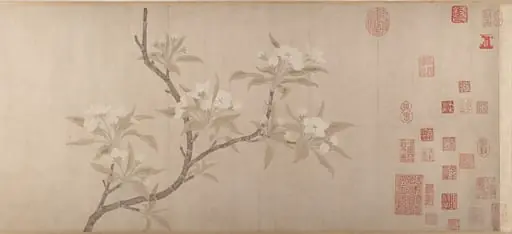 元 佚名 倣錢選 梨花圖 卷|Pear Blossoms
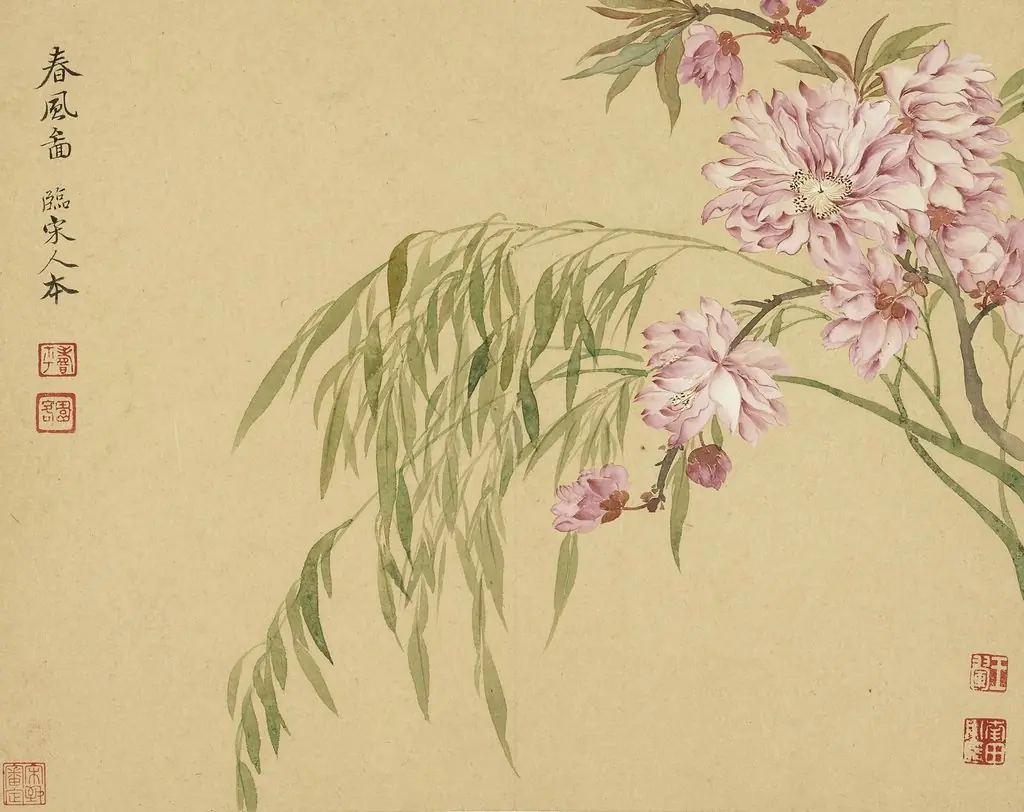 A Spring Breeze
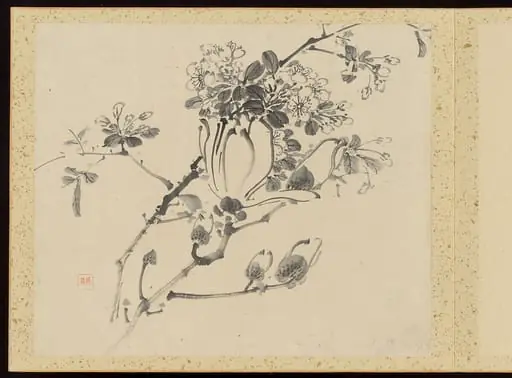 「四時清雅」|"Refined Elegance in the Four Seasons" (Shiji seiga), Album of Flower Paintings
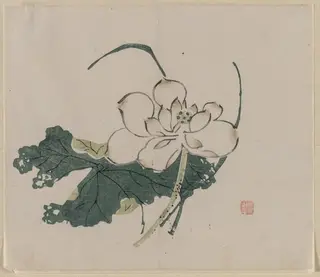 Lotus Blossom
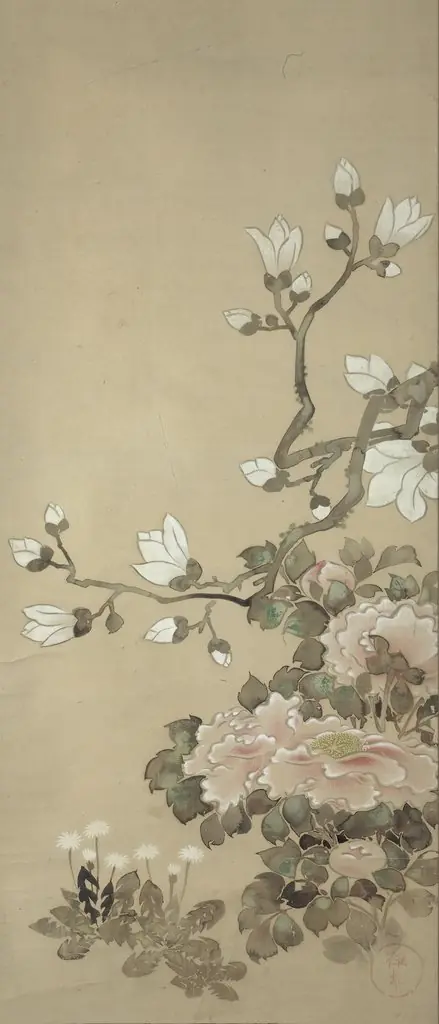 Peonies, Magnolia, and Dandelions
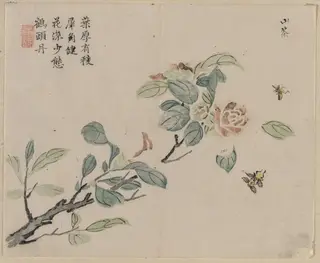 Flowering Branch with Bees
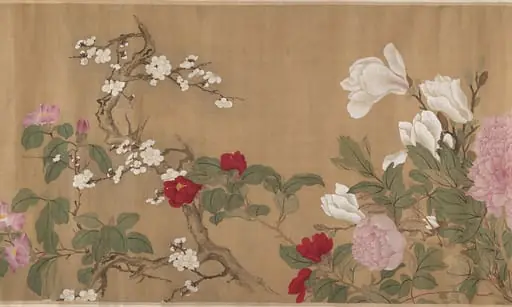 清 (傳)惲壽平 百花圖 卷|One Hundred Flowers
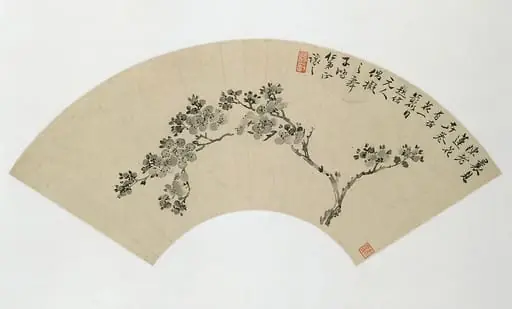 清 吳熙載 杏花 扇面|Apricot
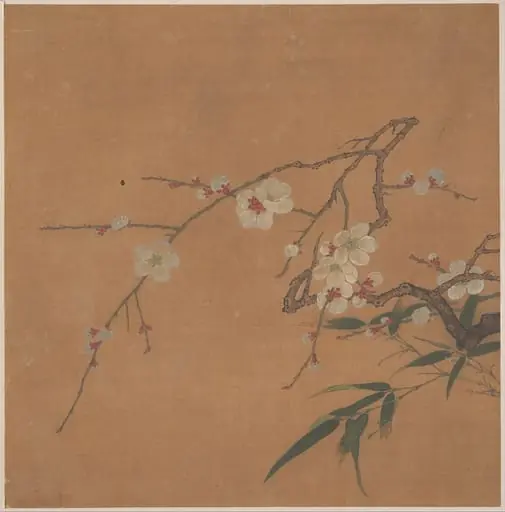 明/清 佚名 梅竹圖 冊頁|Flowering Plum and Bamboo
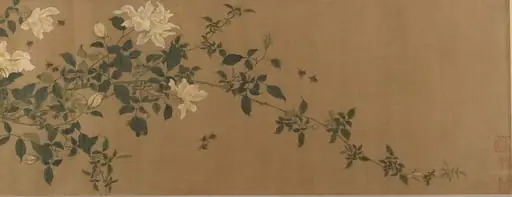 清 佚名 趙昌(僞款) 蜂王圖 卷|Yellow Roses and Bees, Pink Roses and Wasps
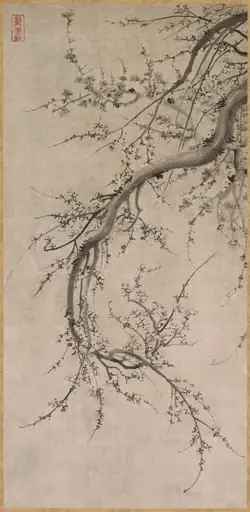 Prunus
- 明? 佚名 舊傳貫休 羅漢圖 軸|Luohan