Artwork
明 文徵明 叢桂齋圖 卷|The Cassia Grove Studio
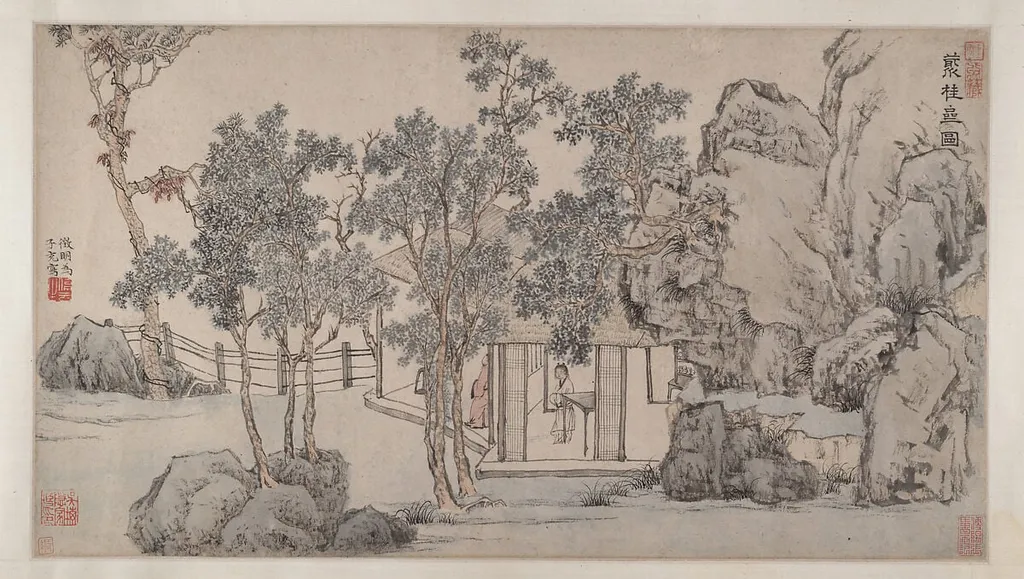
明 文徵明 叢桂齋圖 卷|The Cassia Grove Studio is an ink painting by the Ming dynasty painting artist Wen Zhengming. It dates from 1532 and is held in the collection of the Metropolitan Museum of Art.
About this work
Technique & Style
The Cassia Grove Studio is a handscroll painted in ink with subtle polychrome washes on paper, produced in 1532 by the Ming dynasty artist Wen Zhengming.
The Cassia Grove Studio is a handscroll painted in ink with subtle polychrome washes on paper, produced in 1532 by the Ming dynasty artist Wen Zhengming. Executed on a continuous support designed for unrolling, the work employs brush techniques characteristic of Chinese literati painting, with fine line work defining a modest architectural structure set within a stylized landscape. Its genre is recorded as landscape painting, and the depicted building occupies the central space of the composition, balanced by surrounding foliage and rock formations. The piece is housed in the Metropolitan Museum of Art.
History & Provenance
The handscroll was created in 1532 in China by the Ming dynasty painter Wen Zhengming. Its subject matter includes a building within a landscape setting, aligning with its classification as a landscape painting. The piece is held in the collection of the Metropolitan Museum of Art in New York, where it is documented as part of the museum's permanent collection of Chinese paintings. Specific accession numbers or prior ownership details are not provided in the available records.
Legacy
Wen Zhengming's handscroll The Cassia Grove Studio (1532) represents the scholarly ideal of retreat and poetic harmony central to the Wu school of painting. Its inclusion in the collection of the Metropolitan Museum of Art highlights its recognized significance within the history of Chinese literati painting, and scholars cite the work when discussing the development of landscape aesthetics in the Ming dynasty.
Overview
The Cassia Grove Studio is a handscroll painted by Wen Zhengming in 1532, during the mid-Ming dynasty. Executed in ink and pale color on paper, the work depicts a scholar's retreat nestled within a grove of tall cassia trees, surrounded by rugged rocks and a meandering stream. The composition follows the traditional handscroll format, inviting the viewer to unroll the narrative from right to left, revealing a secluded landscape devoid of human figures.
This absence of people emphasizes the solitude and introspective nature of the scholarly ideal. Created when the artist was in his sixties, the piece reflects Wen's established status as a leading figure of the Wu School following his repeated failures in the civil-service examinations. The painting serves as a visual manifestation of the literati pursuit of seclusion and moral cultivation, prioritizing the harmony of nature over worldly ambition.
Its delicate brushwork and restrained palette exemplify Wen's mature style, characterized by a balance between formal rigor and expressive freedom. The work stands as a significant example of mid-16th-century Chinese landscape painting, illustrating the enduring influence of the scholar-official class in defining artistic values during the Ming era.
Subject & Meaning
The painting portrays a solitary building, the "Cassia Grove Studio," set deep within a natural environment. Despite the absence of human figures, the scene evokes a sense of quiet contemplation and intellectual pursuit. This idealized space suggests a private sanctuary for reading or writing, reflecting a common theme of withdrawal and scholarly solitude in Chinese art.
Context
Wen Zhengming created this work in his sixties, a period following multiple unsuccessful attempts at the civil service examinations. This personal history may inform the painting's theme of retreat and self-cultivation, common among literati who sought solace in nature and artistic pursuits outside official careers. The depiction aligns with the tradition of scholar gardens and idealized landscapes as spaces for intellectual and spiritual refuge.
Artist & collection

Artist
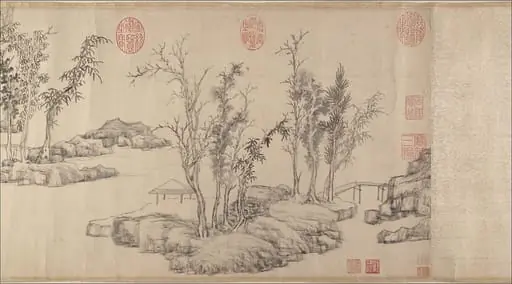
Wen Zhengming spent most of his life in Suzhou, a city of canals and scholars where art and poetry were daily habits, not hobbies.

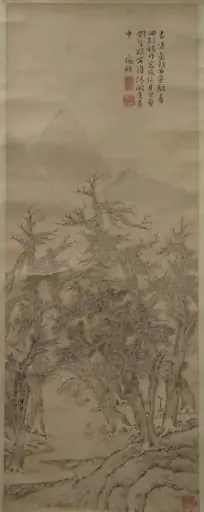
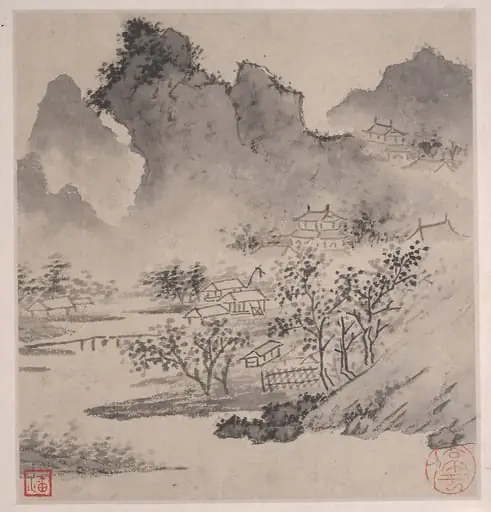
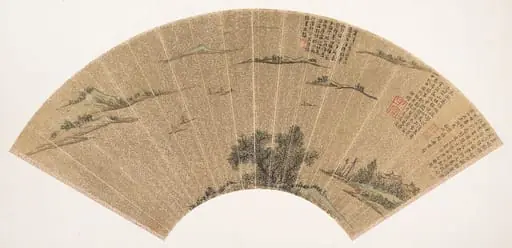
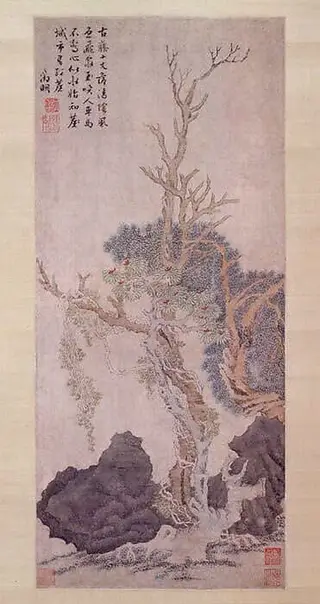
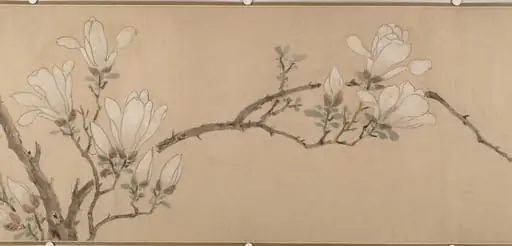
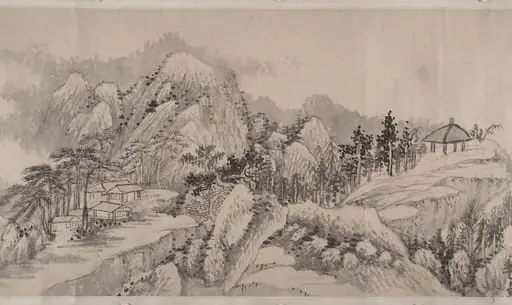 清 柳堉 幽谷深林圖 卷|Remote Valleys and Deep Forests
 Landscape with Mountains and Rivers
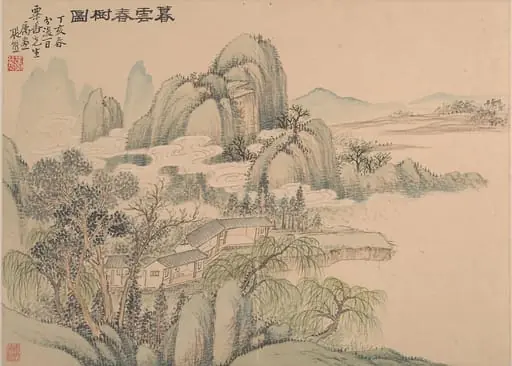 清 張熊 山水 冊頁|Landscape
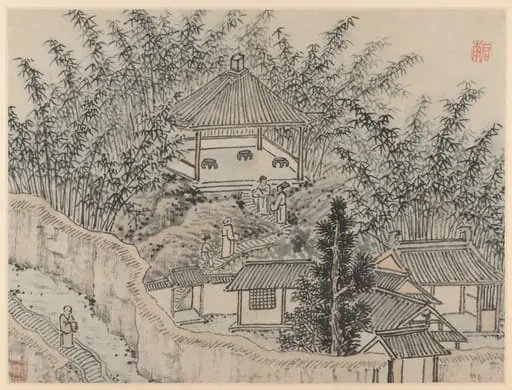 Bamboo Pavilion, Tiger Hill, from Twelve Views of Tiger Hill, Suzhou
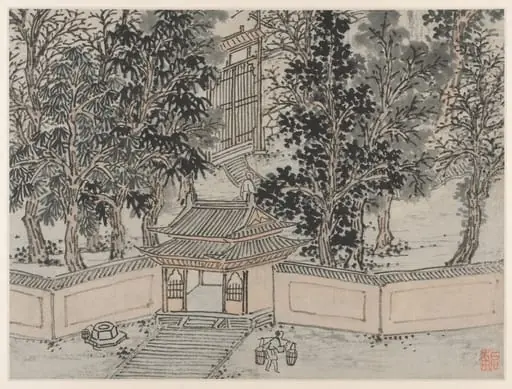 Tiger-Flight Spring at the Back Gate, from Twelve Views of Tiger Hill, Suzhou
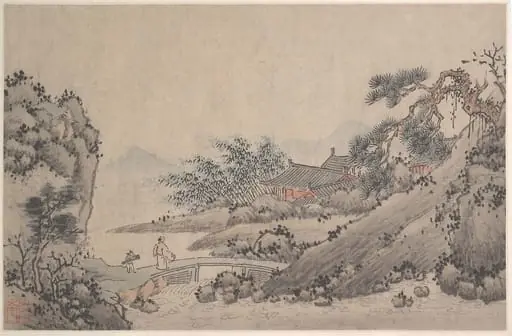 Untitled
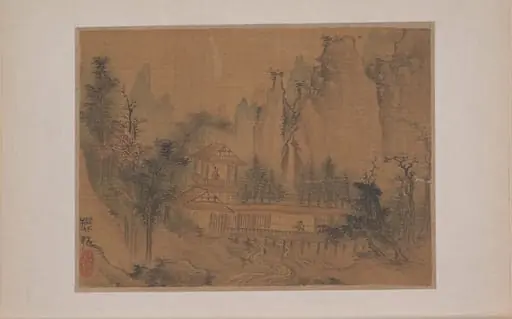 Untitled
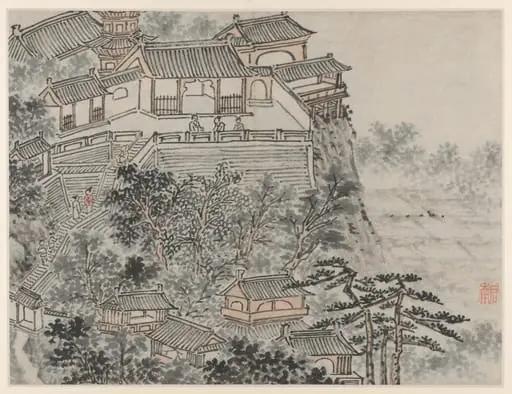 The Five Sages Terrace, from Twelve Views of Tiger Hill, Suzhou
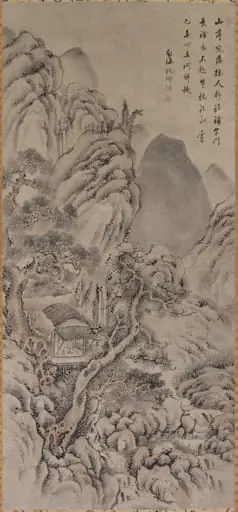 Landscape
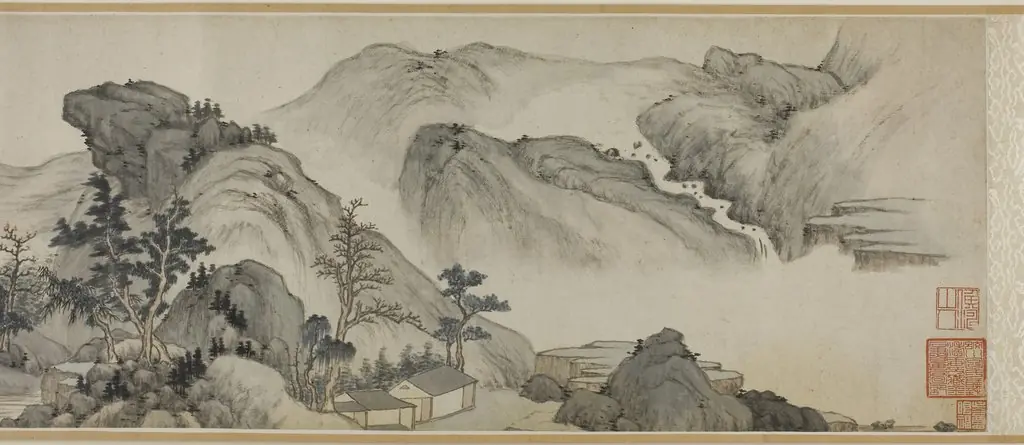 Recluse Dwellings in the Autumn Mountains
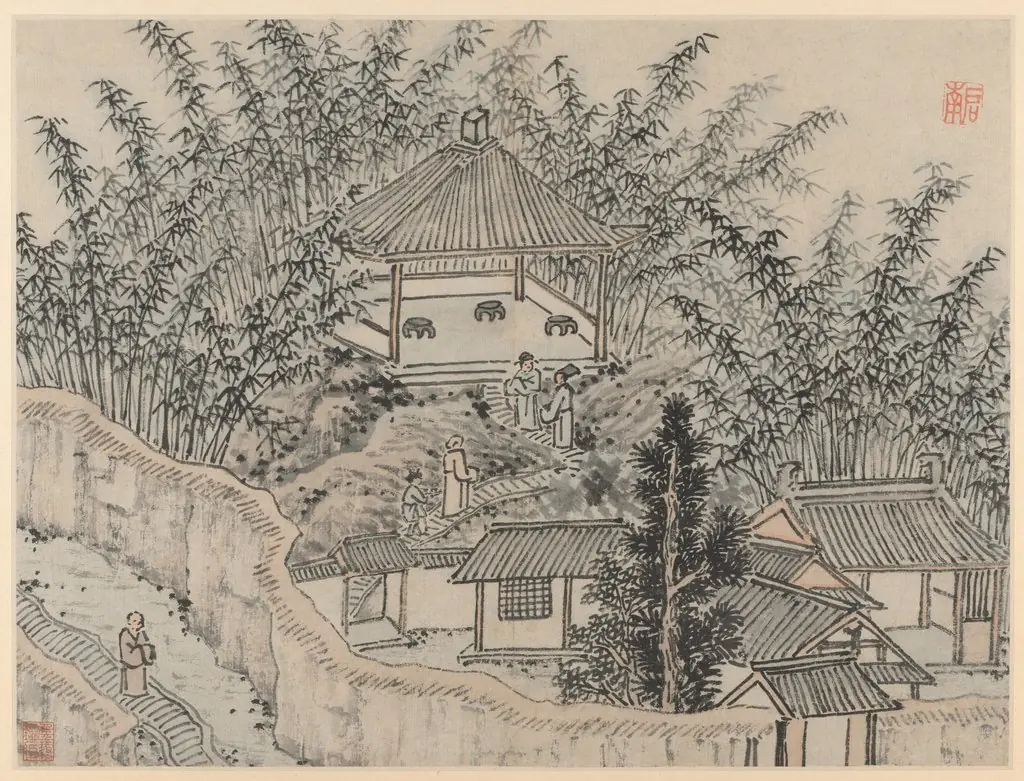 Bamboo Pavilion, Tiger Hill, from Twelve Views of Tiger Hill, Suzhou