Artwork
Portrait of Francesco d'Este
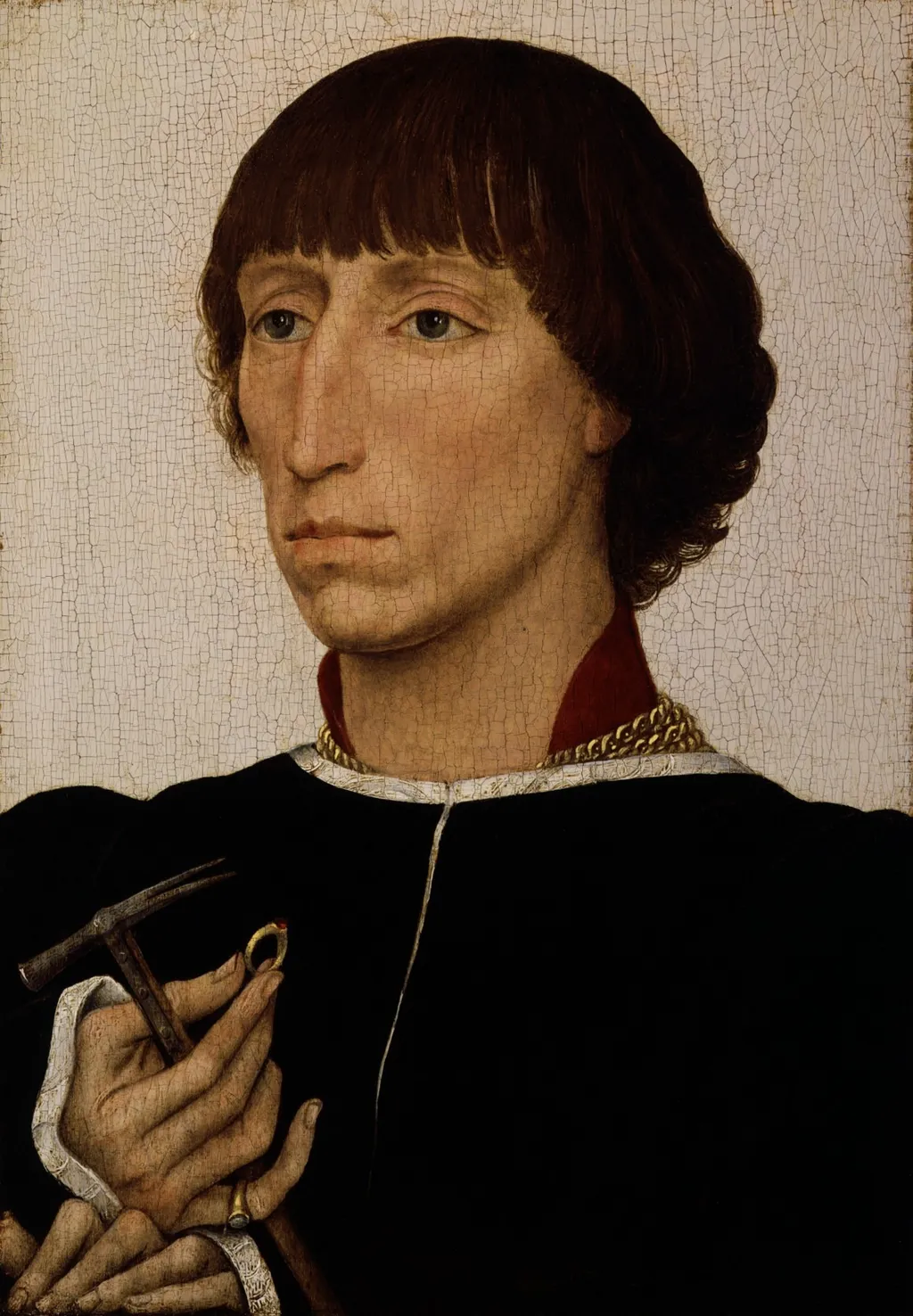
Portrait of Francesco d'Este is an oil painting by the Northern Renaissance artist Rogier van der Weyden. It dates from 1460 and is held in the collection of the Metropolitan Museum of Art.
About this work
A small oil on wood panel by Rogier van der Weyden, painted around 1460 and held at the Metropolitan Museum of Art since 1931. A crest on the reverse links the sitter to the d'Este family; in 1939 Ernst Kantorowicz identified him as Francesco, illegitimate son of Lionello d'Este, about thirty at the time.
Subject & Meaning
Painted around 1460 when the sitter was approximately thirty, the work functions as a secular celebration of worldly status rather than religious devotion.
The portrait depicts Francesco d'Este (c. 1430–after 1475), the illegitimate son of Lionello d'Este, identified by the family crest and the inscription 'Francisque' on the panel's reverse. Painted around 1460 when the sitter was approximately thirty, the work functions as a secular celebration of worldly status rather than religious devotion. Francesco is shown with a broad chest, aquiline nose, and long, bony fingers clutching a hammer and a ring.
These objects serve as symbols of authority, possibly representing prizes from tournaments or attributes of his courtly office, though their precise meaning remains debated. The artist employed a flattened, white background to accentuate the sitter's aristocratic bearing and sensitive, albeit unidealized, facial features. This iconography emphasizes Francesco's refined dignity and intellectual ennui, embodying the elegance of Burgundian court society while distinguishing the work from the atmospheric depth typical of earlier Northern Renaissance portraiture.
Technique & Style
Created circa 1460, the Portrait of Francesco d'Este is an oil painting on a wood panel measuring 29.8 by 20.3 cm. Executed in the Early Netherlandish style, the work is in good condition and features a half-length, three-quarter view against a distinctive, shallow white background, diverging from the deep atmospheric spaces typical of Jan van Eyck's followers. Van der Weyden employs a forensic approach, rendering the sitter's sunken eyes, heavy lids, and aquiline nose with unflinching realism while idealizing his broad chest. The handling of the hands is particularly notable; the sitter's long, bony fingers are rendered with extreme detail, appearing to rest near the panel's lower edge.
A ring, hidden by overpaint until a 1934 cleaning, and a hammer are depicted as status symbols in the sitter's grasp. The composition reflects the artist's later, more austere period, emphasizing secular dignity over religious devotion.
History & Provenance
Executed around 1460, this oil-on-panel portrait was commissioned during Rogier van der Weyden's late career, likely for the Burgundian court where the sitter, Francesco d'Este, served as an officer. The work remained lost until the late 19th century, entering the collection of Sir Audley Neeld. Early 20th-century scholarship mistakenly identified the subject as Francesco's father, Leonello, or titled the piece 'Portrait of a Goldsmith' due to the hammer attribute.
In 1939–40, Ernst Kantorowicz definitively established Francesco's identity based on the coat of arms and the inscription 'Francisque' on the reverse. A 1934 cleaning revealed a ring held by the sitter. Following Neeld's ownership, the painting was acquired by Michael Friedsam and entered the Metropolitan Museum of Art in 1931 as part of the Friedsam Bequest.
Context
Scholarship on the Portrait of Francesco d'Este has evolved significantly since its re-emergence in the late 19th century. Initially misidentified as a portrait of Lionello d'Este or a goldsmith, the sitter's identity was conclusively established as Francesco by Ernst Kantorowicz in 1939–1940, based on the coat of arms and the inscription "Francisque" on the reverse. Art historians regard the work as a pinnacle of Rogier van der Weyden's late, austere style and a defining example of Early Netherlandish portraiture.
The painting is critically noted for abandoning the deep atmospheric backgrounds typical of Jan van Eyck in favor of a stark, white, flattened plane that echoes International Gothic traditions. This secular composition, devoid of religious iconography, is celebrated for capturing the sitter's worldly status and "aristocratic bearing." The work is frequently cited as a culmination of van der Weyden's male portrait conventions, emphasizing forensic detail in the hands and face while flattering the subject's intellectual dignity.
Legacy
The Portrait of Francesco d'Este has been widely regarded as a pinnacle of Rogier van der Weyden’s late portraiture, celebrated for its secular elegance and technical refinement. Its later reputation rests on its role in shaping perceptions of van der Weyden’s mature style, particularly his abandonment of the deep, atmospheric backgrounds favored by Jan van Eyck in favor of a stark, flattened white ground, a departure noted by multiple art historians. The painting’s status as a court portrait, devoid of religious iconography, further cemented its legacy as a secular celebration of aristocratic identity.
Its influence extended through mid-20th-century scholarship, particularly Ernst Kantorowicz’s 1939–40 identification of the sitter, which resolved long-standing debates and established the work as a key example of van der Weyden’s engagement with Burgundian court culture. The panel’s inclusion in the Metropolitan Museum of Art’s collection since 1931 has also ensured its sustained visibility in art-historical discourse.
Overview
Rogier van der Weyden's "Portrait of Francesco d'Este," painted around 1460, is a small oil on wood panel. This work is recognized as a significant example of the Netherlandish master's portraiture, reflecting the refined, somewhat austere style characteristic of his later period. The painting is currently held in good condition at the Metropolitan Museum of Art in New York, where it has resided since 1931.
Own this work as a print
Artist & collection
Artist
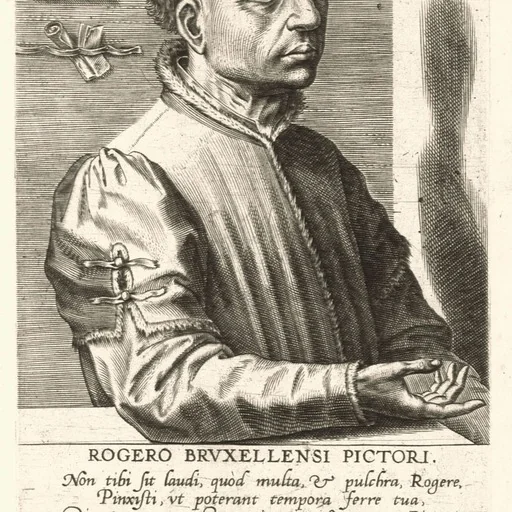
Rogier van der Weyden (Dutch:; 1399 or 1400 – 18 June 1464), initially known as Roger de la Pasture (French: ), was an early Netherlandish painter whose surviving works consist mainly of religious triptychs,…

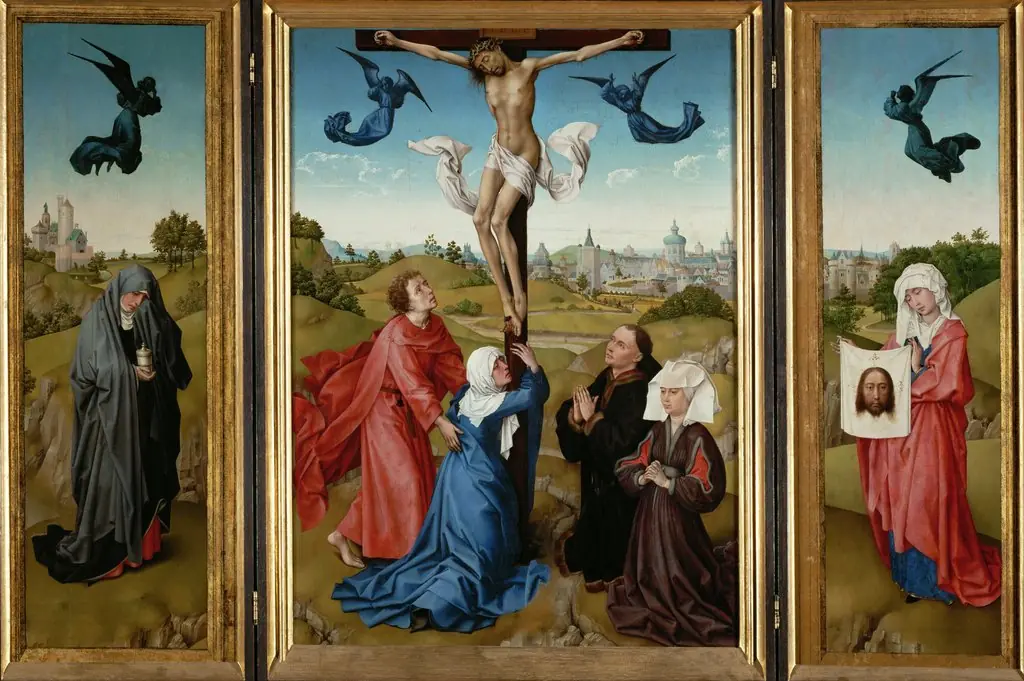
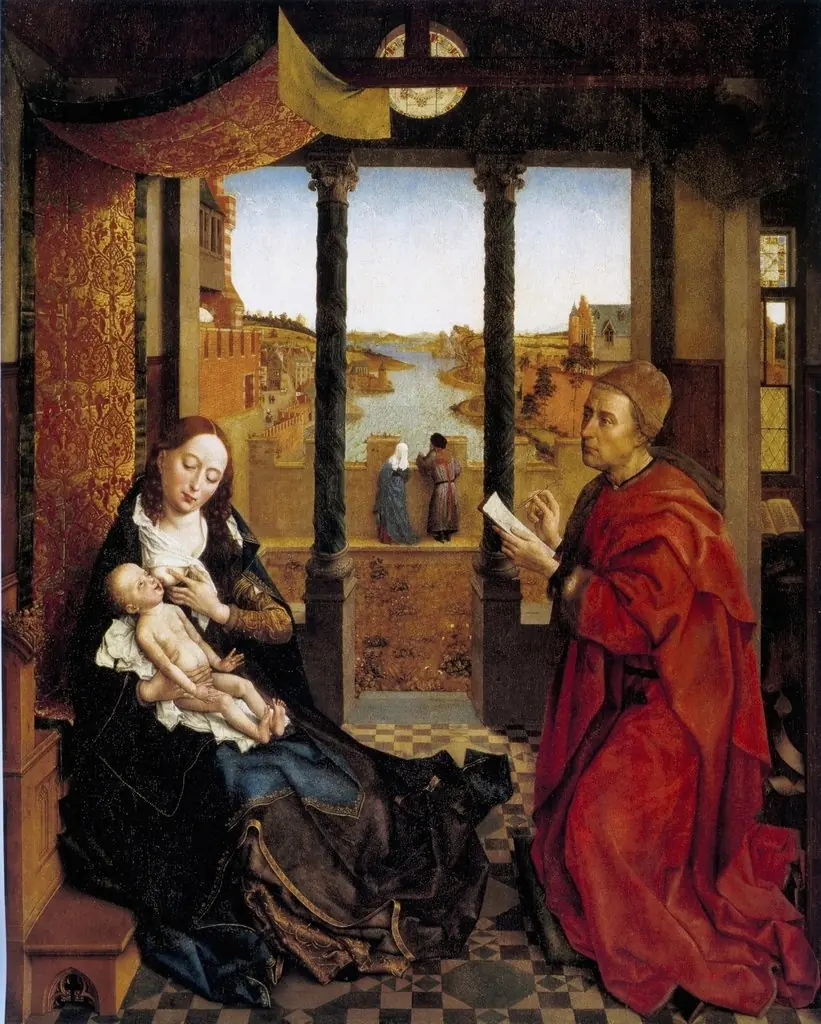
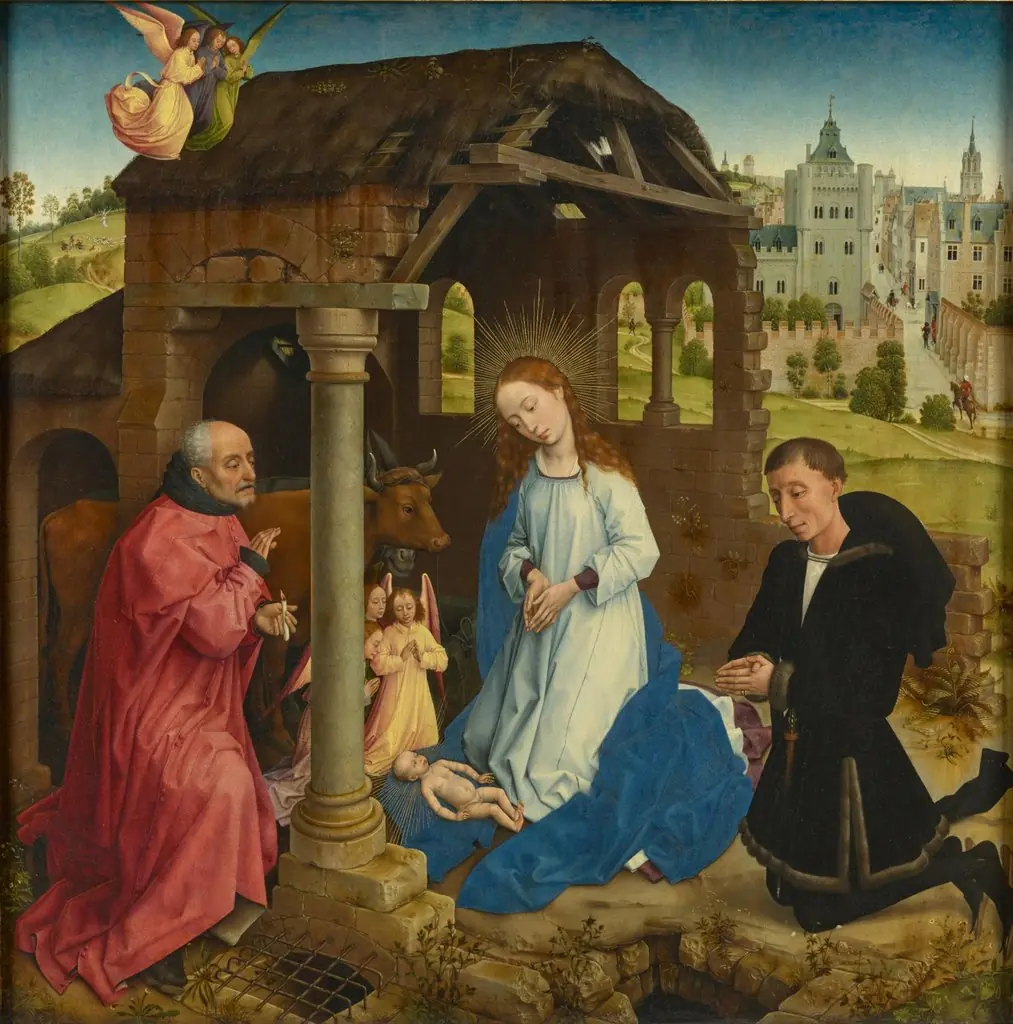
- Portrait of Philippe de Croy
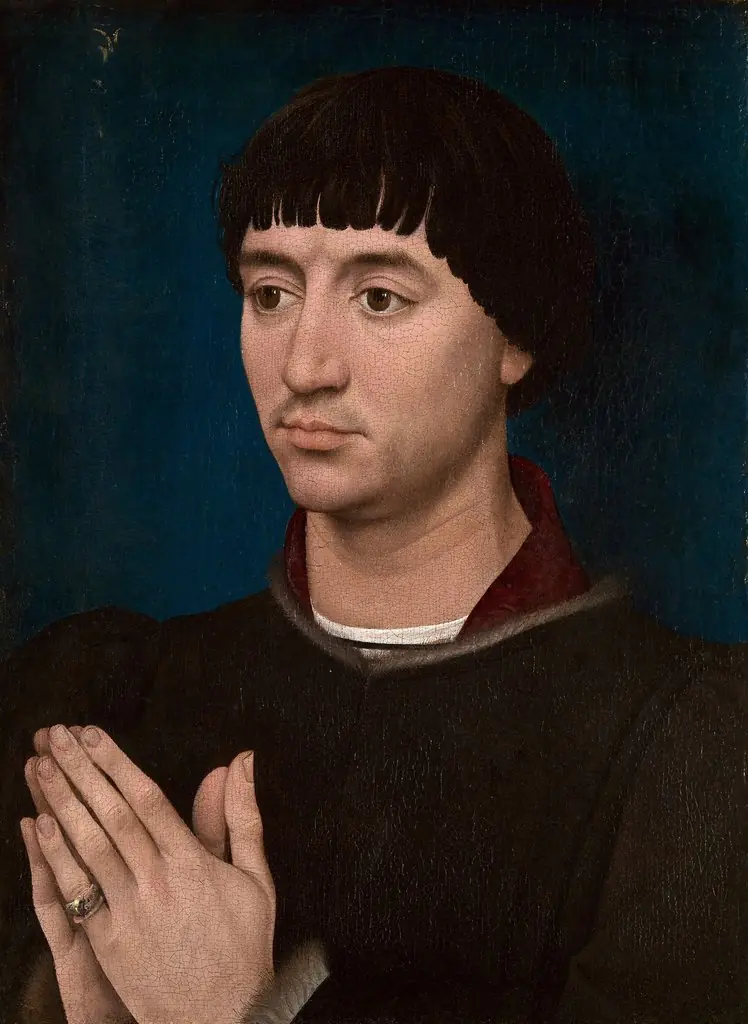 Portrait of Jean Gros
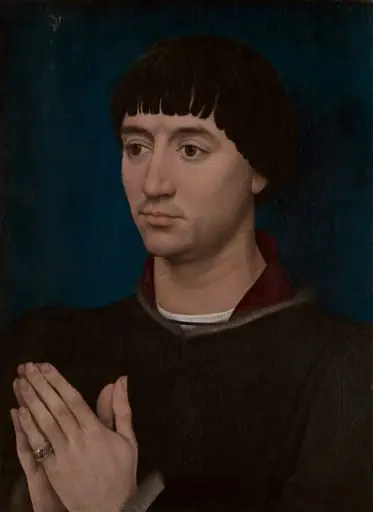 Portrait of Jean Gros (recto); Coat of Arms of Jean Gros (verso)
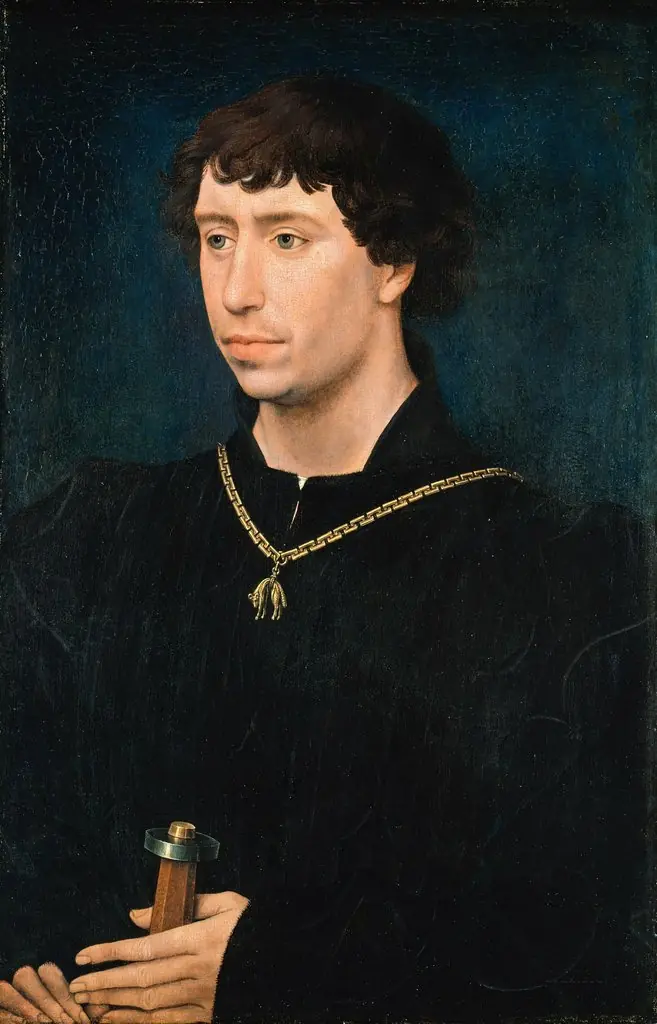 Portrait of Charles the Bold
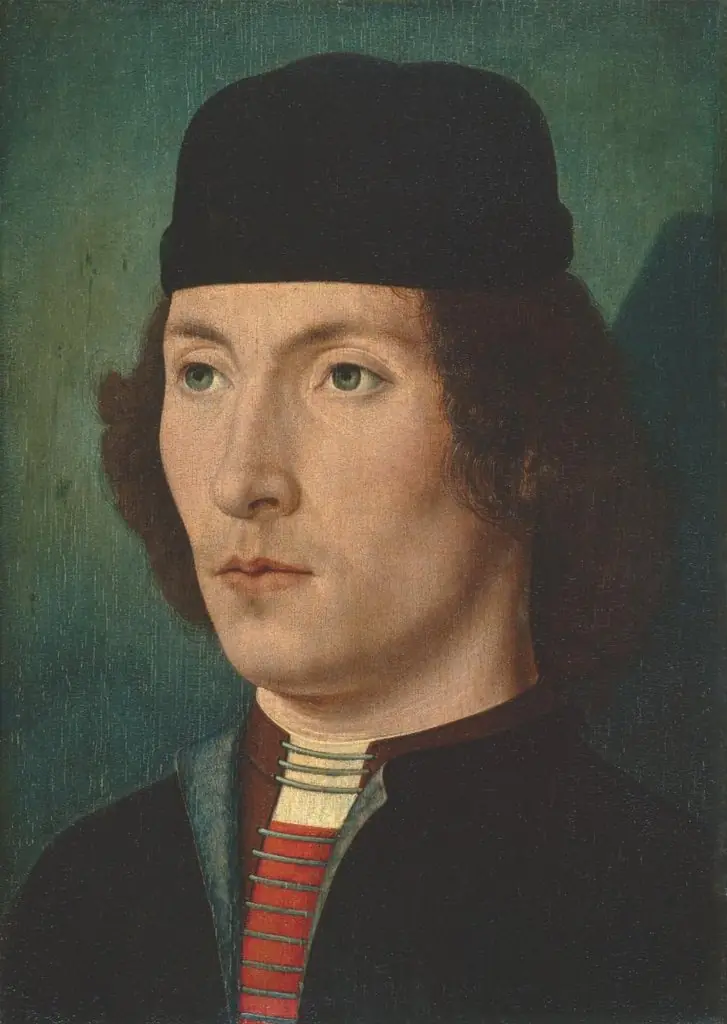 Portrait of a young man
 Portrait of a young man
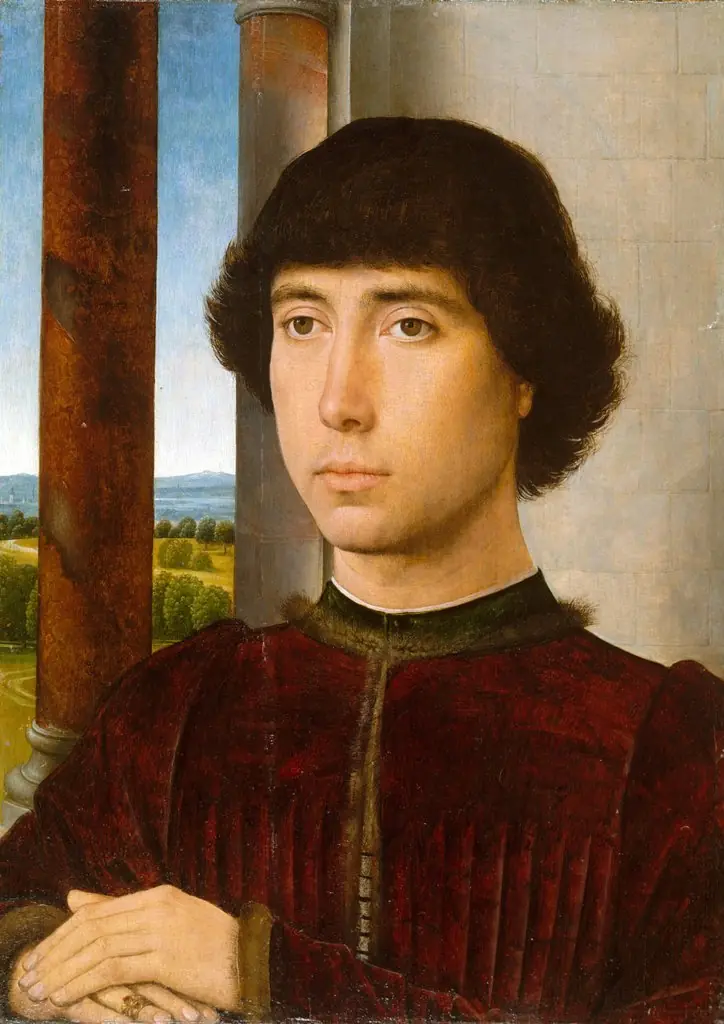 Portrait of a Young Man
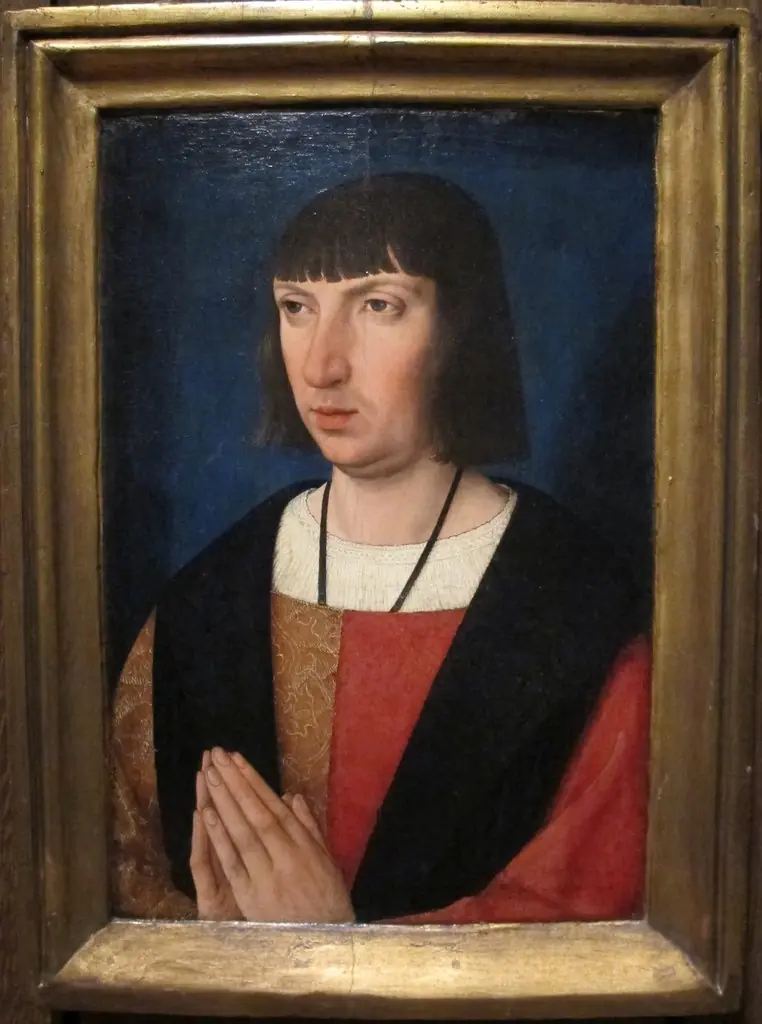 Portrait of a Man Praying
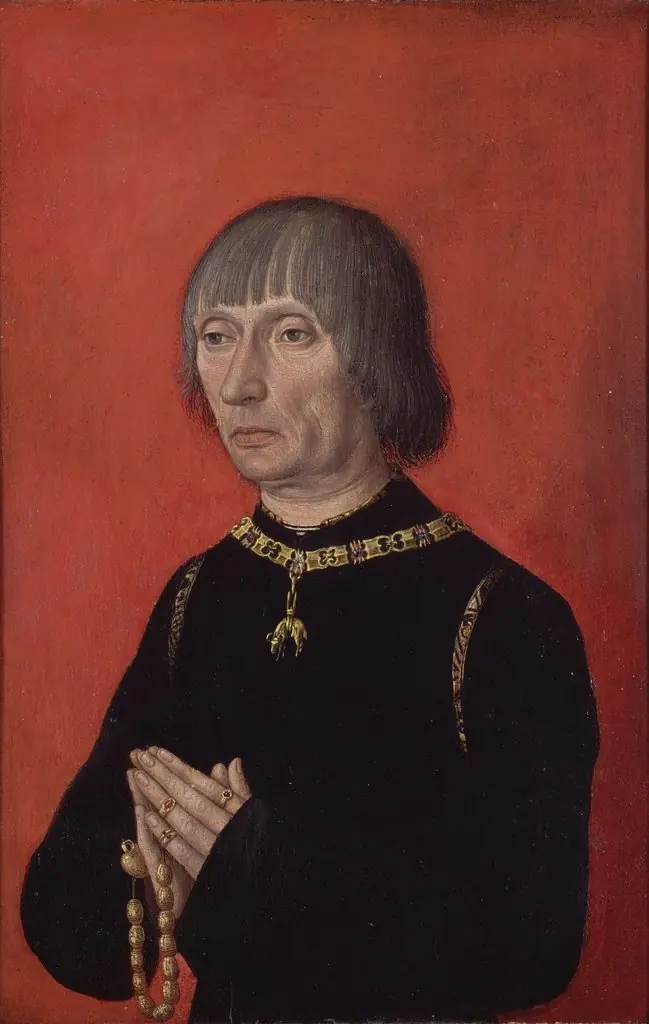 Portrait of Lodewijk van Gruuthuse
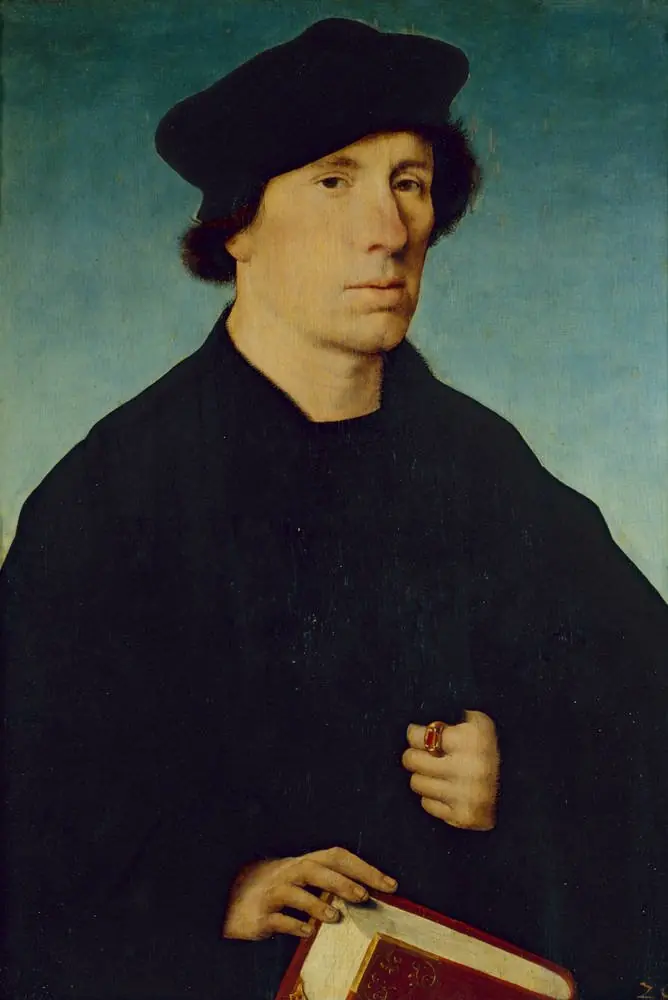 Portrait of a Beardless Man
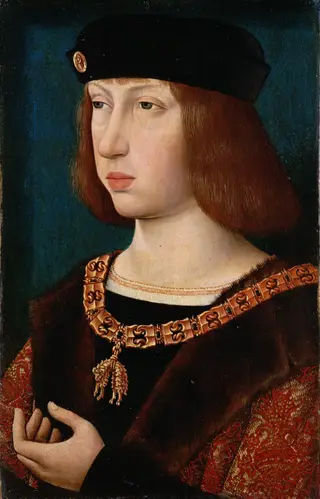 Portrait of Philips 'de Schone' van Habsburg (1478-1506)
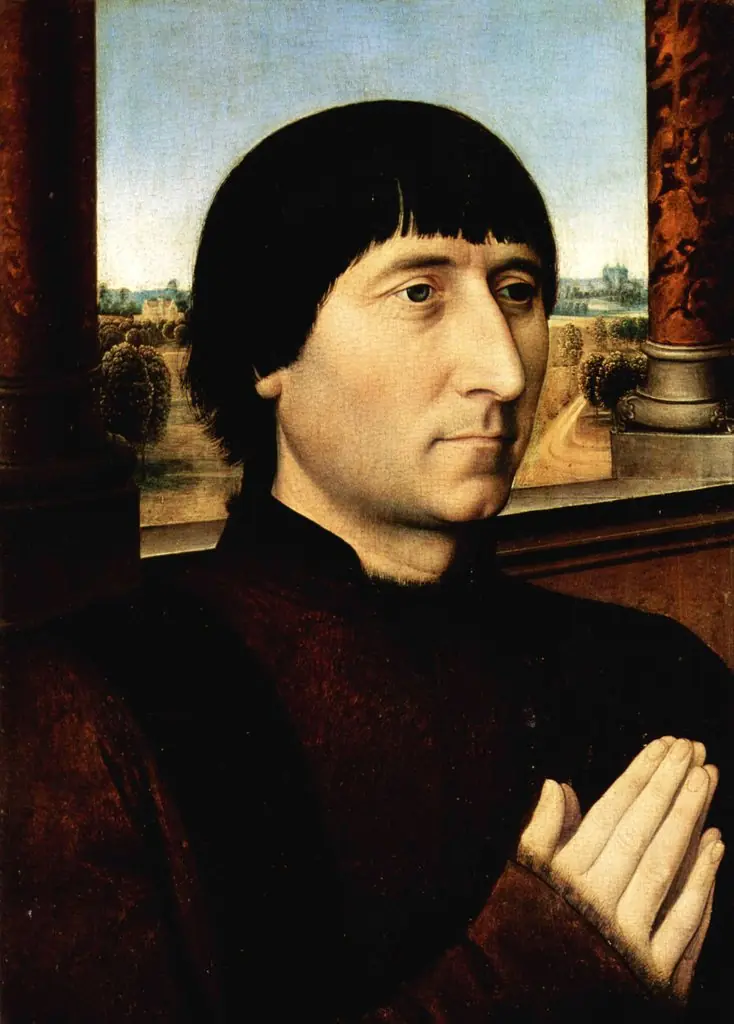 Portrait of Willem Moreel, husband of Barbara van Vlaendenbergh