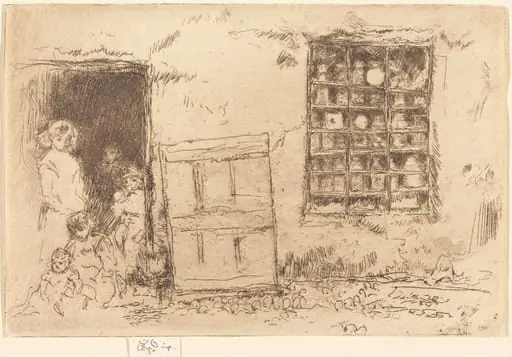
Artwork
Lobster-Pots
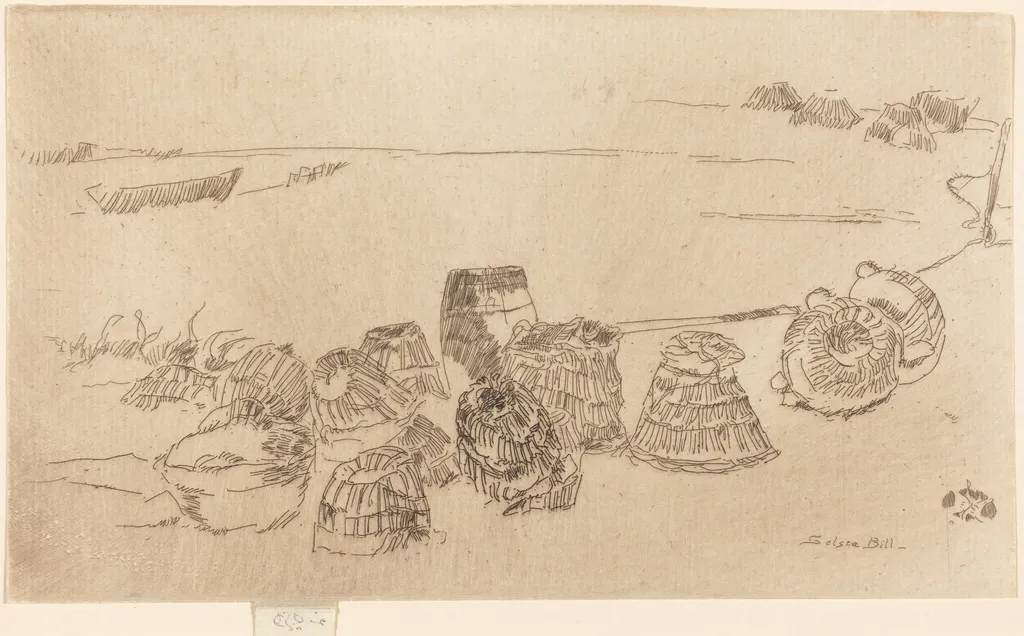
Lobster-Pots is an ink print by the Impressionist artist James McNeill Whistler. It dates from 1880 and is held in the collection of the National Gallery of Art.
- Inscription
- Inscribed:on plate: (butterfly); on tab: (butterfly) imp; on the verso: upper left: 406; at center: 14; lower right: 73 [or 75]
About this work
Overview
Lobster-Pots is an etching and drypoint print created by James McNeill Whistler around 1880, exemplifying his concurrent exploration of printmaking alongside oil and watercolor works.
Subject & Meaning
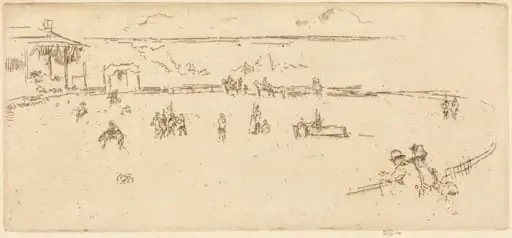
The print focuses on a humble, everyday subject: a row of stacked lobster pots along a shoreline. The composition also includes faint suggestions of a boat and buildings in the background, emphasizing the pots as the primary, albeit unassuming, focus.
Technique & Style
Characterized by delicate linework and subtle tonality, the print showcases Whistler's graphic sensibilities. The lobster pots are rendered with quick, wavy lines, imparting a rough, textured appearance, while the background elements are softly outlined, blending into the light.
History & Provenance
Created during Whistler's time as an American expatriate in Britain, Lobster-Pots aligns with the aesthetic ideals of the late 19th-century Aesthetic Movement and the 'art for art's sake' philosophy.
Context
Technically, the piece demonstrates etching and drypoint techniques, where the artist scratches designs onto a metal plate. The sketchy, on-the-spot feel reflects Whistler's ability to capture form and atmosphere with economy of line.
Own this work as a print
Artist & collection
Artist
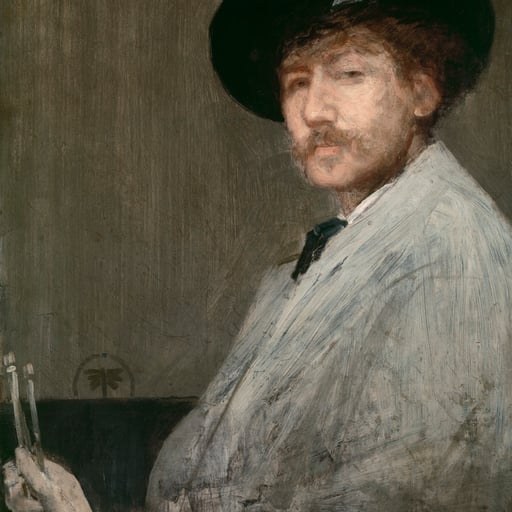
James Abbott McNeill Whistler (; July 10, 1834 – July 17, 1903) was an American painter in oils and watercolor, and printmaker, active during the American Gilded Age and based primarily in the United Kingdom.

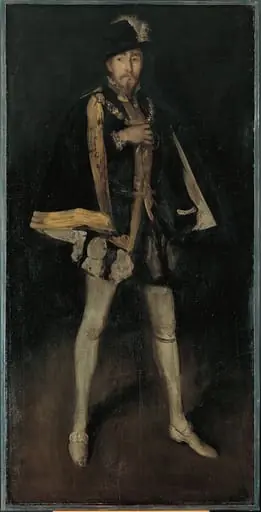 Arrangement in Black, No. 3: Sir Henry Irving as Philip II of Spain
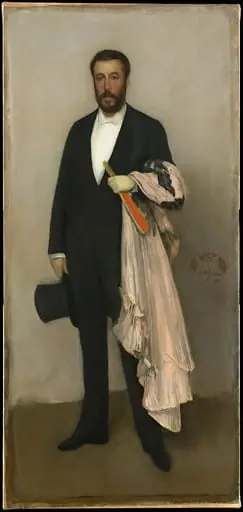 Arrangement in Flesh Colour and Black: Portrait of Theodore Duret
 Gold and Brown: Self-Portrait
 Edward Guthrie Kennedy
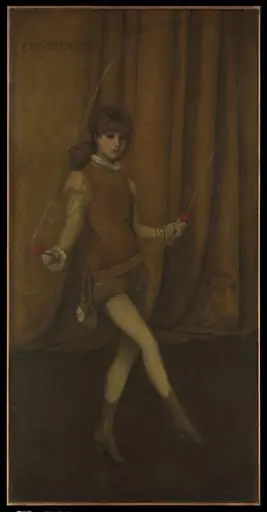 Harmony in Yellow and Gold: The Gold Girl—Connie Gilchrist
 George W. Vanderbilt
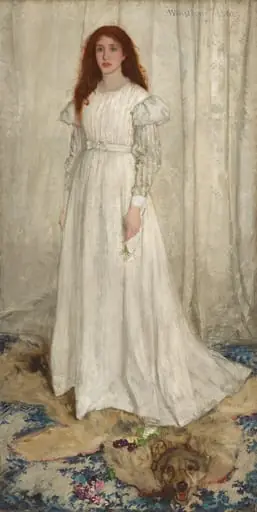 Symphony in White, No. 1: The White Girl
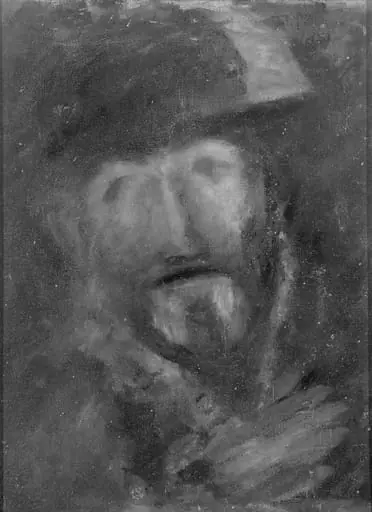 Henry Irving as Philip II of Spain